

Introduction
The complexities of podiatry billing pose significant challenges that can adversely affect the financial viability of practices. With intricate coding requirements, varying insurance standards, and high denial rates, podiatrists often face substantial administrative burdens. This article outlines four best practices designed to enhance billing efficiency, reduce administrative burdens, and allow podiatry clinics to concentrate on patient care. What strategies can practices implement to effectively address billing complexities and achieve sustainable financial success?
Identify Unique Challenges in Podiatry Billing
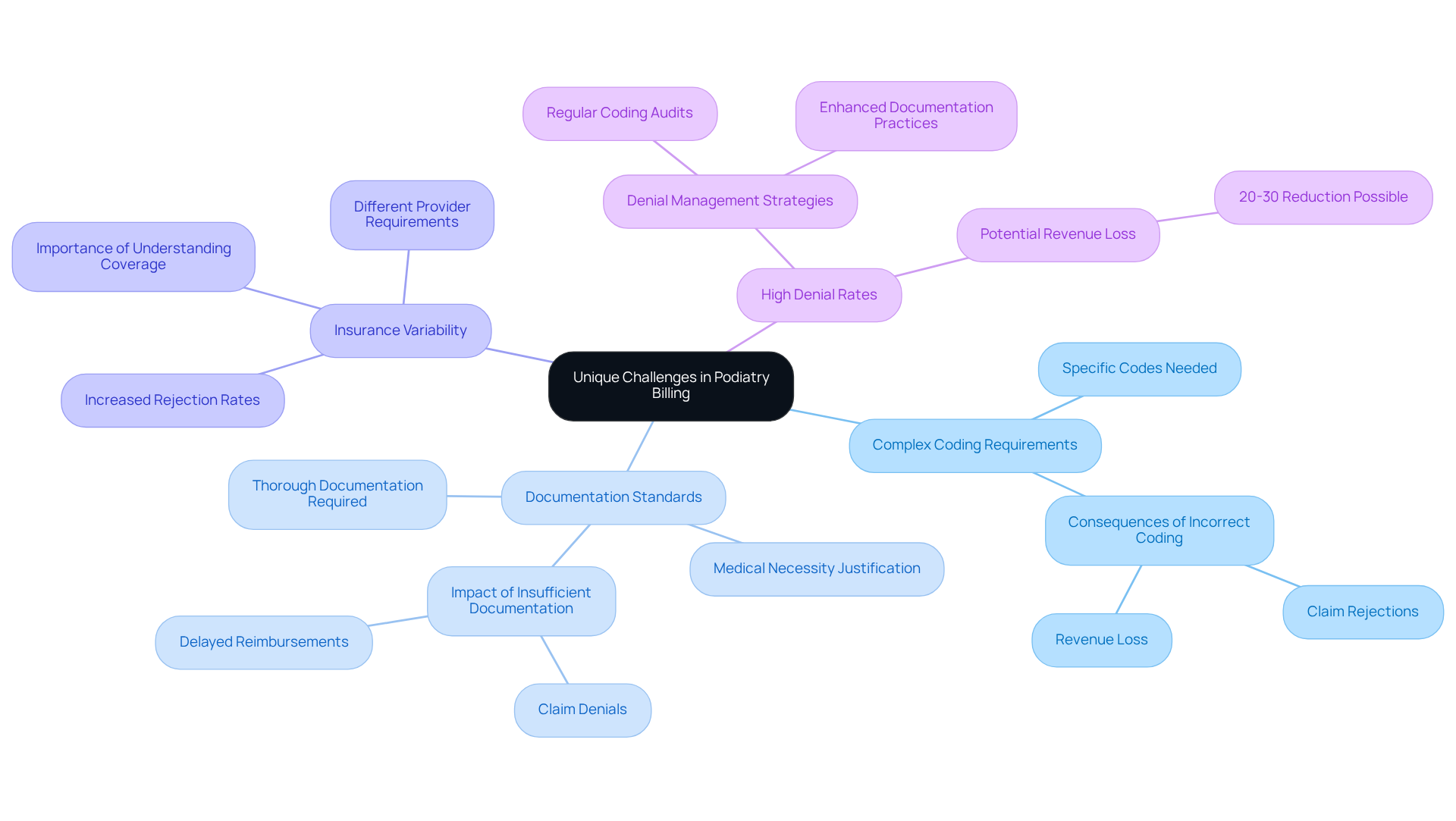
The complexities of podiatry billing services can lead to significant financial and operational hurdles for practices. Key issues include:
- Complex Coding Requirements: Podiatry services often necessitate specific codes that must accurately reflect the procedures performed. Incorrect use of these codes can result in rejections, which are a frequent obstacle for practices.
- Documentation Standards: Insufficient documentation is a leading cause of claim rejections. Podiatrists must ensure that all services provided are thoroughly documented and justified as medically necessary to prevent issues related to medical necessity.
- Insurance Variability: Different insurance providers have varying requirements for coverage, complicating the billing process. Grasping these subtleties is crucial for successful claims, as methods often encounter increased rejection rates compared to other specialties.
- High Denial Rates: Podiatry facilities frequently encounter denial rates that can be mitigated through robust denial management strategies. Implementing a structured approach can reduce revenue loss by 20-30% and enhance overall operational efficiency.
Additionally, podiatry-specific invoicing software can streamline workflows and reduce errors. This further supports efficient financial operations. Recognizing these challenges allows podiatry organizations to implement targeted strategies that mitigate risks and improve their podiatry billing services. For example, performing regular coding audits and enhancing documentation practices can result in a 15-25% quicker reimbursement within 30-90 days, ultimately supporting the financial well-being of the entity.
Healthcare Partners Consulting & Billing, LLC (HPC), a veteran-owned company with 39 years of experience, ensures you receive the necessary support to improve your medical invoicing workflow, with transparent pricing options that include percentage-based, flat-rate, and customized subscription plans. Ultimately, addressing these billing challenges is essential for the financial sustainability of podiatry practices.
Leverage Outsourcing for Enhanced Efficiency
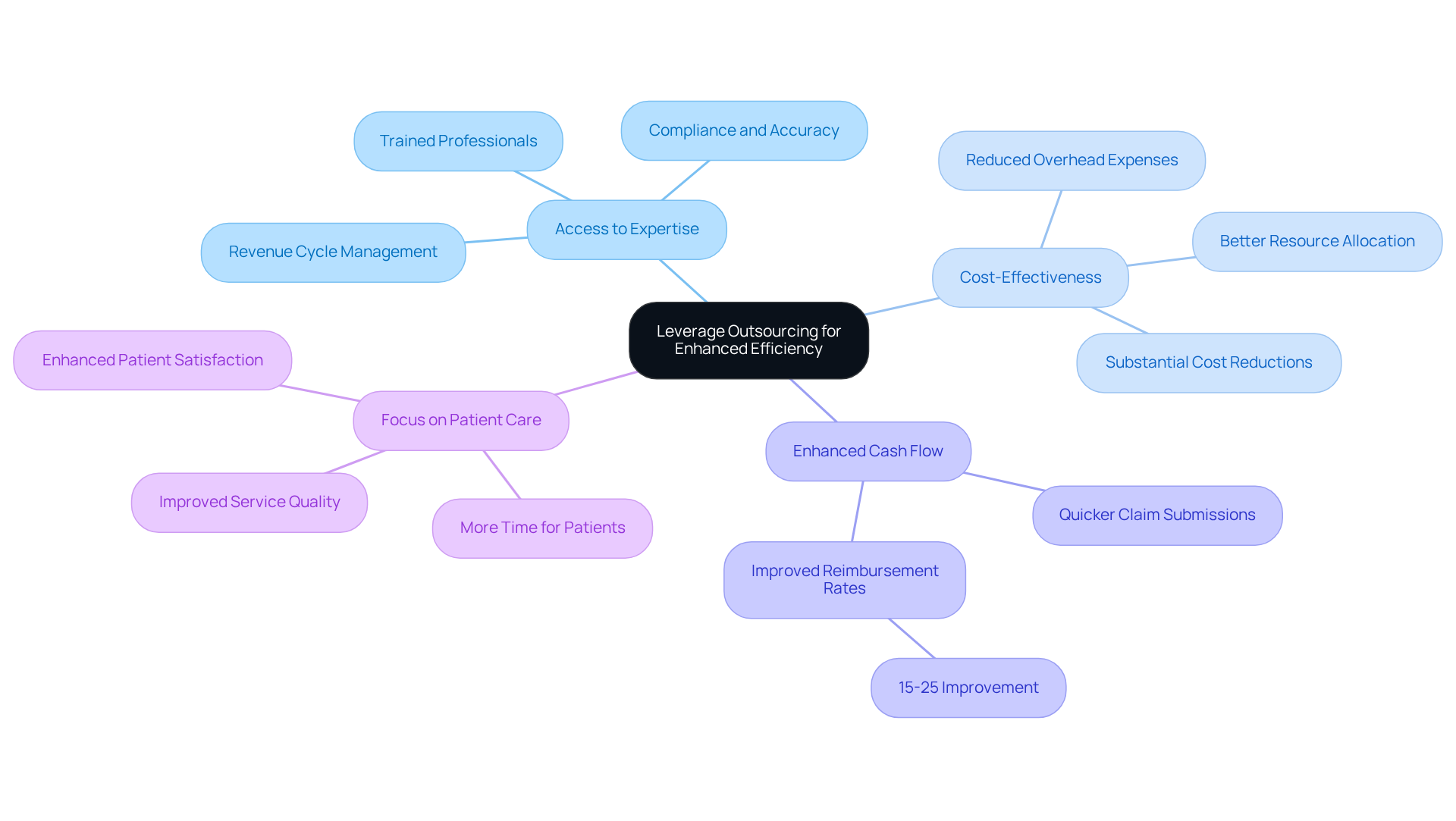
Outsourcing podiatry billing services can significantly streamline operations and enhance overall efficiency. Here are key benefits:
- Access to Expertise: HPC’s team of trained professionals brings a deep understanding of podiatry billing nuances, ensuring both compliance and accuracy. This expertise in podiatry billing services is crucial for navigating the complexities of coding and payer requirements, ultimately enhancing revenue cycle management.
- Cost-Effectiveness: By outsourcing to HPC, organizations can reduce overhead expenses related to hiring and training in-house staff, allowing for better allocation of resources. While specific figures vary, outsourcing can lead to substantial cost reductions, enhancing financial sustainability.
- Enhanced Cash Flow: HPC’s comprehensive medical revenue cycle solutions can lead to quicker claim submissions and payments, improving the overall cash flow of the organization. Organizations that adopt HPC’s outsourcing strategies frequently see reimbursement improvements of 15-25% within 30-90 days, according to industry data.
- Focus on Patient Care: With administrative tasks managed by HPC’s expert team, podiatrists can dedicate more time to patient care, improving overall service quality. This shift enables organizations to enhance patient satisfaction and operational efficiency.
Implementing outsourcing strategies with Healthcare Partners Consulting can transform the invoicing process for podiatry clinics by utilizing podiatry billing services, making it more efficient and less burdensome. For instance, practices that have outsourced their invoicing to HPC have reported a 20-30% decrease in denial rates, highlighting the effectiveness of specialized invoicing services in optimizing revenue cycle performance. As Dr. Clark Larsen from Rocky Mountain Foot and Ankle observed, ‘Since outsourcing our financial processes to HPC, we’ve not only experienced an enhancement in cash flow but have also been able to concentrate more on patient care.’ The shift to outsourcing not only alleviates administrative burdens but also empowers podiatrists to focus on what truly matters: patient care.
Ensure Compliance and Precision in Coding
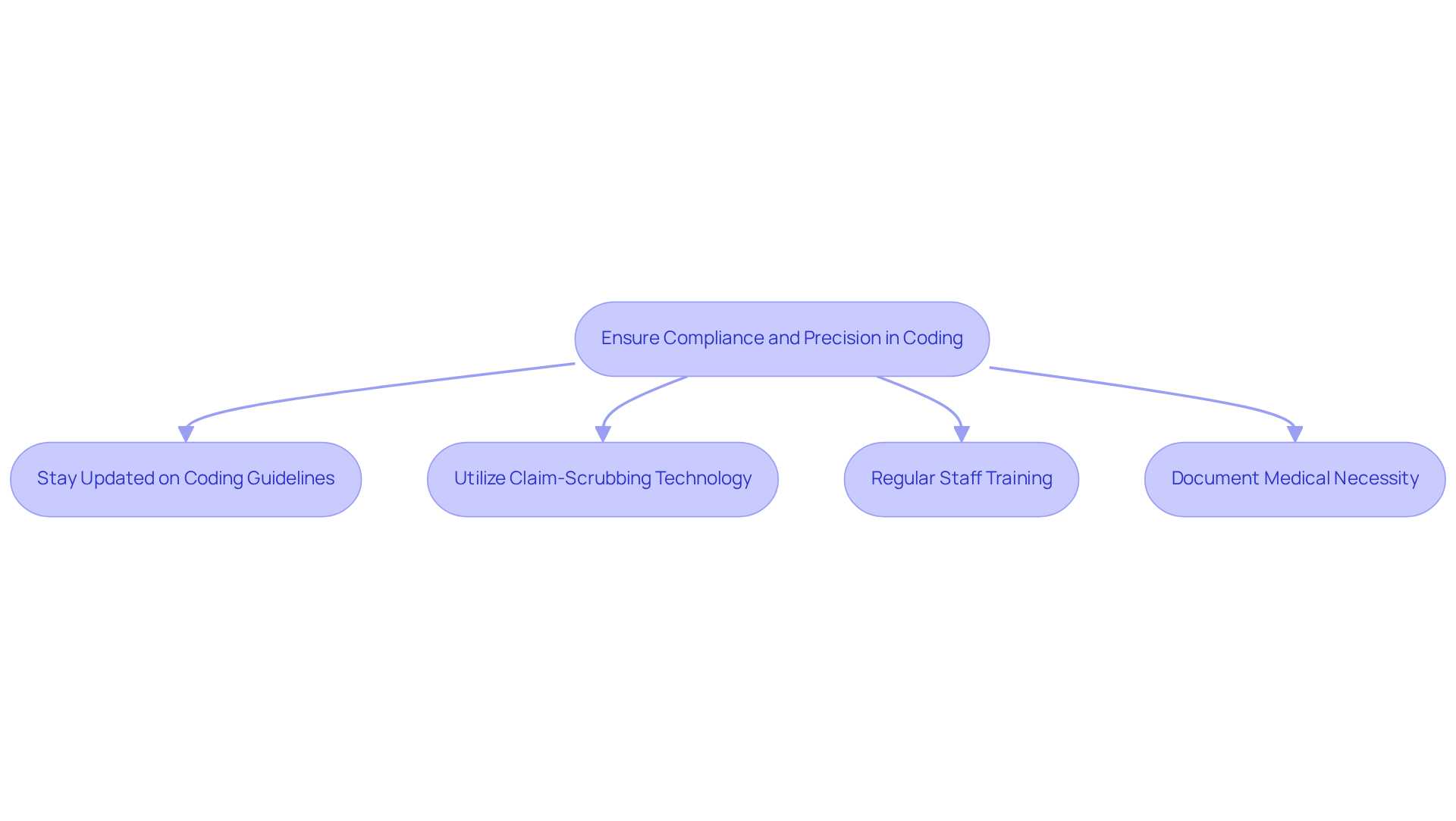
Inaccurate coding can jeopardize the financial stability of podiatry practices, making podiatry billing services and precision essential for compliance. To enhance billing accuracy, podiatry practices should adopt several key strategies:
- Stay Updated on Coding Guidelines: Regularly review changes to CPT, HCPCS, and ICD-10 codes to ensure compliance with the latest standards. This proactive approach helps practices adapt to evolving regulations and minimizes the risk of reimbursement issues.
- Utilize Claim-Scrubbing Technology: Implement software that checks for coding errors before claims are submitted. This technology significantly reduces the likelihood of refusals, thereby improving the overall effectiveness of the invoicing process.
- Regular Staff Training: Continuous education on coding updates is vital for accuracy, leading to a reduction in denials by 20-30% and faster reimbursement by 15-25% within 30-90 days.
- Document Medical Necessity: Ensure that all submissions are backed by thorough documentation justifying the medical necessity of the services provided. Precise documentation not only aids in the coding process but also protects the organization during audits.
By emphasizing adherence and accuracy in coding, podiatry facilities can improve their billing precision with podiatry billing services and minimize the likelihood of reimbursement issues. Ultimately, prioritizing coding accuracy not only safeguards revenue but also enhances the overall operational efficiency of podiatry facilities.
Implement Effective Denial Management Strategies
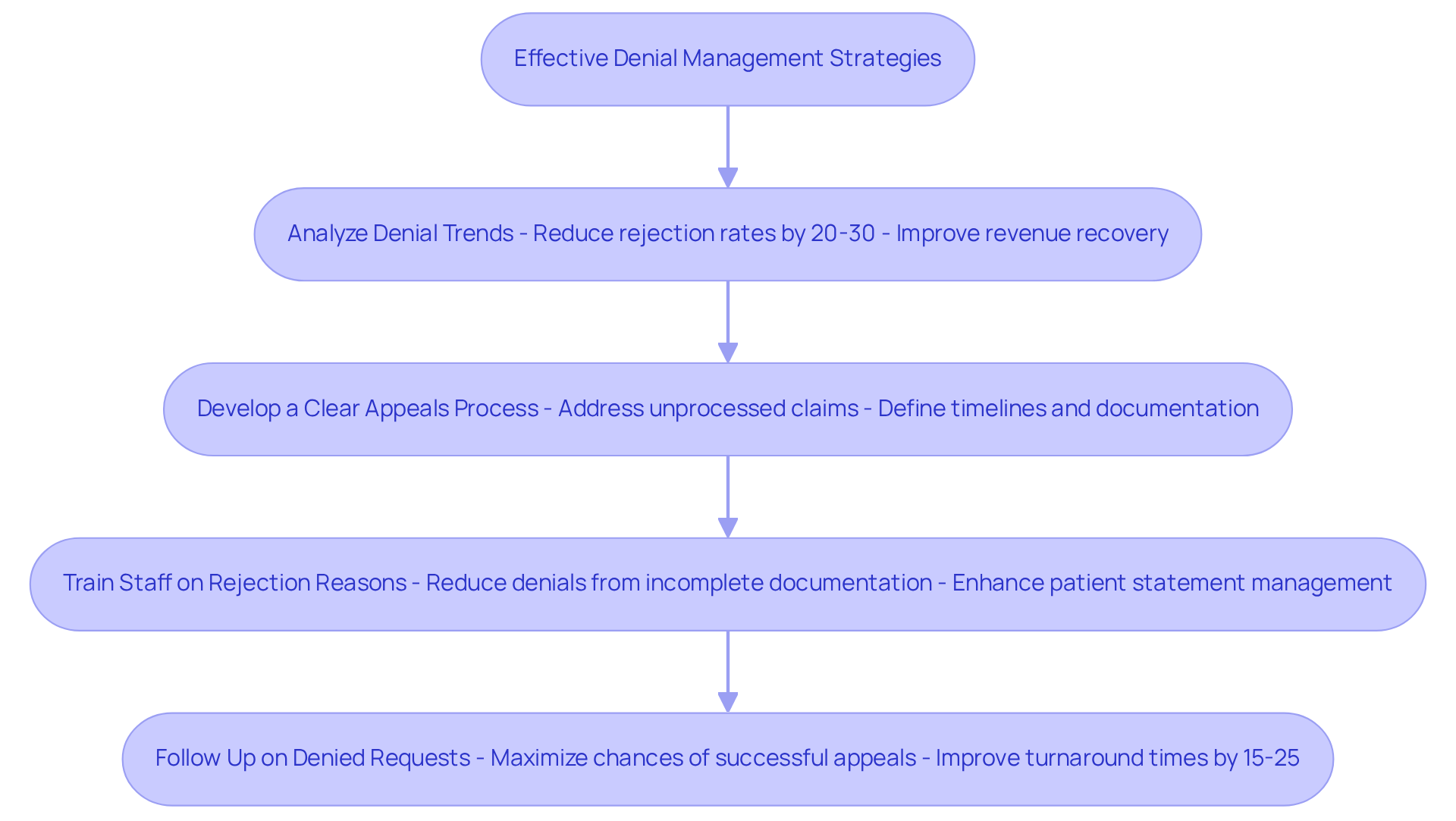
Effective claims management is crucial for podiatry clinics that rely on podiatry billing services to mitigate revenue loss and enhance financial stability. Here are key strategies to implement, particularly in the context of optimizing patient statements and claims management:
- Analyze Denial Trends: By proactively analyzing denial trends, practices can implement targeted interventions that may reduce rejection rates by 20-30%. Furthermore, understanding how these denials relate to underpayments and aging invoices can further improve revenue recovery efforts.
- Develop a Clear Appeals Process: A clear appeals process is essential for addressing unprocessed claims, which can significantly contribute to revenue loss. This should include defined timelines and documentation requirements, ensuring that all necessary information is readily available to support appeals.
- Train Staff on Rejection Reasons: Ongoing training helps staff understand common rejection reasons, reducing denials caused by incomplete or inaccurate documentation, which make up 35% of all denials. Training should also cover how to effectively manage patient statements to minimize confusion and enhance patient satisfaction.
- Follow Up on Denied Requests: Implement a robust follow-up system to ensure that denied requests are addressed promptly. Timely follow-ups can maximize the chances of successful appeals and facilitate faster reimbursement, potentially improving turnaround times by 15-25% within 30-90 days. This is especially crucial for aging issues that require prompt attention to prevent additional revenue loss.
By implementing these strategies, clinics can not only secure their financial future but also prioritize patient care more effectively. Integrating these strategies with a comprehensive approach to patient statements and podiatry billing services will further empower practices to optimize their financial health.
Conclusion
Addressing the complexities of podiatry billing is crucial for maintaining the financial viability of practices. Recognizing the unique challenges in podiatry billing – like coding requirements, documentation standards, and high denial rates – enables clinics to implement effective strategies. These insights underscore how crucial compliance, accuracy, and outsourcing are for success.
Key arguments presented include the advantages of outsourcing billing services, which not only streamline operations but also empower healthcare providers to focus on patient care. When practices tap into HPC’s expertise, they often see better cash flow, fewer denial rates, and smoother operations. Furthermore, ensuring compliance through regular training and updated coding practices is vital for minimizing reimbursement issues and safeguarding revenue.
Ultimately, adopting best practices in podiatry billing is essential for success. By prioritizing these strategies, podiatry clinics can secure their financial future while enhancing the quality of care provided to patients. Embracing a compliance-first approach and considering the benefits of outsourcing can lead to a transformative impact on practice efficiency and patient satisfaction. For practices aiming to enhance their financial stability and patient care, engaging with HPC represents a strategic move toward achieving these objectives.
Frequently Asked Questions
What are the unique challenges in podiatry billing?
The unique challenges in podiatry billing include complex coding requirements, documentation standards, insurance variability, and high denial rates.
Why are complex coding requirements a challenge in podiatry billing?
Podiatry services require specific codes that must accurately reflect the procedures performed. Incorrect coding can lead to claim rejections, which are common obstacles for practices.
How does documentation affect podiatry billing?
Insufficient documentation is a leading cause of claim rejections. Podiatrists must thoroughly document all services provided and justify their medical necessity to avoid issues.
What role does insurance variability play in podiatry billing?
Different insurance providers have varying coverage requirements, complicating the billing process. Understanding these differences is crucial for successful claims, as they often face higher rejection rates compared to other specialties.
What are the implications of high denial rates in podiatry billing?
Podiatry facilities frequently experience high denial rates, which can lead to significant revenue loss. Implementing robust denial management strategies can reduce this loss by 20-30% and improve operational efficiency.
How can podiatry practices improve their billing processes?
Podiatry practices can improve their billing processes by using podiatry-specific invoicing software, performing regular coding audits, and enhancing documentation practices, which can lead to quicker reimbursements.
What is the potential impact of improving billing practices on reimbursement times?
Enhancing billing practices can result in a 15-25% quicker reimbursement within 30-90 days, supporting the financial well-being of podiatry practices.
Who can assist podiatry practices with their billing challenges?
Healthcare Partners Consulting & Billing, LLC (HPC) is a veteran-owned company with 39 years of experience that offers support to improve medical invoicing workflows with various pricing options.