

Introduction
The choice of a mental health billing company can either streamline operations or complicate them further, impacting patient care and financial outcomes. With the complexities of mental health billing, including compliance with ever-evolving regulations and the need for precise coding, providers face unique challenges that can lead to decreased focus on patient care, ultimately affecting treatment outcomes.
This guide will walk healthcare providers through six essential steps to help them select a billing partner that not only understands the intricacies of mental health reimbursement but also alleviates administrative burdens. By choosing the right partner, providers can redirect their attention back to patient care and improve overall practice efficiency.
An informed choice in billing partnerships can transform administrative challenges into opportunities for enhanced patient care and practice growth.
Understand Mental Health Billing Basics
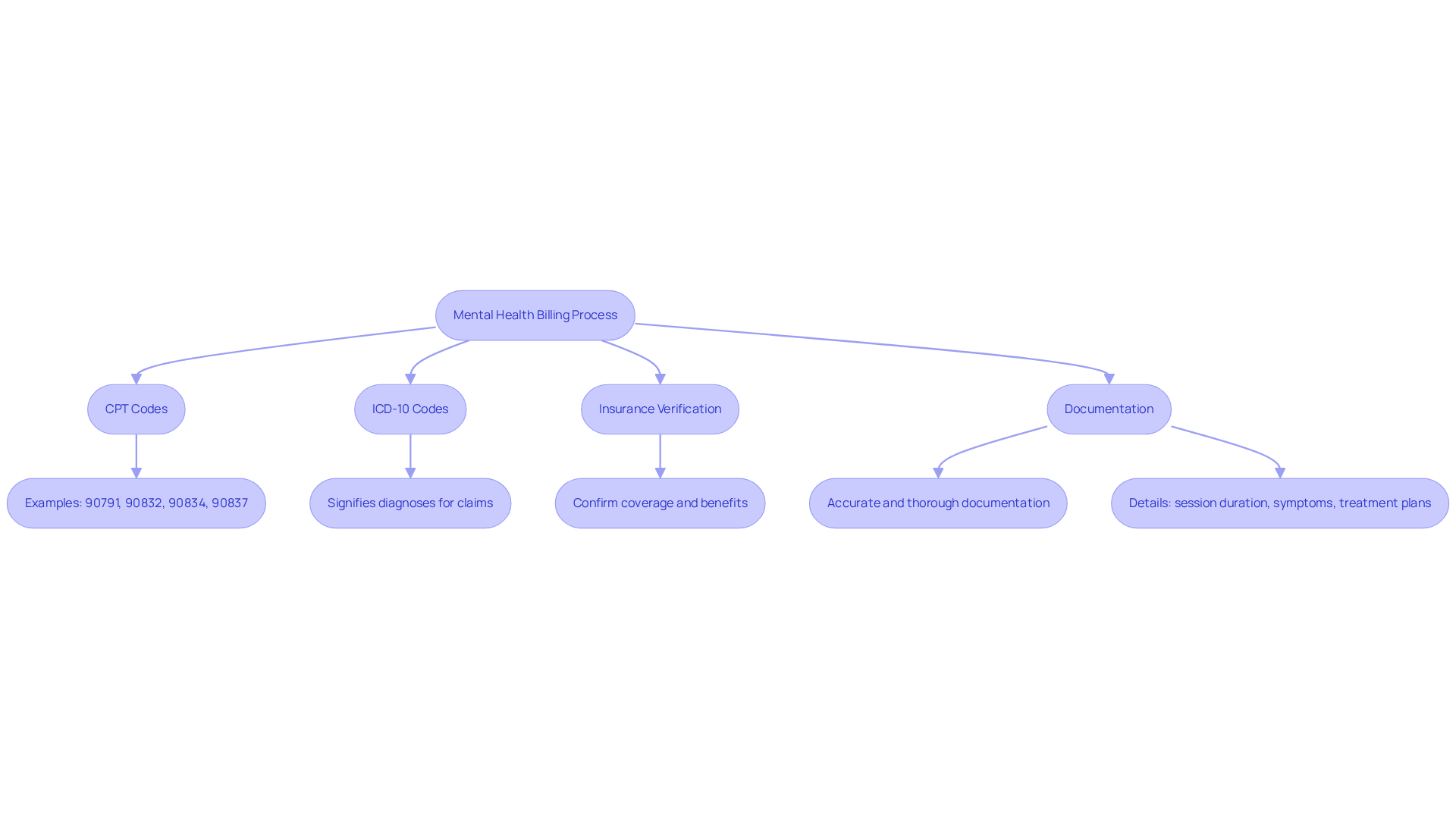
The intricacies of mental health billing demand precise attention to detail and compliance to ensure financial stability. Mental health billing involves the process of submitting claims to insurance companies for care provided by mental health professionals. Key components include:
- CPT Codes: These codes describe the services provided, such as therapy sessions or psychiatric evaluations. Common codes include 90791 for initial evaluations, 90832 for 16-37 minutes of therapy, 90834 for 38-52 minutes, and 90837 for sessions over 53 minutes.
- ICD-10 Codes: These codes signify the diagnoses linked to the care provided, ensuring that claims are justified and compliant with payer requirements.
- Insurance Verification: Confirming a patient’s insurance coverage and benefits before procedures are rendered is crucial to avoid claim denials, which can range from 15% to 25% nationally due to issues like authorization errors and incorrect coding.
- Documentation: Accurate and thorough documentation is vital for justifying claims and ensuring compliance. This includes detailing session duration, patient symptoms, and treatment plans, as poor documentation is a common trigger for audits and denials.
Recent trends suggest that mental health reimbursement is becoming increasingly intricate, especially with the introduction of new CPT codes effective January 1, 2026, and the permanent expansion of telehealth options. Practices that adapt to these changes will enhance compliance and maximize revenue. Precise coding can reduce denial rates from 20% to below 5%, emphasizing the financial advantages of specialized revenue cycle services. Furthermore, operational challenges in behavioral health invoicing require partners who comprehend these complexities. By grasping these fundamentals, mental health clinic owners can recognize the significance of choosing a mental health billing company capable of navigating these complexities effectively.
If you are unsure which service aligns with your needs, Healthcare Partners Consulting offers personalized consultations to assist in identifying optimal administrative solutions tailored to your needs. Schedule a meeting with us by emailing info@hpcbilling.com or calling 888-517-4992. With 39 years of experience, we understand the nuances of payment processes and are dedicated to enhancing patient care.
Assess Your Practice’s Unique Needs
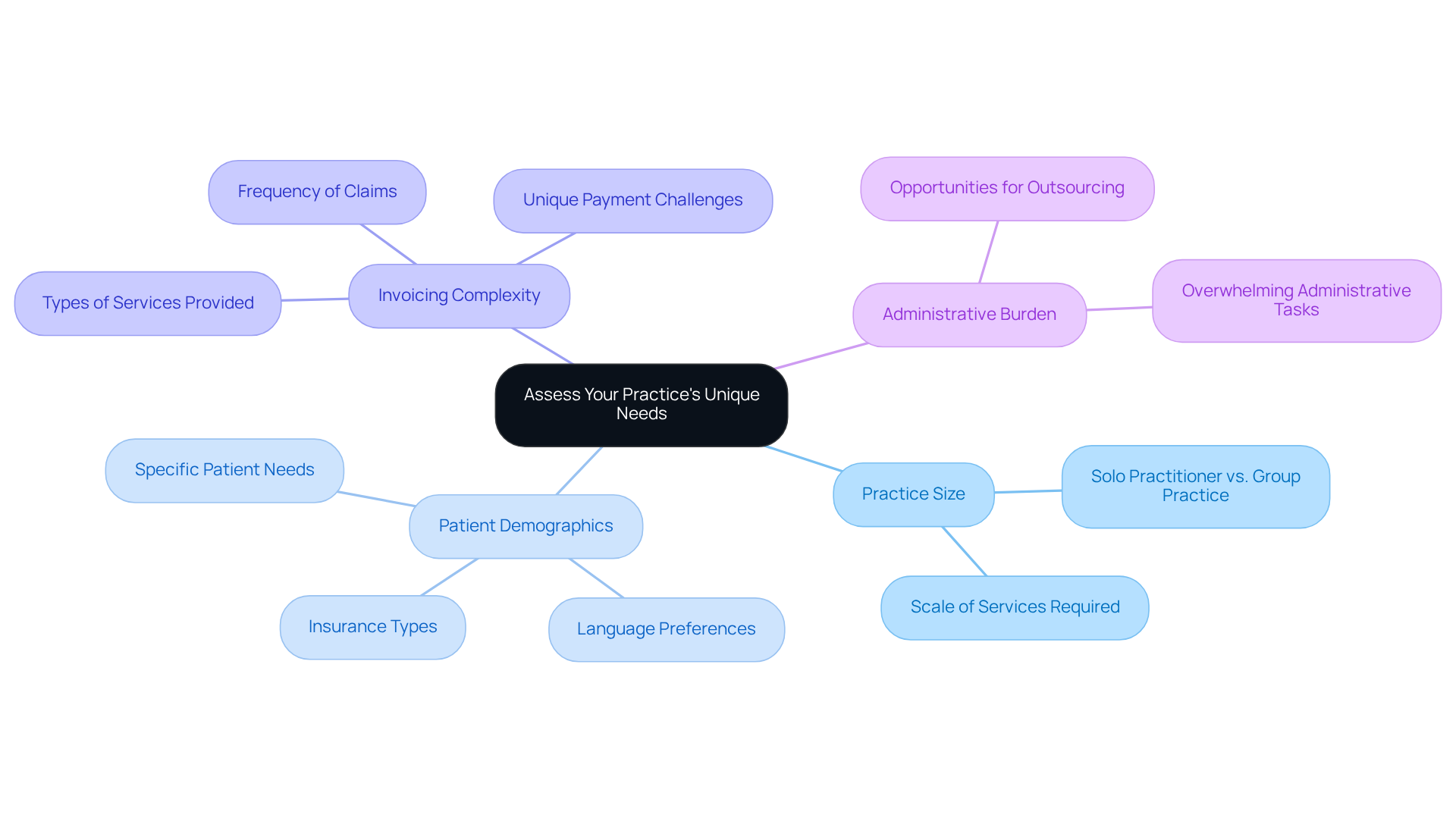
A comprehensive assessment of your practice’s unique needs is crucial before selecting a payment processing company. Consider the following factors:
- Practice Size: Determine whether you are a solo practitioner or part of a larger group. This distinction will significantly influence the scale and type of services required.
- Patient Demographics: Understanding your patient population is crucial. Factors such as language preferences, insurance types, and specific needs can help identify customized payment requirements.
- Invoicing Complexity: Assess the intricacy of your invoicing processes. Consider the types of services provided, the frequency of claims, and any unique payment challenges specific to mental health services.
- Administrative Burden: Identify areas where administrative tasks are overwhelming. Overwhelming administrative tasks can detract from patient care. Recognizing these pain points can highlight opportunities for outsourcing, allowing your staff to focus more on patient care.
Clearly outlining these requirements simplifies the search for a mental health billing company that can effectively support your operations. Specifically, methods that utilize efficient invoicing systems can decrease claim denials by 20-30% and achieve quicker reimbursement times of 15-25% within 30-90 days. Furthermore, this understanding can lead to enhanced operational efficiency and improved patient outcomes, positioning your organization competitively in the evolving healthcare landscape.
Research Potential Billing Companies
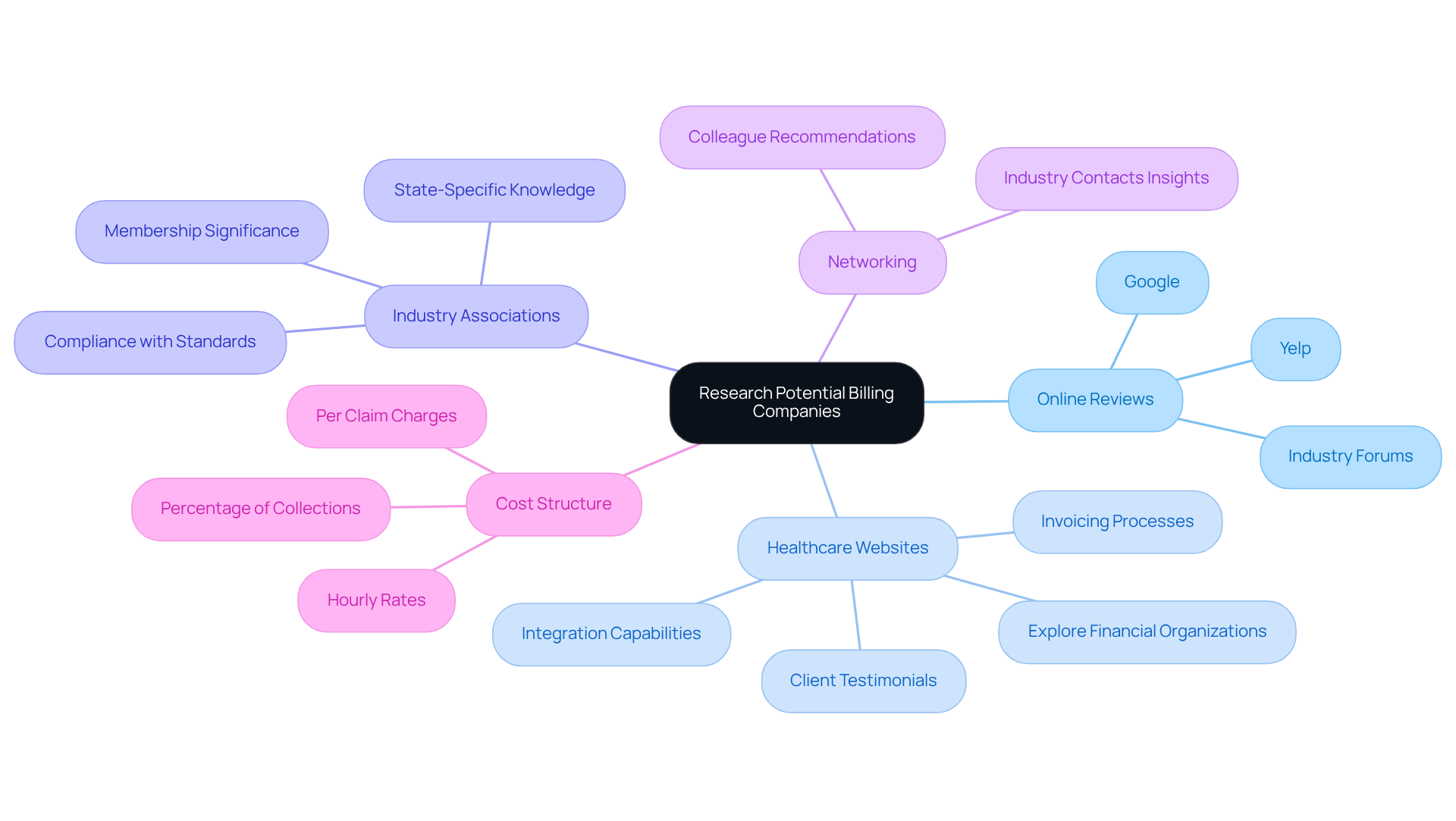
Choosing the right mental health billing company can be a daunting task, filled with challenges that can affect your practice’s financial health. To ensure you make an informed decision, it is essential to conduct thorough research that aligns with your practice’s specific needs:
- Online Reviews: Utilize platforms such as Google, Yelp, and specialized industry forums to gather client feedback. This can provide insights into the experiences of other mental health providers with potential payment partners.
- Healthcare Websites: Explore the sites of prospective financial organizations, like Healthcare Partners Consulting, to gain a deeper understanding of their comprehensive administrative solutions, areas of expertise, and client testimonials. Look for detailed descriptions of their invoicing processes, success rates, and integration capabilities with existing Electronic Health Record (EHR) and Electronic Medical Record (EMR) systems.
- Industry Associations: Identify organizations that are members of reputable industry associations. Membership can signify a dedication to best practices and compliance with industry standards, which is essential in the intricate realm of mental health reimbursement. Additionally, ensure that the invoicing entity is knowledgeable about state-specific payment laws and requirements to maintain compliance.
- Networking: Connect with colleagues or industry contacts to gather recommendations and insights based on their experiences with invoicing services. Personal referrals can often lead to discovering reliable partners.
- Cost Structure: Be aware that mental health invoicing services typically charge between 4% and 10% of net monthly collections. Understanding this cost structure will help you evaluate the financial implications of your choices.
This research will help you compile a list of financial partners, including a mental health billing company, that meet your operational needs and enhance your practice’s financial performance. By concentrating on entities like Healthcare Partners Consulting, which prioritize compliance and possess a veteran-owned status with 39 years of experience, you can enhance claim accuracy and decrease denial rates, ultimately resulting in quicker reimbursement cycles of 15-25% within 30-90 days. Ultimately, the right choice can significantly influence your practice’s financial stability and operational efficiency, making thorough research indispensable.
Evaluate Services and Specializations
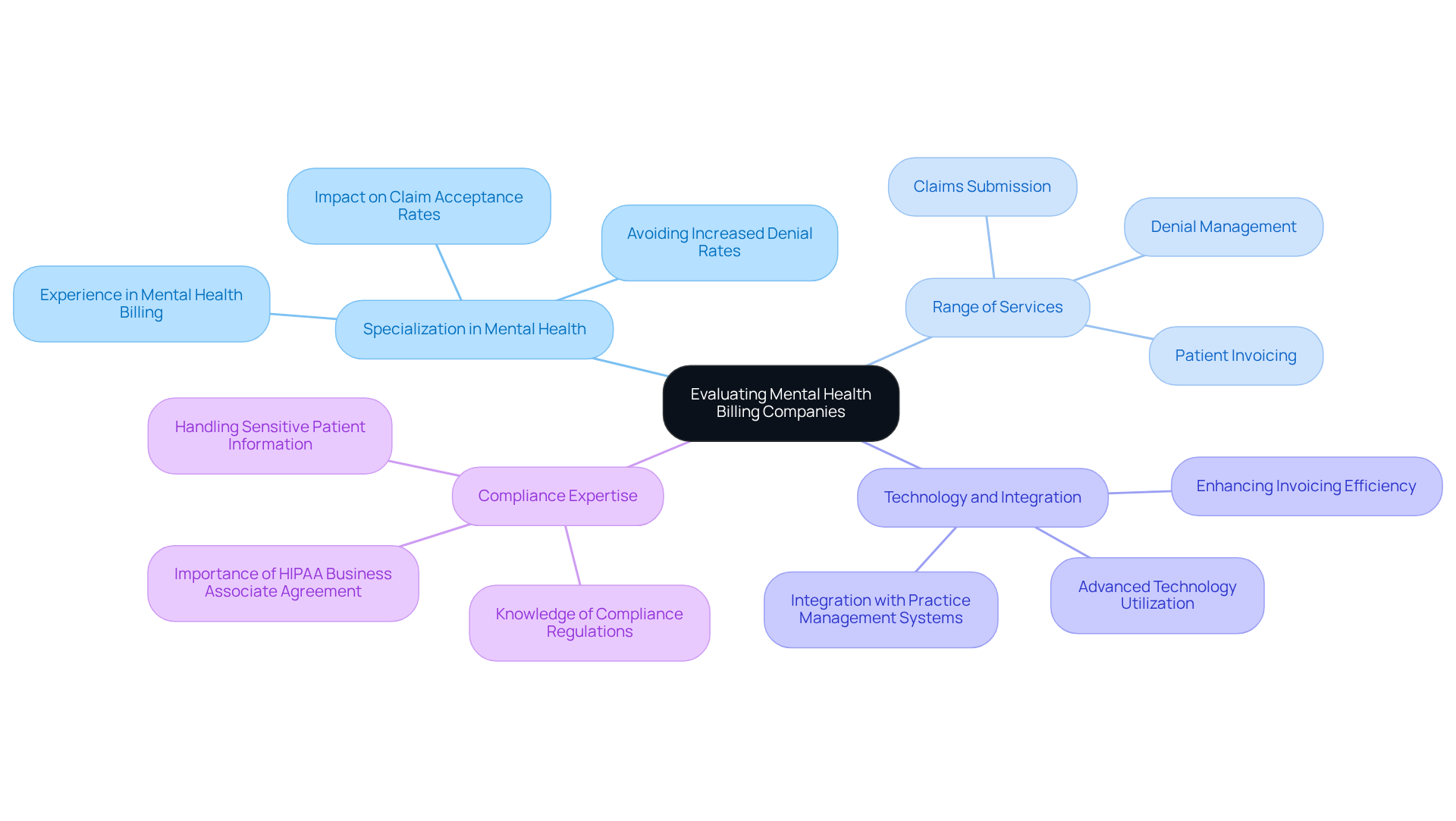
Navigating the complexities of billing in mental health can be daunting, which makes selecting a mental health billing company critical for success. When evaluating potential billing companies for your mental health practice, consider the following key factors:
- Specialization in Mental Health: It is crucial to select a company with specific experience in mental health billing. Healthcare Partners Consulting, a veteran-owned company with 39 years of experience, specializes in navigating the unique coding and documentation requirements inherent in the field. This specialization enables them to effectively handle the complexities of invoicing, resulting in enhanced claim acceptance rates. Failing to select a specialized mental health billing company may lead to increased denial rates and administrative burdens, hindering your practice’s efficiency.
- Range of Services: Look for companies that provide a comprehensive suite of services. Healthcare Partners Consulting provides claims submission, denial management, and patient invoicing, ensuring that all elements of the payment process are managed effectively. This full-service approach alleviates the administrative burden on your operations, enabling you to concentrate more on patient care.
- Technology and Integration: Evaluate whether the invoicing service utilizes advanced technology that integrates seamlessly with your practice management system. Healthcare Partners Consulting utilizes cutting-edge technology to streamline operations, enhance accuracy, and reduce the time spent on insurance inquiries. Their systems can significantly enhance invoicing efficiency, leading to quicker reimbursements-often within 30-90 days-and lower denial rates.
- Compliance Expertise: Verify that Healthcare Partners Consulting & Billing, LLC possesses in-depth knowledge of compliance regulations specific to mental health invoicing. Healthcare Partners Consulting is dedicated to ensuring that your operations remain compliant with laws such as the Mental Health Parity and Addiction Equity Act. Their strong compliance record helps avoid legal penalties and ensures proper handling of sensitive patient information. Additionally, they provide a HIPAA Business Associate Agreement (BAA) to protect patient data and comply with federal regulations.
Choosing the right mental health billing company not only safeguards your practice’s financial health but also enhances the quality of care you provide to your patients.
Analyze Cost Structures and ROI
Navigating the complexities of billing company costs can significantly impact your practice’s financial stability:
- Fee Structures: Billing companies typically charge based on a percentage of collections, flat fees, or per-claim fees. Rates generally range from 5% to 10% of collections, with many entities paying between 6% and 8%. Larger practices may negotiate lower rates, while smaller ones might encounter higher fees due to economies of scale.
- Hidden Fees: It is essential to inquire about any additional charges that may not be immediately apparent, such as setup fees or costs for extra options. Gaining clarity on these costs upfront can help avoid unexpected expenses later.
- ROI Expectations: Engaging in discussions about anticipated ROI with the invoicing company is crucial. A reputable partner should offer insights into how their services can enhance your revenue cycle and reduce administrative burdens. Facilities that outsource invoicing often see a return on investment that builds over time, with improvements typically noticeable within 90 days.
- Performance Metrics: Request performance metrics from HPC, such as claim approval rates and average time to payment. Quality invoicing firms maintain a clean claim rate of 95% or higher, significantly reducing delays and enhancing cash flow predictability.
Ultimately, a well-informed choice in billing services can free your organization to prioritize patient care over administrative tasks.

Check References and Client Feedback
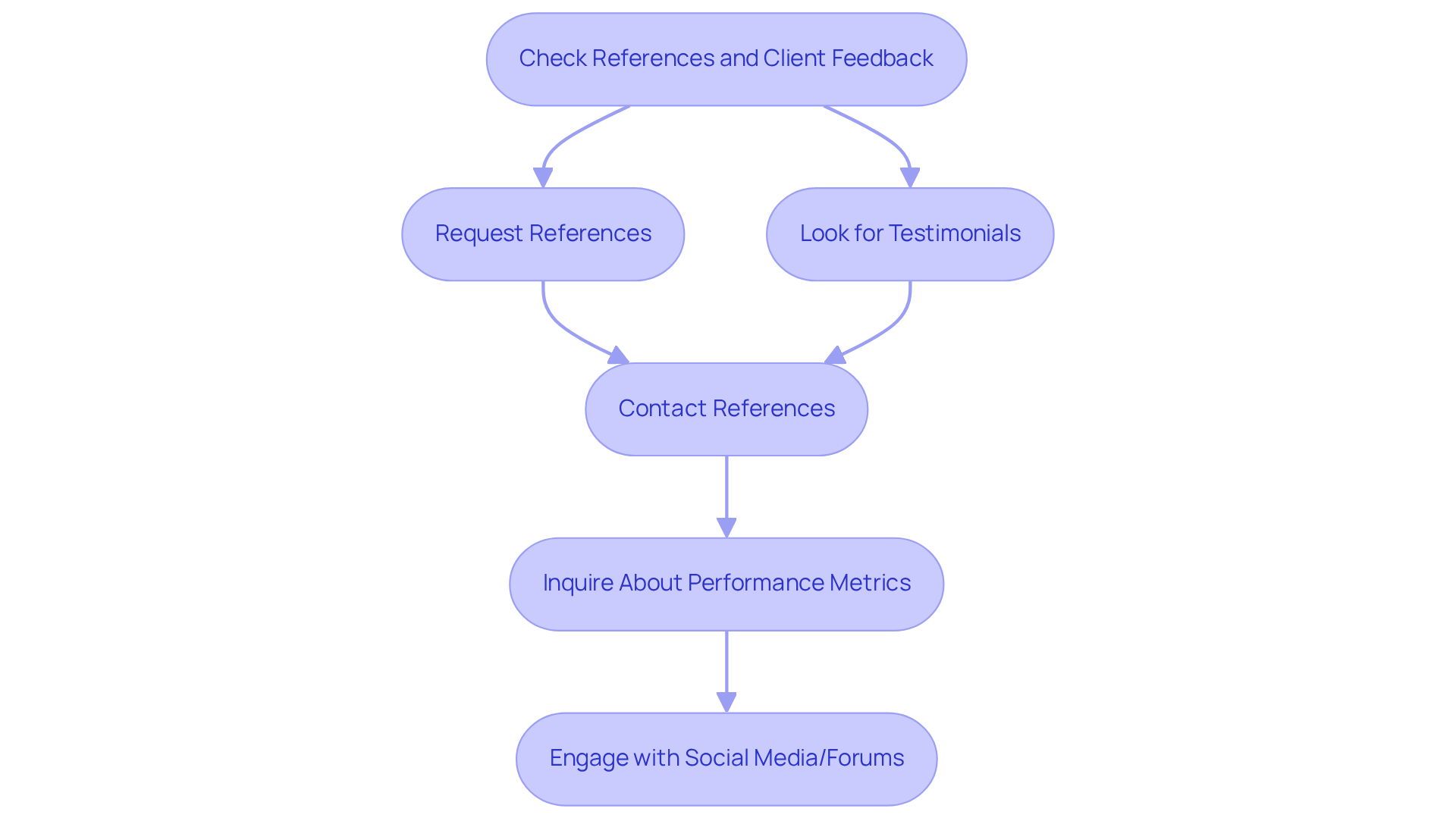
Navigating the complexities of mental health financial management can be daunting, especially when selecting the right mental health billing company for invoicing. When assessing potential invoicing firms, it is essential to request references from practices similar to yours. This step provides valuable insights into HPC’s experience and effectiveness as a mental health billing company in managing mental health financial processes, particularly in handling patient statements and addressing underpayments, unprocessed claims, and aging claims.
Look for testimonials on the company’s website and reputable review platforms. These testimonials can provide insight into client satisfaction and the quality of offerings provided. However, be mindful of the potential risks associated with client testimonials, such as boundary blurring and coercion. Ensure that any testimonials used comply with HIPAA regulations by obtaining explicit written consent from clients before public use.
Directly contact the references to inquire about their experiences. Concentrate on essential elements such as communication, responsiveness, and overall satisfaction with the invoicing services. Additionally, consider inquiring about the performance metrics of the invoicing service, such as:
- Days in accounts receivable (which should be below 40)
- Denial rates (which should be below 5%)
This firsthand feedback can be instrumental in your decision-making process, especially regarding their effectiveness in managing underpayments and aging claims.
Utilize social media platforms and industry-specific forums to gather discussions about the invoicing services you are considering. Engaging with these communities can provide additional context and insights that may not be available through formal channels.
This thorough approach to confirming your selection will help ensure you partner with a reliable mental health billing company, ultimately enhancing your operations and patient care. Remember, the industry average for first-pass claim acceptance rates is around 75-80%, while top-performing medical revenue management firms achieve rates exceeding 95%. Choosing a financial partner that adheres to ethical principles and operational integrity is essential for safeguarding your organization’s financial health and enhancing patient care.
Make an Informed Decision
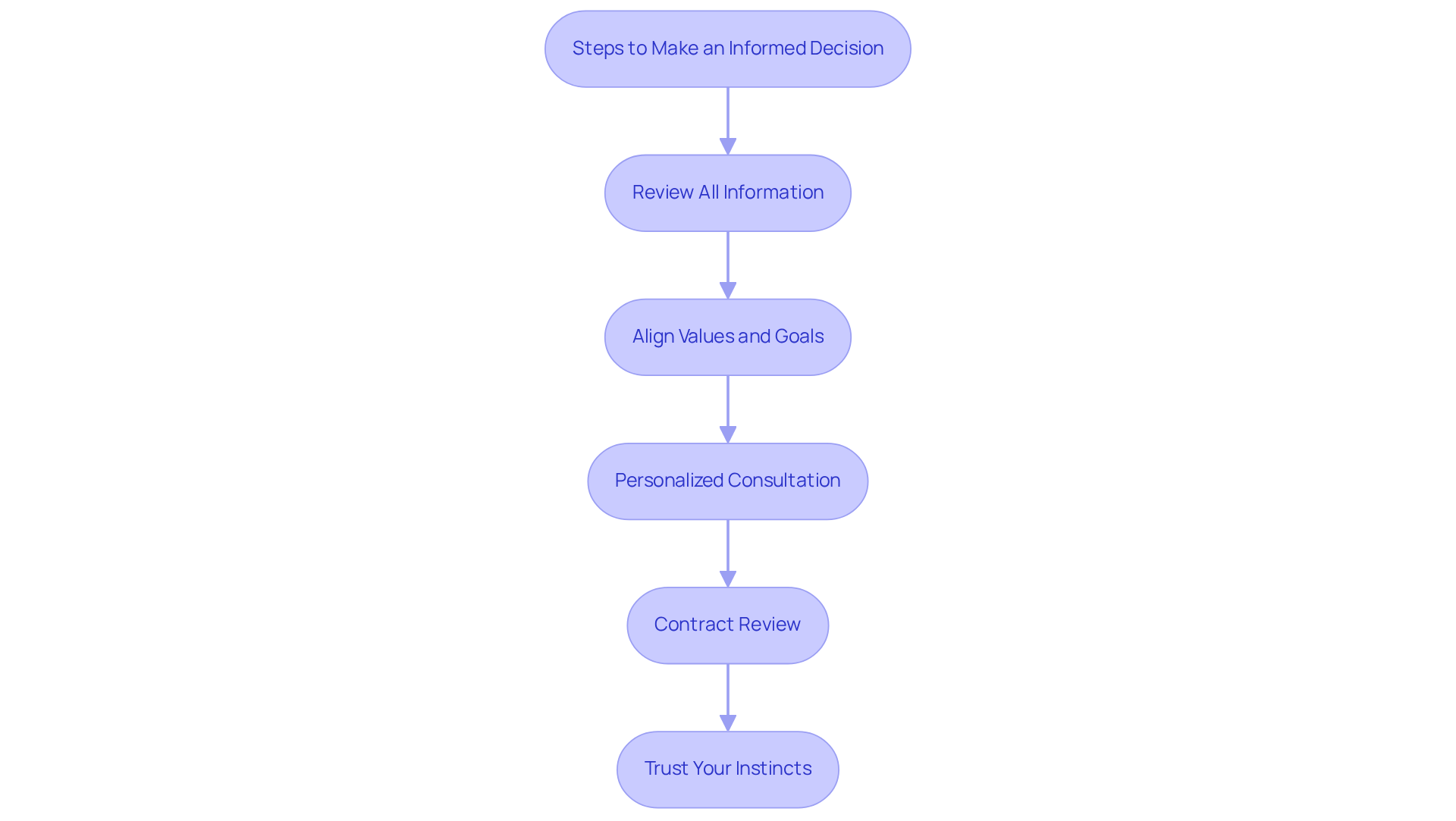
Selecting the appropriate mental health billing company can greatly influence your practice’s operational efficiency and the quality of patient care. To make an informed decision, follow these essential steps:
- Review All Information: Compile all data gathered from your assessments, research, evaluations, and client feedback. This overview will be the basis for making your decision.
- Align Values and Goals: Ensure that the values of Healthcare Partners Consulting & Billing, LLC resonate with your mission, particularly regarding compliance and patient care. A shared vision can enhance collaboration and effectiveness.
- Personalized Consultation: Consider a 30-minute consultation with Healthcare Partners Consulting (HPC). With 39 years of experience in medical and mental health billing, this veteran-owned company can provide valuable insights. During this call, HPC will outline your current workflow and assist in identifying the solutions that will drive the most significant progress for your operations. This personalized approach ensures tailored solutions that enhance both operational efficiency and patient care.
- Contract Review: Scrutinize the contract terms, focusing on service levels, fees, and termination clauses. Understanding these details will help you avoid unexpected issues down the line.
- Trust Your Instincts: Finally, trust your instincts. Select a financial service that instills confidence in its ability to assist your operations effectively, enabling you to focus on providing excellent patient care. Data-driven arguments, such as the potential for denial reduction of 20-30% and faster reimbursement times of 15-25% within 30-90 days, can substantiate your decision.
By following these steps, you can confidently choose a mental health billing company that aligns with your practice’s unique needs, ultimately enhancing operational efficiency and patient satisfaction. Additionally, consider the seamless integrations with EHR platforms like TherapyNotes and SimplePractice, which can further streamline your billing processes. Ultimately, the right choice can transform your billing processes, allowing you to prioritize patient care without the burden of administrative challenges.
Conclusion
The selection of an appropriate mental health billing company is critical, as it directly influences both operational efficiency and patient care quality. By focusing on specialized expertise, compliance, and a comprehensive understanding of the unique challenges faced in mental health billing, practices can improve their financial health and patient outcomes.
Throughout this guide, essential steps have been outlined to assist in the selection process. From understanding the intricacies of mental health billing to assessing the specific needs of a practice, each phase is crucial. Researching potential billing companies, evaluating their services and specializations, analyzing cost structures, and checking references are all vital components that contribute to making an informed decision. Emphasizing a compliance-first approach ensures that practices remain aligned with industry standards while minimizing administrative burdens.
Ultimately, selecting the right mental health billing partner can streamline the billing process, enabling healthcare providers to concentrate on delivering exceptional patient care. By prioritizing empowerment through streamlined operations and expert support, practices can navigate the complexities of billing with confidence, ensuring both financial stability and enhanced patient satisfaction.
Frequently Asked Questions
What is mental health billing?
Mental health billing is the process of submitting claims to insurance companies for care provided by mental health professionals, ensuring compliance and financial stability.
What are CPT codes and why are they important in mental health billing?
CPT codes describe the services provided, such as therapy sessions or psychiatric evaluations. They are crucial for accurately representing the services rendered and ensuring proper reimbursement.
Can you provide examples of common CPT codes used in mental health billing?
Common CPT codes include 90791 for initial evaluations, 90832 for 16-37 minutes of therapy, 90834 for 38-52 minutes, and 90837 for sessions over 53 minutes.
What are ICD-10 codes and their role in mental health billing?
ICD-10 codes signify the diagnoses linked to the care provided, ensuring that claims are justified and compliant with payer requirements.
Why is insurance verification important in mental health billing?
Insurance verification is crucial to confirm a patient’s coverage and benefits before procedures are rendered, helping to avoid claim denials, which can occur due to authorization errors and incorrect coding.
What role does documentation play in mental health billing?
Accurate and thorough documentation is vital for justifying claims and ensuring compliance, detailing session duration, patient symptoms, and treatment plans to prevent audits and denials.
What recent trends are affecting mental health reimbursement?
Recent trends include the introduction of new CPT codes effective January 1, 2026, and the permanent expansion of telehealth options, making reimbursement processes more complex.
How can precise coding impact claim denial rates?
Precise coding can reduce denial rates from 20% to below 5%, highlighting the financial advantages of specialized revenue cycle services.
What factors should be assessed before selecting a payment processing company for a mental health practice?
Factors to consider include practice size, patient demographics, invoicing complexity, and administrative burden.
How can understanding a practice’s unique needs improve billing processes?
Clearly outlining a practice’s requirements can simplify the search for a suitable mental health billing company, leading to decreased claim denials and quicker reimbursement times.
What benefits can efficient invoicing systems provide in mental health billing?
Efficient invoicing systems can decrease claim denials by 20-30% and achieve quicker reimbursement times of 15-25% within 30-90 days, enhancing operational efficiency and patient outcomes.