
Introduction
Mental health clinics face significant challenges in optimizing billing processes, particularly regarding Place of Service (POS) codes. Understanding these codes is crucial for enhancing revenue, with POS 11 being particularly significant as it designates services rendered in a non-facility outpatient setting, often leading to increased reimbursement rates. Navigating the complexities of coding can be daunting for mental health clinics, as errors can significantly impact a clinic’s financial stability.
What strategies can mental health practices implement to manage POS 11 effectively and improve financial health?
Define Place of Service Codes and the Significance of POS 11
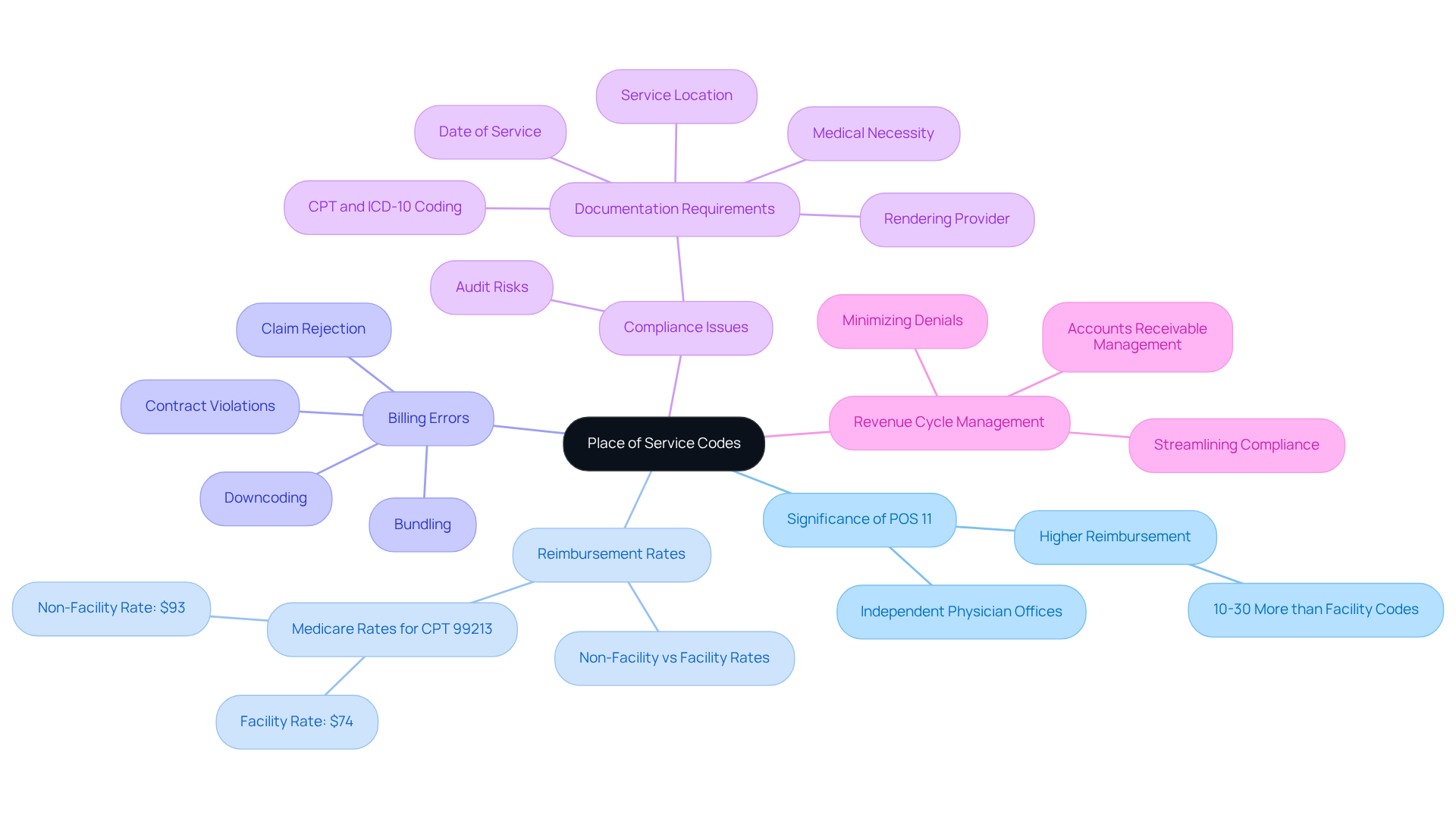
Understanding Place of Service (POS) codes is critical for effective medical billing and reimbursement strategies. Services are provided in a physician’s office or outpatient clinic, which is designated as place of service 11. For mental health clinics, this code is crucial as it signals to insurers that the service was rendered in a non-facility setting, which can significantly affect reimbursement rates. Billing under place of service 11 typically results in higher reimbursement rates – 10% to 30% more – compared to facility-based codes like place of service 22.
Precise comprehension and use of POS codes are essential for guaranteeing proper submissions, reducing denials, and improving overall practice management in mental health environments. Accurate medical coding is vital for timely reimbursement and compliance, and Healthcare Partners Consulting is here to ensure that happens. Their skilled team examines and rectifies coding problems prior to submissions, minimizing mistakes from the outset and ensuring compliance with payer-specific standards. Furthermore, they offer proactive follow-up with payers on unpaid or underpaid requests and assist with appeal submissions for denied or improperly processed requests, further supporting the revenue cycle.
To adhere to payment regulations, thorough documentation is essential for place of service 11; without it, practices risk audits and compliance issues. Incorrectly invoicing at place of service 11 can lead to downcoding, bundling, claim rejection, and contract violations. These errors can jeopardize revenue and compliance, creating significant challenges for practices. By focusing on these aspects, practitioners can improve their revenue cycle management, ultimately allowing them to concentrate more on patient care rather than administrative burdens. With comprehensive accounts receivable management solutions from Healthcare Partners Consulting, including structured payment plans coordination and dedicated AR specialists, mental health clinics can enhance cash flow, reduce denials, and streamline compliance, ensuring that their invoicing processes support their growth and operational efficiency. Ultimately, effective management of POS codes can transform the financial health of mental health clinics, allowing them to thrive in a competitive landscape.
Apply POS 11 in Billing: Reimbursement and Claim Submission Processes
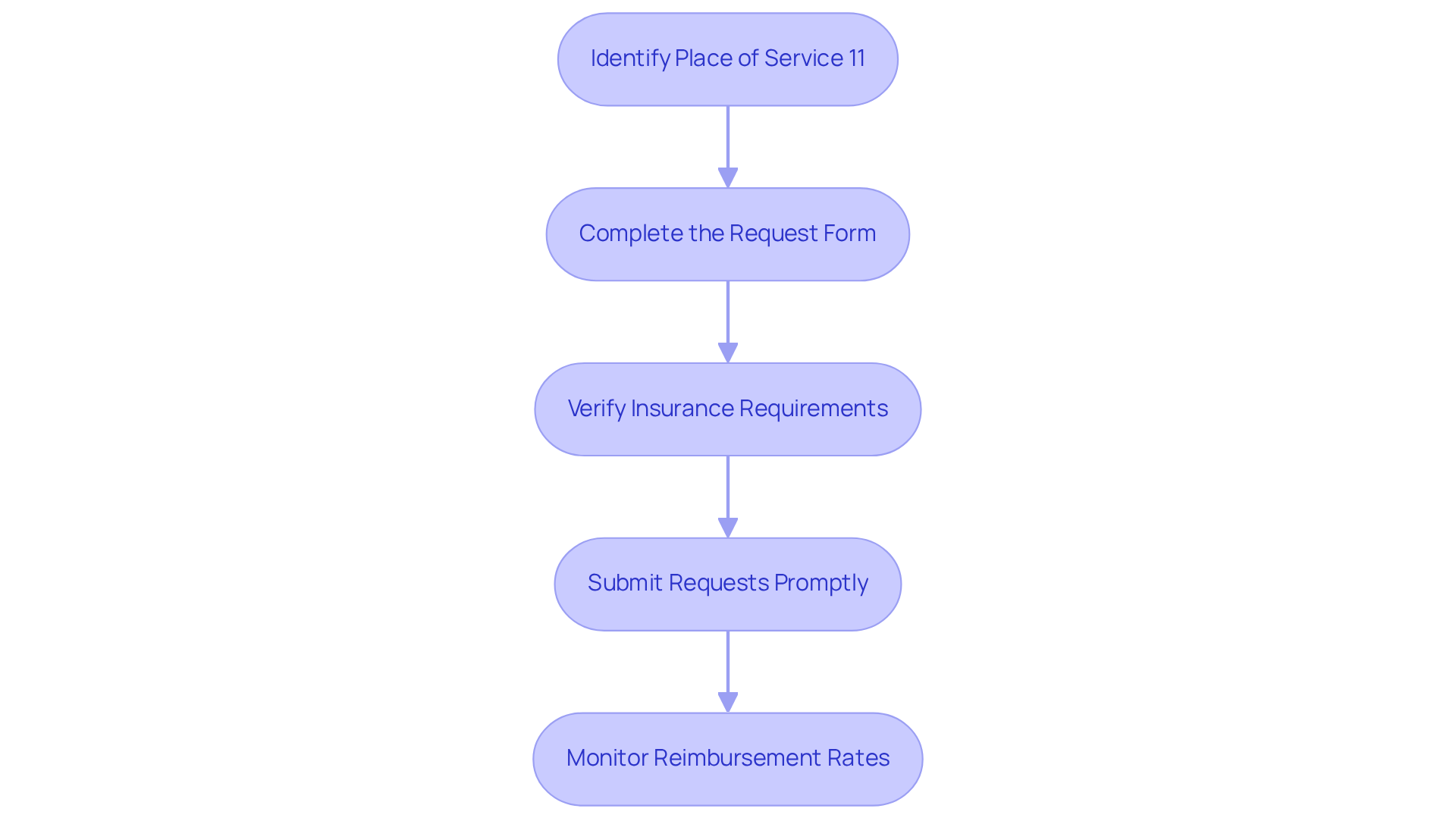
Timely and accurate billing is crucial for mental health clinics to secure appropriate reimbursement for services rendered. To effectively apply POS 11 in billing, mental health clinics should adhere to the following steps:
- Identify the place of service 11: Confirm that the service was provided in an office setting, as place of service 11 is designated specifically for outpatient services.
- Complete the Request Form: When filling out the CMS-1500 request form, enter ’11’ in the POS field to accurately indicate the service location.
- Verify Insurance Requirements: Different insurers may have specific guidelines regarding POS codes. It is essential to check with each payer to confirm their requirements for POS 11.
- Submit Requests Promptly: Timely submission of requests is crucial. Ensure that all requests using place of service 11 are submitted within the required timeframe to avoid delays in reimbursement.
- Monitor Reimbursement Rates: Regularly examine the reimbursement rates linked to place of service 11 submissions to ensure they meet expectations and modify charging methods as needed.
Following these steps helps mental health clinics streamline their payment processes and secure the right reimbursement for the services they provide. Timely submission of requests is not just a best practice; it is essential for maintaining a healthy revenue stream.
Implement Best Practices for Using POS 11: Compliance and Common Mistakes
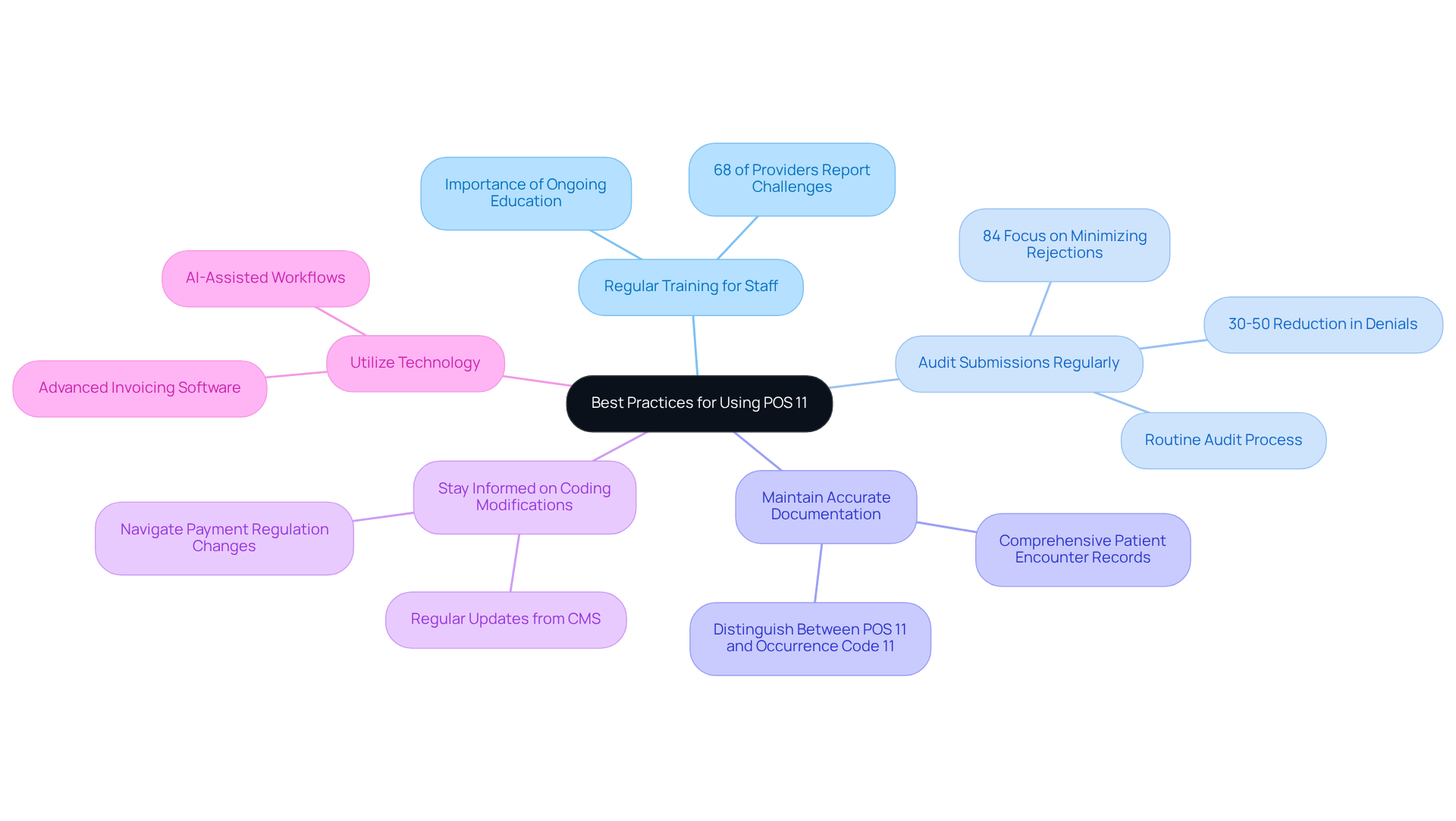
To ensure compliance and avoid common pitfalls when utilizing POS 11, mental health clinics must adopt best practices:
- Regular Training for Staff: Regular training helps protect income and reduce administrative burdens. Notably, 68% of providers report challenges in submitting accurate requests. Ongoing education is crucial for billing staff to stay informed about the latest coding methods and compliance requirements related to place of service 11.
- Audit submissions regularly: Implementing a routine audit process to review submissions made with place of service 11 helps identify discrepancies or errors that could lead to denials. Frequent evaluations are essential, as 84% of organizations focus on minimizing rejected requests, highlighting the need for careful invoicing practices. Effective denial management can lead to a 30-50% reduction in recurring denial types, significantly enhancing overall revenue recovery.
- Maintain Accurate Documentation: Comprehensive documentation of all patient encounters, including the location of service, is vital. This documentation supports the justification for using place of service 11 during audits or reviews, ensuring alignment with payer policies and clinical realities. It is also important to distinguish between place of service 11 and Occurrence Code 11 to avoid claim rejections, which can hinder cash flow and raise compliance issues.
- Stay Informed on Coding Modifications: Regularly checking updates from CMS and other pertinent organizations regarding POS codes is essential to ensure compliance with any changes in payment regulations. Staying informed is crucial to navigate the complexities of invoicing effectively and to enhance accuracy.
- Utilize Technology: Leveraging advanced invoicing software that tracks and manages POS codes can significantly reduce human error and streamline the invoicing process. Technology plays a key role in enhancing claims management, as organizations increasingly invest in claims management technology to improve accuracy and recover previously denied claims.
By following these optimal methods, mental health clinics can improve their invoicing precision and compliance, ultimately resulting in better financial results and decreased denial rates. The implications of improper POS coding extend beyond immediate financial concerns, affecting long-term operational viability. Insights from industry experts such as Davia Ward underscore the ongoing mental health payment crisis, emphasizing the need for effective solutions in payment practices.
Stay Informed: Continuous Learning and Adaptation in POS Code Usage
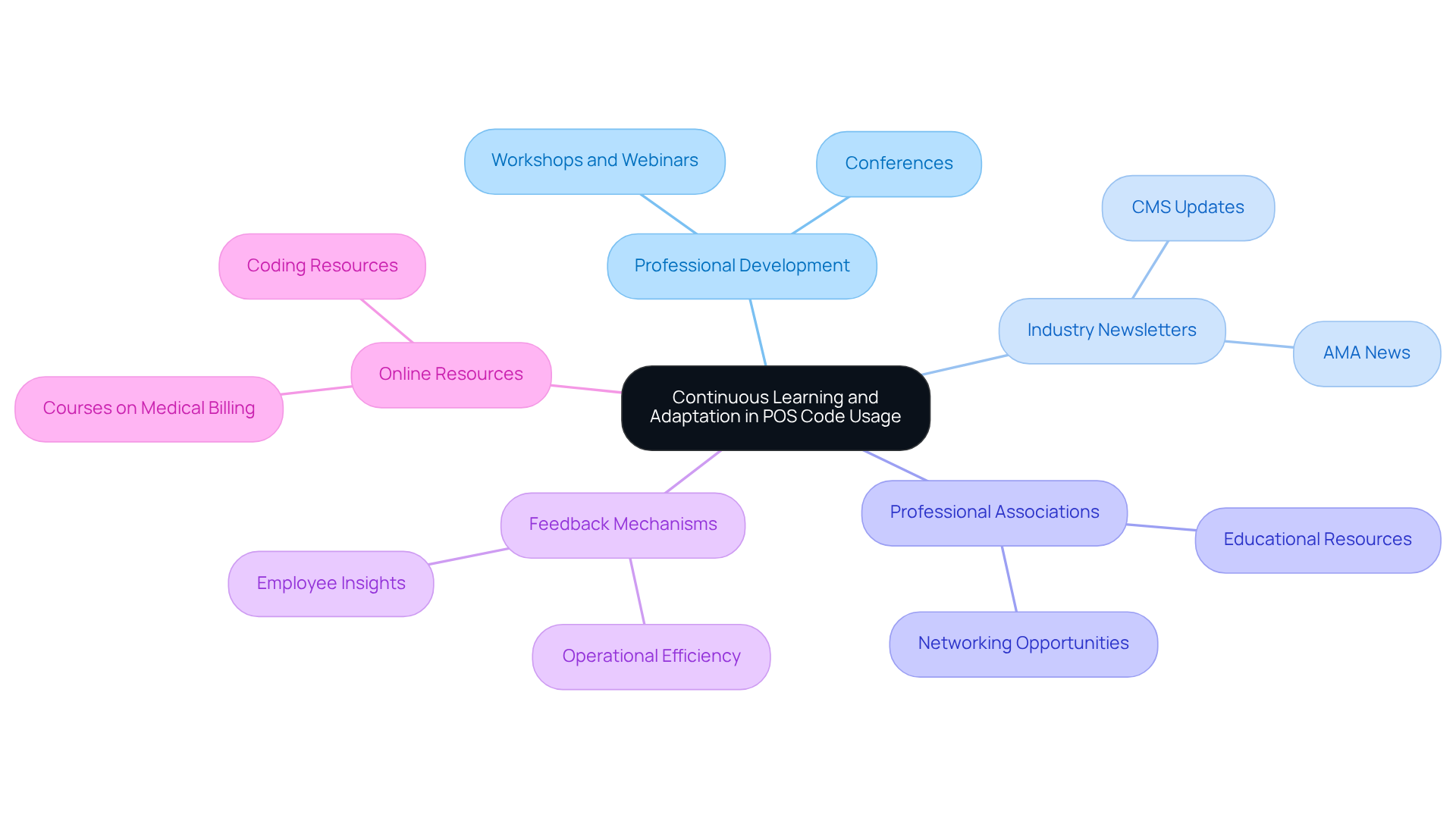
Navigating the evolving landscape of Place of Service 11 code regulations presents significant challenges for mental health clinics. To effectively address these challenges, clinics should prioritize continuous learning and professional development. Here are key strategies to enhance billing practices:
- Engage in Professional Development: Actively participate in workshops, webinars, and conferences that focus on medical billing and coding. These opportunities enhance knowledge and ensure staff remain informed about the latest industry standards.
- Subscribe to Industry Newsletters: Sign up for newsletters from reputable organizations such as CMS and the American Medical Association (AMA). These resources offer timely updates on coding changes, optimal methods, and regulatory developments that are essential for compliance.
- Join Professional Associations: Becoming a member of professional associations provides access to valuable resources, networking opportunities, and educational materials tailored to coding in mental health.
- Implement Feedback Mechanisms: Cultivate an environment of ongoing enhancement by motivating employees to share insights and experiences connected to invoicing methods. This collaboration fosters innovative solutions and improves operational efficiency.
- Utilize Online Resources: Leverage online platforms that offer courses and resources on medical invoicing and coding. Ensuring that all staff members are up-to-date with the latest information is vital for maintaining compliance and enhancing invoicing practices.
By committing to these continuous learning initiatives, mental health clinics can not only stay compliant with changing regulations but also significantly improve their billing accuracy and overall financial health. Ultimately, embracing these strategies is essential for clinics aiming to thrive in a complex regulatory environment.
Conclusion
Mastering Place of Service (POS) code 11 is crucial for mental health clinics striving for financial stability. Clinics can ensure appropriate reimbursement rates by accurately identifying services rendered in a non-facility setting. This significantly impacts their financial health. Proper coding and documentation streamline billing processes and protect against compliance issues that could threaten a clinic’s sustainability.
Throughout the article, key strategies for implementing POS 11 have been highlighted, including:
- The importance of thorough training
- Regular audits
- Leveraging technology to minimize errors
Additionally, staying informed about industry changes and actively engaging in professional development are crucial for maintaining compliance and improving billing accuracy. The insights provided emphasize that the financial viability of mental health clinics is closely tied to their understanding and management of POS codes.
Ultimately, the effective management of POS 11 not only supports the financial health of mental health clinics but also allows practitioners to focus more on patient care rather than administrative challenges. When clinics embrace best practices and focus on continuous learning, they can tackle billing complexities confidently and excel in a competitive environment. Adopting these strategies is essential for the enduring success and operational efficiency of mental health services.
Frequently Asked Questions
What are Place of Service (POS) codes?
Place of Service (POS) codes are used in medical billing to indicate where services were provided, which is crucial for reimbursement strategies.
What is POS 11 and its significance?
POS 11 designates services provided in a physician’s office or outpatient clinic. It is significant for mental health clinics as it indicates the service was rendered in a non-facility setting, which can lead to higher reimbursement rates.
How do reimbursement rates differ between POS 11 and facility-based codes?
Billing under POS 11 typically results in reimbursement rates that are 10% to 30% higher compared to facility-based codes like POS 22.
Why is accurate use of POS codes important?
Accurate use of POS codes is essential for proper submissions, reducing denials, and improving overall practice management, especially in mental health environments.
What role does Healthcare Partners Consulting play in medical coding?
Healthcare Partners Consulting helps ensure accurate medical coding by examining and rectifying coding problems before submissions, minimizing mistakes and ensuring compliance with payer-specific standards.
What are the risks of incorrect invoicing at POS 11?
Incorrect invoicing at POS 11 can lead to downcoding, bundling, claim rejection, and contract violations, jeopardizing revenue and compliance for practices.
How can practices improve their revenue cycle management?
By focusing on accurate POS coding and thorough documentation, practices can enhance their revenue cycle management, allowing them to concentrate more on patient care rather than administrative tasks.
What services does Healthcare Partners Consulting provide for mental health clinics?
They offer comprehensive accounts receivable management solutions, including structured payment plans coordination, dedicated AR specialists, and proactive follow-up on unpaid or underpaid requests.
How can effective management of POS codes benefit mental health clinics?
Effective management of POS codes can transform the financial health of mental health clinics, allowing them to thrive in a competitive landscape by enhancing cash flow, reducing denials, and streamlining compliance.