
Introduction
Mental health clinics face significant operational challenges that can hinder their ability to provide quality care. Implementing best practices that address the unique needs of behavioral health can help providers reduce operational burdens and improve patient interactions. What key strategies can enhance a clinic’s efficiency and compliance, leading to better patient outcomes? This article identifies four essential best practices that enable healthcare providers to streamline operations and prioritize patient care.
Assess Operational Needs of Mental Health Clinics
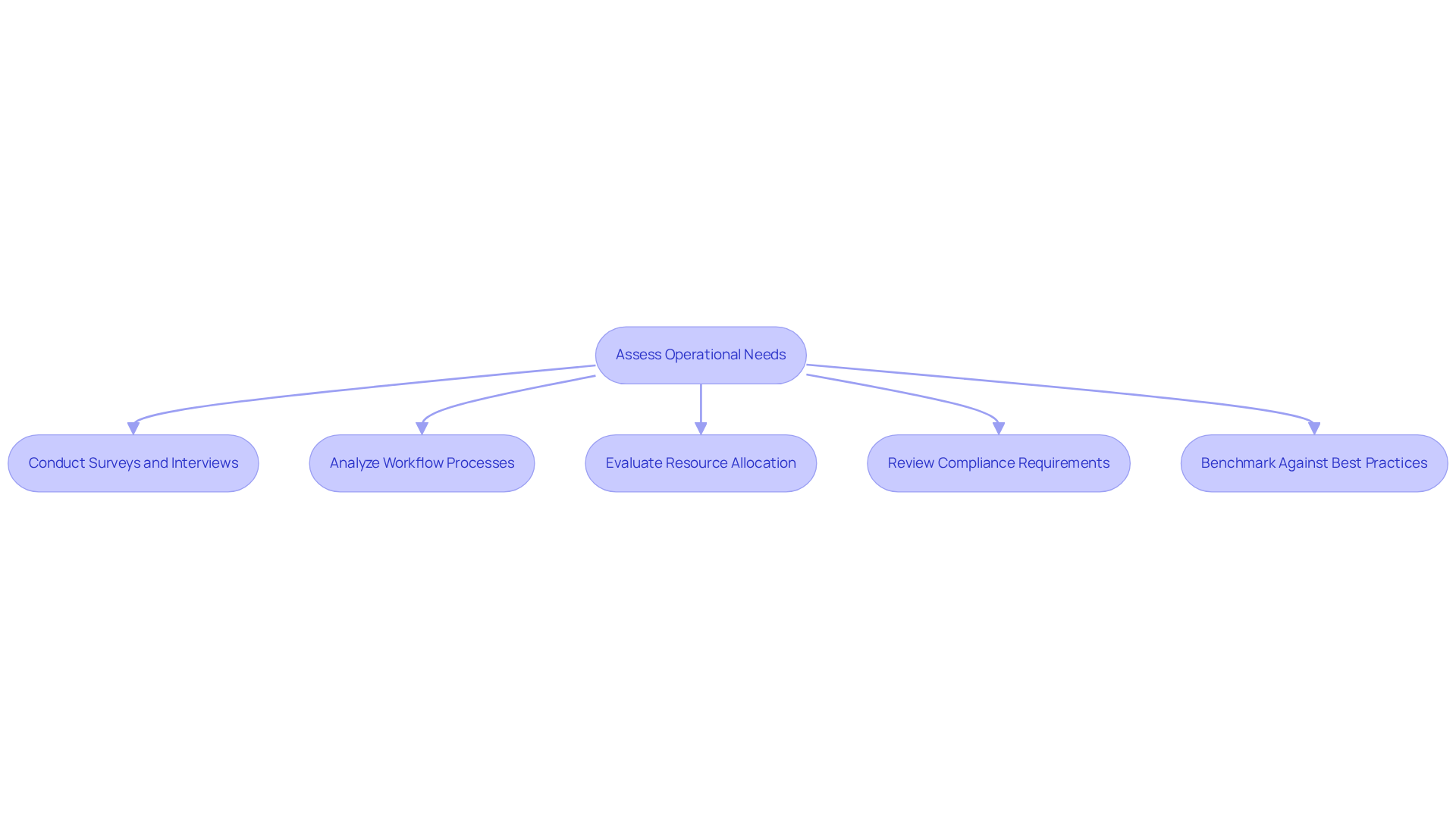
Managing a mental health clinic effectively hinges on a thorough assessment of operational needs. This process involves assessing current workflows, identifying bottlenecks, and understanding the specific needs of both staff and clients. Here are actionable steps to achieve this:
- Conduct Surveys and Interviews: Engage with staff and patients to gather feedback on their experiences and challenges. Identifying areas for improvement can be challenging without direct feedback from those involved.
- Analyze Workflow Processes: Map out existing workflows to identify inefficiencies. Streamlined workflows can lead to improved operational efficiency and reduced administrative burdens.
- Evaluate Resource Allocation: Assess whether resources, including staff and technology, are being utilized effectively. Ensure that the right tools are in place to support both clinical and administrative functions, which significantly enhances operational efficiency.
- Review Compliance Requirements: Stay updated on regulatory changes that may impact operations. Understanding compliance needs is crucial for avoiding penalties and ensuring quality care, especially in a rapidly evolving healthcare landscape.
- Benchmark Against Best Practices: Compare your facility’s operations with industry standards to identify gaps and opportunities for improvement. This benchmarking can assist healthcare facilities in achieving denial reduction rates of 20-30% and quicker reimbursement timelines of 15-25% within 30-90 days.
Common Pitfalls to Avoid: While implementing these practices, healthcare facilities should be cautious of misapplying strategies without proper context. For example, failing to adjust workflows to the specific requirements of the healthcare facility can result in additional inefficiencies. Furthermore, neglecting recent regulatory changes or funding issues may impede the facility’s ability to adapt effectively.
Understanding these operational dynamics is essential for fostering an environment conducive to quality patient care. If you’re looking for personalized consultations that cater to your practice’s unique needs, consider reaching out to Healthcare Partners Consulting & Billing, LLC (HPC) to discuss how we can assist you.
Choose an Effective Practice Management System
Selecting the right medical practice management program is crucial for optimizing clinic operations in behavioral health settings. Here are essential considerations to guide your selection:
- Identify Core Features: Determine the essential features your practice requires, such as scheduling, billing, records management, and reporting capabilities. The system should cater specifically to the unique needs of mental wellness practices, ensuring it can handle tasks like prior authorizations and claims management effectively.
- Evaluate User-Friendliness: Opt for a system that is intuitive and easy for staff to navigate. A complicated interface can lead to errors and reduced productivity, detracting from care quality.
- Consider Integration Capabilities: Ensure the PMS can seamlessly connect with other systems, such as electronic patient records (EPR) and billing software. This integration streamlines workflows and minimizes data entry errors, enhancing overall operational efficiency.
- Assess Vendor Support: Look for vendors that provide robust customer support and comprehensive training resources. Strong support is vital for a smooth implementation and helps staff quickly adapt to the new system.
- Review Compliance Features: Confirm that the system supports adherence to healthcare regulations, including HIPAA, to protect individual information and mitigate legal risks. A system that prioritizes compliance can significantly reduce the likelihood of costly penalties.
- Seek Feedback from Staff: Involve your team in the selection process to ensure the chosen system meets their needs and enhances their workflow. Staff input can provide valuable insights into practical requirements and potential challenges.
By thoroughly assessing these elements, behavioral wellness facilities can select a medical practice management program that enhances operational efficiency. This choice also enhances the quality of care for individuals. Implementing a well-suited medical practice management program can lead to a reduction in administrative burdens, allowing clinicians to focus more on interactions with individuals, ultimately improving treatment outcomes and clinic profitability. Additionally, practices that implement effective PMS solutions have reported a 30% increase in bookings per provider per month, alongside a 20-30% reduction in claim denials and a 15-25% improvement in reimbursement timelines. These statistics highlight the significance of choosing a system that aligns with the specific requirements of psychological practices.
At Healthcare Partners Consulting & Billing, LLC (HPC), we utilize our 39 years of expertise and veteran-owned status to deliver customized practice management solutions that simplify administrative tasks and improve care quality. Our extensive revenue cycle management services are tailored specifically for behavioral and psychological practices, ensuring compliance and efficiency in every aspect of your operations. Ultimately, the right PMS can transform operational dynamics, allowing clinicians to prioritize patient care over administrative tasks.

Implement Comprehensive Staff Training Programs
To effectively meet the demands of their roles, staff members often face significant challenges that require comprehensive training programs. Here are steps to develop effective training initiatives:
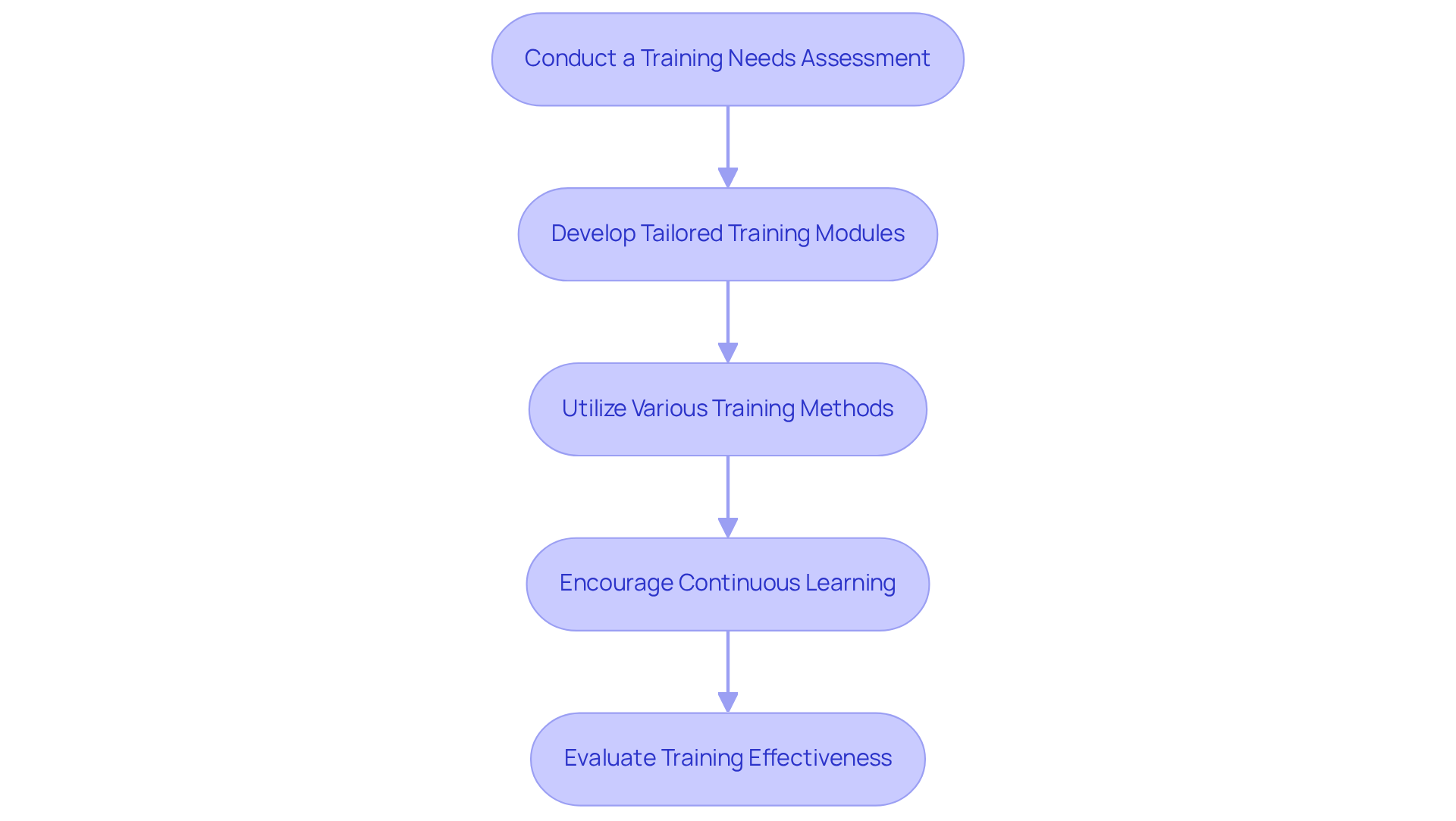
- Conduct a Training Needs Assessment: Identify the specific skills and knowledge gaps among staff. This can be done through surveys, performance evaluations, and feedback from team leaders.
- Develop Tailored Training Modules: Create training content that addresses the identified needs. This may include clinical skills, compliance training, and customer service excellence.
- Utilize Various Training Methods: Incorporate a mix of training methods, such as in-person workshops, online courses, and hands-on simulations, to cater to different learning styles.
- Encourage Continuous Learning: Foster a culture of continuous education by providing opportunities for ongoing training and professional development. This can include attending conferences, webinars, and certification programs.
- Evaluate Training Effectiveness: Regularly assess the impact of training programs on staff performance and care outcomes. Use feedback to refine and improve training initiatives.
Ultimately, the commitment to staff training not only enhances workforce skills but also directly influences the quality of patient care delivered.
Establish Continuous Evaluation and Improvement Processes
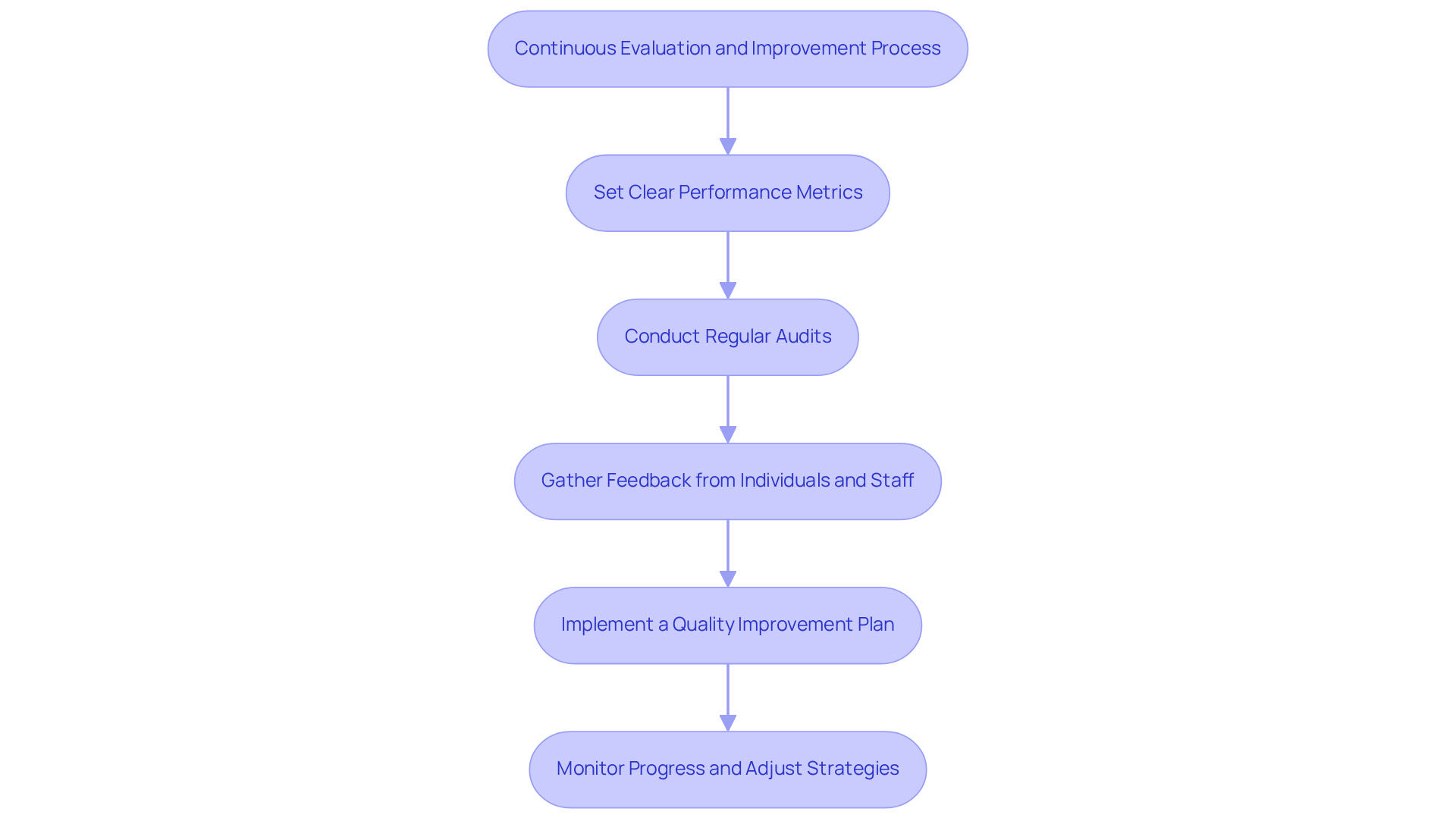
To maintain high standards of care and operational efficiency, mental health facilities must prioritize continuous evaluation and improvement processes. Here are actionable steps to achieve this:
- Set Clear Performance Metrics: Define key performance indicators (KPIs) that align with your organization’s objectives. Significant metrics may encompass satisfaction scores, appointment wait times, and billing accuracy rates, with benchmarks suggesting that clinics should strive for a net collection rate exceeding 85%. Moreover, keeping days in accounts receivable below 35 days is essential for steady cash flow. A rising figure typically signals issues with follow-up frequency rather than coding errors.
- Conduct Regular Audits: Schedule periodic audits of both clinical and administrative processes to identify areas for improvement. This approach can uncover inefficiencies and compliance challenges, which are vital for maintaining operational integrity. Clinics that effectively track KPIs can predict challenges and adjust resources proactively, enhancing care experiences.
- Gather Feedback from Individuals and Staff: Regularly solicit feedback from individuals and staff to gain insights into their experiences. This feedback is crucial for identifying areas needing attention and can significantly enhance client satisfaction and retention rates. Research indicates that facilities with high patient satisfaction scores often experience enhanced retention, as positive outcomes motivate clients to continue using services.
- Implement a Quality Improvement Plan: Develop a structured plan that outlines specific improvement initiatives based on evaluation findings. Assign responsibilities and timelines for implementation to ensure accountability and progress. Successful healthcare facilities utilize predictive analytics to anticipate revenue declines or compliance risks before they arise, enabling timely interventions. Additionally, consider utilizing Healthcare Partners Consulting’s (HPC) quick quiz to assess your mental health practice’s profitability. This tool not only offers tailored suggestions to enhance efficiency and billing precision but also assists in uncovering concealed revenue leaks, ultimately improving your practice’s operational effectiveness.
- Monitor Progress and Adjust Strategies: Continuously monitor the impact of implemented changes and be prepared to adjust strategies as necessary. Utilize data-driven insights to inform decision-making, ensuring that operational adjustments are responsive to real-time needs. Metrics that are monitored, clearly comprehended, and consistently acted upon foster environments where individuals and providers both thrive.
Ultimately, a commitment to ongoing assessment and enhancement not only elevates client outcomes but also secures the financial sustainability of mental health practices. With the support of HPC’s customized administrative services, including seamless integrations with EHR systems like TherapyNotes and SimplePractice, clinics can streamline operations and focus more on patient care.
Conclusion
Enhancing operational efficiency in medical practice management is crucial for improving patient care, especially in behavioral health. By focusing on the unique needs of mental health clinics, healthcare providers can streamline operations and reduce administrative burdens. This prioritization ultimately enhances patient well-being.
Key strategies discussed include:
- Conducting thorough operational assessments
- Selecting effective practice management systems
- Implementing comprehensive staff training programs
- Establishing continuous evaluation processes
Each of these elements plays a crucial role in fostering an environment where healthcare providers can thrive, ensuring compliance with regulations while enhancing the quality of care delivered to individuals.
The commitment to these best practices not only empowers healthcare providers but also reinforces the importance of a compliance-first approach in the ever-evolving landscape of healthcare. By prioritizing operational efficiency and patient care, practices can achieve significant improvements in revenue cycle management and overall clinic performance. Healthcare Partners Consulting & Billing, LLC (HPC) offers tailored solutions to effectively navigate these operational challenges. Implementing these strategies can significantly enhance the quality of care provided to patients.
Frequently Asked Questions
Why is assessing operational needs important for mental health clinics?
Assessing operational needs is crucial for effectively managing a mental health clinic as it helps identify current workflows, bottlenecks, and the specific needs of both staff and clients.
What steps can be taken to assess operational needs in a mental health clinic?
Key steps include conducting surveys and interviews with staff and patients, analyzing workflow processes, evaluating resource allocation, reviewing compliance requirements, and benchmarking against best practices.
How can surveys and interviews help in assessing operational needs?
Surveys and interviews provide direct feedback from staff and patients about their experiences and challenges, which helps identify areas for improvement.
What is the significance of analyzing workflow processes?
Analyzing workflow processes helps identify inefficiencies, allowing clinics to streamline operations, improve efficiency, and reduce administrative burdens.
Why is it important to evaluate resource allocation?
Evaluating resource allocation ensures that staff and technology are utilized effectively, which enhances operational efficiency and supports both clinical and administrative functions.
How can staying updated on compliance requirements benefit a mental health clinic?
Staying updated on compliance requirements helps avoid penalties and ensures quality care, which is essential in the rapidly evolving healthcare landscape.
What is the purpose of benchmarking against best practices?
Benchmarking against industry standards helps identify gaps and opportunities for improvement, potentially leading to reduced denial rates and quicker reimbursement timelines.
What common pitfalls should mental health clinics avoid when assessing operational needs?
Clinics should avoid misapplying strategies without proper context, failing to adjust workflows to their specific requirements, and neglecting recent regulatory changes or funding issues.