
Introduction
Navigating psychotherapy reimbursement rates is essential for mental health providers aiming to enhance financial sustainability. By implementing best practices that focus on effective negotiation strategies, compliance, and leveraging technology, providers can significantly boost their reimbursement outcomes. Practitioners must navigate the complexities of insurance policies and billing processes to secure fair compensation for their essential services. This article delves into four essential practices that empower healthcare providers to overcome administrative hurdles and focus on what truly matters – delivering exceptional patient care.
Understand Key Components Influencing Reimbursement Rates
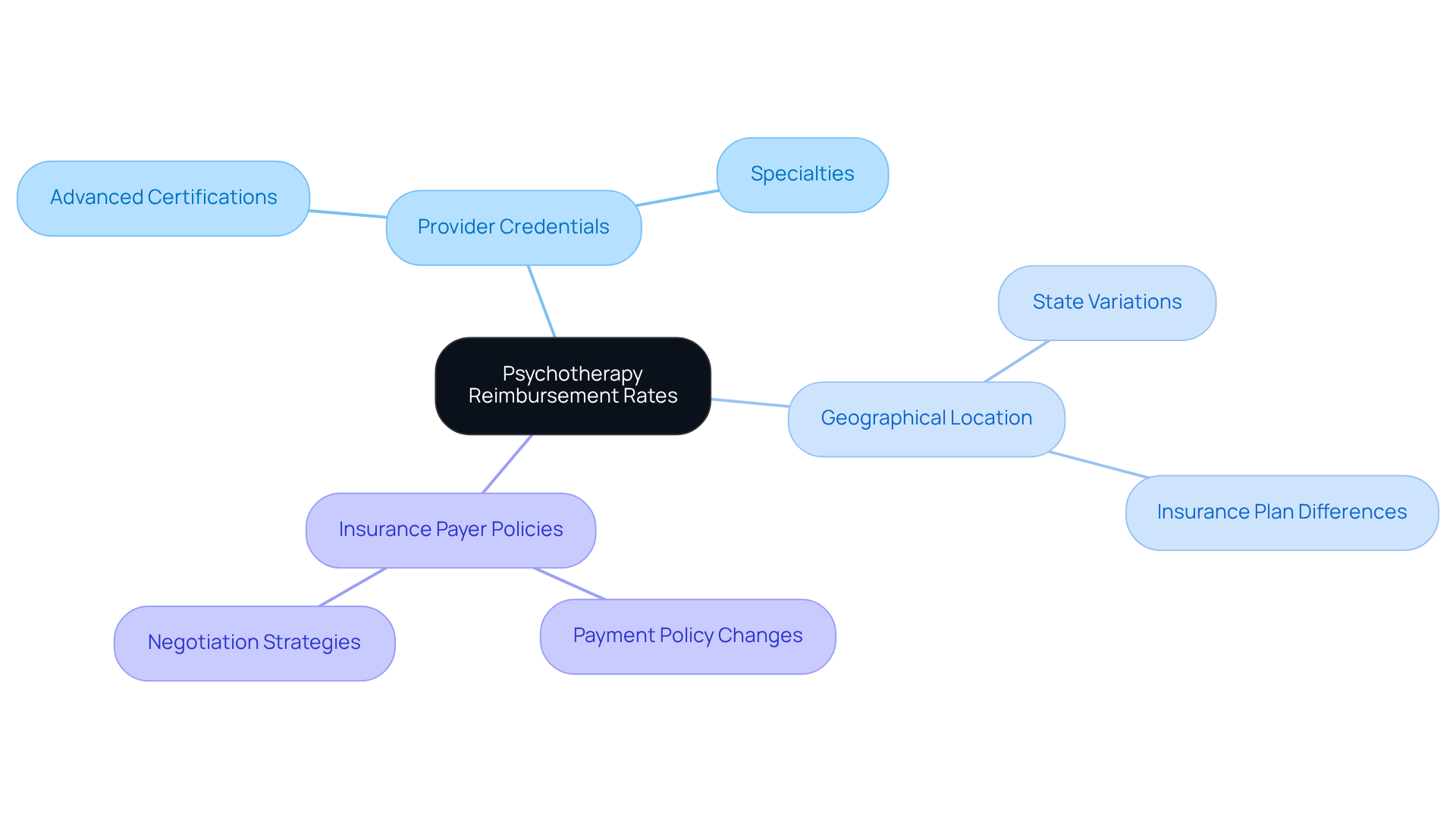
Understanding the factors influencing psychotherapy reimbursement rates is essential for providers who aim to optimize their revenue. Key elements such as provider credentials, geographical location, and specific insurance payer policies significantly impact psychotherapy reimbursement rates. Providers with advanced certifications or specialties are likely to secure higher compensation rates. Additionally, psychotherapy reimbursement rates can vary considerably by state and even among specific insurance plans within the same state. For instance, a recent analysis indicated that psychotherapy reimbursement rates for individual sessions can vary from $78.93 to $167, depending on the payer and location. Understanding these variables allows providers to negotiate more effectively and improve their billing practices.
Staying informed about changes in payment policies is essential for effective negotiations with payers. Regularly reviewing and analyzing psychotherapy reimbursement rates helps organizations identify trends and adjust their strategies accordingly. Moreover, efficient management of patient statements is crucial in addressing underpayments, unprocessed requests, and aging submissions. Healthcare providers can benefit from personalized consultations with Healthcare Partners Consulting & Billing, LLC (HPC), a veteran-owned company with 39 years of experience, to streamline their workflows and identify impactful services. This ensures a more efficient claims management process, allowing healthcare providers to focus on patient care while HPC manages the administrative burdens.
Implement Effective Negotiation Strategies for Better Rates
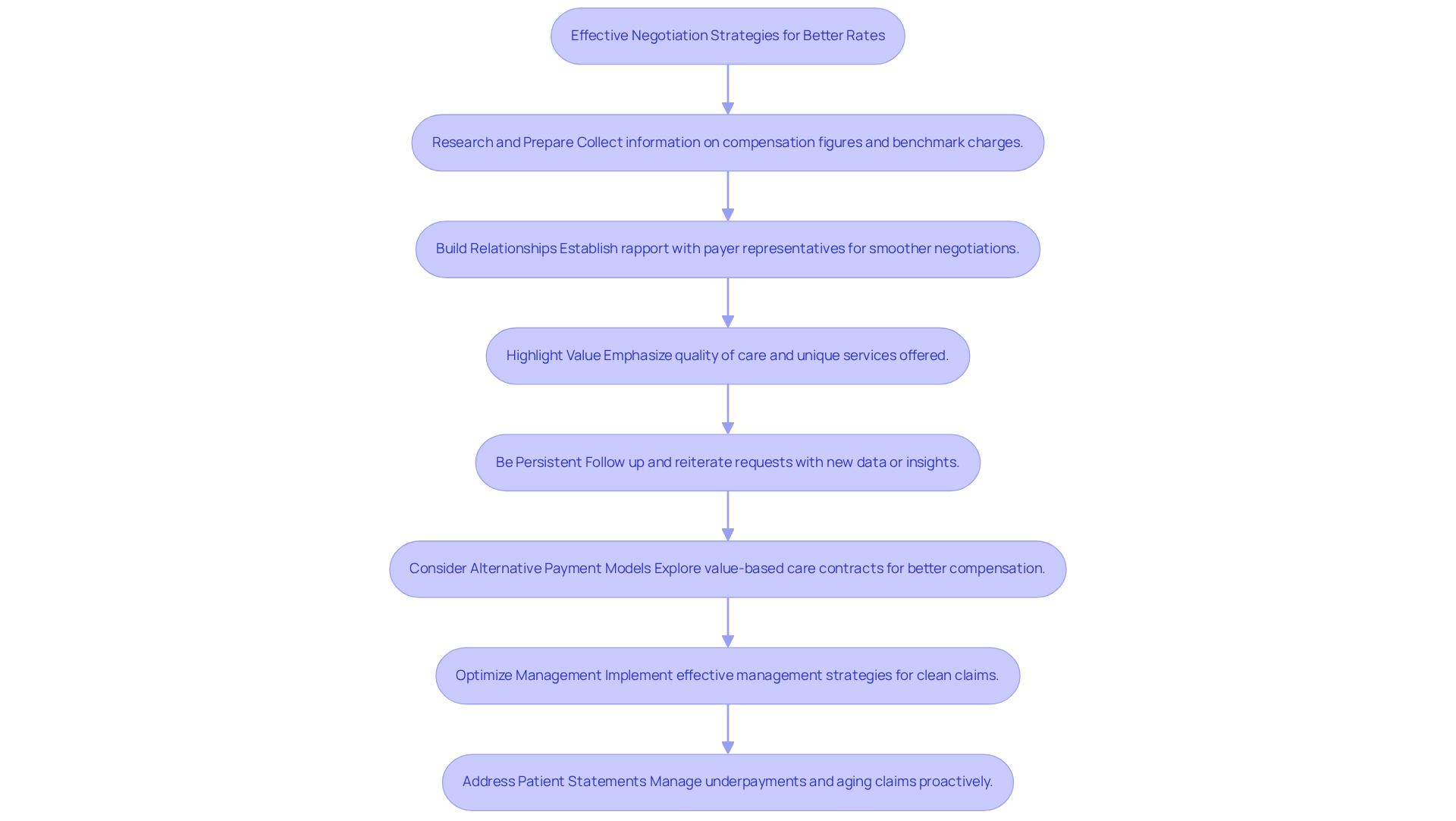
Negotiating improved compensation terms with insurance firms requires a well-planned strategy. Here are some effective strategies:
- Research and Prepare: Before entering negotiations, collect information on current compensation figures for similar services in your area. Utilize resources like the National Association of Insurance Commissioners or state-specific reimbursement reports to build your case. Practices that benchmark their charges can find negotiation opportunities, revealing gaps of 10% to 20% compared to market values.
- Build Relationships: Establishing rapport with payer representatives can facilitate smoother negotiations. Regular communication and a willingness to collaborate can lead to more favorable outcomes. Providers who maintain strong relationships often find it easier to negotiate better terms.
- Highlight Value: Emphasize the quality of care provided and any unique services offered by your organization. Presenting data on patient outcomes and satisfaction can strengthen your position. Practices that effectively demonstrate their value can negotiate higher rates, especially when they show metrics like patient retention and access-to-care improvements.
- Be Persistent: Negotiations often involve complex discussions that can be challenging. Don’t hesitate to follow up and reiterate your requests, especially if you have new data or insights to share. Persistence can lead to improved outcomes, as many organizations find that negotiations often take time and require ongoing dialogue.
- Consider Alternative Payment Models: Explore value-based care contracts that may provide improved compensation opportunities compared to traditional fee-for-service models. These contracts often reward providers for quality and efficiency rather than volume, aligning compensation with the value of services provided.
- Optimize Management: Implementing effective management strategies, such as ensuring clean claims, fast follow-up, and clear reporting, can significantly enhance your negotiation position. By streamlining operations, you can show payers that your organization is efficient and compliant, which may lead to improved reimbursement rates. Healthcare Partners Consulting & Billing, LLC (HPC) offers dedicated virtual assistant services tailored to behavioral and mental health settings, including scheduling, client intake, and communications, which can further support your operational efficiency.
- Address Patient Statements: Effective management of patient statements, including addressing underpayments and aging claims, is crucial. By proactively managing these aspects, you can present a stronger case during negotiations, showcasing your organization’s commitment to financial health and patient satisfaction. Client testimonials from providers like Dr. Sarah Mitchell and Dr. Michael Rodriguez highlight how HPC’s comprehensive revenue cycle management has led to revenue increases and reduced administrative burdens.
Implementing these strategies can significantly enhance mental health providers’ ability to secure better compensation, particularly in terms of psychotherapy reimbursement rates, and improve financial sustainability. Ultimately, effective negotiation strategies can lead to substantial improvements in revenue cycle performance.
Ensure Compliance and Optimize Documentation Practices
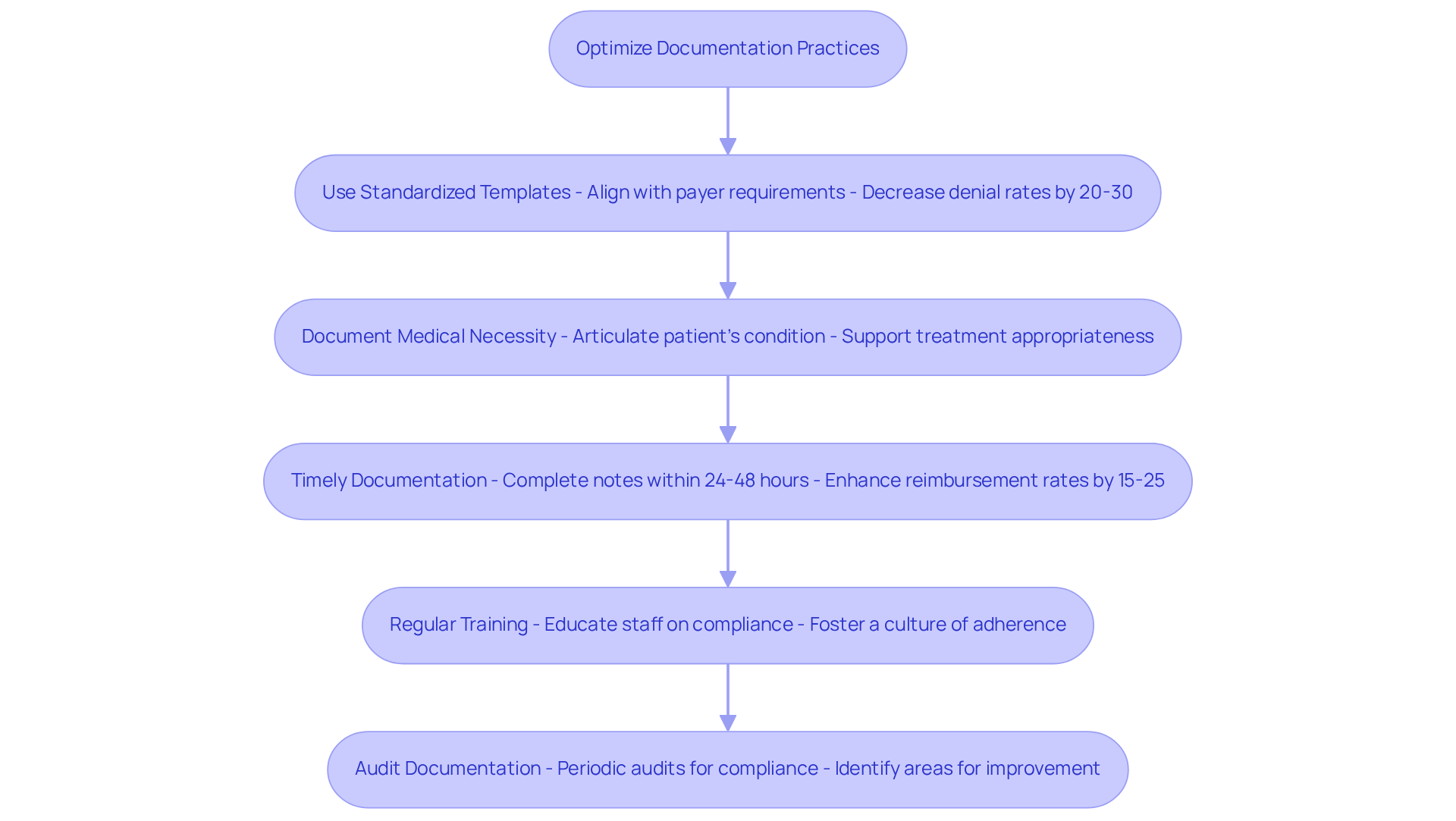
Effective documentation is essential for securing psychotherapy reimbursement rates in mental health settings, but many providers struggle with compliance. Adherence and precise documentation are crucial for achieving successful psychotherapy reimbursement rates in these environments. Here are best practices to ensure compliance and optimize documentation:
- Use Standardized Templates: Implement standardized documentation templates that align with payer requirements. This guarantees consistency and completeness in patient records, which is essential for decreasing denial rates by 20-30%.
- Document Medical Necessity: Clearly articulate the medical necessity of services provided. Include specific details about the patient’s condition, treatment plan, and progress to support assertions, as payers require evidence that services are clinically appropriate.
- Timely Documentation: Complete documentation promptly after each session. Errors and omissions in documentation can lead to significant claim denials, impacting revenue. Timely notes can also enhance psychotherapy reimbursement rates by 15-25% within 30-90 days.
- Regular Training: Conduct regular training sessions for staff on documentation best methods and compliance requirements. Ensuring that all staff are well-informed is critical for upholding high standards and fostering a culture of compliance.
- Audit Documentation: Periodically audit patient records to ensure compliance with documentation standards. This proactive approach can identify areas for improvement and reduce the likelihood of denials, ensuring that documentation is audit-ready at all times.
Enhanced documentation practices directly correlate with increased psychotherapy reimbursement rates and a reduction in administrative burdens. Ultimately, the quality of documentation can significantly influence the psychotherapy reimbursement rates and operational efficiency in mental health practices.
Leverage Technology for Streamlined Billing and Reimbursement
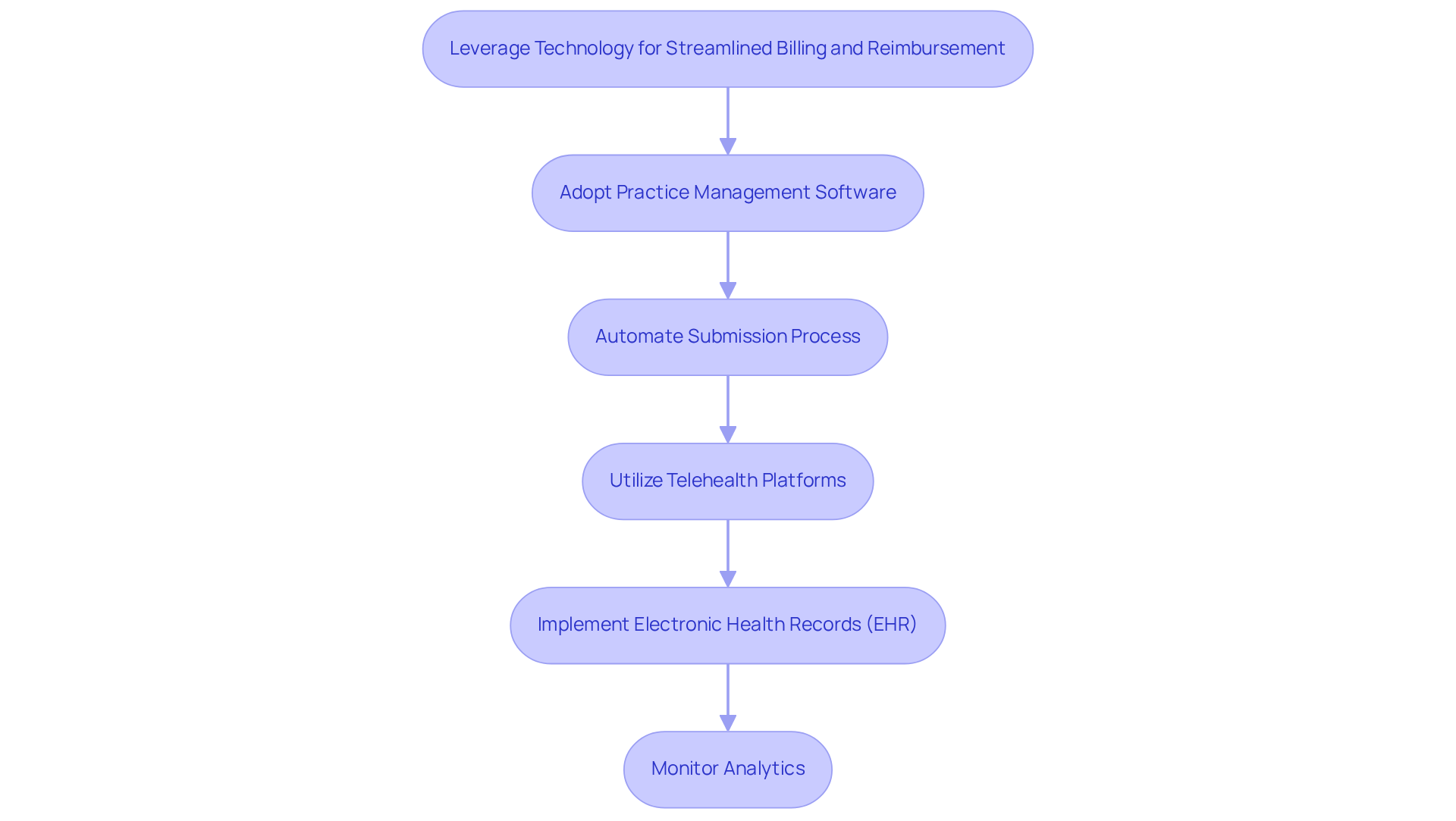
Mental health organizations face significant challenges in billing processes related to psychotherapy reimbursement rates that can hinder operational efficiency and revenue recovery. Integrating technology with HPC’s support enables mental health providers to streamline billing processes, alleviate administrative burdens, and improve psychotherapy reimbursement rates while steering clear of compliance pitfalls. Here are effective ways to leverage technology with the support of Healthcare Partners Consulting & Billing, LLC (HPC):
- Adopt Practice Management Software: Utilize comprehensive practice management software that integrates billing, scheduling, and documentation. HPC’s solutions are designed to streamline workflows and reduce the risk of errors, ultimately improving operational efficiency, which can positively impact psychotherapy reimbursement rates.
- Automate Submission Process: Implement automated submission systems to minimize manual entry and expedite the billing process. HPC’s expertise can assist in tracking requests and identifying denials more swiftly, which can ultimately improve psychotherapy reimbursement rates by leading to a reduction in denials of 20-30%.
- Utilize Telehealth Platforms: With the rise of telehealth, ensure that your billing system accommodates virtual sessions. HPC assists in using appropriate CPT codes and modifiers for telehealth services, which are essential for compliance and maximizing reimbursement. Furthermore, documentation must illustrate symptom profiles, functional impairment, and clinical rationale to effectively support assertions.
- Implement Electronic Health Records (EHR): EHR systems enhance documentation accuracy and facilitate seamless communication between providers and payers. HPC ensures that your EHR is optimized for mental health billing to support compliance and enhance claim success, ultimately improving psychotherapy reimbursement rates. Keeping thorough and compliant records is essential to prevent possible penalties and guarantee payment.
- Monitor Analytics: Utilize analytics tools to assess billing performance and recognize patterns in payment amounts. HPC’s insights can guide strategic decisions and enhance overall financial health, potentially resulting in quicker payment timelines of 15-25% within 30-90 days. Be aware of the compliance requirements and documentation standards that have intensified in 2026 to navigate the current landscape effectively.
Embracing these technological solutions is essential for mental health providers to navigate the complexities of billing and improve their psychotherapy reimbursement rates.
Conclusion
Optimizing psychotherapy reimbursement rates is essential for mental health providers seeking financial stability and improved patient care. Implementing targeted best practices enables providers to enhance revenue and reduce administrative burdens.
The article outlines several effective strategies, including:
- Understanding the factors that affect reimbursement rates
- Employing negotiation techniques
- Ensuring compliance through optimized documentation
- Leveraging technology for streamlined billing processes
These elements are crucial for improving the efficiency of mental health practices, helping providers secure better compensation and enhance patient outcomes.
As the landscape of mental health care continues to evolve, it is essential for providers to stay informed and proactive. Engaging with expert services like Healthcare Partners Consulting & Billing, LLC (HPC) can empower practitioners to navigate the complexities of reimbursement effectively. Ultimately, a proactive approach to reimbursement can transform the financial landscape for mental health providers, enabling them to focus on what truly matters: their patients.
Frequently Asked Questions
What factors influence psychotherapy reimbursement rates?
Key factors influencing psychotherapy reimbursement rates include provider credentials, geographical location, and specific insurance payer policies.
How do provider credentials affect reimbursement rates?
Providers with advanced certifications or specialties are likely to secure higher compensation rates for their services.
Can psychotherapy reimbursement rates vary by location?
Yes, psychotherapy reimbursement rates can vary considerably by state and even among specific insurance plans within the same state.
What is the range of psychotherapy reimbursement rates for individual sessions?
Psychotherapy reimbursement rates for individual sessions can vary from $78.93 to $167, depending on the payer and location.
Why is it important for providers to stay informed about payment policy changes?
Staying informed about changes in payment policies is essential for effective negotiations with payers and helps providers adjust their strategies accordingly.
How can healthcare providers manage patient statements effectively?
Efficient management of patient statements is crucial in addressing underpayments, unprocessed requests, and aging submissions.
What services does Healthcare Partners Consulting & Billing, LLC (HPC) offer to providers?
HPC offers personalized consultations to streamline workflows and improve claims management processes, allowing healthcare providers to focus on patient care while managing administrative burdens.