

Introduction
The complexities of prior authorization present significant challenges for healthcare providers, particularly in mental health clinics. Timely access to care is crucial for improving patient outcomes. Streamlining this process enhances operational efficiency and allows staff to concentrate on providing quality patient care. However, high denial rates and constantly changing payer policies create significant hurdles for clinics. Practices must implement effective strategies to overcome these barriers and ensure smoother authorization workflows. This article explores five essential strategies that can transform the prior authorization landscape, enabling clinics to thrive in an increasingly complex healthcare environment.
Understand Prior Authorization: Definition and Importance
Prior authorization is an essential process that health insurance companies use to assess the medical necessity of treatments before they are provided to patients. This mechanism is especially critical in mental health clinics due to the complexity of treatment plans. Navigating the complexities of prior authorization can be daunting for many practices, making it crucial to grasp the intricacies of prior authorization to obtain necessary consents and reduce claim rejections, which can create substantial financial pressures on practices.
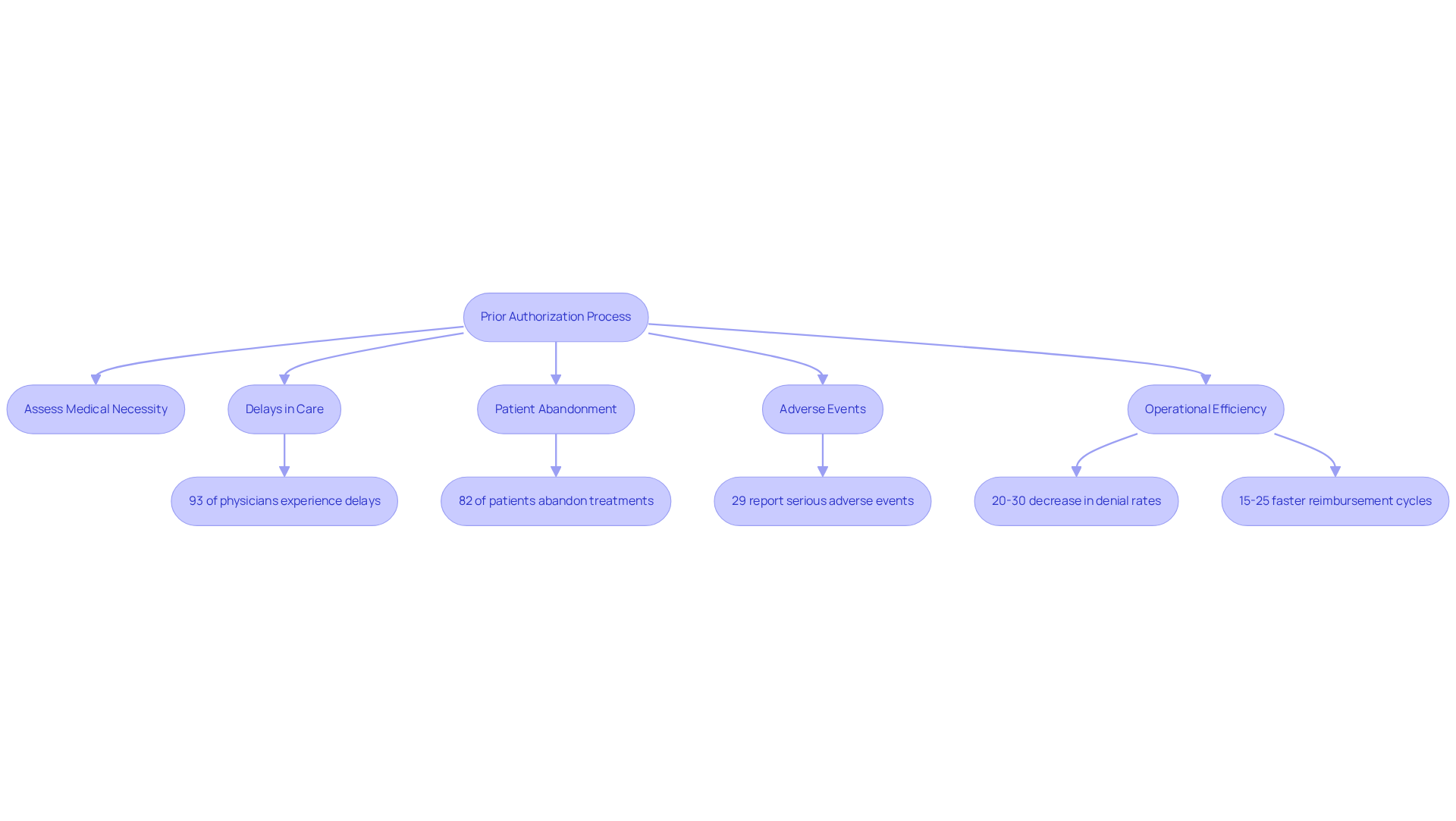
In 2024, a national survey revealed that 93% of physicians experienced delays in care associated with previous approvals, with 82% noting that patients sometimes abandon recommended treatments due to these delays. Furthermore, 29% of physicians reported serious adverse events, including hospitalization and even death, as a direct consequence of the prior authorization processes. This situation necessitates a reevaluation of how mental health facilities approach prior authorization.
The significance of prior authorization is not just about compliance; it significantly influences both the quality of care and the efficiency of operations. By optimizing the prior authorization process, healthcare facilities can enhance their operational efficiency, leading to a decrease in denial rates by 20-30% and quicker reimbursement cycles of 15-25% within 30-90 days. This not only enhances revenue cycle performance but also enables healthcare providers to concentrate more on delivering quality care to those they serve. HPC offers tailored solutions that help clinics manage requests more effectively, reducing administrative challenges and allowing providers to focus on patient care.
Case studies emphasize the effect of previous reform initiatives. For example, the Improving Seniors’ Timely Access to Care Act seeks to simplify and expedite decision-making for Medicare Advantage plans, ensuring that requirements are evidence-based and reviewed annually. Such reforms are anticipated to decrease administrative inefficiencies and enhance patient outcomes, underscoring the pressing need for mental health services to remain updated on changes in previous approval processes. The initial launch of this reform initiative will commence in January 2026, signifying a major change in how previous approvals are handled.
In summary, comprehending and efficiently handling prior authorization is crucial for mental health practices to succeed in a complicated healthcare landscape. By embracing effective prior authorization strategies, mental health practices can not only survive but thrive in an increasingly complex healthcare environment.
Identify Common Challenges in Prior Authorization for Mental Health Clinics
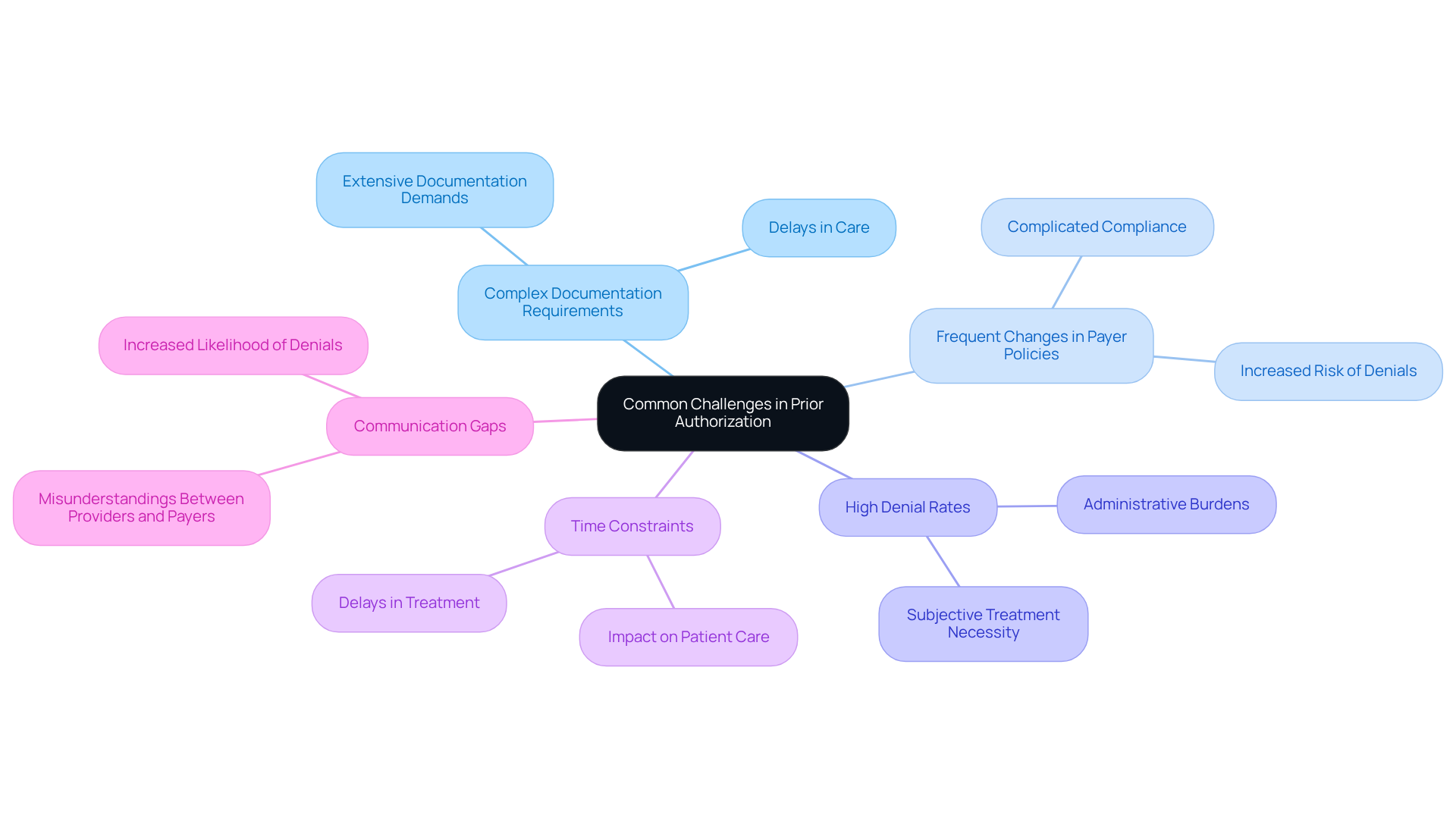
Navigating the prior authorization process poses significant challenges for mental health facilities, which impacts patient care and operational efficiency. Key issues include:
- Complex Documentation Requirements: Insurers frequently demand extensive documentation to justify treatment necessity. This can overwhelm providers and lead to delays in care.
- Frequent Changes in Payer Policies: Insurance companies regularly update their previous approval criteria, complicating compliance for clinics and increasing the risk of denials.
- High Denial Rates: Mental health services experience notably higher denial rates, often due to the subjective nature of treatment necessity. This results in increased administrative burdens and can hinder timely access to care.
- Time Constraints: The duration needed to finalize approval requests detracts from patient care, causing delays in treatment and potentially affecting patient outcomes.
- Communication Gaps: Ineffective communication between providers and payers can lead to misunderstandings, further complicating the process and increasing the likelihood of denials.
Statistics show that 26% of individuals seeking mental health care faced previous approval issues. This rate is significantly higher than the 16% of insured adults who encountered similar challenges. Furthermore, a study revealed that individuals with greater healthcare usage, such as those with over 10 doctor visits, reported a 31% occurrence of previous approval issues, compared to only 10% of low users and 20% of moderate users. The healthcare sector allocated $1.3 billion for administrative expenses associated with prior authorization last year, highlighting the financial strain on medical facilities.
By acknowledging these challenges, healthcare facilities can implement targeted strategies to reduce their impact and enhance operations. Working with HPC helps healthcare facilities lighten their administrative load, allowing them to focus more on patient care and enhance operational efficiency.
Implement Best Practices for Efficient Prior Authorization Management
To enhance the management of prior authorizations, mental health clinics must implement structured best practices:
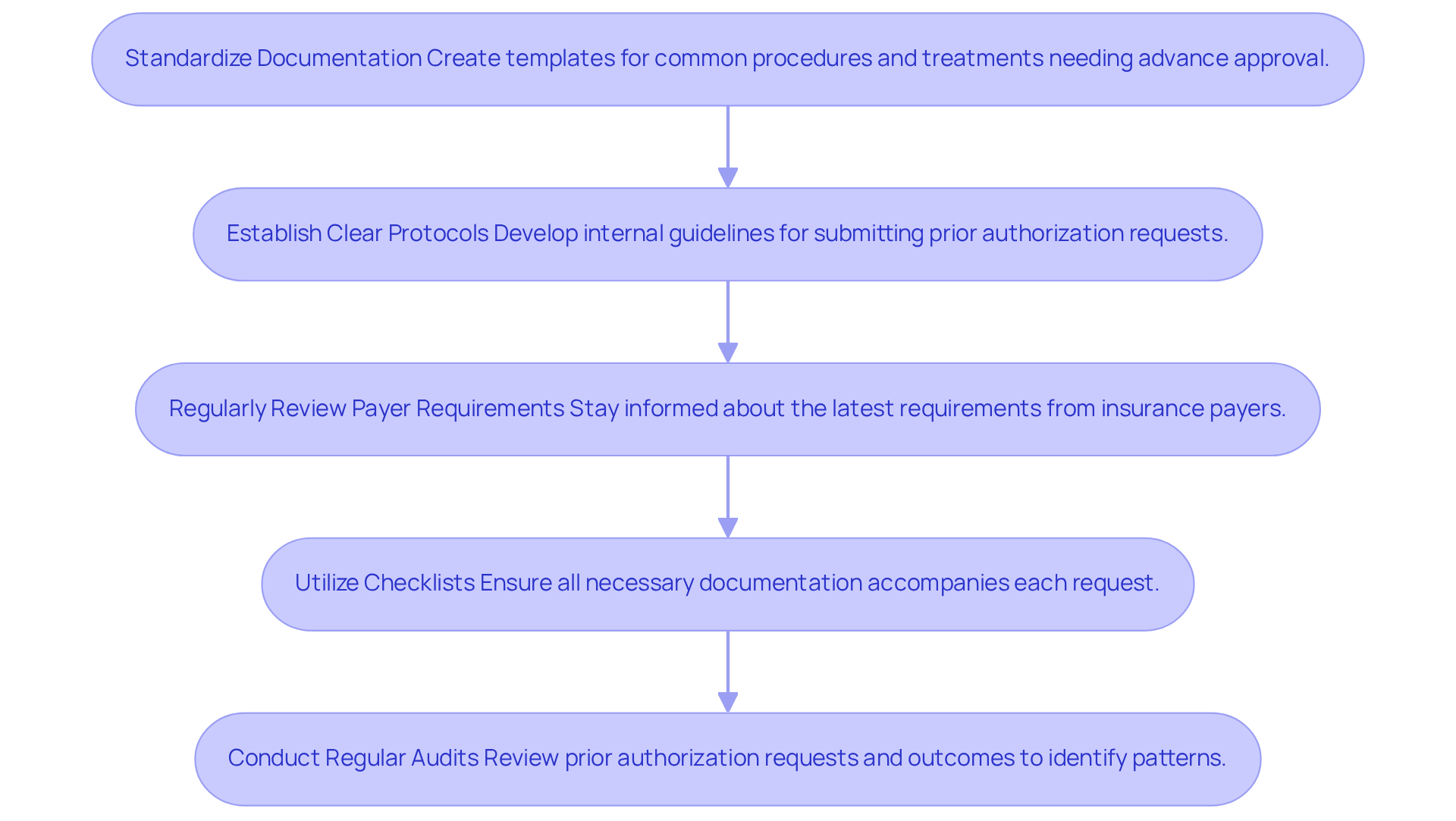
- Standardize Documentation: Create templates for common procedures and treatments needing advance approval. This ensures that all necessary information is consistently provided. Consequently, it significantly reduces the likelihood of denials.
- Establish clear protocols by developing internal guidelines for submitting prior authorization requests, detailing timelines and responsibilities for staff involved in the process. This clarity helps maintain efficiency and accountability.
- Regularly Review Payer Requirements: Stay informed about the latest requirements from insurance payers to ensure compliance and minimize the risk of denials. Staying updated prevents costly delays in patient care.
- Utilize checklists to ensure that all necessary documentation accompanies each request for prior authorization. This practice minimizes errors and omissions, leading to a smoother approval process.
- Conduct Regular Audits: Periodically review prior authorization requests and their outcomes to identify patterns in denials and opportunities for improvement. This data-driven approach can lead to a denial reduction of 20-30% and faster reimbursement of 15-25% within 30-90 days.
Implementing these strategies can lead to significant improvements in operational efficiency and patient care. For example, a recent analysis emphasized that facilities implementing standardized documentation and regular audits experienced a notable reduction in denial rates and enhanced access to essential treatments. These strategies not only enhance operations but also lead to improved health outcomes, as shown by the majority of healthcare professionals recognizing the adverse effects of prior authorization on patient care. Ultimately, these strategies can transform the process of prior authorization, leading to better patient outcomes and operational success.
Utilize Technology and Tools to Streamline Prior Authorization
The traditional approval process in mental health practices often leads to inefficiencies that hinder patient care. Integrating technology into this process can greatly improve efficiency for mental health practices. Here are several ways clinics can leverage technology:
- Implementing systems for prior authorization (ePA) enables real-time submission and tracking of requests for approval, minimizing paperwork and speeding up the process. Statistics indicate that when all criteria are satisfied, requests for approval can be granted in a median time of only 18 seconds.
- Automated Workflows: Software that automates routine tasks related to authorization-like data entry and follow-up communications-frees up valuable staff time for patient care. This automation can lead to a reduction in denial rates by 20-30%, enhancing overall revenue cycle performance by streamlining prior authorization.
- Data Analytics: Utilizing analytics tools to track previous approval metrics, including acceptance rates and turnaround times, aids in pinpointing areas for enhancement. Clinics can use this data to refine their processes and enhance operational rigor.
- Integration with EHR Systems: Ensuring that tools for approvals are integrated with electronic health records (EHR) systems streamlines data sharing and minimizes duplication of efforts. This integration is crucial for maintaining compliance with payer rules and improving claims accuracy.
- Telehealth solutions for mental health practices can facilitate quicker consultations and assessments, thereby expediting the prior authorization process for necessary treatments. This approach not only improves patient access to care but also enhances operational efficiency.
Ultimately, the adoption of these technologies not only streamlines operations but also positions clinics to better serve their patients.

Prioritize Staff Training and Education on Prior Authorization Processes
Without adequate training, healthcare staff may struggle to manage requests and handle denials effectively. Investing in staff training and education is crucial for effective management of requests and strategies for handling denials. Here are key strategies for prioritizing training:
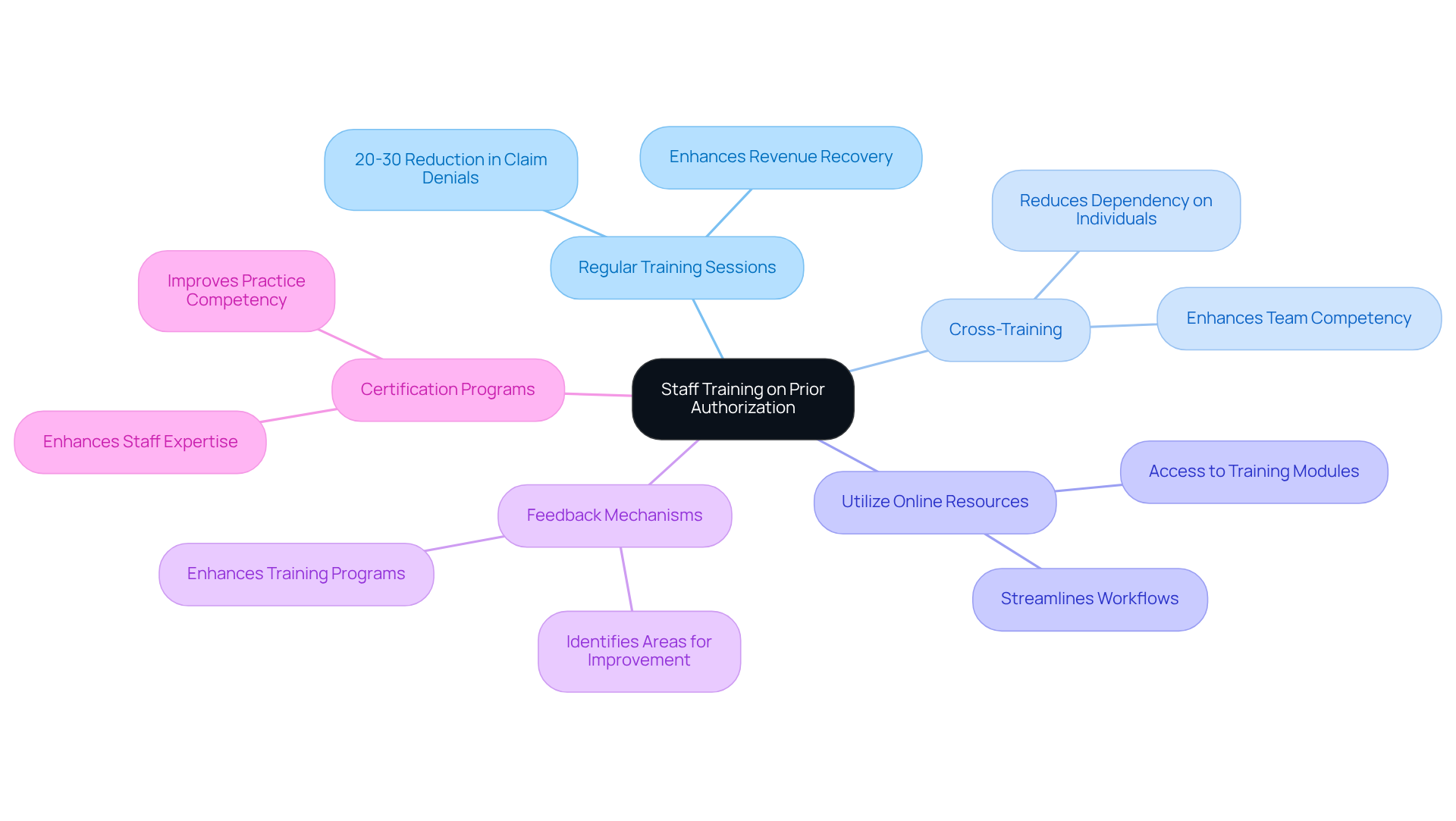
- Regular Training Sessions: Conduct consistent training sessions to keep staff informed on the latest prior authorization requirements, payer policies, and best practices. Ongoing education is crucial. It can lead to a 20-30% reduction in claim denials when staff are well-informed, ultimately enhancing revenue recovery for your practice.
- Cross-Training: Promote cross-training among staff members to ensure that multiple team members are knowledgeable about the prior authorization process. This reduces dependency on a single individual and enhances overall team competency, which is crucial for maintaining efficient operations and timely patient care.
- Utilize online resources: Provide access to training modules and materials that staff can use to enhance their understanding of approval processes, including prior authorization, and compliance requirements. Such resources can streamline workflows and improve operational efficiency, contributing to better cash flow management.
- Feedback Mechanisms: Create feedback systems where staff can share their experiences and challenges with prior authorization approvals. This enables ongoing enhancement in training programs and assists in pinpointing areas requiring additional support, ensuring that your practice remains adaptable to payer requirements.
- Certification Programs: Motivate staff to pursue certification programs related to prior authorization and billing. This not only enhances their expertise but also contributes to the overall competency and efficiency of the practice, empowering your team to navigate the complexities of healthcare billing effectively.
Ultimately, neglecting staff training can hinder operational efficiency and patient care. Enhanced training can result in faster reimbursement timelines, with improvements of 15-25% within 30-90 days, ultimately benefiting both the clinic and its patients.
Conclusion
Enhancing patient care and operational efficiency hinges on streamlining the prior authorization process for mental health clinics. Understanding the complexities of prior authorization and implementing effective strategies enables healthcare providers to reduce administrative burdens significantly, allowing them to concentrate on delivering quality care.
Key insights from the article highlight the importance of:
- Standardizing documentation
- Utilizing technology
- Prioritizing staff training
These best practices not only mitigate common challenges associated with prior authorization but also lead to improved revenue cycle management. By adopting a compliance-first approach and leveraging tools that facilitate real-time tracking and automated workflows, clinics can experience a notable reduction in denial rates and faster reimbursement cycles.
Ultimately, optimizing prior authorization processes is crucial for effective patient care. As mental health practices navigate an increasingly complex healthcare landscape, embracing these strategies will empower them to thrive. Collaborating with experts such as Healthcare Partners Consulting & Billing, LLC (HPC) can help clinics alleviate administrative burdens and improve operational efficiency, thereby allowing them to focus on patient care. For further assistance, reach out to HPC at info@hpcbilling.com or call 888-517-4992 to explore tailored solutions that can transform your practice.
Frequently Asked Questions
What is prior authorization and why is it important?
Prior authorization is a process used by health insurance companies to assess the medical necessity of treatments before they are provided to patients. It is particularly critical in mental health clinics due to the complexity of treatment plans, helping to obtain necessary consents and reduce claim rejections.
What are the consequences of delays in prior authorization?
A national survey in 2024 revealed that 93% of physicians experienced delays in care due to prior authorization, with 82% noting that patients sometimes abandon recommended treatments because of these delays. Additionally, 29% of physicians reported serious adverse events, including hospitalization and death, as a direct consequence of the prior authorization processes.
How can optimizing the prior authorization process benefit healthcare facilities?
Optimizing the prior authorization process can enhance operational efficiency, leading to a decrease in denial rates by 20-30% and quicker reimbursement cycles of 15-25% within 30-90 days. This improves revenue cycle performance and allows healthcare providers to focus more on delivering quality care.
What challenges do mental health clinics face with prior authorization?
Mental health clinics face several challenges, including complex documentation requirements, frequent changes in payer policies, high denial rates, time constraints, and communication gaps between providers and payers.
What statistics highlight the issues with prior authorization in mental health care?
Statistics show that 26% of individuals seeking mental health care faced prior authorization issues, significantly higher than the 16% of insured adults who encountered similar challenges. Additionally, individuals with more healthcare usage reported a higher occurrence of prior authorization issues.
What financial impact does prior authorization have on healthcare facilities?
The healthcare sector allocated $1.3 billion for administrative expenses associated with prior authorization last year, indicating a significant financial strain on medical facilities.
What reforms are being implemented to improve prior authorization processes?
The Improving Seniors’ Timely Access to Care Act aims to simplify and expedite decision-making for Medicare Advantage plans, ensuring that requirements are evidence-based and reviewed annually. This reform is expected to decrease administrative inefficiencies and enhance patient outcomes, with an initial launch planned for January 2026.
How can healthcare facilities improve their handling of prior authorization?
By acknowledging the challenges of prior authorization and implementing targeted strategies, healthcare facilities can enhance operations. Collaborating with organizations like HPC can help lighten the administrative load, allowing clinics to focus more on patient care.