
Introduction
As mental health clinics grapple with the complexities of claims management, their operational efficiency and patient care are at stake. Mental health clinics are increasingly confronted with the intricacies of claims management, a critical aspect that directly impacts their operational efficiency and patient care. Effective claims management streamlines insurance claims submission and tracking, allowing healthcare providers to concentrate on delivering quality patient care. However, clinics face increasing pressure to manage claims effectively amid growing service demands and varying payer expectations.
How can clinics ensure they are equipped to navigate this intricate landscape? This article explores best practices for optimizing claims management in mental health settings, providing insights that enhance financial stability and patient outcomes.
Define Claims Management Solutions for Mental Health Clinics
Mental wellness clinics face significant challenges in managing insurance submissions, necessitating effective solutions to ensure timely reimbursements and operational efficiency. A claims management solution encompasses a range of tools and methods aimed at enhancing the submission, tracking, and resolution of insurance claims. These solutions are specifically designed to navigate the unique challenges inherent in mental health services, including diverse payer requirements, the sensitive nature of mental health issues, and the complexities associated with coding and documentation.
Key components of effective claims management include:
- Electronic Claims Submission: Streamlining the submission process to enhance efficiency and reduce errors.
- Real-Time Eligibility Verification: Ensuring that patient eligibility is confirmed before services are rendered, minimizing the risk of claim denials.
- Denial Management Strategies: Implementing targeted approaches to address and resolve denials, which can lead to a 20-30% reduction in denial rates.
- Faster Reimbursement: Optimizing processes to achieve reimbursements within 30-90 days, significantly improving revenue cycle performance.
Focusing on these key components allows mental wellness facilities to secure prompt reimbursements, alleviating administrative burdens and enabling providers to prioritize quality patient care. Without these solutions, clinics risk prolonged reimbursement cycles and increased administrative burdens, jeopardizing their financial sustainability. Given the 83% surge in mental wellness requests from 2019 to 2023, alongside a 108% increase in eating disorder diagnoses among individuals under 18, the importance of efficient management solutions is paramount.
For additional assistance, mental wellness facilities can contact Healthcare Partners Consulting at info@hpcbilling.com or call 888-517-4992. As a veteran-owned company with 39 years of experience, we are dedicated to streamlining administrative and billing services to enhance patient care and practice efficiency. In an era of rising demand for mental health services, implementing robust claims management solutions is critical for sustaining practice viability and enhancing patient care.

Identify Key Features of Effective Claims Management Software
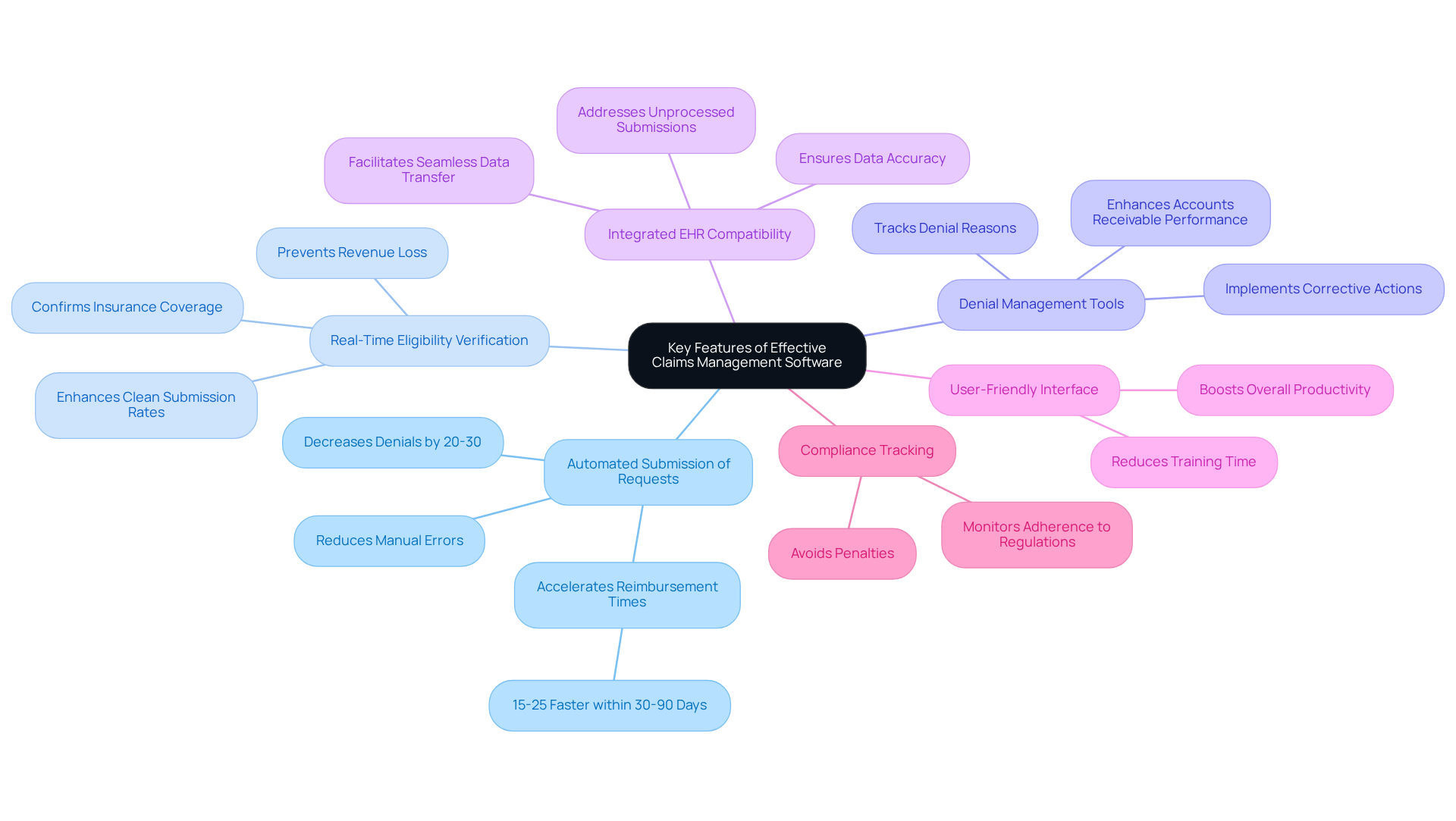
Effective claims management software is essential for mental health clinics to optimize operations and enhance financial performance amidst ongoing challenges, particularly in addressing underpayments, unprocessed claims, and aging claims:
- Automated Submission of Requests: This feature streamlines the electronic submission of requests, significantly reducing manual errors and accelerating reimbursement times. Industry data indicates that automated systems can reduce denials by 20-30% and accelerate reimbursements by 15-25% within 30-90 days.
- Real-Time Eligibility Verification: By confirming patient insurance coverage prior to services being provided, healthcare facilities can reduce the likelihood of reimbursement denials. Solutions like VerifyTreatment automate eligibility checks across various payer plans, addressing common issues such as incorrect member IDs and missing benefits data. This proactive approach aids in preventing revenue loss and enhances clean submission rates.
- Denial Management Tools: Effective software includes analytics and reporting capabilities that track denial reasons, enabling healthcare facilities to implement corrective actions. Employing denial analytics can assist in recognizing trends and enhancing accounts receivable performance, ensuring that clinics can tackle issues swiftly, particularly regarding underpayments and aging invoices.
- Integrated EHR Compatibility: Seamless data transfer between electronic health records and billing systems enhances accuracy and efficiency, ensuring that submissions are made with the correct information. Integrating these systems is crucial for maintaining data accuracy while managing requests and effectively addressing unprocessed submissions. Key integrations with platforms like TherapyNotes and SimplePractice further enhance this capability.
- User-Friendly Interface: A simplified navigation experience for staff reduces training time and boosts overall productivity, allowing teams to focus on patient care rather than administrative tasks. A user-friendly interface can greatly improve both the user experience and overall operational efficiency.
- Compliance Tracking: Monitoring adherence to healthcare regulations and payer requirements is crucial for avoiding penalties. Compliance tracking features ensure that healthcare facilities remain up-to-date with changing regulations, safeguarding their operations and enhancing their reputation in the industry.
Integrating these features not only simplifies the process of managing requests but also enhances financial stability and patient care results, making them vital for mental wellness facilities striving to succeed with a claims management solution in a competitive environment. By integrating these features, mental wellness facilities can not only improve their financial health but also ensure better patient outcomes in a competitive landscape.
Implement Strategies for Successful Integration of Claims Management Solutions
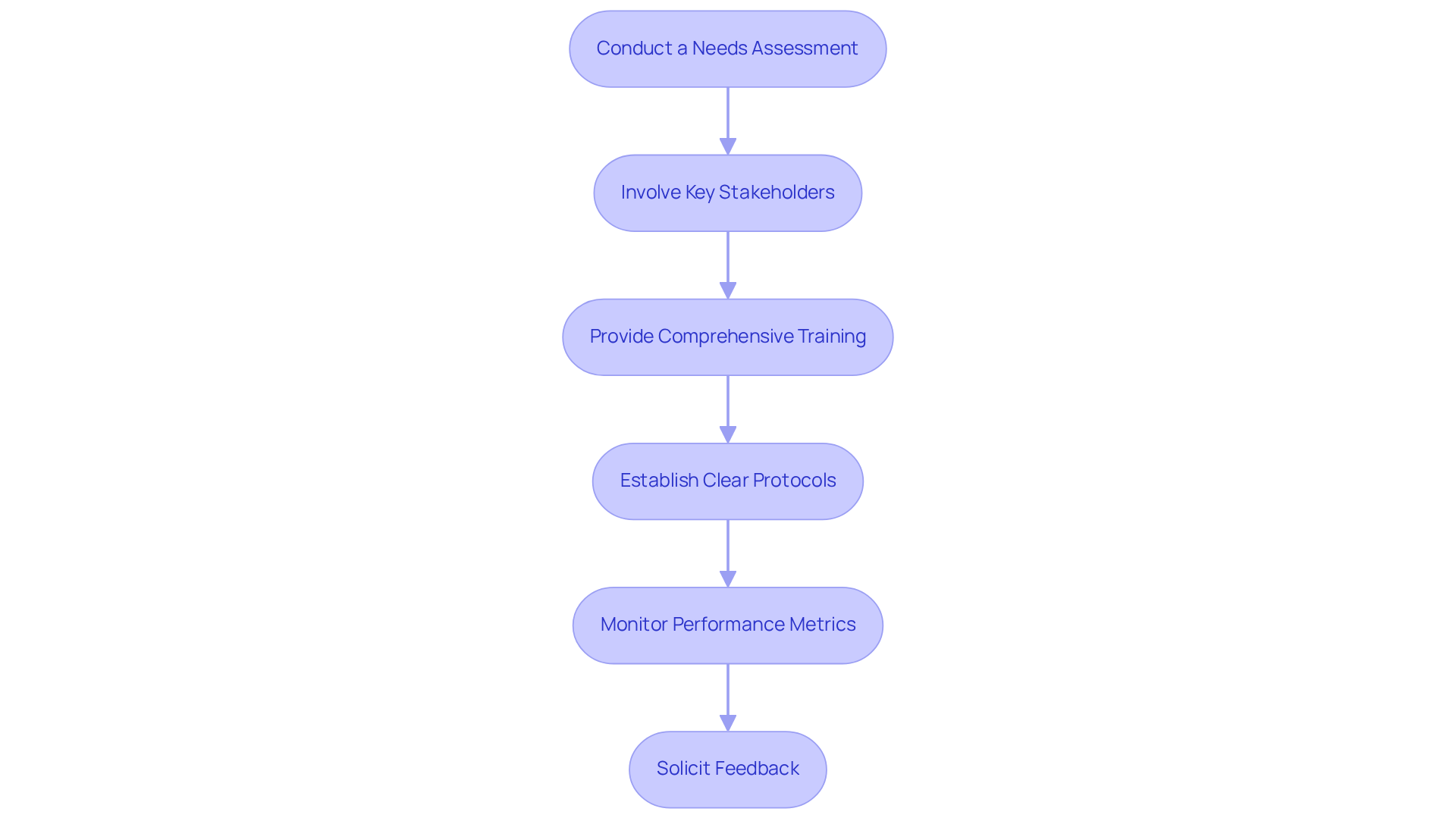
To enhance claims management in mental health clinics, a structured approach is essential to address existing challenges effectively. Consider the following strategies:
- Conduct a Needs Assessment: Begin by evaluating current workflows to identify specific challenges in the processing of requests that the new software should address. This assessment will help tailor the solution to the clinic’s unique needs, ensuring it aligns with the specialized focus of Healthcare Partners Consulting & Billing, LLC (HPC).
- Involve Key Stakeholders: Engage staff from billing, clinical, and administrative departments in both the selection and implementation phases. Their insights will ensure the software meets diverse operational requirements and enhances overall efficiency, reflecting HPC’s commitment to relationship-driven service.
- Provide Comprehensive Training: Implement training sessions for all users to familiarize them with the new system. Concentrate on its characteristics and optimal practices to enhance its capabilities and reduce mistakes during processing, which is essential for upholding compliance and improving revenue cycles.
- Establish Clear Protocols: Develop standardized procedures for submission, tracking, and follow-up. Consistency in these methods is essential for minimizing mistakes and enhancing approval rates, a vital area where HPC excels with its customized solutions.
- Monitor Performance Metrics: After implementation, regularly assess key performance indicators (KPIs) such as approval rates and processing times. Regular evaluations will pinpoint areas for improvement, ensuring the system operates at its best and driving measurable revenue cycle enhancements within 30-90 days.
- Solicit Feedback: Encourage staff to provide feedback on the new system. Making adjustments based on user experiences can enhance usability and effectiveness, leading to better outcomes. HPC’s dedicated teams, including billing managers and accounts receivable specialists, can assist in this endeavor.
By implementing these strategies, clinics can achieve a notable decrease in denials by 20-30%. Additionally, reimbursement timelines can improve by 15-25% within 30-90 days, enhancing the financial stability of mental wellness practices. For example, facilities that standardize documentation methods and perform internal assessments of denial patterns have reported improved revenue cycle performance, illustrating the benefits of a proactive strategy in managing submissions. Furthermore, HPC’s veteran-owned status and expertise in integrating with platforms like TherapyNotes and SimplePractice further enhance their service offerings. According to KFF, 26% of individuals pursuing mental wellness treatment encountered preauthorization obstacles, underscoring the significance of these strategies in navigating intricate reimbursement systems.
Evaluate and Optimize Claims Management Processes Regularly
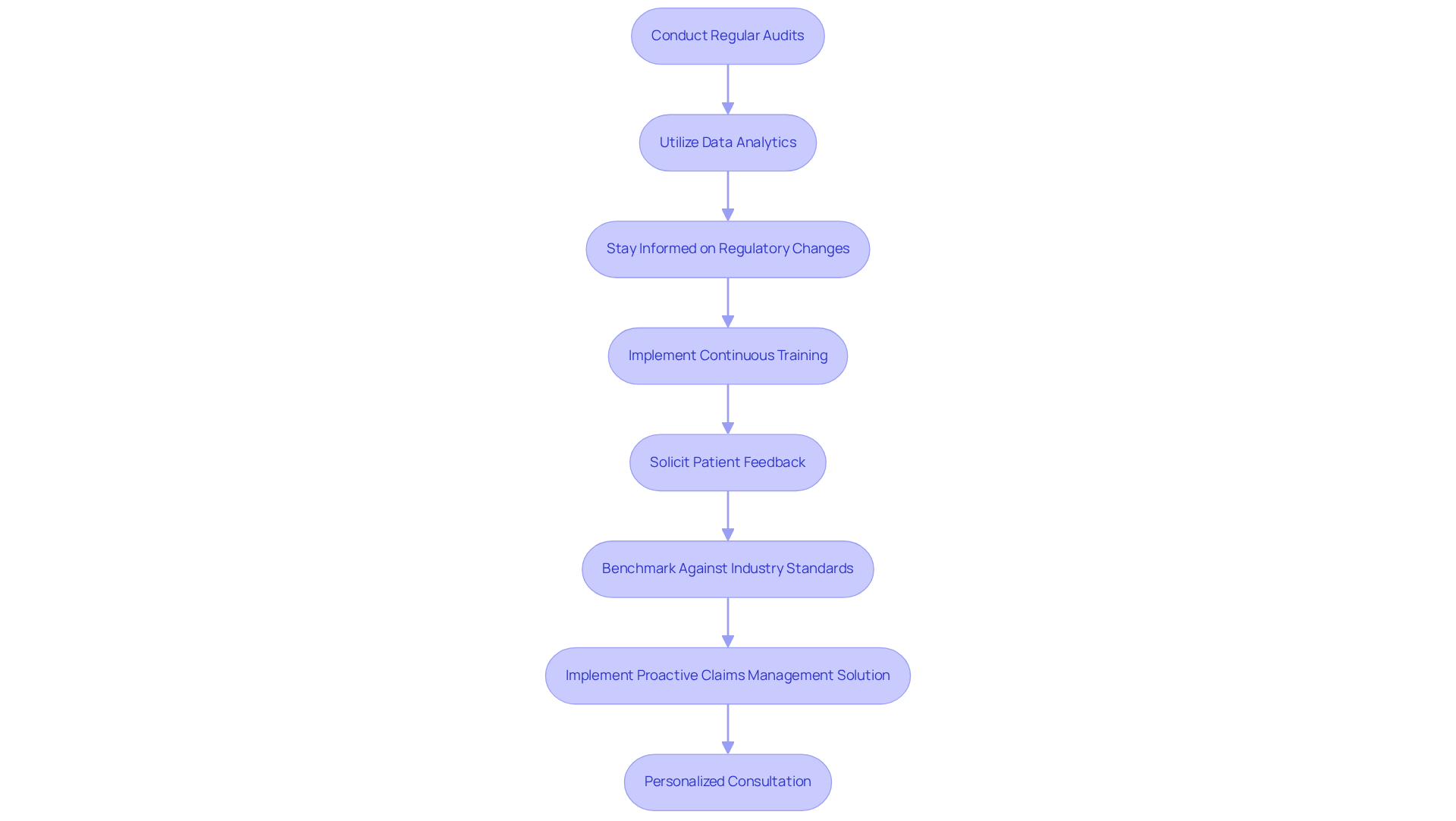
To remain competitive and compliant, mental health clinics must regularly assess and enhance their claims management solution and other management processes. Here are key steps to achieve this:
- Conduct Regular Audits: Periodically review submissions and denials to identify patterns and areas for improvement. This proactive approach has been shown to reduce denial rates by 20-30%.
- Utilize Data Analytics: Leverage advanced analytics tools to gain insights into performance metrics, including approval rates and turnaround times, which can inform decision-making and enhance operational efficiency.
- Stay Informed on Regulatory Changes: Keeping updated on modifications in healthcare regulations and payer policies ensures that billing procedures remain compliant, reducing the risk of penalties.
- Implement Continuous Training: Provide ongoing education for staff to keep them informed on best practices and new features of reimbursement management software, which can enhance reimbursement speeds by 15-25% within 30-90 days.
- Solicit Patient Feedback: Identifying areas for improvement in the reimbursement system can be challenging without direct patient feedback, promoting transparency and trust.
- Benchmark Against Industry Standards: Compare your clinic’s performance metrics with industry benchmarks to identify gaps and set improvement goals, ensuring alignment with best practices in the field.
- Implement a proactive claims management solution to establish a system that identifies slow-moving claims and enhances the overall claims process, ensuring timely reimbursements.
- Personalized Consultation: For tailored guidance on service selection, consider scheduling a consultation with Healthcare Partners Consulting & Billing, LLC (HPC). We’ll map your current workflow and point you at the services that will move the needle fastest, including tailored solutions like dedicated virtual assistant services for scheduling and client intake, and direct access to a named billing team for personalized support.
By implementing these strategies, clinics can significantly improve their operational efficiency and patient satisfaction, ultimately leading to better financial outcomes.
Conclusion
Effective claims management is crucial for mental health clinics aiming to improve operational efficiency and secure timely reimbursements. Focusing on tailored strategies that reduce administrative burdens allows healthcare providers to concentrate on delivering quality patient care. The integration of robust claims management processes not only supports financial sustainability but also empowers practitioners to navigate the complexities of mental health billing with confidence.
Key insights from this article highlight the importance of features such as:
- Automated submissions
- Real-time eligibility verification
- Denial management tools
These components work synergistically to streamline operations, reduce denial rates, and accelerate reimbursement timelines. Regular evaluations and proactive strategies further enhance the effectiveness of claims management, ensuring that clinics remain compliant and competitive in an evolving healthcare landscape.
As the demand for mental health services continues to rise, the adoption of comprehensive claims management solutions is essential for success. Clinics are encouraged to prioritize these practices, leveraging the expertise of veteran-owned Healthcare Partners Consulting & Billing, LLC (HPC) to optimize their revenue cycle management. This approach enables mental health providers to improve financial health and enhance patient outcomes, creating a more effective care environment. For personalized support, reach out to HPC at info@hpcbilling.com or call 888-517-4992 to explore tailored solutions that meet the unique needs of your practice.
Frequently Asked Questions
What are claims management solutions for mental health clinics?
Claims management solutions encompass a range of tools and methods designed to enhance the submission, tracking, and resolution of insurance claims specifically for mental wellness clinics, addressing unique challenges such as diverse payer requirements and the complexities of coding and documentation.
What are the key components of effective claims management?
Key components include electronic claims submission, real-time eligibility verification, denial management strategies, and faster reimbursement processes.
How does electronic claims submission benefit mental health clinics?
Electronic claims submission streamlines the submission process, enhancing efficiency and reducing errors in the claims management process.
Why is real-time eligibility verification important?
Real-time eligibility verification ensures that patient eligibility is confirmed before services are rendered, minimizing the risk of claim denials.
What are denial management strategies?
Denial management strategies are targeted approaches implemented to address and resolve claim denials, which can lead to a 20-30% reduction in denial rates.
How can faster reimbursement impact mental health clinics?
Optimizing processes for faster reimbursement can achieve payments within 30-90 days, significantly improving revenue cycle performance and alleviating financial pressures on clinics.
What challenges do mental wellness clinics face without effective claims management solutions?
Without effective solutions, clinics risk prolonged reimbursement cycles and increased administrative burdens, which can jeopardize their financial sustainability.
Why is the implementation of claims management solutions critical now?
Given the 83% surge in mental wellness requests from 2019 to 2023 and a 108% increase in eating disorder diagnoses among individuals under 18, efficient management solutions are essential for sustaining practice viability and enhancing patient care.
How can mental wellness facilities get additional assistance with claims management?
Mental wellness facilities can contact Healthcare Partners Consulting at info@hpcbilling.com or call 888-517-4992 for assistance with streamlining administrative and billing services.