
Introduction
Navigating the complexities of mental health clinic operations can overwhelm even the most experienced providers. Tailored solutions can enhance patient care and reduce administrative burdens, allowing for a stronger therapeutic relationship. The challenge lies in implementing best practices that ensure regulatory compliance while addressing the diverse needs of clients.
In this discussion, we will delve into effective strategies for optimizing practice management in mental health settings, empowering providers to prioritize patient care and operational efficiency.
Understand the Unique Needs of Mental Health Clinics
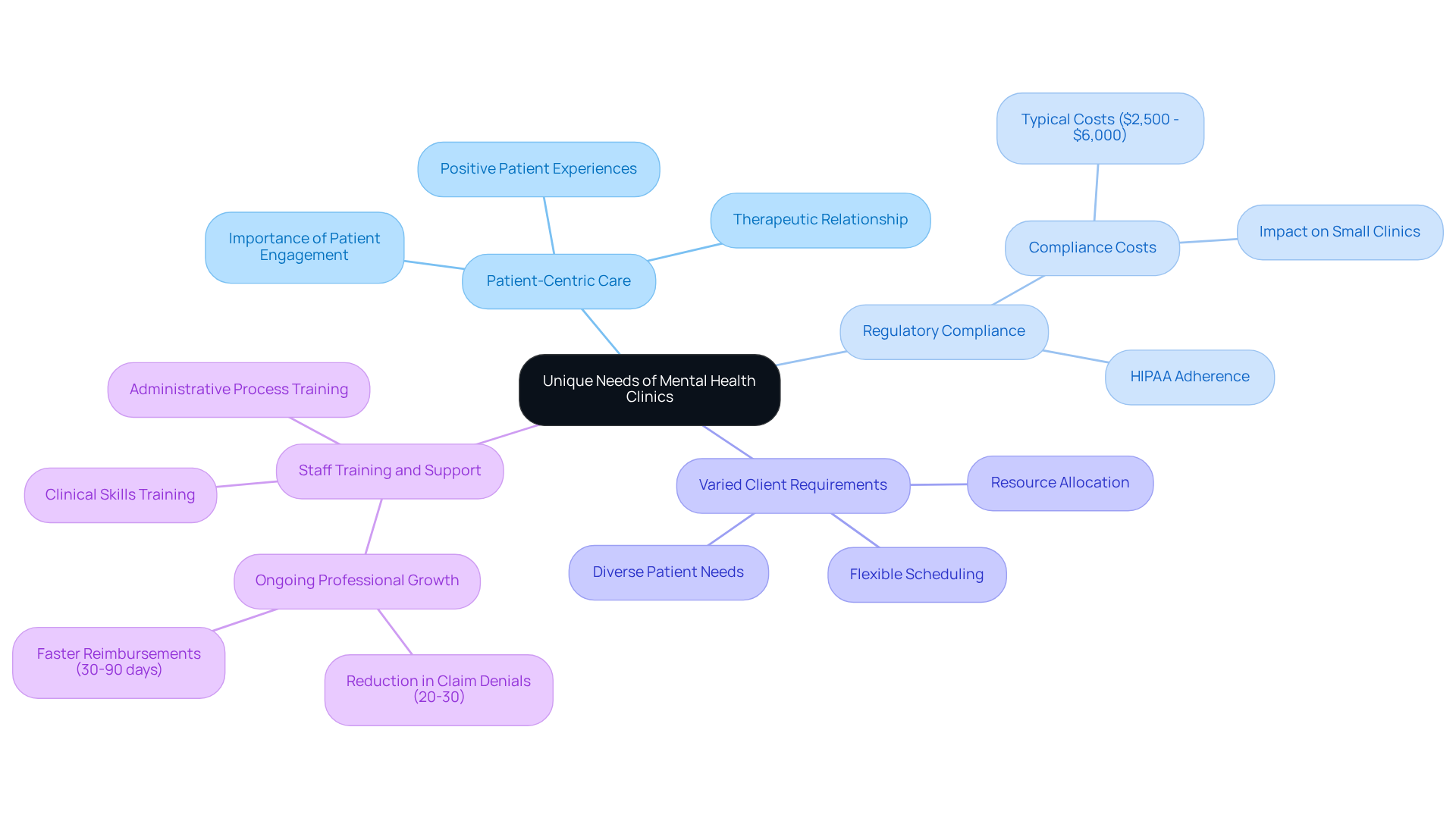
The unique operational landscape of mental health clinics demands tailored practice management services to ensure effective service delivery. Key considerations include:
- Patient-Centric Care: Prioritizing patient engagement and satisfaction is essential, as the therapeutic relationship is foundational to effective treatment. Research indicates that patients who report positive experiences in psychiatric care tend to have greater trust in their providers, leading to increased likelihood of seeking help during crises.
- Regulatory Compliance: Adhering to HIPAA and other healthcare regulations is critical. Clinics must ensure that all administrative processes are compliant to protect confidentiality and avoid legal issues. The financial burden of compliance can strain small clinics, impacting their operational viability, with typical compliance costs ranging from $2,500 to $6,000 annually, emphasizing the need for robust administrative frameworks.
- Varied Client Requirements: Mental wellness facilities frequently cater to a broad spectrum of individuals, from those needing urgent crisis assistance to extended therapy. This diversity necessitates flexible scheduling and resource allocation to meet varying demands effectively.
- Staff Training and Support: Staff must be trained in both clinical skills and administrative processes to ensure smooth operations. Ongoing professional growth is crucial to stay aligned with changing optimal methods in mental wellness care. Investing in staff training not only enhances service delivery but also significantly reduces operational costs, with potential reductions in claim denials by 20-30% and faster reimbursements within 30-90 days.
Addressing these specific needs enables mental wellness facilities to enhance operational effectiveness by utilizing practice management services while elevating the standard of patient care.
Choose the Right Practice Management Software
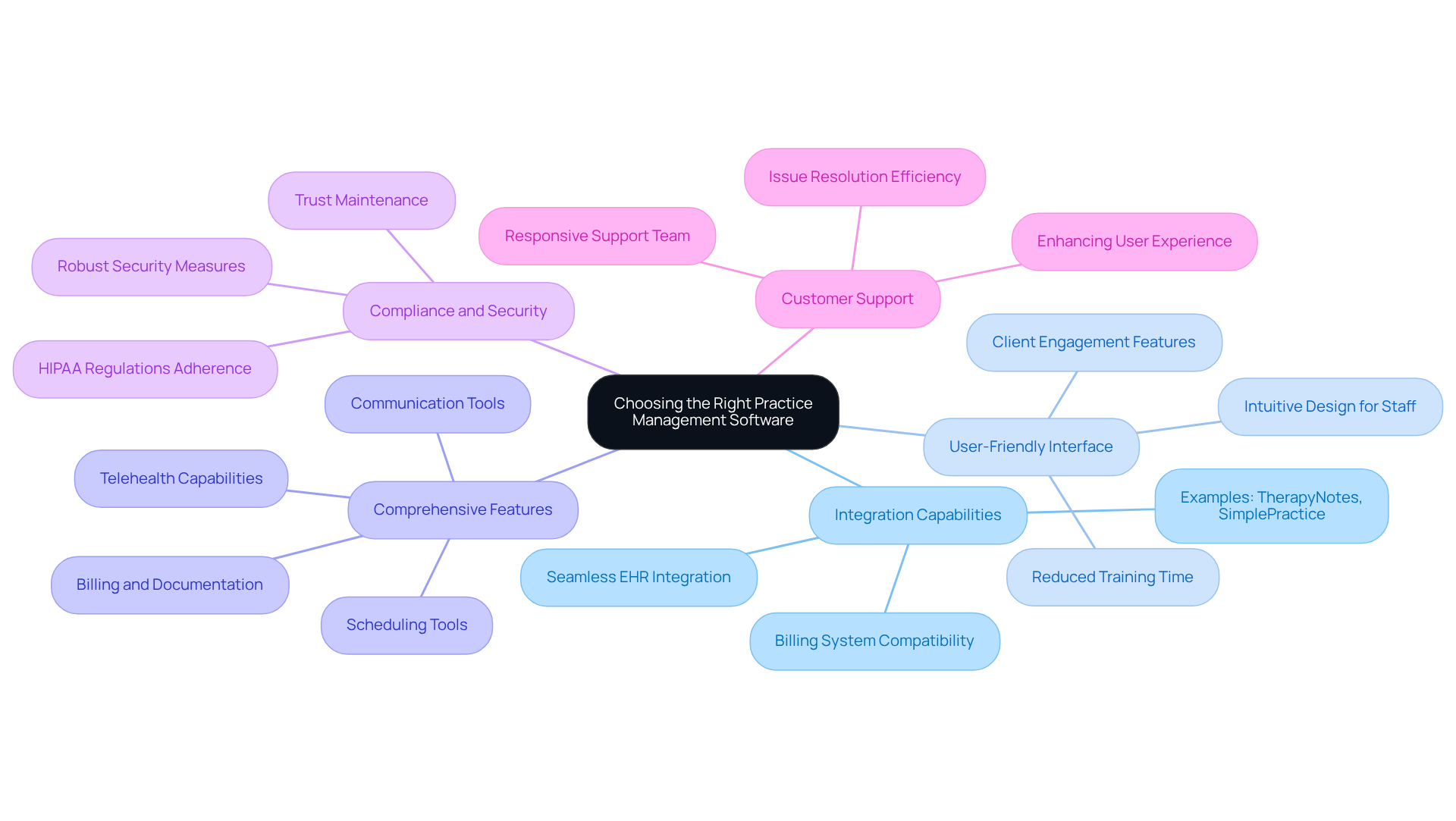
Choosing the right practice management services is critical for optimizing operations in mental wellness clinics. Here are key considerations for effective software selection:
- Integration Capabilities: Select software that integrates seamlessly with electronic health records (EHR) and billing systems, such as TherapyNotes, SimplePractice, Valant, AdvancedMD, and IntakeQ. This integration reduces data entry errors and improves workflow efficiency, essential for financial health.
- User-Friendly Interface: The software should be intuitive for both staff and clients. A user-friendly interface decreases training time and enhances engagement, making it simpler for clinics to manage their operations effectively.
- Comprehensive Features: Look for essential features such as scheduling, billing, documentation, telehealth capabilities, and communication tools for individuals. The software must cater specifically to the unique needs of mental health practices, ensuring that all operational aspects are covered.
- Compliance and Security: Ensure that the software adheres to HIPAA regulations and provides robust security measures to protect health information. This is critical for maintaining trust and safeguarding sensitive information.
- Customer Support: Dependable customer support is crucial for swiftly addressing issues and reducing interruptions to operational activities. A responsive support team can significantly enhance the overall user experience.
By carefully evaluating these key considerations, mental wellness facilities can select practice management services that enhance care quality and boost operational efficiency. Implementing effective management solutions can lead to a decrease in denial rates by 20-30% and quicker reimbursement rates of 15-25% within 30-90 days, ultimately enhancing the financial performance of the healthcare facility. As a veteran-owned business with 39 years of expertise, Healthcare Partners Consulting & Billing, LLC (HPC) specializes in comprehensive revenue cycle management tailored to behavioral and mental wellness practices, empowering providers by alleviating administrative burdens to allow focus on care.
Implement Effective Practice Management Strategies
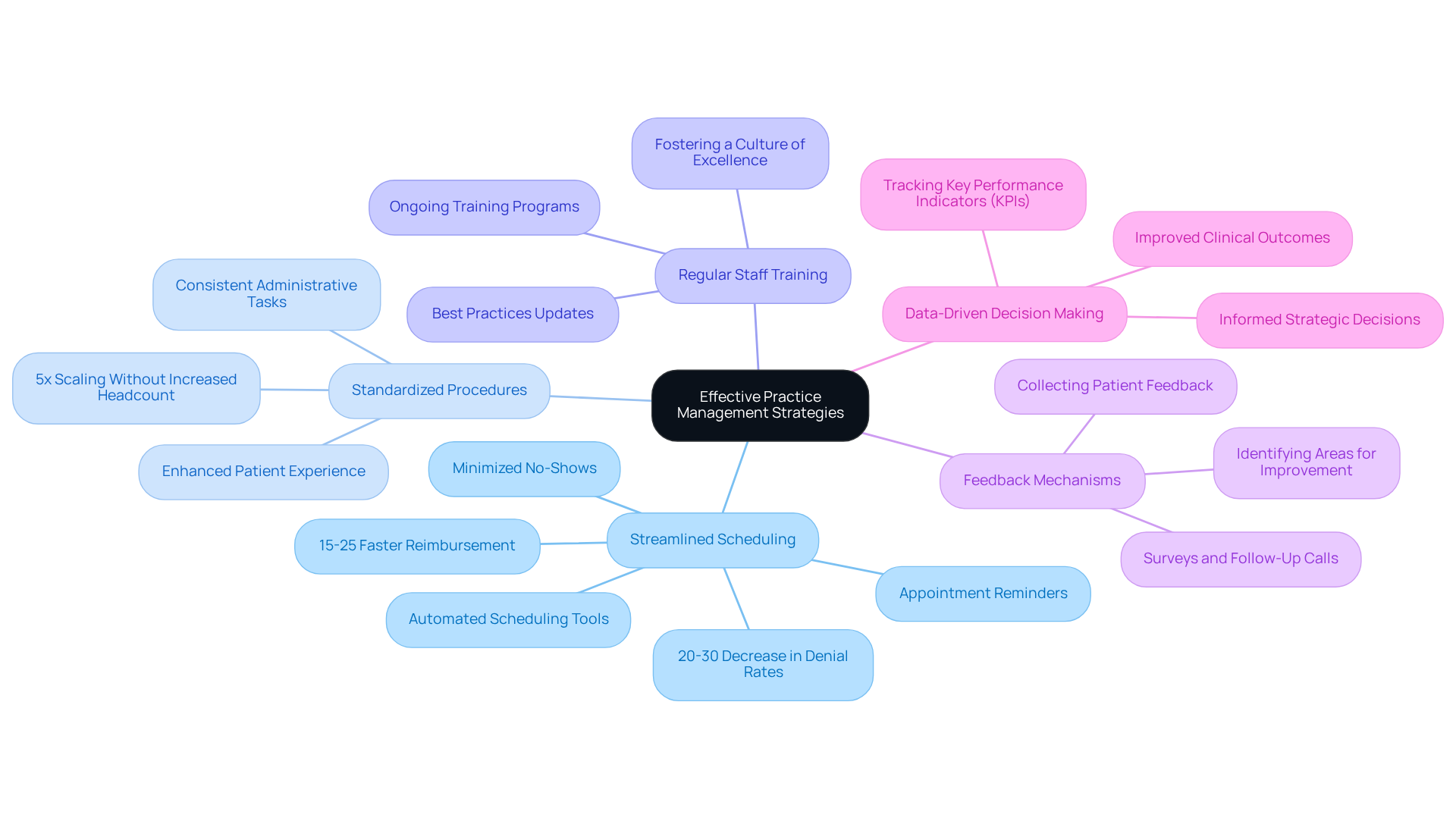
Mental health clinics face significant challenges in operational efficiency, impacting both patient care and financial sustainability. To enhance their effectiveness, consider implementing the following strategies:
- Streamlined Scheduling: Utilize automated scheduling tools to minimize no-shows and maximize appointment availability. Incorporating reminders via text or email can keep individuals informed and engaged, leading to improved attendance rates. Clinics utilizing automated scheduling have reported a 20-30% decrease in denial rates. Additionally, they experience quicker reimbursement times of 15-25% within 30 to 90 days. This underscores the impact of effective management on revenue cycle performance.
- Standardized Procedures: Establish standardized protocols for common administrative tasks, such as intake processes and billing procedures. This consistency not only reduces errors but also enhances the overall patient experience. For instance, Vanessa Miller’s team at Family Care Centers scaled operations by 5x without increasing headcount, demonstrating the effectiveness of streamlined processes.
- Regular Staff Training: Invest in ongoing training for staff to ensure they are updated on best practices, compliance requirements, and new technologies. This commitment to continuous improvement fosters a culture of excellence within the clinic.
- Feedback Mechanisms: Implement systems for collecting feedback from individuals to identify areas for improvement. Surveys or follow-up calls can offer valuable insights into satisfaction and highlight opportunities for enhancement.
- Data-Driven Decision Making: Leverage analytics to track key performance indicators (KPIs) such as wait times, treatment outcomes, and financial metrics. This data-driven approach can inform strategic decisions and operational adjustments, ultimately leading to better clinical outcomes.
Furthermore, consider utilizing Healthcare Partners Consulting & Billing, LLC (HPC) to evaluate your mental wellness firm’s profitability. Their quick quiz can help identify hidden revenue leaks and provide personalized recommendations to improve efficiency and billing accuracy. By implementing these strategies and utilizing HPC’s expertise, mental wellness facilities can greatly enhance their operational efficiency, improve care quality, and achieve superior clinical results. Without these improvements, clinics risk falling behind in a competitive landscape, ultimately compromising the quality of care provided to patients.
Evaluate and Adapt Practice Management Services
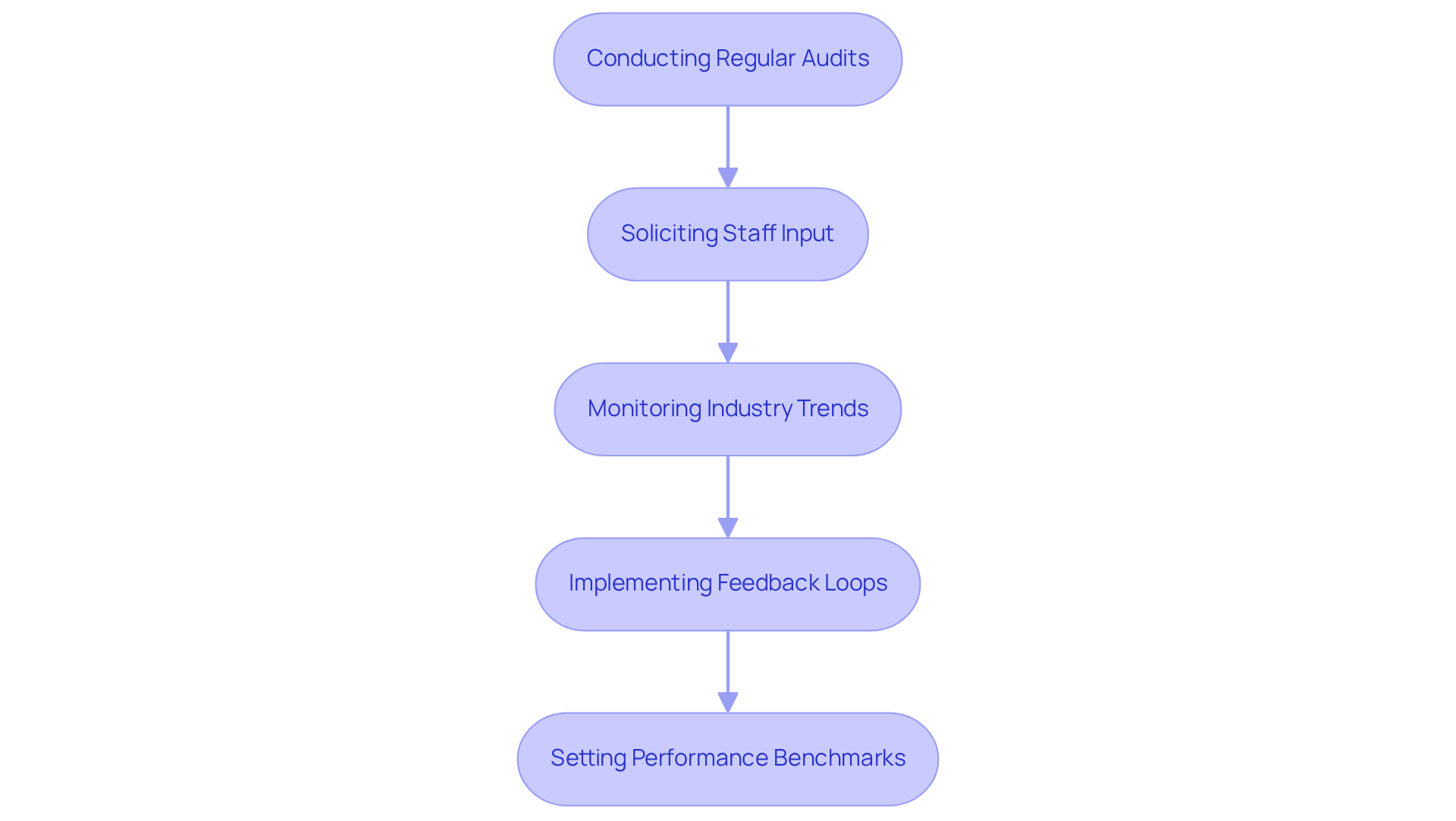
To maintain high standards in management, mental health clinics must engage in continuous evaluation and adaptation of their services. Key steps include:
- Conducting Regular Audits: Systematic audits of administrative processes and patient care practices are essential for identifying inefficiencies and areas for improvement. This involves thorough reviews of billing accuracy and patient flow. Such reviews can reduce denial rates by 20-30% and expedite reimbursements by 15-25% within 30-90 days.
- Soliciting Staff Input: Engaging staff in discussions about operational challenges and potential improvements can yield valuable insights. Their viewpoints are essential for evaluating the effectiveness of current methods and promoting a culture of continuous improvement.
- Monitoring Industry Trends: Staying informed about changes in healthcare regulations, technological advancements, and optimal approaches in mental health care is vital. This knowledge allows healthcare facilities to make necessary adjustments to their practice management services, ensuring compliance and operational efficiency.
- Implementing Feedback Loops: Establishing mechanisms for continuous input from both individuals receiving care and staff helps organizations remain agile and responsive to emerging needs. Regular feedback can guide service enhancements and improve satisfaction among individuals receiving care.
- Setting Performance Benchmarks: Establishing clear performance benchmarks is crucial. Regular assessments against these benchmarks ensure the organization remains aligned with its operational and care objectives. Utilizing scorecard-driven adjustments tied to claims accuracy, denial rates, and days in accounts receivable can further enhance operational rigor.
By prioritizing regular assessments, clinics can not only enhance their operational efficiency but also better serve their clients in a rapidly evolving healthcare environment. Healthcare Partners Consulting & Billing, LLC (HPC) offers personalized consultations to identify optimal administrative solutions tailored to the unique needs of healthcare practices, including practice management services, data-driven consulting, and dedicated virtual assistant services that streamline operations and enhance patient care.
Conclusion
Mental health clinics often grapple with the dual challenge of enhancing patient care while managing operational complexities. Effective practice management services are crucial for the success of these facilities. By addressing unique needs, including regulatory compliance, staff training, and patient-centric care, clinics can significantly improve their service delivery.
Throughout the article, key strategies have been outlined to address the challenges faced by mental health clinics. From selecting appropriate software that integrates seamlessly with existing systems to implementing standardized procedures and feedback mechanisms, each step contributes to a more efficient operational framework. The emphasis on continuous evaluation and adaptation ensures that clinics remain responsive to the evolving landscape of mental health care, ultimately leading to better patient outcomes and financial sustainability.
In conclusion, engaging with HPC could be the pivotal step toward transforming your clinic’s operational landscape and patient care quality. By partnering with experts like Healthcare Partners Consulting & Billing, LLC (HPC), mental health clinics can alleviate administrative burdens and focus on delivering high-quality care. With nearly four decades of experience, HPC understands the unique challenges healthcare providers face and is committed to offering tailored revenue cycle management solutions. Embracing these best practices not only enhances operational efficiency but also fosters a culture of excellence that benefits both providers and patients alike. For further engagement, reach out to HPC at info@hpcbilling.com or call 888-517-4992 to explore tailored solutions for your practice.
Frequently Asked Questions
What are the unique needs of mental health clinics?
Mental health clinics require tailored practice management services that focus on patient-centric care, regulatory compliance, varied client requirements, and staff training and support.
Why is patient-centric care important in mental health clinics?
Patient-centric care is essential because it prioritizes patient engagement and satisfaction, which fosters trust in providers and encourages patients to seek help during crises.
What are the regulatory compliance requirements for mental health clinics?
Mental health clinics must adhere to HIPAA and other healthcare regulations to protect patient confidentiality and avoid legal issues. Compliance costs can range from $2,500 to $6,000 annually.
How do varied client requirements affect mental health clinics?
Mental wellness facilities serve a diverse range of individuals, from those needing urgent crisis assistance to those requiring extended therapy, necessitating flexible scheduling and resource allocation.
Why is staff training important in mental health clinics?
Staff training is crucial for ensuring smooth operations and aligning with changing methods in mental wellness care. It enhances service delivery and can reduce operational costs, including a potential 20-30% reduction in claim denials and faster reimbursements.
How can mental health clinics enhance operational effectiveness?
By addressing their specific needs through tailored practice management services, mental wellness facilities can improve operational effectiveness and elevate the standard of patient care.