

Introduction
As mental health clinics strive to optimize revenue, the complexities of incident-to billing present both challenges and opportunities. With the 2026 guidelines introducing new requirements, understanding the nuances of this billing method becomes paramount for healthcare providers. By mastering these guidelines, clinics can enhance their financial health and empower their teams to focus more on patient care.
Many clinics struggle to navigate the complexities of compliance, risking financial penalties. How can mental health practices effectively implement best practices and avoid common mistakes? Understanding these guidelines is not just about compliance; it is a strategic imperative that can safeguard both revenue and patient care.
Define Incident-To Billing and Its Importance in Mental Health
Medicare participants can leverage billing provisions that allow for care provided by non-physician practitioners (NPPs) under the supervision of a medical doctor, a critical strategy in mental health settings. In mental health settings, NPPs, such as nurse practitioners and assistants, are vital for delivering care under physician supervision. Alternative reimbursement methods allow mental health clinics to receive compensation at the physician rate, which is generally higher than what NPPs can bill directly.
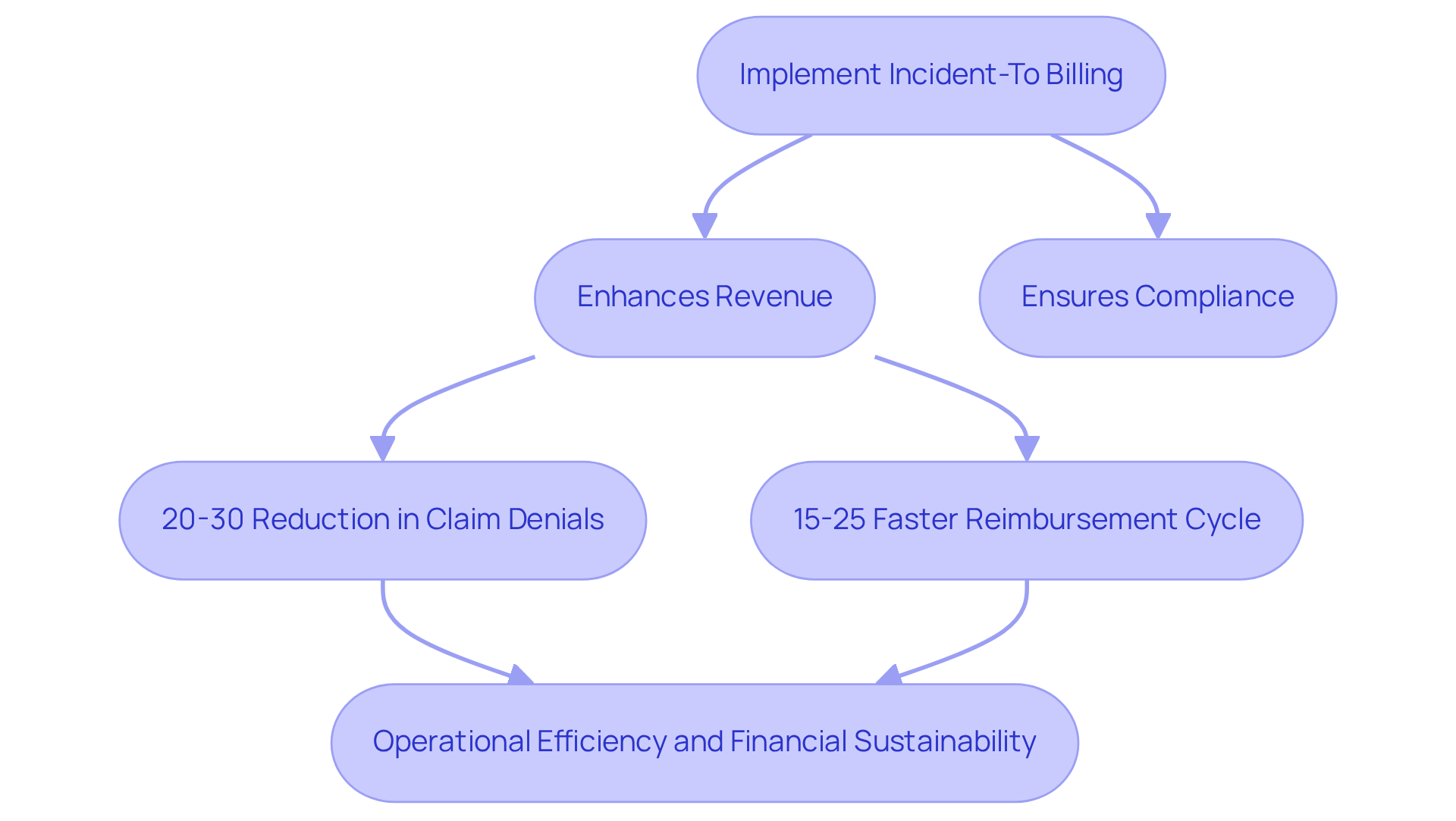
The specific billing method is crucial for enhancing revenue in mental health clinics. This billing method maximizes reimbursement potential while ensuring compliance with Medicare regulations. Consequently, practices can enhance their financial health and allocate more resources to patient care. This shift enhances service delivery and improves patient outcomes.
Clinics that implement this billing method can experience:
- A 20-30% reduction in claim denials
- A 15-25% faster reimbursement cycle within 30-90 days
These improvements are essential for achieving operational efficiency and financial sustainability. Moreover, implementing scorecard-driven adjustments based on claims accuracy and denial rates can strengthen operational rigor, helping clinics stay compliant and financially viable in a competitive market.
Outline 2026 Incident-To Billing Guidelines and Compliance Requirements
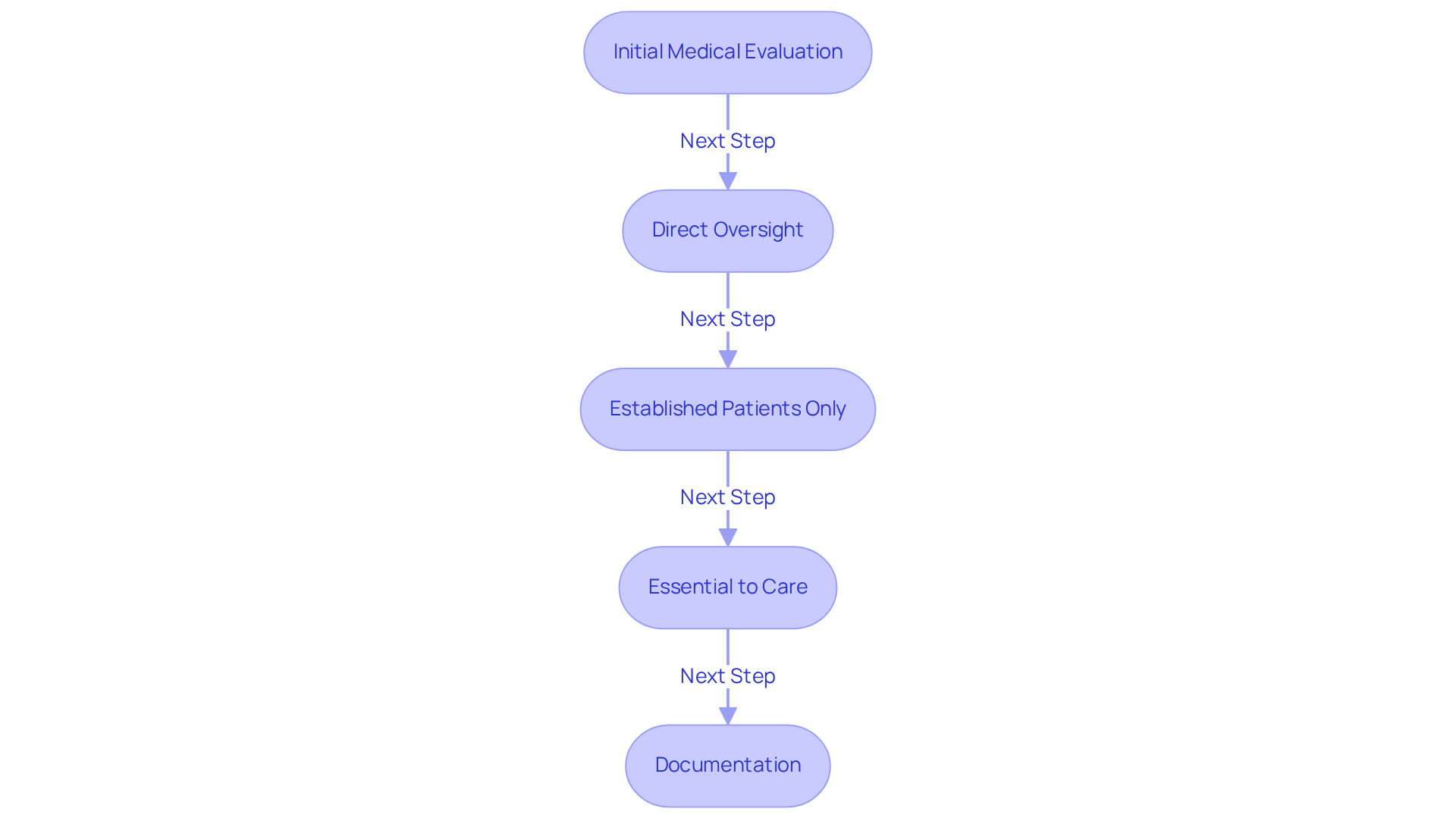
As mental health clinics navigate the complexities of billing, new guidelines present both challenges and opportunities for compliance and efficiency. As of 2026, mental health clinics must adhere to updated Incident-To Billing guidelines that include several key compliance requirements:
- Initial Medical Evaluation: A doctor must personally assess the patient and initiate the treatment plan. This is a requirement for any following offerings billed as related services.
- Direct Oversight: The supervising medical professional must be physically present in the office suite during the delivery of care by non-physician practitioners (NPPs). This highlights the importance of being actively involved in patient care.
- Established Patients Only: Incident-To Billing can only be applied to established patients who have received an in-person consultation from the healthcare professional within the past three years.
- Essential to Care: The support offered by NPPs must be essential to the treatment strategy established by the medical professional, ensuring that they are part of the ongoing care process.
- Documentation: Comprehensive documentation is essential. This includes maintaining records of the physician’s involvement, the treatment plan, and the services rendered by NPPs.
By adhering to the incident to billing guidelines 2026 mental health, mental health clinics can ensure compliance and avoid costly penalties associated with improper billing practices. Ultimately, embracing these guidelines not only mitigates financial risks but also enhances the quality of patient care through improved operational practices.
Implement Best Practices for Effective Incident-To Billing
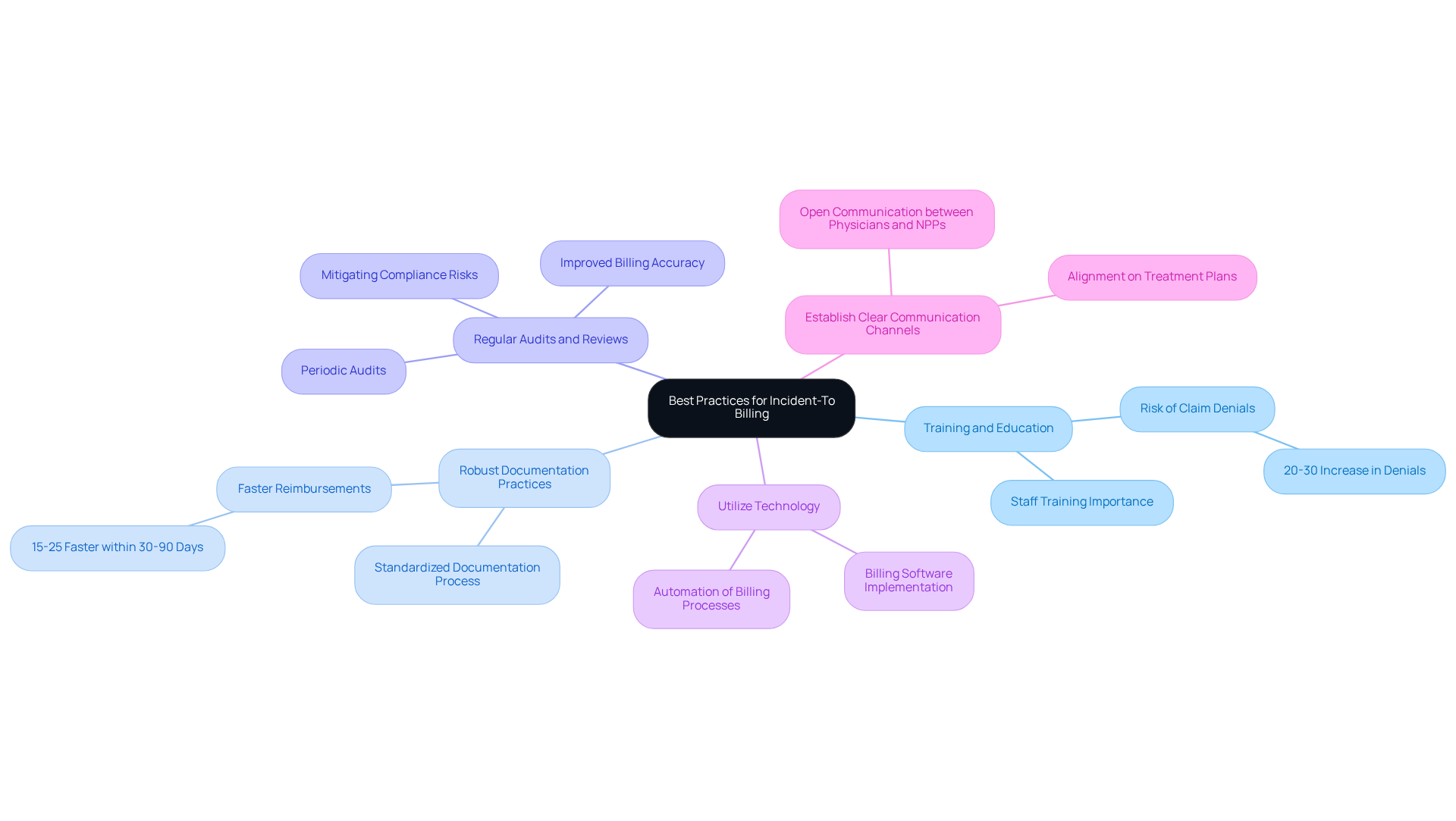
To successfully implement the incident to billing guidelines 2026 mental health in clinics, a structured approach is essential. Consider the following best practices:
- Training and Education: Ensure that all staff members, including non-physician practitioners (NPPs) and administrative personnel, are well-versed in the incident to billing guidelines 2026 mental health. Without regular training, clinics risk increased claim denials by 20-30%.
- Robust Documentation Practices: Develop a standardized documentation process that captures all necessary information, including the clinician’s initial evaluation, treatment plans, and details of services provided by NPPs. Thorough documentation leads to smoother billing and reduces audit risks. As a result, reimbursements are typically received 15-25% faster within 30-90 days.
- Regular Audits and Reviews: Conduct periodic audits of billing practices to identify discrepancies or areas for improvement. This proactive approach can help mitigate compliance risks and enhance overall billing accuracy. Improved billing accuracy leads to increased revenue and reduced compliance risks.
- Utilize Technology: Implement billing software specifically designed for mental health practices. Such tools can automate many aspects of the billing process, ensuring compliance and reducing administrative burdens, which is essential for maintaining operational efficiency.
- Establish Clear Communication Channels: Foster open communication between physicians and NPPs to ensure alignment on treatment plans and billing practices. This partnership is key to streamlining billing and significantly enhancing patient care.
By adopting these best practices, mental health clinics can enhance their billing efficiency, reduce administrative burdens, and ultimately improve patient care, ensuring financial sustainability in a competitive landscape. Ultimately, these practices not only enhance billing efficiency but also contribute to the long-term viability of mental health clinics.
Identify Common Mistakes and Compliance Risks in Incident-To Billing
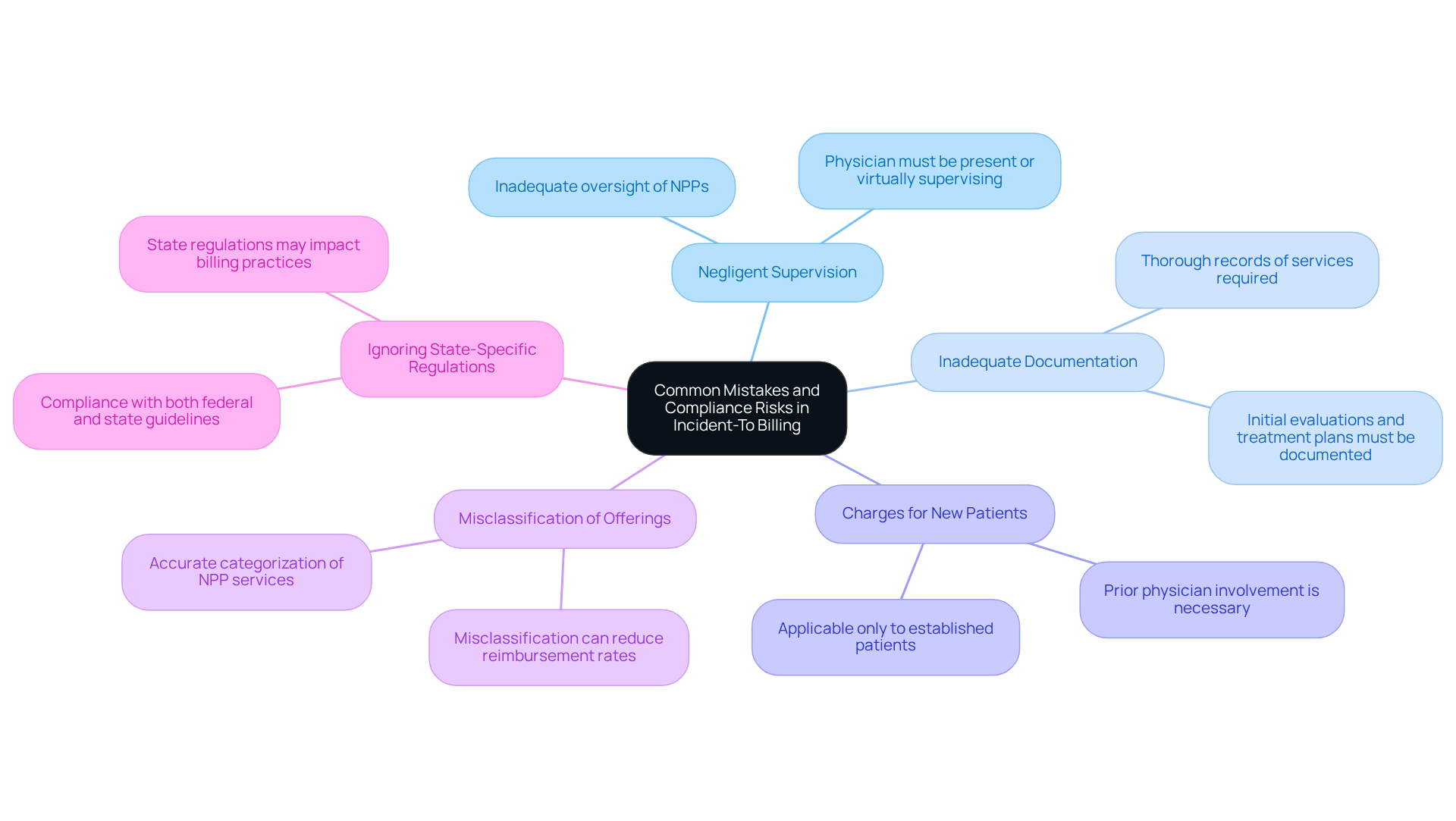
Mental health clinics face critical challenges in navigating the complexities of incident to billing guidelines 2026 mental health, which can lead to severe repercussions if not managed properly. Clinics must be vigilant about common mistakes and compliance risks associated with this billing method to avoid penalties and ensure proper reimbursement. Here are key pitfalls to watch out for:
- Negligent Supervision: Inadequate supervision of non-physician practitioners (NPPs) can lead to compliance issues. The overseeing medical professional must be present and actively engaged in patient care during care delivery.
- Inadequate Documentation: Insufficient documentation can result in claim denials or audits. Clinics should maintain thorough records of all services provided, including the initial evaluation by the doctor and ongoing treatment plans, to demonstrate compliance.
- Charges for New Patients: The associated approach is applicable solely to established patients. Billing for new patients or new problems without prior physician involvement can lead to significant compliance risks and financial penalties.
- Misclassification of Offerings: Ensure that provisions made by NPPs are accurately categorized as related services. Misclassifying services can result in reduced reimbursement rates and potential audits, undermining financial sustainability.
- Ignoring state-specific regulations is important because, while compliance with federal guidelines is crucial, clinics must also be aware of how these regulations may impact incident to billing guidelines 2026 mental health practices.
Recognizing and addressing these common mistakes can enhance compliance efforts and optimize billing processes. Implementing best practices can lead to a reduction in denials by 20-30% and achieve faster reimbursement by 15-25% within 30-90 days, ultimately allowing clinics to focus more on delivering quality patient care. Ultimately, neglecting these compliance issues can compromise both financial stability and the quality of care provided to patients.
Conclusion
Mastering the incident-to billing guidelines is crucial for mental health clinics aiming to optimize revenue and ensure compliance. Understanding and implementing these guidelines enables clinics to enhance their financial health. This allows them to focus on what truly matters: providing quality patient care. Emphasizing compliance mitigates risks and empowers healthcare providers to deliver better services, free from administrative burdens.
Key insights from the article highlight the importance of:
- Thorough documentation
- Robust training
- Regular audits
to navigate the complexities of incident-to billing effectively. By adhering to the updated 2026 guidelines, mental health clinics can significantly reduce claim denials and expedite reimbursement cycles. This efficiency allows clinics to allocate more resources to patient care, ultimately leading to improved operational efficiency.
In conclusion, embracing the incident-to billing guidelines is not just about financial gain; it is about empowering mental health providers to focus on their patients. Ultimately, prioritizing compliance not only enhances financial stability but also enriches the quality of care provided to patients. If you need help navigating these guidelines, feel free to reach out to Healthcare Partners Consulting & Billing, LLC (HPC) at info@hpcbilling.com or call 888-517-4992. Their dedicated billing team is ready to support your practice.
Frequently Asked Questions
What is incident-to billing in mental health?
Incident-to billing allows non-physician practitioners (NPPs), such as nurse practitioners and assistants, to provide care under the supervision of a medical doctor, enabling mental health clinics to receive higher compensation rates typically reserved for physicians.
Why is incident-to billing important for mental health clinics?
It enhances revenue potential by maximizing reimbursement rates while ensuring compliance with Medicare regulations, which can improve the financial health of clinics and allow for better allocation of resources to patient care.
What are the benefits of implementing incident-to billing in mental health practices?
Clinics can experience a 20-30% reduction in claim denials and a 15-25% faster reimbursement cycle, typically within 30-90 days, leading to improved operational efficiency and financial sustainability.
How does incident-to billing impact patient care?
By improving the financial health of clinics, incident-to billing allows for more resources to be allocated to patient care, enhancing service delivery and improving patient outcomes.
What strategies can clinics use to strengthen operational rigor when using incident-to billing?
Clinics can implement scorecard-driven adjustments based on claims accuracy and denial rates to maintain compliance and ensure financial viability in a competitive market.