Introduction
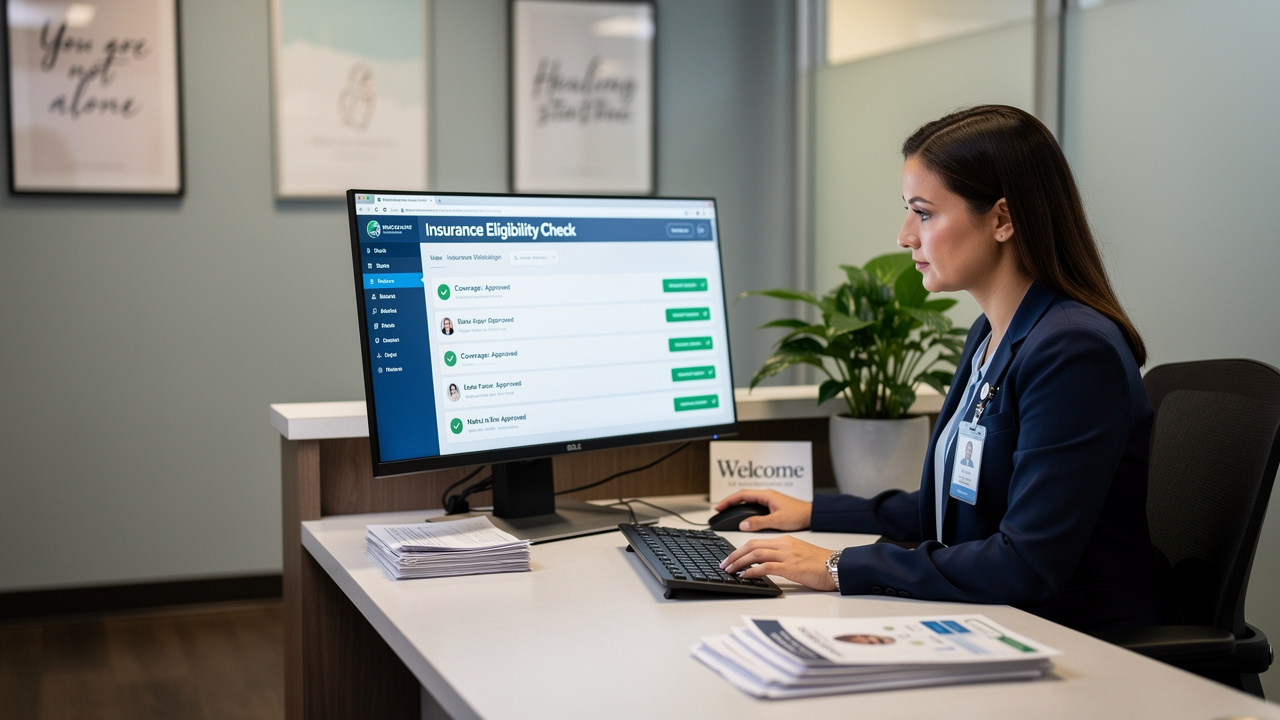
Eligibility software has fundamentally altered the operational landscape for mental health clinics, particularly in the realms of patient insurance verification and administrative efficiency. By automating the eligibility process, clinics can significantly reduce administrative burdens, allowing staff to prioritize patient care while enhancing operational efficiency. Despite its advantages, clinics face significant hurdles in integrating eligibility software effectively.
What strategies can mental health facilities employ to leverage eligibility software for enhanced operational efficiency and improved patient outcomes?
Understand Eligibility Software: Importance and Functionality
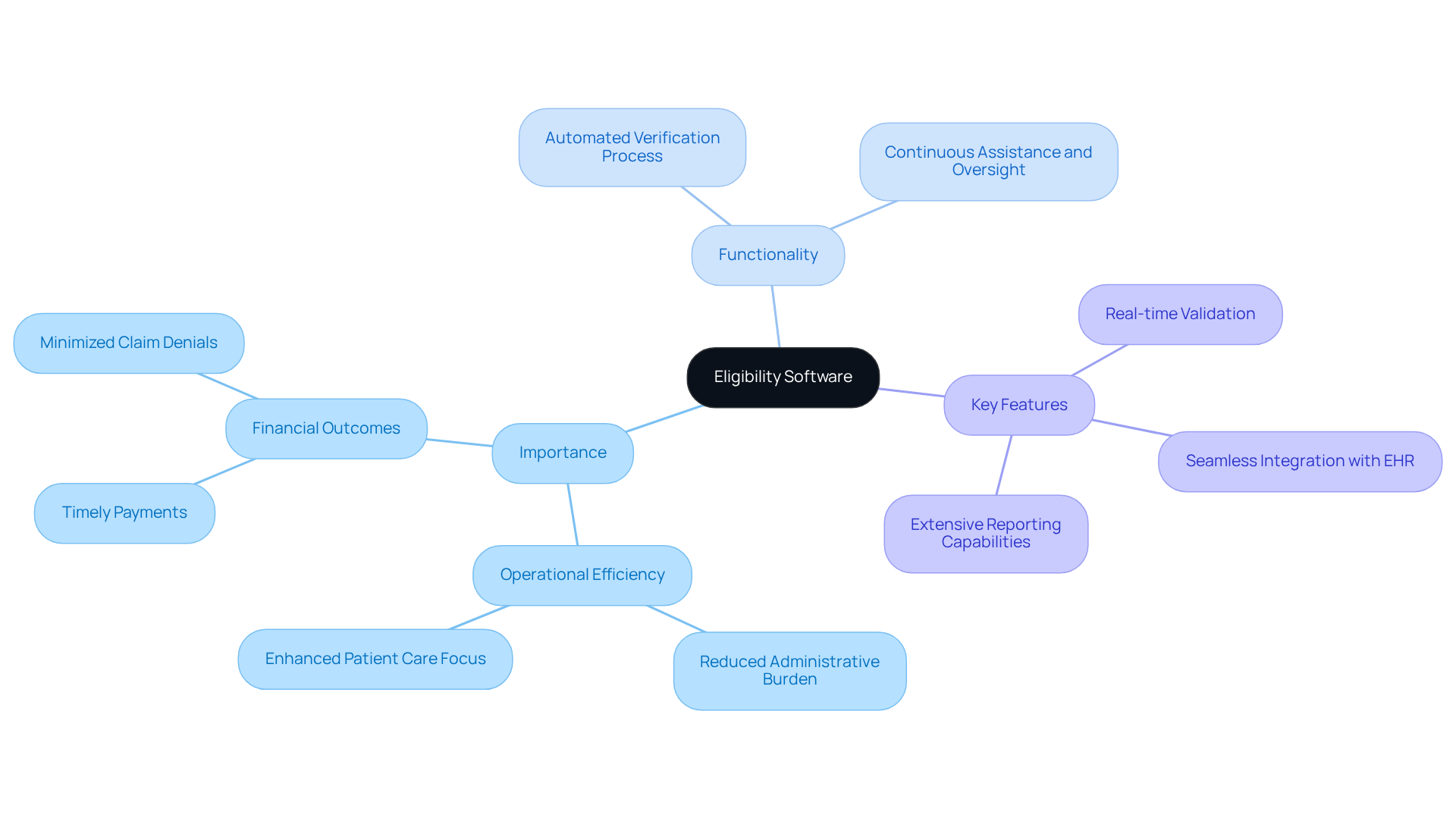
Eligibility software serves as essential assets for mental health facilities, facilitating the validation of insurance coverage and benefits for individuals. Automating this process allows clinics to reduce the administrative burden on their staff, letting them focus more on patient care. This tool uses eligibility software to ensure patients are verified for eligibility prior to their appointments, minimizing claim denials and enhancing patient satisfaction.
Key features of qualification applications encompass:
- Real-time validation
- Seamless integration with electronic health records (EHR)
- Extensive reporting capabilities
These features not only bolster operational efficiency but also lead to improved financial outcomes by facilitating timely payments for services rendered. For instance, organizations using this technology report that streamlined submissions reduce payer review times and minimize avoidable denials. This proactive approach to verifying qualifications is crucial for maintaining financial resilience in an increasingly complex healthcare landscape.
Moreover, continuous assistance and oversight functions are vital when selecting eligibility software, ensuring that facilities can adapt to evolving needs and improve their operations. Additionally, incorporating strategies for optimizing patient statements and claims management can further improve the efficiency of qualification tools, resulting in better patient experiences and financial results. Ultimately, the integration of these tools not only enhances operational efficiency but also fortifies the financial health of mental health facilities in a challenging landscape.
Implement Best Practices for Effective Software Utilization
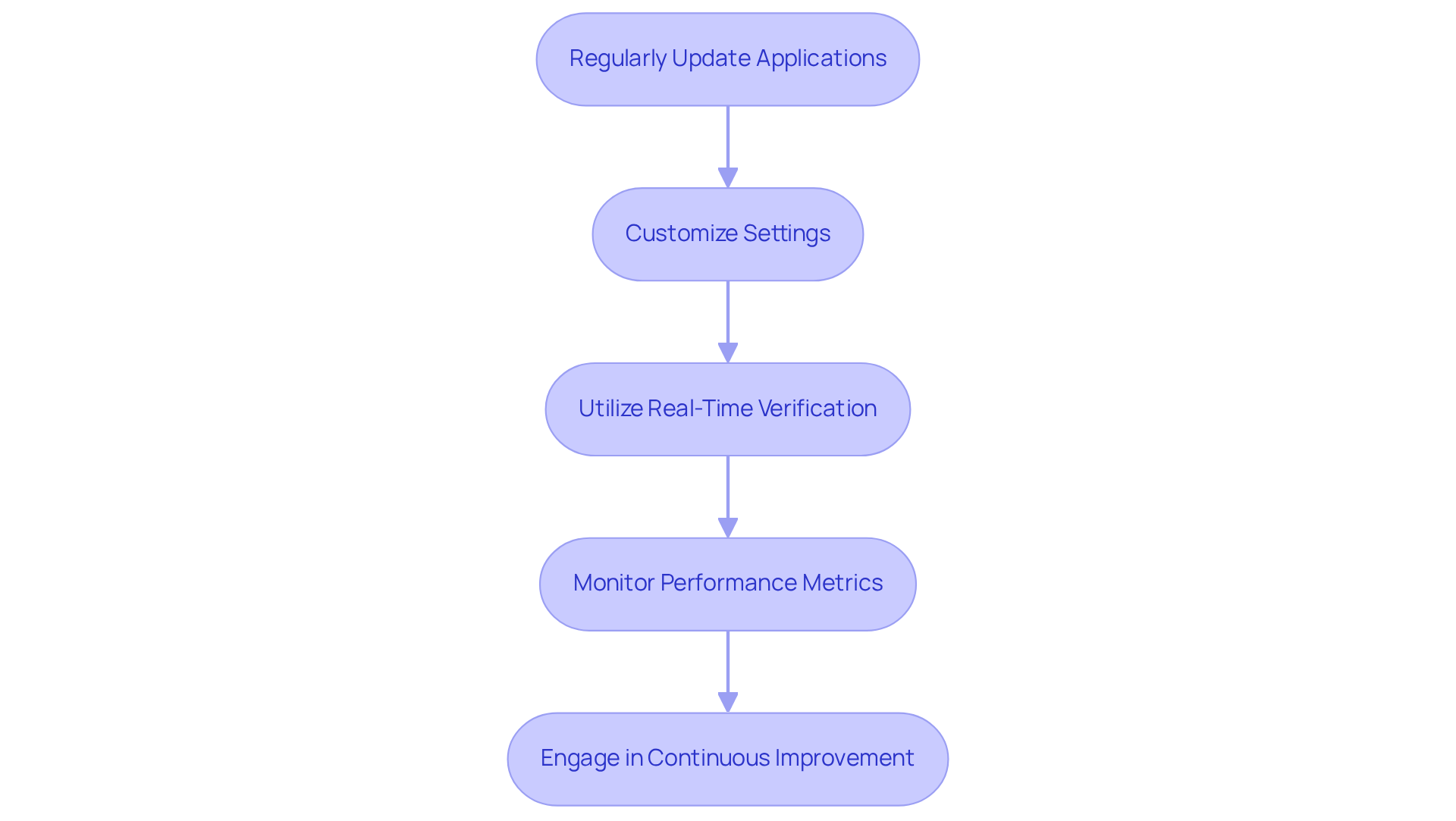
Mental health facilities often struggle with operational efficiency due to outdated practices and the lack of effective eligibility software. To enhance the efficiency of these tools, facilities should implement several best practices using eligibility software:
- Regularly Update Applications: Keeping applications updated to the latest version ensures access to new features and security enhancements, which are crucial for maintaining operational efficiency.
- Customize Settings: Tailoring application settings to meet the specific requirements of the medical facility, such as adjusting qualification criteria and reporting formats, can significantly enhance usability and effectiveness.
- Utilize Real-Time Verification: Implementing real-time verification features allows practices to confirm patient eligibility before appointments, thereby reducing the likelihood of claim denials and improving cash flow.
- Monitor Performance Metrics: Regularly reviewing performance metrics offered by the application helps identify trends and areas for enhancement, enabling facilities to make data-driven decisions.
- Engage in Continuous Improvement: Fostering a culture of continuous enhancement by encouraging staff to provide feedback on the software’s functionality can lead to innovative solutions and better overall performance.
Furthermore, for healthcare facilities uncertain about which services suit them best, Healthcare Partners Consulting provides tailored consultations. By scheduling a 30-minute call, healthcare facilities can outline their current workflow and pinpoint the services that will drive progress most swiftly. Without these enhancements, facilities risk falling behind in delivering optimal patient care and operational effectiveness.
Provide Continuous Training and Support for Staff
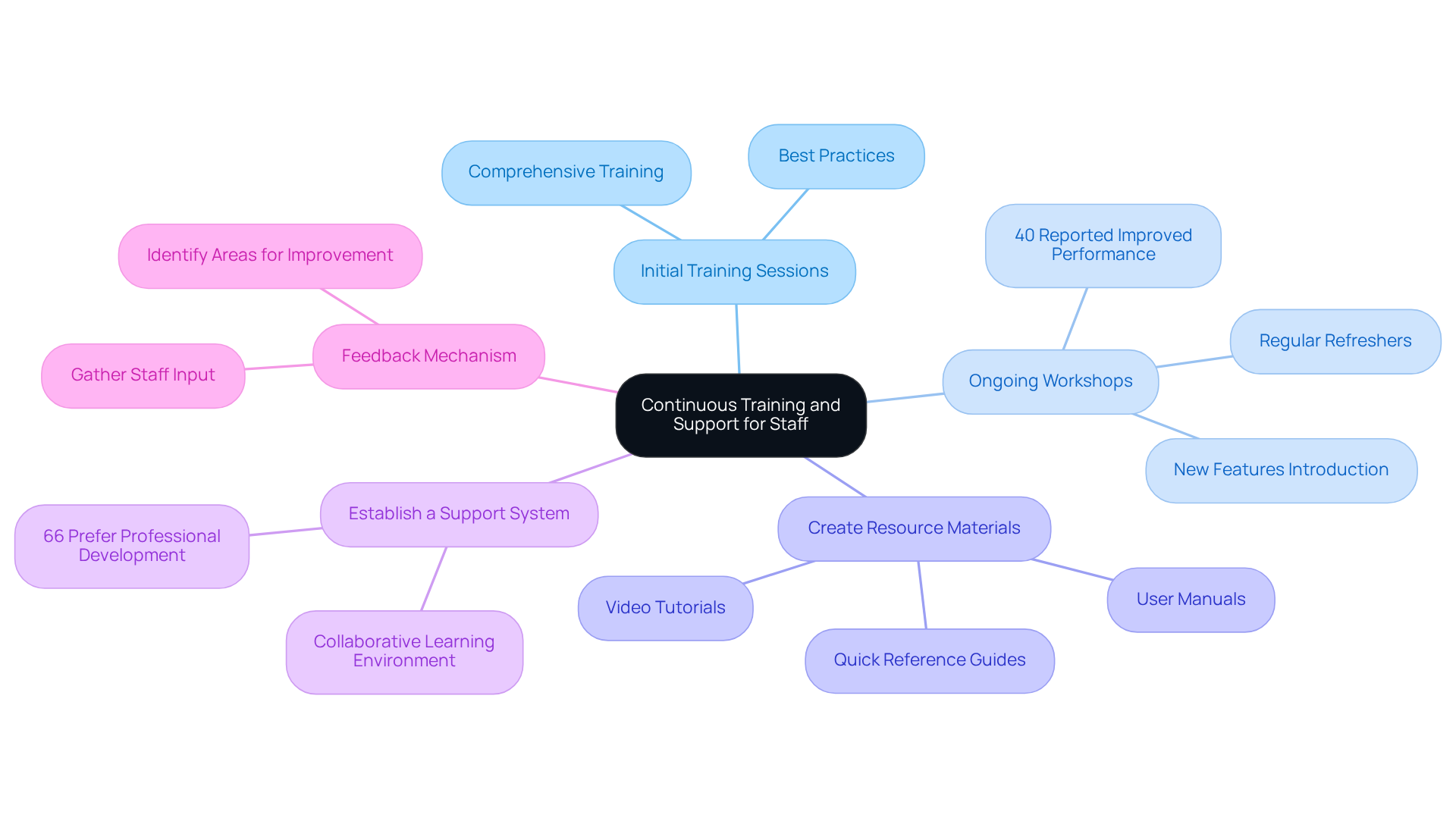
Maximizing the effectiveness of eligibility software in mental health clinics hinges on ongoing training and assistance. Here are some strategies to implement:
- Initial Training Sessions: Conduct comprehensive training sessions when the program is first implemented, covering all functionalities and best practices.
- Ongoing Workshops: Schedule regular workshops to refresh staff knowledge and introduce new features or updates to the system. According to the Relias 2023 report, 40% of contributors noted that training and development enhance staff performance, underscoring the value of these workshops.
- Create Resource Materials: Develop user manuals, quick reference guides, and video tutorials that staff can access at any time for assistance.
- Establish a Support System: Create a support system where staff can ask questions and share tips with each other, fostering a collaborative learning environment. A study revealed that 66% of respondents prefer professional development opportunities as recognition, highlighting the necessity of such systems.
- Feedback Mechanism: Implement a feedback mechanism to gather staff input on training effectiveness and areas for improvement.
Without continuous training, staff may find it challenging to fully utilize the eligibility software, which can lead to inefficiencies. By prioritizing continuous training, healthcare facilities can ensure staff are proficient with eligibility software, which leads to improved operational efficiency and enhanced patient experiences. The case study titled “Training Creates Better Service Outcomes” illustrates that consistent training leads to better performance outcomes, further emphasizing the need for ongoing training initiatives. Ultimately, prioritizing continuous training not only enhances staff capabilities but also significantly elevates patient care standards.
Integrate Software with Administrative Processes for Enhanced Efficiency
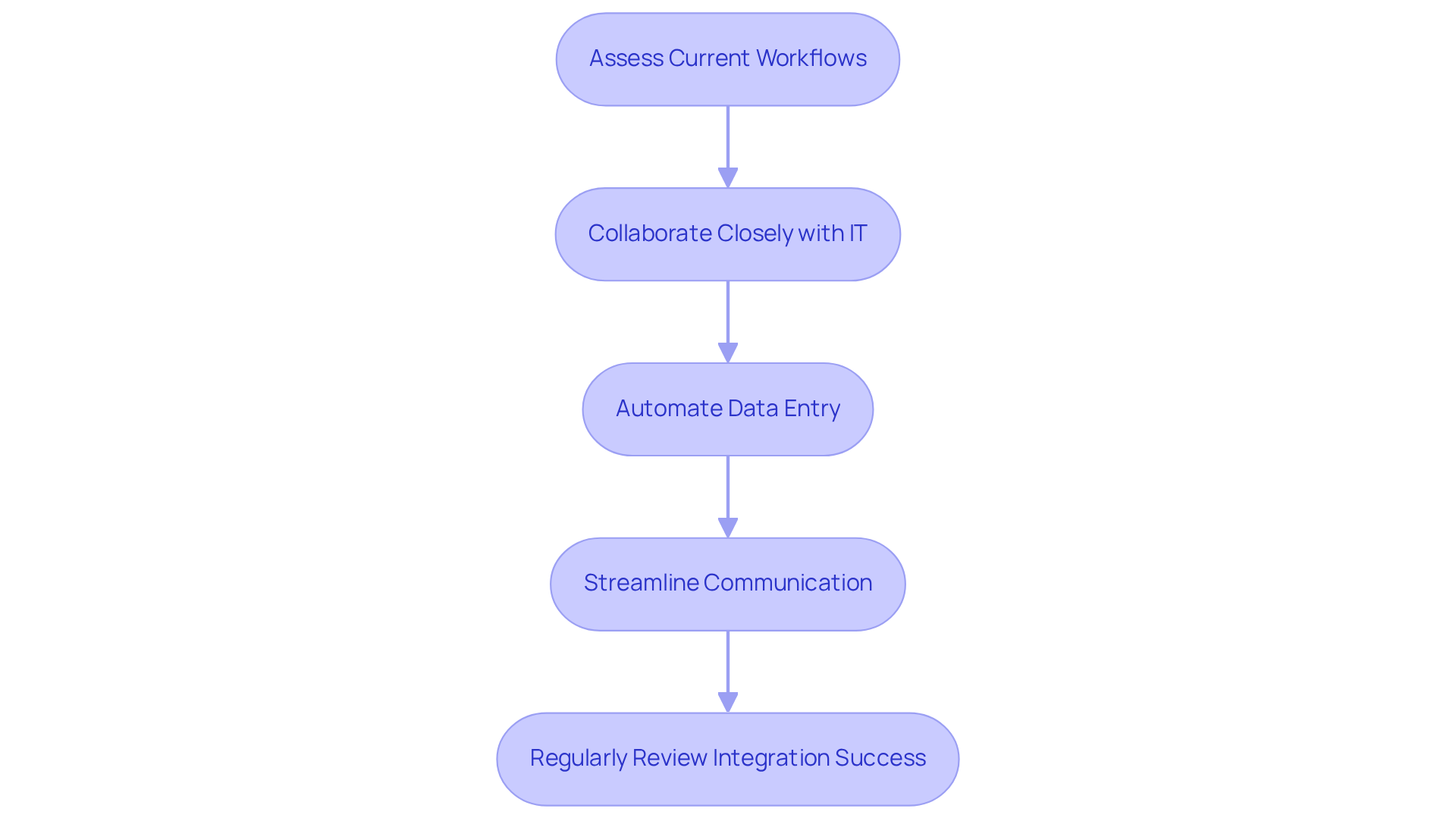
Current administrative processes in mental health clinics often suffer from inefficiencies that hinder operational effectiveness. The following strategies outline a structured approach for successful integration of qualification tools with these processes:
- Assess Current Workflows: Conduct a thorough evaluation of existing administrative processes to pinpoint areas where integration of qualification tools can be seamlessly achieved. This assessment helps identify inefficiencies and opportunities for improvement.
- Collaborate Closely with IT: Engage closely with IT experts to ensure compatibility between the qualification programs and other systems in use, such as electronic health records (EHR) and billing applications. This collaboration is vital for a smooth integration process.
- Automate Data Entry: Utilize features that allow automatic data entry from qualification checks into client records. This automation significantly reduces manual input, minimizing the potential for errors and freeing up staff time for more critical tasks.
- Streamline Communication: Ensure that the software enhances communication between administrative staff and clinical teams. Rapid access to qualification details is crucial for prompt decision-making and enhanced healthcare.
- Regularly Review Integration Success: Periodically assess the effectiveness of the integration to identify any bottlenecks or areas for improvement. Ongoing assessment enables healthcare facilities to adjust and enhance their procedures over time.
By effectively integrating eligibility software into their administrative processes, healthcare facilities can enhance operational efficiency, reduce administrative burdens, and ultimately improve the quality of care. For instance, clinics that have implemented automated data entry have reported significant reductions in claim denials, with studies indicating that 86-90% of medical claim denials are avoidable. This highlights the critical need for healthcare facilities to adopt technology that not only streamlines processes but also enhances patient care outcomes.
Conclusion
Integrating eligibility software into mental health clinics represents a critical advancement in operational efficiency and patient care delivery. Automating insurance verification and streamlining administrative processes enables clinics to reduce claim denials and enhance cash flow, ultimately improving the experience for staff and patients.
The article highlights several key strategies for maximizing the effectiveness of eligibility software. These include:
- Regular updates to software applications
- Real-time verification of patient eligibility
- Continuous training for staff
- Seamless integration with existing administrative processes
Each of these practices contributes to a more efficient workflow, allowing healthcare providers to focus on what truly matters: delivering high-quality care to patients.
In an increasingly competitive landscape, adopting and optimizing eligibility software is essential for clinics to thrive. Implementing these best practices enhances operational effectiveness and fosters a culture of continuous improvement. By prioritizing these strategies, mental health facilities can ensure they remain resilient and responsive, ultimately leading to better outcomes for patients and the organization alike.
Frequently Asked Questions
What is eligibility software and why is it important for mental health facilities?
Eligibility software is a tool that helps mental health facilities validate insurance coverage and benefits for individuals. It is important because it automates the process, reducing the administrative burden on staff and allowing them to focus more on patient care.
How does eligibility software benefit patient care?
By ensuring patients are verified for eligibility prior to their appointments, eligibility software minimizes claim denials and enhances patient satisfaction, leading to a better overall patient experience.
What are the key features of eligibility software?
Key features include real-time validation, seamless integration with electronic health records (EHR), and extensive reporting capabilities.
How does eligibility software impact financial outcomes for mental health facilities?
It improves financial outcomes by facilitating timely payments for services rendered, reducing payer review times, and minimizing avoidable denials.
Why is continuous assistance and oversight important when selecting eligibility software?
Continuous assistance and oversight are vital to ensure that facilities can adapt to evolving needs and improve their operations effectively.
What additional strategies can improve the efficiency of eligibility software?
Incorporating strategies for optimizing patient statements and claims management can further enhance the efficiency of qualification tools, resulting in better patient experiences and financial results.
How does eligibility software contribute to the financial health of mental health facilities?
The integration of eligibility software enhances operational efficiency and fortifies the financial health of mental health facilities, which is crucial in a challenging healthcare landscape.