

Introduction
The intricate nature of prior authorization processes often results in delays and administrative challenges for providers. By implementing best practices for collaboration with prior authorization companies, providers can streamline processes and focus more on patient care. This article explores four essential practices that empower providers to optimize their interactions with prior authorization services, ultimately enhancing operational efficiency and significantly improving patient outcomes.
Understand Prior Authorization Processes
Prior authorization (PA) is a critical component of healthcare that necessitates insurance approval before certain services or medications are provided. This approach ensures treatments are both medically necessary and cost-effective. Understanding the PA framework involves recognizing the specific requirements set by different insurers, which can vary significantly, particularly those outlined by a prior authorization company.
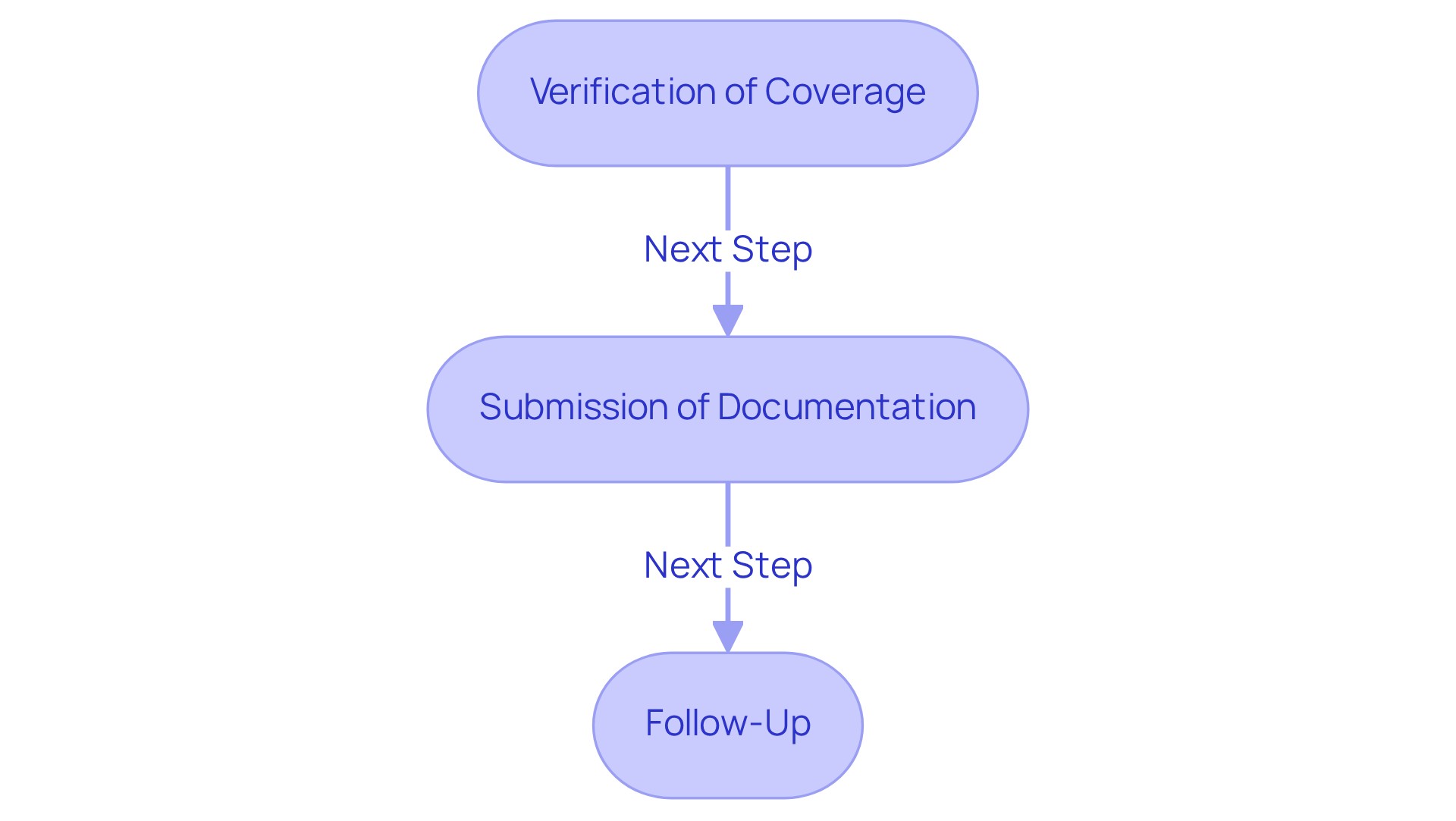
Key steps in the PA process include:
- Verification of Coverage: Determining whether the patient’s insurance plan necessitates advance approval for the proposed treatment.
- Submission of Documentation: Providing necessary clinical information and justifications to support the request.
- Follow-Up: Regularly checking the status of the request for approval to avoid delays in patient care.
The average healthcare provider spends 13 hours weekly on obtaining approvals, translating to approximately $34,000 and 700 hours annually. Streamlining this process through a prior authorization company can significantly enhance operational efficiency and patient care. Recent initiatives have led to a decrease in prior authorization requirements by major health plans, with one national plan removing approval for 30% of healthcare services. This change is expected to decrease claim denials by 20-30% and facilitate faster reimbursements, improving revenue cycle performance by 15-25% within 30-90 days.
By understanding these steps and the evolving landscape of prior authorizations, healthcare providers can refine their strategies, ultimately resulting in improved patient outcomes and more efficient operational workflows. For those unsure about which services fit best, Healthcare Partners Consulting & Billing, LLC (HPC) offers personalized consultations. By arranging a 30-minute call at 888-517-4992 or emailing info@hpcbilling.com, providers can discuss their workflow and identify customized solutions that will drive the most significant improvements, ensuring a more efficient PA experience.
Establish Clear Communication Channels
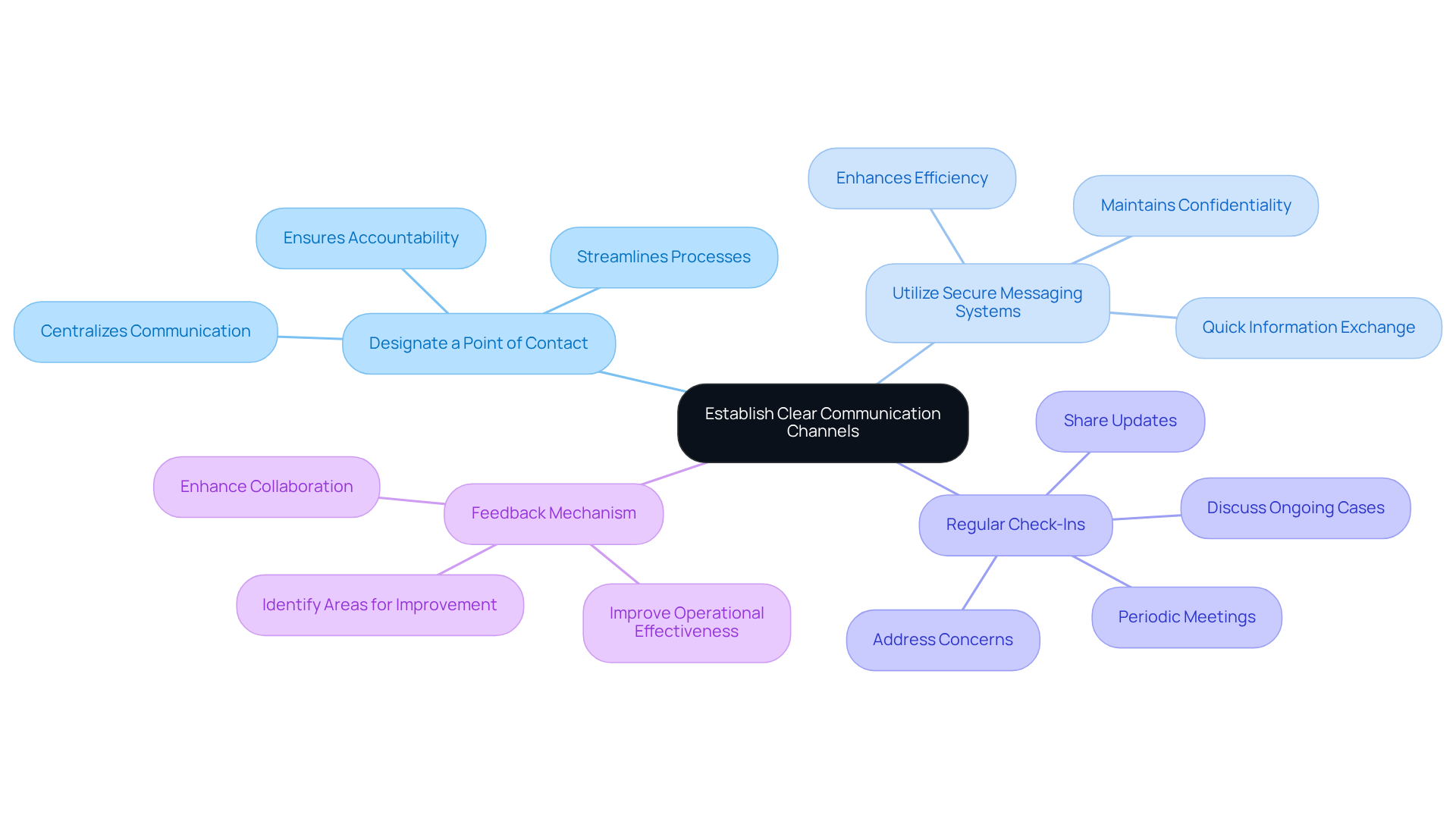
Effective communication is essential for mental health organizations aiming to optimize revenue through efficient denial management. Establishing clear communication pathways between healthcare providers and pre-approval firms minimizes delays and enhances overall efficiency. Here are some best practices to improve communication with prior authorization companies:
- Designate a Point of Contact: Assign a specific individual or team to manage requests to the prior authorization company. This centralizes communication, ensuring accountability and streamlined processes.
- Utilize Secure Messaging Systems: Implement secure communication platforms for quick exchanges of information and updates regarding request approvals, which helps maintain confidentiality and efficiency.
- Regular Check-Ins: Schedule periodic meetings with the prior authorization company to discuss ongoing cases, address concerns, and share updates on any changes in requirements. This proactive strategy enhances collaboration and ensures transparency.
- Feedback Mechanism: Establish a system for providing feedback on the approval process. This allows both parties to identify areas for improvement, enhancing collaboration and operational effectiveness.
Fostering a culture of open communication enables healthcare providers to navigate the complexities of a prior authorization company effectively, ensuring timely patient care. Implementing these strategies can reduce denials by 20-30% and accelerate reimbursement rates by 15-25% within 30-90 days, significantly enhancing the revenue cycle performance of mental health organizations. Additionally, utilizing scorecard-driven adjustments tied to claims accuracy, denial rates, and days in accounts receivable can further enhance operational rigor and support these claims. Healthcare Partners Consulting & Billing, LLC (HPC) offers tailored solutions that enable practices to prioritize patient care while efficiently managing administrative and billing needs, highlighting our veteran-owned status and extensive expertise in the field.
Train Staff on Authorization Requirements
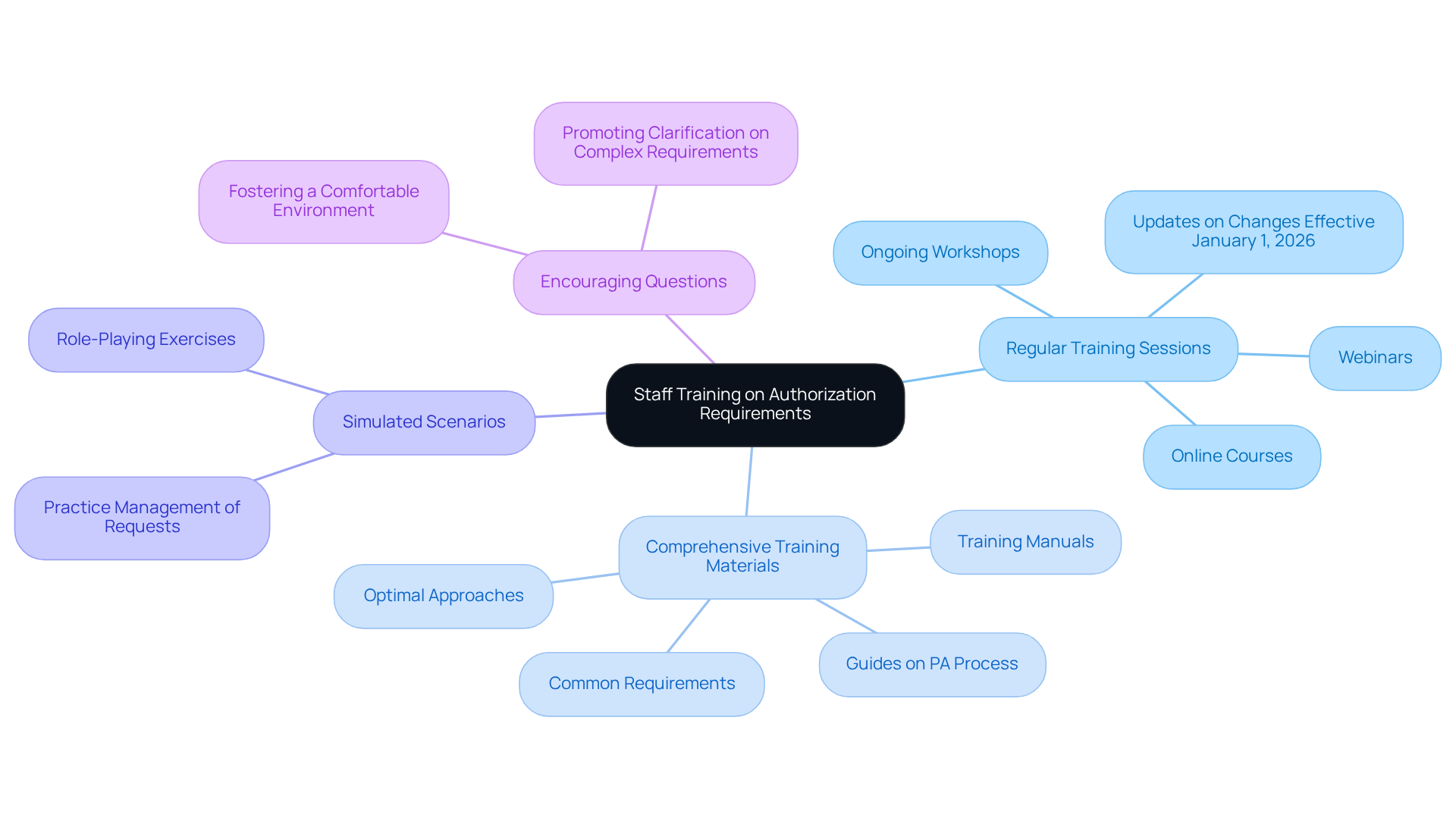
Effective training on prior approval requirements is crucial for minimizing errors and ensuring compliance with insurance policies. A well-trained team is better equipped to handle the complexities of prior authorization, reducing the likelihood of errors. Here are some best practices for training staff:
- Regular Training Sessions: Conduct ongoing training sessions to keep staff updated on the latest changes in prior authorization requirements and procedures. This can encompass workshops, webinars, or online courses, ensuring that the team is well-versed in current methods, especially with the upcoming changes effective January 1, 2026.
- Create Comprehensive Training Materials: Develop easy-to-understand training manuals or guides that outline the PA process, common requirements, and optimal approaches. Ensure these materials are readily accessible to all staff members, facilitating quick reference and learning.
- Simulated Scenarios: Utilize role-playing or simulated situations to assist staff in practicing the management of requests. This practical experience can build their confidence and improve their ability to manage requests effectively, preparing them for the challenges they may face.
- Encourage Questions: Foster an environment where staff feel comfortable asking questions and seeking clarification on complex approval requirements. This transparency can result in a more informed and proactive team, ultimately enhancing the overall efficiency of the earlier approval system.
By prioritizing staff training, organizations can enhance their approval processes, resulting in improved patient outcomes and greater operational efficiency. Ultimately, a well-trained team not only improves approval methods but also contributes to the overall success of the healthcare organization.
Leverage Technology for Streamlined Processes
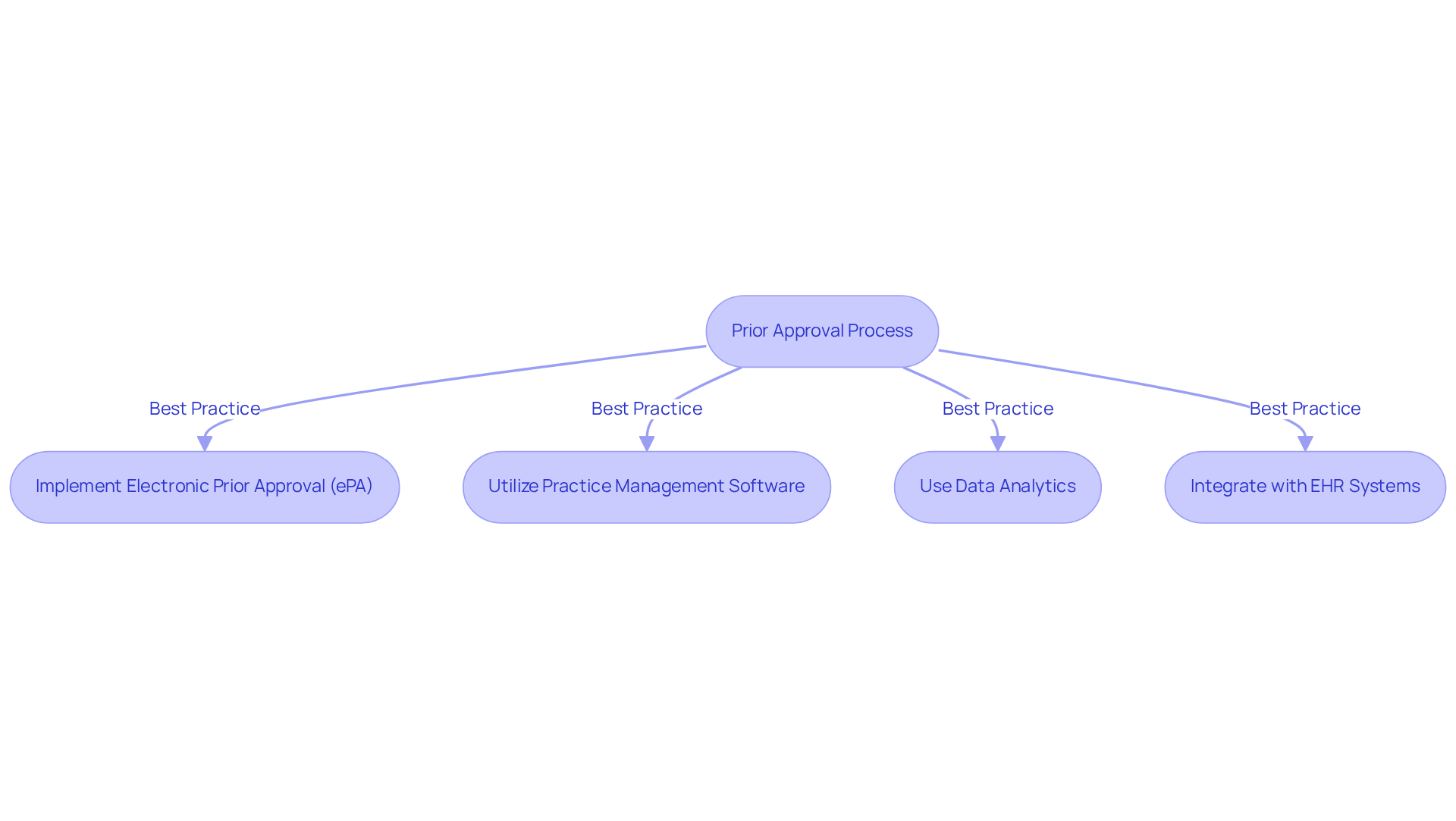
Healthcare providers often face delays and complications in the prior approval process due to the prior authorization company, hindering their ability to deliver timely patient care. Integrating technology into this initial approval process can greatly improve efficiency and lessen administrative challenges. Here are some best practices for leveraging technology:
- Electronic Prior Approval (ePA): Implement ePA solutions that automate the submission and tracking of requests for prior approval. This can reduce processing times and minimize errors associated with manual submissions.
- Utilize Practice Management Software: Invest in comprehensive practice management software that includes features for managing approvals, tracking deadlines, and storing necessary documentation.
- Data Analytics: Utilize data analytics tools to monitor trends in approvals, identify common denial reasons, and optimize workflows based on insights gained from past submissions.
- Integration with EHR Systems: Ensure that your electronic health record (EHR) system is connected with tools to streamline the flow of information and minimize duplication of efforts.
Ultimately, the integration of technology in the prior authorization company process can transform administrative burdens into streamlined operations, enhancing patient care delivery.
Conclusion
Navigating the complexities of prior authorization can overwhelm healthcare providers, diverting their focus from patient care. Implementing best practices – like establishing clear communication channels and training staff on authorization requirements – enables providers to streamline operations and prioritize quality care.
Key insights from the article highlight the importance of a structured approach to prior authorizations. Designating points of contact, utilizing secure messaging systems, and conducting regular training sessions are vital strategies that can significantly reduce delays and errors. Moreover, integrating technology solutions like electronic prior approval systems can transform cumbersome processes into efficient workflows, ultimately benefiting both providers and patients.
These practices play a crucial role in enhancing operational efficiency and patient care. As healthcare continues to evolve, prioritizing effective collaboration with prior authorization companies will empower providers to minimize administrative burdens and enhance operational efficiency. Engaging with Healthcare Partners Consulting & Billing, LLC (HPC) can be a pivotal step in optimizing prior authorization processes, ultimately enhancing patient care and operational efficiency.
Frequently Asked Questions
What is prior authorization (PA) in healthcare?
Prior authorization (PA) is a process that requires insurance approval before certain services or medications are provided, ensuring that treatments are medically necessary and cost-effective.
What are the key steps in the prior authorization process?
The key steps in the PA process include verifying coverage to determine if advance approval is needed, submitting necessary documentation and clinical information to support the request, and following up regularly to check the status of the approval request.
How much time do healthcare providers spend on obtaining prior authorizations?
On average, healthcare providers spend about 13 hours weekly on obtaining approvals, which translates to approximately $34,000 and 700 hours annually.
What recent changes have occurred in prior authorization requirements?
Recent initiatives have led to a decrease in prior authorization requirements by major health plans, with one national plan removing approval for 30% of healthcare services, which is expected to decrease claim denials by 20-30%.
How can streamlining the prior authorization process benefit healthcare providers?
Streamlining the PA process can enhance operational efficiency and patient care, potentially improving revenue cycle performance by 15-25% within 30-90 days.
What services does Healthcare Partners Consulting & Billing, LLC (HPC) offer regarding prior authorizations?
HPC offers personalized consultations to help providers discuss their workflow and identify customized solutions for a more efficient prior authorization experience. Providers can arrange a 30-minute call or email for assistance.