
Introduction
Effective medical practice management is essential for healthcare providers to prioritize patient care. By implementing best practices that streamline operations and enhance compliance, practices can significantly reduce administrative burdens and improve overall efficiency. The multitude of strategies and software options can create confusion for healthcare providers, making it difficult to discern the most effective solutions. This article explores four essential best practices that empower medical practices to optimize their management programs. By adopting these best practices, medical practices can enhance their operational efficiency and ultimately improve patient care.
Identify Key Features of Effective Practice Management Programs
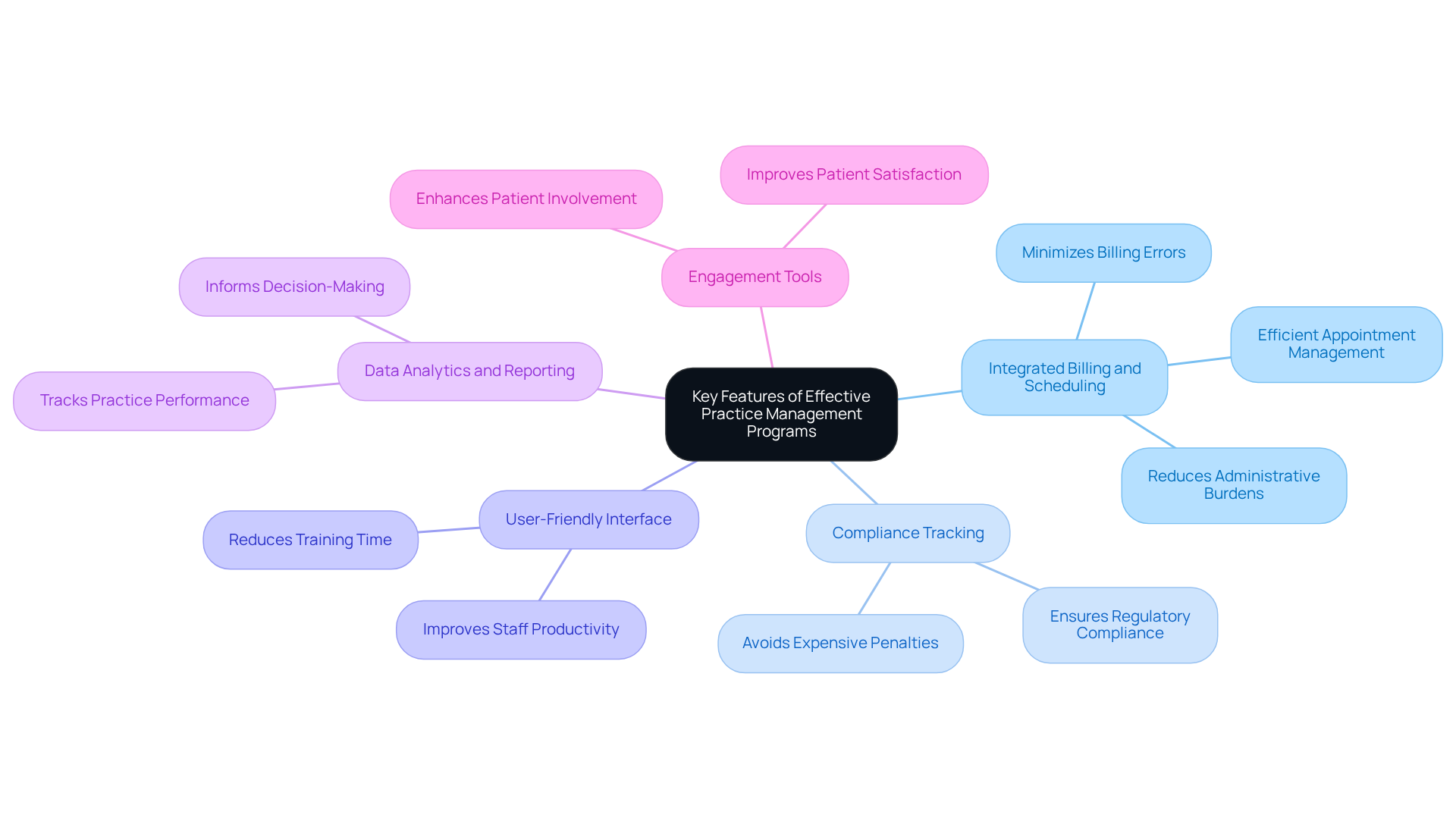
Without effective oversight programs, healthcare providers risk operational inefficiencies and compliance failures that can jeopardize patient care. Effective practice oversight programs should include several essential features that streamline operations and improve care for individuals. These features include:
- Integrated Billing and Scheduling: A system that combines billing with scheduling ensures efficient appointment management while minimizing billing errors. This integration reduces administrative burdens, enabling personnel to concentrate more on patient interactions, which is essential for upholding high-quality care.
- Compliance Tracking: Given the complex regulatory environment in healthcare, effective programs must include tools for tracking compliance with state and federal regulations. This feature assists organizations in avoiding expensive penalties and ensures compliance with essential standards, protecting their financial well-being.
- User-Friendly Interface: An intuitive and easy-to-navigate system can significantly reduce training time and improve staff productivity. A user-friendly interface promotes effective software utilization, leading to better overall management and enhanced operational efficiency.
- Data Analytics and Reporting: The ability to generate reports and analyze data is essential for understanding practice performance. Effective programs should provide insights into financial health, demographics, and operational efficiency, enabling informed decision-making that can drive improvements in care delivery.
- Engagement Tools: Features such as portals and automated reminders enhance involvement and satisfaction. These tools enable individuals to manage their appointments and access their health information, fostering a more collaborative healthcare experience.
Ultimately, medical practice management programs can provide the right operational solutions to transform not only workflows but also the financial health of healthcare practices, ensuring they thrive in a challenging environment.
Evaluate and Select Appropriate Software for Your Clinic
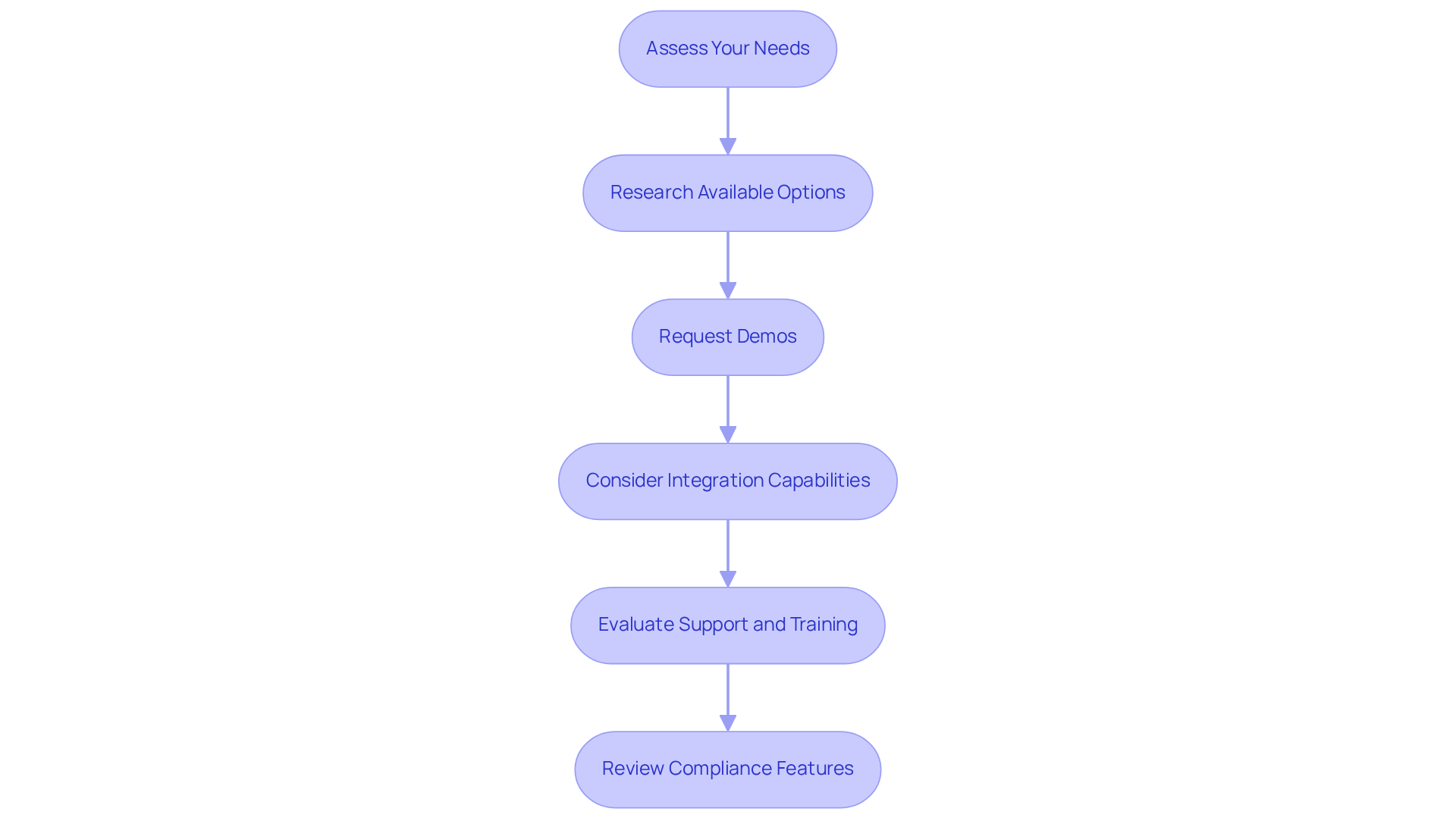
Selecting the right software for mental health clinics can be a complex task without a clear evaluation strategy. Here are essential steps to guide your selection:
- Assess Your Needs: Identify the specific requirements of your clinic, considering factors such as size, services offered, and patient volume. This assessment directly guides your software selection.
- Research Available Options: Investigate various software solutions tailored for healthcare. Look for platforms that offer medical practice management programs with a strong track record, utilizing reviews and case studies to evaluate their effectiveness.
- Request Demos: Narrow down your options and request demos from vendors. This experience enables assessment of the software’s user interface, functionality, and usability.
- Consider Integration Capabilities: Ensure the software can seamlessly integrate with existing systems, such as electronic health records (EHR) and billing platforms. Effective integration minimizes disruptions and enhances workflow efficiency.
- Evaluate Support and Training: Assess the level of customer support and training offered by the vendor. A responsive support team and comprehensive training resources are vital for smooth implementation and ongoing success.
- Review Compliance Features: Verify that the software includes features supporting compliance with healthcare regulations. This is essential for preventing legal complications and ensuring your operations adhere to the law.
By following these steps, mental health clinics can select software that not only meets their operational needs but also enhances their ability to deliver quality patient care. Ultimately, the right software choice can transform operational efficiency and financial health.
Provide Comprehensive Training and Ongoing Support for Staff
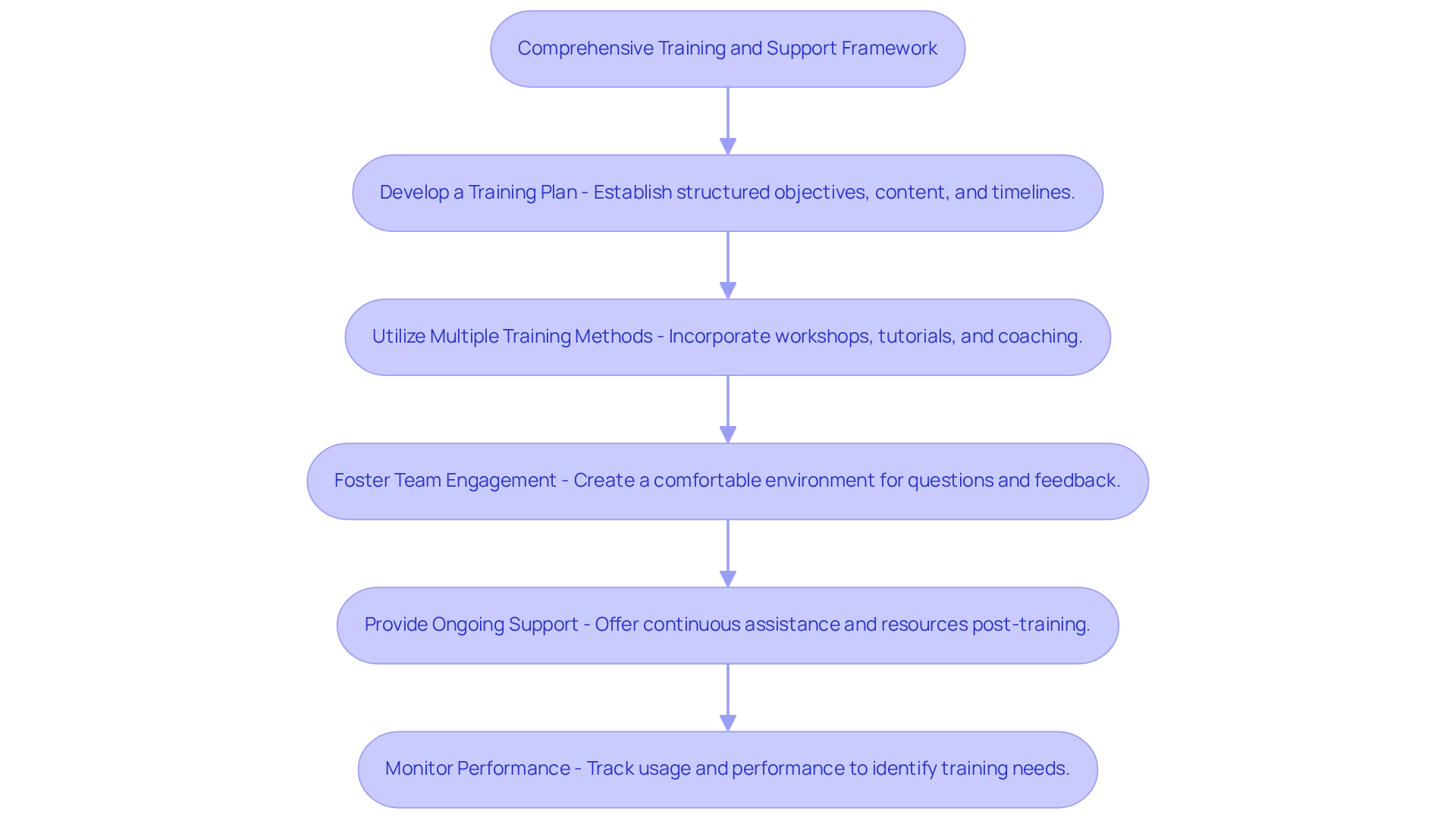
Maximizing the benefits of management software necessitates a robust framework for training and support. The following best practices should be implemented:
- Develop a Training Plan: Establish a structured training plan that outlines objectives, content, and timelines for training sessions. This plan should be customized for various roles within the team, ensuring that everyone receives relevant training.
- Utilize Multiple Training Methods: Incorporate a variety of training methods, such as hands-on workshops, online tutorials, and one-on-one coaching. This diversity accommodates different learning styles and reinforces key concepts, enhancing retention.
- Foster Team Engagement: Create an environment where individuals feel comfortable asking questions and providing feedback during training. Engaged team members are more likely to retain information and apply it effectively in their roles, leading to improved performance.
- Provide Ongoing Support: After initial training, offer continuous support through regular check-ins, refresher courses, and access to resources like user manuals and FAQs. Continuous assistance enables personnel to remain informed about software features and optimal methods, ensuring they can adjust to changes. This is especially crucial for adherence to external training requirements, as regulatory bodies anticipate organizations to show that personnel comprehend and follow established standards. Additionally, Healthcare Partners Consulting & Billing, LLC (HPC) offers personalized consultations to help practices identify optimal administrative solutions, including revenue cycle management tailored to behavioral and mental health practices.
- Monitor Performance: Track employee performance and software usage to identify areas needing additional training. Regular evaluations can help ensure that personnel are utilizing the software to its full potential, contributing to operational efficiency.
Ultimately, a commitment to comprehensive training and support is vital for navigating the complexities of modern healthcare operations.
Implement Continuous Assessment and Optimization of Management Processes
To maintain effective and compliant management processes, continuous assessment and optimization are essential. Implementing the following strategies is crucial for optimizing management processes:
- Establish Key Performance Indicators (KPIs): Define KPIs that align with your organization’s goals. These metrics should encompass areas such as client satisfaction, billing accuracy, and operational efficiency. Regular reviews of these KPIs allow organizations to assess performance effectively. This enables informed adjustments to be made as necessary. For example, monitoring revenue per patient and denial rates can assist in pinpointing areas for enhancement, with studies indicating that effective KPI oversight can result in denial reductions of 20-30% and quicker reimbursements within 30-90 days.
- Conduct Regular Audits: Schedule periodic audits of practice operations to identify inefficiencies and compliance gaps. Audits provide valuable insights into areas that require improvement and help ensure adherence to regulations. Organizations that implement regular audits often see enhanced operational performance and compliance, which are critical in today’s regulatory environment.
- Solicit Team Feedback: It’s important to invite team members to share their feedback on processes and how software is being used. Their insights can uncover challenges and opportunities for enhancement that may not be obvious to the leadership. Involving staff in this manner promotes a culture of teamwork and ongoing enhancement, which is crucial for optimizing operational efficiency.
- Stay Informed on Regulatory Changes: Keep abreast of changes in healthcare regulations that may impact management of practices. Regularly reviewing compliance requirements and adjusting processes accordingly helps maintain adherence to evolving standards. This proactive approach is essential, particularly as the regulatory environment continues to evolve, with significant implications for operational methods.
- Implement a Continuous Improvement Culture: Foster a culture of continuous improvement within the practice. Encourage staff to suggest enhancements and recognize their contributions to optimizing processes. Organizations that emphasize continuous improvement frequently report higher employee engagement and satisfaction, which can lead to better care outcomes.
Ultimately, these strategies not only enhance operational efficiency but also elevate the quality of patient care delivered.

Conclusion
Healthcare providers face significant challenges due to administrative burdens that detract from their primary focus on patient care. Effective medical practice management programs are essential for empowering healthcare providers to streamline operations and enhance compliance. By implementing best practices, practices can significantly reduce administrative burdens, allowing staff to dedicate more time to patient interactions. As administrative tasks are streamlined, healthcare providers can enhance their focus on patient interactions, leading to better health outcomes.
The article outlines several key strategies for optimizing practice management, including:
- The integration of billing and scheduling
- Compliance tracking
- The importance of user-friendly software
Additionally, it emphasizes the necessity of comprehensive training and ongoing support for staff, ensuring that they are well-equipped to utilize management tools effectively. Continuous assessment and optimization of management processes are also highlighted as vital components for maintaining operational efficiency and compliance in an ever-evolving regulatory landscape.
In summary, the adoption of best practices is vital for healthcare providers, especially in the behavioral and mental health sectors. Prioritizing compliance and operational excellence enables practices to enhance financial health while simultaneously improving patient outcomes. Ultimately, a commitment to continuous improvement and empowerment will define the sustainability and effectiveness of the healthcare system. For those seeking tailored solutions, Healthcare Partners Consulting & Billing, LLC (HPC) stands ready to assist with expert guidance and support.
Frequently Asked Questions
What are the key features of effective practice management programs?
Effective practice management programs should include integrated billing and scheduling, compliance tracking, a user-friendly interface, data analytics and reporting, and engagement tools.
How does integrated billing and scheduling benefit healthcare providers?
Integrated billing and scheduling streamline appointment management, minimize billing errors, and reduce administrative burdens, allowing personnel to focus more on patient interactions and maintain high-quality care.
Why is compliance tracking important in practice management programs?
Compliance tracking is crucial for adhering to state and federal regulations, helping organizations avoid costly penalties and ensuring they meet essential standards to protect their financial well-being.
What advantages does a user-friendly interface provide in practice management software?
A user-friendly interface reduces training time and enhances staff productivity, promoting effective software utilization and leading to better overall management and operational efficiency.
How do data analytics and reporting contribute to practice management?
Data analytics and reporting allow practices to generate insights into financial health, demographics, and operational efficiency, enabling informed decision-making that can improve care delivery.
What role do engagement tools play in practice management?
Engagement tools, such as portals and automated reminders, enhance patient involvement and satisfaction by allowing individuals to manage their appointments and access their health information, fostering a collaborative healthcare experience.
How can effective practice management programs impact the financial health of healthcare practices?
By providing operational solutions that transform workflows, effective practice management programs can improve the financial health of healthcare practices, helping them thrive in a challenging environment.