
Introduction
Selecting an appropriate Durable Medical Equipment (DME) billing company is crucial for maintaining the financial integrity of healthcare practices amid evolving regulations. This article presents five essential checkpoints for healthcare providers to make informed decisions, allowing them to prioritize patient care over administrative tasks. However, with numerous options available, healthcare providers often struggle to identify a billing partner that meets their specific needs. The right billing partner not only streamlines operations but also safeguards against potential compliance pitfalls.
Understand DME Medical Billing Basics
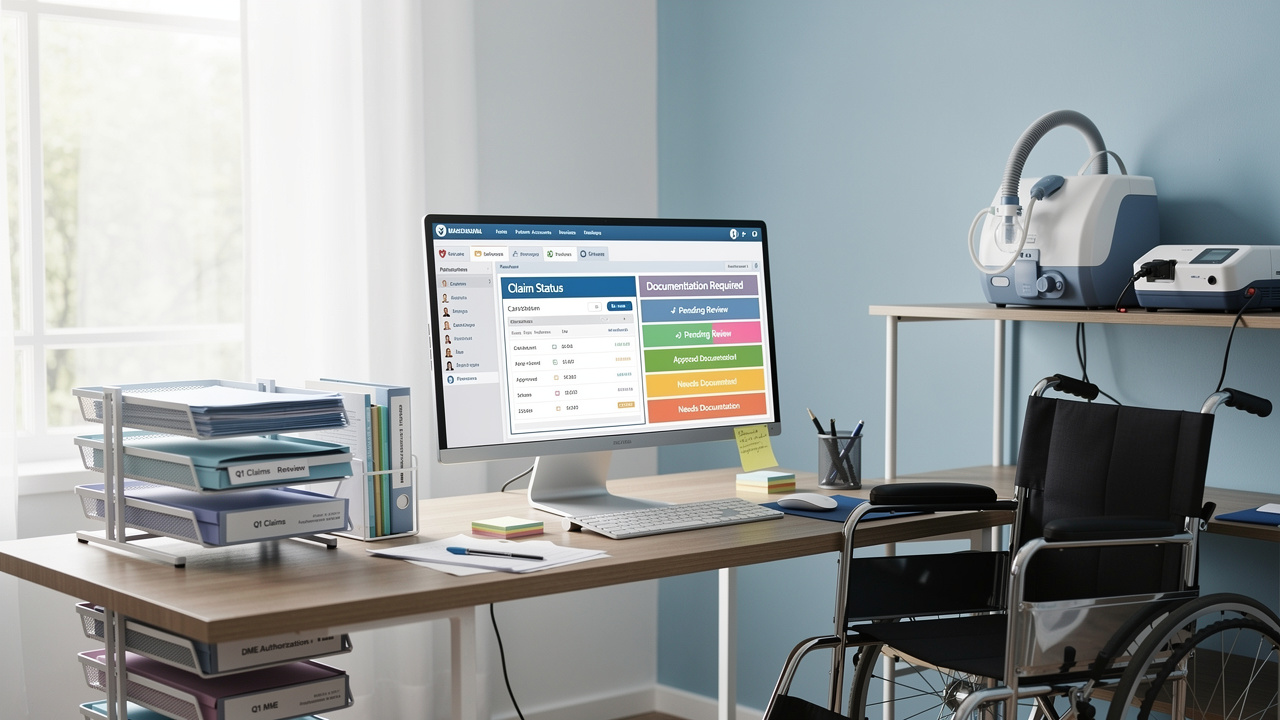
Durable Medical Equipment (DME) encompasses essential medical devices prescribed for home use, designed for durability and repeated application. Common examples include wheelchairs and oxygen tanks. CPAP machines also play a crucial role in enhancing patient mobility and overall health.
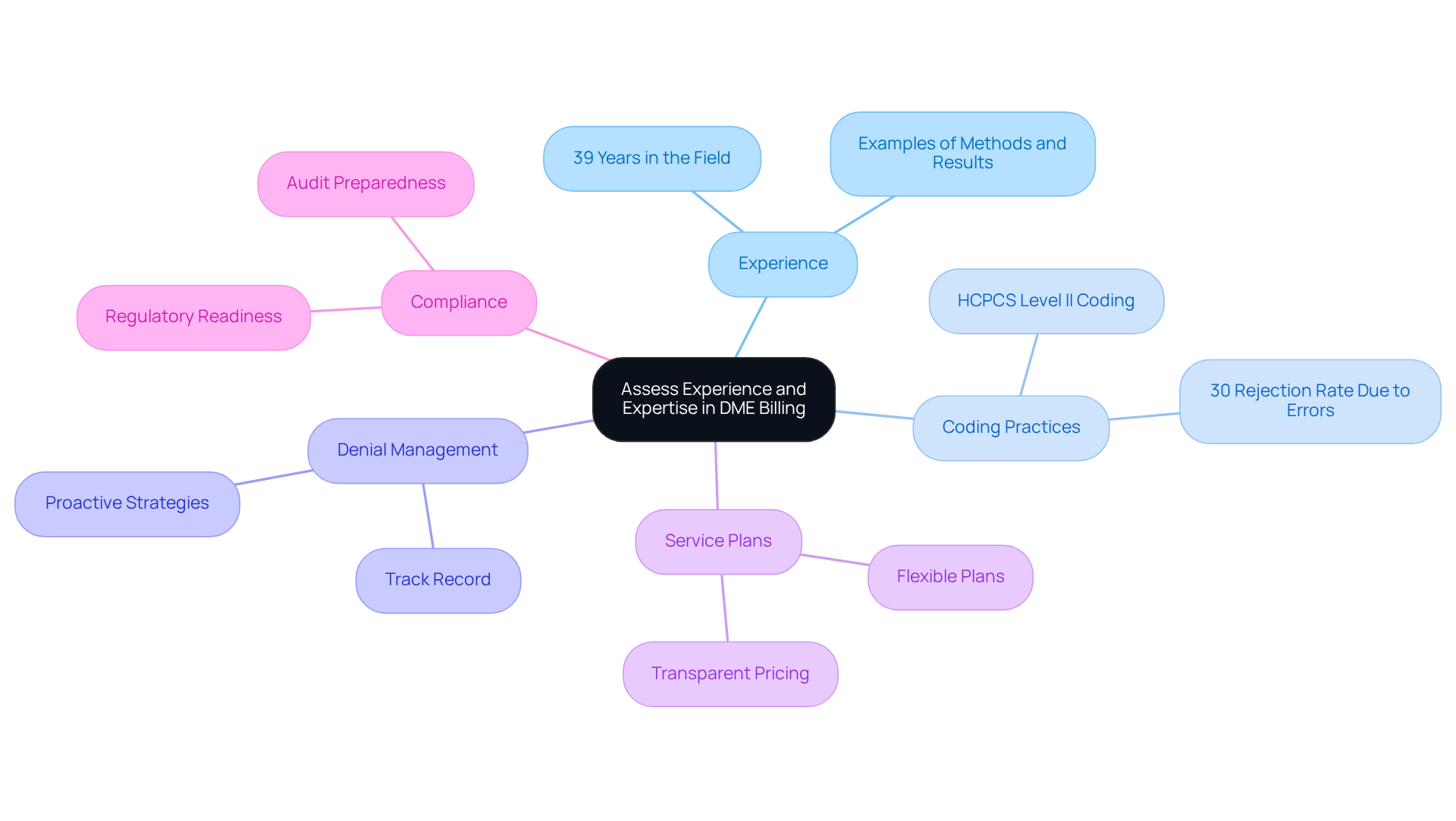
The payment process for DME is intricate, requiring precise coding and thorough documentation to ensure compliance with Medicare guidelines. Accurate coding is essential, as each piece of equipment is assigned a specific HCPCS code that must align with the patient’s medical necessity documentation.
Regulations governing DME reimbursement are stringent, with Medicare requiring a Standard Written Order (SWO) that includes detailed patient and provider information, equipment specifics, and a provider signature. This documentation is essential to validate the medical necessity of the equipment and to prevent denial of requests.
Common challenges faced by DME medical billing companies in invoicing include claim denials often stemming from documentation errors or incomplete submissions. These challenges can lead to significant financial repercussions for DME medical billing companies. For instance, missing or incorrect SWOs are frequent culprits that can lead to significant delays in payment and increased administrative burdens. Additionally, specific examples of documentation errors, such as failing to provide adequate proof of delivery or clinical evaluations, can exacerbate these challenges.
This decline underscores the effectiveness of improved invoicing practices. Statistics show that improper payments for DME invoicing fell from 7.66 percent in 2024 to 6.34 percent in 2025, underscoring the significance of careful invoicing methods. Suppliers who adopt optimal methods, such as thorough eligibility verification and staff training, can significantly reduce the risk of denials and ensure timely reimbursements.
It is also crucial to recognize that starting February 27, 2026, a moratorium on new Medicare enrollment for certain DMEPOS suppliers will take effect, which could influence invoicing methods and the availability of suppliers in the market.
If you seek tailored administrative solutions for your healthcare operations, consider reaching out to Healthcare Partners Consulting. Email info@hpcbilling.com or call 888-517-4992. Available nationwide, Monday-Friday. Schedule a Meeting.
Evaluate Key Selection Criteria for DME Billing Partners
As DME providers prepare for heightened compliance scrutiny in 2026, evaluating their invoicing experience becomes essential. This experience is crucial for successful partnerships, as increased scrutiny poses challenges for DME providers, necessitating a partner with proven compliance experience.
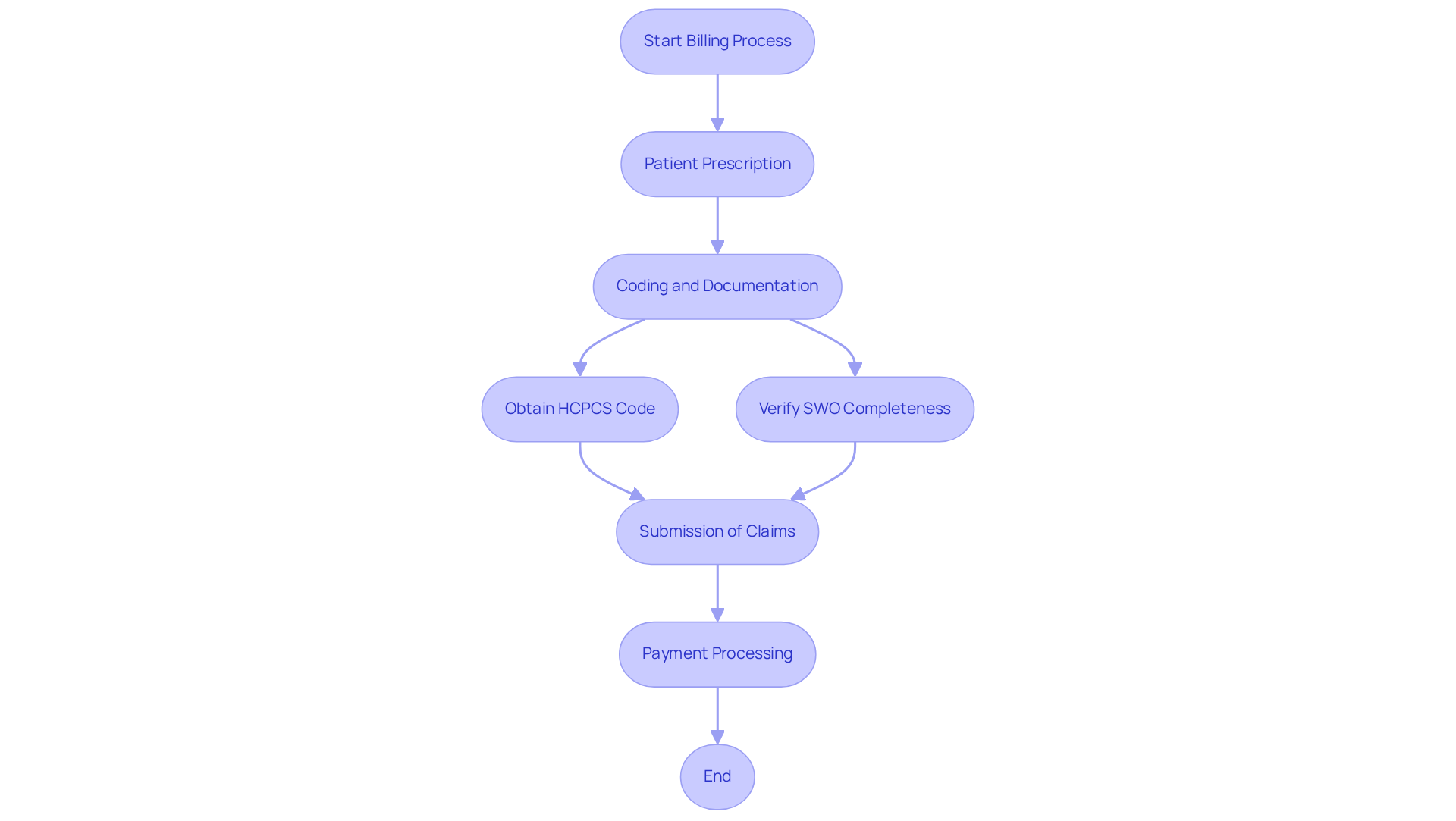
- Check for certifications and accreditations that demonstrate compliance and expertise in DME reimbursement practices. This ensures that the partner is knowledgeable about Medicare DMEPOS requirements and other payer-specific rules.
- Additionally, evaluate the company’s reputation through client testimonials and case studies. For instance, smaller DME suppliers that have outsourced financial functions often report enhanced cash flow and decreased denial rates, emphasizing the importance of selecting a trustworthy partner.
- Furthermore, evaluate their service flexibility to meet your organization’s specific needs. A partner that can customize their offerings will better support your operational goals and patient care.
- Lastly, review their pricing structure to ensure transparency and avoid hidden fees. Understanding the cost implications upfront can prevent financial surprises and help maintain your clinic’s budget.
A well-informed choice in partnership can safeguard your clinic’s financial health and operational success.
Assess Experience and Expertise in DME Billing
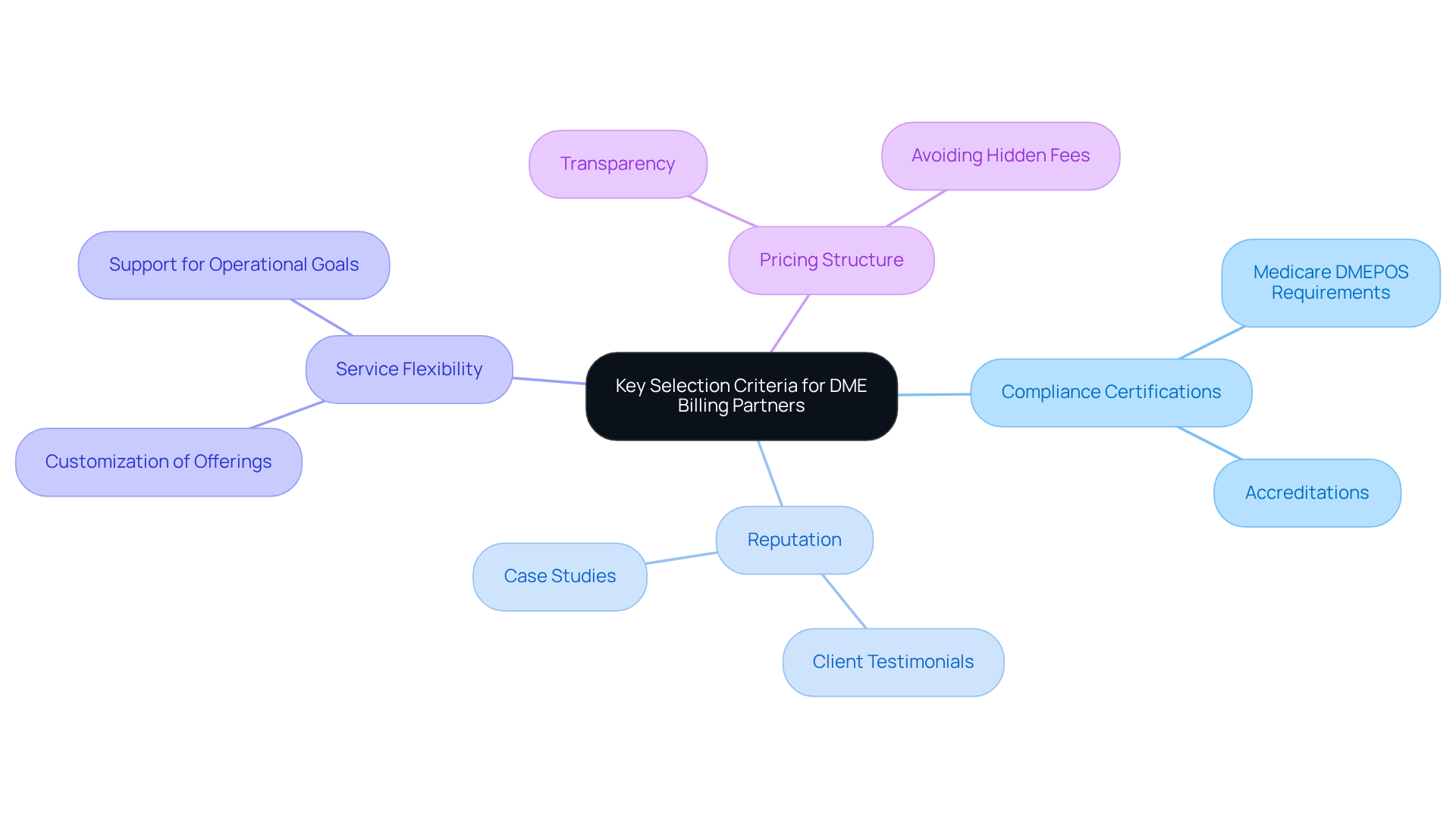
Understanding the depth of experience Healthcare Partners Consulting & Billing, LLC (HPC) brings to the DME reimbursement sector is crucial for evaluating their capabilities. With 39 years in the field, their expertise significantly enhances their understanding of complex regulations and documentation requirements. It is beneficial to request examples of similar methods they have engaged with and the results obtained, such as enhanced approval rates or decreased denial occurrences. This information can provide insight into their effectiveness in specialty-focused billing for mental and behavioral health.
Additionally, assessing their understanding of HCPCS Level II coding and other pertinent coding practices is essential, as erroneous coding is a frequent cause for denials. In fact, 30% of DME submissions are rejected due to documentation mistakes, incorrect HCPCS codes, or absent modifiers. Reviewing their track record in managing denial issues and their strategies for resolution is also important, as proactive denial management can lead to better outcomes and reduced financial losses.
You might want to ask about their average clean claim rate and their approach to handling denials to better understand their effectiveness. Ensure they have a dedicated team specializing in DME medical billing companies to effectively manage your accounts, as specialized expertise is crucial for navigating the evolving landscape of DME billing, especially with the anticipated changes in 2026. Furthermore, inquire about their flexible service plans tailored to your needs and their transparent pricing models, which can help you understand how they can optimize your revenue cycle. HPC, as a veteran-owned business, prioritizes compliance, enabling your operations to adapt to upcoming regulations confidently.
Review Technology and Tools Used by Billing Companies
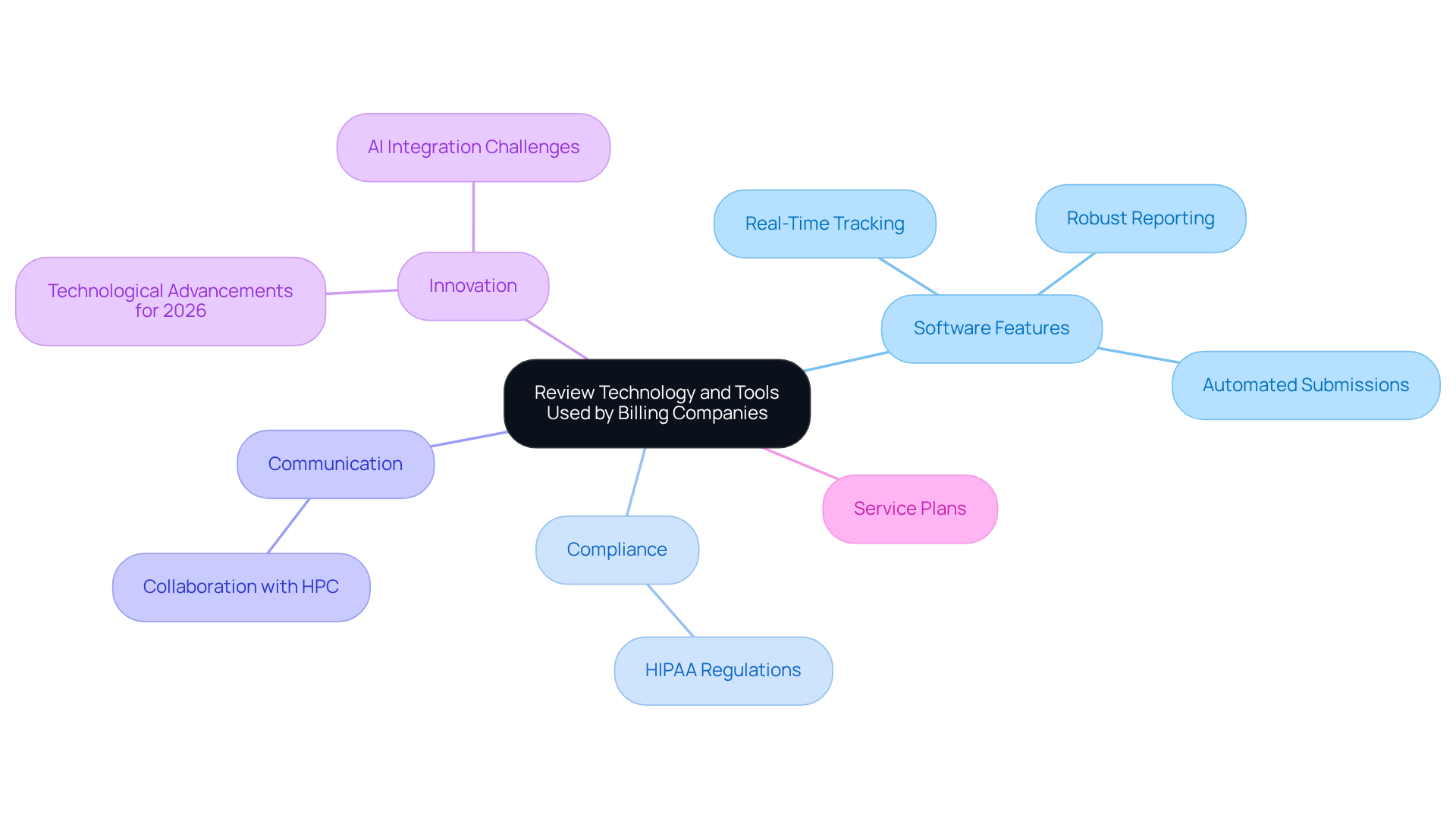
Assess the invoicing software used by Healthcare Partners Consulting & Billing, LLC (HPC) to determine its compatibility with your practice management system, as integration challenges can hinder efficiency. Identify key features like:
- Automated submissions
- Real-time tracking
- Robust reporting
that improve operational efficiency. The average claim denial ratio in DME processing is between 8% and 12%, with an ideal target below 10%. Thus, effective software features are crucial for minimizing denials. Confirm that the software adheres to HIPAA regulations, safeguarding patient information and maintaining compliance with healthcare standards. This is particularly important given the need for proper documentation and validation of diagnoses. Seek tools that enhance communication between your organization and HPC, fostering collaboration and transparency. Evaluate HPC’s commitment to staying informed about technological advancements in DME invoicing for 2026, ensuring they utilize the latest innovations to enhance processes. This includes understanding the challenges faced in workflow automation and the necessity for tailored approaches to AI integration. Additionally, consider HPC’s flexible service plans and transparent pricing models, which cater to the unique needs of your practice. Failing to monitor metrics like the collection ratio and accounts receivable can lead to undetected inefficiencies in your invoicing processes.
Understand Denial Management Strategies
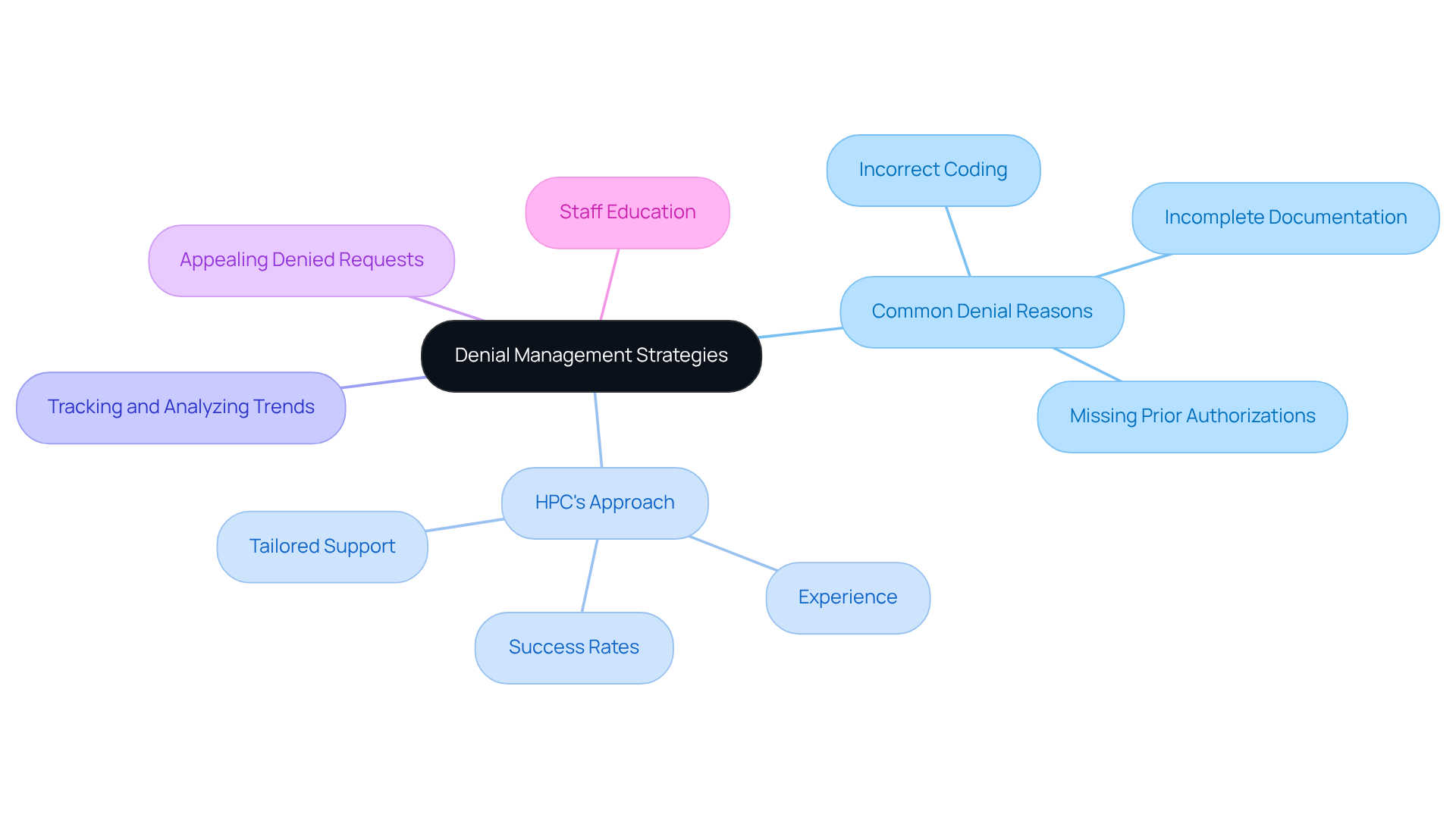
Understanding the common reasons for DME claim denials is crucial for healthcare providers aiming to enhance their financial performance. Key denial reasons include:
- Incomplete documentation
- Incorrect coding
- Missing prior authorizations
The 21.8% increase in DME expenditure in 2021 underscores the critical importance of effective invoicing methods.
Consider exploring Healthcare Partners Consulting’s denial management process and their impressive success rates. With 39 years of experience and a specialty-focused, relationship-driven approach, HPC can lead to faster reimbursements and fewer write-offs, guaranteeing tailored support that aligns with your practice’s needs.
Assess their approach to tracking and analyzing denial trends to improve future submissions. Employing tracking tools for submissions can assist in recognizing trends in denials, enabling proactive modifications in billing methods. Healthcare Partners Consulting provides adaptable service plans customized to the size of your practice and volume of submissions, ensuring that you receive the support you require.
Ensure they have a clear process for appealing denied requests and communicating with payers. Effective communication with payers is essential, as administrative errors and insufficient documentation frequently lead to claim denials, creating financial strain for healthcare providers. HPC emphasizes a compliance-first approach, which is vital in navigating the complexities of medical billing.
Review their strategies for educating your staff on documentation requirements to reduce errors. Regular training and audits can significantly decrease the likelihood of claim denials, as many issues stem from minor errors in patient information or coding. Leveraging HPC’s expertise enables your staff to uphold high documentation standards, which can significantly enhance your practice’s revenue cycle. Ultimately, a proactive approach to denial management can transform potential losses into opportunities for growth.
Evaluate Customer Support and Communication Practices
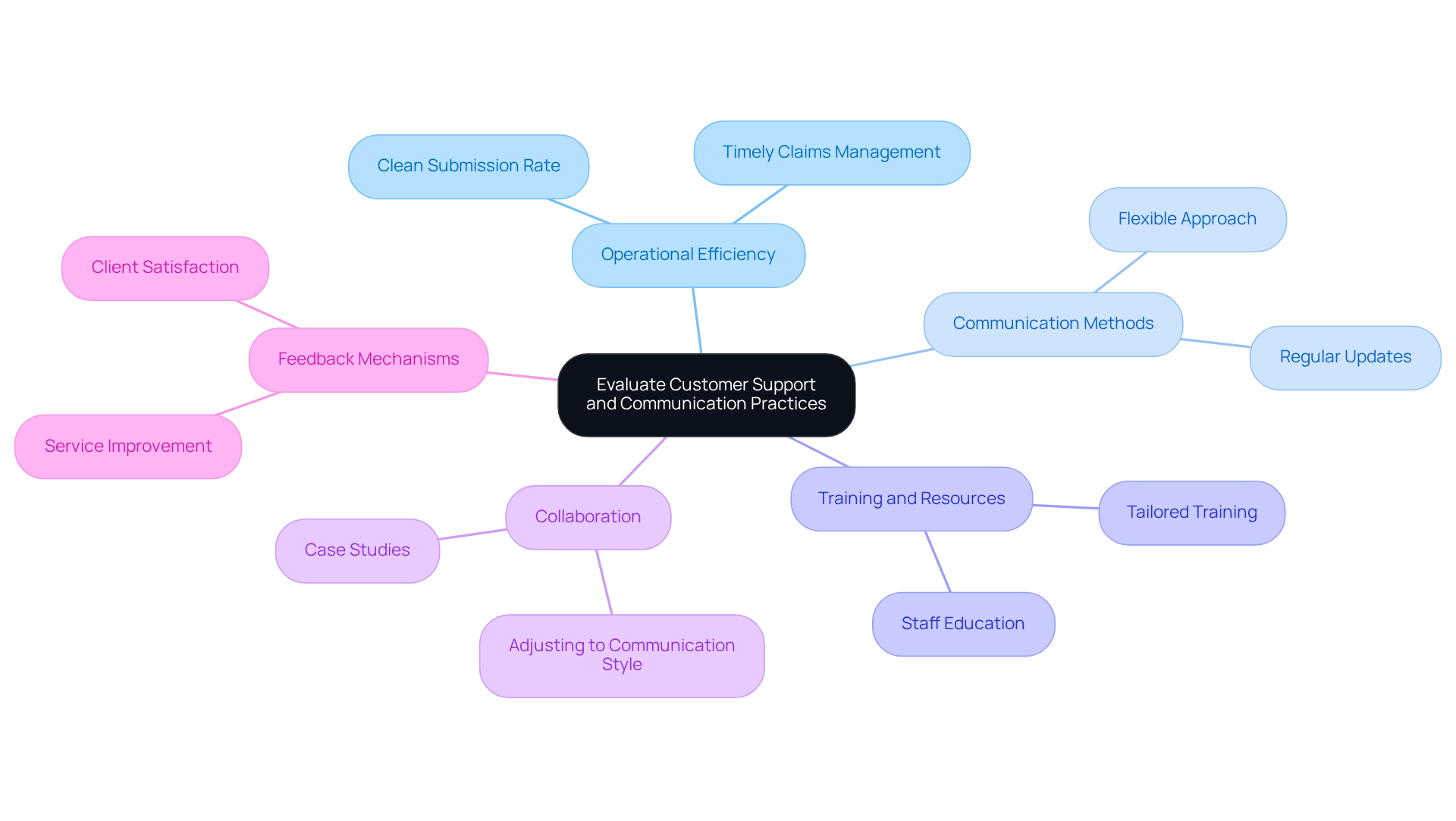
Evaluating customer support availability in DME reimbursement companies reveals critical insights into operational efficiency. Without a robust support network, managing payment inquiries can become a significant challenge, especially since a clean submission rate below 95% can result in lost revenue. HPC emphasizes clean claims, fast follow-up, and clear reporting. This focus is essential for ensuring operational efficiency in your facility.
Consider inquiring about their communication methods and how frequently they provide updates on payment status. Regular updates can significantly enhance transparency and trust between your practice and the financial provider, particularly as cash flow strain becomes real when Days in A/R exceeds 40-45 days. HPC is committed to providing detailed monthly reports that include claim volumes and denial rates, keeping you informed about your financial health.
Ensure they provide training and resources for your staff to comprehend the invoicing process. Investing in education can streamline operations and reduce errors, thereby enhancing your organization’s financial sustainability. HPC offers tailored training to empower your team, enhancing their understanding of the billing workflow.
Assess their readiness to collaborate and adjust to your communication style. A flexible approach fosters a more productive partnership, as illustrated by case studies such as “Regular Reporting on Claims Status,” which demonstrate how effective communication enhances operational efficiency. HPC’s specialty-focused, relationship-driven service is designed to meet the unique needs of mental and behavioral health organizations.
Check for feedback mechanisms to address concerns and improve service quality. Companies that actively seek feedback tend to be more dedicated to improving their services and meeting client needs, which is essential for DME medical billing companies in the evolving landscape of billing practices. HPC’s dedication to client satisfaction and continuous improvement reflects their core values of integrity and transparency. Inadequate support can jeopardize your financial health and operational efficiency.
Conclusion
Selecting an appropriate Durable Medical Equipment (DME) billing partner is essential for maintaining compliance and maximizing revenue potential. By focusing on the essential checkpoints outlined in this article, healthcare providers can empower themselves to make informed decisions that enhance patient care while minimizing administrative burdens. A knowledgeable billing partner can enhance compliance and drive revenue growth for healthcare practices.
Key considerations include:
- Evaluating the experience and expertise of potential billing partners
- Understanding the technology they employ
- Assessing their denial management strategies
Each of these factors plays a vital role in ensuring that billing processes are efficient and compliant with Medicare guidelines. Moreover, effective communication and customer support practices are essential for fostering a productive partnership that aligns with the unique needs of behavioral and mental health providers.
By partnering with a knowledgeable DME billing provider, healthcare practices can ensure their focus remains on delivering exceptional patient care while enhancing their financial viability. For tailored solutions that meet the evolving demands of DME billing, consider reaching out to Healthcare Partners Consulting & Billing, LLC (HPC) at info@hpcbilling.com or call 888-517-4992.
Frequently Asked Questions
What is Durable Medical Equipment (DME)?
Durable Medical Equipment (DME) includes essential medical devices prescribed for home use, designed for durability and repeated application. Common examples are wheelchairs, oxygen tanks, and CPAP machines.
What is the payment process for DME?
The payment process for DME is complex and requires precise coding and thorough documentation to comply with Medicare guidelines. Each piece of equipment is assigned a specific HCPCS code that must match the patient’s medical necessity documentation.
What documentation is required for DME reimbursement?
Medicare requires a Standard Written Order (SWO) that includes detailed patient and provider information, equipment specifics, and a provider signature to validate the medical necessity of the equipment and prevent denial of requests.
What challenges do DME medical billing companies face?
Common challenges include claim denials due to documentation errors or incomplete submissions, such as missing or incorrect SWOs, which can lead to payment delays and increased administrative burdens.
How have invoicing practices impacted DME billing?
Improved invoicing practices have led to a decrease in improper payments for DME invoicing, falling from 7.66 percent in 2024 to 6.34 percent in 2025, highlighting the importance of careful invoicing methods.
What should DME providers consider when selecting billing partners?
DME providers should evaluate potential partners based on their invoicing experience, certifications, reputation, service flexibility, and transparent pricing structures to ensure compliance and operational success.
What is the significance of the moratorium on new Medicare enrollment for DMEPOS suppliers?
Starting February 27, 2026, a moratorium on new Medicare enrollment for certain DMEPOS suppliers will take effect, which may affect invoicing methods and the availability of suppliers in the market.