
Introduction
Electronic medical billing services are revolutionizing healthcare operations by addressing the complexities of administrative tasks and improving patient care outcomes. By automating processes such as claim submissions and payment processing, these services not only reduce errors but also provide clinics with the tools to optimize administrative tasks and improve patient care outcomes.
Clinics often struggle with the complexities of billing, which can hinder operational efficiency. Therefore, clinics must determine how to effectively utilize these electronic solutions to enhance efficiency, ensure compliance, and uphold patient satisfaction standards.
Increase Efficiency with Electronic Medical Billing Services
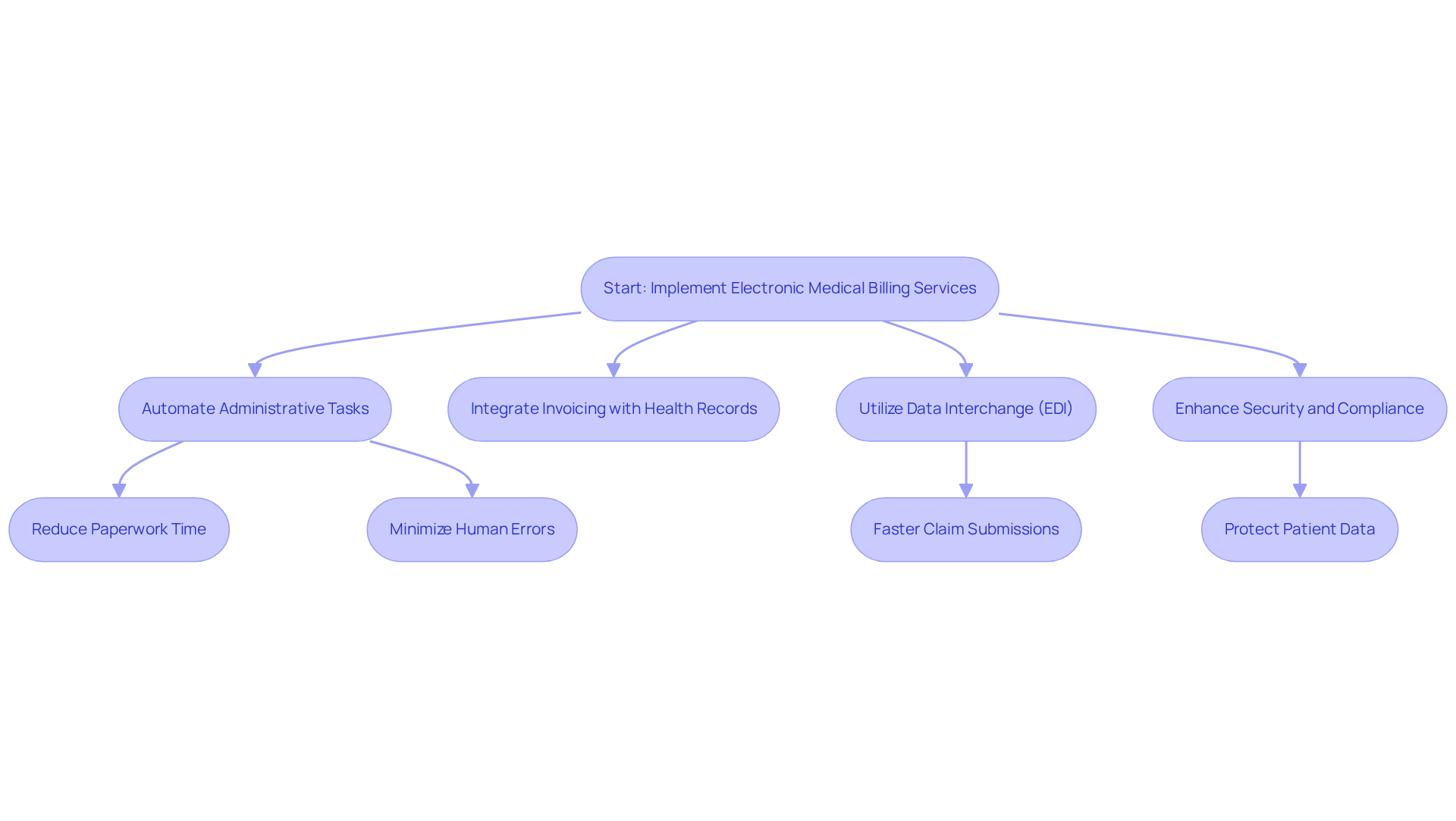
Electronic medical billing services streamline operations by automating critical administrative tasks such as claim submissions and payment processing. This automation reduces paperwork time and minimizes human errors, allowing healthcare providers to focus more on patient interactions. For example, systems that implement digital invoicing can see a 40% rise in patient payments, demonstrating the clear financial benefits of streamlined processes.
Integrating invoicing with health records further enhances workflows, ensuring that charges are both precise and prompt. This integration removes unnecessary data entry, which can lead to costly mistakes; with approximately 80% of medical invoices in the U.S. containing inaccuracies, the potential for financial loss is significant. By utilizing data interchange (EDI), clinics can achieve faster claim submissions, resulting in quicker payments and improved cash flow.
Recent advancements in electronic medical billing services in 2026 have concentrated on improving security and compliance, with systems crafted to adhere to HIPAA regulations and safeguard sensitive individual information through encryption and role-based access controls. These measures not only protect patient data but also facilitate easier audits and dispute resolutions.
At Healthcare Partners Consulting & Billing, LLC (HPC), we prioritize a compliance-first approach, ensuring our invoicing processes strictly adhere to HIPAA regulations. Our adaptable service plans accommodate the size of your practice, claim volume, and desired level of support, whether you require full-cycle revenue management or targeted accounts receivable assistance. We offer various pricing models, including percentage-based, flat-rate for defined scopes, and custom subscription packages, all transparent with no hidden fees.
Case studies demonstrate the transformative effect of digital invoicing on mental health clinics. For instance, clinics that adopted automated invoicing processes reported a decrease in invoice processing time by 48%, enabling staff to concentrate on care for individuals rather than administrative duties. Additionally, real-time tracking of claims and payments enhances transparency, enabling providers to quickly identify outstanding claims and follow up effectively.
Overall, the primary advantages of electronic medical billing services for clinics include enhanced accuracy, quicker reimbursements, improved satisfaction among individuals, and substantial cost reductions. By adopting these services, healthcare providers not only streamline operations but also enhance patient care quality.
Achieve Faster Payments through Electronic Billing
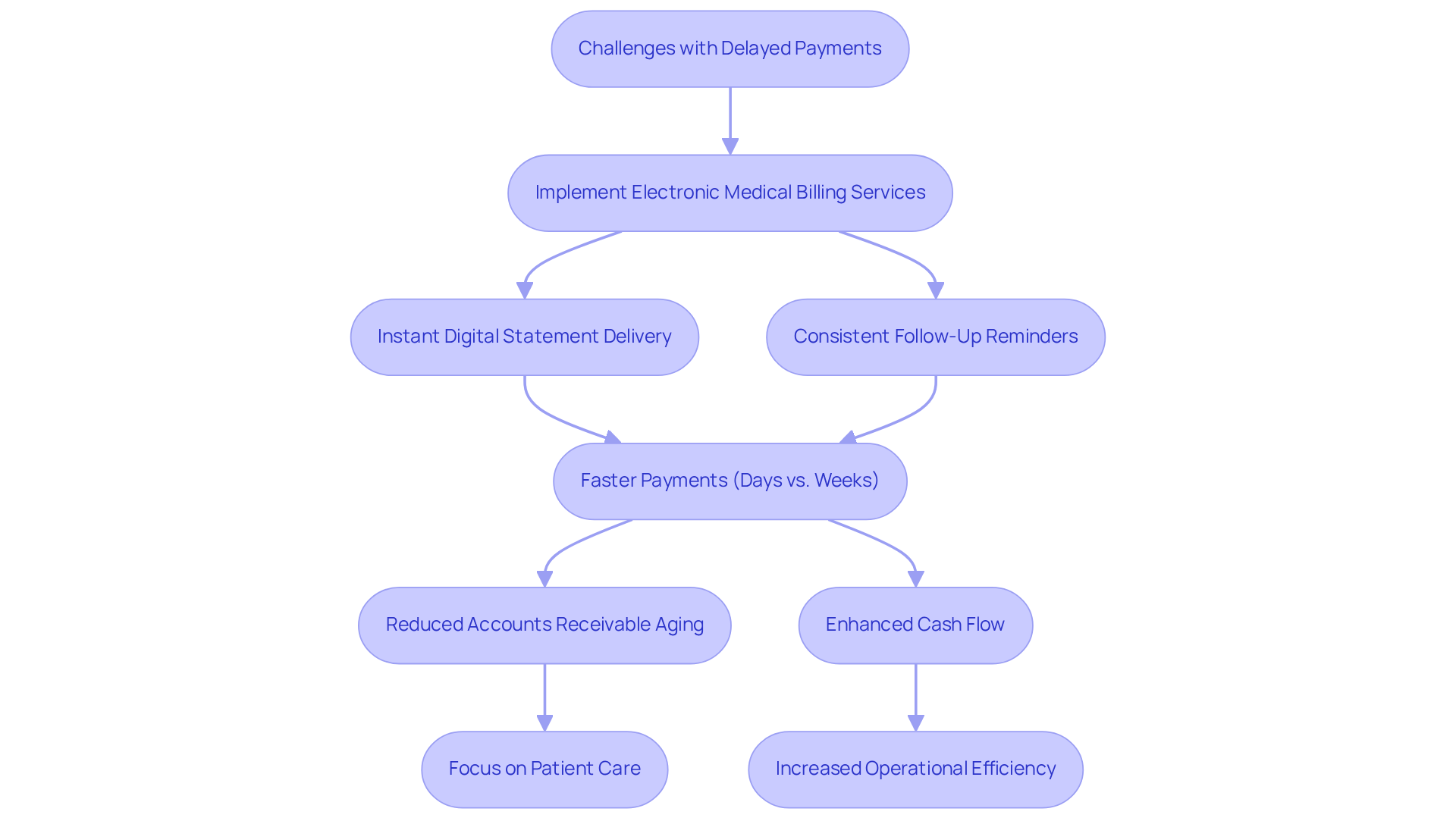
Clinics frequently encounter challenges with delayed payments, which can hinder their operational efficiency. Electronic medical billing services significantly enhance payment cycles by enabling the electronic submission and processing of claims. This advancement shortens the payment cycle, enabling clinics to receive payments within days instead of weeks.
For instance, practices utilizing electronic medical billing services, such as those offered by Healthcare Partners Consulting & Billing, LLC (HPC), have reported faster payments due to instant digital statement delivery and consistent follow-up reminders. This can lead to a reduction in accounts receivable aging into bad debt.
Automated systems can reduce statement delivery time from several days to immediate email or text delivery, enhancing cash flow and financial stability. Additionally, HPC ensures strict adherence to HIPAA compliance and employs encrypted systems to protect individual data, addressing critical concerns for mental health clinics.
As a result, clinics can focus on patient care rather than administrative tasks, leading to greater operational efficiency and patient satisfaction. With HPC’s 39 years of experience and specialty-focused services, clinics can expect measurable improvements in their revenue cycle within 30-90 days.
Realize Cost Savings with Electronic Medical Billing
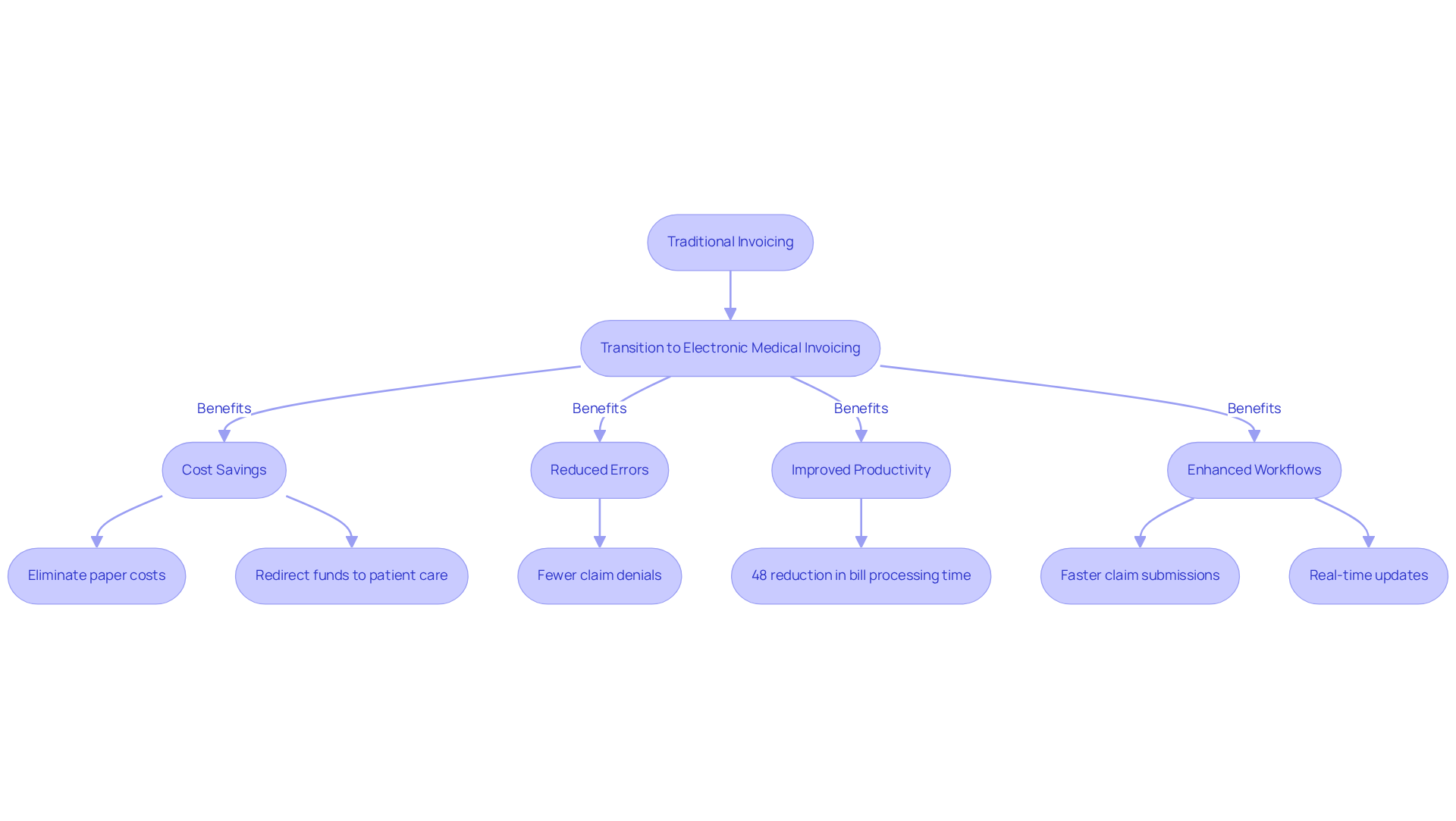
Many clinics struggle with the inefficiencies of traditional invoicing, but transitioning to electronic medical invoicing offers a promising solution. Eliminating expenses associated with paper invoicing, such as printing, postage, and storage, allows clinics to redirect funds toward improving patient care. Electronic systems also significantly reduce invoicing errors, a common cause of costly claim denials. For instance, practices that automate their invoicing processes have reported a 48% reduction in bill processing time, leading to improved productivity and cash flow.
Furthermore, digital medical claim systems enhance workflows, reducing the effort needed for processing claims and payments. This automation cuts administrative overhead and enhances operational efficiency. A case study revealed that healthcare providers utilizing digital invoicing services saw improved cash flow and reduced administrative burdens, allowing for more effective resource allocation.
In 2026, the transition towards digital medical invoicing is anticipated to further advance, with systems offering real-time updates on client and invoicing details. This transparency enhances satisfaction among individuals and nurtures better relationships between providers and those they serve. Ultimately, embracing electronic medical invoicing positions clinics to thrive in an evolving healthcare environment, enhancing both operational efficiency and patient satisfaction.
Enhance Patient Satisfaction with Streamlined Billing
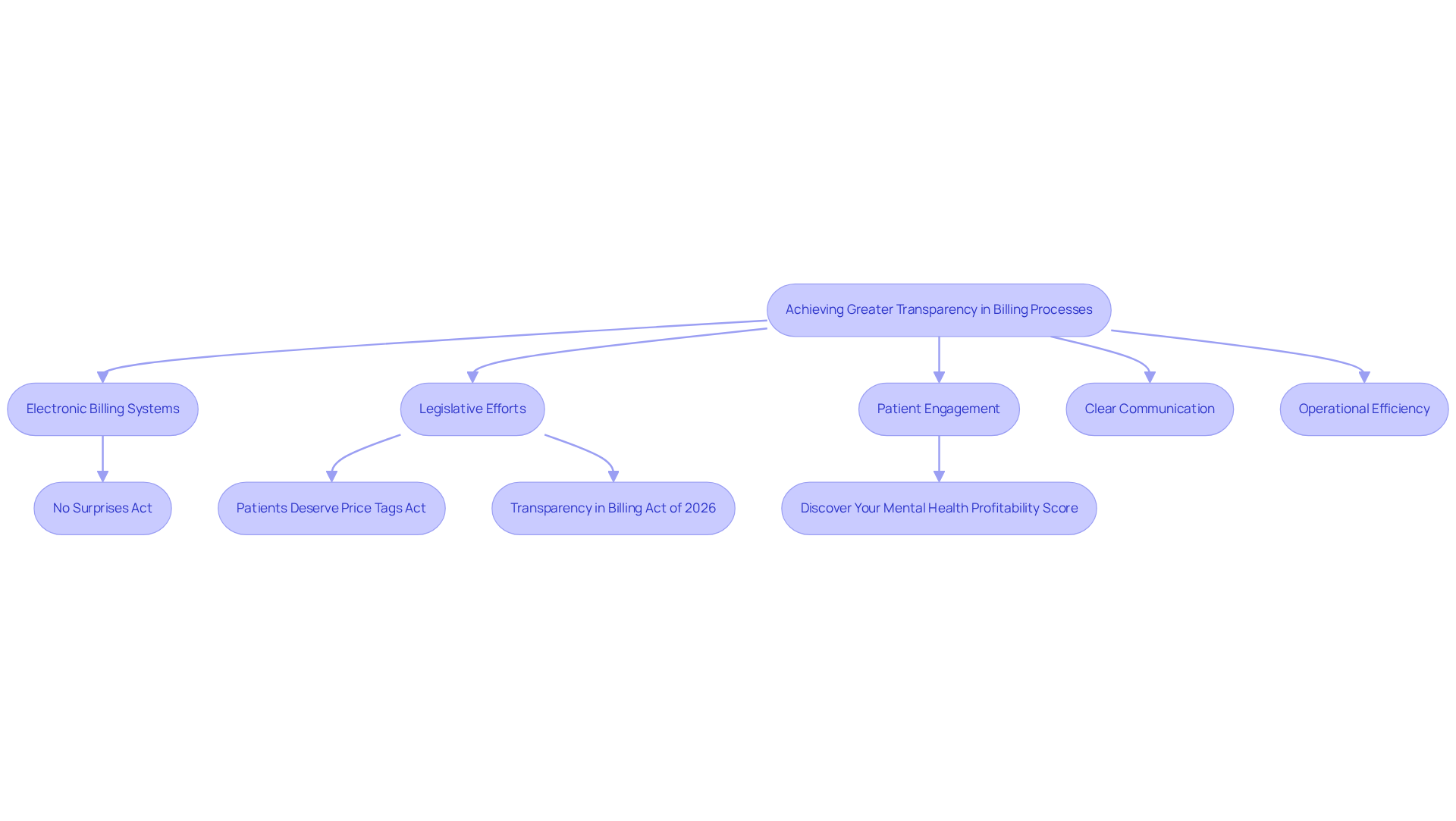
The complexity of medical billing often leaves patients bewildered, highlighting the urgent need for clarity in invoicing practices. Electronic medical billing services significantly streamline the payment process for patients, providing clear and concise statements that enhance understanding. This openness is essential, as nearly 40% of Americans reported confusion regarding their medical expenses, emphasizing the need for clarity in payment practices. Patients value the convenience of digital invoicing. This often includes options for online payments, allowing them to settle their accounts at their preferred time and location. In fact, studies indicate that 85% of healthcare consumers prefer digital payment methods, underscoring a shift towards digital solutions.
The integration of electronic medical billing services not only enhances the precision of address-related charges-addressing the concerning statistic that 80% of medical invoices contain errors-but also promotes greater satisfaction among individuals receiving care. When individuals receive itemized charges and current balances, they feel more in control of their healthcare expenses, which builds trust and loyalty with their providers. Case studies reveal that organizations adopting electronic medical billing services experience faster payments and improved staff efficiency, ultimately leading to a more positive patient experience.
HPC excels in providing specialty-focused, relationship-driven services tailored for mental and behavioral health. With 39 years of experience and certified experts, HPC ensures that organizations see measurable improvements in their revenue cycle, often within 30-90 days, leading to faster reimbursements and fewer denials. Additionally, HPC offers flexible service plans and transparent pricing models, ensuring that practices can choose the best fit for their needs.
As healthcare providers adjust to contemporary needs, the shift from outdated paper-based systems to electronic medical billing services becomes crucial. By emphasizing openness, precision, and proactive communication in invoicing, clinics can greatly improve satisfaction and loyalty among individuals, positioning themselves advantageously in an increasingly competitive market. Moreover, with 58% of consumers finding the payment of healthcare expenses stressful, the transition to electronic medical billing services can alleviate this tension, enhancing the overall experience for individuals receiving care. HPC’s dedication to stringent HIPAA adherence and data security protocols guarantees that information is managed with the highest level of care, strengthening confidence in the invoicing process. As healthcare evolves, embracing electronic medical billing services is not just beneficial; it is essential for fostering trust and satisfaction among patients.
Boost Security with Electronic Medical Billing Solutions
Electronic medical billing services are essential for safeguarding individual data in compliance with regulations such as HIPAA. Handling paper records exposes clinics to significant risks, including data breaches and unauthorized access.
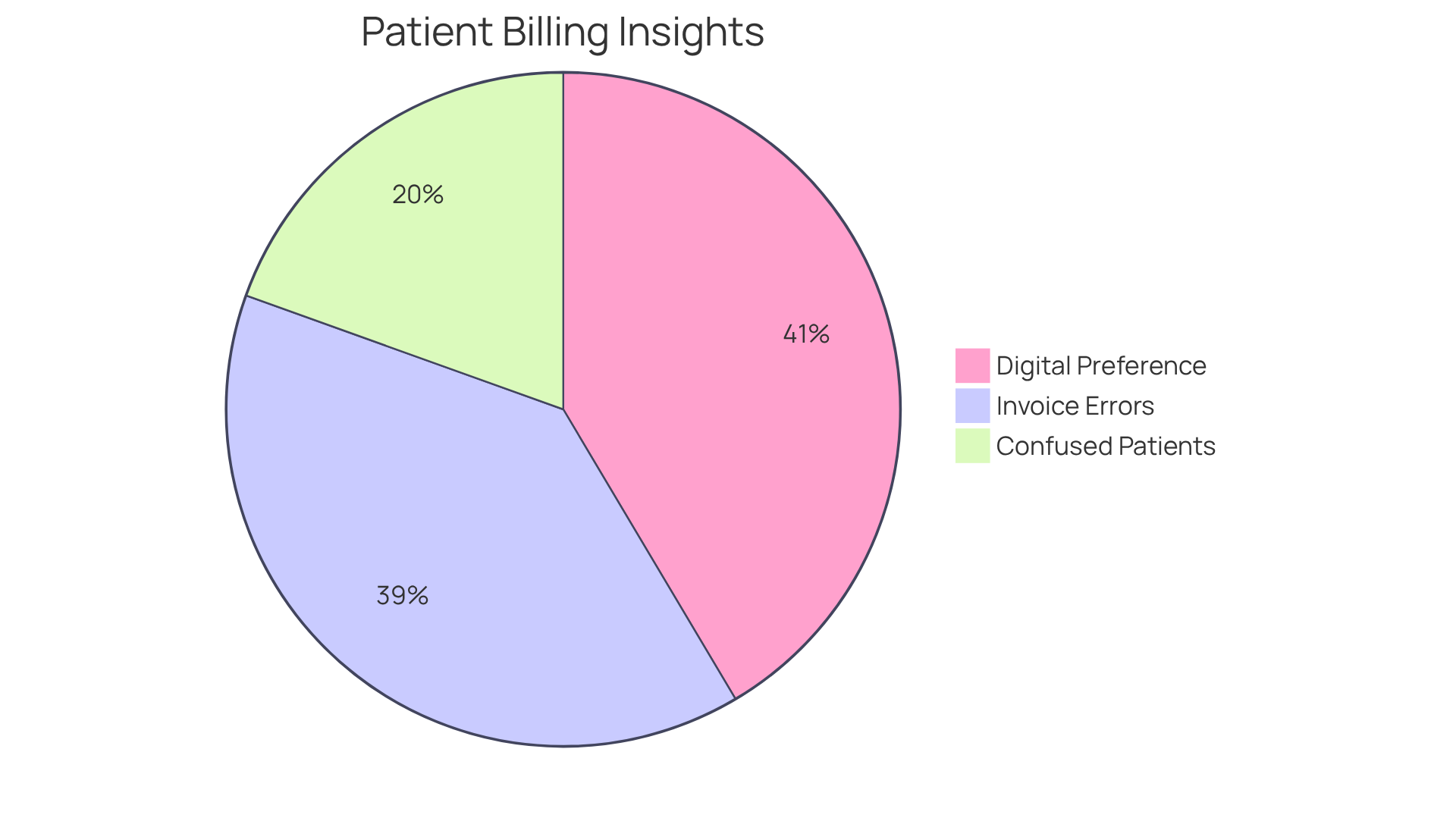
Healthcare Partners Consulting & Billing, LLC (HPC) emphasizes strict adherence to HIPAA, employing encrypted systems and role-based, monitored access to client data. This commitment to security safeguards patient information and allows clinic owners to focus on quality care, assured that their financial processes are managed by experienced professionals utilizing electronic medical billing services.
Additionally, HPC offers flexible service plans tailored to the size of your facility and claim volume, with transparent pricing models that include:
- Percentage-based
- Flat-rate
- Custom subscription packages
This ensures that clinics can find a solution that fits their specific needs. Ultimately, this allows clinics to operate with confidence, knowing their financial processes are managed by seasoned professionals.
Ensure Compliance with Healthcare Regulations through Electronic Billing
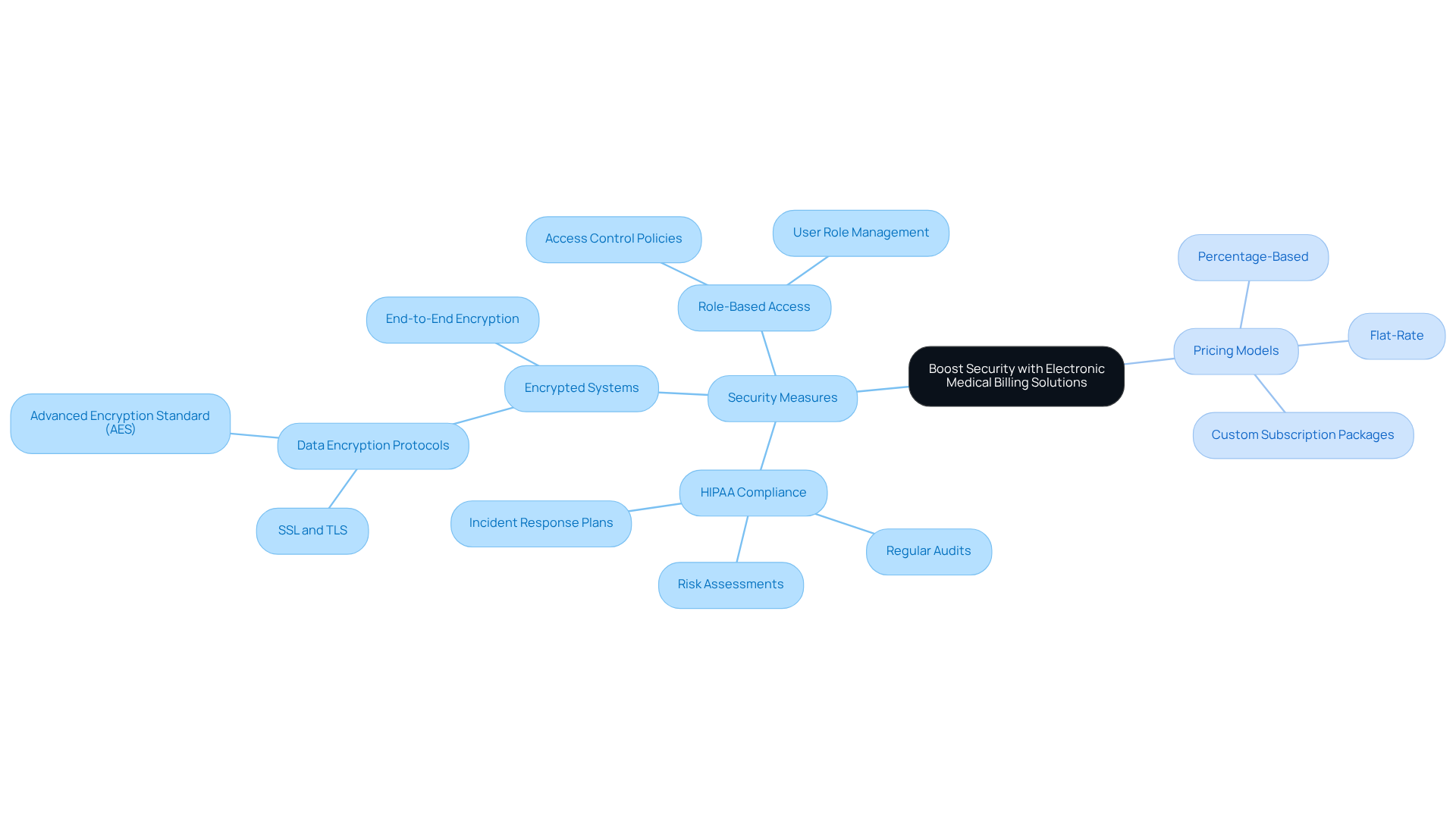
The integration of electronic medical billing services is essential for healthcare providers aiming to enhance compliance and operational efficiency. These systems incorporate automated checks that facilitate accurate claim submissions, thereby minimizing the likelihood of audits and associated penalties. Research indicates that clinics utilizing robust electronic medical billing services experience a 15% reduction in claim denials, highlighting the systems’ role in enhancing compliance.
By automating compliance processes, clinics can alleviate administrative burdens, allowing healthcare providers to focus more on delivering quality care. Furthermore, regular audits and real-time claim scrubbing features within these systems assist in identifying errors before submission, ensuring adherence to federal and state regulations. As the healthcare regulatory landscape evolves, the adoption of electronic medical billing services not only streamlines operations but also fortifies compliance, ultimately safeguarding both trust in care and the financial stability of the organization.
At Healthcare Partners Consulting & Billing, LLC (HPC), a veteran-owned organization with 39 years of experience, we understand the unique challenges faced by mental health providers. Our tailored administrative support services are designed to enhance efficiency and financial accuracy, ensuring that your operations run seamlessly while you concentrate on providing exceptional patient care.
By embracing these advanced systems, healthcare providers can safeguard their financial health while prioritizing patient care. Additionally, we invite you to discover your mental health practice’s profitability score through our quick quiz, which provides personalized recommendations to improve your practice’s financial health.
Achieve Greater Transparency in Billing Processes
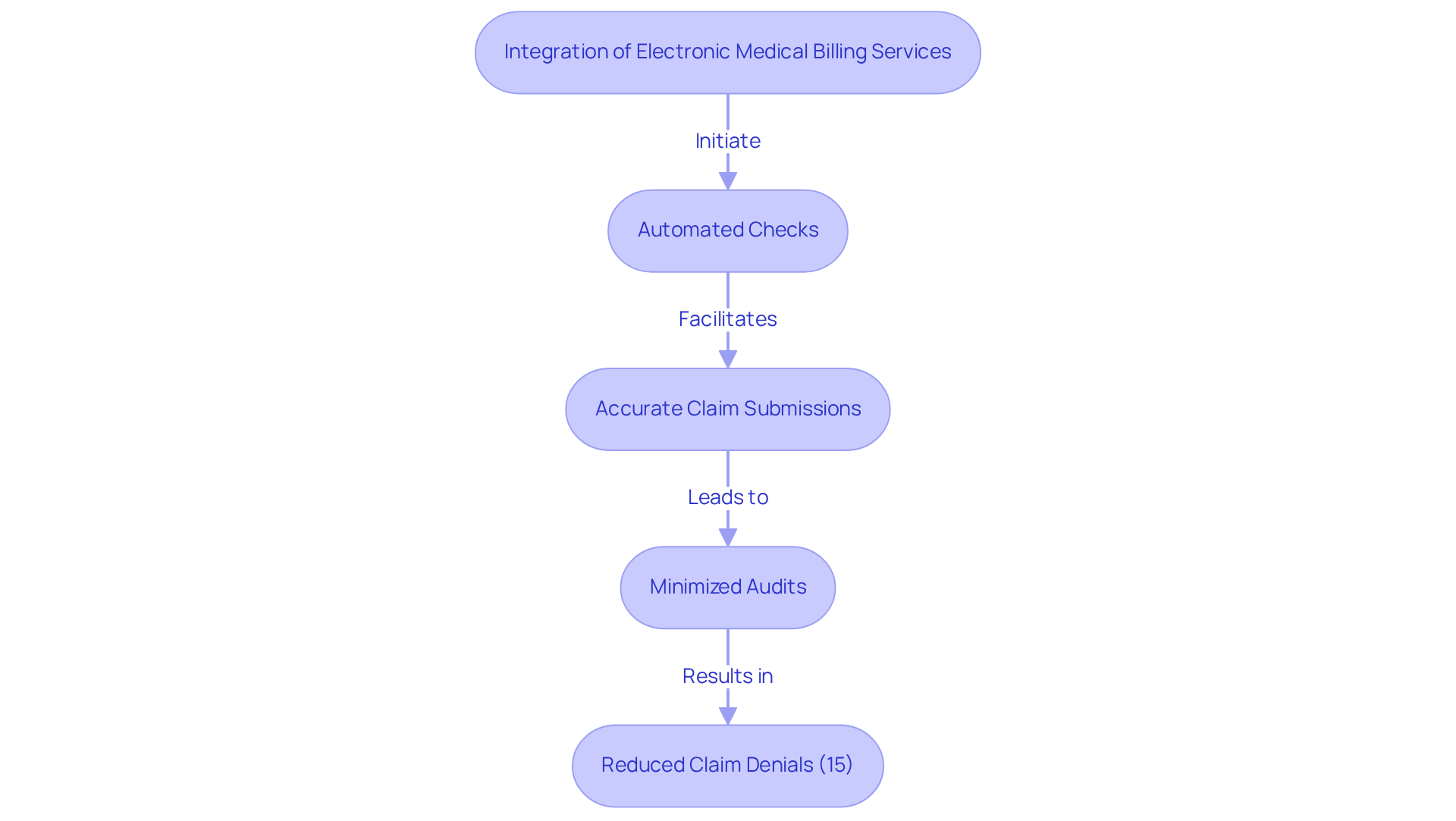
Electronic billing systems play a pivotal role in enhancing transparency in healthcare billing, thereby fostering trust between patients and providers. This clarity enables individuals to better comprehend their bills, minimizing confusion and building trust. Individuals engage more effectively with their healthcare when they clearly understand costs and payment options. Clinics that convey billing details clearly enhance patient satisfaction and streamline payment processes.
The ongoing push for transparency in healthcare costs is underscored by recent legislative efforts, such as the No Surprises Act, which protects patients from unexpected high medical expenses by mandating clear estimates for out-of-network services. Furthermore, the proposed Patients Deserve Price Tags Act aims to mandate healthcare providers to reveal precise dollar amounts for services, further enhancing transparency in charges.
HPC provides a ‘Discover Your Mental Health Profitability Score’ quiz that evaluates efficiency and uncovers hidden revenue leaks, offering tailored suggestions to enhance accuracy in financial processes. Case studies demonstrate the positive outcomes of implementing transparent invoicing practices. For instance, the Transparency in Billing Act of 2026 aims to improve clarity by requiring hospitals to include a unique national provider identifier in claims, allowing payers to determine the care setting. This initiative is anticipated to reduce healthcare expenses and enhance trust among individuals receiving care.
Expert opinions emphasize the necessity of transparency in billing processes. As healthcare evolves, clinics must integrate electronic medical billing services that prioritize clear communication to enhance patient experiences and improve operational efficiency. Ultimately, these advancements not only comply with regulations but also position clinics for greater financial success.
Improve Collections with Electronic Medical Billing Services
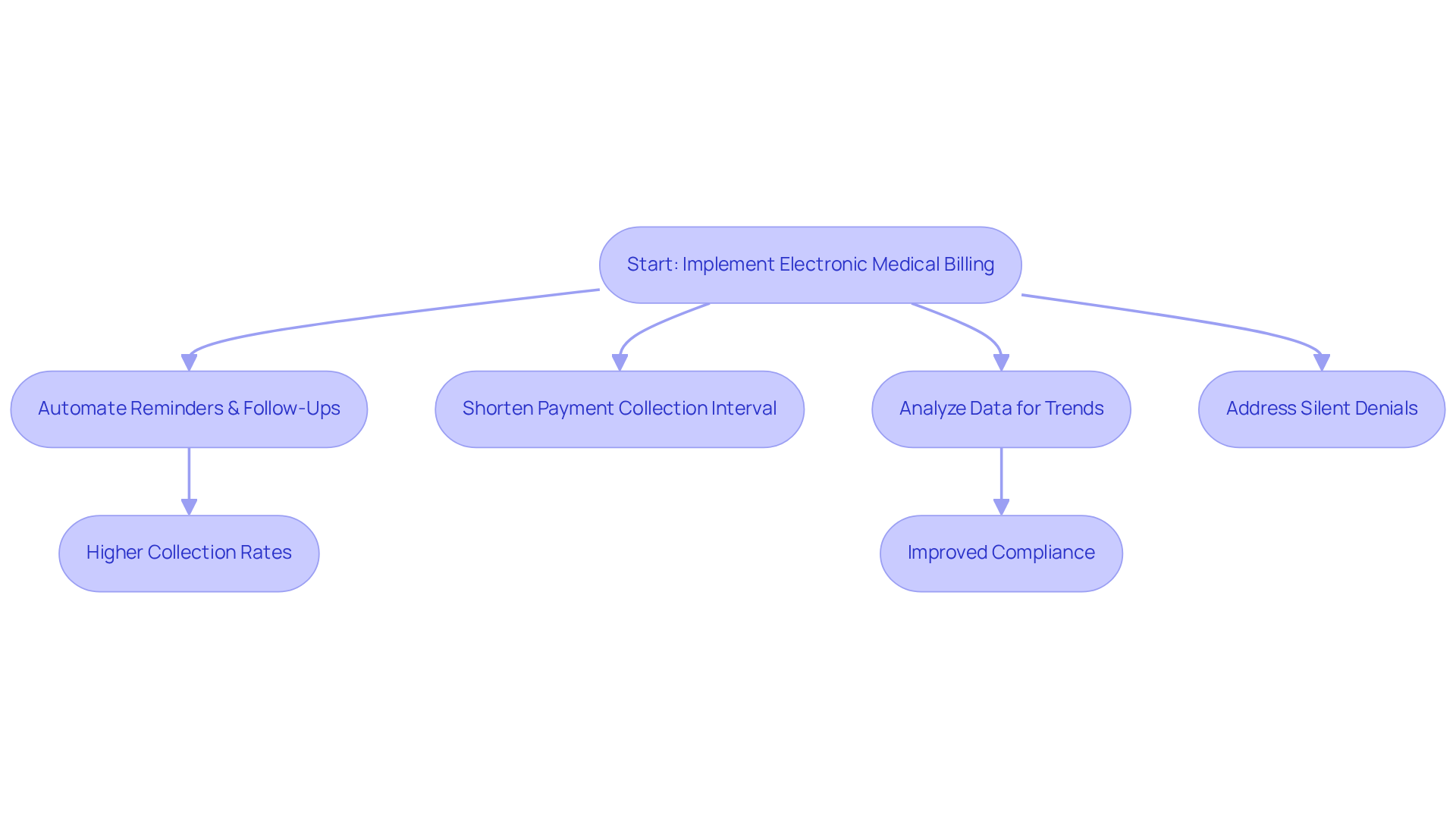
The integration of electronic medical billing services is revolutionizing the collections process in healthcare. These electronic medical billing services significantly enhance the collections process by automating reminders and follow-ups for outstanding payments. This automation shortens the interval between service delivery and payment collection, thereby enhancing overall collection rates. For instance, clinics using digital billing systems have reported higher collection rates, with top-performing medical groups collecting a larger share of receivables within the critical 0-30 day window due to streamlined processes.
Furthermore, digital systems provide valuable analytics that help identify trends and areas for improvement in the collections process. By utilizing data-driven insights, clinics can proactively tackle issues such as silent denials – often caused by minor discrepancies in information – that obstruct claim adjudication. Maintaining compliance with HIPAA regulations while minimizing revenue loss from denied claims presents a significant challenge for clinics. This focus on accuracy not only enhances compliance but also safeguards revenue.
Case studies demonstrate the effectiveness of digital medical invoicing in real-world environments. For instance, practices that have incorporated automated financial workflows report significant reductions in administrative burdens, enabling staff to focus on care for individuals while ensuring prompt collections. Additionally, implementing a disciplined follow-up cycle for outstanding balances has proven essential in preventing older accounts from becoming uncollectible.
As the healthcare environment changes, clinics that do not embrace these changes may find themselves at a disadvantage in a competitive healthcare market. With nearly 110,000 claims denied annually, the need for efficient financial solutions that enhance cash flow and reduce administrative costs is more pressing than ever. Healthcare Partners Consulting provides tailored suggestions to improve financial accuracy and efficiency, ensuring that mental health clinics can optimize their profitability while concentrating on care for individuals. Without adopting these solutions, clinics may struggle to maintain financial viability in a rapidly evolving healthcare environment.
Integrate Billing with Practice Management Systems for Efficiency
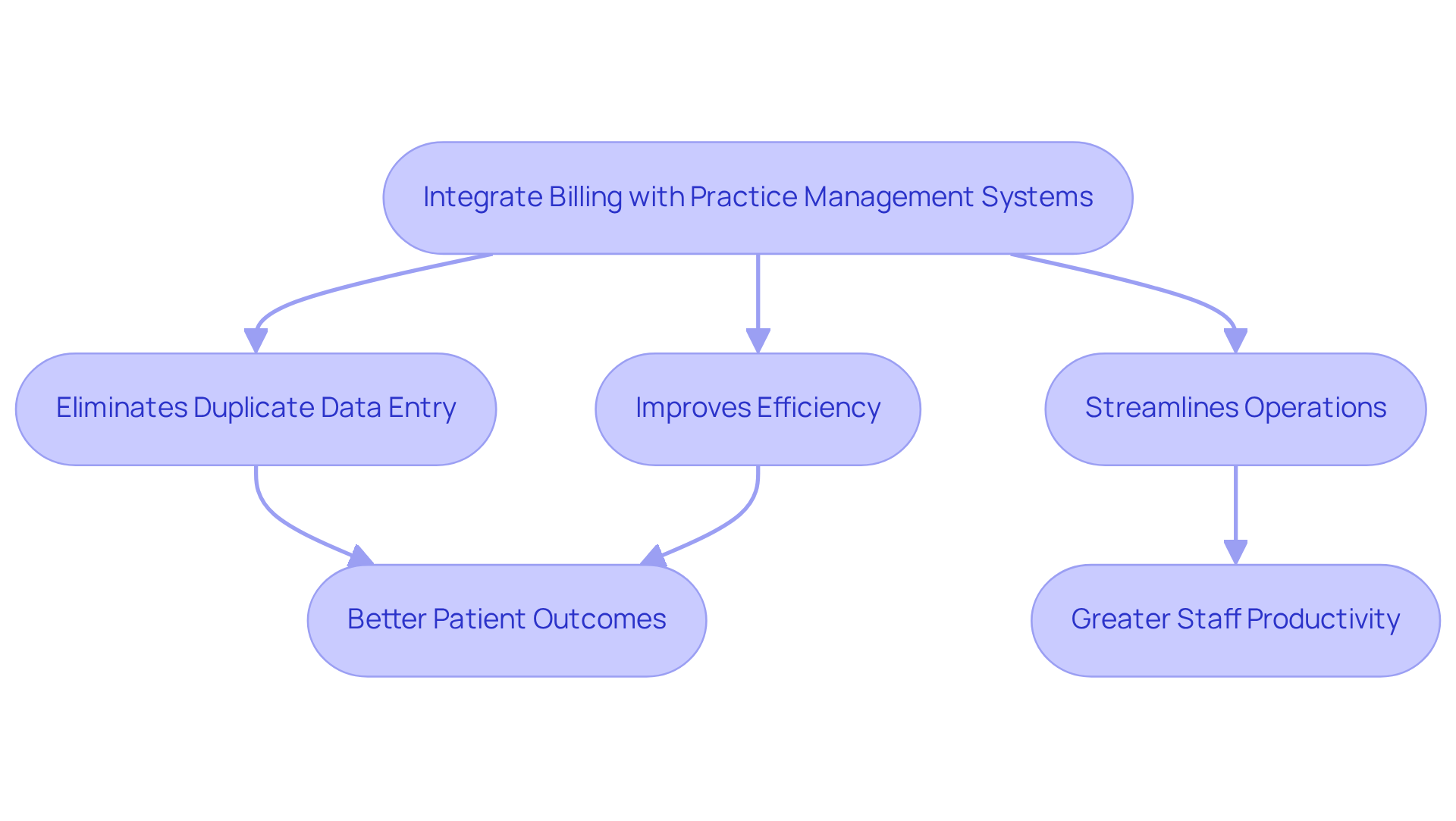
Integrating electronic medical billing services with practice management systems addresses common inefficiencies in healthcare operations. This integration eliminates the need for duplicate data entry, which streamlines operations and improves efficiency. Clinics effectively manage appointments, financial processes, and patient records through a unified system, resulting in greater staff productivity and better patient outcomes.
As a veteran-owned organization with 39 years of experience, Healthcare Partners Consulting has a proven track record in optimizing financial processes. For example, entities that have adopted integrated systems report a reduction in claim denial rates from 12% to 4%, translating to substantial revenue recovery.
Furthermore, electronic medical billing services that utilize automated invoicing processes ensure timely claims submission, which is crucial for maintaining a healthy cash flow. As practices strive for operational excellence, the integration of these systems will be pivotal in shaping the future of healthcare management.
Leverage Healthcare Partners Consulting for Comprehensive Billing Solutions
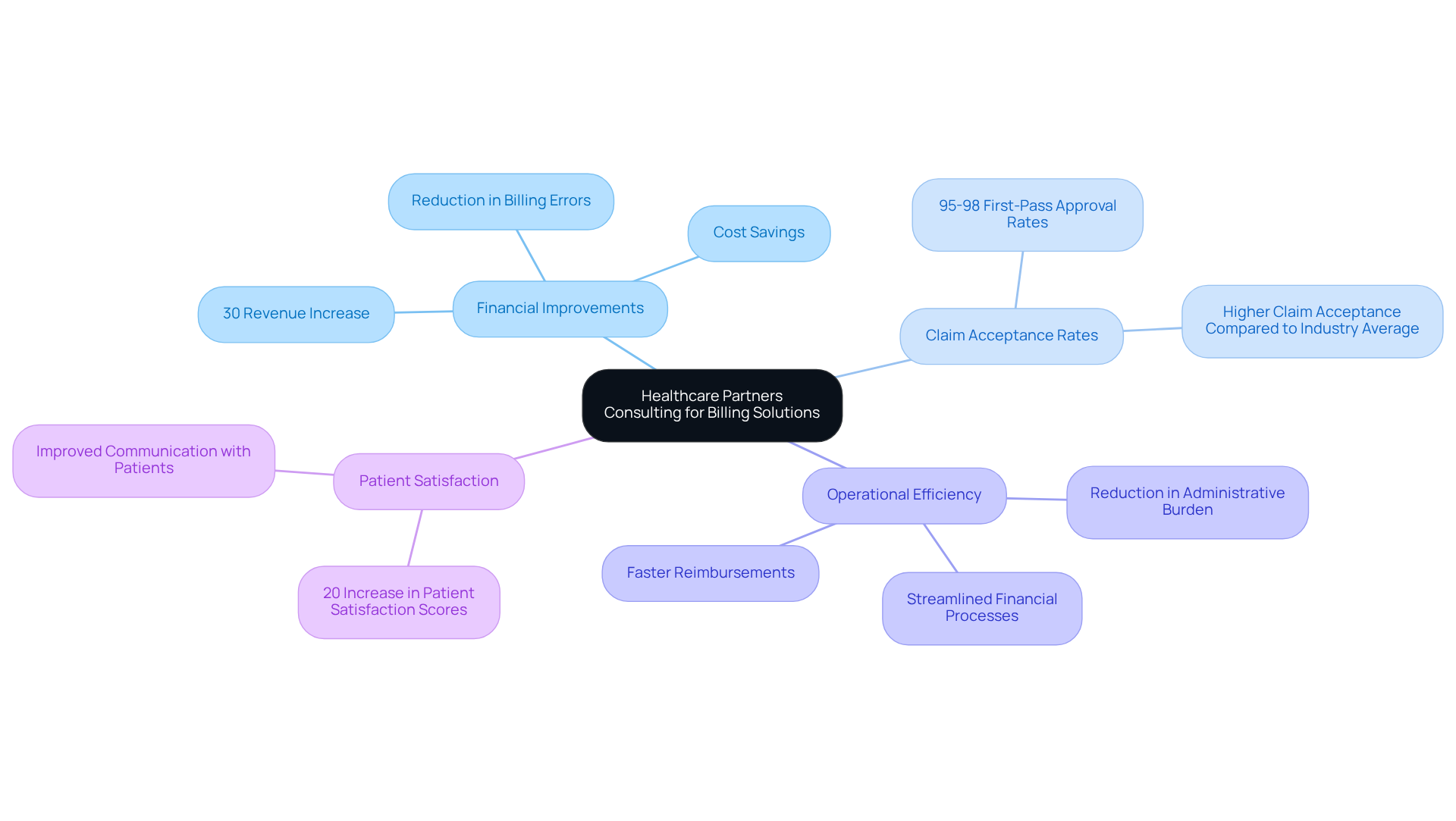
Healthcare providers face increasing challenges in managing financial processes, particularly in the mental health sector. Healthcare Partners Consulting & Billing, LLC (HPC) offers specialized electronic medical billing services that cater to these unique requirements. With a commitment to compliance, efficiency, and enhancing patient satisfaction, HPC helps clinics streamline financial processes. This significantly reduces administrative burdens and improves revenue outcomes. For instance, practices that have partnered with HPC have reported a remarkable 30% increase in revenue, demonstrating the tangible benefits of their financial expertise.
In 2026, as financial constraints tighten, the significance of outsourcing invoicing functions becomes even more pronounced. Clinics that collaborate with HPC benefit from higher claim acceptance rates, with specialized teams achieving first-pass approval rates of 95-98%, compared to the industry average of 85-90%. This improvement in claim acceptance not only accelerates reimbursements but also enhances cash flow, allowing providers to concentrate on patient care.
HPC provides a rapid quiz to assist mental health professionals in evaluating their profitability score, enabling them to identify concealed revenue leaks and obtain tailored suggestions for enhancing efficiency and accuracy in financial processes. This tool underscores HPC’s commitment to empowering healthcare providers by providing tailored solutions that enhance operational success.
Case studies illustrate the transformative impact of HPC’s services. For instance, Dr. Sarah Mitchell’s practice saw a notable decrease in administrative workload while concurrently boosting revenue, showing how effective financial solutions can lead to operational success. Furthermore, invoicing errors are prevalent, with around 80% of medical statements containing mistakes, highlighting the critical need for expert management of these processes. By leveraging advanced technology and analytics, HPC helps clinics navigate these complexities, ensuring compliance with HIPAA regulations and minimizing costly errors.
As the healthcare landscape evolves, the role of comprehensive financial solutions becomes increasingly vital. Clinics that prioritize partnerships with experienced electronic medical billing services providers like HPC can enhance their operational efficiency, improve patient satisfaction, and ultimately deliver better care. As healthcare continues to evolve, the choice of billing partners will determine the success of practices in delivering quality care. With 39 years of experience in the mental wellness sector and a veteran-owned status, HPC stands out as a trusted ally for healthcare practices aiming to thrive in a competitive environment.
Conclusion
Clinics face significant challenges in operational efficiency and patient care due to outdated billing practices. Embracing electronic medical billing services is essential for clinics aiming to enhance these aspects. Automating administrative tasks streamlines billing processes, allowing healthcare providers to concentrate on delivering quality care. The shift towards electronic solutions represents a significant step forward in modernizing healthcare practices, ensuring that providers can navigate the complexities of billing with greater ease and accuracy.
Throughout the discussion, key benefits of electronic medical billing services have been highlighted, including:
- Increased efficiency
- Faster payments
- Cost savings
- Enhanced patient satisfaction
- Improved security
- Compliance with healthcare regulations
The integration of these services with practice management systems further amplifies their effectiveness, allowing clinics to optimize their operations and reduce administrative burdens. With a focus on transparency and accuracy, electronic billing not only improves financial outcomes but also fosters trust between providers and patients.
As the healthcare landscape continues to evolve, clinics must adapt to remain competitive and effective. Clinics that prioritize these solutions will not only enhance their operational efficiency but also improve patient experiences and satisfaction. By partnering with experienced providers like Healthcare Partners Consulting & Billing, LLC (HPC), healthcare practices can ensure they are equipped to thrive in a competitive environment while maintaining a strong commitment to compliance and quality care. The decision to adopt electronic medical billing services is not merely strategic; it is essential for fostering a patient-centered healthcare environment.
Frequently Asked Questions
What are electronic medical billing services?
Electronic medical billing services streamline operations by automating administrative tasks such as claim submissions and payment processing, reducing paperwork time and minimizing human errors.
How do electronic medical billing services improve financial outcomes for clinics?
Clinics using electronic billing can see a 40% rise in patient payments due to streamlined processes, which enhance accuracy and speed in invoicing.
What are the benefits of integrating invoicing with health records?
Integrating invoicing with health records ensures precise and prompt charges, removes unnecessary data entry, and reduces the risk of inaccuracies in medical invoices, which can be as high as 80% in the U.S.
What advancements have been made in electronic medical billing services in 2026?
Recent advancements focus on improving security and compliance, with systems designed to adhere to HIPAA regulations and protect sensitive information through encryption and role-based access controls.
How does Healthcare Partners Consulting & Billing, LLC (HPC) approach compliance?
HPC prioritizes a compliance-first approach, ensuring invoicing processes strictly adhere to HIPAA regulations and offering adaptable service plans based on practice size and claim volume.
What pricing models does HPC offer for their services?
HPC offers various pricing models, including percentage-based, flat-rate for defined scopes, and custom subscription packages, all with transparent pricing and no hidden fees.
What impact does digital invoicing have on mental health clinics?
Clinics that adopted automated invoicing reported a 48% decrease in invoice processing time, allowing staff to focus more on patient care rather than administrative tasks.
How do electronic medical billing services enhance payment cycles?
Electronic billing services enable faster claim submissions and processing, allowing clinics to receive payments within days instead of weeks, thus improving cash flow.
What role does automated systems play in statement delivery?
Automated systems can reduce statement delivery time from several days to immediate email or text delivery, enhancing cash flow and financial stability for clinics.
What cost savings can clinics expect from transitioning to electronic medical billing?
Clinics can eliminate expenses related to paper invoicing, such as printing and postage, and reduce invoicing errors, leading to improved productivity and cash flow.
How does the transition to digital medical invoicing affect patient satisfaction?
Digital invoicing enhances transparency and improves relationships between providers and patients, ultimately leading to greater satisfaction among individuals.