
Introduction
In an era marked by rapid advancements in healthcare technology, clinics face increasing pressure to enhance operational efficiency and patient care. This article explores ten essential features that medical management software must offer, from robust billing solutions to seamless integration capabilities. Clinics must strategically implement these features to enhance operational efficiency and elevate patient care outcomes. Examine the essential role of medical management software in shaping the future of healthcare delivery.
Healthcare Partners Consulting: Comprehensive Medical Billing Solutions
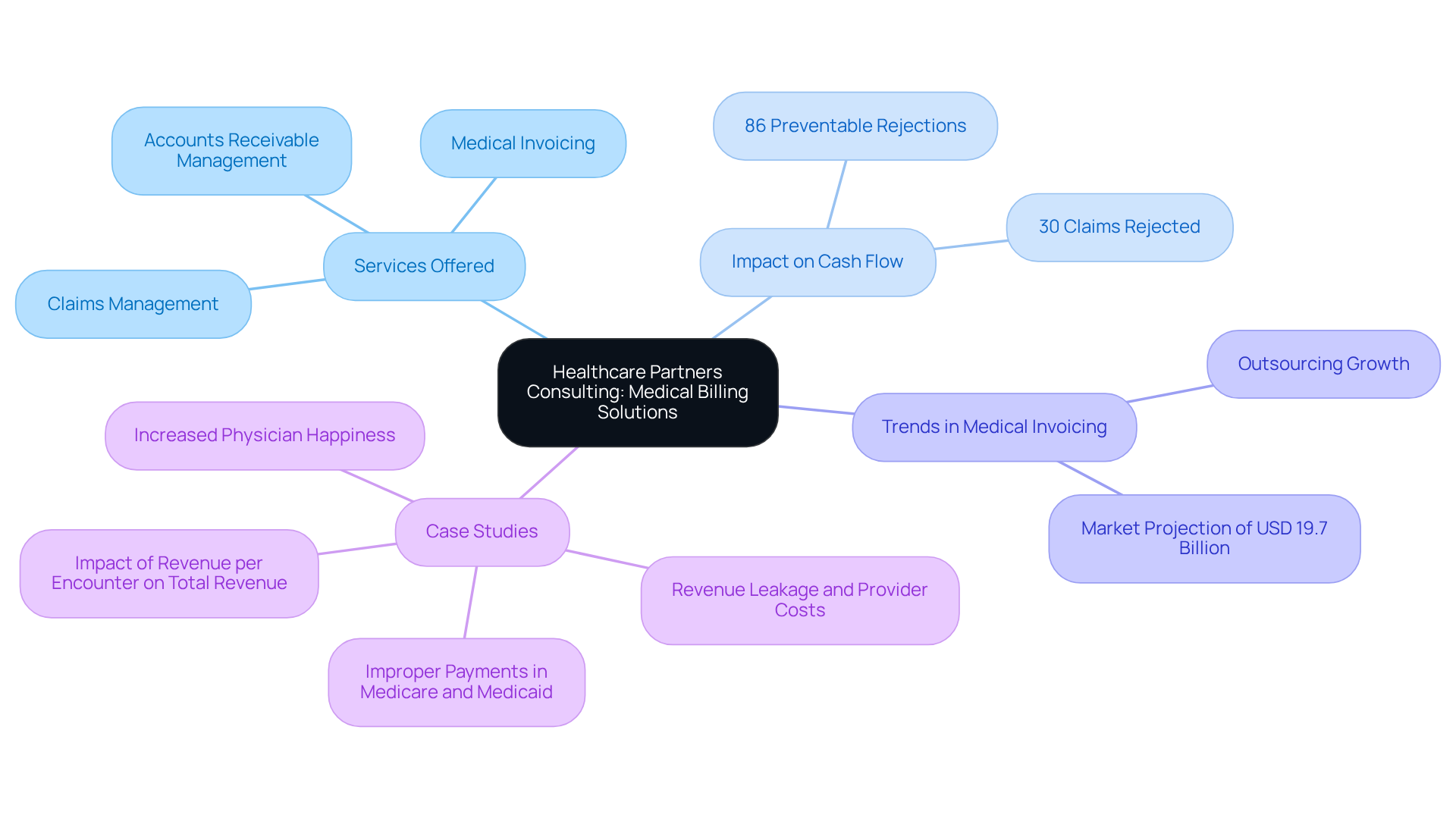
In an era where financial efficiency is paramount, Healthcare Partners Consulting (HPC) provides tailored medical invoicing solutions that address the unique challenges faced by healthcare facilities, particularly mental health practices. Their services encompass expert medical invoicing, claims management, and accounts receivable management, which are crucial for maintaining a healthy cash flow. By outsourcing these administrative tasks to HPC, healthcare providers can optimize their operations and focus more on patient care, enhancing operational efficiency and allowing providers to focus more on patient care. HPC’s targeted approach enables healthcare facilities to effectively manage underpayments, unprocessed claims, and aging claims, thereby streamlining their revenue workflows.
As we look to 2026, the impact of specialized medical invoicing services on cash flow for healthcare facilities becomes increasingly clear. With approximately 30% of insurance claims rejected upon initial submission, and 86% of these rejections being potentially preventable, the need for skilled invoicing practices is undeniable. By leveraging HPC’s expertise, clinics can mitigate these risks and improve their financial stability. Case studies indicate that practices transitioning to HPC’s services have experienced increased monthly revenue and effective resolution of payment bottlenecks, resulting in additional total revenue without initial declines.
Current trends in medical invoicing and claims management reveal a growing reliance on outsourcing, with the U.S. medical invoicing outsourcing market projected to reach USD 19.7 billion by 2034. This shift not only reduces financial pressure but also improves operational efficiency. As healthcare providers face ongoing challenges in managing financial sustainability and compliance, HPC’s tailored billing services emerge as a vital resource, enabling practices to thrive in a competitive landscape.
Electronic Health Records (EHR): Streamline Patient Data Management
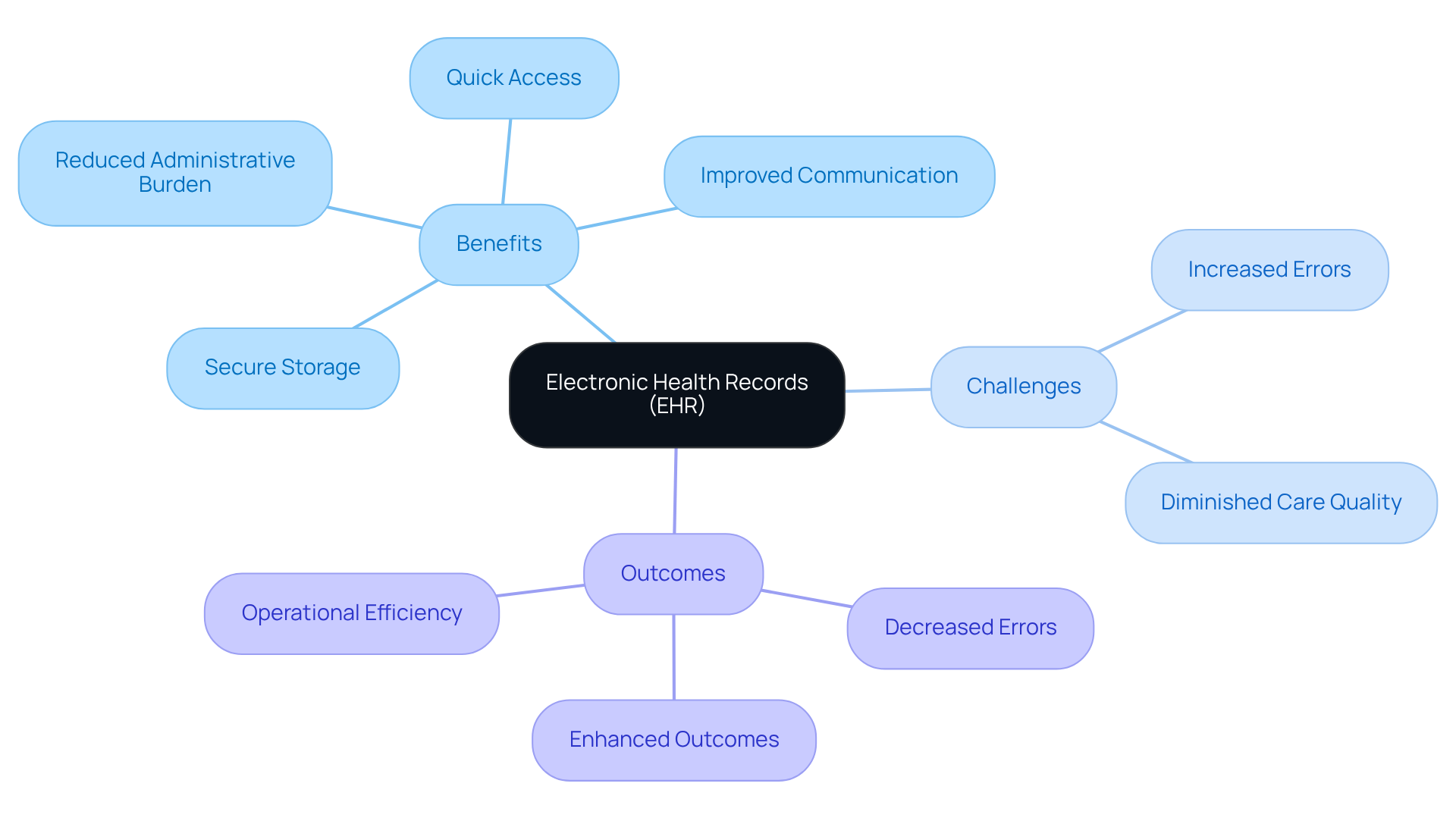
Clinics face significant challenges in managing patient data effectively, making Electronic Health Records (EHR) systems essential for modern healthcare delivery. These systems ensure secure storage and quick access to patient information, essential for effective treatment planning. EHRs offer a comprehensive view of a patient’s medical history, facilitating better communication among healthcare providers and improving care coordination. Additionally, EHRs integrate with billing systems, reducing the administrative burden on healthcare facilities.
The adoption of EHR technology has been shown to decrease errors, enhance outcomes, and boost overall operational efficiency. For instance, a specialty pharmacy that implemented robust EHR systems achieved a 32% reduction in denial rates, translating to an additional $3.2 million in annual revenue.
Without EHR systems, clinics risk increased errors and diminished patient care quality. As healthcare progresses, the incorporation of EHR systems will continue to be a fundamental element for facilities striving to provide high-quality care. The failure to adopt EHR systems may hinder a facility’s ability to deliver optimal patient care and maintain operational efficiency.
Practice Management Systems (PMS): Optimize Clinic Operations
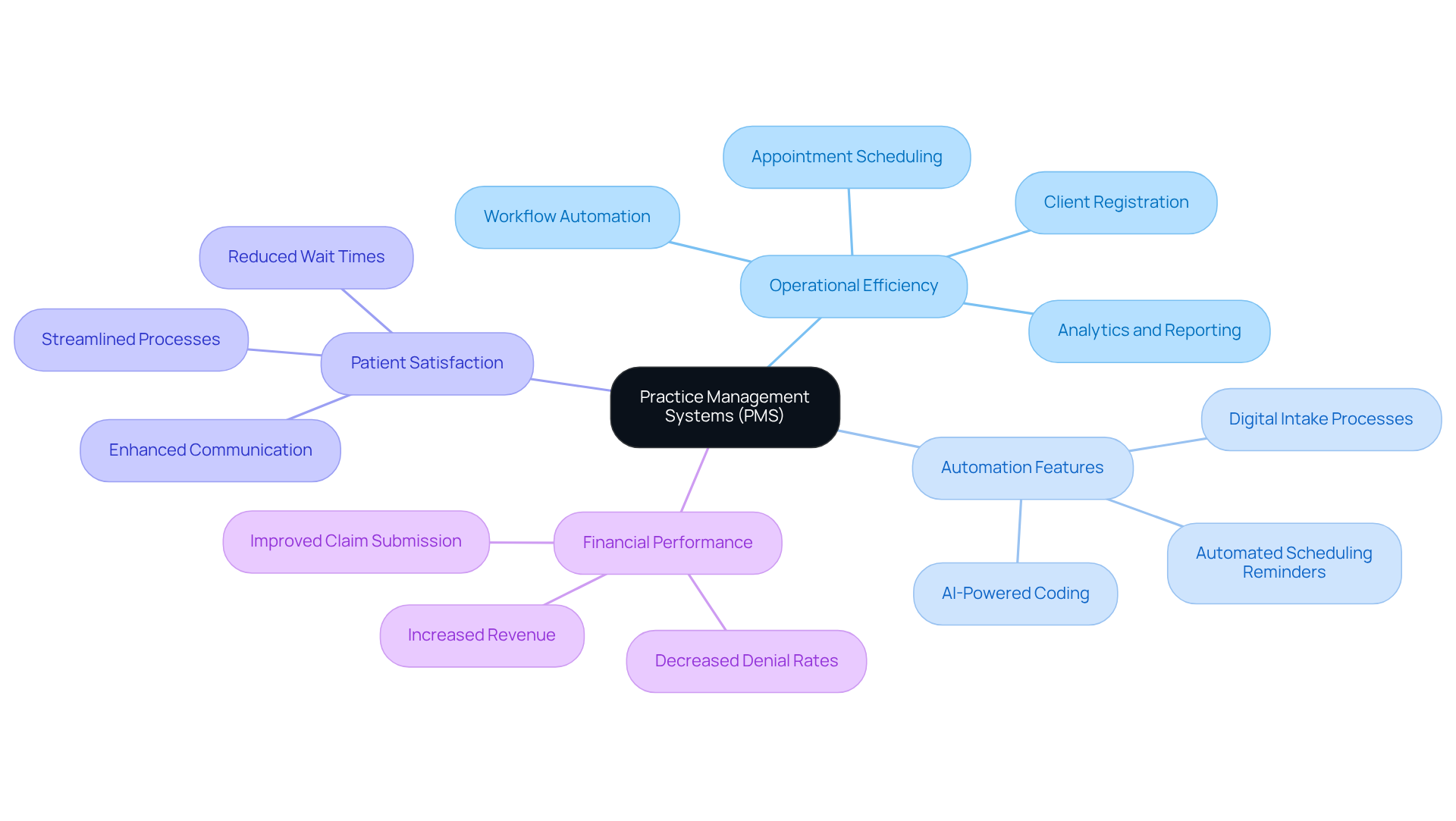
Medical management software, including Practice Management Systems (PMS), are essential tools that significantly enhance operational efficiency in medical facilities. They utilize medical management software to automate key administrative tasks such as appointment scheduling, client registration, and billing. The use of medical management software streamlines workflows, significantly reduces errors, and enhances communication within the practice. Adopting medical management software enables medical facilities to improve client flow and minimize wait times, thereby enhancing patient satisfaction. Additionally, medical management software offers robust analytics and reporting features that empower managers to make data-driven decisions regarding resource allocation and operational improvements.
In 2026, the latest features of medical management software include advanced automation capabilities that can save staff time and improve accuracy. For instance, automated scheduling reminders can reduce no-show rates by up to 30%, while digital intake processes enhance data accuracy by 30% compared to traditional methods. These efficiencies improve operational performance and directly enhance patient satisfaction, as patients appreciate the streamlined processes provided by medical management software and reduced waiting times.
Successful implementation of medical management software has been documented in various facilities, showcasing significant improvements in operational efficiency. For instance, medical facilities that embraced medical management software reported a 35% rise in revenue due to enhanced claim submission procedures and decreased denial rates. Clinic managers have noted that optimizing operations with medical management software allows them to focus more on patient care rather than administrative burdens, ultimately enhancing the overall quality of care provided.
Healthcare Partners Consulting specializes in optimizing administrative and billing services, assisting medical practices in implementing and enhancing their medical management software effectively. By utilizing their knowledge, healthcare facilities can tackle typical issues in practice management by implementing medical management software, ensuring that they optimize the advantages of their systems.
Statements from clinic managers highlight the transformative effect of medical management software:
- ‘With the appropriate medical management software, we can prioritize care while ensuring our operations run smoothly,’ reflects one manager.
- Another adds, ‘The automation features of our medical management software have not only saved us time but have also enhanced our financial performance, enabling us to assist more individuals effectively.’
In summary, the strategic adoption of advanced medical management software features is crucial for medical providers aiming to achieve operational excellence and superior patient care.
Revenue Cycle Management (RCM): Enhance Financial Health
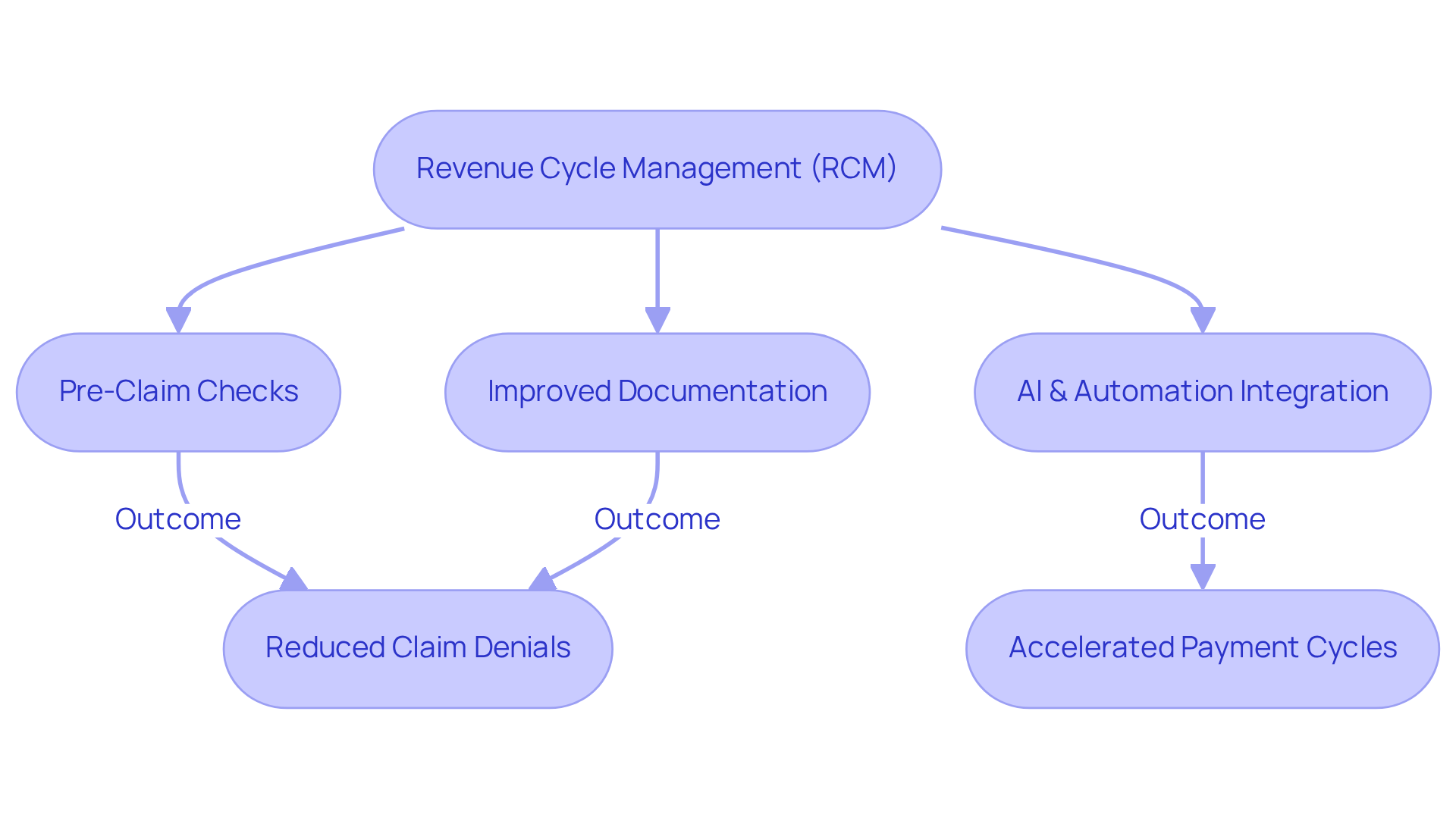
Revenue Cycle Management (RCM) encompasses the essential processes that providers utilize to monitor patient care episodes, from registration to final payment. Effective RCM practices directly contribute to the financial stability of clinics by minimizing claim denials and optimizing revenue cycles. In 2026, strategies to reduce claim denials are more critical than ever, as rising denial rates continue to challenge medical providers. By implementing robust RCM strategies, practices can significantly mitigate claim denials, with proactive measures such as pre-claim checks and improved documentation proving effective in enhancing revenue cycle performance.
The integration of AI and automation in RCM processes is projected to yield significant savings, with estimates suggesting up to $360 billion in annual savings across the healthcare sector. This technological advancement not only accelerates payment cycles but also improves overall cash flow, enabling healthcare facilities to maintain financial viability. Case studies show that organizations implementing these strategies achieve notable financial improvements, allowing them to reinvest in patient care and service enhancements. For instance, healthcare facilities that utilized customized administrative assistance from Healthcare Partners Consulting reported substantial decreases in claim denials and quicker reimbursement cycles. As medical leaders prioritize operational efficiency, the emphasis on effective RCM will be crucial in navigating the complexities of the evolving medical landscape. Without a focus on effective RCM, healthcare facilities risk financial instability and diminished patient care quality.
Telehealth Capabilities: Provide Flexible Patient Care
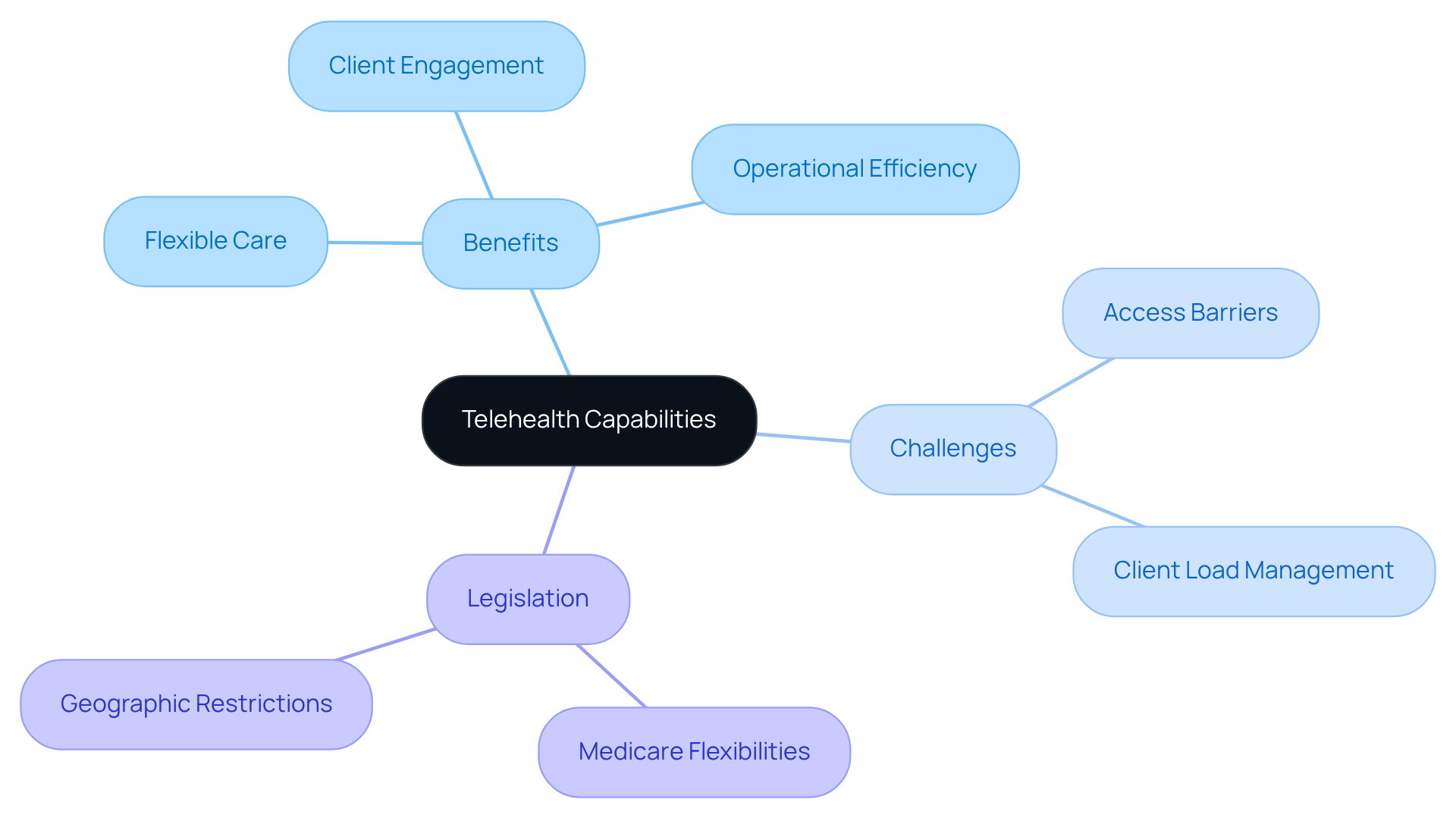
Clinics face significant challenges in providing flexible and accessible care, making telehealth capabilities increasingly vital. Integrating telehealth solutions allows healthcare providers to conduct virtual consultations, significantly enhancing client engagement and satisfaction. Telehealth allows individuals to receive care from home, reducing access barriers, especially for those with mobility challenges or living in rural areas. Furthermore, telehealth can assist clinics in managing client loads more effectively, ensuring that care is delivered promptly and efficiently.
Recent legislation has extended Medicare telehealth flexibilities through December 31, 2027, allowing for continued support of telehealth services. Additionally, there are no geographic restrictions for originating sites for Medicare behavioral/mental telehealth services on a permanent basis, further emphasizing the accessibility of these services.
The integration of telehealth not only enhances client satisfaction but also positions clinics for future success in a rapidly evolving healthcare landscape.
Patient Portals: Enhance Patient Engagement and Communication
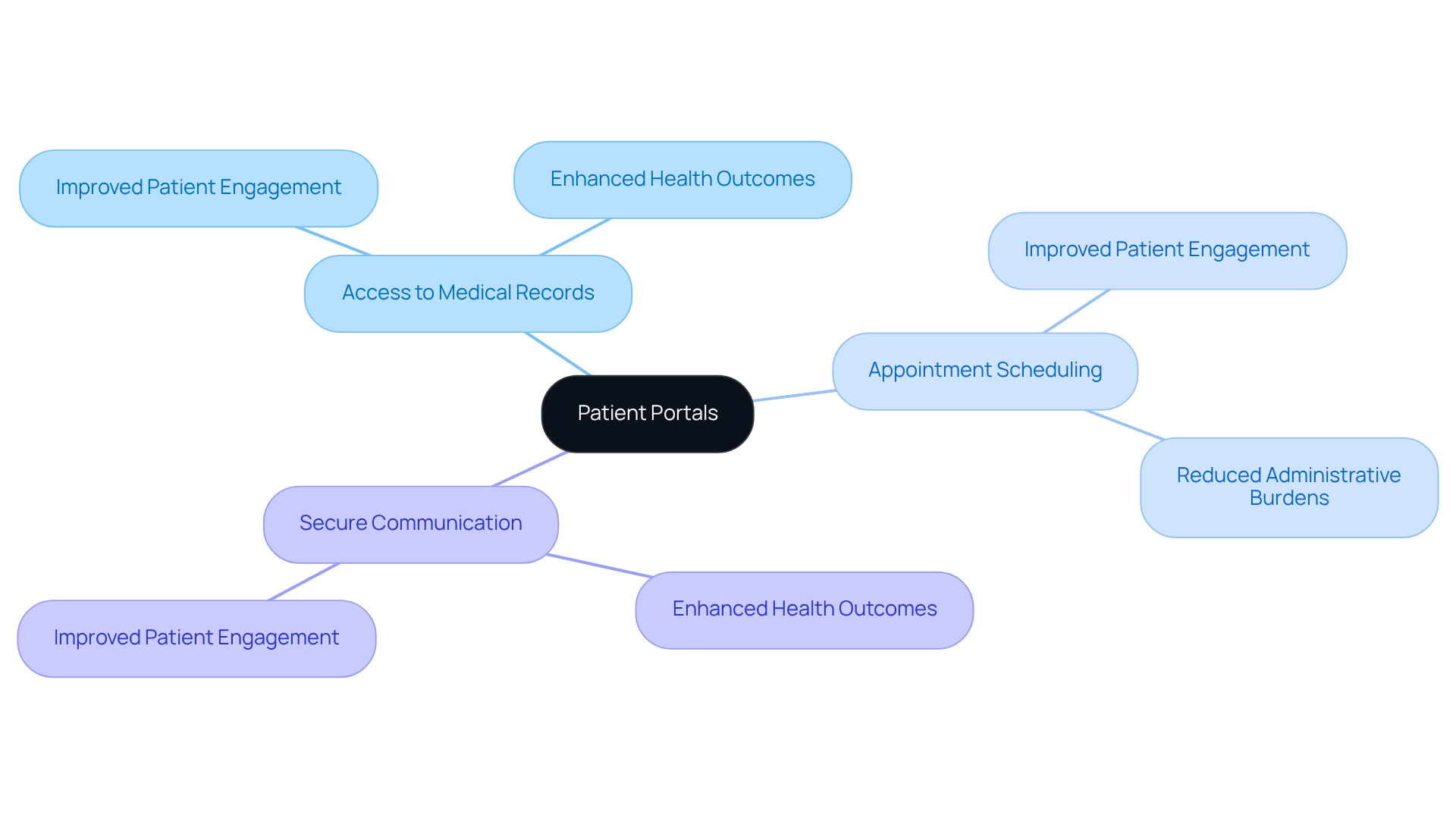
Client portals serve as vital tools in enhancing patient engagement and communication within medical practices. These portals provide individuals with easy access to their medical records, appointment scheduling, and secure communication with healthcare providers. By empowering individuals to take an active role in their care, medical facilities foster a culture of engagement. This heightened engagement directly correlates with improved adherence to treatment plans and enhanced health outcomes. Additionally, client portals alleviate administrative burdens by minimizing phone calls and paperwork, allowing staff to focus on more critical tasks. Ultimately, the implementation of client portals not only streamlines administrative tasks but also fosters a more proactive approach to patient care.
Analytics and Reporting: Drive Data-Driven Decisions
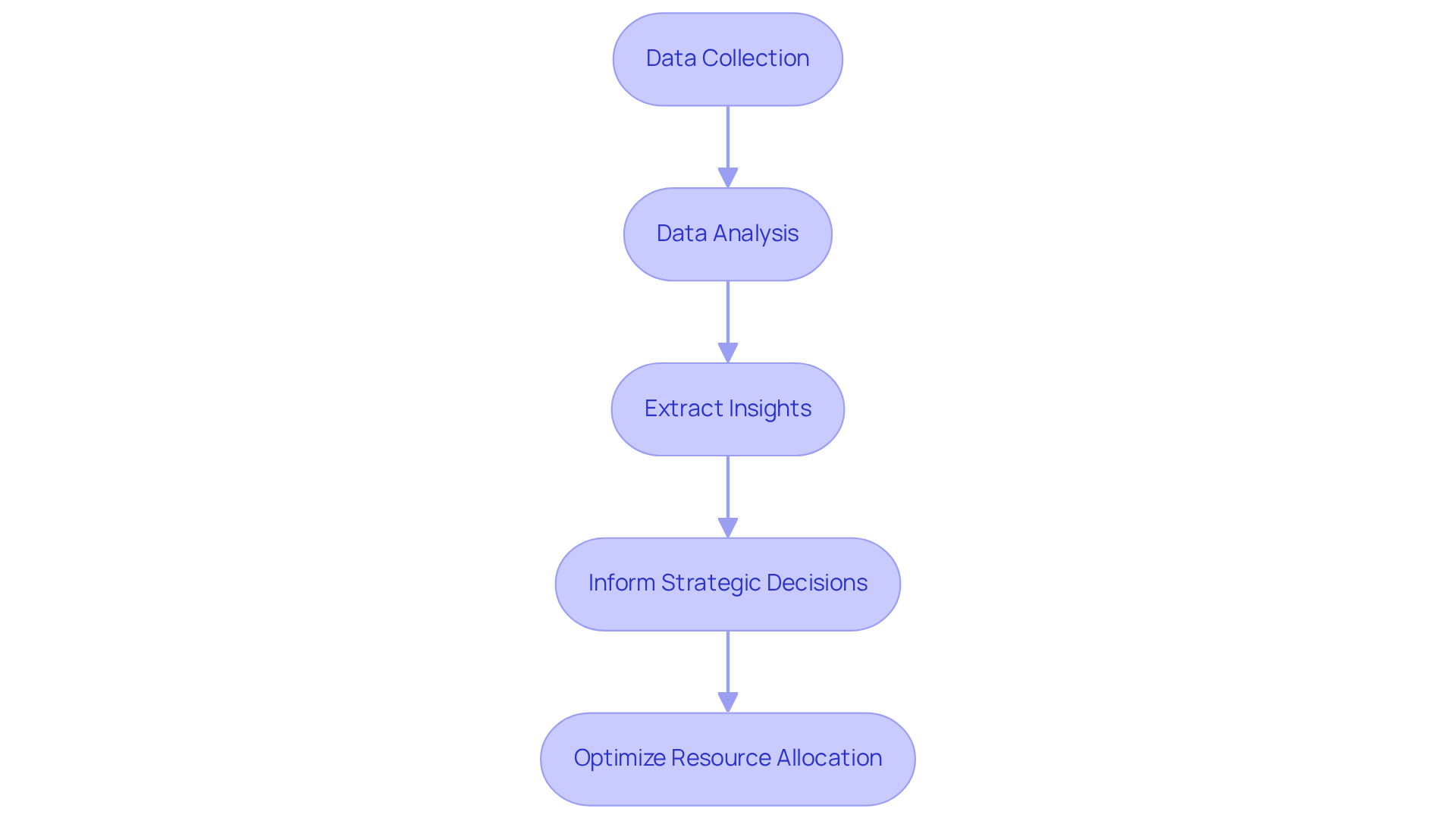
In an era where data is paramount, medical facilities must harness medical management software to utilize analytics and reporting capabilities that inform their decision-making processes. Advanced analytics tools combined with medical management software empower healthcare providers to extract critical insights into demographics, treatment outcomes, and operational efficiencies. These insights inform strategic decisions, enabling healthcare facilities to identify improvement opportunities and optimize resource allocation with the help of medical management software.
Furthermore, medical management software provides robust reporting features that assist in tracking key performance indicators (KPIs), ensuring that practices remain aligned with their goals and objectives. By leveraging data effectively, healthcare facilities can enhance patient care and improve overall operational performance with medical management software. For instance, analytics implementations have been shown to reduce denial rates by up to 40%, illustrating the tangible benefits of data-driven strategies.
Additionally, addressing underpayments, unprocessed claims, and aging claims is essential for enhancing billing processes, and implementing medical management software can greatly influence a facility’s profitability. Healthcare Partners Consulting provides tailored administrative support services to assist medical facilities in managing these challenges effectively.
As medical organizations increasingly produce vast amounts of information-30% of the world’s data in 2025-utilizing medical management software to harness these insights becomes essential for facilities aiming to succeed in a competitive environment. As stated by analyst Peter Drucker, “The quality of care is ultimately influenced by the individual’s perception and experience, not solely by the provider’s intentions.” This shift towards data-driven strategies not only enhances patient care but also optimizes operational performance through medical management software.
Compliance Management: Ensure Regulatory Adherence
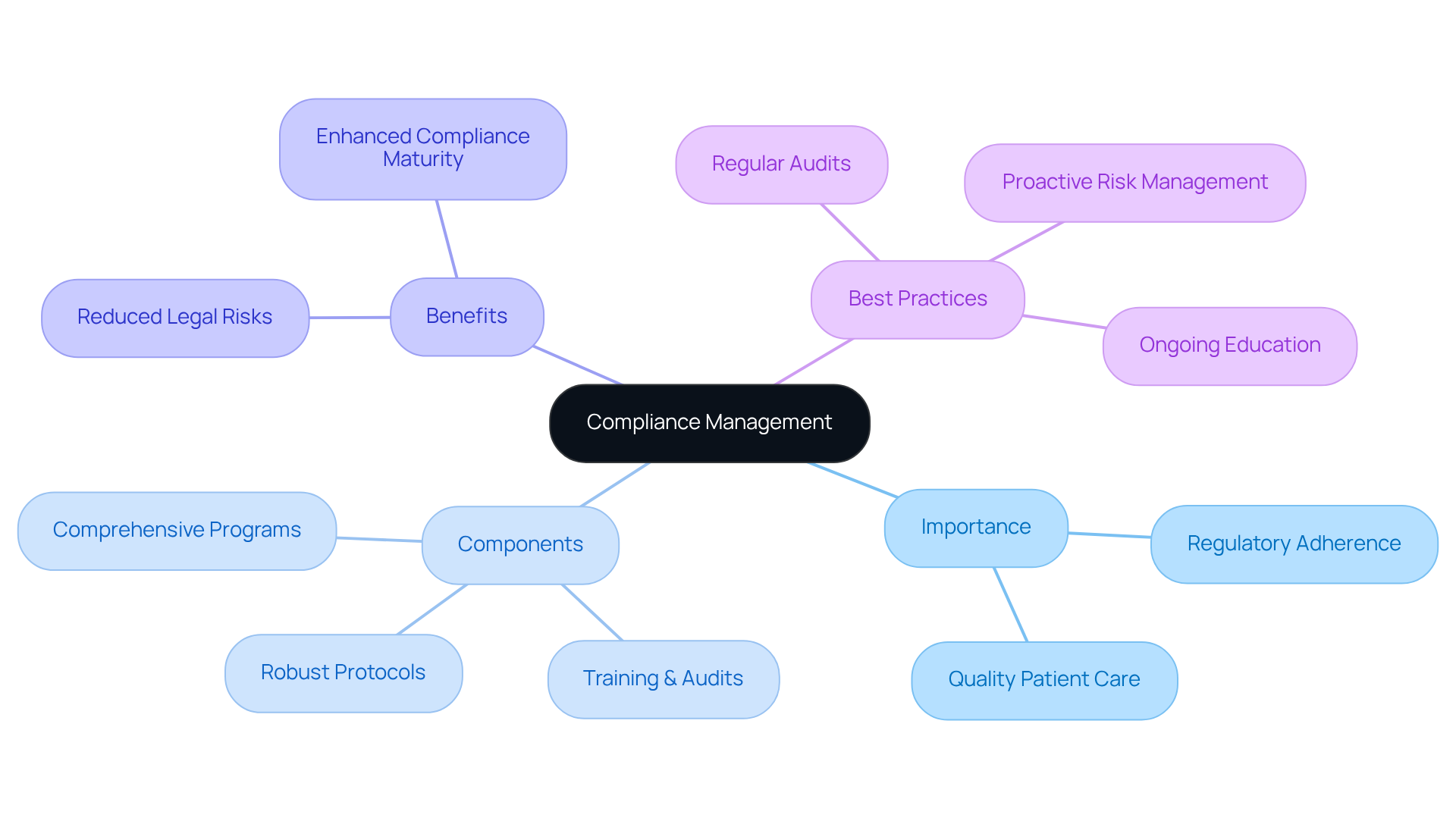
Effective compliance management is critical for healthcare clinics, as it directly impacts their ability to adhere to local, state, and federal regulations. In 2026, effective compliance systems are crucial for mitigating legal risks and ensuring quality patient care.
- Robust compliance protocols safeguard patient information and ensure accurate billing practices.
- They also foster a culture of accountability within healthcare organizations.
- Regular training and audits form the backbone of an effective compliance strategy, allowing healthcare facilities to stay informed about regulatory changes and best practices.
- Organizations that implement comprehensive compliance programs significantly reduce their legal risks.
- Case studies illustrate that facilities prioritizing ongoing education and proactive risk management achieve enhanced compliance maturity.
- Legal specialists emphasize that compliance is not merely a checkbox task; it is essential for operational integrity, safeguarding both clients and providers.
Customization Options: Tailor Software to Clinic Needs
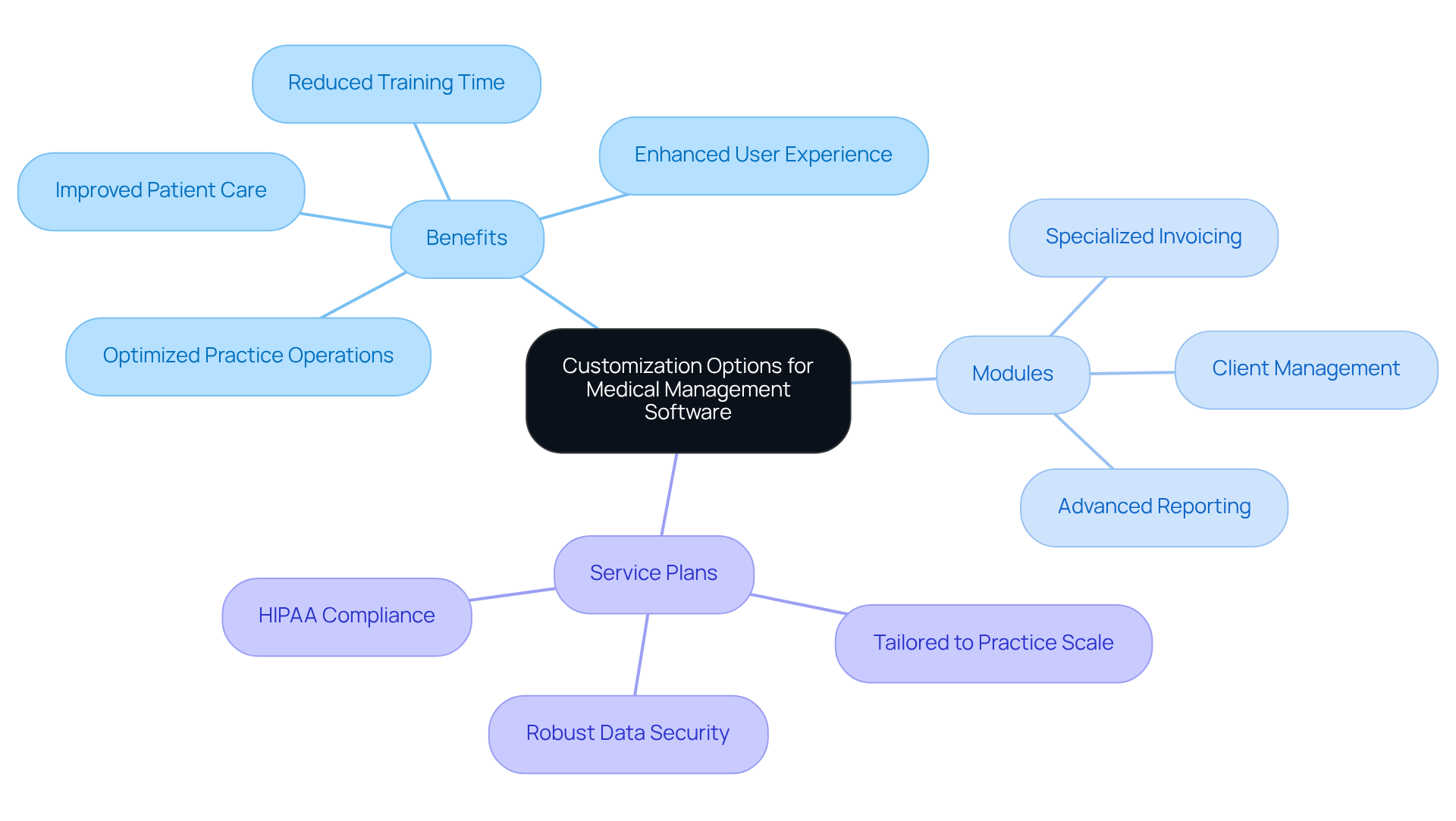
Customization options in medical management software are essential for optimizing practice operations and improving patient care. By enabling practices to tailor features and functionalities, Healthcare Partners Consulting’s medical management software integrates seamlessly into existing workflows and meets operational requirements. This adaptability enhances user experience and reduces training time, resulting in greater overall efficiency. Clinics can select from various modules, such as:
- Specialized invoicing features
- Client management tools
- Advanced reporting capabilities
This ensures that the software effectively meets their specific services. Additionally, adaptable service plans tailored to the practice’s scale ensure robust data security and HIPAA compliance. Clinics can trust that their client information is protected while improving invoicing processes. This comprehensive approach ultimately transforms medical billing workflows and significantly improves the quality of patient interactions by utilizing medical management software.
Integration Capabilities: Ensure Seamless Operations
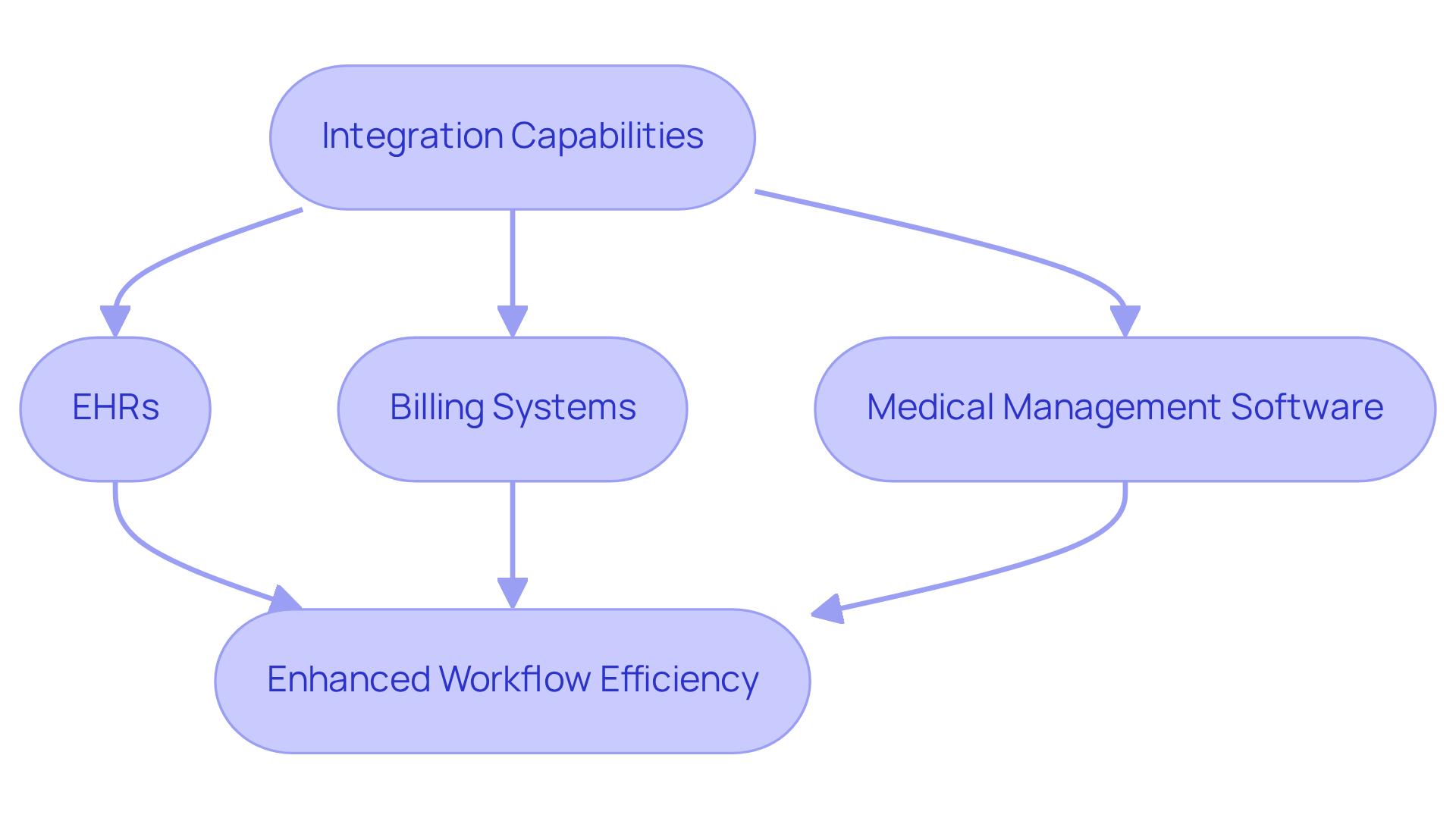
Effective integration in medical management software is crucial for optimizing healthcare operations. By enabling various software applications to interact and exchange information, healthcare facilities can eliminate data silos and enhance workflow efficiency. Integration facilitates real-time updates, significantly reducing manual data entry and minimizing errors. This interconnectedness is particularly crucial for electronic health records (EHRs), billing systems, and medical management software, ensuring that all aspects of care and administrative processes are aligned. Ultimately, the right integration capabilities can transform operational efficiency and elevate the standard of patient care.
Conclusion
Clinics face significant challenges in operational efficiency and patient care quality, making the integration of advanced medical management software essential. Adopting comprehensive solutions such as Electronic Health Records (EHR), Practice Management Systems (PMS), and robust Revenue Cycle Management (RCM) helps healthcare facilities navigate the complexities of modern healthcare delivery while ensuring financial stability and compliance.
Throughout the article, key insights were presented on how these software systems streamline various aspects of clinic operations. From reducing administrative burdens with automated scheduling and billing processes to enhancing patient engagement through client portals and telehealth capabilities, the benefits are manifold. Additionally, the emphasis on compliance management and data-driven decision-making through analytics underscores the importance of a holistic approach to healthcare management.
Without these advancements, clinics may find themselves unable to meet the evolving demands of healthcare delivery. Embracing these essential features not only positions practices for financial success but also significantly enhances the quality of patient care delivered. Ultimately, the decision to invest in advanced medical management software will determine a clinic’s ability to deliver superior patient outcomes and maintain a competitive edge.
Frequently Asked Questions
What services does Healthcare Partners Consulting (HPC) provide?
HPC offers tailored medical invoicing solutions, claims management, and accounts receivable management specifically designed to address the challenges faced by healthcare facilities, particularly mental health practices.
How can HPC’s services benefit healthcare providers?
By outsourcing administrative tasks to HPC, healthcare providers can optimize their operations, enhance cash flow, and focus more on patient care, thus improving overall operational efficiency.
What are the challenges associated with medical billing that HPC addresses?
HPC helps manage underpayments, unprocessed claims, and aging claims, which are crucial for streamlining revenue workflows in healthcare facilities.
What is the significance of specialized medical invoicing services for cash flow?
With around 30% of insurance claims rejected upon initial submission, and 86% of these rejections being potentially preventable, specialized invoicing services are vital for improving financial stability in healthcare facilities.
What impact have clinics experienced after transitioning to HPC’s services?
Clinics that transitioned to HPC’s services reported increased monthly revenue and effective resolution of payment bottlenecks, leading to additional total revenue without initial declines.
What trends are emerging in medical invoicing and claims management?
There is a growing reliance on outsourcing medical invoicing, with the U.S. medical invoicing outsourcing market projected to reach USD 19.7 billion by 2034, which reduces financial pressure and enhances operational efficiency.
Why are Electronic Health Records (EHR) systems important for clinics?
EHR systems ensure secure storage and quick access to patient information, facilitate better communication among healthcare providers, and improve care coordination, which is essential for effective treatment planning.
How do EHR systems affect operational efficiency in clinics?
The adoption of EHR technology has been shown to decrease errors, enhance patient outcomes, and improve overall operational efficiency, such as reducing denial rates and increasing annual revenue.
What risks do clinics face without EHR systems?
Clinics without EHR systems risk increased errors and diminished quality of patient care, which can hinder their ability to deliver optimal healthcare.
What role do Practice Management Systems (PMS) play in medical facilities?
PMS are essential tools that automate key administrative tasks, streamline workflows, reduce errors, and enhance communication within medical practices, ultimately improving operational efficiency.
What benefits do medical management software provide to clinics?
Medical management software improves client flow, minimizes wait times, and enhances patient satisfaction while offering robust analytics for data-driven decision-making regarding resource allocation.
What advancements are expected in medical management software by 2026?
Advanced automation capabilities are expected to save staff time, improve accuracy, and reduce no-show rates, further enhancing operational performance and patient satisfaction.
How has the implementation of medical management software impacted revenue for medical facilities?
Facilities that adopted medical management software reported a 35% rise in revenue due to improved claim submission procedures and decreased denial rates.
How does Healthcare Partners Consulting assist with medical management software?
HPC specializes in optimizing administrative and billing services, helping medical practices implement and enhance their medical management software to tackle common practice management issues.