
Introduction
Urgent care practices face significant operational hurdles that can impede their effectiveness in delivering timely medical services. By addressing these challenges, urgent care practices can significantly improve patient outcomes and operational efficiency. Identifying effective strategies is essential for urgent care providers to excel in a competitive environment. This article will outline essential tools and techniques that empower healthcare providers to reduce administrative burdens and enhance patient experiences.
Identify Essential Software Tools for Efficient Practice Management
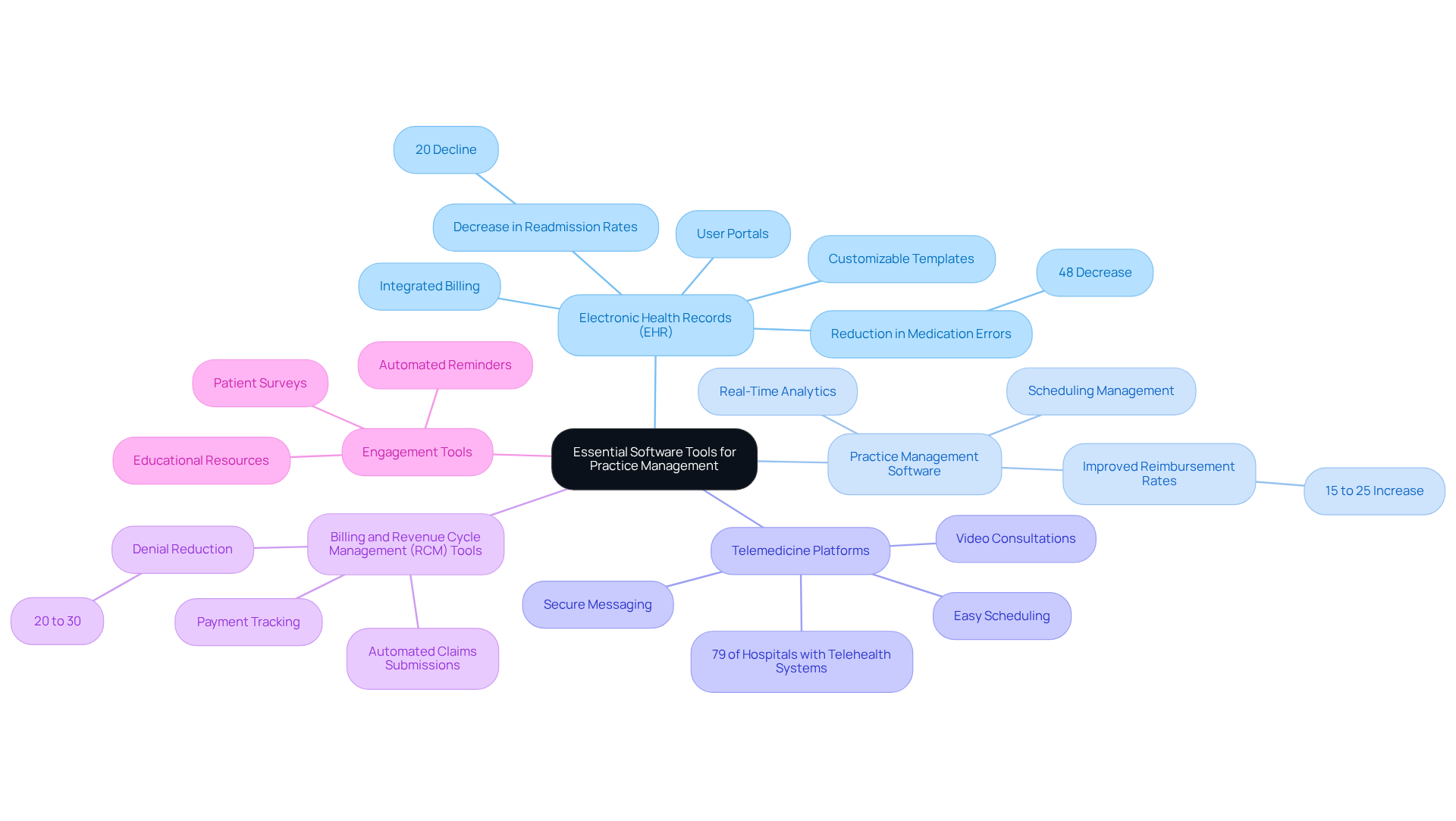
Selecting the right software tools is crucial for urgent care practice management, as it directly impacts operational efficiency and patient care quality. Here are key categories of software that can enhance practice management, supported by the expertise of Healthcare Partners Consulting & Billing, LLC (HPC):
- Electronic Health Records (EHR): A robust EHR system is essential for managing information, streamlining documentation, and ensuring compliance with healthcare regulations. Look for EHRs that offer features like customizable templates, integrated billing, and user portals. EHR implementation has been linked to a 48% decrease in medication errors and can result in a 20% decline in readmission rates, significantly improving safety and quality of care. HPC specializes in EHR integrations with platforms like TherapyNotes and SimplePractice, ensuring seamless compatibility.
- Practice Management Software: This software assists in managing scheduling, billing, and communications with clients. It should integrate seamlessly with your EHR to minimize data entry and errors. Consider tools that offer real-time analytics to track performance metrics. Many practices struggle with delayed reimbursements, impacting their financial stability. However, those utilizing integrated systems report reimbursement rates improving by 15% to 25% within 30 to 90 days, significantly enhancing cash flow and operational efficiency. HPC’s customized solutions enable healthcare providers by alleviating administrative burdens, allowing them to concentrate on delivering quality services.
- Telemedicine Platforms: With the rise of virtual services, having a dependable telemedicine platform is essential. It should facilitate video consultations, secure messaging, and easy scheduling to improve patient access to services. By early 2024, nearly 79% of U.S. hospitals had telehealth systems in place, indicating a growing expectation for telehealth access in urgent care settings. HPC can assist in implementing these platforms effectively.
- Billing and Revenue Cycle Management (RCM) Tools: Effective billing software can automate claims submissions, track payments, and manage denials. Look for solutions that provide detailed reporting to help identify areas for financial improvement. Practices that invest in suitable RCM tools can expect a denial reduction of 20% to 30%, leading to improved revenue cycle performance. HPC’s comprehensive revenue cycle management services are tailored primarily to behavioral and mental health practices, ensuring compliance and maximizing revenue.
- Engagement Tools: These tools facilitate communication with individuals through reminders, surveys, and educational resources. Involving individuals can enhance satisfaction and adherence to treatment plans. Automated reminders and secure communication channels enhance interactions with individuals, leading to better treatment adherence and long-term loyalty. HPC emphasizes how crucial engagement is for overall efficiency.
By investing in these vital software tools and utilizing the expertise of Healthcare Partners Consulting & Billing, LLC (HPC), urgent care practice management can be optimized, administrative burdens can be lessened, and ultimately service quality can be improved. Ultimately, the right software tools can transform operational dynamics, leading to enhanced patient outcomes and practice sustainability.
Enhance Patient Communication and Experience
Effective communication is essential for the success of urgent care practice management, not just beneficial. Here are best practices to consider:
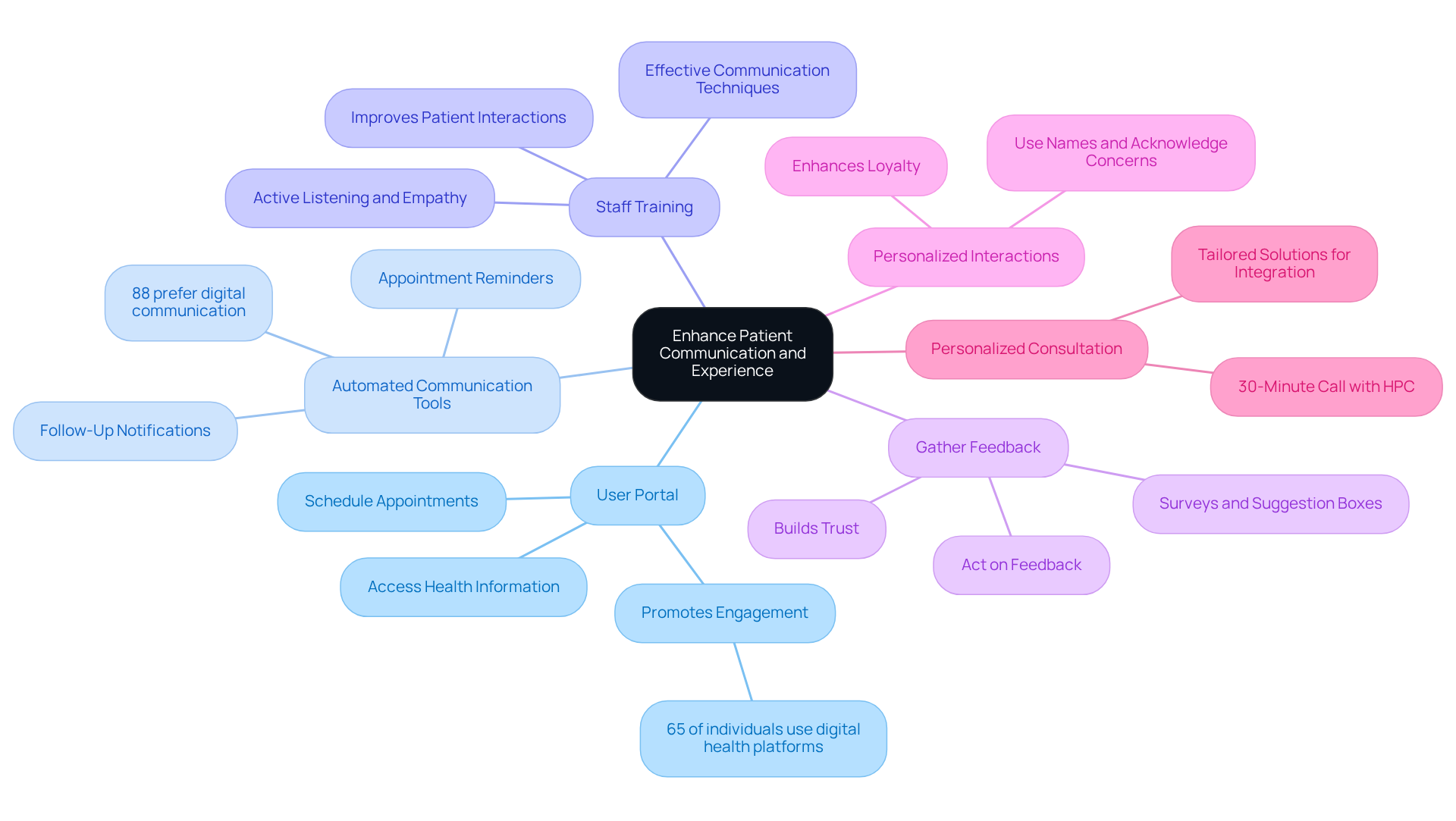
- Implement a User Portal: A user-friendly portal allows individuals to access their health information, schedule appointments, and communicate with providers. This transparency builds trust. It also promotes engagement from individuals. Approximately 65% of individuals utilize digital health platforms, highlighting the need for effective integration with systems like TherapyNotes, SimplePractice, and Valant.
- Utilize Automated Communication Tools: Automated reminders for appointments, follow-ups, and medication refills can significantly reduce no-show rates and improve adherence to treatment plans. SMS and email reminders are effective channels to reach individuals, with 88% of them preferring digital communication from their providers.
- Train Staff on Communication Skills: Ensure that all staff members are trained in effective communication techniques, including active listening and empathy. This training improves interactions with individuals and fosters a welcoming atmosphere, which is essential for satisfaction.
- Gather Feedback from Individuals: Regularly solicit input through surveys or suggestion boxes to understand needs and areas for improvement. Act on this feedback to show dedication to satisfaction, as approaches that actively seek opinions are more likely to retain individuals.
- Personalize Interactions: Encourage staff to customize interactions by using individuals’ names and acknowledging their concerns. This straightforward approach can greatly improve the experience of individuals and foster connections, resulting in enhanced loyalty.
- Schedule a Personalized Consultation: Not sure which service fits best? Consider scheduling a 30-minute call with Healthcare Partners Consulting & Billing, LLC (HPC). They will map your current workflow and guide you toward the services that will drive the most significant progress for your operations, including tailored solutions for seamless integration with EHR and management platforms.
By concentrating on these strategies, urgent care practice management can help urgent care facilities create a positive atmosphere. This ultimately leads to improved health outcomes and enhanced loyalty. Without these strategies, urgent care facilities risk losing patient trust and loyalty, which are vital for sustainable success.
Implement Robust Financial Management Practices
Effective financial management is essential for the sustainability and success of urgent care practice management in a competitive healthcare environment. Implementing the following best practices can significantly enhance financial health:
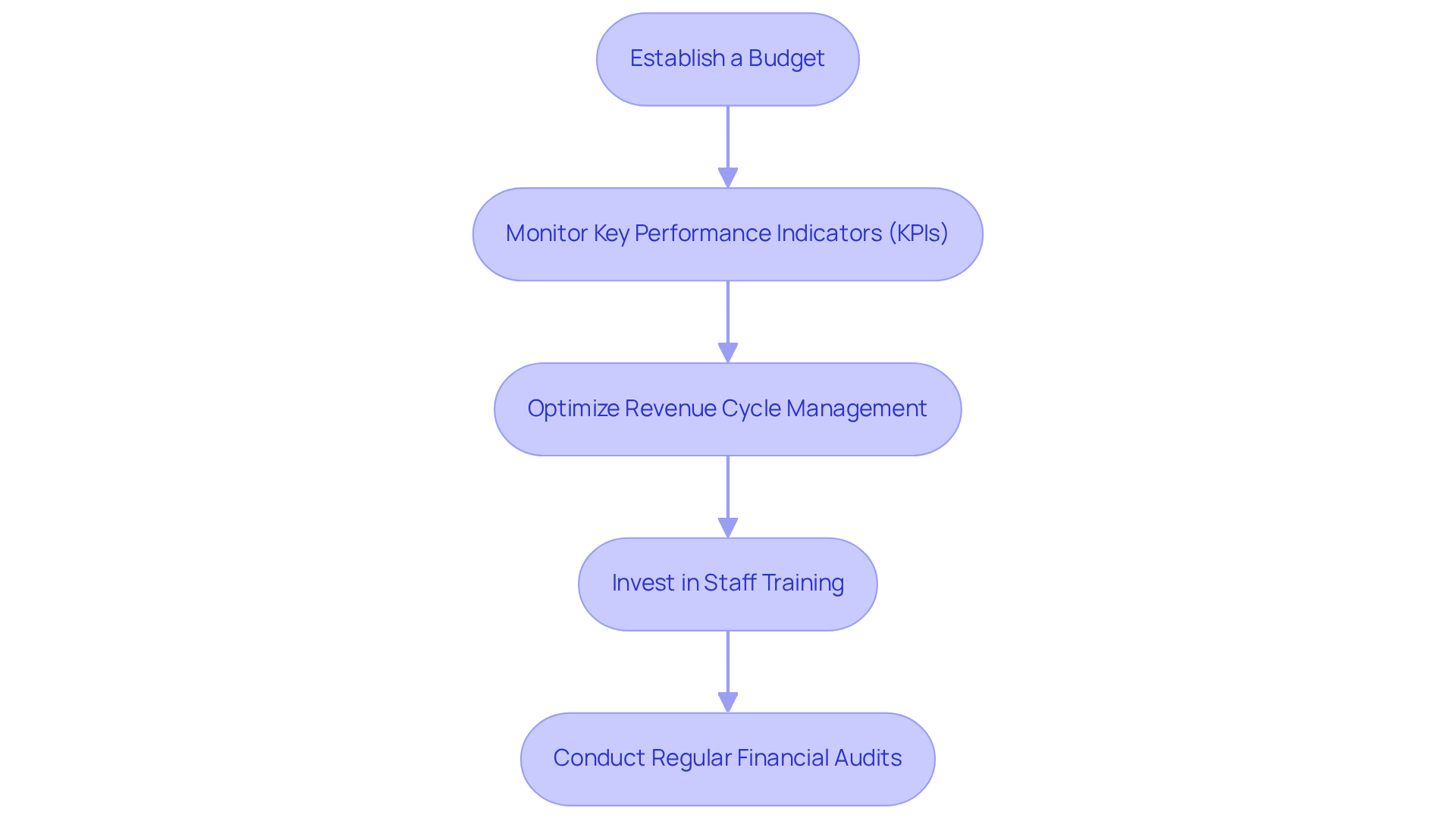
- Establish a Budget: Develop a comprehensive budget that details expected revenues and expenses. Regularly review and adjust this budget based on actual performance to maintain financial stability.
- Monitor Key Performance Indicators (KPIs): Keep track of critical KPIs such as client volume, revenue per visit, and claim denial rates. Analyzing these metrics helps identify trends and areas needing improvement.
- Optimize Revenue Cycle Management: Streamline billing processes to minimize claim denials. This enhancement will improve cash flow significantly. Automated billing systems can ensure timely submissions and effective follow-ups on outstanding claims, including the generation and balance follow-up of patient statements. This contributes to a potential reduction in denial rates by 20-30% and faster reimbursements of 15-25% within 30-90 days. Clinics focusing on comprehensive revenue cycle management have demonstrated improved financial outcomes, as highlighted in recent case studies.
- Invest in Staff Training: Ensure that billing and coding personnel are well-versed in the latest regulations and optimal methods. Regular training reduces errors and improves the accuracy of claims submissions, which is crucial for maintaining revenue integrity.
- Conduct Regular Financial Audits: Periodically review financial statements and processes to identify discrepancies and areas for improvement. This proactive approach reduces financial risks and enhances overall performance.
Implementing these financial management strategies is vital for urgent care practice management; otherwise, urgent care providers may face financial instability that compromises patient support. Addressing challenges such as rising labor costs and reimbursement uncertainties is crucial for sustaining financial health in the current healthcare landscape.
Develop Effective Staff Management and Training Programs
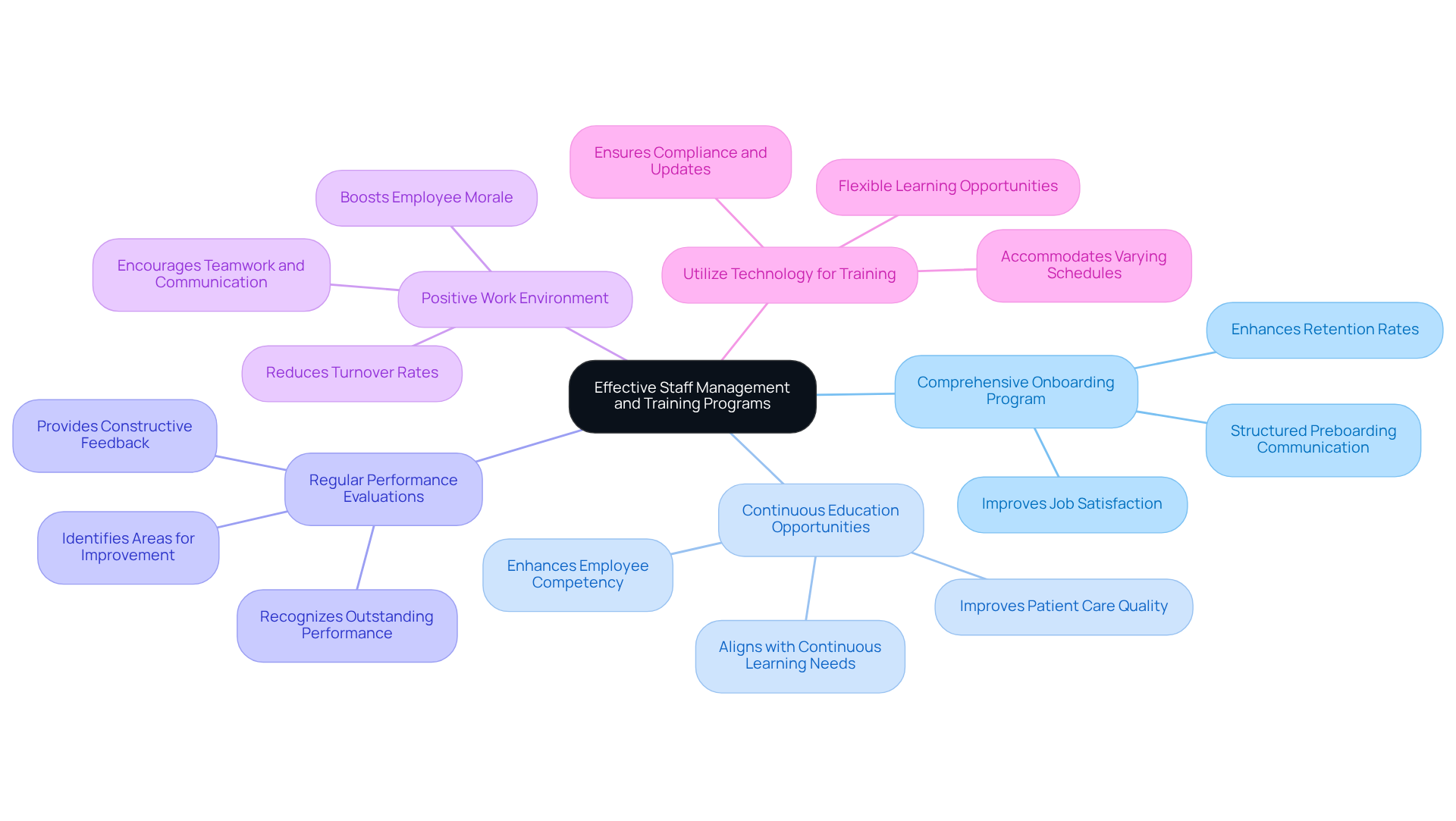
Effective staff management is essential to ensure optimal patient care and operational efficiency in urgent care practice management. Here are best practices for staff management and training:
- Create a Comprehensive Onboarding Program: Develop an onboarding program that introduces new hires to the practice’s culture, policies, and procedures. A structured onboarding process can enhance retention rates by up to 82% and significantly improve job satisfaction.
- Offer Continuous Education Opportunities: Encourage team members to pursue ongoing education and training in their respective fields. This investment not only enhances employee competency but also improves patient care quality, aligning with the need for continuous learning in healthcare environments.
- Implement Regular Performance Evaluations: Conduct performance evaluations to provide constructive feedback and identify areas for improvement. Use these evaluations to set goals and recognize outstanding performance.
- Foster a Positive Work Environment: Cultivating a positive work environment is imperative for boosting employee morale and significantly reducing turnover rates. A supportive and collaborative culture encourages teamwork and open communication.
- Utilize Technology for Training: Leverage online training platforms to provide flexible learning opportunities for employees. This approach can accommodate varying schedules and learning preferences, ensuring that all team members receive the training they need.
By focusing on effective staff management and training programs, urgent care practice management can build a skilled workforce dedicated to providing exceptional patient care, ultimately leading to improved patient outcomes and operational success.
Conclusion
Effective urgent care practice management is not just beneficial; it is essential for operational efficiency and superior patient care. Implementing best practices – selecting appropriate software tools, enhancing patient communication, and establishing robust financial management strategies – enables urgent care facilities to elevate service quality significantly. Healthcare Partners Consulting & Billing, LLC (HPC) empowers healthcare providers by alleviating administrative burdens, enabling them to concentrate on patient care.
Key insights from this article highlight the importance of integrating essential software tools, fostering effective communication, and maintaining sound financial practices. Utilizing electronic health records, practice management software, and telemedicine platforms can streamline operations and improve patient access. Additionally, prioritizing staff training and engagement can lead to a more satisfied workforce, ultimately benefiting patient outcomes. The emphasis on compliance and tailored revenue cycle management further underscores the need for practices to adopt a comprehensive approach to their operations.
In conclusion, urgent care practices must embrace these best practices to thrive in a competitive healthcare landscape. By prioritizing patient engagement, investing in technology, and ensuring financial stability, practices can enhance their operational success and foster lasting relationships with their patients. Engaging with Healthcare Partners Consulting & Billing, LLC (HPC) can be a pivotal step in overcoming these challenges and achieving operational excellence.
Frequently Asked Questions
Why is selecting the right software tools important for urgent care practice management?
Selecting the right software tools is crucial as it directly impacts operational efficiency and the quality of patient care.
What are the key categories of software that can enhance practice management?
The key categories include Electronic Health Records (EHR), Practice Management Software, Telemedicine Platforms, Billing and Revenue Cycle Management (RCM) Tools, and Engagement Tools.
What features should a robust Electronic Health Records (EHR) system have?
A robust EHR system should include customizable templates, integrated billing, user portals, and ensure compliance with healthcare regulations.
How does EHR implementation affect medication errors and readmission rates?
EHR implementation has been linked to a 48% decrease in medication errors and a 20% decline in readmission rates, significantly improving safety and quality of care.
What benefits does Practice Management Software provide?
Practice Management Software assists in managing scheduling, billing, and communications with clients, and should integrate seamlessly with EHR to minimize data entry and errors.
How can integrated systems impact reimbursement rates?
Practices utilizing integrated systems report reimbursement rates improving by 15% to 25% within 30 to 90 days, enhancing cash flow and operational efficiency.
Why are Telemedicine Platforms becoming essential in urgent care?
Telemedicine Platforms facilitate video consultations, secure messaging, and easy scheduling, improving patient access to services, especially as telehealth access is increasingly expected.
What role do Billing and Revenue Cycle Management (RCM) Tools play in practice management?
RCM tools automate claims submissions, track payments, and manage denials, leading to a potential denial reduction of 20% to 30% and improved revenue cycle performance.
How do Engagement Tools contribute to practice management?
Engagement Tools enhance communication with individuals through reminders, surveys, and educational resources, leading to better treatment adherence and long-term loyalty.
How can Healthcare Partners Consulting & Billing, LLC (HPC) assist in optimizing practice management?
HPC provides expertise in implementing software tools, alleviating administrative burdens, and ensuring compliance, ultimately improving service quality and patient outcomes.