

Introduction
The financial intricacies of mental health clinics present significant challenges that can impede operational success. Mastering effective revenue cycle management (RCM) is essential, as it enables healthcare providers to prioritize patient care while ensuring financial stability. As mental health practices strive for financial stability, the question arises: how can they master RCM to enhance their operational efficiency and ensure timely reimbursements? This article delves into best practices for optimizing revenue cycle managed services, highlighting the critical components that can transform financial health and patient outcomes in the mental health sector.
Define Revenue Cycle Management in Mental Health Clinics
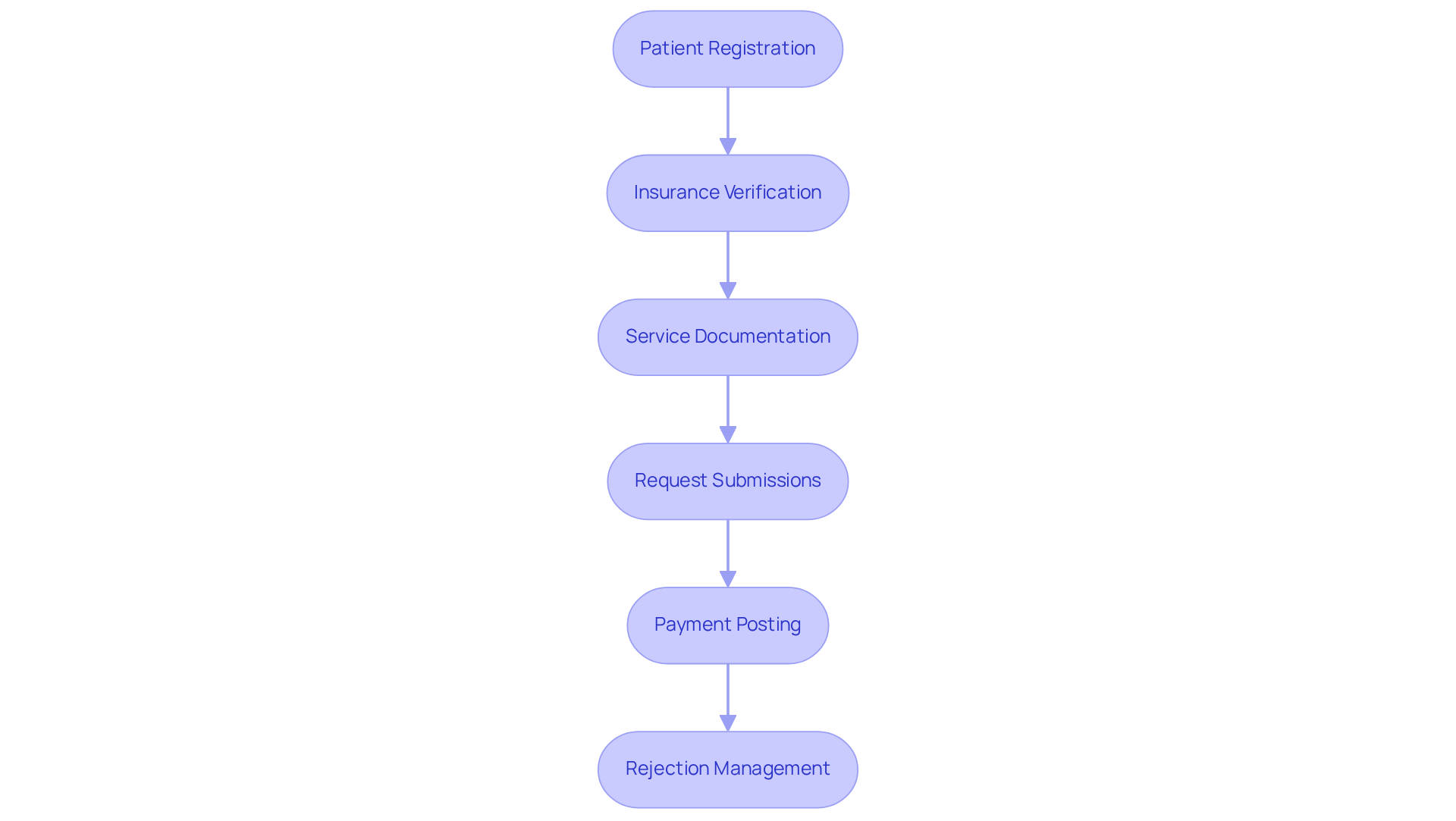
Managing the financial aspects of care in mental health clinics is a multifaceted challenge that requires a structured approach. Revenue cycle managed services encompass the comprehensive process of overseeing these financial elements, from initial appointment scheduling to final payment collection. This procedure includes key phases such as:
- Patient registration
- Insurance verification
- Service documentation
- Request submissions
- Payment posting
- Rejection management
Each step is essential for ensuring that clinics receive timely and accurate reimbursements for the services rendered.
Navigating the complexities of mental health billing can be challenging due to varying payer requirements and specialized coding needs. Effective revenue cycle managed services are crucial for maintaining financial health and ensuring timely reimbursements. Clinics that implement robust RCM strategies can achieve significant improvements, such as:
- Reducing rejection rates by 20-30%
- Accelerating reimbursement timelines by 15-25% within 30-90 days
Furthermore, employing scorecard-driven adjustments can improve the accuracy of submissions and decrease denial rates, demonstrating operational effectiveness. As mental health clinics navigate the evolving landscape of healthcare regulations and payer scrutiny, implementing revenue cycle managed services becomes essential for sustaining financial viability and ensuring quality care.
Healthcare Partners Consulting & Billing, LLC (HPC) enhances this process by offering streamlined revenue cycle managed services and credentialing services, ensuring accurate submissions and quick follow-up. HPC efficiently handles statements, addressing underpayments and unprocessed submissions to enhance billing operations and boost overall practice efficiency. Ultimately, a well-structured RCM process is not just beneficial; it is vital for the sustainability of mental health practices in a competitive landscape.
Identify Key Components of RCM for Mental Health Practices
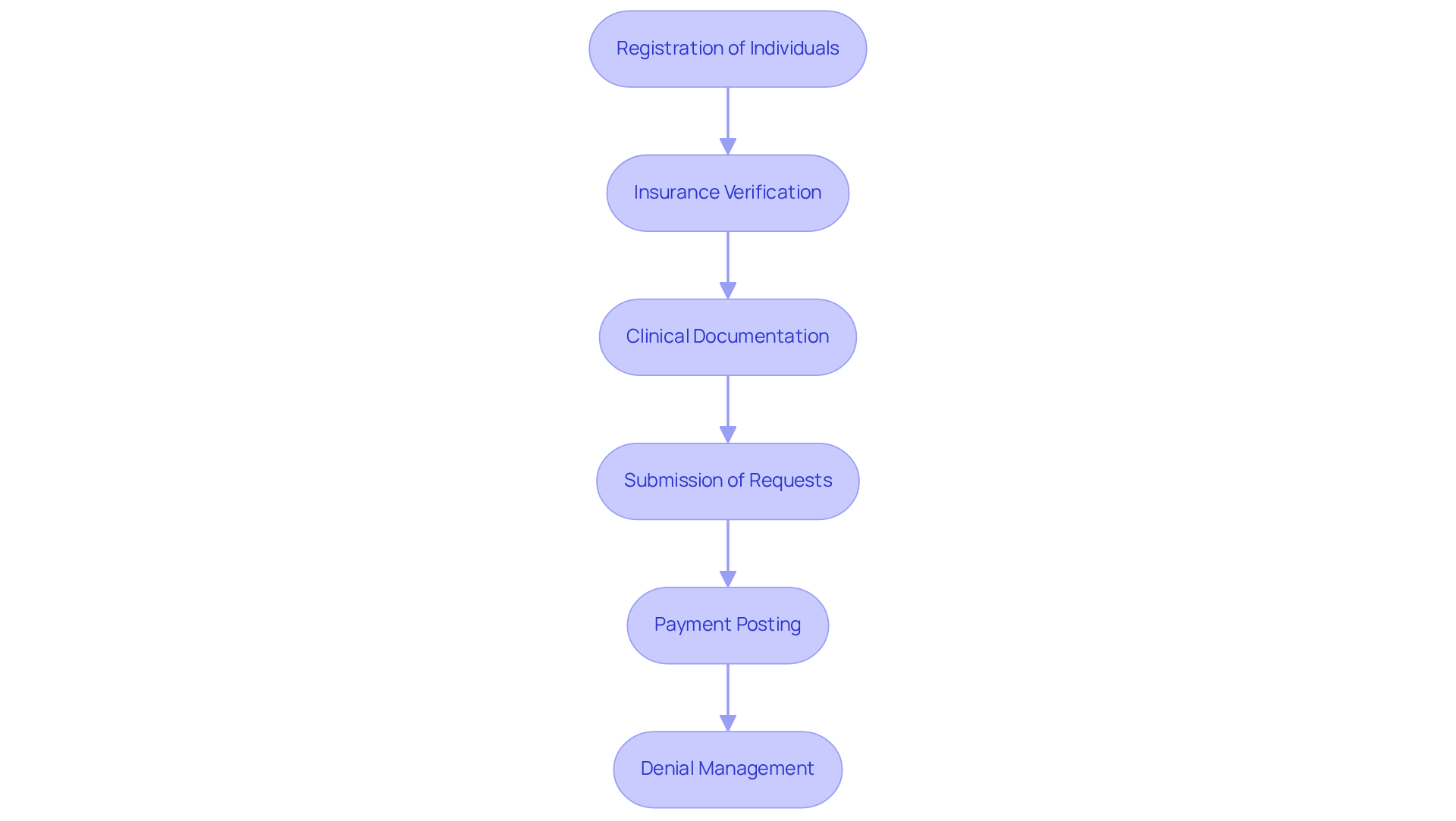
Inadequate management of revenue cycle managed services can result in significant financial losses for mental health practices. Key components of Revenue Cycle Management (RCM) for mental health practices include:
- Registration of Individuals: Precise gathering of individual information, including demographics and insurance details, is essential for reducing denial of claims. Without thorough clinical notes, practices risk facing recoupment challenges during payer audits, emphasizing the need for meticulous record-keeping.
- Insurance Verification: Confirming patient eligibility and benefits before services are rendered helps avoid payment issues later. By verifying eligibility before each session, practices can cut down on denials by 20 to 40 percent, significantly enhancing cash flow.
- Clinical Documentation: Proper documentation of services provided is essential for accurate coding and billing. Inadequate clinical notes can lead to recoupment risks from payer audits, emphasizing the need for meticulous record-keeping.
- Submission of Requests: Timely and precise submission of requests to insurance payers is essential to ensure prompt payment. Delays in submission can stall cash flow and lead to unrecoverable write-offs, making efficiency in this stage critical.
- Payment Posting: Efficient tracking of payments received and outstanding balances helps maintain cash flow. Underpayments can go unnoticed if not properly reconciled, which can lead to significant revenue losses.
- Denial Management: Implementing strategies to address and appeal denied submissions is vital for recovering lost revenue. About 63 percent of rejected submissions can be recovered when properly appealed, emphasizing the significance of a structured management process for appeals.
Focusing on these components can ultimately safeguard the financial health of mental health clinics by utilizing revenue cycle managed services. Practices that consistently execute fundamental RCM disciplines can collect an additional $45,000 to $75,000 per year in revenue, demonstrating the financial impact of effective management.
Leverage Technology and Automation for Efficient RCM
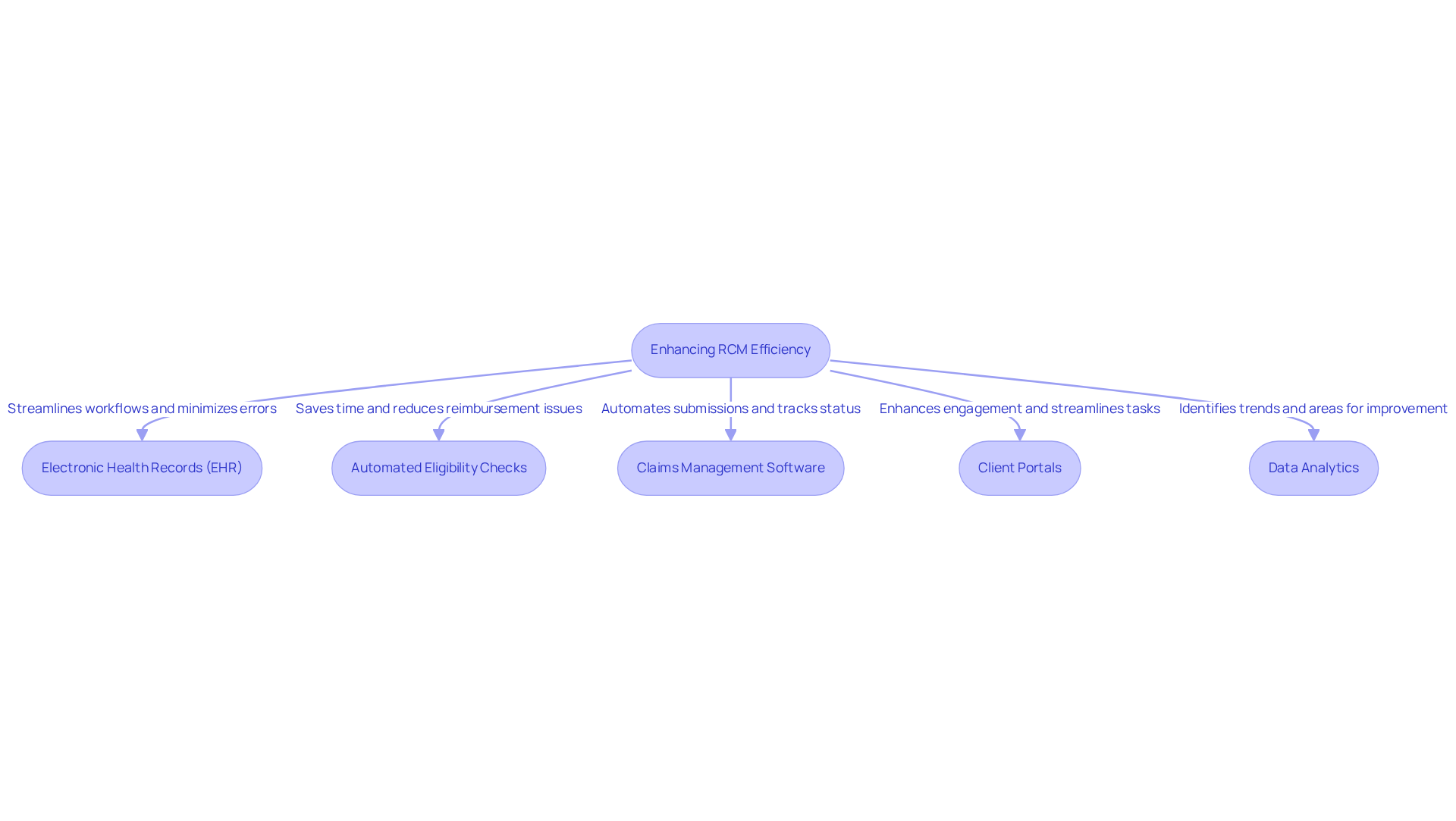
Mental health clinics often struggle with revenue cycle managed services efficiency, which can hinder their financial stability. To enhance Revenue Cycle Management (RCM), these clinics should consider the following technology and automation strategies:
- Electronic Health Records (EHR): Implementing an EHR system that integrates billing and clinical documentation streamlines workflows and minimizes errors, ensuring that all necessary information is readily available for billing purposes.
- Automated Eligibility Checks: Utilizing software that automatically verifies insurance eligibility for individuals saves time and reduces reimbursement issues, addressing a common revenue leak in mental health practices.
- Claims Management Software: Investing in specialized tools for managing submissions automates the process, tracks status updates, and effectively handles rejections, which can lead to a 20-30% reduction in rejection rates and quicker reimbursements within 30-90 days.
- Client Portals: Providing online client portals for scheduling and payments enhances engagement and streamlines administrative tasks, allowing for more efficient management of interactions and financial transactions.
- Data Analytics: Using analytics tools to monitor key performance indicators (KPIs) helps clinics identify trends and areas for improvement in their revenue cycle, allowing clinics to implement scorecard-driven modifications related to claims accuracy, rejection rates, and days in accounts receivable.
Ultimately, the right technology choices, such as revenue cycle managed services, can transform financial health and patient care in mental health practices.
Implement Effective Denial Management Strategies
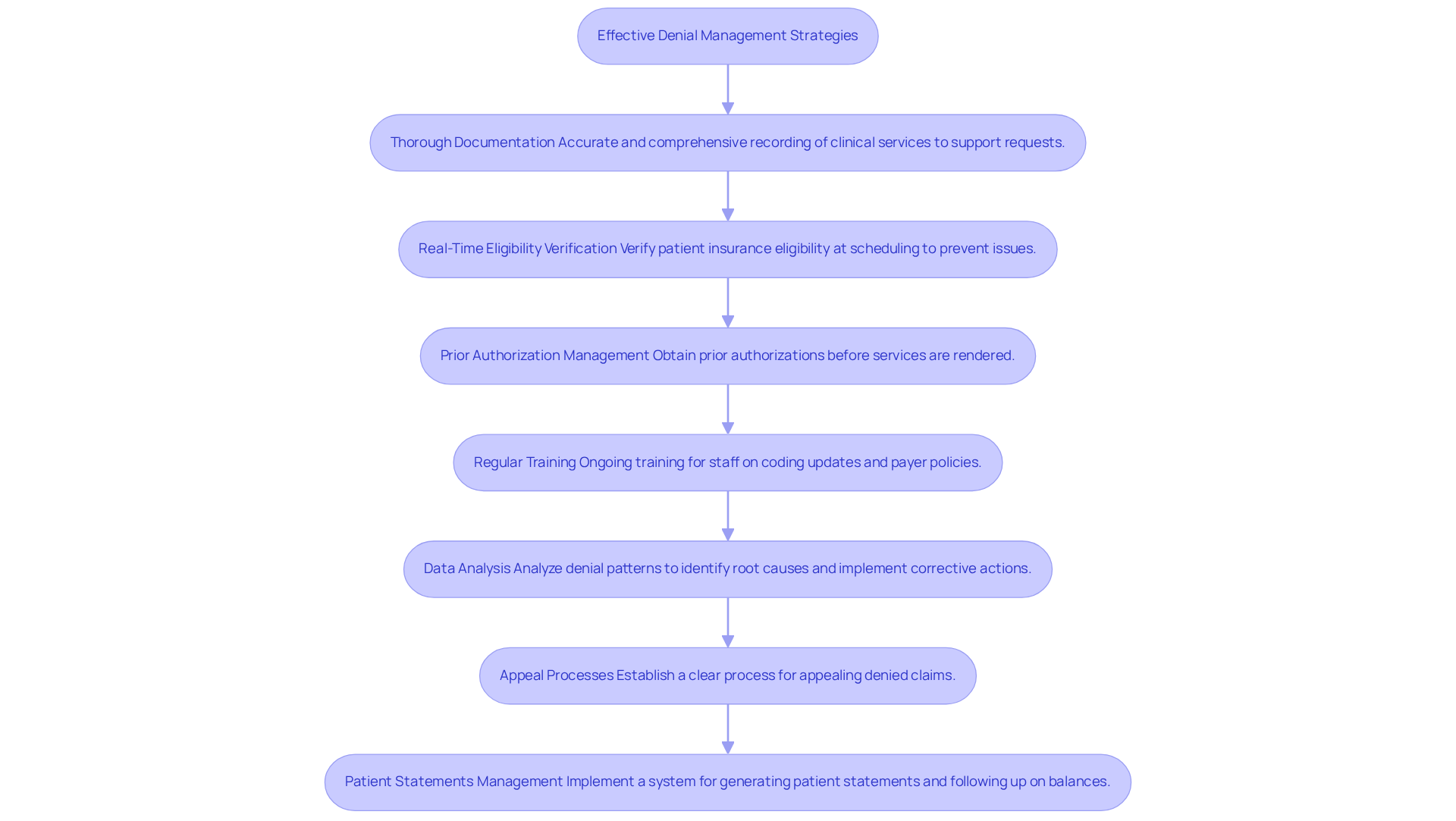
To enhance financial performance, mental health clinics must adopt effective strategies for managing denials and optimizing patient statements:
- Thorough Documentation: Ensure that all clinical services are recorded accurately and comprehensively to support requests. This includes maintaining detailed records that demonstrate medical necessity, which is crucial for avoiding denials. Each denied claim can cost healthcare facilities between $25 and $118 in administrative expenses, highlighting the importance of thorough documentation.
- Real-Time Eligibility Verification: Verify patient insurance eligibility at the time of scheduling to prevent issues later. Implementing comprehensive insurance verification protocols 48 hours before appointments can ensure current information about coverage, copayments, and session limits. Clinics that adopt these practices often see a reduction in rejection rates by 20-30%. They also achieve faster reimbursement times of 15-25% within 30-90 days.
- Prior Authorization Management: Stay updated on payer requirements for prior authorizations and ensure they are obtained before services are rendered. Given that 26% of individuals seeking mental health treatment face preauthorization barriers, proactive management in this area is essential.
- Regular Training: Provide ongoing training for staff on coding updates, payer policies, and rejection trends to minimize errors. Facilities that prioritize employee training see significant improvements in claim management, leading to reduced rejection rates and enhanced financial stability. This aligns with the understanding that effective claims management should be a continuous and comprehensive process.
- Data Analysis: Regularly analyze denial patterns to identify root causes and implement corrective actions. Understanding the types of denials-soft rejections due to minor errors and hard rejections due to significant issues-can help clinics develop targeted strategies to reduce future rejections. Soft rejections can often be resolved easily, while hard rejections require extensive intervention.
- Appeal Processes: Establish a clear process for appealing denied claims, including tracking and follow-up to ensure timely resolution. Clinics that effectively manage appeals can overturn a significant percentage of denials, which improves their overall revenue cycle managed services.
- Patient Statements Management: Implement a robust system for generating patient statements and following up on balances. This includes addressing underpayments, unprocessed requests, and aging submissions to ensure timely payments and maintain cash flow. By implementing these strategies, clinics can not only reduce rejection rates but also significantly improve their financial health.
Invest in Staff Training and Development for RCM Success
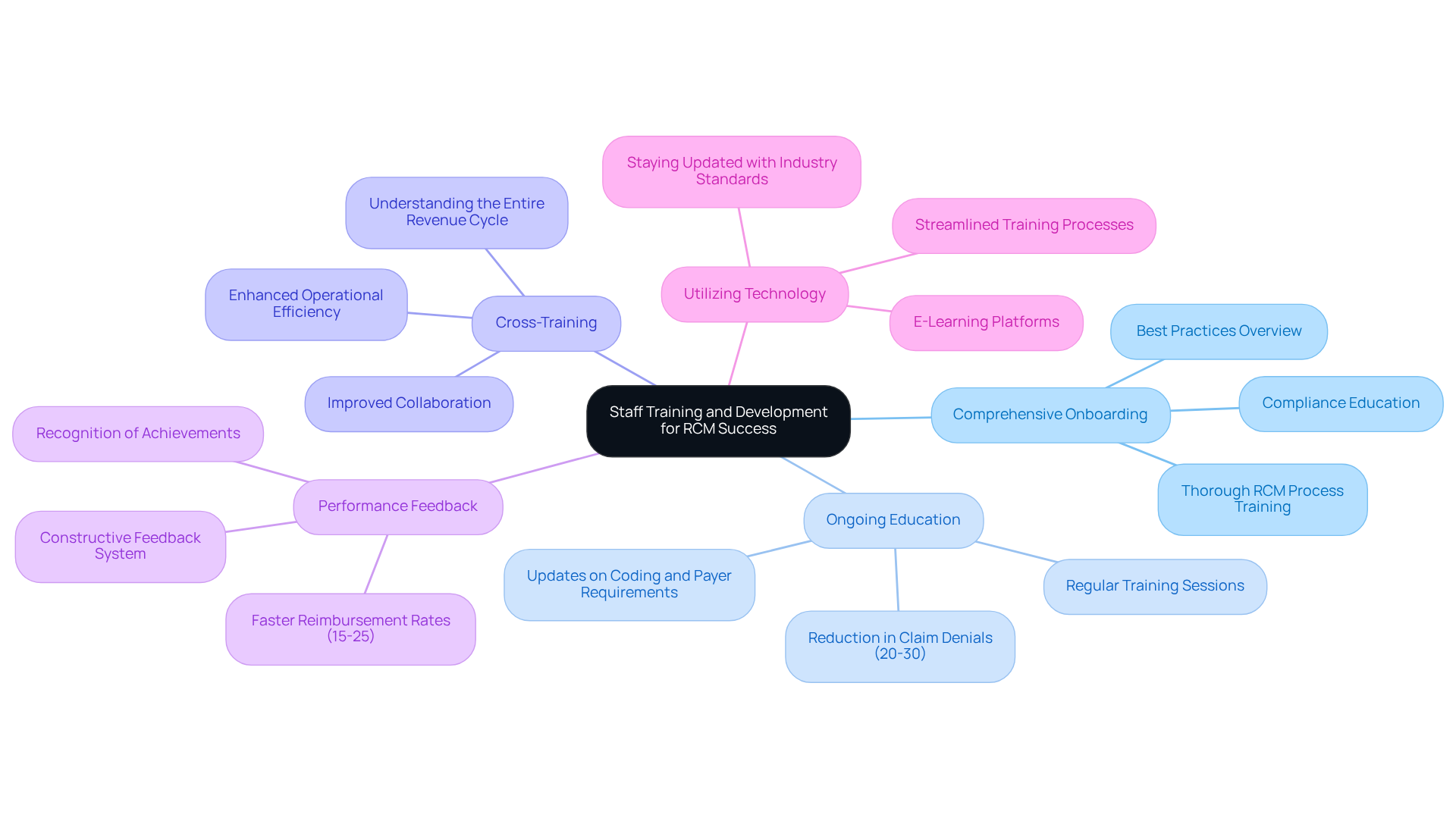
To optimize Revenue Cycle Management (RCM), mental health clinics must prioritize staff training and development through targeted strategies:
- Comprehensive Onboarding: Implement a thorough onboarding program for new hires that covers RCM processes, compliance, and best practices. This foundational training minimizes errors and enhances overall performance.
- Ongoing Education: Provide regular training sessions on coding updates, payer requirements, and RCM tools to keep staff informed and skilled. Continuous education can lead to a reduction in claim denials by 20-30%, significantly improving revenue cycle performance.
- Cross-Training: Encourage cross-training among staff to foster a better understanding of the entire revenue cycle and improve collaboration. This holistic approach enhances operational efficiency and ensures that all team members are equipped to handle various aspects of RCM.
- Performance Feedback: Establish a system for providing constructive feedback and recognizing staff achievements in RCM performance. Regular performance reviews motivate staff and lead to improved outcomes, including faster reimbursement rates of 15-25% within 30-90 days.
- Utilizing Technology: Leverage e-learning platforms and resources to facilitate continuous learning and development. Technology streamlines training processes and ensures that staff remain up-to-date with the latest industry standards and practices.
Investing in staff training enhances RCM processes and reduces errors. This improvement allows mental health clinics to concentrate on delivering quality patient care. Ultimately, neglecting staff training can hinder a clinic’s ability to thrive in a competitive healthcare landscape.
Conclusion
In a competitive healthcare landscape, mastering revenue cycle management is crucial for mental health clinics. By implementing tailored revenue cycle management strategies for mental health clinics, organizations can empower their operations, reduce administrative burdens, and ultimately enhance patient care. Integrating effective strategies and technologies streamlines processes, allowing healthcare providers to focus more on patient care.
Key insights from the article highlight the importance of meticulous management across various stages of the revenue cycle, including:
- Patient registration
- Insurance verification
- Denial management
By implementing robust practices, mental health clinics can significantly reduce claim denials, improve cash flow, and enhance overall financial health. The emphasis on staff training and the adoption of technology further supports the goal of optimizing revenue cycle management, ensuring that clinics remain compliant and efficient.
In conclusion, the significance of effective revenue cycle management in mental health clinics cannot be overstated. Prioritizing these best practices safeguards financial viability and enhances the delivery of high-quality care. Embracing a compliance-first approach and leveraging the expertise of Healthcare Partners Consulting & Billing, LLC (HPC) can lead to transformative outcomes. Engaging with HPC could be the pivotal move that transforms operational efficiency and patient care.
Frequently Asked Questions
What is Revenue Cycle Management (RCM) in mental health clinics?
Revenue Cycle Management (RCM) in mental health clinics refers to the comprehensive process of overseeing financial aspects of care, including patient registration, insurance verification, service documentation, request submissions, payment posting, and rejection management, to ensure timely and accurate reimbursements.
Why is effective RCM important for mental health clinics?
Effective RCM is crucial for maintaining financial health, ensuring timely reimbursements, and navigating the complexities of mental health billing, which includes varying payer requirements and specialized coding needs.
What improvements can clinics achieve by implementing robust RCM strategies?
Clinics can achieve significant improvements such as reducing rejection rates by 20-30% and accelerating reimbursement timelines by 15-25% within 30-90 days.
What are the key components of RCM for mental health practices?
Key components of RCM for mental health practices include: – Registration of Individuals – Insurance Verification – Clinical Documentation – Submission of Requests – Payment Posting – Denial Management
How does proper registration impact RCM?
Precise gathering of individual information, including demographics and insurance details, is essential for reducing claim denials and avoiding recoupment challenges during payer audits.
What role does insurance verification play in RCM?
Confirming patient eligibility and benefits before services are rendered helps avoid payment issues later and can reduce denials by 20 to 40 percent, enhancing cash flow.
Why is clinical documentation important in RCM?
Proper documentation of services provided is essential for accurate coding and billing; inadequate clinical notes can lead to recoupment risks from payer audits.
What is the significance of timely submission of requests in RCM?
Timely and precise submission of requests to insurance payers is critical to ensure prompt payment, as delays can stall cash flow and lead to unrecoverable write-offs.
How does payment posting affect a clinic’s cash flow?
Efficient tracking of payments received and outstanding balances helps maintain cash flow, as underpayments can lead to significant revenue losses if not reconciled properly.
What is denial management and why is it important?
Denial management involves implementing strategies to address and appeal denied submissions, which is vital for recovering lost revenue; about 63 percent of rejected submissions can be recovered when properly appealed.
How can effective RCM impact a mental health practice’s revenue?
Practices that consistently execute fundamental RCM disciplines can collect an additional $45,000 to $75,000 per year in revenue, demonstrating the financial impact of effective management.