Introduction
Therapists encounter significant challenges due to overwhelming administrative tasks that detract from their core mission of delivering quality patient care. The right practice management software can be a game-changer, streamlining essential tasks like scheduling, billing, and documentation, thereby allowing therapists to focus on what truly matters – their clients. Given the numerous options available, practitioners must carefully evaluate and implement the most effective tools to enhance their practice. This discussion outlines best practices for the successful integration of therapist practice management software, empowering healthcare providers to optimize their operations while maintaining a compliance-first approach.
Understand Practice Management Software for Therapists
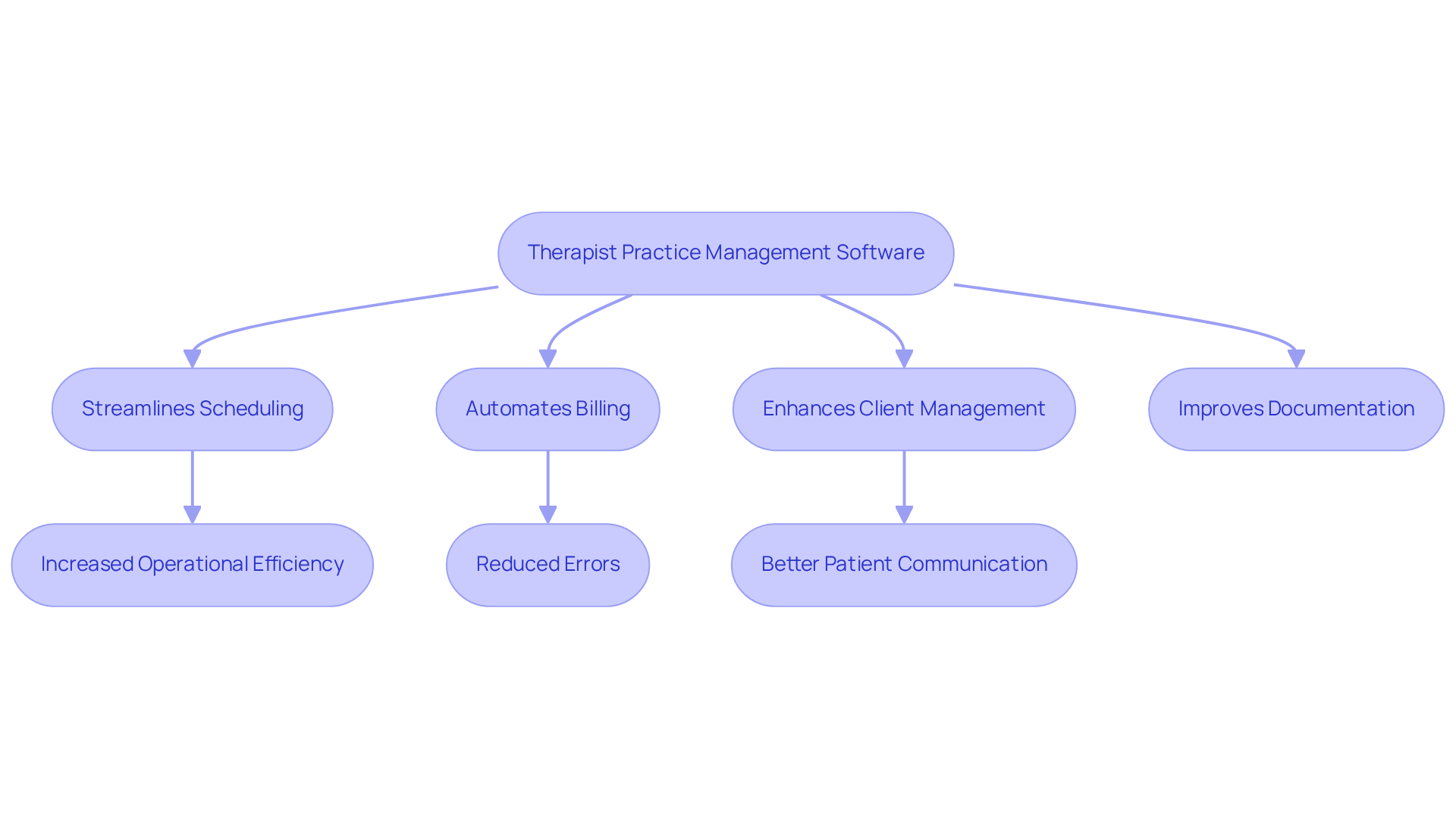
Therapist practice management faces significant challenges in managing administrative tasks, which can detract from the quality of patient care. Therapist practice management tools (PMS) serve as a vital digital solution, designed to streamline scheduling, billing, client management, and documentation. PMS automates these processes, allowing therapists to focus more on patient care. This alleviates the administrative burdens that often detract from the therapeutic experience. The benefits of therapist practice management are clear: they enhance operational efficiency, reduce errors, and improve communication with patients.
Recent advancements in therapist practice management have further solidified its role in mental health care. The integration of AI-driven features and cloud-based solutions allows for real-time data access and improved patient engagement. For instance, the global mental health software market is projected to grow significantly, reaching approximately USD 19.4 billion by 2032, with a compound annual growth rate (CAGR) of 16.4% between 2025 and 2032. This growth is driven by increasing mental health awareness and the demand for efficient therapist practice management tools.
Healthcare Partners Consulting & Billing, LLC (HPC) offers tailored consultations to help organizations identify the most effective administrative solutions for their unique needs. By leveraging integrations with platforms like TherapyNotes and SimplePractice, HPC ensures seamless compatibility with existing systems, enhancing operational efficiency.
Case studies demonstrate the transformative effect of PMS on therapy approaches. For instance, approaches utilizing PMS have reported a 20-30% decrease in claim denials and a 15-25% increase in reimbursement speed within 30-90 days. These improvements not only enhance revenue cycle performance but also contribute to better patient outcomes.
As the mental health landscape continues to evolve, the adoption of therapist practice management is becoming increasingly essential for therapists. Embracing PMS not only streamlines operations but also empowers therapists to prioritize their clients’ needs more effectively. To learn more about how HPC can support your work, get in touch at info@hpcbilling.com or call 888-517-4992.
Identify Key Features for Effective Software Selection
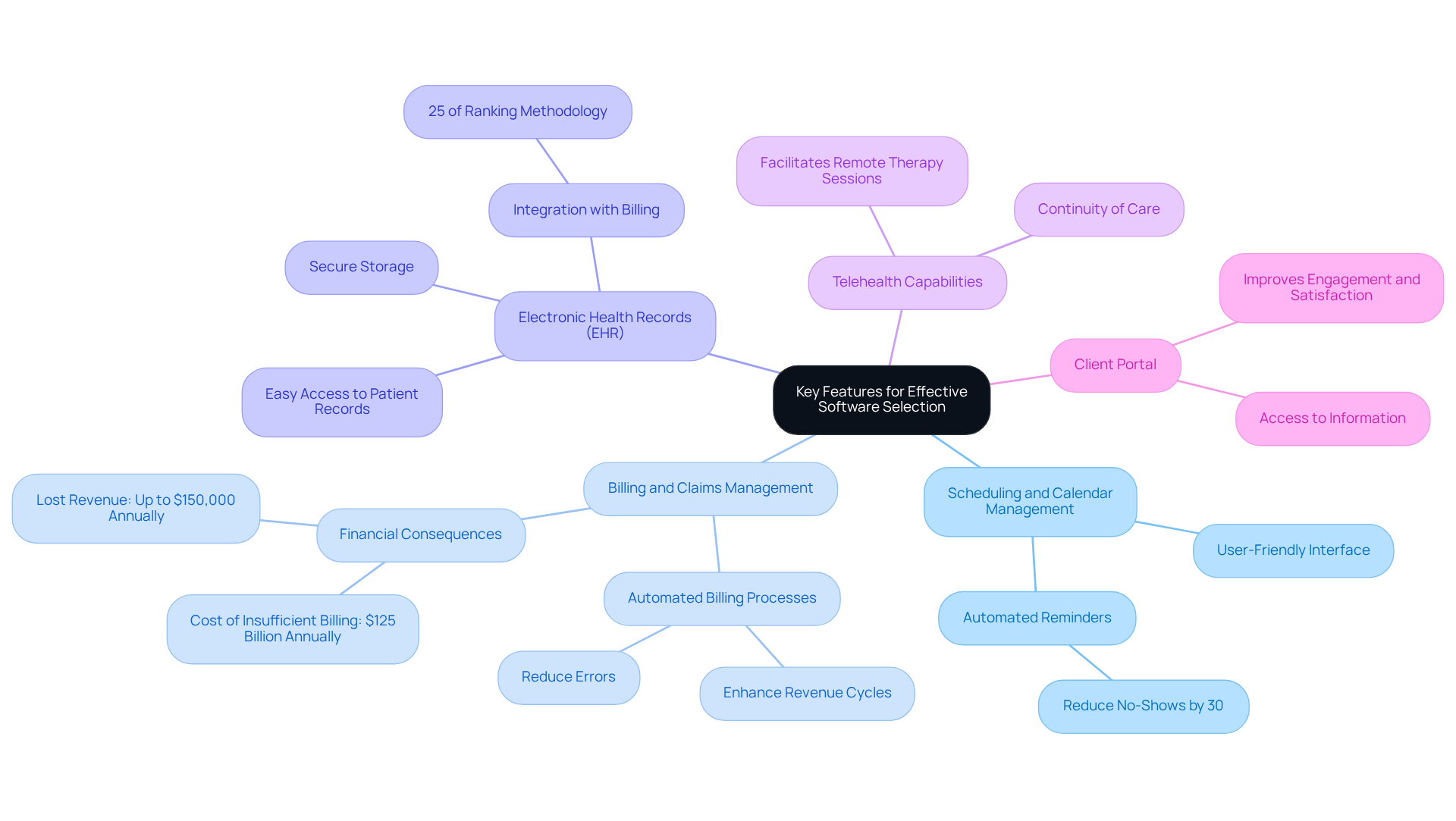
Selecting the right software for therapist practice management is crucial for enhancing efficiency in therapy operations and ensuring compliance with healthcare regulations. Essential functionalities include:
- Scheduling and Calendar Management: A user-friendly interface is essential for managing appointments and client schedules, as it can significantly reduce no-shows by up to 30% through automated reminders.
- Billing and Claims Management: Automated billing processes are critical for reducing errors and enhancing revenue cycles. Insufficient billing methods cost doctors approximately $125 billion annually, highlighting the need for effective oversight. Limited automation and weak denial oversight can cost organizations up to $150,000 each year in lost revenue, emphasizing the financial consequences of effective billing oversight.
- Electronic Health Records (EHR): The integration of Electronic Health Records (EHR) is vital for secure storage and easy access to patient records and treatment notes, significantly reducing medical errors and enhancing patient safety. The integration of EHR and billing processes is essential, as it represents 25% of the ranking methodology for management applications.
- Telehealth Capabilities: Integrating virtual consultation tools is essential for facilitating remote therapy sessions, ensuring continuity of care, especially in times of increased demand for telehealth services.
- Client Portal: A secure client portal enhances operational efficiency by allowing clients to access their information, schedule appointments, and communicate with their counselor, ultimately improving engagement and satisfaction.
By concentrating on these essential features, therapists can ensure they select therapist practice management software that enhances their efficiency and supports adherence to healthcare regulations. For example, approaches utilizing advanced analytics for operational insights have reported improved decision-making capabilities and identification of bottlenecks, leading to enhanced overall performance. Additionally, integrating automated insurance verification can prevent denied claims and unexpected patient balances, further supporting financial sustainability.
Healthcare Partners Consulting, a veteran-owned firm with 39 years of expertise in medical billing and operational oversight, provides customized solutions that cater to the distinct requirements of behavioral and mental health services. Their extensive revenue cycle oversight services guarantee that healthcare providers can concentrate on patient care while reducing administrative challenges. Ultimately, the right software for therapist practice management not only streamlines operations but also protects the financial health of therapy practices.
Implement Strategies for Seamless Software Integration
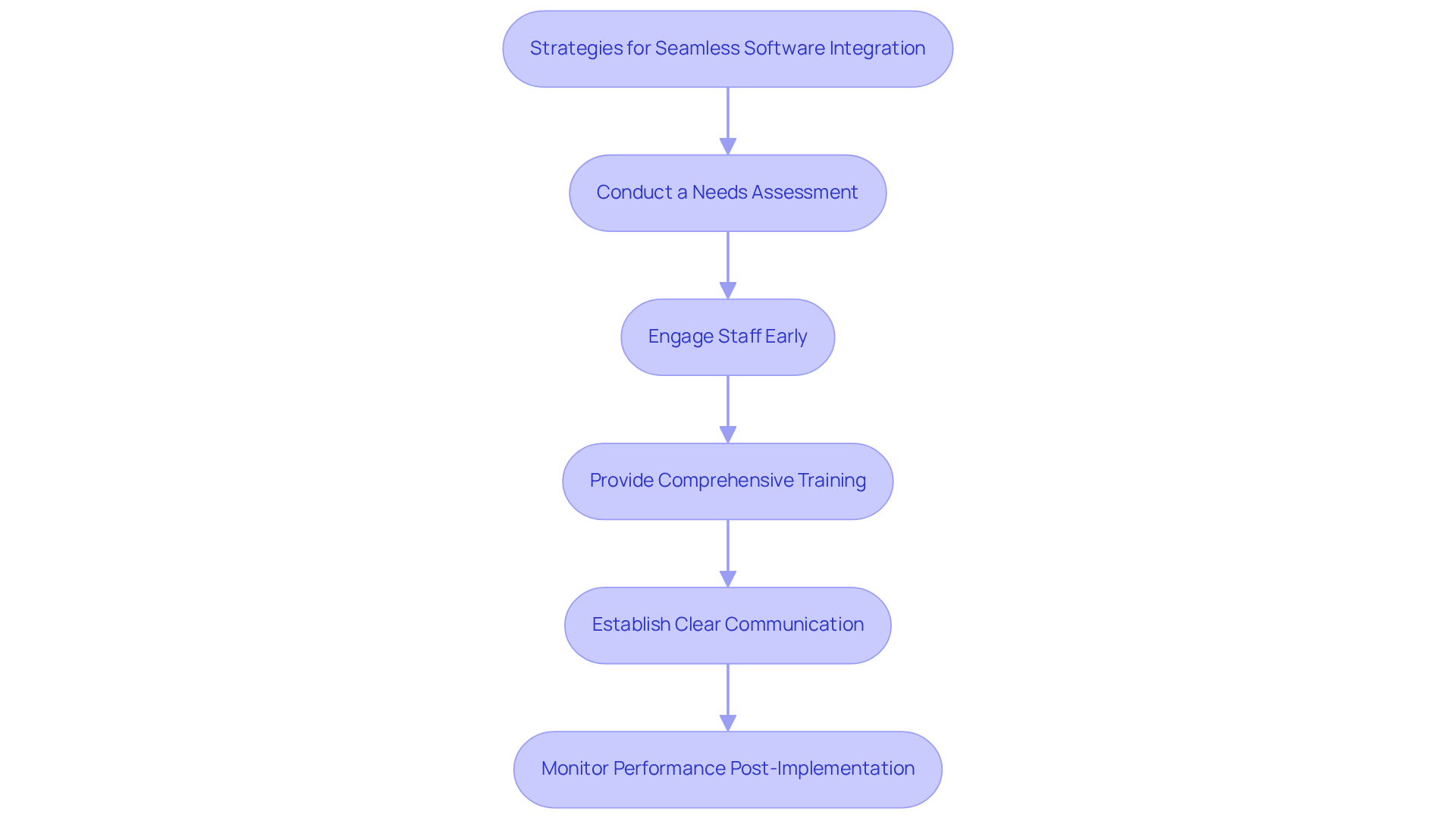
To ensure a smooth integration of practice management software, therapists must adopt a structured approach that addresses potential challenges and maximizes benefits.
- Conduct a Needs Assessment: Evaluating current workflows is essential to identify inefficiencies and determine how the new software can enhance operations.
- Engage Staff Early: Involving team members in the selection and implementation process fosters buy-in and minimizes resistance to change.
- Provide Comprehensive Training: Offering thorough training sessions ensures all staff members are proficient with the new system, significantly reducing errors and improving adoption rates.
- Establish Clear Communication: Maintaining open lines of communication throughout the integration process addresses concerns and gathers valuable feedback.
- Monitor Performance Post-Implementation: Regularly assessing the software’s performance and soliciting user feedback helps identify areas for improvement.
By adopting these strategies, organizations can expect to see reimbursement timelines improve by 15-25% within just 30-90 days, as they streamline their operations. Clinics that implemented intelligent scheduling systems have experienced a remarkable 30% increase in bookings per provider each month, optimizing revenue and enhancing patient care continuity. Moreover, utilizing dedicated virtual assistant services from Healthcare Partners Consulting can greatly enhance the efficiency of these processes. Our virtual assistants are equipped to handle scheduling, client intake, and communications, as well as claims management and compliance guidance, enabling healthcare professionals to concentrate on what matters most: patient care. By prioritizing these strategies, healthcare professionals can not only enhance operational efficiency but also ensure that patient care remains at the forefront of their practice.
Evaluate and Optimize Software Usage for Continuous Improvement
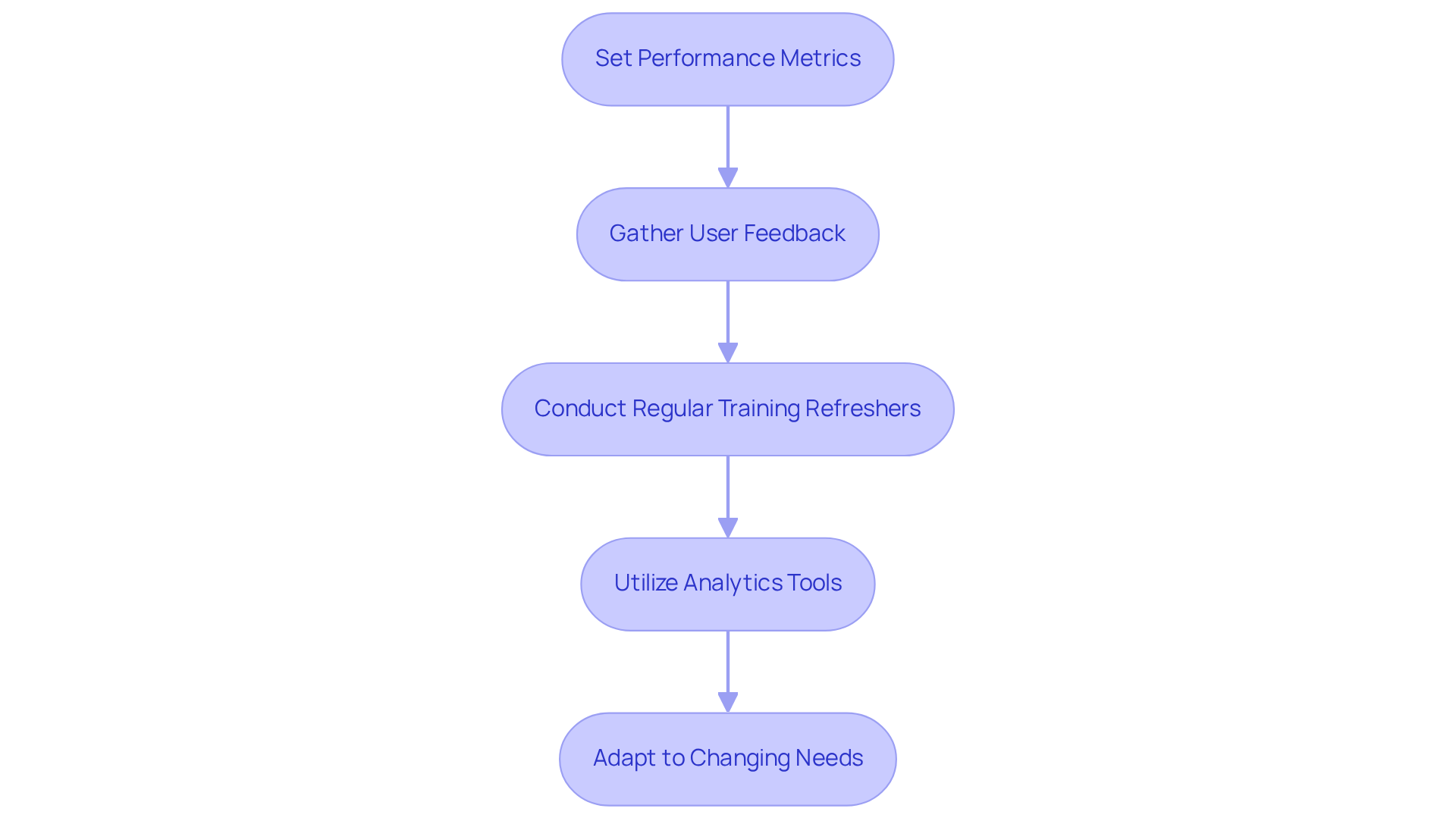
Therapists frequently encounter obstacles in fully leveraging management tools, which can hinder practice efficiency and patient care quality. To maximize the advantages of these tools, therapists should regularly assess their utilization and effectiveness. Key steps include:
- Set Performance Metrics: Define clear metrics to assess the software’s impact on practice efficiency, such as appointment scheduling accuracy and billing turnaround times. Consistently monitoring these metrics can assist in pinpointing areas for enhancement and ensuring that the system meets operational objectives.
- Gather User Feedback: Regularly solicit feedback from staff and clients to identify pain points and areas for improvement. This feedback loop is crucial for understanding how the application is performing in real-world scenarios and can guide necessary adjustments.
- Conduct Regular Training Refreshers: Offer ongoing training sessions to keep staff informed about new features and optimal methods. Ongoing education ensures that all team members are skilled in utilizing the system, which can boost overall productivity and minimize mistakes.
- Utilize Analytics Tools: Leverage built-in analytics to track performance trends and identify opportunities for optimization. Analyzing data can reveal insights into operational efficiencies and help in making informed decisions about workflow adjustments.
- Adapt to Changing Needs: Be prepared to modify workflows and system settings as the organization evolves, ensuring that the tools continue to meet the requirements of both practitioners and clients. Flexibility in adapting to new challenges is crucial for maintaining high-quality patient care.
Without a commitment to ongoing evaluation, the potential of practice management software may remain untapped, ultimately affecting patient outcomes.
Conclusion
The integration of effective therapist practice management software is crucial for operational efficiency in healthcare. These tools streamline administrative tasks, allowing therapists to focus more on their clients and improve care quality. The integration of advanced features and tailored solutions, such as those offered by Healthcare Partners Consulting & Billing, LLC (HPC), further enhances this focus, enabling practices to thrive in a competitive landscape.
Key insights from the article highlight the importance of:
- Selecting the right software
- Implementing it effectively
- Continuously evaluating its performance
Essential features such as:
- Scheduling
- Billing
- Telehealth capabilities
are crucial for optimizing practice management. Moreover, adopting strategies for seamless integration and ongoing training ensures that therapists can fully leverage these tools, leading to improved reimbursement timelines and enhanced patient engagement.
Adopting a compliance-first approach is vital for therapists navigating the evolving mental health landscape. By prioritizing the right software and strategies, therapists can enhance their operational efficiency while remaining committed to exceptional patient care. Engaging with expert partners like HPC can facilitate this journey, allowing healthcare providers to navigate the complexities of practice management while remaining committed to exceptional patient care. For further assistance, reach out to HPC at info@hpcbilling.com or call 888-517-4992.
Frequently Asked Questions
What is therapist practice management software (PMS)?
Therapist practice management software (PMS) is a digital solution designed to streamline administrative tasks such as scheduling, billing, client management, and documentation, allowing therapists to focus more on patient care.
What are the benefits of using PMS for therapists?
The benefits of using PMS include enhanced operational efficiency, reduced errors, improved communication with patients, and alleviation of administrative burdens that can detract from the therapeutic experience.
How has recent technology impacted therapist practice management?
Recent advancements, including AI-driven features and cloud-based solutions, have improved real-time data access and patient engagement, solidifying the role of PMS in mental health care.
What is the projected growth of the mental health software market?
The global mental health software market is projected to grow significantly, reaching approximately USD 19.4 billion by 2032, with a compound annual growth rate (CAGR) of 16.4% between 2025 and 2032.
How can Healthcare Partners Consulting & Billing, LLC (HPC) assist therapists?
HPC offers tailored consultations to help organizations identify effective administrative solutions and ensures seamless compatibility with existing systems through integrations with platforms like TherapyNotes and SimplePractice.
What improvements have been reported from using PMS in therapy?
Case studies have shown that using PMS can lead to a 20-30% decrease in claim denials and a 15-25% increase in reimbursement speed within 30-90 days, enhancing revenue cycle performance and contributing to better patient outcomes.
Why is the adoption of PMS becoming essential for therapists?
The adoption of PMS is becoming essential as it streamlines operations and empowers therapists to prioritize their clients’ needs more effectively in an evolving mental health landscape.