

Introduction
Mental health clinics frequently encounter significant challenges in maintaining financial stability due to the complexities of revenue cycle management (RCM). This article examines the key services provided by top revenue cycle healthcare companies, showing how these firms enable providers to concentrate on patient care by reducing administrative tasks. Identifying the right RCM partner is crucial for enhancing both operational efficiency and compliance in mental health practices.
Understanding Revenue Cycle Management in Healthcare
Revenue Cycle Management (RCM) is critical for revenue cycle healthcare companies, as it encompasses both administrative and clinical financial processes. This includes essential tasks such as registration, appointment scheduling, billing, coding, and collections. Mental wellness clinics encounter distinct challenges in RCM, stemming from specific billing requirements and regulatory considerations. Healthcare Partners Consulting, a veteran-owned firm with 39 years of expertise in medical and mental health billing, is committed to optimizing these processes to improve care and practice efficiency.
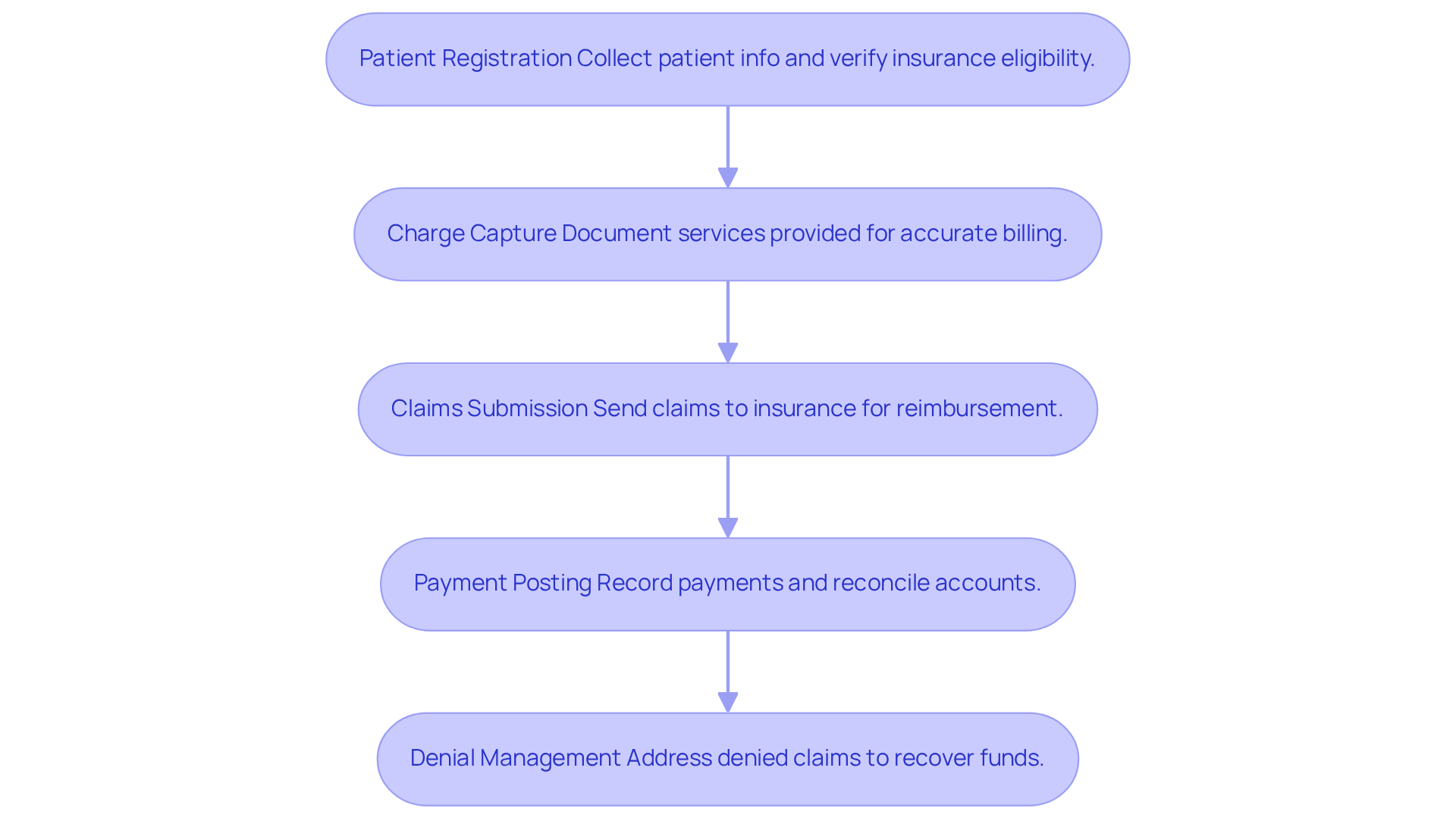
The key stages of RCM are as follows:
- Patient Registration: Collecting patient information and verifying insurance coverage to ensure eligibility.
- Charge Capture: Documenting services provided to guarantee accurate billing and compliance with regulations.
- Claims Submission: Sending claims to insurance companies for reimbursement, which requires meticulous attention to detail to avoid denials.
- Payment Posting: Recording payments received and reconciling accounts to maintain financial accuracy.
- Denial Management: Addressing and resolving denied claims to recover funds effectively, which can reduce denials by 20-30% with effective management.
Comprehending these phases is crucial for mental wellness facilities striving to enhance their financial processes. Implementing effective practices by revenue cycle healthcare companies ensures faster reimbursement, typically resulting in 15-25% of claims being settled within 30-90 days, thereby enhancing financial sustainability and compliance with healthcare regulations. By prioritizing a compliance-first approach, Healthcare Partners Consulting empowers mental wellness providers to focus on patient care while navigating the complexities of RCM. By mastering RCM, mental wellness providers can significantly enhance their operational efficiency and financial health.
Core Services Offered by Leading RCM Companies
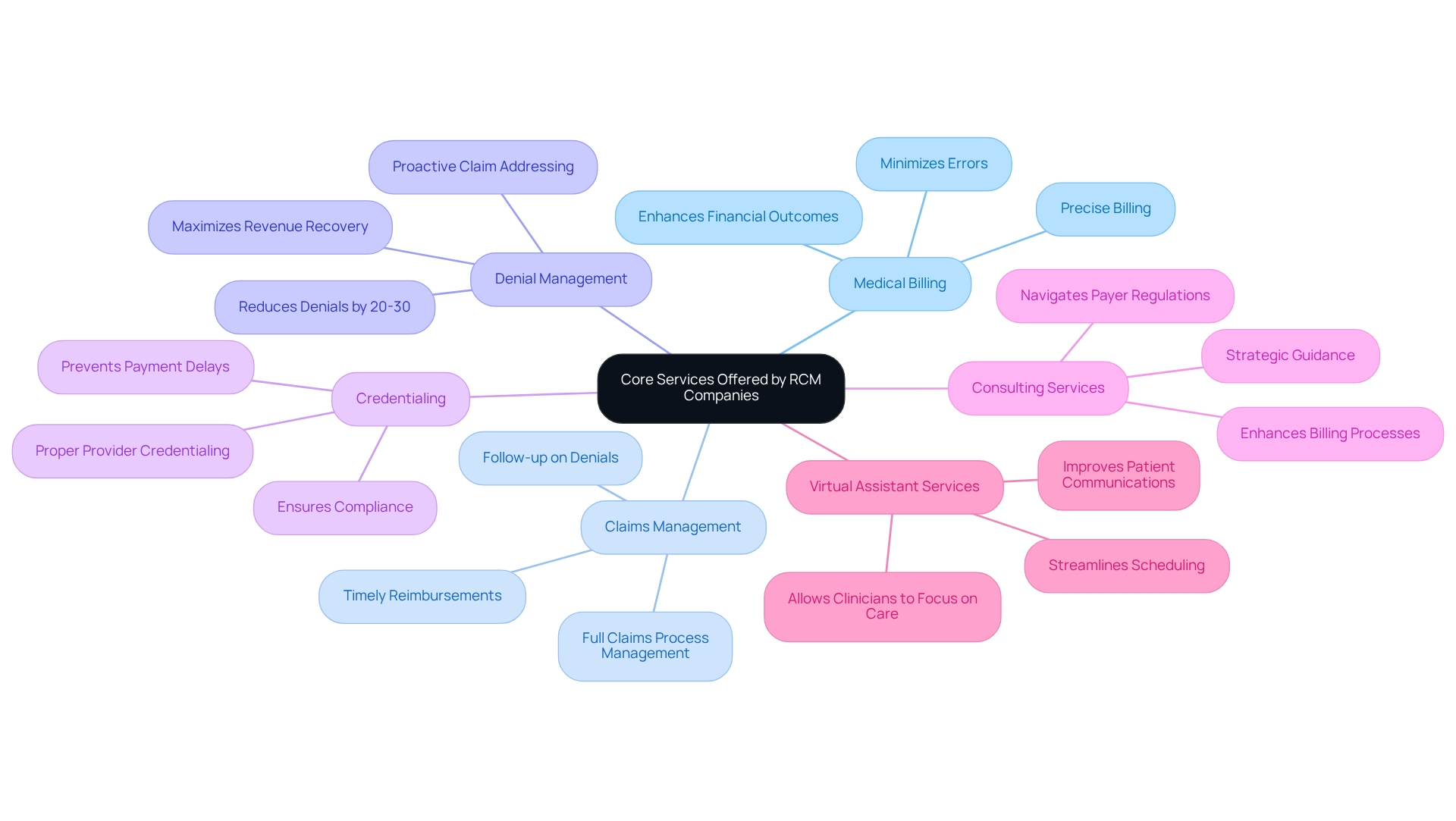
Mental health clinics face significant challenges in managing their financial operations, necessitating specialized support services. Leading revenue cycle healthcare companies, like Healthcare Partners Consulting & Billing, LLC (HPC), offer a comprehensive suite of services tailored to the unique needs of these clinics. These core offerings play a critical role in streamlining operations and improving financial performance for mental health clinics:
- Medical Billing: Ensures precise billing for services provided, adhering to payer requirements to minimize errors and enhance financial outcomes.
- Claims Management: Manages the entire claims process, from submission to follow-up on denials, ensuring timely reimbursements.
- Denial Management: Proactively addresses denied claims, employing strategies that can reduce denials by 20-30%, thereby maximizing revenue recovery. Notably, the average denial rate for behavioral practices stands at around 11.8%, highlighting the importance of effective denial management. HPC’s expertise in denial management ensures timely appeal processing and remittance reconciliation, which are vital for maintaining cash flow.
- Credentialing: Facilitates proper credentialing of providers with insurance companies, preventing payment delays and ensuring compliance with regulations.
- Consulting Services: Provides strategic guidance on enhancing billing processes and boosting operational efficiency, assisting practices in navigating intricate payer regulations and adhering to mental parity laws.
- Virtual Assistant Services: Provides specialized administrative support to streamline scheduling, intake, and patient communications, allowing clinicians to focus more on patient care. HPC’s trained healthcare virtual assistants are equipped to handle these tasks efficiently, enhancing overall practice management.
These services significantly alleviate administrative burdens, enabling mental wellness facilities to operate more effectively. For instance, revenue cycle healthcare companies that implement effective RCM strategies often see faster reimbursement rates of 15-25% within 30-90 days. Case studies indicate that healthcare facilities utilizing services from revenue cycle healthcare companies like HPC can achieve a reduction in accounts receivable by 20-30% within the first 90 days, underscoring the financial benefits of outsourcing these functions. Ultimately, the strategic implementation of these services can redefine financial management in mental health clinics, leading to better patient outcomes.
Evaluating RCM Companies: Key Performance Indicators
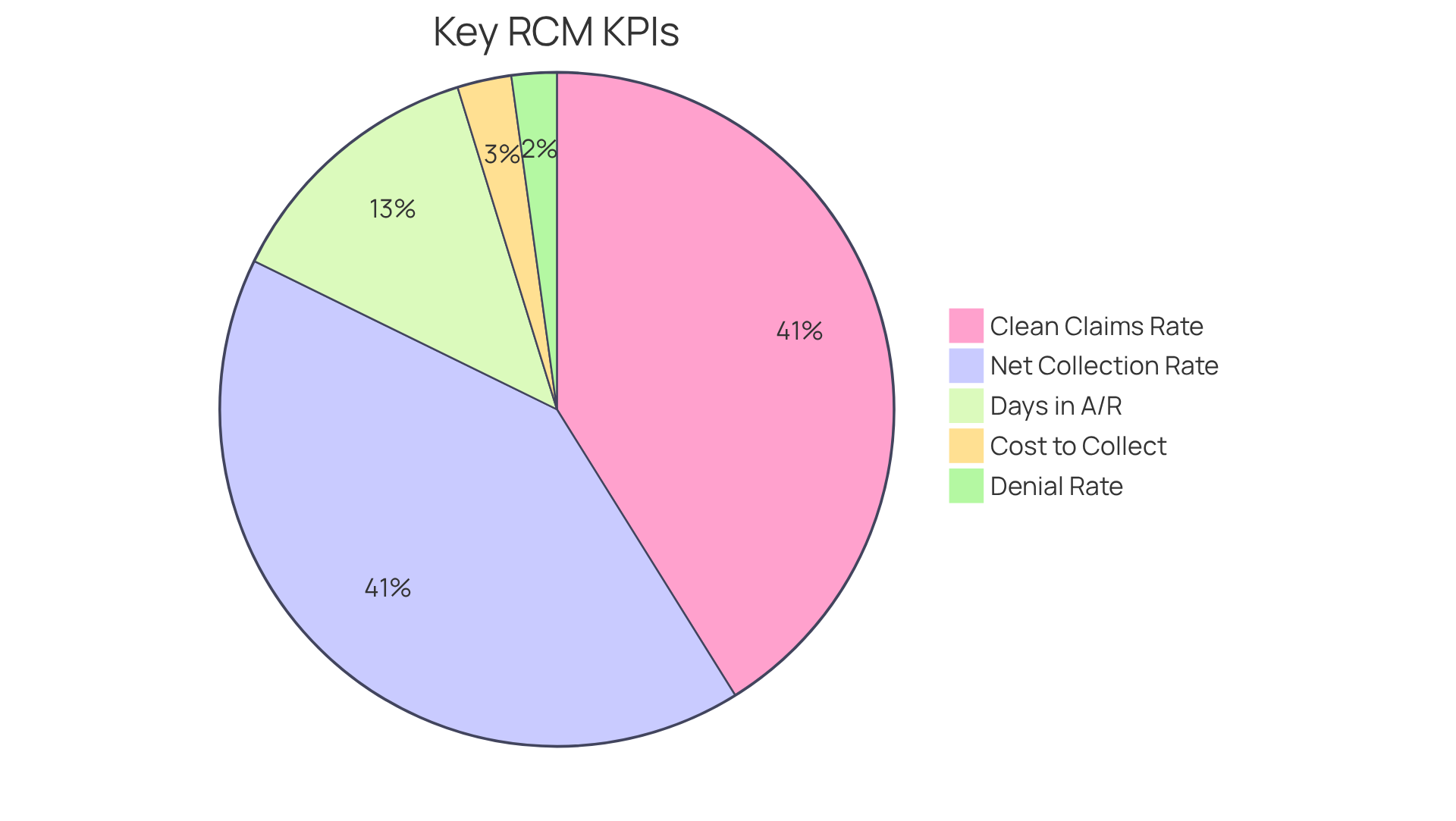
Evaluating RCM companies can be daunting, given the multitude of KPIs to consider. Healthcare providers should focus on several key performance indicators (KPIs) that reflect the effectiveness and efficiency of their services. Important KPIs include:
- Clean Claims Rate: This metric measures the percentage of claims submitted without errors, indicating the quality of the billing process. A clean claim rate of over 95% is ideal, as it leads to faster payments and reduces administrative burdens.
- Days in Accounts Receivable (A/R): This KPI reflects the average number of days it takes to collect payments. A benchmark of fewer than 30 days is advised, with high-performing organizations targeting approximately 25 days, which signifies effective cycle management.
- Denial Rate: The percentage of claims denied by payers can highlight issues in the billing process. Maintaining denial rates below 5% is essential for optimizing cycle operations, as higher rates can result in increased rework and delayed payments.
- Net Collection Rate: This KPI assesses the percentage of total potential income collected, providing insight into the effectiveness of the RCM process. Healthy organizations achieve a net collection rate of 90% to 95%, while top-tier performers maintain rates of 95% or higher.
- Cost to Collect: This metric indicates the total cost incurred to collect payments, helping assess the financial efficiency of the RCM services. Industry benchmarks indicate that the cost to collect should ideally range between 3% and 6% of net patient income.
Choosing the right revenue cycle healthcare companies partner can result in improved financial outcomes and operational efficiency.
Challenges in Revenue Cycle Management for Mental Health Clinics
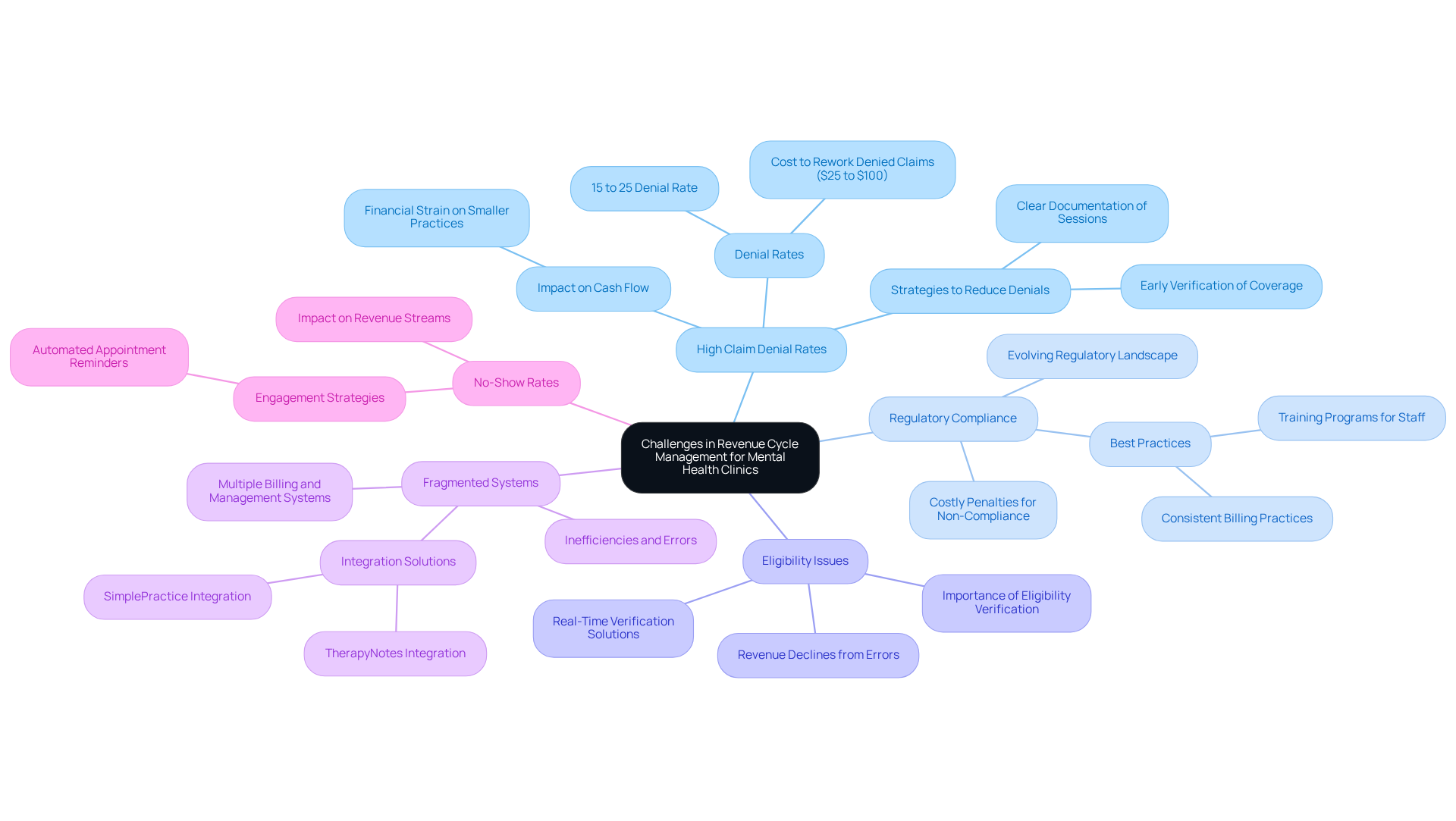
Mental health clinics encounter distinct challenges in managing their financial cycles, which can significantly impact their overall fiscal health. These challenges are as follows:
- High Claim Denial Rates: Mental health claims often face denial rates between 15% and 25%, primarily due to complex coding requirements and varying payer policies. This complexity can lead to significant financial strain on mental health clinics. Each denied claim can cost between $25 and $100 to rework, not to mention the adverse effects on cash flow for smaller practices. Healthcare Partners Consulting & Billing, LLC (HPC) provides tailored solutions to help healthcare facilities navigate these complexities, ensuring accurate coding and compliance with regulations to minimize denial rates.
- Regulatory Compliance: The healthcare regulatory landscape is constantly evolving, requiring medical facilities to stay informed about billing practices to ensure compliance. Neglecting compliance can lead to costly penalties and higher denial rates. Experts suggest that consistent practices for reducing claim denials include early verification of coverage and clear documentation of sessions. HPC’s expertise in behavioral health billing helps practices remain compliant with the latest regulations, thereby minimizing risks associated with non-compliance.
- Eligibility Issues: Verifying eligibility for services is crucial yet complicated. Errors in this area can lead to considerable revenue declines, as healthcare facilities may provide services to ineligible individuals without appropriate reimbursement. Implementing real-time eligibility verification can prevent claim rejections. HPC provides administrative support that includes verifying eligibility, assisting healthcare facilities in avoiding these costly errors.
- Fragmented Systems: Many mental health clinics operate with multiple systems for billing and management, which can create inefficiencies and increase the likelihood of errors. Streamlining these systems is essential for improving operational efficiency and reducing denial rates. HPC integrates seamlessly with platforms like TherapyNotes and SimplePractice, ensuring a cohesive approach to practice management.
- No-Show Rates: High no-show rates can severely affect revenue streams. Implementing effective engagement strategies, such as automated appointment reminders, is vital to reduce these rates and ensure consistent cash flow. HPC’s tailored administrative support services can assist healthcare facilities in implementing these strategies effectively.
Addressing these challenges is essential for mental health facilities to improve their management as revenue cycle healthcare companies, ultimately enabling them to focus on delivering high-quality patient care. By adopting best practices and leveraging HPC’s expertise, healthcare facilities can potentially reduce claim denials by 20-30% and secure faster reimbursements by 15-25% within 30-90 days, enhancing their overall financial performance. Furthermore, practices can assess their financial well-being by taking the ‘Discover Your Mental Health Practice Profitability Score’ quiz, which offers tailored suggestions to improve efficiency and billing accuracy. With 39 years of experience and as a veteran-owned business, HPC is dedicated to empowering clinics nationwide.
Conclusion
Navigating the complexities of Revenue Cycle Management (RCM) is crucial for mental health clinics aiming to enhance both financial health and operational efficiency. A compliance-first approach enables healthcare providers to reduce administrative burdens, freeing them to focus more on patient care. The expertise of firms like Healthcare Partners Consulting & Billing, LLC (HPC) plays a pivotal role in this process, ensuring that mental wellness facilities can thrive in a challenging landscape.
Key aspects of RCM include:
- Patient registration
- Charge capture
- Claims submission
- Payment posting
- Denial management
Tailored services such as medical billing, claims management, and credentialing are vital for mental health clinics facing unique challenges. Furthermore, evaluating RCM companies through key performance indicators (KPIs) provides a framework for healthcare providers to assess their partnerships effectively, ensuring they choose a firm that aligns with their operational goals.
The impact of effective revenue cycle management extends beyond finances, influencing the quality of care provided to patients. By leveraging the expertise of veteran-owned HPC, mental health clinics can improve their financial outcomes while enhancing the quality of care they provide. Embracing best practices in RCM is not just about financial sustainability; it empowers healthcare providers to focus on what truly matters – delivering exceptional patient care. For mental health clinics, partnering with a knowledgeable firm like HPC is essential for achieving both financial stability and exceptional patient care.
Frequently Asked Questions
What is Revenue Cycle Management (RCM) in healthcare?
Revenue Cycle Management (RCM) is a critical process that encompasses both administrative and clinical financial tasks in healthcare, including registration, appointment scheduling, billing, coding, and collections.
What challenges do mental wellness clinics face in RCM?
Mental wellness clinics encounter unique challenges in RCM due to specific billing requirements and regulatory considerations that differ from other healthcare sectors.
What are the key stages of RCM?
The key stages of RCM include:
- Patient Registration: Collecting patient information and verifying insurance coverage.
- Charge Capture: Documenting services provided for accurate billing and compliance.
- Claims Submission: Sending claims to insurance companies for reimbursement.
- Payment Posting: Recording payments received and reconciling accounts.
- Denial Management: Addressing and resolving denied claims to recover funds.
How can effective denial management impact RCM?
Effective denial management can reduce claim denials by 20-30%, allowing healthcare providers to recover funds more efficiently.
What is the typical timeframe for claims to be settled in RCM?
Typically, 15-25% of claims are settled within 30-90 days when effective practices are implemented by revenue cycle healthcare companies.
How does Healthcare Partners Consulting support mental wellness providers?
Healthcare Partners Consulting, with 39 years of expertise, helps optimize RCM processes, enabling mental wellness providers to focus on patient care while ensuring compliance and improving financial sustainability.
Why is understanding RCM important for mental wellness facilities?
Understanding RCM is crucial for mental wellness facilities as it helps enhance their financial processes, operational efficiency, and overall financial health.