
Introduction
Revenue cycle management is essential for the financial stability of mental health clinics, yet many encounter pitfalls that jeopardize their operations. These mistakes often result in significant financial losses and operational inefficiencies, detracting from the clinics’ ability to deliver quality care. This article identifies ten common pitfalls in revenue cycle management for mental health clinics and provides strategies for avoidance. Clinics can implement various strategies to enhance their revenue cycle processes, allowing them to prioritize patient care over administrative burdens.
Neglecting Patient Information Accuracy
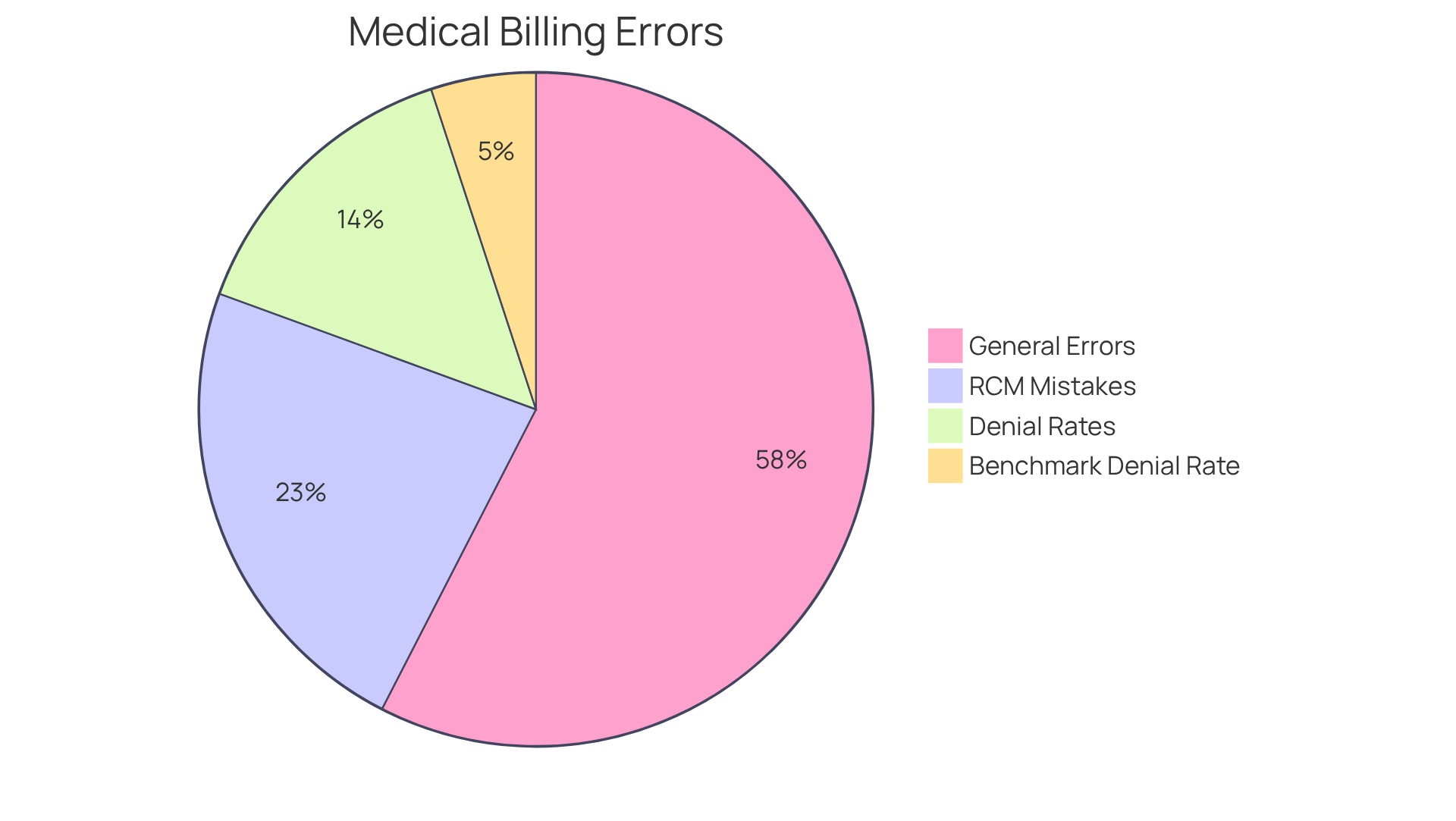
Inaccurate information regarding individuals can cause revenue cycle management mistakes, severely disrupting the billing process and resulting in claim denials and delayed payments. Research indicates that around 80% of medical bills are prone to errors, with revenue cycle management mistakes, including coding mistakes, accounting for approximately 32% of denials on first submission.
To mitigate these risks, mental health facilities must implement robust processes to avoid revenue cycle management mistakes during intake, ensuring that all information is accurate and current. Conducting regular audits of medical records is essential for spotting and correcting revenue cycle management mistakes before they disrupt the billing process, ultimately enhancing operational efficiency and financial stability.
For instance, a case study reveals that revenue cycle management mistakes, including ineffective billing automation and insufficient staff training, result in denial rates ranging from 15-20%, significantly higher than the benchmark of 5-7%. By prioritizing the accuracy of information regarding individuals receiving care, organizations can enhance their revenue cycle management and reduce revenue cycle management mistakes, thereby lessening the administrative load on their teams.
Ultimately, prioritizing accurate information not only helps to avoid revenue cycle management mistakes but also streamlines billing and strengthens the financial health of healthcare organizations.
As a veteran-owned enterprise with 39 years of expertise, Healthcare Partners Consulting & Billing, LLC (HPC) specializes in empowering healthcare providers by alleviating administrative burdens, enabling them to concentrate on care for their clients.
Failing to Verify Insurance Eligibility
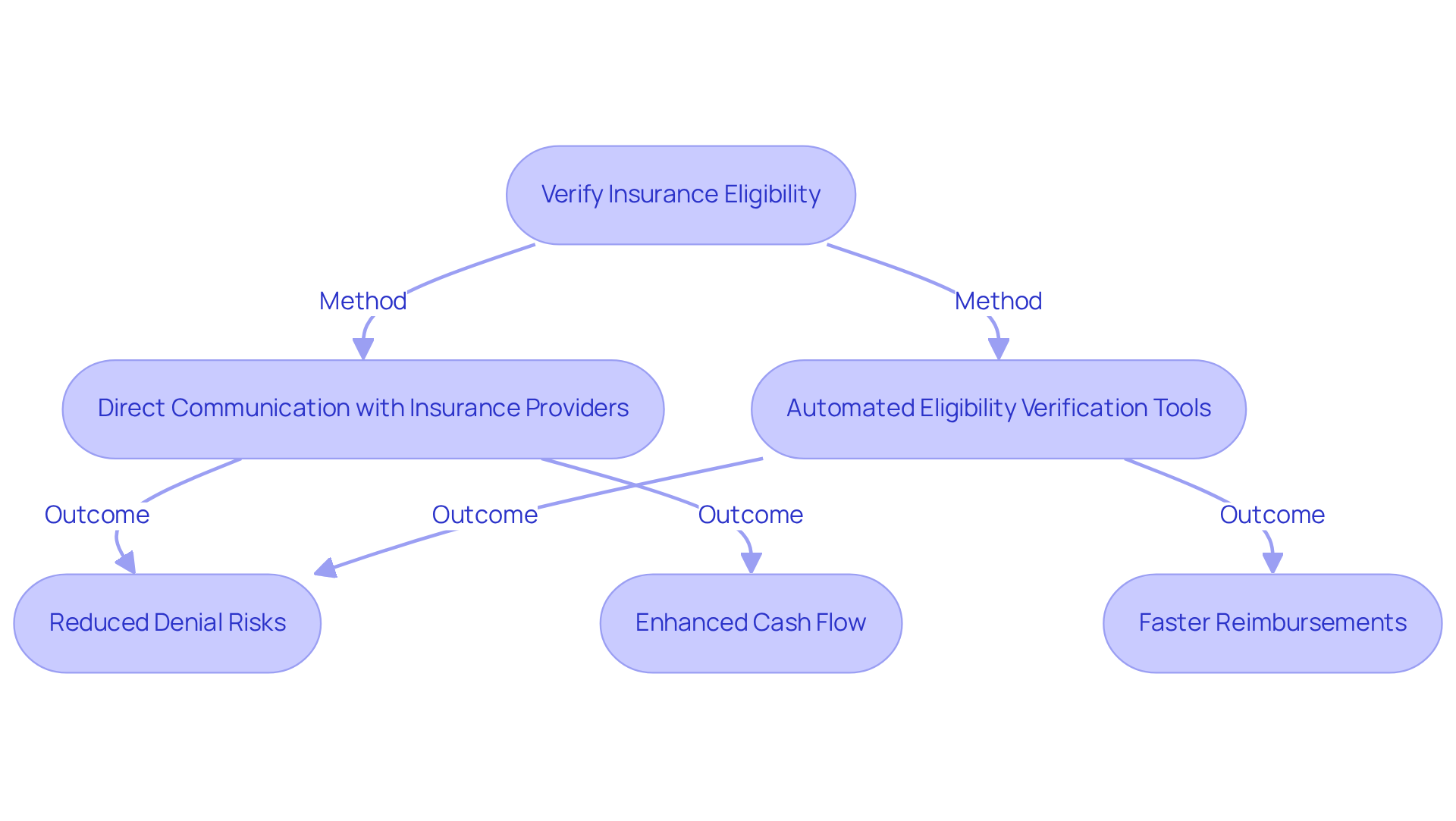
Prioritizing insurance eligibility verification is essential for mental health facilities to ensure coverage and clarify financial responsibilities for patients. This verification can be achieved through direct communication with insurance providers or by utilizing automated eligibility verification tools. Effective verification reduces denial risks and enhances cash flow by avoiding challenges associated with unverified submissions.
Eligibility errors account for up to 20% of initial submissions, underscoring the need for precise verification processes. A case study revealed that healthcare provider organizations faced net revenue losses of $48.4 billion in 2025 due to final denials and bad debt, emphasizing the financial repercussions of inadequate claims management strategies.
Moreover, the integration of real-time eligibility verification systems has become a trend in the industry, significantly improving billing efficiency by reducing manual work and errors. These systems enable healthcare facilities to verify coverage and benefits promptly, resulting in faster reimbursements and an enhanced experience for individuals receiving care.
Automated eligibility verification streamlines operations, allowing clinics to prioritize patient care over administrative tasks. As a veteran-owned company with 39 years of experience, Healthcare Partners Consulting & Billing, LLC (HPC) emphasizes a compliance-first approach in revenue cycle management. Ultimately, proactive verification practices are vital for safeguarding financial health and meeting payer compliance standards.
Making Coding Errors and Inadequate Documentation
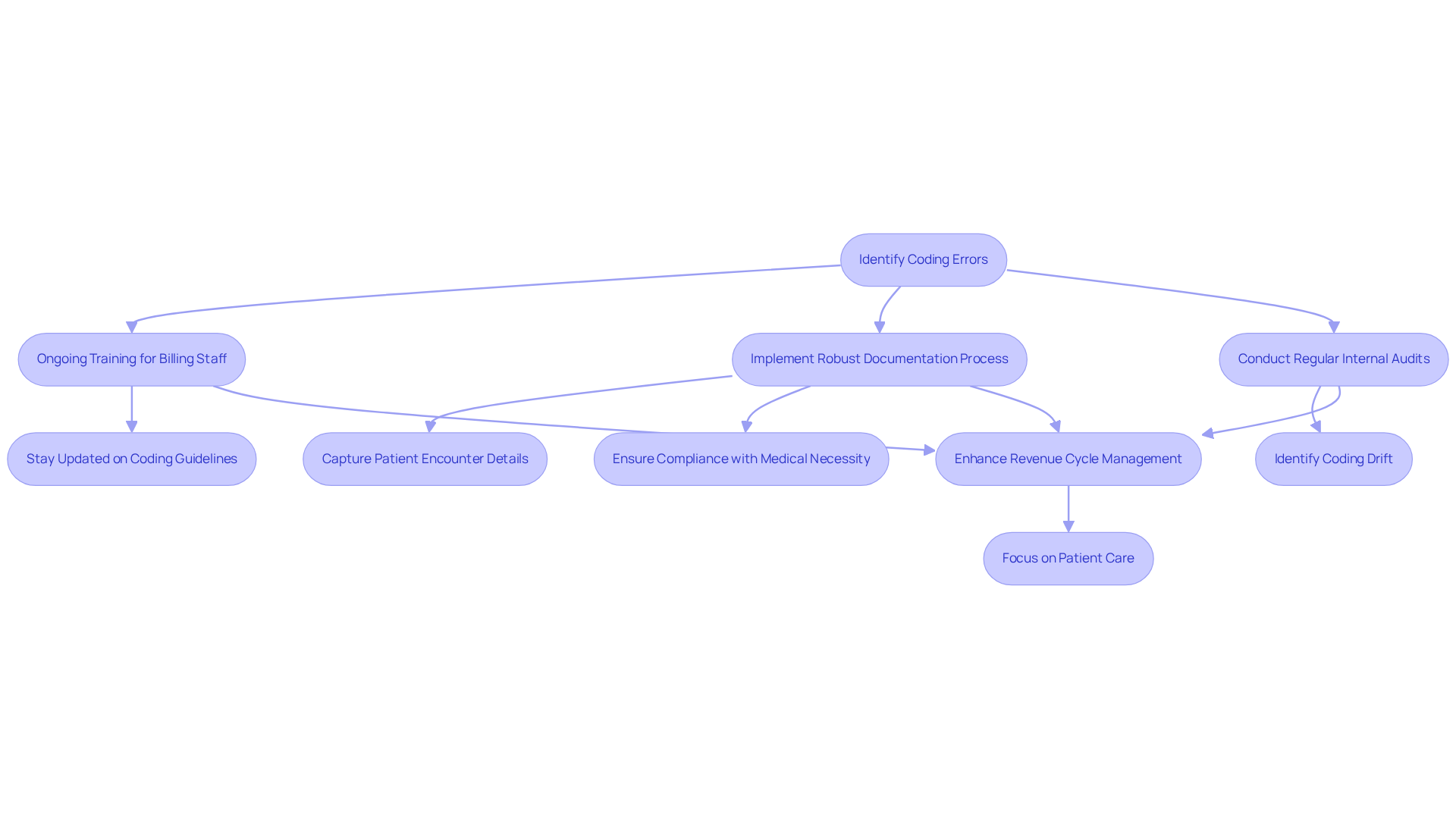
Coding mistakes, particularly incorrect CPT or ICD-10 codes, are common revenue cycle management mistakes that can severely hinder the approval of submissions and delay payments. Behavioral practices face denial rates nearly double those of general medical services, with revenue cycle management mistakes, including coding errors, accounting for up to 20% of claim denials. To mitigate these risks, mental health clinics should prioritize ongoing training for their billing staff, ensuring they are well-versed in the latest coding guidelines and payer requirements, reflecting a compliance-first approach.
Implementing a robust documentation process is equally essential. Accurate documentation must capture all necessary details of patient encounters, including session times, therapeutic techniques, and client responses. This thorough approach not only supports accurate coding but also enhances compliance with medical necessity standards, reducing the likelihood of audits and denials. M Shahzad highlights that revenue cycle management mistakes, including improper coding, can lead to denied claims, delayed payments, and repayment demands.
For instance, a Texas SUD facility successfully reversed many CO 50 MAT denials by providing compliance data and citing relevant guidelines, demonstrating the importance of precise documentation. Additionally, regular internal audits can help identify coding drift and ensure that billing practices align with current regulations. By implementing these strategies, mental health organizations can enhance their revenue cycle management and concentrate more on delivering high-quality care. To further enhance their efforts, healthcare facilities might consider enrolling their staff in specialized coding training programs to stay updated on best practices. With 39 years of experience, Healthcare Partners Consulting focuses on empowering healthcare providers by alleviating administrative burdens, enabling them to prioritize patient care.
Delaying Claim Submission
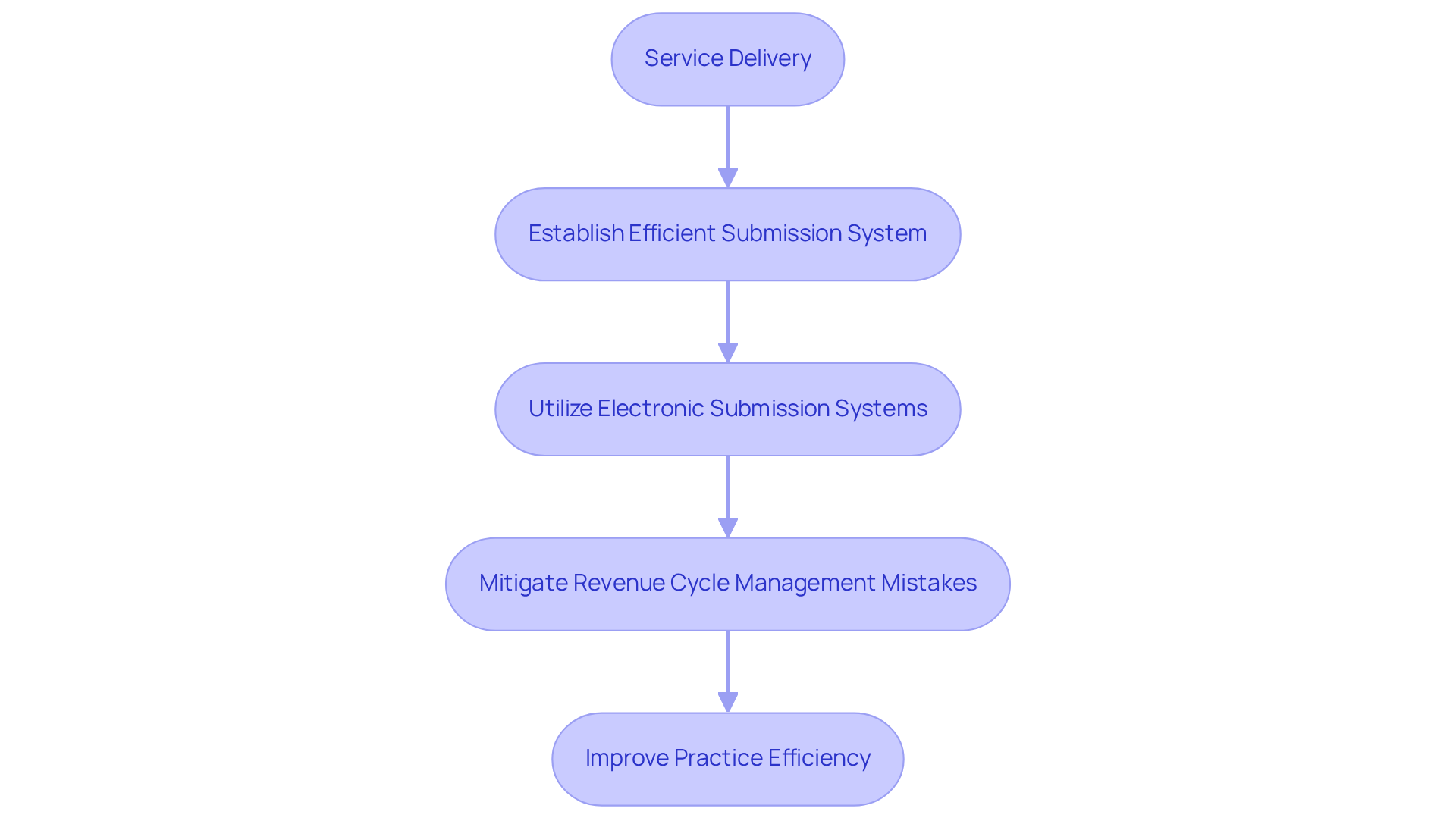
Delays in submitting requests jeopardize financial stability for mental health facilities. Healthcare facilities must establish an efficient system for prompt request submissions following service delivery. Utilizing electronic submission systems allows healthcare facilities to expedite request submissions. Implementing this system helps to mitigate revenue cycle management mistakes and significantly improves practice efficiency.
At Healthcare Partners Consulting & Billing, LLC (HPC), we focus on enhancing billing processes through precise processing of requests and swift reimbursement solutions. This enables providers to enhance patient care while minimizing administrative burdens.
Ignoring Denied Claims and Lack of Follow-Up
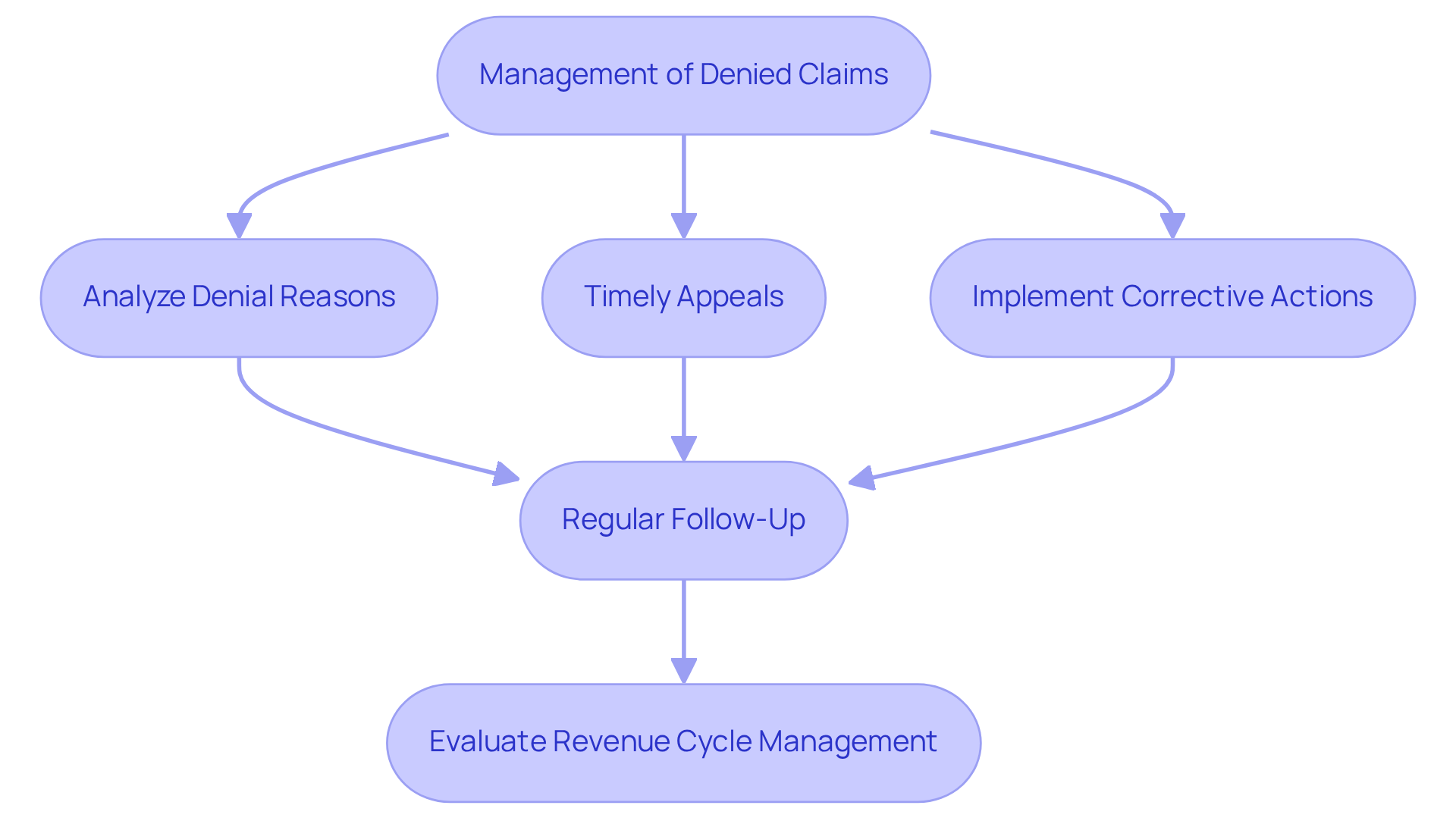
The management of denied requests in mental health clinics presents a significant challenge that requires a structured approach. Mental health clinics must establish a dedicated process for tracking and managing denied requests. This involves:
- A thorough analysis of denial reasons
- Timely appeals when warranted
- Implementing corrective actions to prevent future occurrences
Regular follow-up on denied requests is crucial. Research indicates that approximately 33% of initial rejections are reversed within a week, highlighting a significant opportunity for revenue recovery. Furthermore, continuous evaluation of revenue cycle management mistakes, including scheduled assessments of key performance indicators such as denial rates, aids practices in optimizing their processes and minimizing denials.
For instance, clinics that frequently review past denials can pinpoint recurring problems and establish best practices, significantly improving their financial stability. Staff training is vital for reducing denial rates, equipping team members to navigate the complexities of the reimbursement process effectively. Neglecting these strategies could result in revenue cycle management mistakes that lead to substantial revenue losses, ultimately impacting the quality of care provided to patients.
To further support this effort, Healthcare Partners Consulting & Billing, LLC (HPC) offers a quick quiz to assess your practice’s profitability score. This quiz helps you spot hidden revenue leaks and provides personalized recommendations to improve efficiency and billing accuracy, ensuring that your practice runs smoothly and allowing you to concentrate on what matters most-your patients.
Using Outdated Technology and Manual Processes
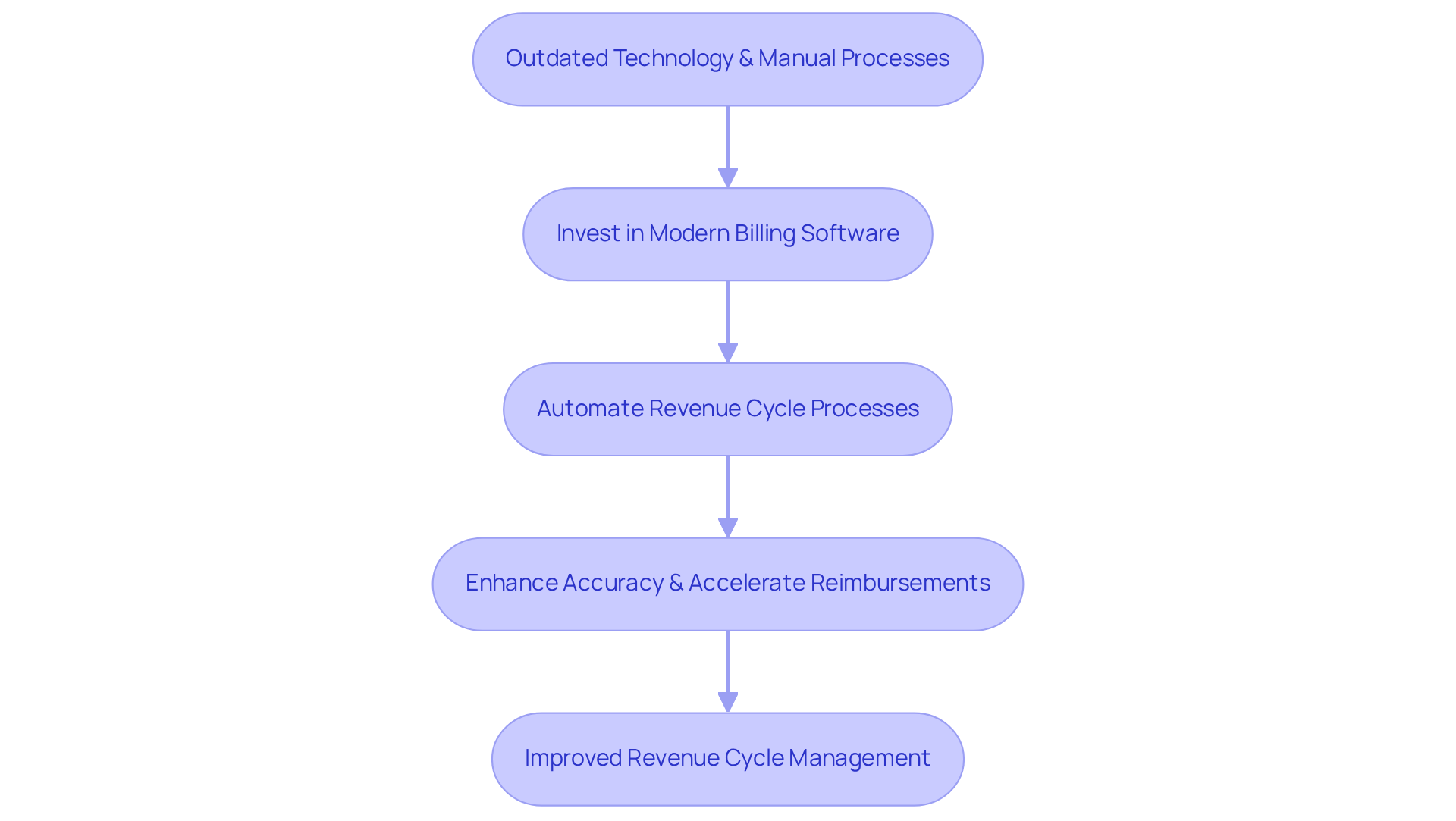
Outdated technology and manual processes in mental wellness facilities can severely hinder billing efficiency. Investing in modern billing software, particularly solutions customized by Healthcare Partners Consulting & Billing, LLC (HPC), automates various aspects of the revenue cycle, from submission to payment tracking. This transition alleviates administrative burdens, enhances accuracy, and accelerates reimbursement processes.
With a compliance-first approach and a veteran-owned status, HPC leverages 39 years of experience specializing in mental and behavioral health to empower healthcare facilities. Implementing adaptable service plans tailored to the practice size and submission volume allows healthcare facilities to expect significant improvements in revenue cycle management mistakes within 30-90 days, leading to quicker reimbursements and fewer denials.
Additionally, HPC ensures strict adherence to data security and HIPAA compliance, providing peace of mind while optimizing cash flow.
Neglecting Effective Communication and Follow-Up
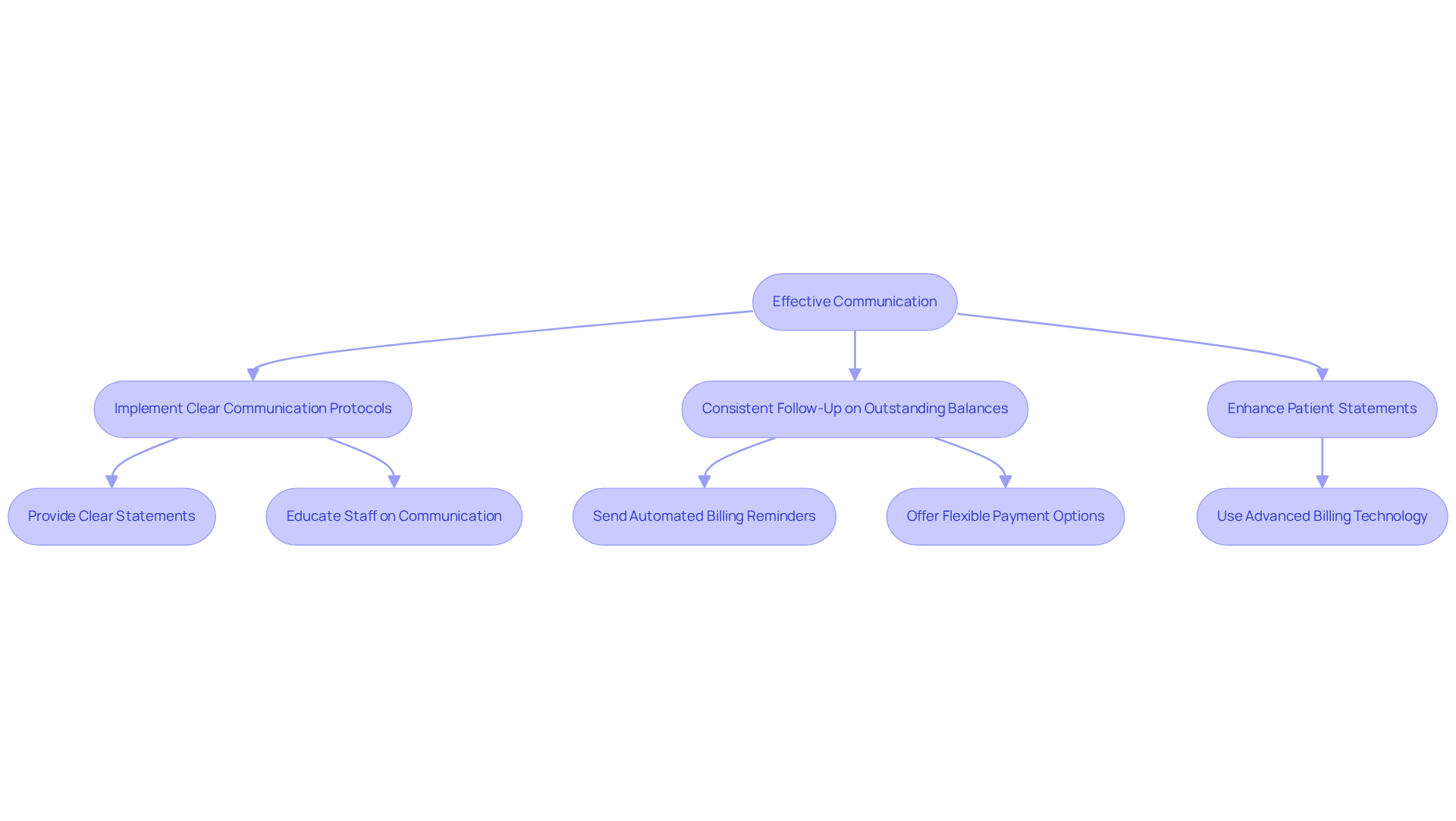
Effective communication is the cornerstone of a successful revenue cycle in healthcare, particularly in preventing revenue cycle management mistakes related to underpayments and aging claims. Mental health clinics must implement clear communication protocols to keep all parties informed about billing processes and responsibilities. This involves providing clear statements that outline outstanding balances and payment expectations.
- Consistent follow-up on outstanding balances improves collections and boosts patient satisfaction.
- By concentrating on these elements, healthcare facilities can enhance their patient statements and management of reimbursements.
- This proactive approach not only mitigates financial risks but also fosters trust between healthcare providers and patients, ultimately transforming the revenue cycle by addressing revenue cycle management mistakes into a more efficient and patient-centered process.
Failing to Track Key Performance Indicators (KPIs)
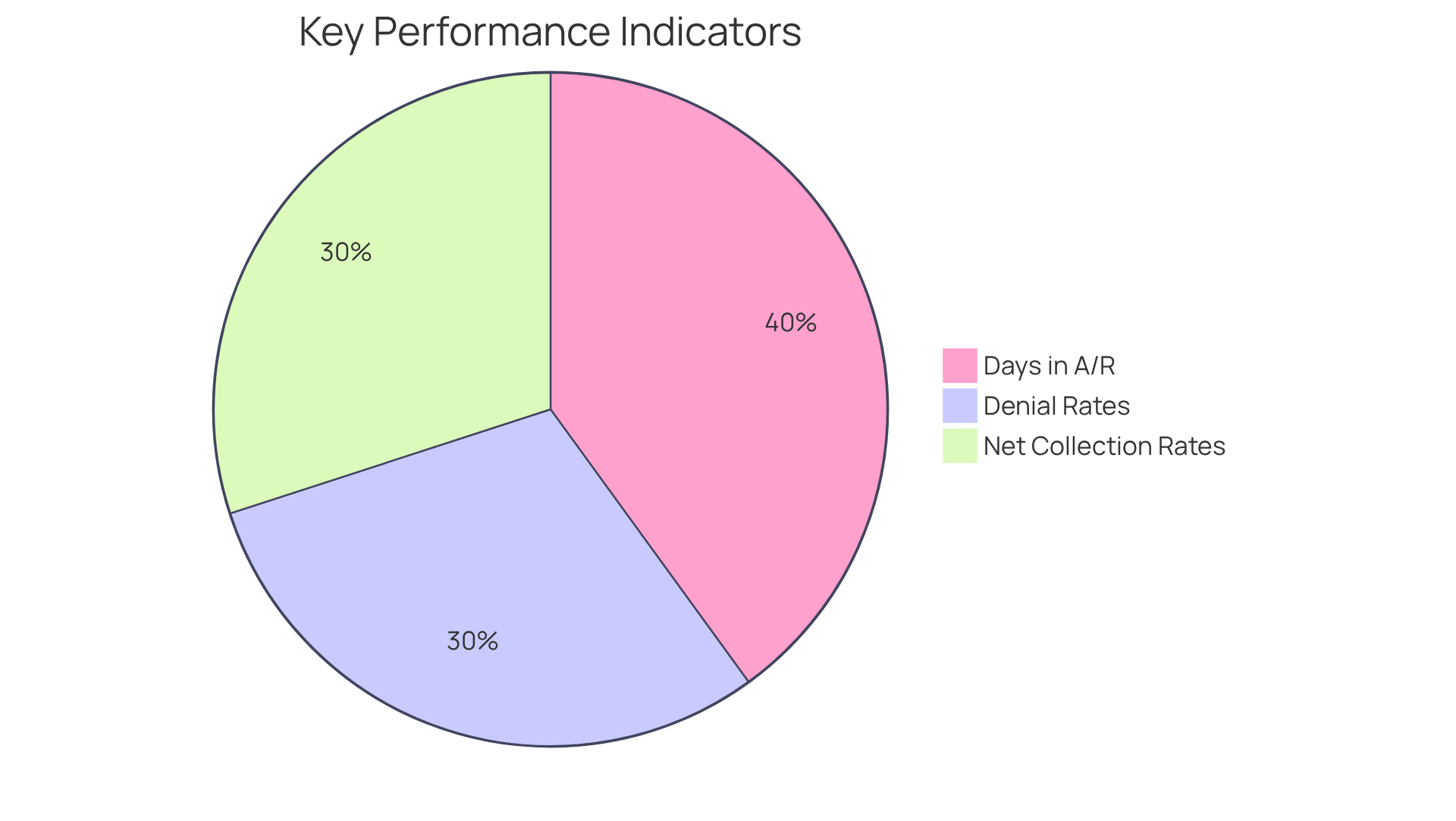
To optimize revenue cycle performance, mental wellness clinics must implement a comprehensive set of key performance indicators (KPIs). Key metrics include:
- Days in accounts receivable
- Denial rates
- Net collection rates
For instance, average days in accounts receivable for behavioral practices reached 65-75 days in 2025. This extended duration highlights inefficiencies in follow-up procedures that require immediate attention. Consistently evaluating these metrics enables healthcare facilities to recognize patterns and assess their financial status, allowing them to implement focused strategies for enhancement, particularly in addressing underpayments and overdue invoices.
Dashboards and reporting tools significantly enhance this process by providing actionable insights for timely decision-making. Practices that conduct formal monthly reviews of their denial rates by payer consistently identify systemic problems before they escalate. This proactive approach not only mitigates losses but also enhances overall financial health. Furthermore, organizations that achieve high revenue collection rates (94-97%) share common practices such as:
- Verifying eligibility before each session
- Addressing denials within 72 hours
By concentrating on these KPIs and refining patient statements, mental wellness facilities can improve their claims management processes, ultimately enhancing their revenue cycle management mistakes and patient care. As a veteran-owned organization, Healthcare Partners Consulting & Billing, LLC (HPC) emphasizes a compliance-first approach, ensuring that healthcare facilities not only enhance their financial outcomes but also uphold the highest standards of integrity and transparency. By prioritizing these strategies, mental wellness facilities can achieve sustainable financial health while maintaining compliance and integrity.
Overlooking Staff Training and Compliance
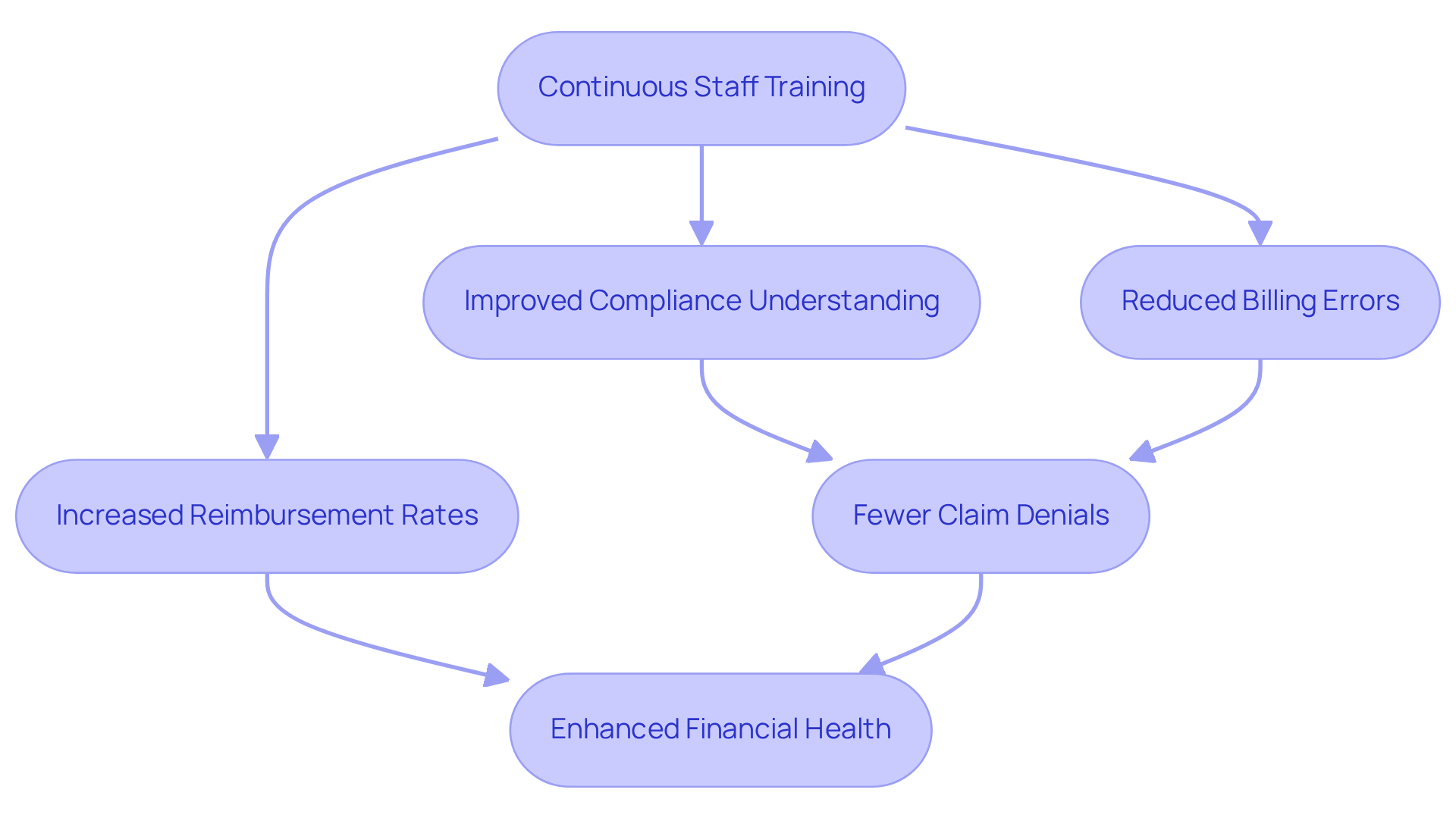
To ensure financial health, mental wellness clinics must prioritize continuous training for their billing staff. This ongoing education is essential for staff to grasp compliance requirements, as it directly impacts submission accuracy and helps prevent revenue cycle management mistakes. Addressing challenges such as underpayments, unprocessed requests, and aging submissions is vital for enhancing financial health.
Case studies indicate that clinics implementing structured training programs experience a significant reduction in billing errors and an increase in reimbursement rates. As compliance requirements intensify in 2026, the need for well-trained billing personnel becomes even more critical. When clinics invest in comprehensive training, they boost operational efficiency and protect their financial stability by reducing claim denials and ensuring compliance with payer rules.
By cultivating a culture of ongoing learning, mental wellness clinics can navigate billing compliance complexities more effectively, ultimately improving patient care. As a veteran-owned organization with 39 years of experience, Healthcare Partners Consulting & Billing, LLC (HPC) is committed to empowering healthcare practices to enhance their billing processes and concentrate on patient care.
Ultimately, the commitment to ongoing training not only enhances billing accuracy but also reduces the risk of revenue cycle management mistakes, fortifying the clinic’s financial foundation.
Leveraging Healthcare Partners Consulting for Revenue Cycle Optimization
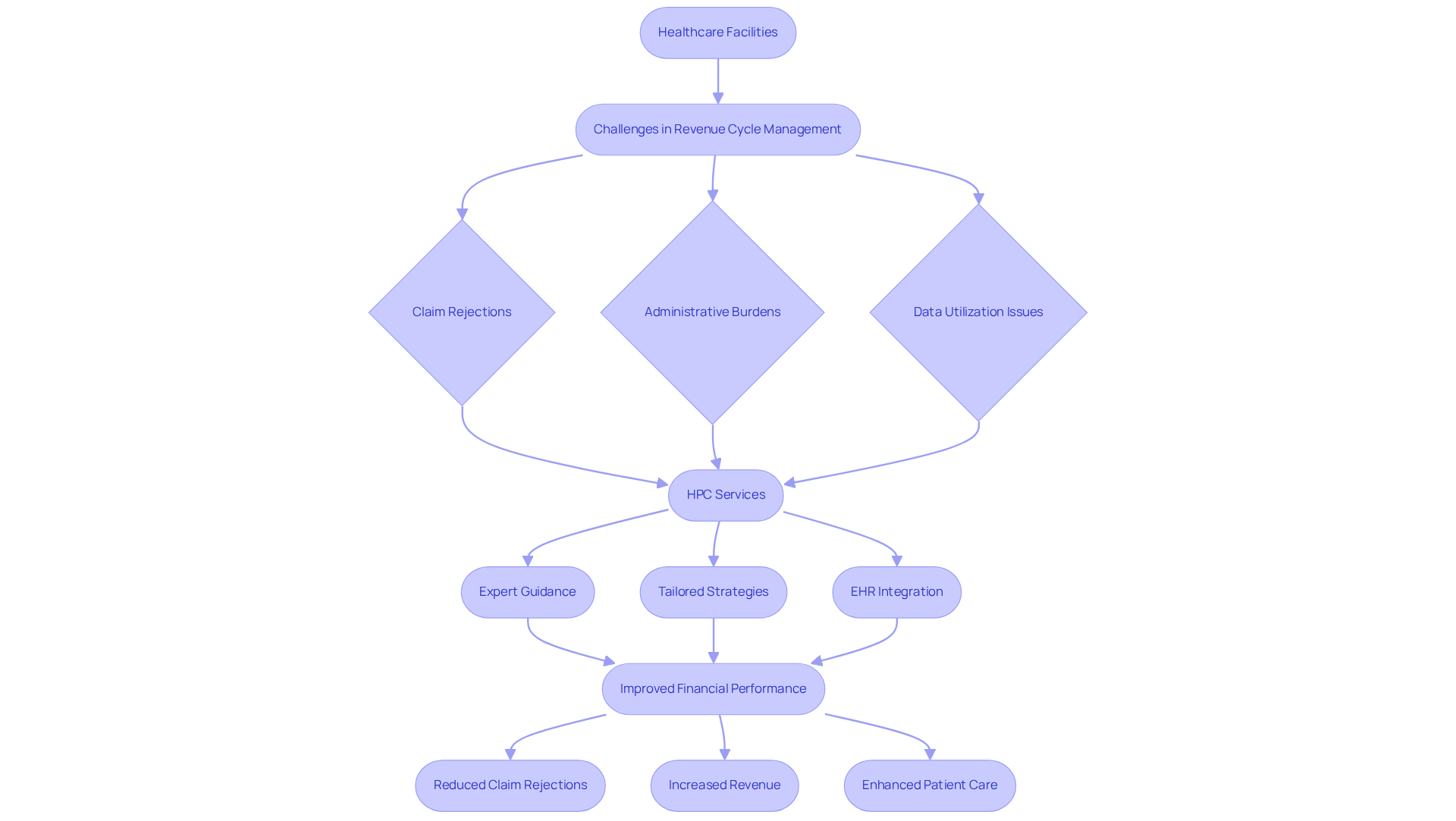
In an industry where financial efficiency is paramount, Healthcare Partners Consulting & Billing, LLC (HPC) stands out with its 39 years of expertise in optimizing financial processes for mental wellness facilities. By collaborating with HPC, healthcare facilities gain access to expert guidance in critical areas such as billing, coding, and compliance, which are essential for effective revenue cycle navigation in mental health. For instance, organizations that implement tailored revenue cycle strategies can potentially reduce claim rejections by 20-30%, significantly enhancing their financial performance.
HPC’s extensive services alleviate administrative challenges, allowing healthcare facilities to focus more on patient care. A case study illustrates how a mental health clinic that partnered with HPC experienced a 30% increase in revenue through enhanced billing practices and effective denial management. This not only streamlined operations but also improved the patient experience by ensuring timely access to care.
Statistics reveal that many healthcare organizations struggle to leverage the vast data at their disposal, which can impede their revenue cycle management mistakes. HPC addresses this by integrating advanced EHR systems that enhance documentation accuracy and compliance, ultimately leading to faster claim approvals and improved cash flow.
In a swiftly changing environment, where telehealth visits represented over half of all mental wellness appointments in 2023, HPC’s expertise in telehealth billing ensures practices remain compliant with changing regulations and maximize reimbursement opportunities. By leveraging HPC’s tailored solutions and compliance-first approach, mental health clinics can effectively navigate the complexities of revenue cycle management mistakes, ensuring financial sustainability and a focus on delivering exceptional patient care.
Conclusion
Addressing revenue cycle management mistakes is crucial for mental health clinics striving for financial stability and operational efficiency. Recognizing and fixing common issues like inaccurate patient information, unverified insurance eligibility, and delayed claims can greatly improve billing processes. This article highlights why a compliance-first approach is essential, as it not only mitigates errors but also empowers healthcare providers to focus on delivering quality patient care.
Key strategies discussed include:
- The necessity of ongoing staff training
- Effective communication with patients
- The implementation of modern technology to streamline operations
Focusing on these areas helps mental health facilities cut down on denials, boost cash flow, and create a better experience for patients. The role of Healthcare Partners Consulting & Billing, LLC (HPC) in providing tailored revenue cycle management solutions further emphasizes the value of expert guidance in navigating these complexities.
For mental health clinics, overlooking revenue cycle management mistakes can lead to dire financial consequences. By embracing best practices and leveraging the expertise of veteran-owned organizations like Healthcare Partners Consulting & Billing, LLC (HPC), clinics can enhance their financial health while ensuring compliance with industry standards. Ultimately, the proactive management of revenue cycles is not just a financial necessity but a fundamental aspect of patient care. For further assistance, reach out to HPC at info@hpcbilling.com or call 888-517-4992 to explore how tailored solutions can transform your practice.
Frequently Asked Questions
Why is patient information accuracy important in revenue cycle management?
Inaccurate patient information can lead to revenue cycle management mistakes, causing claim denials and delayed payments. Research shows that around 80% of medical bills contain errors, with coding mistakes accounting for approximately 32% of denials on first submission.
How can mental health facilities mitigate revenue cycle management mistakes?
Mental health facilities can mitigate these mistakes by implementing robust processes during patient intake to ensure all information is accurate and current. Regular audits of medical records are also essential for identifying and correcting errors before they disrupt the billing process.
What are the consequences of neglecting patient information accuracy?
Neglecting patient information accuracy can lead to higher denial rates, increased administrative burdens, and financial instability for healthcare organizations. For example, denial rates can range from 15-20% due to ineffective billing practices, significantly higher than the benchmark of 5-7%.
Why is verifying insurance eligibility crucial for mental health facilities?
Verifying insurance eligibility is essential to ensure coverage and clarify financial responsibilities for patients. It helps reduce denial risks and enhances cash flow by avoiding issues related to unverified submissions.
What are the financial implications of failing to verify insurance eligibility?
Inadequate claims management strategies can lead to significant financial losses, with a case study indicating that healthcare provider organizations faced net revenue losses of $48.4 billion in 2025 due to final denials and bad debt.
How can automated eligibility verification improve billing efficiency?
Automated eligibility verification systems streamline operations by reducing manual work and errors, allowing healthcare facilities to verify coverage and benefits promptly. This results in faster reimbursements and a better experience for patients.
What are common coding errors in revenue cycle management?
Common coding errors include incorrect CPT or ICD-10 codes, which can severely hinder claim approvals and delay payments. Behavioral practices experience denial rates nearly double those of general medical services due to these mistakes.
How can mental health clinics reduce coding errors?
Mental health clinics can reduce coding errors by prioritizing ongoing training for billing staff on the latest coding guidelines and payer requirements. Implementing a robust documentation process is also crucial for capturing all necessary details of patient encounters.
What role does documentation play in revenue cycle management?
Accurate documentation supports correct coding and enhances compliance with medical necessity standards, reducing the likelihood of audits and denials. It must capture all relevant details of patient encounters to ensure proper billing.
How can healthcare facilities enhance their coding practices?
Healthcare facilities can enhance coding practices by conducting regular internal audits to identify coding drift and ensure alignment with current regulations. Enrolling staff in specialized coding training programs can also help keep them updated on best practices.