

Introduction
Billing for mental health services presents unique challenges that can significantly impact a clinic’s financial viability. This guide will provide healthcare providers with a roadmap to navigate the complexities of mental health billing, including:
- Insurance verification
- Documentation
- Compliance
Billing errors can lead to significant financial losses for clinics. Adapting to these changes is essential for maintaining financial stability. Clinics that master these billing intricacies will not only enhance their revenue but also ensure better patient care.
Understand Mental Health Billing Fundamentals
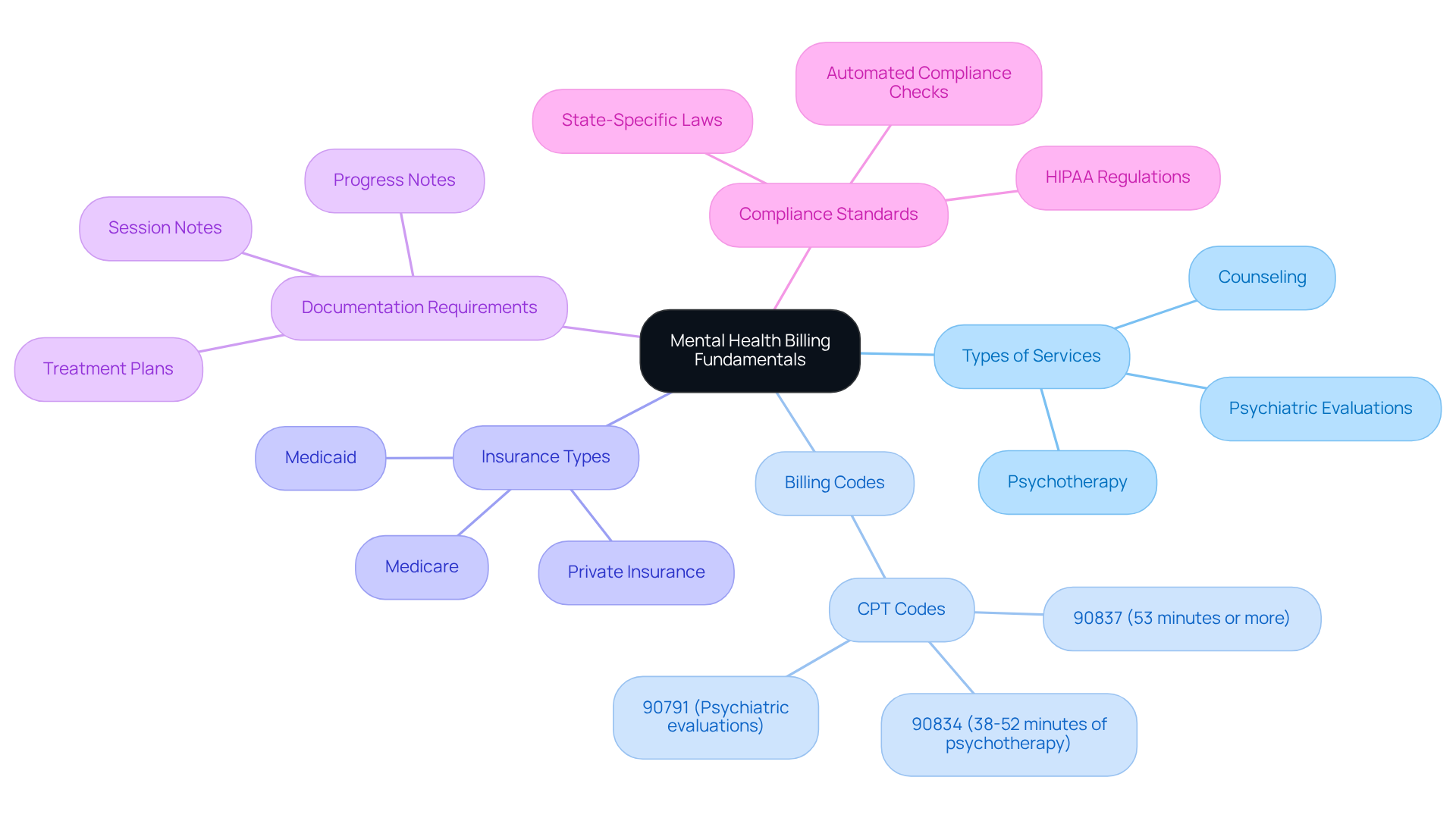
Mastering billing for mental health services requires a thorough understanding of essential components that influence reimbursement:
- Types of Services: Familiarize yourself with the various services offered in mental wellness, such as psychotherapy, counseling, and psychiatric evaluations. Each service may have different billing codes and requirements, which are crucial for accurate reimbursement.
- Billing Codes: Learn about the Current Procedural Terminology (CPT) codes specific to mental health services. For instance, codes like 90834 (for 38-52 minutes of psychotherapy) and 90837 (for 53 minutes or more) are commonly used. Understanding these codes is vital for ensuring the billing for mental health claims is processed correctly.
- Insurance Types: Recognize the different types of insurance plans (private, Medicaid, Medicare) and their specific billing requirements. Each payer may have unique rules regarding billing for mental health coverage and reimbursement, which can significantly impact your organization’s revenue cycle.
- Documentation Requirements: Thorough documentation is essential for substantiating claims. This includes session notes, treatment plans, and progress notes that demonstrate medical necessity. Insufficient documentation can lead to audits and claim denials, disrupting cash flow and increasing the administrative burden on healthcare operations.
- Compliance Standards: Familiarize yourself with compliance regulations, including HIPAA and state-specific laws, to ensure that your financial procedures adhere to legal requirements. Compliance is increasingly scrutinized, with insurers relying on automated systems to enforce diagnosis and coding specificity.
By understanding these fundamentals and utilizing a compliance-first approach, mental health clinics can establish a solid foundation for effective billing for mental health. By prioritizing compliance and understanding billing intricacies, clinics can enhance their financial stability and operational efficiency. Schedule a 30-minute consultation with us to map your current workflow and discover the services that will move the needle fastest for your practice.
Verify Insurance Eligibility and Benefits
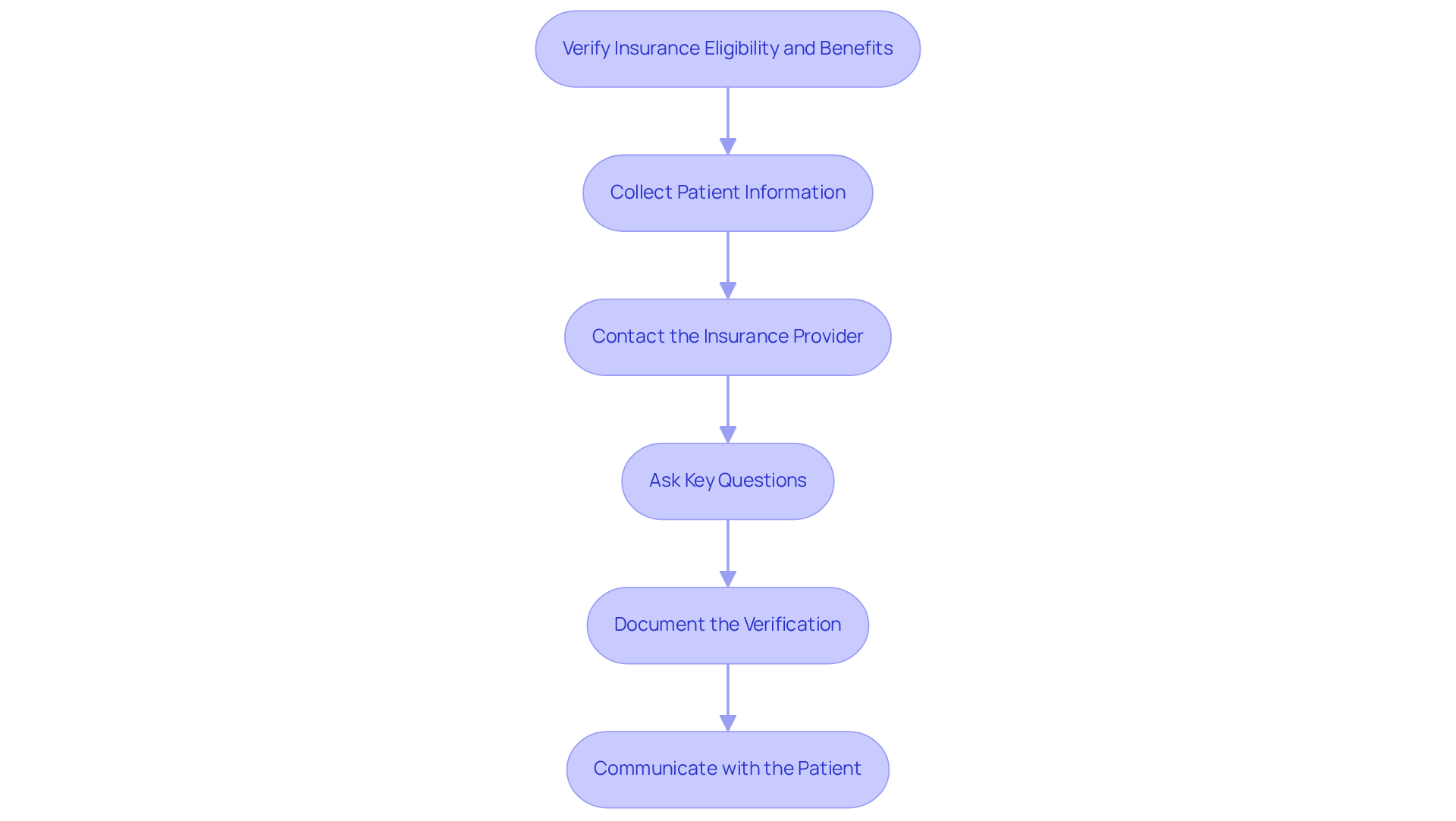
To effectively verify insurance eligibility and benefits for mental health services, follow these essential steps:
-
Collect Patient Information: Gather necessary details from the patient, including their insurance card, policy number, and personal information. Confirm whether they are the primary subscriber or a dependent.
-
Contact the Insurance Provider: Use the contact number on the insurance card to reach the appropriate department. Be prepared to provide the patient’s information and the specific services related to billing for mental health that you plan to offer.
-
Ask Key Questions: When speaking with the insurance representative, inquire about:
- Coverage for mental health services
- Deductibles and copay amounts
- Limitations on the number of sessions covered
- Pre-authorization requirements for specific services
-
Document the Verification: Record the details of the conversation, including the representative’s name, date, and any reference numbers provided. This documentation is crucial for resolving any disputes that may arise later.
-
Communicate with the Patient: Inform the patient about their coverage, including any out-of-pocket costs they may incur. Transparency helps manage expectations and fosters trust.
Implementing these steps can reduce the risk of denials by 20-30%. This leads to a smoother payment process and quicker reimbursements related to billing for mental health, typically ranging from 15-25% within 30-90 days. Furthermore, case studies show that approaches that implement thorough verification processes experience enhanced revenue cycle performance, reducing the chances of billing surprises and improving billing for mental health and overall patient satisfaction. Oregon’s annual reporting on behavioral claims illustrates how proper verification directly impacts reimbursement outcomes. Additionally, expert insights suggest that maintaining clear communication with patients about their benefits can lead to better treatment adherence and satisfaction.
To further optimize your denial management process, consider leveraging the personalized consultation services offered by Healthcare Partners Consulting & Billing, LLC (HPC). The team at Healthcare Partners Consulting, with 39 years of experience, specializes in identifying administrative solutions that align with your practice’s needs, facilitating timely appeals of denials and revenue recovery. With an emphasis on compliance and a profound understanding of payer behavior, Healthcare Partners Consulting empowers mental wellness clinics to streamline operations and enhance patient care.
Document Sessions Accurately and Comply with Standards
Accurate documentation of mental health sessions is essential for effective patient care and operational efficiency. To ensure this, follow these best practices:
-
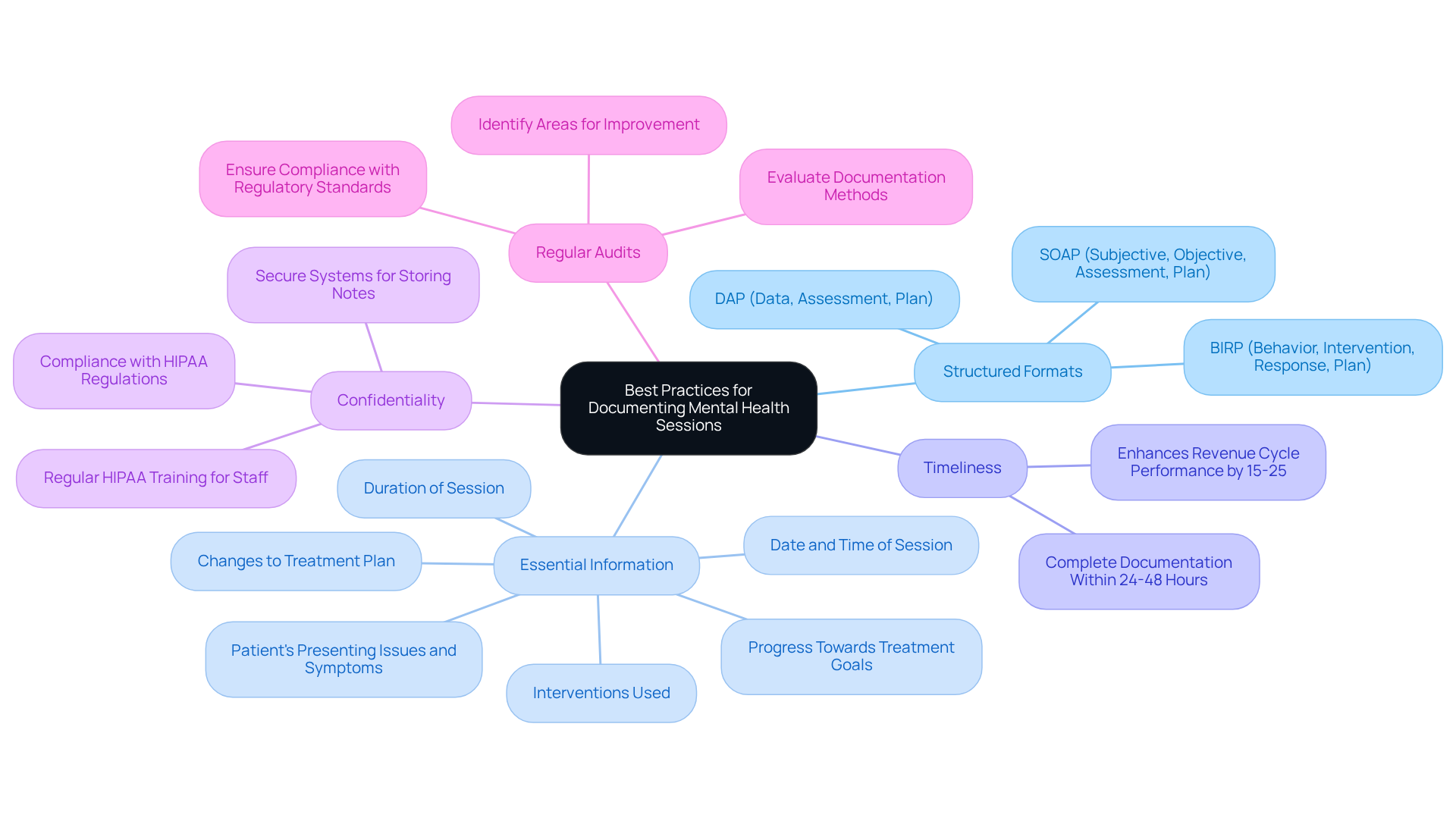
Use Structured Formats: Adopt structured documentation formats such as SOAP (Subjective, Objective, Assessment, Plan) or DAP (Data, Assessment, Plan) to maintain consistency and clarity in your notes. This approach enhances readability and aligns with compliance standards. Experts emphasize that structured documentation is crucial for demonstrating medical necessity and ensuring that treatment is clinically appropriate.
-
Include Essential Information: Each session note should encompass:
- Date and time of the session
- Duration of the session
- Patient’s presenting issues and symptoms
- Interventions used during the session
- Progress made towards treatment goals
- Any changes to the treatment plan
This level of detail ensures clinical accountability and enhances billing accuracy, which is crucial for reducing denial rates by 20-30%.
-
Timeliness: Complete documentation within 24-48 hours of the session to ensure accuracy and capture details while they are fresh in your mind. Timely documentation not only reduces denial rates but can also enhance revenue cycle performance by 15-25% within 30-90 days, ensuring financial stability.
-
Maintain Confidentiality: Ensure that all documentation complies with HIPAA regulations to protect patient privacy. Utilize secure systems for storing and sharing notes, as confidentiality is crucial in mental wellness care. Regular HIPAA training for staff is essential to navigate the complexities of patient information security.
-
Regular Audits: Conduct regular evaluations of your documentation methods to identify areas for improvement and ensure compliance with regulatory standards. Without regular audits, clinics may struggle to maintain compliance, leading to delays in reimbursement that can jeopardize financial health. Incorporating client strengths and progress in your notes can provide a balanced clinical picture and enhance treatment outcomes.
By following these guidelines, mental wellness clinics can improve their documentation quality, which is crucial for both patient care and billing for mental health. Ultimately, enhancing documentation practices not only supports patient outcomes but also strengthens the financial viability of mental wellness clinics.
Avoid Common Billing Mistakes and Challenges
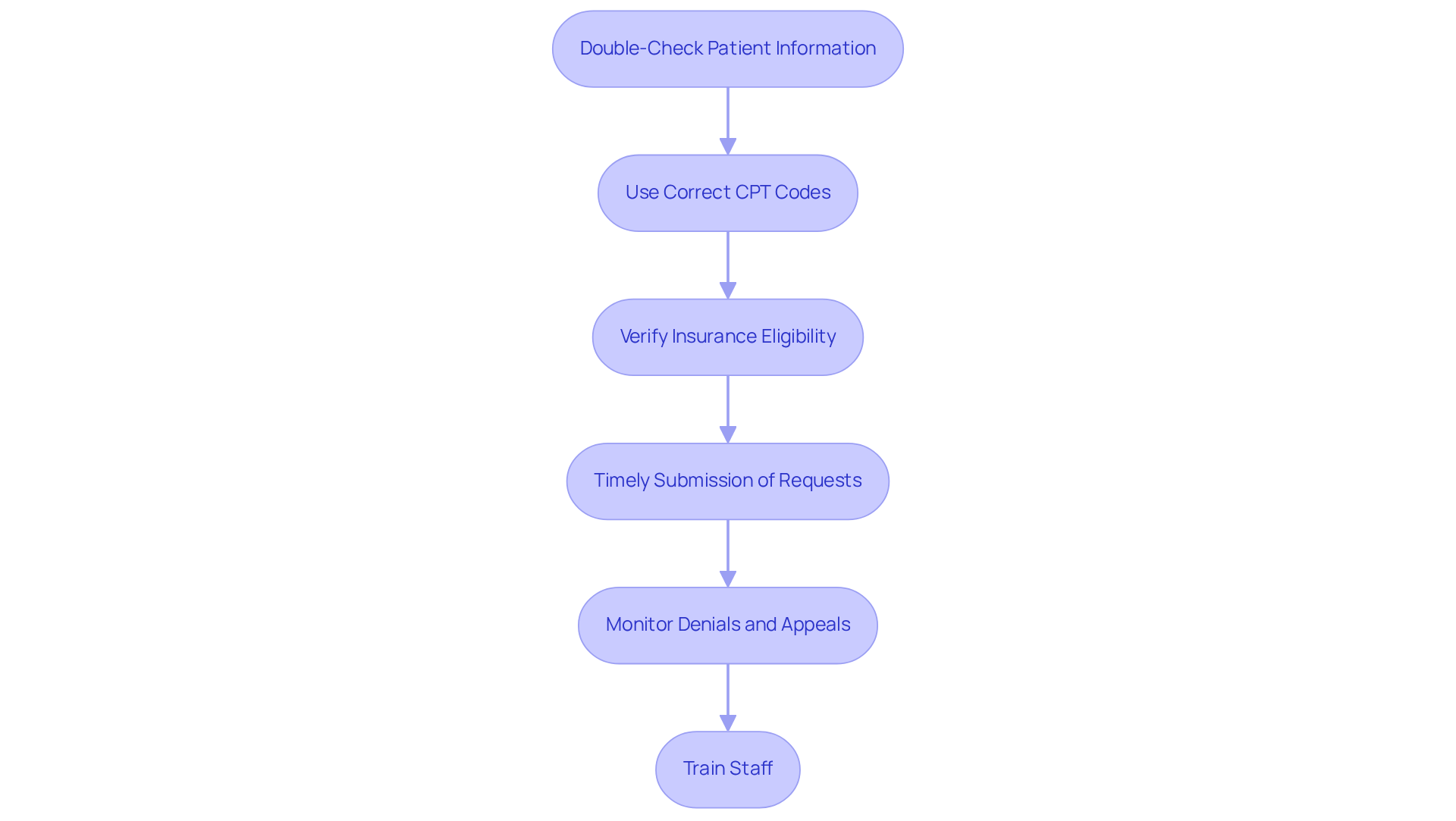
To minimize billing errors in mental health practices, implementing strategic measures is essential:
- Double-Check Patient Information: Ensure that all patient details are accurate and complete before submitting requests. Missing or incorrect information can result in significant denials, with studies showing that nearly 30% of insurance submissions are rejected on the first attempt due to such errors.
- Use Correct CPT Codes: Familiarize yourself with the appropriate CPT codes for the services provided. Incorrect coding is a primary reason for denial of submissions, representing around 32% of first-submission rejections. Regular training on coding updates can help reduce this risk, as coding errors are a leading cause of behavioral health service denials.
- Verify Insurance Eligibility: Always verify insurance eligibility before each session. This step is crucial for avoiding surprises for both the clinic and the patient, as insurance coverage can change frequently due to employer switches or lapses in premium payments. It is advisable to run electronic eligibility checks weekly for all active patients to maintain billing accuracy.
- Timely Submission of Requests: Missing deadlines can lead to significant financial losses. Timely filing limits are typically set at 90-180 days. Submitting requests within 1-3 business days often leads to better clean submission rates.
- Monitor Denials and Appeals: Keep track of denied claims and understand the reasons behind them. Developing a systematic approach to appeal denials can significantly improve recovery rates, as timely appeals have a success rate of 40-60% compared to the standard 25%. Expedited appeals can further enhance these success rates.
- Train Staff: Offer continuous education for personnel engaged in coding to ensure they remain informed about optimal methods and updates in regulations. Practices that invest in staff education see denial rates drop by 20-30%, enhancing overall revenue cycle performance. Training should focus on ICD-10 and CPT codes, medical necessity criteria, and proper documentation to reduce denial risks.
How can mental wellness clinics significantly reduce invoicing errors? By implementing these strategies, practices can not only enhance their financial health through billing for mental health but also ensure a focus on patient care. Case studies indicate that methods addressing common invoicing challenges can enhance their clean claim rates and decrease the percentage of denied claims, ultimately resulting in improved financial health. Additionally, Healthcare Partners Consulting (HPC) offers a quick quiz to evaluate your organization’s profitability score, helping to identify hidden revenue leaks and providing personalized recommendations for enhanced efficiency and billing accuracy. This tailored support, including dedicated virtual assistant services for scheduling and document management, can empower your practice to thrive, ensuring you can focus on what matters most-your patients.
Conclusion
Navigating the complexities of mental health billing is a critical challenge that clinics must address to ensure operational success. Mastering the intricacies of billing for mental health services is essential for clinics aiming to enhance their operational efficiency and financial stability. By focusing on compliance and understanding the unique requirements of mental health billing, practices can significantly reduce administrative burdens, allowing healthcare providers to concentrate on delivering quality patient care. This empowerment is vital for creating an environment where mental health professionals can excel and maintain robust, compliant financial processes.
Key insights from this guide emphasize the importance of:
- Understanding billing fundamentals
- Verifying insurance eligibility
- Maintaining accurate documentation
Each of these components plays a vital role in minimizing billing errors and maximizing reimbursement rates. By implementing structured documentation practices, verifying patient information, and staying informed about coding updates, clinics can avoid common pitfalls that lead to claim denials. Furthermore, the emphasis on compliance ensures that practices not only meet regulatory standards but also build trust with patients and payers alike.
Without these practices, clinics risk falling behind in a competitive landscape, jeopardizing both their financial health and patient care. Ultimately, mastering mental health billing goes beyond just financial success; it’s about building a sustainable practice that truly prioritizes patient care. By prioritizing compliance and collaborating with specialized billing teams, mental health clinics can navigate the complexities of the revenue cycle with confidence. Engaging with experienced partners like Healthcare Partners Consulting & Billing, LLC (HPC) can provide the necessary support to streamline operations and enhance patient outcomes. Choosing to implement these best practices will not only empower your practice but also enhance the quality of care you provide to those who need it most.
Frequently Asked Questions
What are the essential components of mental health billing?
The essential components of mental health billing include understanding the types of services offered, billing codes, insurance types, documentation requirements, and compliance standards.
What types of services are included in mental health billing?
Mental health billing includes services such as psychotherapy, counseling, and psychiatric evaluations, each with different billing codes and requirements.
Why are billing codes important in mental health services?
Billing codes, such as Current Procedural Terminology (CPT) codes, are important because they ensure that billing for mental health claims is processed correctly. For example, codes like 90834 and 90837 are commonly used for psychotherapy sessions of varying lengths.
What should I know about different insurance types in mental health billing?
It is important to recognize the different types of insurance plans, such as private, Medicaid, and Medicare, as each has specific billing requirements that can significantly impact reimbursement and revenue cycles.
What are the documentation requirements for mental health billing?
Thorough documentation is essential and includes session notes, treatment plans, and progress notes that demonstrate medical necessity. Insufficient documentation can lead to audits and claim denials.
What compliance standards should be followed in mental health billing?
Compliance standards include adhering to regulations such as HIPAA and state-specific laws. Ensuring compliance is crucial as insurers increasingly rely on automated systems to enforce diagnosis and coding specificity.
How can mental health clinics enhance their financial stability through billing?
By understanding billing intricacies and prioritizing compliance, mental health clinics can establish a solid foundation for effective billing, which enhances their financial stability and operational efficiency.