

Introduction
Prior authorization is a critical process in healthcare that significantly impacts treatment delivery and cost management. This process determines the medical necessity of treatments and plays a key role in controlling costs while ensuring quality patient care. Healthcare providers face complexities in obtaining these approvals. Delays can lead to frustrated patients and financial strain on practices. Streamlining this process is essential for enhancing patient care and safeguarding financial health. This guide provides a structured approach to mastering prior authorization, helping providers overcome challenges and optimize revenue cycle management.
Understand Prior Authorization: Definition and Importance
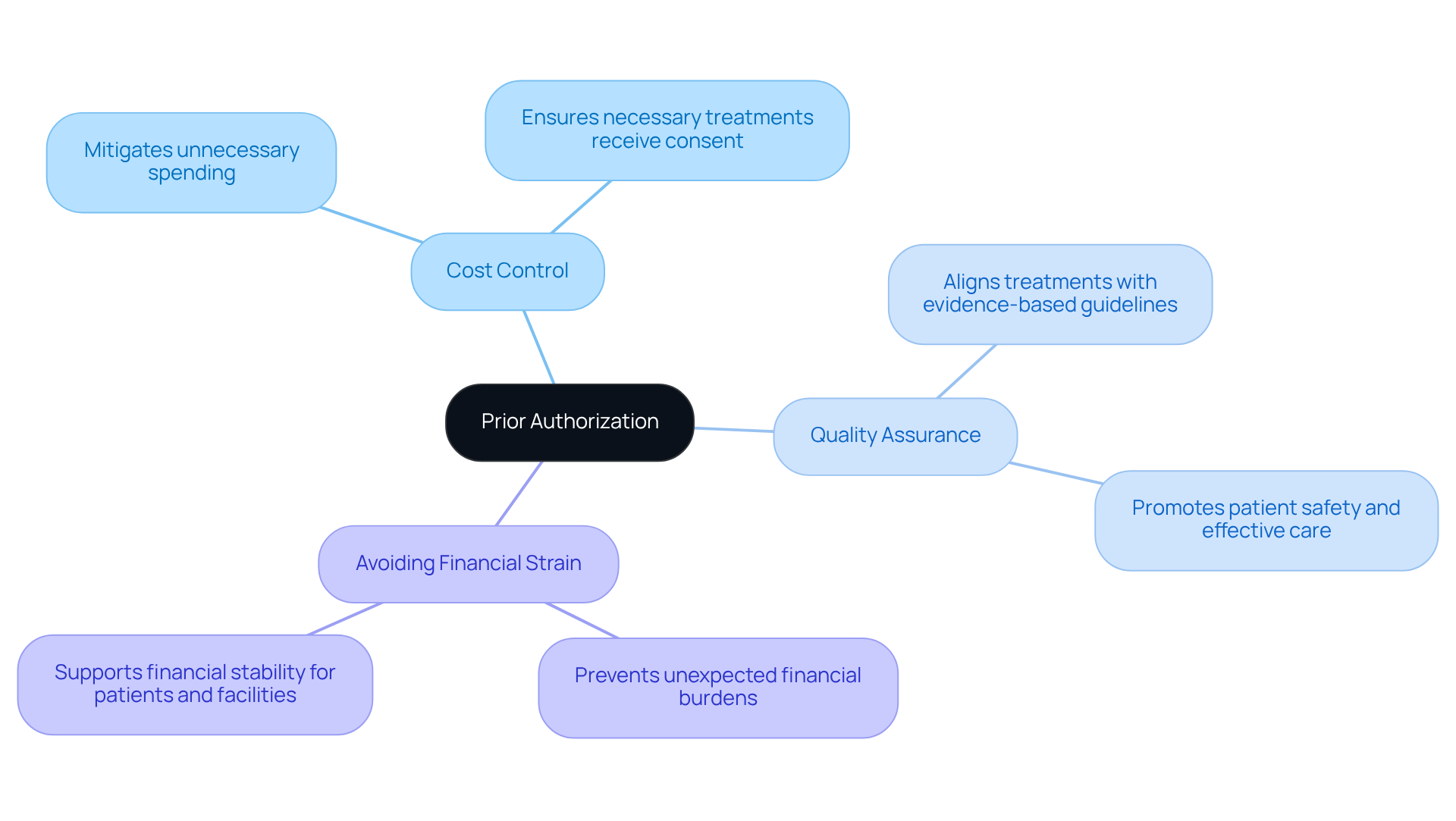
Getting prior authorization from the insurance company is a critical mechanism that health insurance firms use to assess the medical necessity of treatments before coverage is granted. This process is vital for several key reasons:
- Cost Control: Insurers employ advance approval to manage healthcare expenses, ensuring that only necessary treatments receive consent. This helps mitigate unnecessary spending and keeps healthcare costs in check.
- Quality Assurance: By aligning proposed treatments with evidence-based guidelines, advance approval promotes patient safety and effective care. It ensures that patients receive appropriate interventions tailored to their needs.
- Avoiding Financial Strain: Without getting prior authorization from the insurance company, patients and healthcare facilities risk facing unexpected financial burdens for services that might not be covered without earlier consent. This proactive approach aids in sustaining financial stability for both patients and healthcare facilities.
Healthcare Partners Consulting & Billing, LLC (HPC) understands the complexities of the prior approval system and offers tailored solutions that streamline administrative tasks, enabling mental health clinic owners to concentrate more on patient care. With 39 years of experience and a veteran-owned status, HPC provides comprehensive administrative and billing services designed to enhance practice efficiency and optimize revenue cycle management, particularly for behavioral and mental health practices. Their end-to-end medical billing services and dedicated virtual assistant offerings, including scheduling, client intake, and communications, empower healthcare providers by removing administrative burdens.
The importance of getting prior authorization from the insurance company is emphasized by recent legislative initiatives, such as the Improving Seniors’ Timely Access to Care Act, which seeks to simplify the process and minimize administrative inefficiencies. This legislation requires Medicare Advantage plans to implement electronic pre-approval programs, enhancing transparency and efficiency in decision-making.
Statistics indicate that initial approval can result in a decrease in denials by 20-30% and quicker reimbursement timelines of 15-25% within 30-90 days, greatly enhancing revenue cycle performance for healthcare organizations. Case studies illustrate that organizations implementing effective prior approval systems experience improved operational rigor, with scorecard-driven modifications linked to claims accuracy and denial rates.
The American Medical Association highlights that prior approval often leads to delays in care, causing frustration for both patients and physicians. Grasping and maneuvering through the approval system is crucial for healthcare providers, as it directly impacts patient care and the financial stability of their practices. Mastering the approval process not only enhances patient care but also fortifies the financial health of healthcare practices.
Follow the Steps to Obtain Prior Authorization
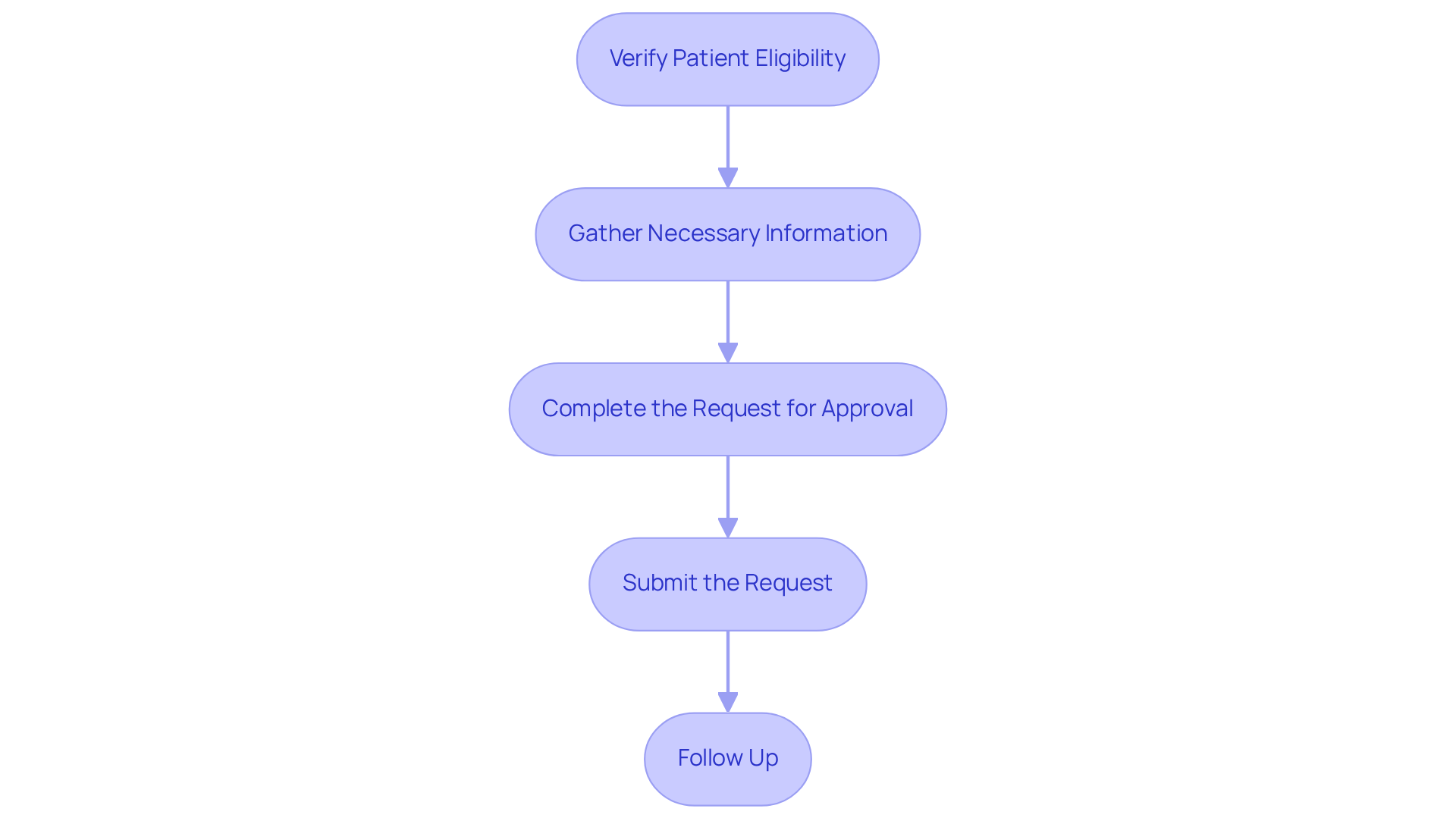
To successfully obtain prior authorization, follow these steps:
- Verify Patient Eligibility: Before starting the prior approval process, confirm that the patient’s insurance plan necessitates prior approval for the proposed treatment or medication. This can often be done through the insurer’s website or by contacting their customer service.
- Gather Necessary Information: Collect all relevant patient information, including medical history, diagnosis, and the specific treatment or medication being requested. Ensure you have the correct CPT codes and any supporting documentation that demonstrates medical necessity, which may include getting prior authorization from the insurance company.
- Complete the Request for Approval: Fill out the request form accurately. This form may vary by insurer, so it’s essential to use the correct one. Include all required information and attach any necessary documentation to support the request.
- Submit the Request: You can usually submit this electronically via the insurer’s portal, by fax, or even by mail, depending on what they require.
- Follow Up: After submission, follow up with the insurance company to confirm receipt of the request and inquire about the expected timeline for a decision. Beginning January 1, 202Getting prior authorization from the insurance company is essential for the process, Medicare Advantage, Medicaid, and CHIP plans must determine most requests for review within 72 hours for urgent cases and 7 days for standard cases. Keeping track of this can help prevent delays in patient care.
Getting prior authorization from the insurance company is essential for the process. Document everything by keeping comprehensive records of all communications and submissions related to getting prior authorization from the insurance company. This documentation is vital for addressing any potential issues or denials that may arise. According to a 202Getting prior authorization from the insurance company is essential for the process AMA survey, facilities complete an average of 40 requests each week per physician, consuming roughly 13 hours of physician and staff time.
Implementing these steps can significantly enhance your organization’s revenue cycle performance, potentially reducing denial rates by 20-30% and speeding up reimbursements by 15-25% within 30-90 days. Without a structured approach, organizations risk significant revenue loss and hindered patient access to necessary treatments. If you’re uncertain which service is most suitable for your operations, consider scheduling a 30-minute consultation with Healthcare Partners Consulting & Billing, LLC (HPC). We’ll map your current workflow and point you at the services that will move the needle fastest, leveraging our veteran-owned status and 39 years of experience in medical billing and practice management.
Navigate Challenges and Misunderstandings in Prior Authorization
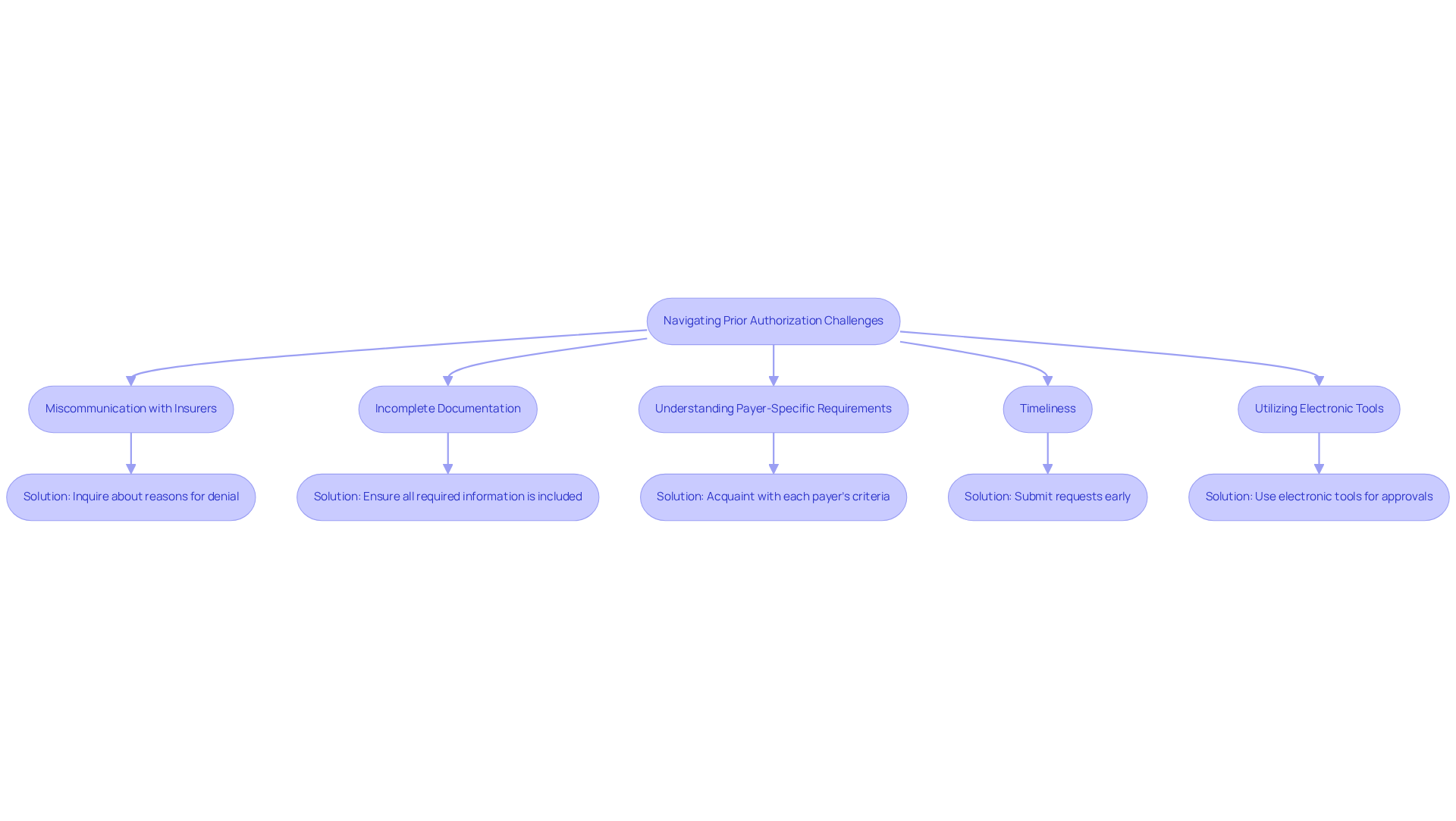
Navigating the challenges of getting prior authorization from the insurance company often presents significant obstacles that can hinder operational efficiency. Here are some common issues and how to navigate them:
- Miscommunication with Insurers: Clear communication with the insurance company is crucial. If a request is denied, inquire about specific reasons and clarify any misunderstandings. Direct communication can often resolve these issues.
- Incomplete Documentation: Incomplete documentation can lead to significant delays and denials in approval requests. Ensure that all required information is included and accurate before submission to avoid unnecessary delays.
- Understanding Payer-Specific Requirements: Different insurers have varying criteria for advance approval. Acquaint yourself with these requirements for each payer your practice collaborates with to enhance efficiency and reduce delays.
- Timeliness: Submit requests as early as possible to account for potential delays. Numerous insurers have specific timelines for processing previous approval requests, and getting prior authorization from the insurance company through early submission can help ensure timely patient care.
- Utilizing Electronic Tools: Utilizing electronic tools for approvals can significantly improve efficiency and reduce errors. These tools often provide real-time updates and can help track the status of requests more efficiently.
Proactively addressing these challenges can lead to a marked increase in the success rate of getting prior authorization from the insurance company. For example, methods that improve their approval processes can experience denial reductions of 20-30% and quicker reimbursement rates of 15-25% within 30-90 days. By leveraging scorecard-driven adjustments tied to claims accuracy and denial rates, healthcare providers can demonstrate operational rigor and improve their revenue cycle performance. Furthermore, it is crucial to acknowledge that managing previous approvals incurs around $11,000 per clinician each year, adding to the $35 billion spent yearly on administrative expenses for such processes in the U.S. These statistics emphasize the financial effect of these challenges on operations, highlighting the urgency of addressing them effectively.
For tailored consultation on how to enhance your practice’s previous approval methods, reach out to Healthcare Partners Consulting at info@hpcbilling.com or call 888-517-4992. We are available nationwide, Monday-Friday, to help you streamline your workflows and enhance patient care.
Utilize Tools and Resources for Efficient Prior Authorization
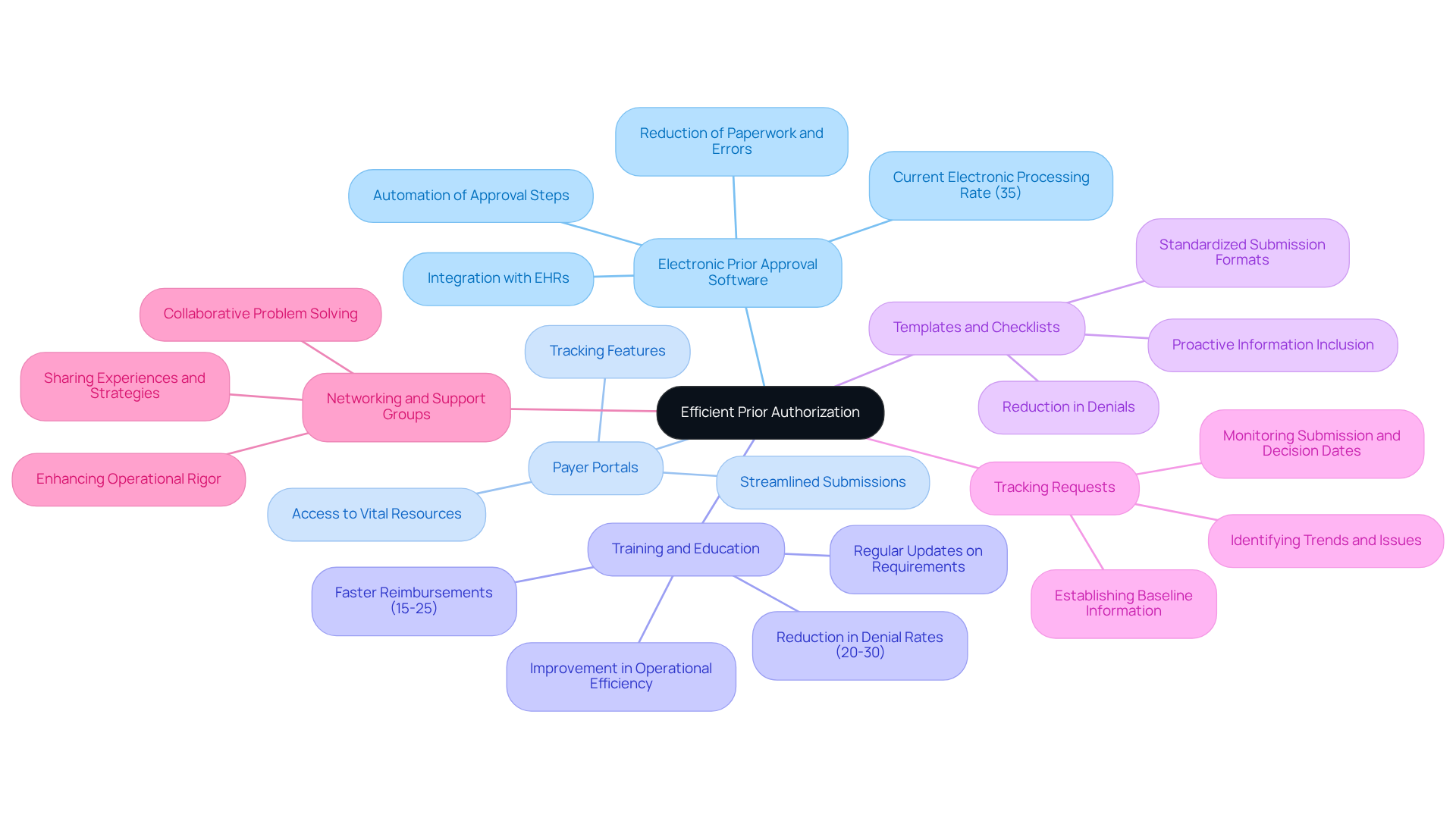
To enhance the efficiency of the prior authorization process, healthcare providers must adopt a multifaceted approach that incorporates technology and training:
- Electronic Prior Approval Software: Invest in software that automates the approval steps. These tools can significantly reduce paperwork, minimize errors, and expedite approvals by integrating seamlessly with electronic health records (EHRs) such as TherapyNotes and SimplePractice. Approximately 35% of medical requests are now processed electronically, highlighting the shift toward automation in healthcare. By leveraging data-driven guidance from Healthcare Partners Consulting, you can appeal the right denials quickly and recover the revenue you’ve earned through our comprehensive revenue cycle management services.
- Payer Portals: Familiarize yourself with the online portals provided by insurance companies. These portals frequently include vital resources, forms, and tracking features that can streamline the prior approval process, enabling faster submissions and follow-ups.
- Training and Education: Keeping staff informed about evolving prior authorization requirements can be challenging. Regular education on the latest requirements and best practices can lead to significant improvements in operational efficiency and financial performance, ultimately reducing denial rates by 20-30% and speeding up reimbursements by 15-25% within 30-90 days. This approach is essential for improving cash flow and ensuring timely patient care.
- Templates and Checklists: Develop templates for common request submissions and checklists to ensure all essential information is included before sending. This proactive approach can streamline the process and significantly reduce the likelihood of denials.
- Tracking Requests: Establish a system to monitor prior approval requests, including submission and decision dates. This practice is crucial for establishing baseline information and improving operational rigor, as it allows for better monitoring of trends and potential issues.
- Networking and Support Groups: Join professional organizations or online forums where healthcare providers share their experiences and strategies regarding prior approvals. Learning from peers can provide valuable insights and tips for overcoming common challenges, fostering a collaborative environment that enhances operational rigor.
Utilizing these tools and resources allows healthcare providers to enhance their approval processes and focus more on delivering quality patient care. With upcoming CMS regulations mandating payers to respond to standard requests within seven business days by January 1, 2026, adopting electronic prior authorization tools is increasingly critical. Healthcare Partners Consulting is here to support you in navigating these changes and optimizing your revenue cycle management.
Conclusion
Mastering prior authorization processes is crucial for healthcare providers seeking to enhance patient care and financial stability. Understanding this process enables healthcare professionals to navigate insurance requirements, ensuring timely treatment approvals.
The article outlines a clear four-step approach to securing prior authorization, emphasizing the importance of:
- Verifying patient eligibility
- Gathering necessary information
- Completing the request accurately
- Following up diligently
It also highlights common challenges such as miscommunication and incomplete documentation, providing actionable strategies to overcome these obstacles. Implementing these best practices helps healthcare providers reduce denial rates and speed up reimbursement, enhancing their revenue cycle performance.
Administrative burdens often detract from patient care. By leveraging the expertise of Healthcare Partners Consulting & Billing, LLC (HPC), healthcare providers can concentrate on what truly matters: their patients. With 39 years of experience and a commitment to integrity, transparency, and innovation, HPC stands ready to assist practices in streamlining their prior authorization processes. Embracing these strategies not only enhances operational efficiency but also reinforces the vital connection between effective administrative management and quality patient care.
For further support, consider reaching out to HPC at info@hpcbilling.com or call 888-517-4992 to explore tailored solutions that can transform your practice.
Frequently Asked Questions
What is prior authorization in healthcare?
Prior authorization is a process used by health insurance companies to assess the medical necessity of treatments before coverage is granted.
Why is prior authorization important?
It is important for cost control, quality assurance, and avoiding financial strain. It helps manage healthcare expenses, ensures treatments align with evidence-based guidelines, and prevents unexpected financial burdens for patients and healthcare facilities.
How does prior authorization help control costs?
Insurers use prior authorization to ensure that only necessary treatments receive consent, which helps mitigate unnecessary spending and keeps healthcare costs in check.
What role does prior authorization play in quality assurance?
It promotes patient safety and effective care by aligning proposed treatments with evidence-based guidelines, ensuring that patients receive appropriate interventions tailored to their needs.
What are the financial implications of not obtaining prior authorization?
Without prior authorization, patients and healthcare facilities risk facing unexpected financial burdens for services that may not be covered, which can affect their financial stability.
How does Healthcare Partners Consulting & Billing, LLC (HPC) assist with prior authorization?
HPC offers tailored solutions that streamline administrative tasks related to prior authorization, allowing mental health clinic owners to focus more on patient care while enhancing practice efficiency and optimizing revenue cycle management.
What recent legislative initiatives have impacted prior authorization processes?
The Improving Seniors’ Timely Access to Care Act aims to simplify the prior authorization process and minimize administrative inefficiencies, requiring Medicare Advantage plans to implement electronic pre-approval programs.
What are the benefits of effective prior approval systems?
Effective prior approval systems can lead to a decrease in denials by 20-30% and quicker reimbursement timelines of 15-25% within 30-90 days, improving revenue cycle performance for healthcare organizations.
What challenges do healthcare providers face with prior authorization?
Prior authorization can lead to delays in care, causing frustration for both patients and physicians. Understanding and navigating the approval system is crucial for maintaining patient care and the financial health of practices.
How can mastering the prior authorization process benefit healthcare practices?
Mastering the approval process enhances patient care and fortifies the financial health of healthcare practices by improving claims accuracy and reducing denial rates.