
Introduction
Healthcare facilities encounter significant challenges that impede operational efficiency and compromise patient care quality. Engaging a medical practice consultant allows clinics to access numerous advantages, including streamlined billing processes and improved compliance strategies. This article explores ten compelling advantages of engaging a consultant, highlighting how tailored solutions can empower healthcare providers to focus on the primary focus: delivering exceptional patient care while effectively navigating the complexities of the healthcare landscape.
What specific transformations can a consultant implement within a clinic’s operations, and how can these changes contribute to sustainable growth and enhanced patient outcomes?
Enhance Operational Efficiency with Expert Guidance
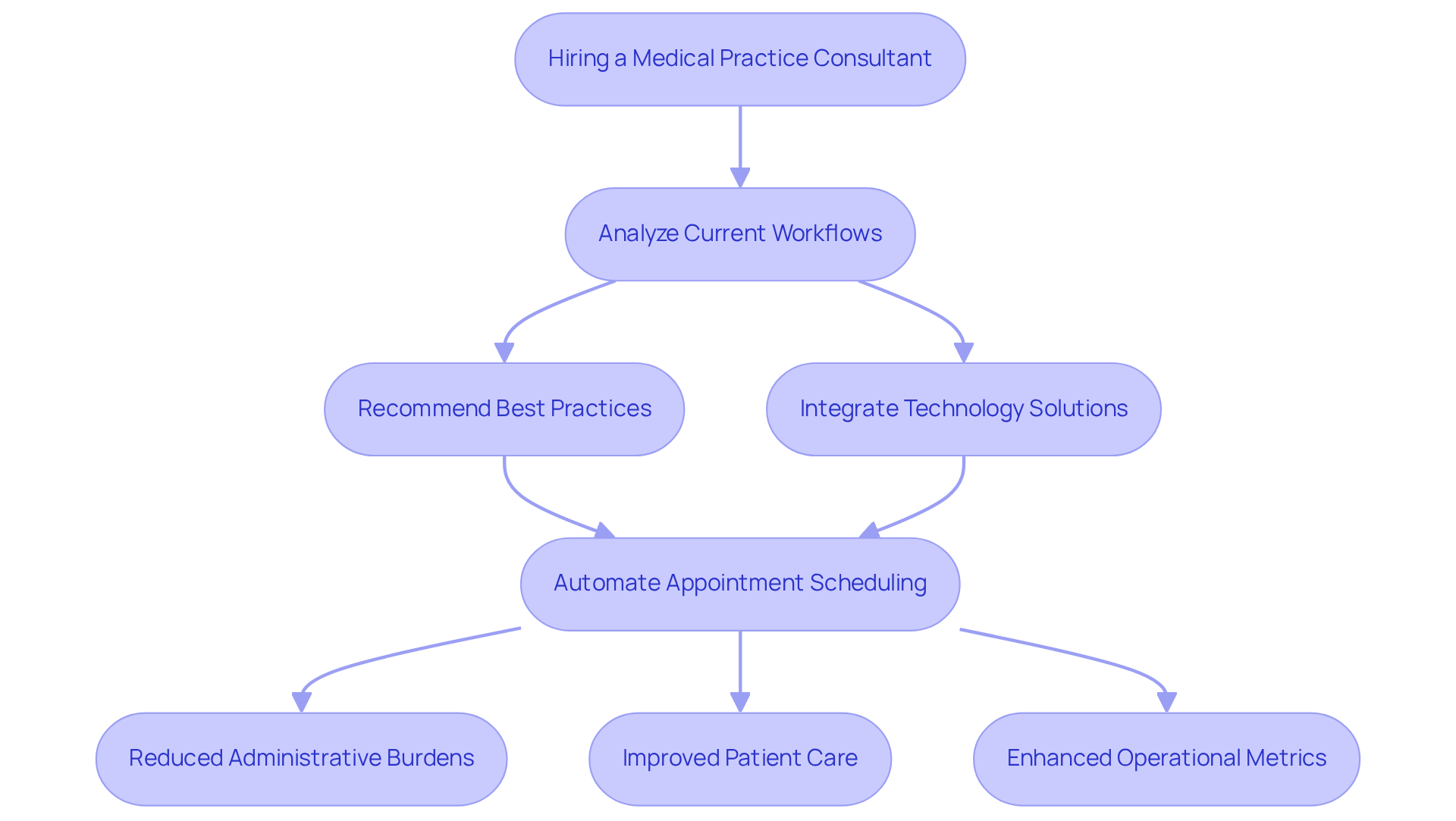
Hiring a medical practice consultant addresses operational inefficiencies that can impede quality patient care. At Healthcare Partners Consulting & Billing, LLC (HPC), our expertise in practice management allows us to analyze current workflows, recommend best practices, and integrate technology solutions that reduce administrative tasks. For instance, automating appointment scheduling and follow-ups alleviates administrative burdens, allowing staff to focus on patient care. By ensuring accurate claims and prompt follow-ups, we enhance clinic efficiency and improve the patient experience.
Research indicates that organizations utilizing a medical practice consultant frequently see improved operational metrics, including reduced patient wait times and better appointment adherence. By empowering healthcare providers to remove administrative burdens, HPC enables a greater focus on delivering quality care.
With 39 years of experience and as a veteran-owned business, HPC stands out in the industry, providing tailored solutions that promote sustainable growth in healthcare operations. With a focus on operational excellence, HPC empowers healthcare providers to enhance patient care outcomes.
Increase Revenue Through Strategic Financial Management
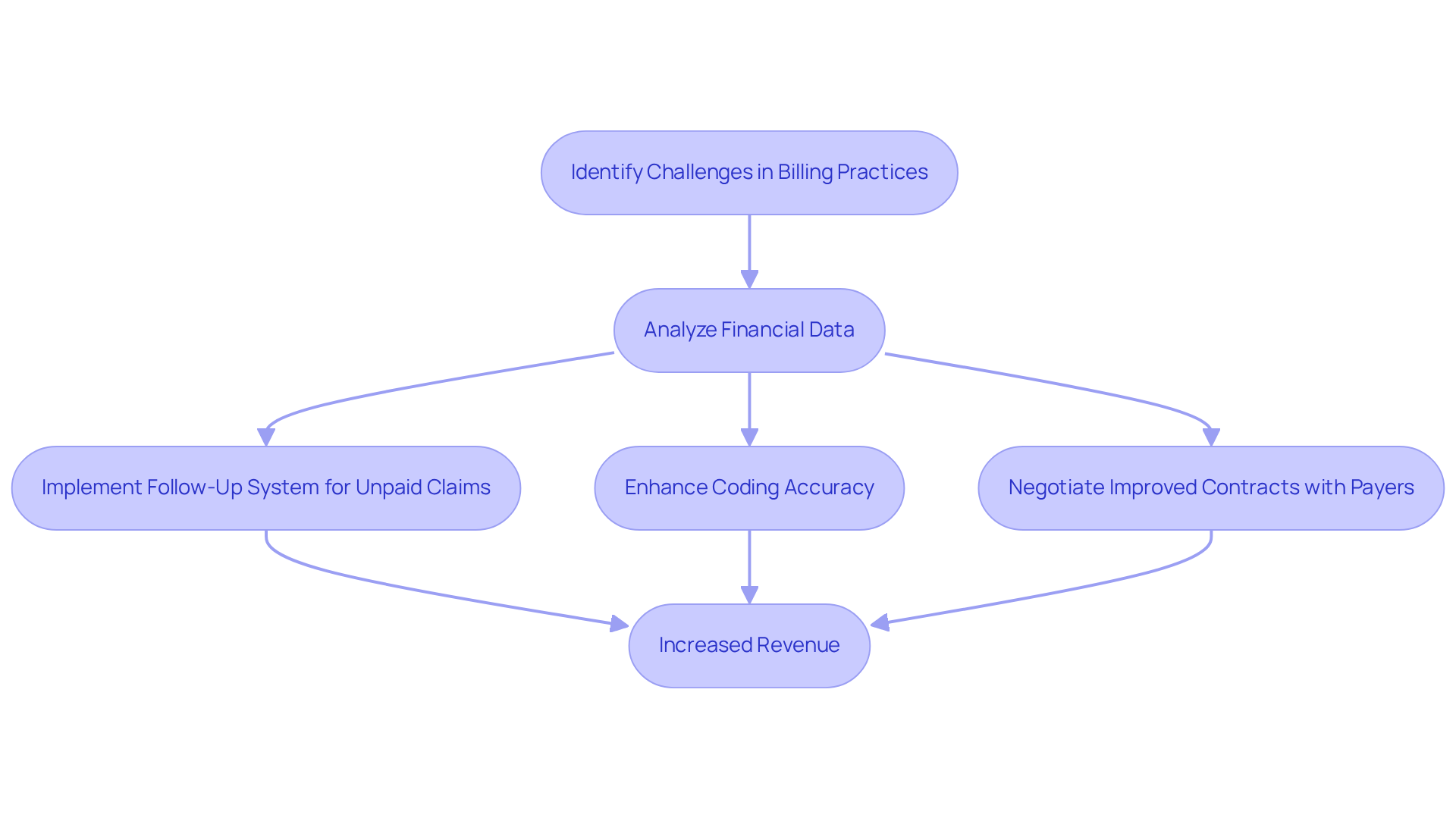
Many healthcare facilities face challenges in maximizing their revenue due to outdated billing practices. A medical practice consultant plays a crucial role in assisting these facilities to boost revenue through optimized billing methods and enhanced revenue cycle management. They analyze financial data to identify trends and areas for improvement, focusing on minimizing claim denials and enhancing collections.
For instance, implementing a robust follow-up system for unpaid claims can lead to significant revenue increases. Practices that implement modern billing methods frequently observe income increases ranging from 10% to 30% within the initial months, attributed to reduced denials and improved coding accuracy.
Moreover, a medical practice consultant can assist in negotiating improved contracts with payers, ensuring healthcare facilities receive equitable compensation for their services. A case study revealed that a healthcare facility’s monthly revenue surged from $90,000 to $120,000 after implementing enhanced billing solutions from Healthcare Partners Consulting & Billing, LLC (HPC), a veteran-owned company with 39 years of experience.
This case underscores the importance of strategic financial management in achieving sustainable revenue growth.
Ensure Compliance and Mitigate Risks Effectively
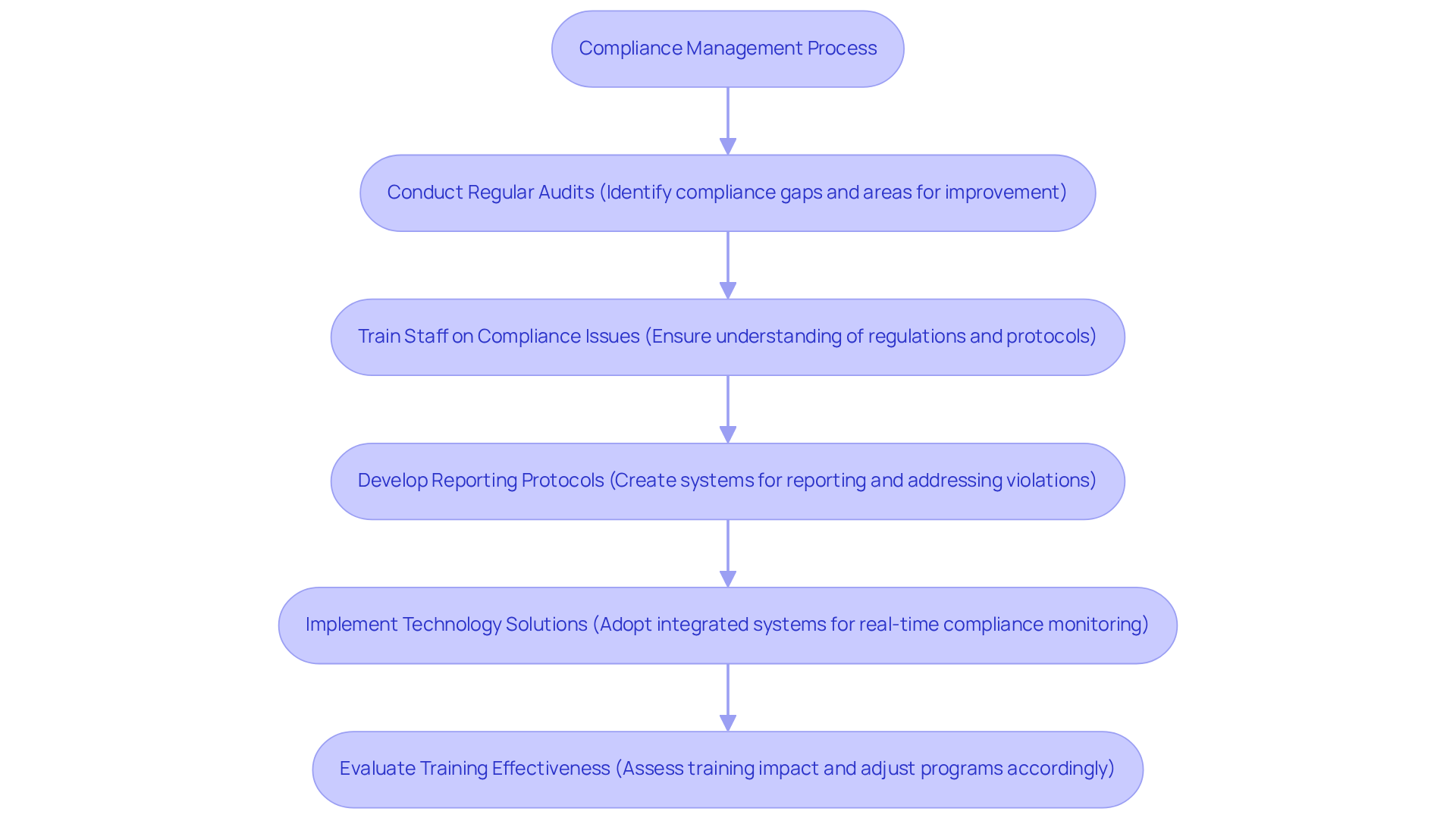
For healthcare facilities striving to navigate the complexities of compliance with federal and state regulations, a medical practice consultant is essential. This involves conducting regular audits, training staff on compliance issues, and developing protocols for reporting and addressing violations. For example, implementing a system to track patient data privacy compliance ensures that all staff are well-versed in HIPAA regulations. These proactive measures reduce risks and enhance the facility’s reputation and operational integrity.
In 2026, the landscape of healthcare compliance is evolving, with a shift towards continuous compliance rather than point-in-time assessments. Clinics are increasingly adopting integrated technology solutions that provide real-time visibility into compliance metrics and streamline processes. This shift not only simplifies compliance management but also enhances operational efficiency. Effective compliance programs engage stakeholders at all levels, fostering a culture of accountability and transparency.
We recommend a 30-minute consultation with Healthcare Partners Consulting & Billing, LLC (HPC), a veteran-owned company that operates as a medical practice consultant with 39 years of experience in the industry. During this call, we will outline your current workflow and identify the services that will drive the most significant impact for your organization. This personalized approach is essential for pinpointing optimal administrative solutions tailored to your specific needs, including comprehensive revenue cycle management designed specifically for behavioral and mental health practices.
Case studies illustrate the effectiveness of these compliance initiatives. For example, facilities that have adopted automated systems for monitoring credential expiration have significantly diminished the risk of lapses, ensuring that all healthcare providers meet essential qualifications. Furthermore, regular program evaluations assist in evaluating training effectiveness and policy compliance rates, enabling healthcare facilities to make informed adjustments to their compliance strategies.
Statistics indicate that organizations investing in comprehensive compliance training see adherence rates among staff increase by up to 30%, which is essential for maintaining operational standards and avoiding costly penalties. By embracing a proactive compliance strategy, healthcare facilities can position themselves as leaders in quality care and regulatory adherence.
Improve Staffing Solutions and Retention Strategies
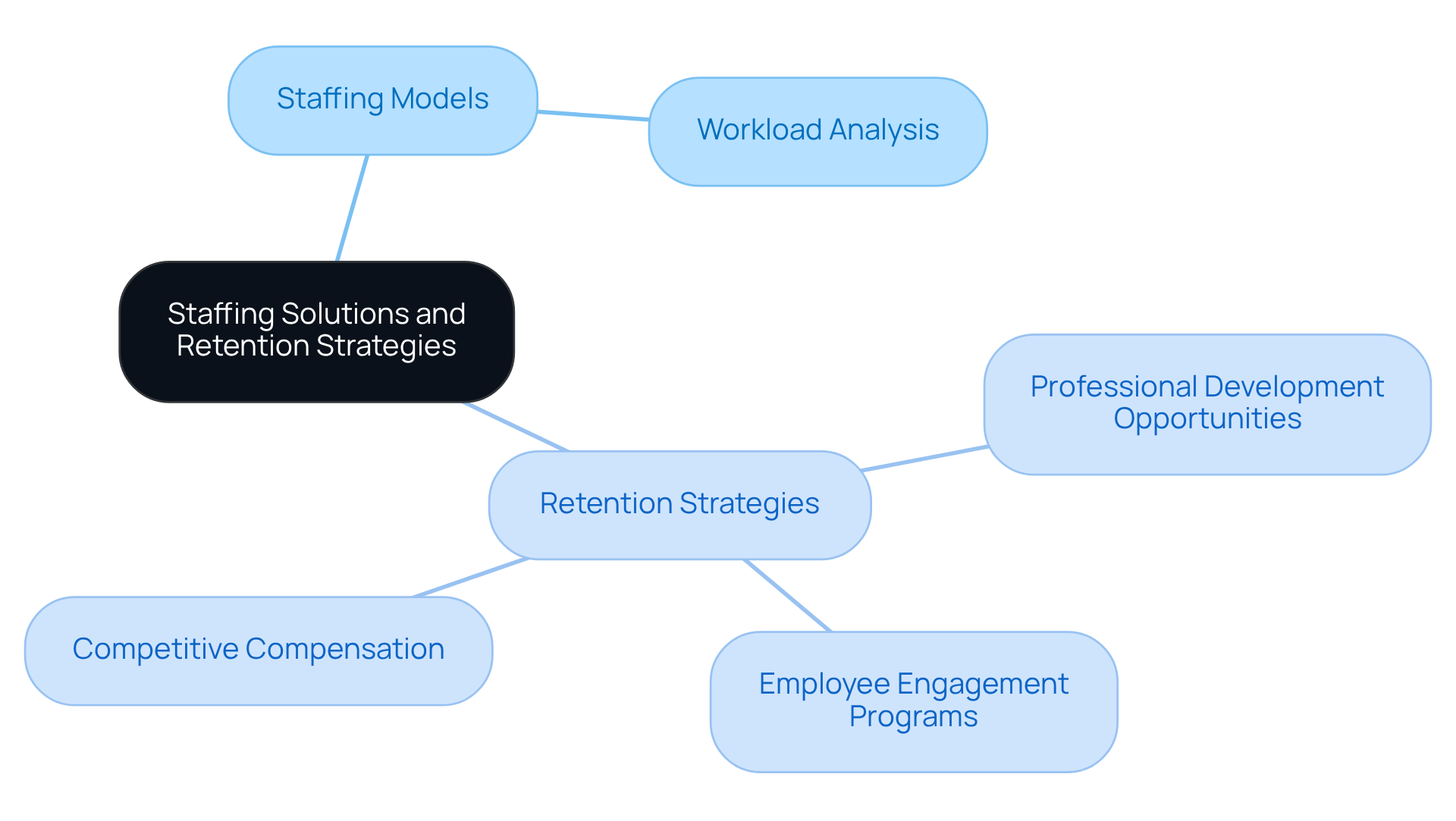
Healthcare facilities often struggle to align staffing models with patient needs and operational goals, but a medical practice consultant from Healthcare Partners Consulting & Billing, LLC (HPC) can provide valuable assistance. HPC specializes in developing effective staffing models by analyzing workload patterns to ensure adequate staffing levels during peak times. Additionally, HPC implements retention strategies, including:
- Employee engagement programs
- Competitive compensation packages
- Professional development opportunities
A medical practice consultant can help healthcare facilities significantly improve their operational efficiency through data-driven consulting and the support of trained healthcare virtual assistants for scheduling, intake, and communications. For example, mentorship programs can help new employees adapt and feel valued, which decreases turnover rates and promotes sustainable growth. Ultimately, these strategies not only reduce turnover but also foster a culture of growth and stability within healthcare organizations.
Receive Tailored Solutions for Unique Operational Challenges
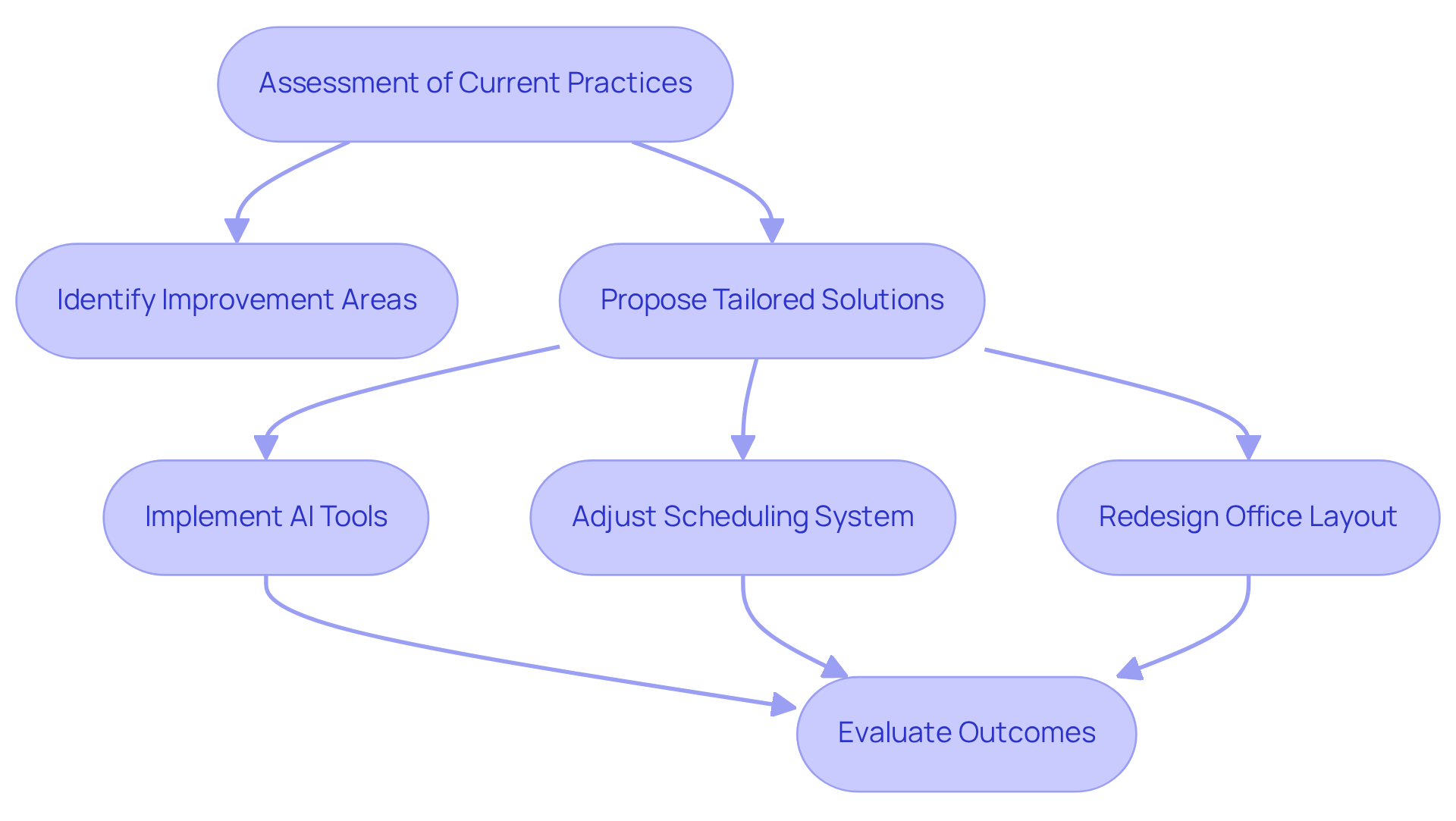
Healthcare facilities face persistent operational challenges that require expert intervention to enhance efficiency and patient care. Medical practice consultants provide customized solutions that specifically address these challenges. The process begins with a thorough assessment of current practices to identify improvement areas. For instance, if a healthcare facility encounters bottlenecks in flow, a consultant may propose adjustments to the scheduling system or redesign the office layout to improve efficiency. By offering tailored strategies, a medical practice consultant empowers healthcare facilities to effectively address their unique challenges.
As we look to 2026, the trend of healthcare systems adopting AI tools to streamline operations is becoming increasingly evident. Data indicates that organizations implementing tailored operational strategies achieve measurable improvements in efficiency and patient satisfaction. For example, facilities that have adopted telemedicine solutions report enhanced accessibility and diminished administrative burdens, enabling staff to concentrate more on care.
Healthcare Partners Consulting & Billing, LLC (HPC) offers a quick quiz to evaluate profitability and identify hidden revenue leaks specifically for mental health organizations. This assessment takes just two minutes and provides personalized recommendations to improve efficiency and billing accuracy. Such tools are essential for practice owners aiming to enhance their profitability while ensuring that administrative duties do not interfere with care.
Case studies emphasize the success of customized operational solutions developed by a medical practice consultant in mental health facilities. One notable example is the University of Michigan Health-Sparrow, which is expanding its behavioral health services through a new $83 million facility. This initiative highlights the significance of adjusting operational strategies to address the increasing demand for mental health services, ultimately enhancing outcomes for individuals and the performance of facilities. By leveraging expert insights and innovative solutions, healthcare providers can enhance their operational efficiency and better serve their communities.
Enhance Patient Care Quality Through Expert Consulting
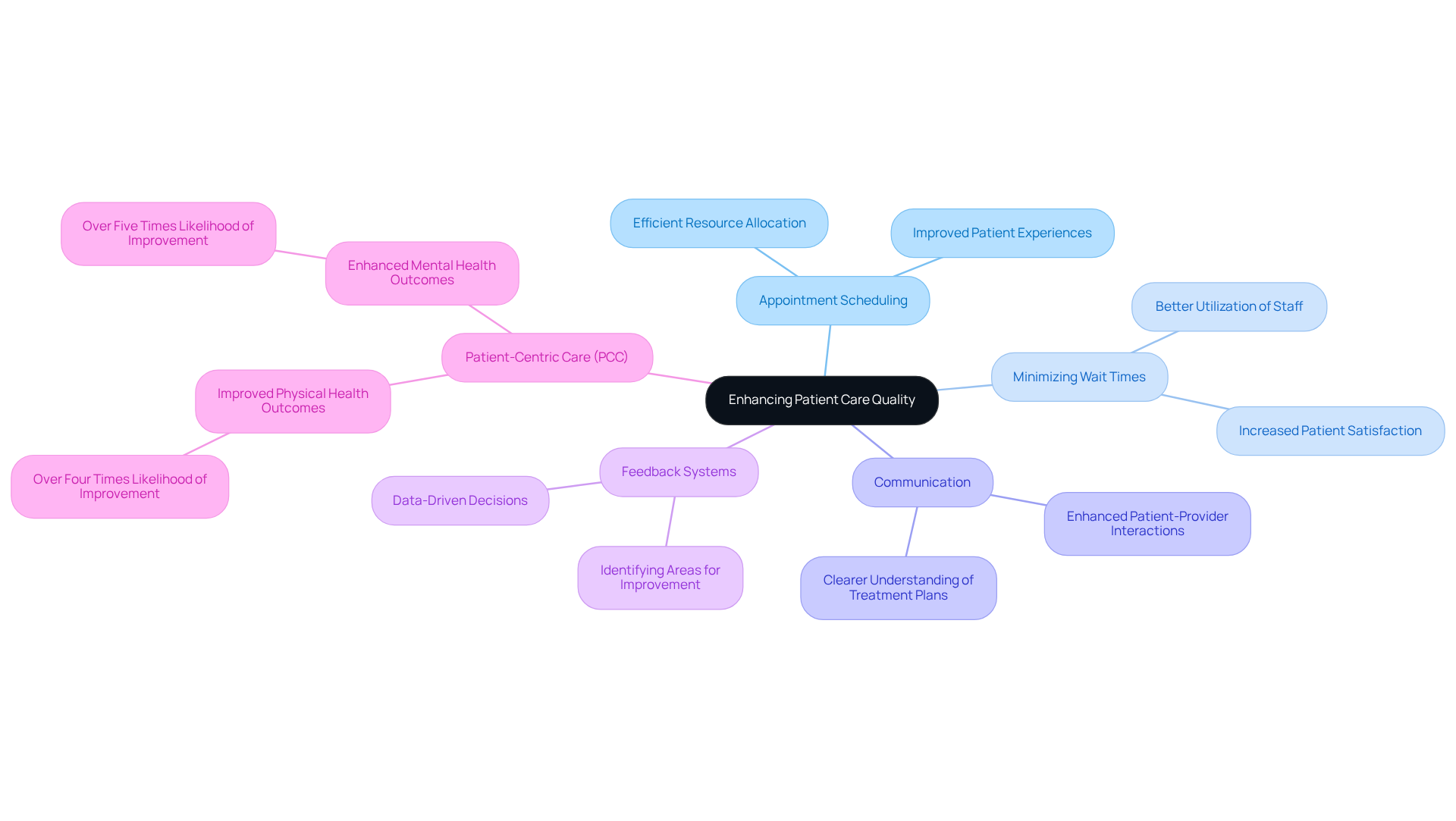
Inefficient processes in healthcare can hinder the quality of care, making the role of consultants essential for improvement. By enhancing appointment scheduling and minimizing wait times, healthcare facilities can significantly improve patient experiences. Furthermore, fostering communication between staff and individuals is crucial for effective service delivery.
For instance, implementing a feedback system allows clinics to gather valuable insights into areas needing improvement, enabling data-driven decisions that enhance service delivery. Research shows that patient-centric care (PCC) approaches lead to improved physical health outcomes, with over four times the likelihood of reporting such improvements. Additionally, these approaches increase the chances of enhanced mental health outcomes by more than five times.
This emphasis on quality care not only nurtures stronger relationships with individuals but also results in heightened overall satisfaction. As a veteran-owned company with 39 years of experience, Healthcare Partners Consulting & Billing, LLC (HPC) specializes in comprehensive revenue cycle management tailored to behavioral and mental health practices. Ultimately, expert consulting empowers healthcare facilities to not only meet compliance standards but also to elevate the quality of care provided to individuals.
Leverage Data-Driven Insights for Informed Decisions
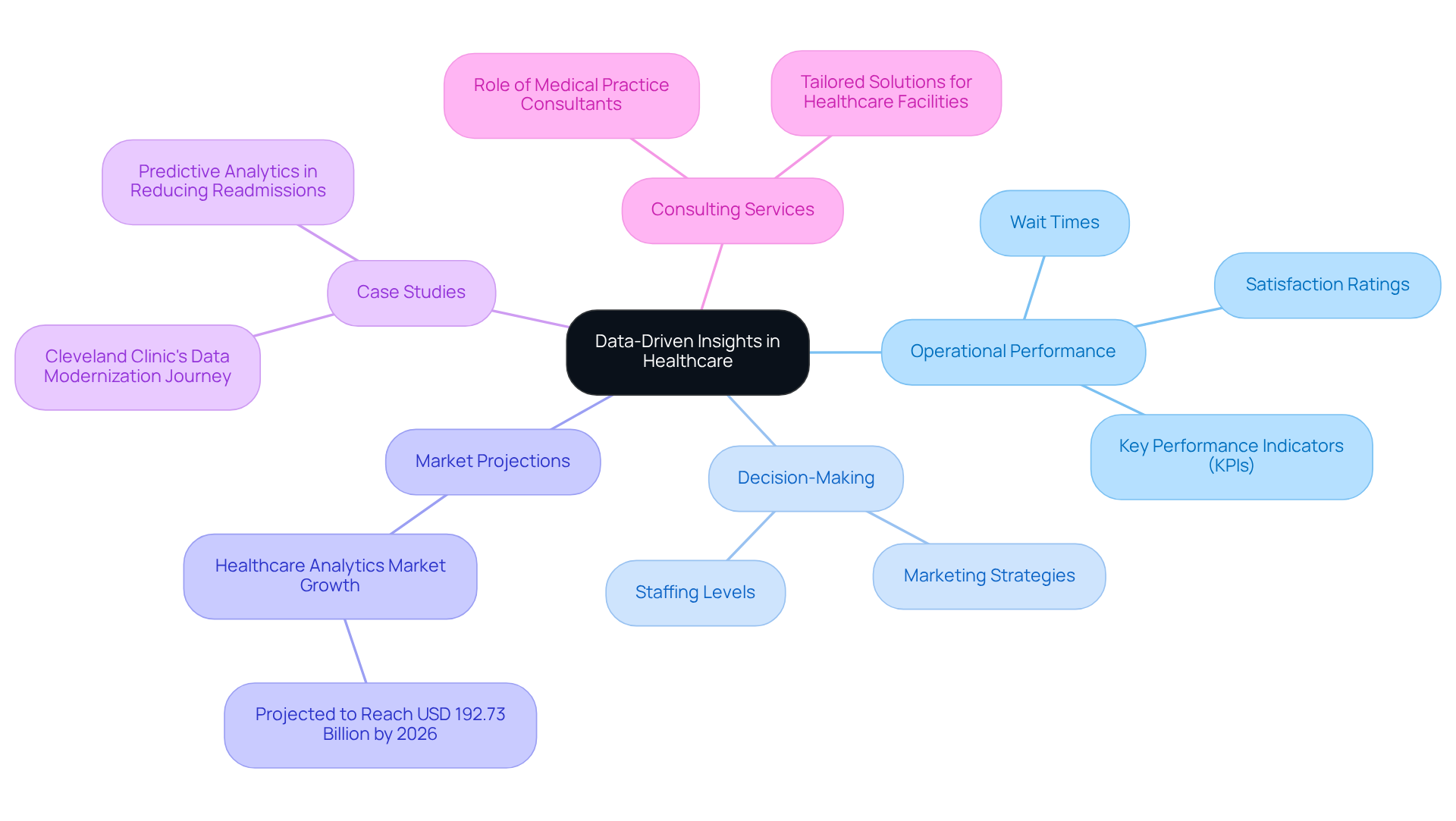
In an era where data drives success, healthcare facilities must leverage analytics to remain competitive. A medical practice consultant is crucial in helping healthcare facilities implement data analytics tools. These tools provide valuable insights into operational performance and outcomes. By analyzing key performance indicators (KPIs), healthcare facilities can identify trends and make informed decisions.
For instance, tracking wait times and satisfaction ratings allows healthcare facilities to modify staffing levels and improve service delivery. Data insights can also shape marketing strategies. This enables healthcare facilities to attract and retain individuals more effectively.
In 2026, the healthcare analytics market is projected to reach USD 192.73 billion, reflecting the growing reliance on data to drive decision-making. Successful case studies illustrate that healthcare facilities utilizing analytics have achieved significant enhancements in operational efficiency and patient engagement, highlighting the transformative power of data in healthcare.
Without embracing data analytics, healthcare facilities risk stagnation in a rapidly evolving industry. Mental health practice owners can boost profitability by using HPC’s quick quiz to assess their practice’s profitability score. This tool offers tailored suggestions to enhance efficiency and billing precision, ensuring that healthcare facilities are well-supported in their operational efforts.
By collaborating with seasoned medical practice consultants from Healthcare Partners Consulting & Billing, LLC (HPC), mental health service owners can customize solutions to their unique requirements, including comprehensive revenue cycle management services, and concentrate on providing quality patient care.
Streamline Billing and Administrative Processes
Many healthcare facilities face challenges in managing their billing and administrative systems effectively. A medical practice consultant plays a vital role in helping these facilities improve their operations through the adoption of optimal methods and cutting-edge technology solutions. Healthcare Partners Consulting & Billing, LLC (HPC), a veteran-owned organization with 39 years of experience, offers flexible service plans tailored to the size of your operation, claim volume, and desired level of support, whether full-cycle billing or targeted accounts receivable assistance. Automating billing systems and refining claims submission processes directly improve operational efficiency. For instance, integrating electronic health records (EHR) not only boosts billing accuracy but also reduces claim denials, a major source of revenue loss. Methods utilizing AI-driven billing automation have reported a 20-40% improvement in clean claim rates, leading to faster reimbursements and enhanced cash flow.
Streamlining these processes alleviates the administrative burdens that often overwhelm staff, enabling them to concentrate more on patient care. A study found that organizations adopting comprehensive automation systems experienced a 25% increase in overall efficiency, demonstrating the tangible benefits of these improvements. Furthermore, as the healthcare landscape evolves, facilities are encouraged to adopt innovative solutions that align with new regulatory requirements, ensuring they remain competitive and compliant.
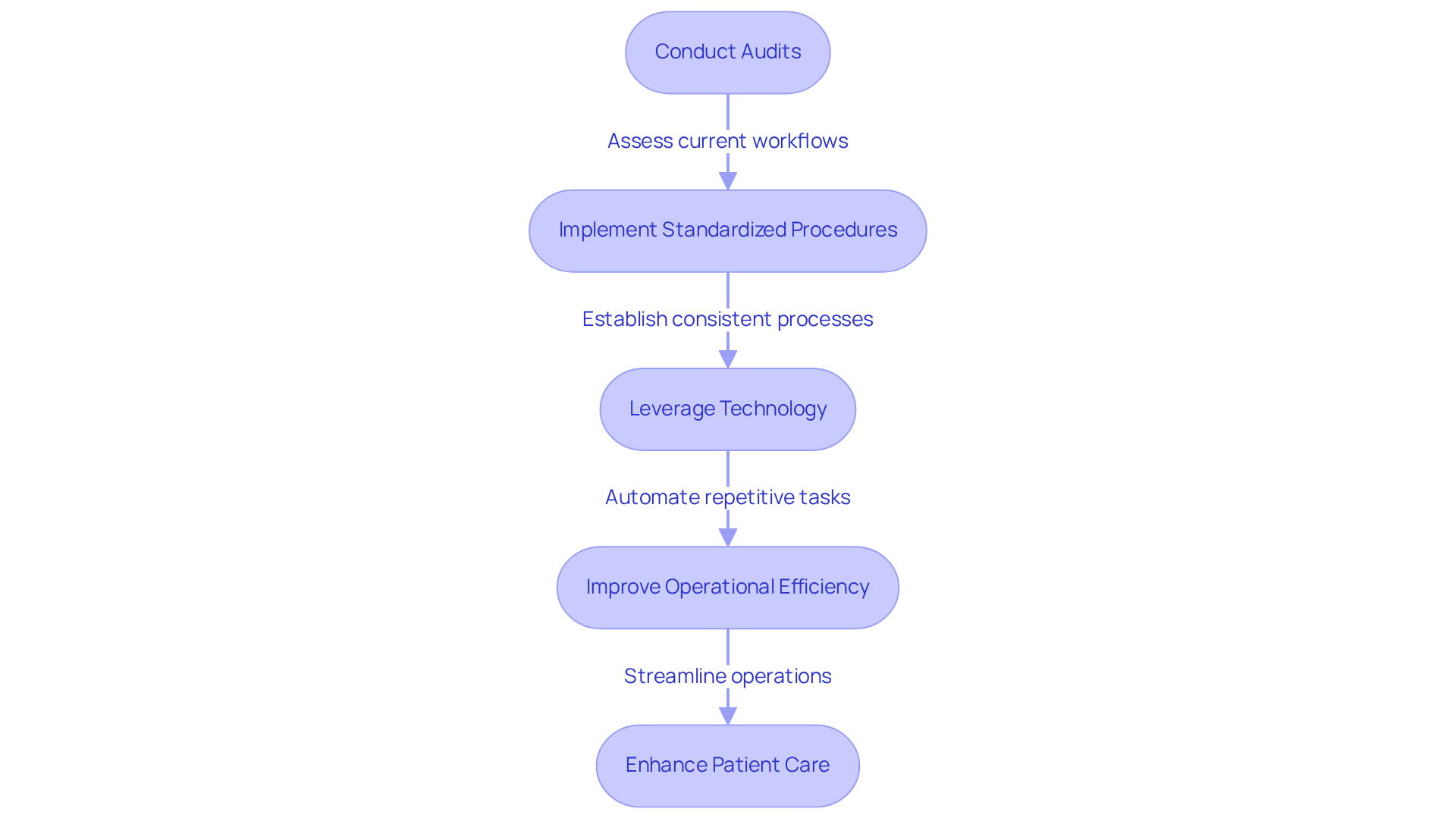
Optimal approaches for streamlining billing processes involve:
- Conducting thorough audits of current workflows
- Implementing standardized procedures
- Leveraging technology to automate repetitive tasks
By prioritizing these strategies, healthcare facilities can enhance their operational performance and improve patient satisfaction through more efficient service delivery. Additionally, consider exploring the various pricing models offered by HPC to find the best fit for your operations. By embracing these strategies, healthcare facilities can position themselves for sustained success in a competitive landscape.
Build Long-Term Partnerships for Continuous Improvement
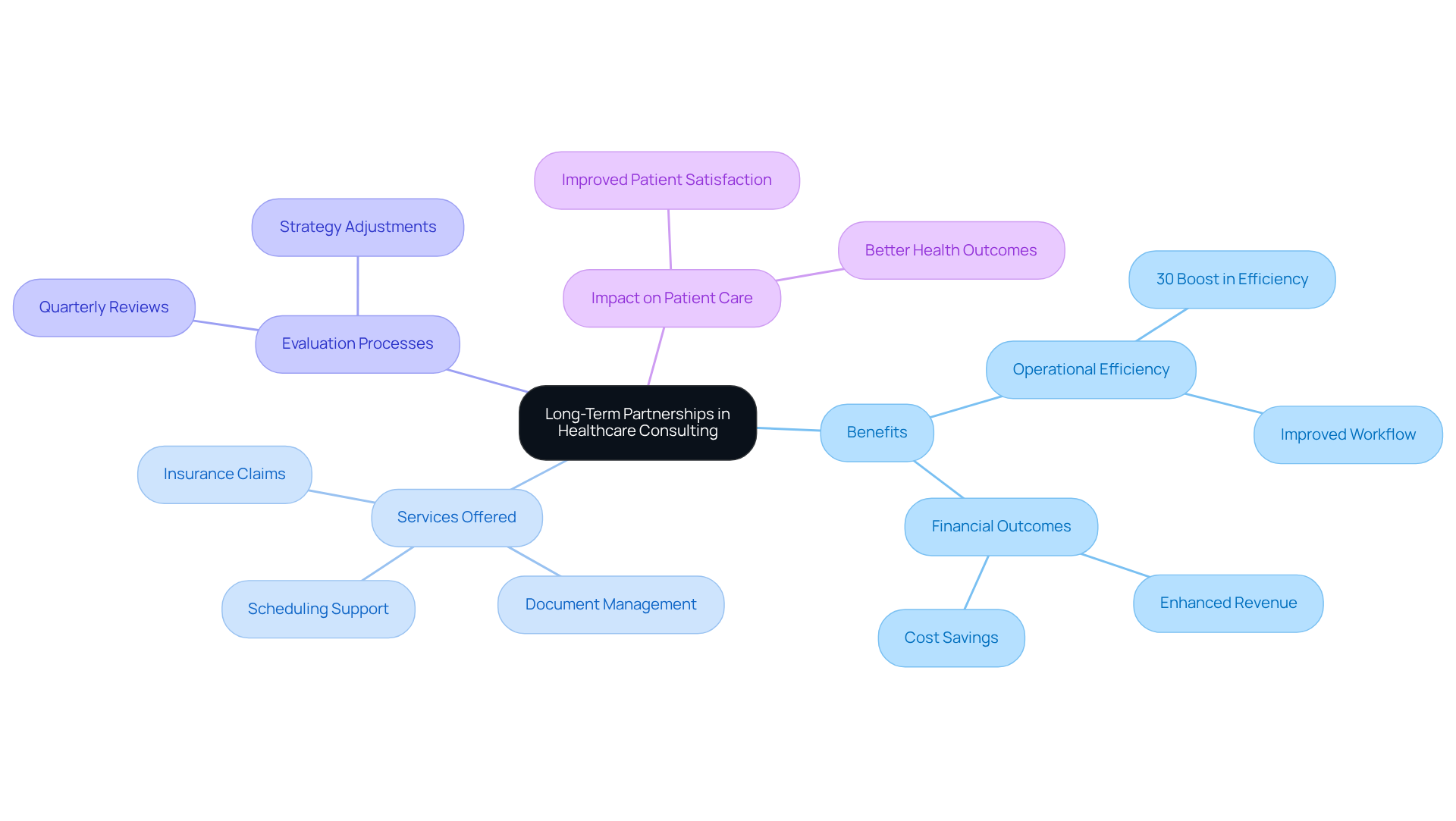
For healthcare facilities, lacking long-term partnerships with a medical practice consultant can hinder continuous improvement. These collaborations enable regular evaluations and support, ensuring strategies remain effective. For example, Healthcare Partners Consulting & Billing, LLC (HPC), a veteran-owned company with 39 years of experience, offers customized administrative support services to keep your office running smoothly, whether you need help with scheduling, document management, or insurance claims.
Additionally, a consultant may conduct quarterly reviews to evaluate progress and adjust strategies as needed. These partnerships foster excellence and enable healthcare facilities to navigate the evolving landscape with the support of a medical practice consultant. Research shows that clinics with long-term consulting relationships see a 30% boost in operational efficiency, highlighting the tangible benefits of sustained collaboration.
Furthermore, expert insights indicate that these collaborations can enhance patient care and improve financial outcomes, making them an invaluable asset for any healthcare organization. To further evaluate your organization’s profitability, HPC provides a quick quiz that helps identify hidden revenue leaks and offers personalized recommendations for improved efficiency and billing accuracy, all while adhering to a compliance-first approach.
In the competitive healthcare landscape, a strategic consulting partnership can determine whether an organization thrives or merely survives.
Facilitate Growth and Expansion Planning
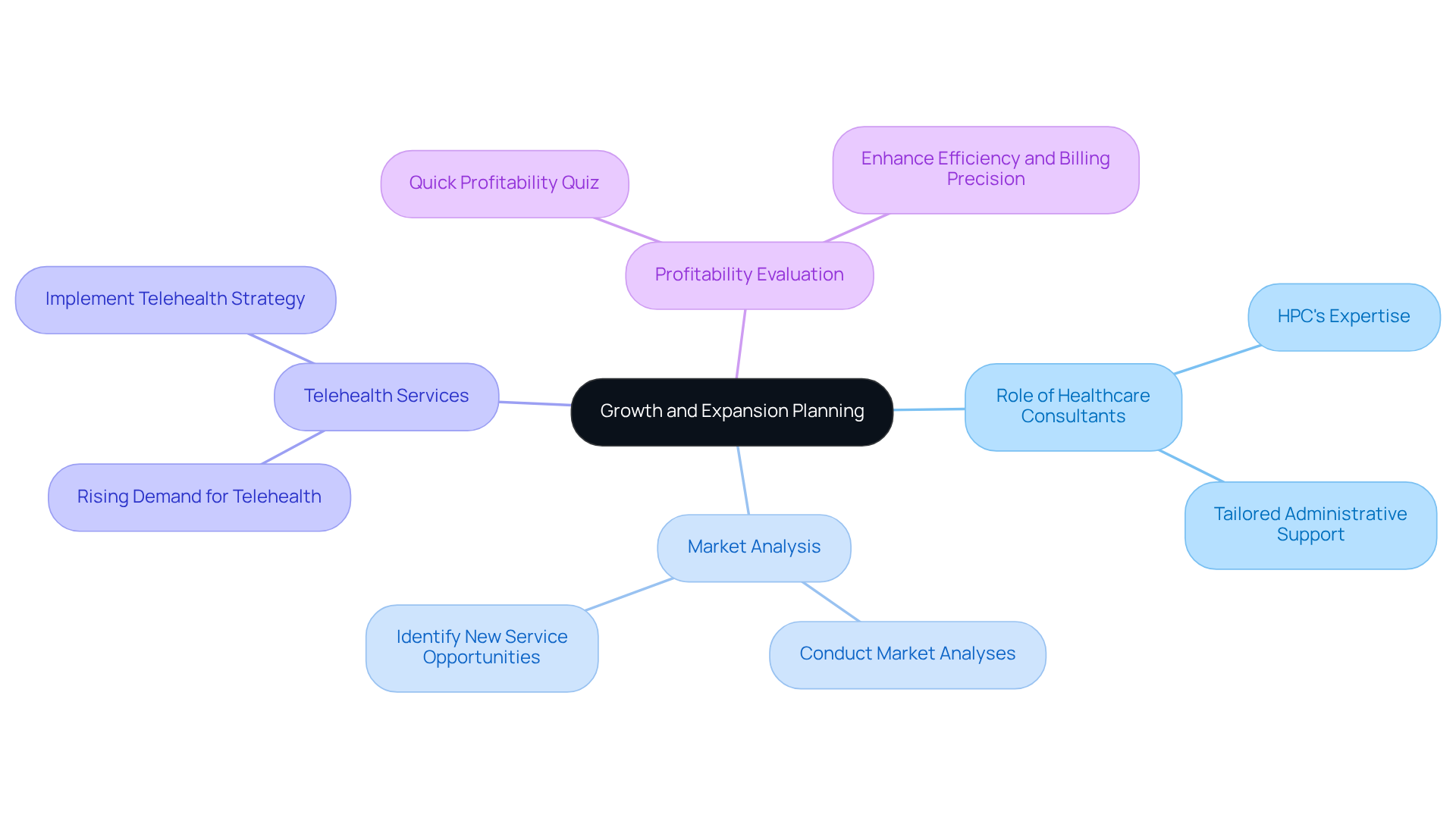
In an increasingly competitive healthcare landscape, effective growth strategies are essential for facilities aiming to thrive. A medical practice consultant like Healthcare Partners Consulting & Billing, LLC (HPC), a veteran-owned organization with 39 years of experience, can help healthcare facilities create growth and expansion plans that align with their long-term objectives. This involves conducting market analyses to pinpoint opportunities for new services or locations.
For instance, if a healthcare facility observes a rising demand for telehealth services, HPC can assist in formulating a strategy to implement these services effectively. Furthermore, healthcare facilities can evaluate their profitability through a quick quiz provided by HPC, which offers tailored suggestions to enhance efficiency and billing precision.
As a medical practice consultant, HPC facilitates growth planning and offers tailored administrative support services to help clinics navigate market changes and broaden their impact, ultimately enhancing care quality and maximizing profitability. Their expertise in billing accuracy and efficiency ensures that practices can focus on what matters most: providing quality care to their patients.
Conclusion
Engaging a medical practice consultant is essential for healthcare facilities aiming to enhance operational efficiency and patient care. By utilizing the expertise of Healthcare Partners Consulting & Billing, LLC (HPC), clinics can concentrate on the core mission of providing quality care to patients while effectively managing the complexities of their operations.
Throughout this article, we have highlighted key benefits of engaging a medical practice consultant, including:
- Improved operational efficiency
- Strategic financial management
- Compliance assurance
- Tailored staffing solutions
These elements collectively empower healthcare providers to navigate industry challenges, ensuring they deliver exceptional care while maintaining compliance and optimizing revenue cycles. The emphasis on data-driven insights and long-term partnerships further underscores the importance of continuous improvement in healthcare settings.
In a rapidly evolving healthcare environment, the role of a medical practice consultant has become increasingly vital. By embracing these consulting services, healthcare facilities can not only enhance their operational performance but also foster a culture of growth and innovation. Healthcare facilities should consider engaging Healthcare Partners Consulting & Billing, LLC (HPC) for expert consultation. With nearly four decades of experience, HPC is equipped to assist clinics in achieving operational excellence and enhancing patient outcomes.
Frequently Asked Questions
What is the role of a medical practice consultant?
A medical practice consultant addresses operational inefficiencies in healthcare facilities, analyzes current workflows, recommends best practices, and integrates technology solutions to enhance patient care and clinic efficiency.
How can hiring a medical practice consultant improve operational efficiency?
By automating administrative tasks like appointment scheduling and follow-ups, a consultant allows staff to focus more on patient care, leading to improved operational metrics such as reduced patient wait times and better appointment adherence.
What financial benefits can a medical practice consultant provide?
A consultant can optimize billing methods and enhance revenue cycle management, potentially increasing income by 10% to 30% within the initial months by minimizing claim denials and improving coding accuracy.
How does a medical practice consultant help with compliance?
They conduct regular audits, train staff on compliance issues, and develop protocols for reporting violations, ensuring adherence to federal and state regulations, such as HIPAA.
What are the advantages of implementing technology solutions for compliance?
Integrated technology solutions provide real-time visibility into compliance metrics, streamline processes, and foster a culture of accountability and transparency within healthcare facilities.
What is the significance of a 30-minute consultation with Healthcare Partners Consulting & Billing, LLC (HPC)?
The consultation helps outline current workflows and identify tailored services that can significantly impact the organization, focusing on optimal administrative solutions and comprehensive revenue cycle management.
How do compliance training programs affect staff adherence rates?
Organizations investing in comprehensive compliance training can see adherence rates among staff increase by up to 30%, which is crucial for maintaining operational standards and avoiding penalties.
Can you provide an example of the financial impact of enhanced billing solutions?
A case study showed that a healthcare facility’s monthly revenue increased from $90,000 to $120,000 after implementing improved billing solutions from HPC.