
Introduction
Effective health care practice management is crucial for clinics aiming to enhance operational efficiency and deliver superior patient care. By mastering core components such as:
- Financial management
- Workflow optimization
- Compliance
healthcare providers can significantly reduce administrative burdens and focus more on what truly matters – patient care. Clinics must navigate the complexities of an evolving healthcare landscape to remain competitive, as failure to adapt may result in diminished operational efficiency and compromised patient care. Clinics can adopt proven methods to streamline operations, ensure compliance, and enhance patient outcomes.
Understand Core Components of Practice Management
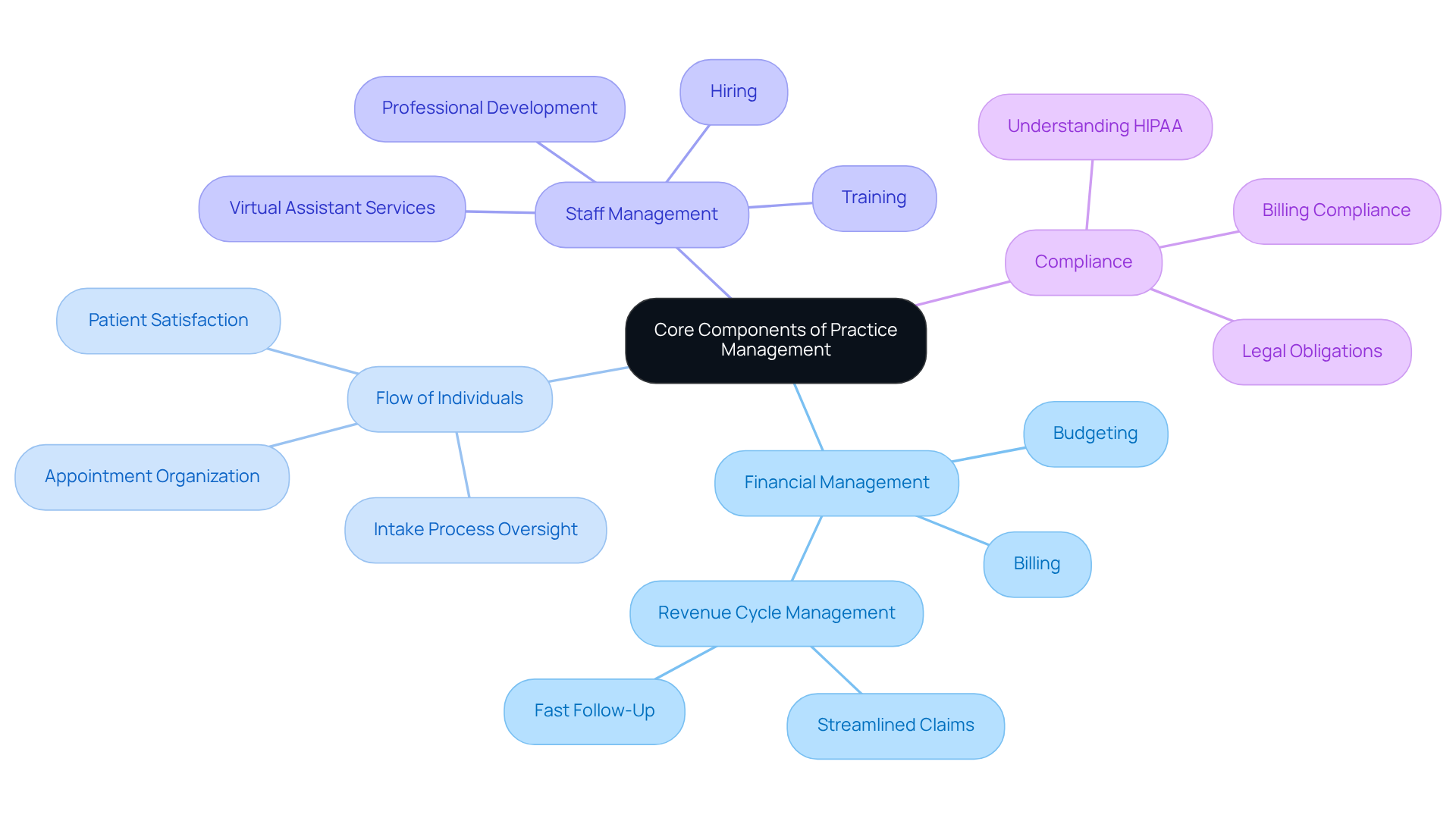
Effective health care practice management is critical for clinics aiming to enhance operational efficiency and patient care. It encompasses several essential components, including financial management, workflow optimization, staff management, and adherence to healthcare regulations. Each of these elements plays a crucial role in ensuring that a clinic operates smoothly and efficiently.
- Financial Management: This involves budgeting, billing, and revenue cycle management. Clinics must track their income and expenses meticulously to maintain profitability. Healthcare Partners Consulting & Billing, LLC (HPC) enhances this process with streamlined revenue cycle management, ensuring clean claims and fast follow-up to optimize revenue recovery.
- Flow of Individuals: Optimizing the flow of individuals is crucial for reducing wait times and enhancing patient satisfaction. This encompasses organizing appointments effectively and overseeing intake processes. HPC’s tailored solutions help clinics streamline these operations, allowing healthcare providers to focus more on patient care rather than administrative burdens.
- Staff Management: A well-trained and motivated staff is essential for delivering quality care. This includes hiring, training, and ongoing professional development. HPC supports operations by offering dedicated virtual assistant services customized for behavioral and mental health settings, which can aid with scheduling and client communications.
- Compliance: Adhering to healthcare regulations is non-negotiable. This encompasses understanding HIPAA, billing compliance, and other legal obligations that govern healthcare operations. HPC prioritizes compliance, ensuring that all billing methods adhere to payer rules and regulations.
By mastering these core components and leveraging the expertise of Healthcare Partners Consulting, clinics can establish a strong foundation for implementing effective health care practice management strategies that enhance both practice efficiency and care quality. Without a solid management foundation, clinics risk compromising both their operational success and the quality of care provided to patients.
Implement Effective Strategies for Operational Efficiency
In an increasingly competitive healthcare landscape, clinics face mounting pressure to enhance patient care and optimize their health care practice management. To achieve this, clinics should consider the following strategies:
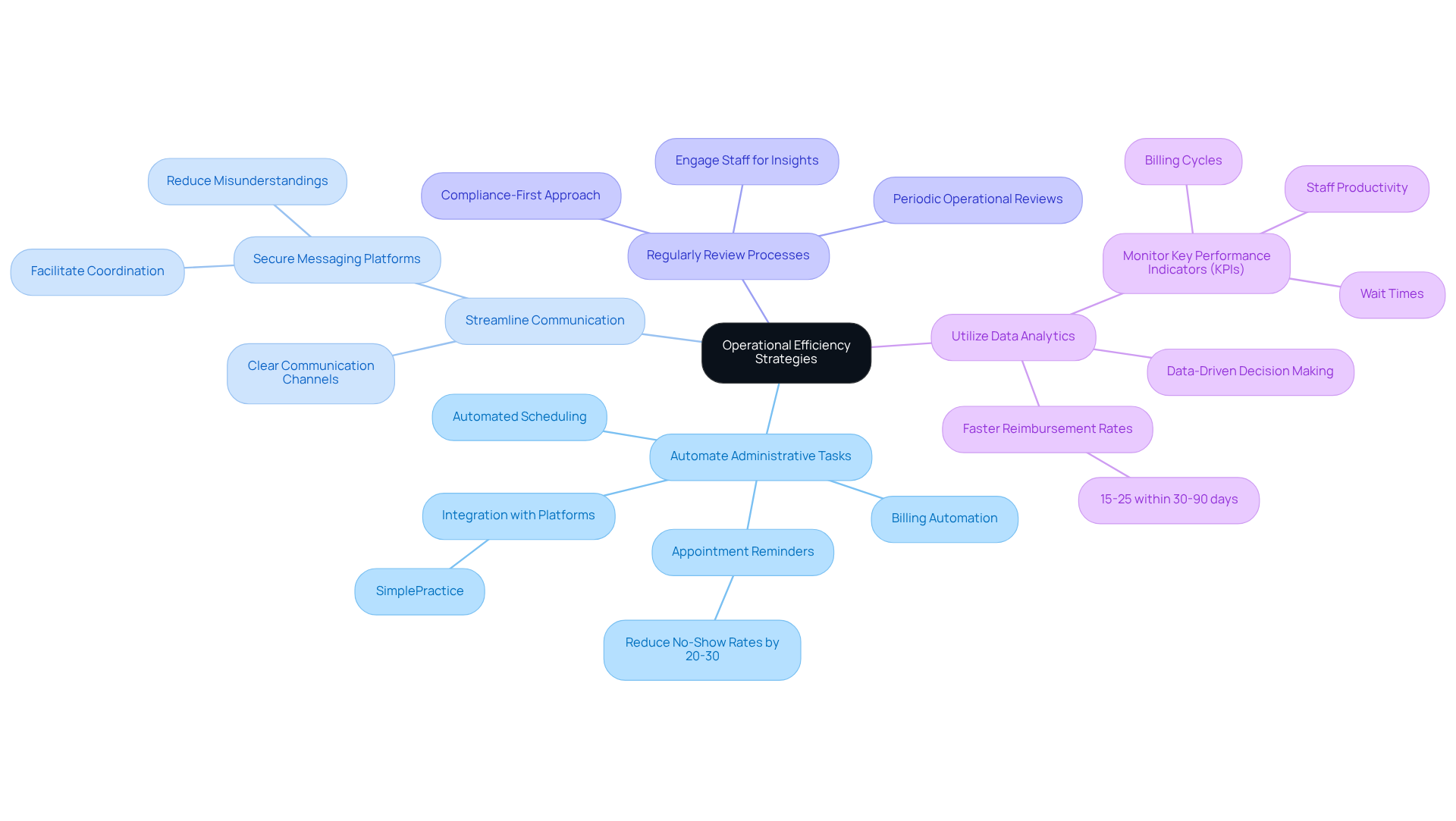
- Automate Administrative Tasks: Automating scheduling, billing, and reminders can greatly lessen the administrative burden on clinics. For instance, automated appointment reminders have been shown to reduce no-show rates by 20-30%, thereby improving overall clinic efficiency. Healthcare Partners Consulting (HPC) offers specialized virtual assistant services tailored to behavioral and mental health practices, ensuring that scheduling and client intake processes are seamless and efficient, particularly when integrated with platforms like TherapyNotes and SimplePractice.
- Streamline Communication: Establishing clear communication channels among staff and with clients is essential. Utilizing secure messaging platforms can facilitate better coordination, reduce misunderstandings, and enhance the experience of individuals receiving care.
- Regularly Review Processes: Conducting periodic reviews of operational processes helps identify bottlenecks and inefficiencies. Engaging staff in these reviews can provide valuable insights and foster a culture of continuous improvement, ultimately leading to enhanced operational performance. HPC emphasizes a compliance-first approach within health care practice management, ensuring that all processes align with payer rules and regulations.
- Utilize Data Analytics: Leveraging data analytics to monitor key performance indicators (KPIs) such as wait times, billing cycles, and staff productivity is crucial. This data-driven approach can inform decision-making and highlight areas for improvement, contributing to faster reimbursement rates of 15-25% within 30-90 days. HPC’s expertise in transforming medical billing workflows ensures that clinics can optimize their operations through clean claims and fast follow-up.
Without these strategic enhancements, clinics risk falling behind in a rapidly evolving healthcare environment, ultimately compromising patient outcomes.
Ensure Compliance and Manage Risks Effectively
In the complex landscape of health care practice management, compliance stands as a pivotal concern that clinics must address. Clinics should adopt the following best practices to ensure compliance and effectively manage risks:
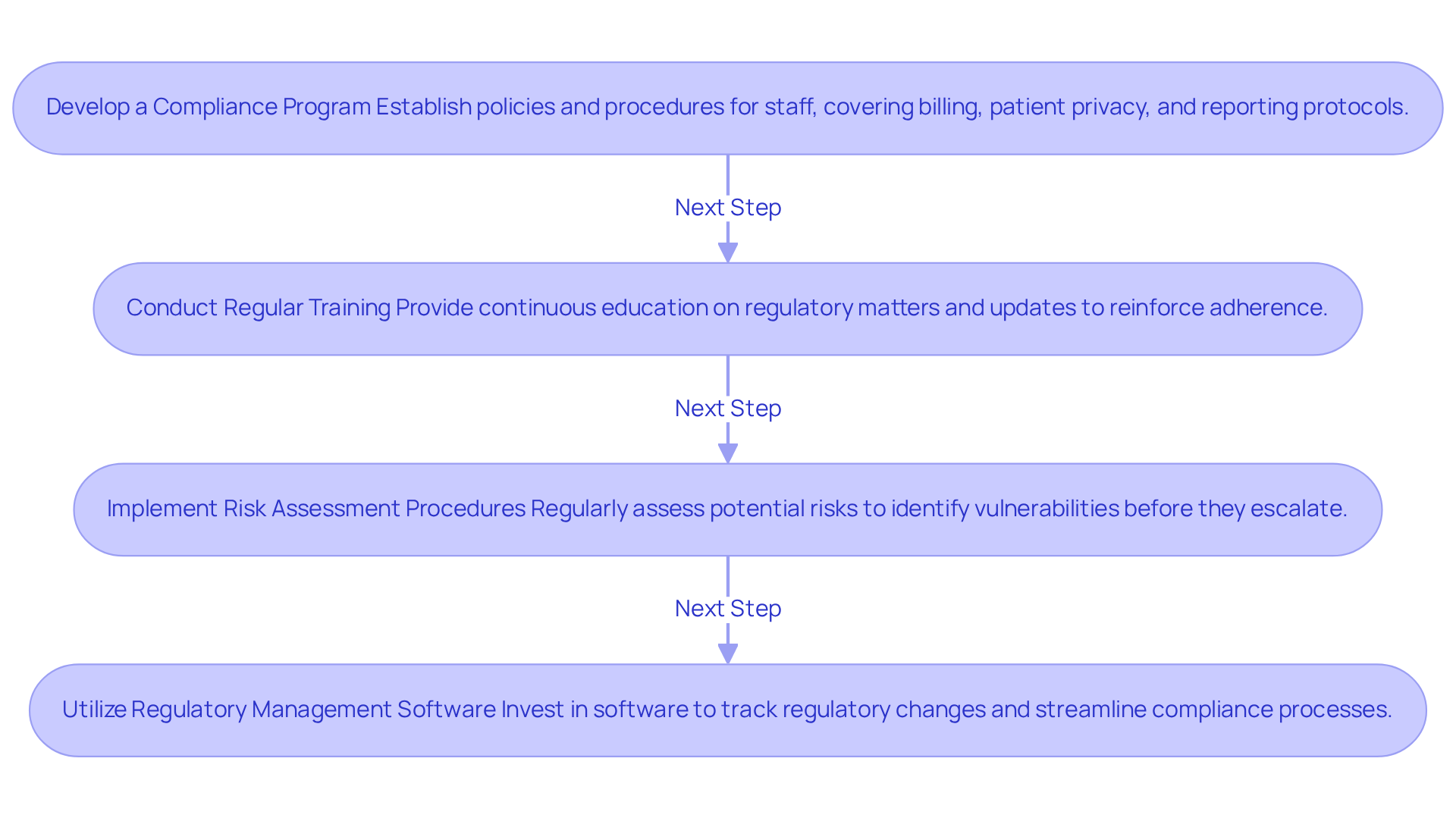
- Develop a Compliance Program: Establish a comprehensive compliance program that includes policies and procedures for all staff. It should cover billing methods, patient privacy, and reporting protocols. Utilizing the expertise of Healthcare Partners Consulting & Billing, LLC (HPC) can assist in customizing these policies to address specific operational needs, ensuring a compliance-first approach that reduces risks of non-compliance.
- Conduct Regular Training: Offer continuous education for staff on regulatory matters, including updates on laws and optimal methods. Regular training sessions reinforce the significance of adherence and keep staff informed. HPC provides tailored consultations to determine the best administrative solutions, ensuring that training is pertinent and effective, ultimately nurturing a culture of adherence within the organization.
- Implement Risk Assessment Procedures: Regularly assess potential risks within the practice, including financial, operational, and reputational risks. This proactive approach allows clinics to identify vulnerabilities and address them before they escalate. Leveraging HPC’s streamlined operations can improve this process, ensuring clean claims and quick follow-up, while structured monitoring procedures through regular internal audits can assist in identifying regulatory issues early.
- Utilize Regulatory Management Software: Invest in regulatory management software that helps track changes in regulations, manage documentation, and streamline reporting processes. This technology simplifies regulatory efforts and minimizes errors, aligning with HPC’s commitment to enhancing efficiency through integrated solutions. Facilities that implement HPC’s regulatory software often report enhanced operational efficiency and a decrease in denial rates, resulting in quicker reimbursements.
Emphasizing adherence to regulations and effective risk management within health care practice management safeguards clinics from legal challenges and enhances their reputation. Continuous monitoring and adaptation to regulatory changes are essential for maintaining operational integrity and ensuring high-quality patient care. Furthermore, as a veteran-owned organization with 39 years of expertise, HPC is distinctly equipped to assist healthcare providers in navigating the complexities of compliance. Ultimately, the proactive management of compliance not only mitigates risks but also enhances the clinic’s reputation and operational success.
Leverage Technology for Enhanced Practice Management
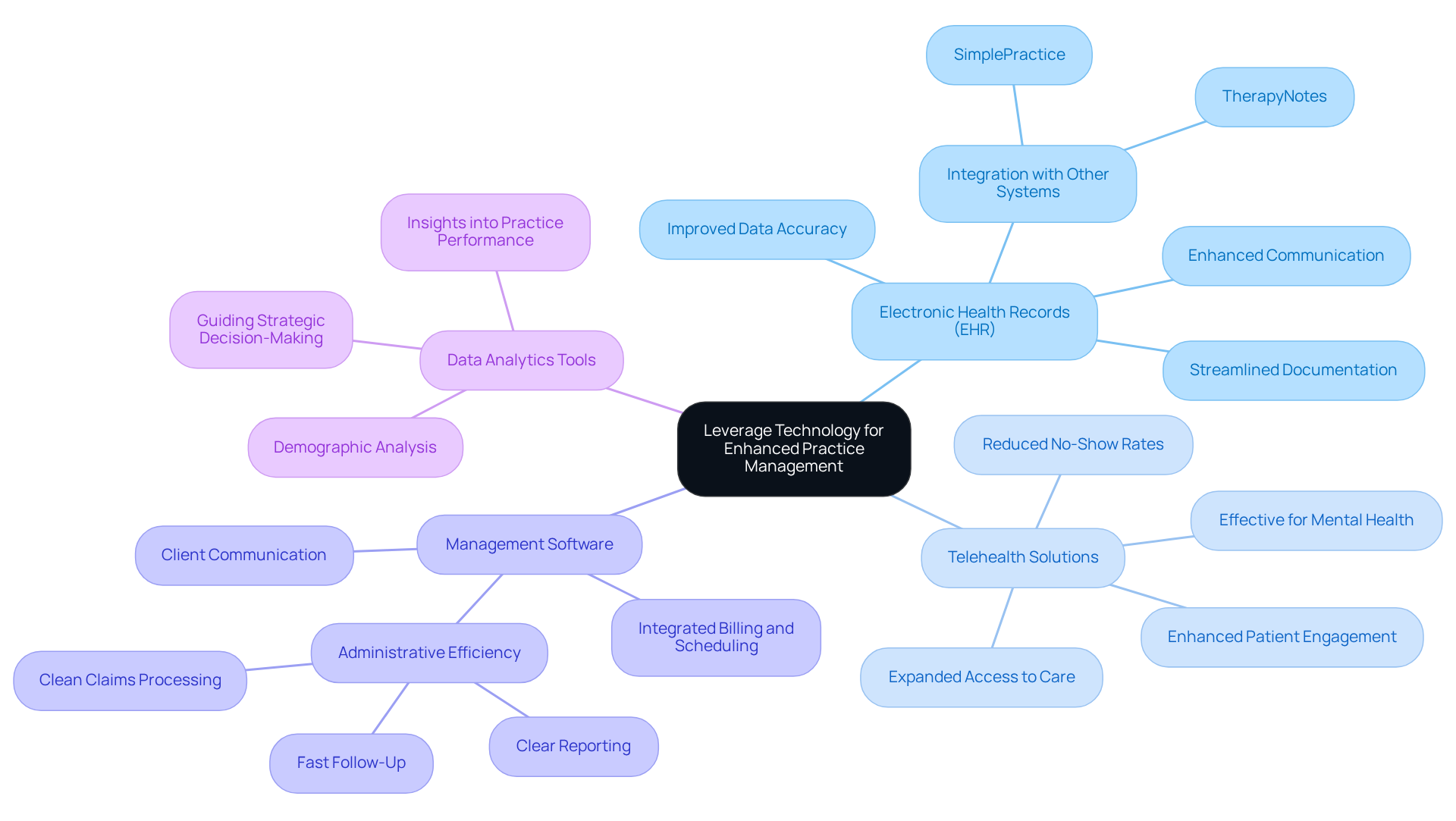
In an era where efficiency and patient care are paramount, clinics must adapt to technological advancements to remain competitive. Technology plays a pivotal role in modern practice management. Clinics should consider the following technological advancements to enhance their operations:
- Electronic Health Records (EHR): Implementing a robust EHR system can streamline documentation, improve data accuracy, and enhance communication among healthcare providers. Integrations with systems like TherapyNotes and SimplePractice can further enhance these capabilities.
- Telehealth Solutions: Offering telehealth services can expand access to care, enhance engagement, and reduce no-show rates. This is especially advantageous for mental health approaches, where remote consultations can be effective.
- Management Software: Consider adopting comprehensive management software that seamlessly integrates billing, scheduling, and client communication. Healthcare Partners Consulting & Billing, LLC (HPC) provides customized solutions that enhance administrative efficiency, enabling clinics to concentrate on care delivery. Their services include clean claims processing, fast follow-up, and clear reporting, which significantly reduce administrative burdens and improve efficiency.
- Data Analytics Tools: Utilize data analytics tools to gain insights into practice performance, demographics of individuals, and treatment outcomes. This information can guide strategic decision-making and enhance care for individuals.
Failing to embrace these innovations may hinder a clinic’s ability to provide optimal patient care and operational efficiency.
Conclusion
In an increasingly competitive healthcare landscape, clinics must master practice management to ensure operational efficiency and superior patient care. By focusing on key components – financial management, workflow optimization, staff management, and compliance – clinics can enhance their operational success and patient care. The expertise of Healthcare Partners Consulting & Billing, LLC (HPC) plays a pivotal role in this process, empowering healthcare providers by alleviating administrative burdens and allowing them to concentrate on what truly matters: patient care.
Several proven strategies can significantly improve operational efficiency for clinics, including:
- Automating administrative tasks
- Streamlining communication
- Regularly reviewing processes
- Utilizing data analytics
Each of these strategies not only enhances clinic performance but also fosters a culture of continuous improvement. Furthermore, ensuring compliance and managing risks effectively is crucial in today’s complex healthcare landscape. By developing comprehensive compliance programs and leveraging technology, clinics can safeguard their operations while enhancing their reputation and patient trust.
In conclusion, effective healthcare practice management is crucial for clinics aiming to thrive. Clinics that embrace these best practices and leverage the expertise of HPC are better positioned to excel in a competitive environment. By prioritizing operational efficiency and compliance, healthcare providers can improve their bottom line while delivering exceptional care to their patients. Engaging with HPC not only enhances operational efficiency but also positions clinics to excel in patient care and trust.
Frequently Asked Questions
What are the core components of effective health care practice management?
The core components include financial management, workflow optimization, staff management, and adherence to healthcare regulations.
Why is financial management important in practice management?
Financial management is crucial for tracking income and expenses, maintaining profitability, and involves budgeting, billing, and revenue cycle management.
How can clinics optimize the flow of individuals?
Clinics can optimize the flow of individuals by organizing appointments effectively and overseeing intake processes, which helps reduce wait times and enhance patient satisfaction.
What role does staff management play in health care practice management?
Staff management is essential for delivering quality care and includes hiring, training, and ongoing professional development of staff members.
How does Healthcare Partners Consulting support staff management?
Healthcare Partners Consulting offers dedicated virtual assistant services tailored for behavioral and mental health settings, assisting with scheduling and client communications.
Why is compliance important in health care practice management?
Compliance is non-negotiable as it involves adhering to healthcare regulations, including HIPAA and billing compliance, which govern healthcare operations.
How can clinics benefit from mastering these core components?
By mastering these components and leveraging expertise, clinics can establish a strong foundation for effective practice management strategies that enhance operational efficiency and care quality.