

Introduction
The landscape of insurance reimbursement for mental health services presents significant challenges for practitioners, impacting their focus on patient care. This discussion explores essential strategies that empower mental health providers to maximize their reimbursement rates, emphasizing:
- Accurate coding
- Timely submissions
- Effective denial management
Practitioners must adapt to evolving policies to ensure compliance and enhance their financial sustainability while delivering quality care.
Understand Mental Health Coverage and Legal Requirements
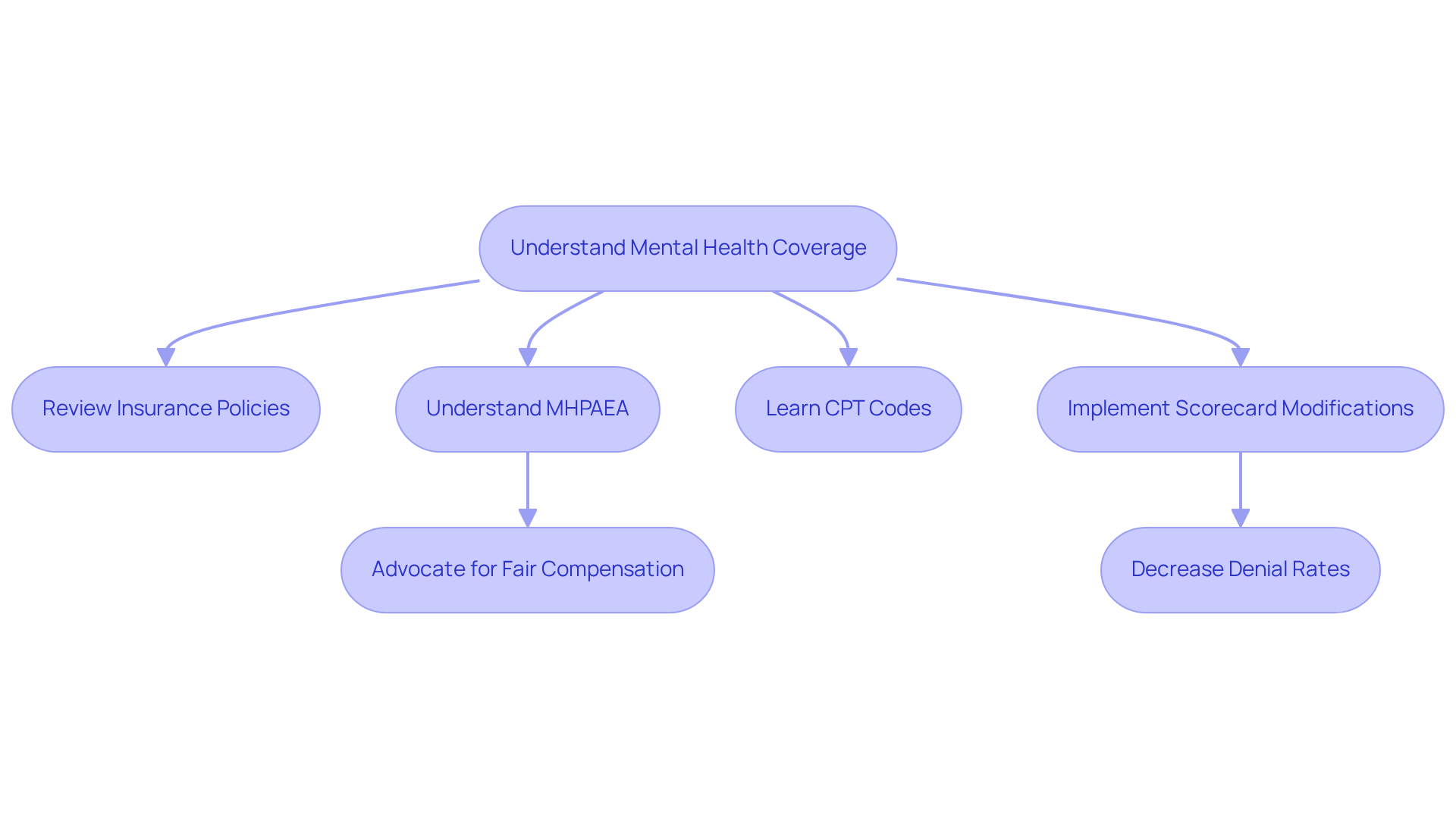
Navigating the complexities of insurance reimbursement for mental health services presents significant challenges for practitioners. It is essential to understand the unique coverage policies of various insurance plans, including Medicare, Medicaid, and private insurers, regarding insurance reimbursement for mental health services.
The Parity and Addiction Equity Act (MHPAEA) plays a vital role, mandating equal coverage for psychological and physical care services. This requirement ensures compliance and empowers practitioners to advocate for fair compensation.
Comprehending specific CPT codes related to mental health services and their payment rates can greatly impact revenue. For instance, practices that adopt scorecard-driven modifications related to claims accuracy can experience a decrease in denial rates by 20-30% and attain quicker payment timelines of 15-25% within 30-90 days.
Practitioners often struggle to keep pace with the rapid changes in insurance policies and regulations. The recent final regulations on MHPAEA, effective from early 2025, highlight the necessity for plans to assess their access to psychological benefits, ensuring that no greater limitations are placed compared to medical services. This shift seeks to enhance access to psychological services, ensuring equitable treatment for patients, ultimately benefiting both practitioners and patients.
Implement Strategies to Maximize Reimbursement Rates
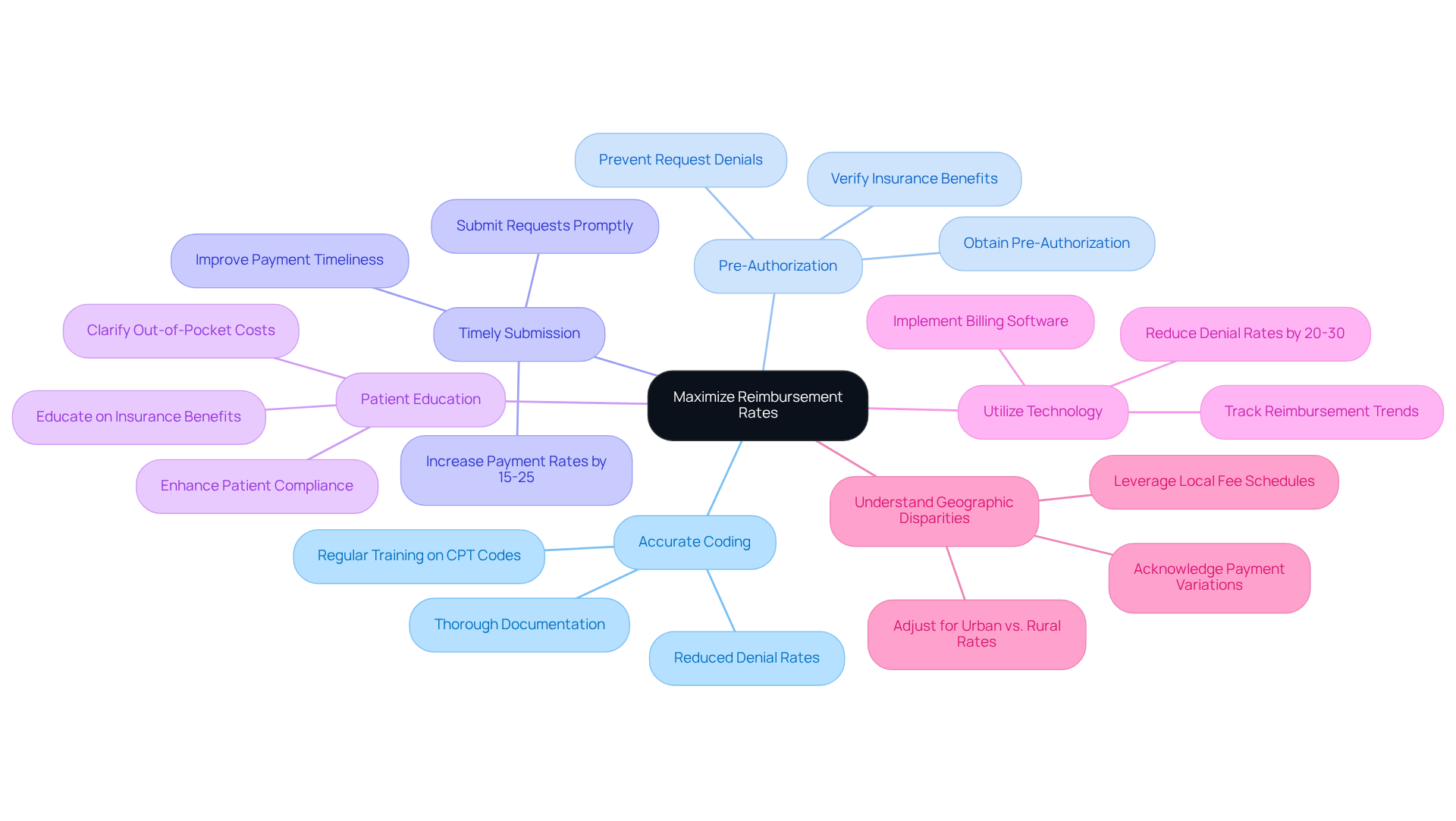
To enhance reimbursement rates, mental health providers must implement a comprehensive strategy that encompasses various critical approaches:
- Accurate Coding: Ensure that all services are billed using the correct CPT codes. Regular training on coding updates and changes can prevent errors that lead to denials. Precise coding, along with thorough documentation, is essential. Submissions with accurate records are less likely to be rejected, which greatly affects reimbursement rates.
- Pre-Authorization: Verify insurance benefits and obtain pre-authorization when required before providing services. This proactive measure helps prevent request denials. It also ensures that patients understand their coverage limits, contributing to smoother billing processes.
- Timely Submission of Requests: Submit requests promptly after services are rendered. Delays in submission can lead to significant financial losses. On-time submissions improve the chances of receiving payments within the ideal timeframe, with quicker payment rates increasing by 15-25% when requests are handled effectively.
- Patient Education: Educate patients about their insurance benefits and potential out-of-pocket costs. This transparency can lead to better patient compliance and fewer billing disputes, fostering a more cooperative relationship between providers and patients.
- Utilize Technology: Implement billing software that streamlines the submission process, tracks entries, and provides analytics on reimbursement trends. This can help identify areas for improvement and optimize revenue cycles. By optimizing revenue cycles, practices can enhance their financial health. Facilities that invest in technology often experience a reduction in denial rates by 20-30%, enhancing overall financial performance. Additionally, effective management of patient statements, including their generation and follow-up, is crucial in addressing underpayments, unprocessed claims, and aging claims, ensuring that all aspects of the billing process are handled efficiently.
- Understand Geographic Disparities: Be aware that payment rates can vary significantly based on geographic location. Medicaid often pays higher rates in urban areas compared to rural ones, which can affect financial outcomes for practices operating in different regions.
By utilizing these strategies, psychological practices can improve their financial outcomes through insurance reimbursement for mental health services and concentrate more on patient care. Ultimately, the effective application of these strategies can lead to sustainable financial growth and improved patient care.
Establish Effective Denial Management and Documentation Practices
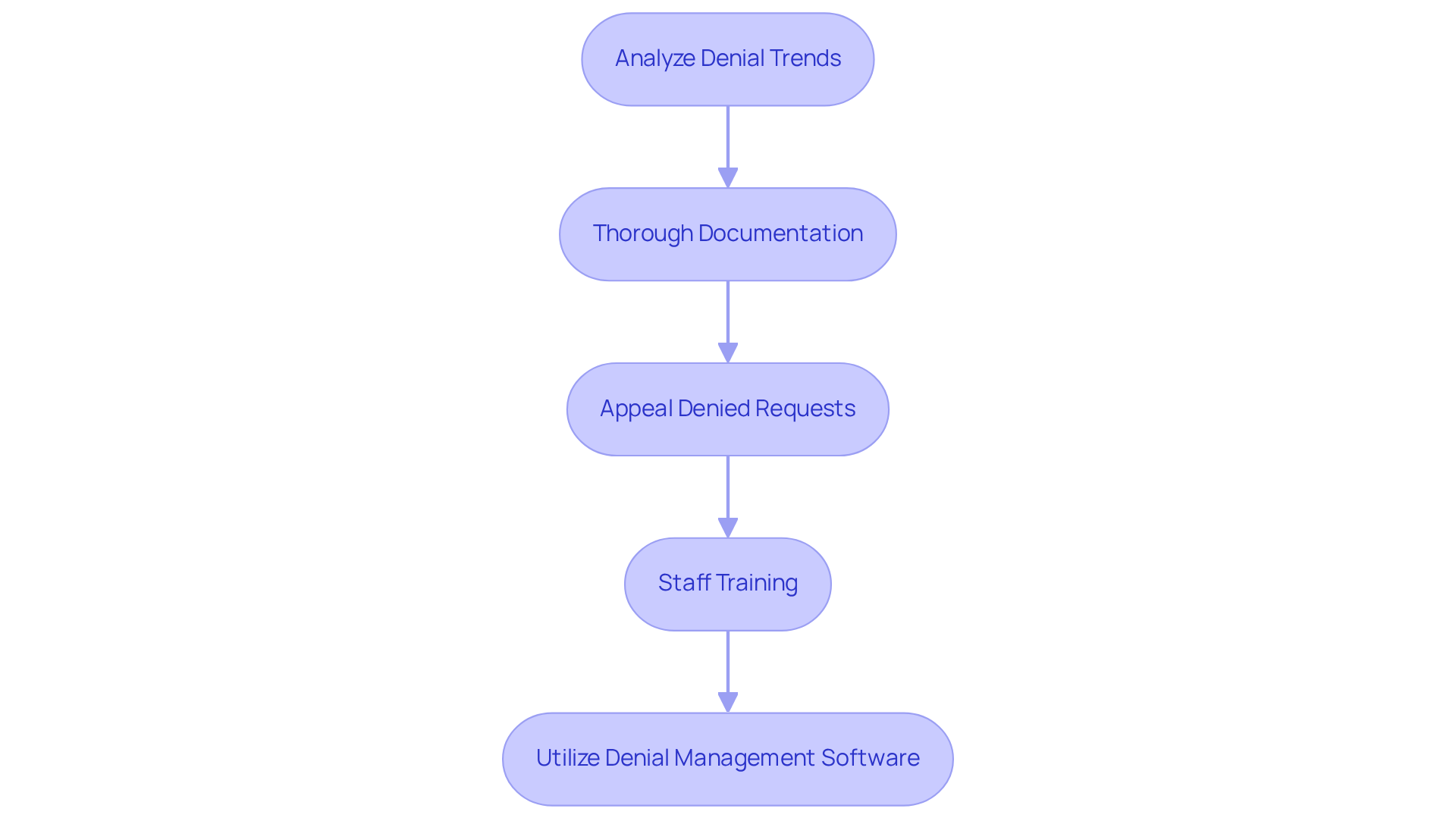
Navigating the complexities of denial management is essential for securing insurance reimbursement for mental health services, which can significantly impact the financial stability of mental health practices. Establishing effective denial management practices is crucial for ensuring financial health in mental health practices, especially in relation to insurance reimbursement for mental health services. Consider the following steps:
- Analyze Denial Trends: Regularly review denied submissions to identify patterns and common reasons for denials. This analysis can inform training and process improvements, potentially reducing denial rates by 20-30%.
- Thorough Documentation: Ensure that all patient interactions, treatment plans, and progress notes are documented accurately and comprehensively. Proper documentation supports the medical necessity of services and is crucial for successful appeals, thereby facilitating insurance reimbursement for mental health services within 15-25% of 30-90 days.
- Appeal Denied Requests: Develop a systematic approach for appealing denied requests. This includes gathering necessary documentation, writing clear appeal letters, and following up with insurers to ensure timely resolution. Engaging in this process can significantly enhance recovery rates.
- Staff Training: Train staff on the importance of accurate documentation and the appeals process. Empowering staff with knowledge can reduce errors and improve overall efficiency, contributing to a more streamlined revenue cycle.
- Utilize Denial Management Software: Consider investing in denial management software that tracks denied submissions, automates appeals, and provides insights into denial trends. This technology enhances operational rigor by linking scorecard-driven adjustments to the accuracy of submissions and denial rates.
Neglecting effective denial management can lead to significant financial strain, jeopardizing the sustainability of mental health practices.
Stay Informed on Reimbursement Policy Changes and Trends
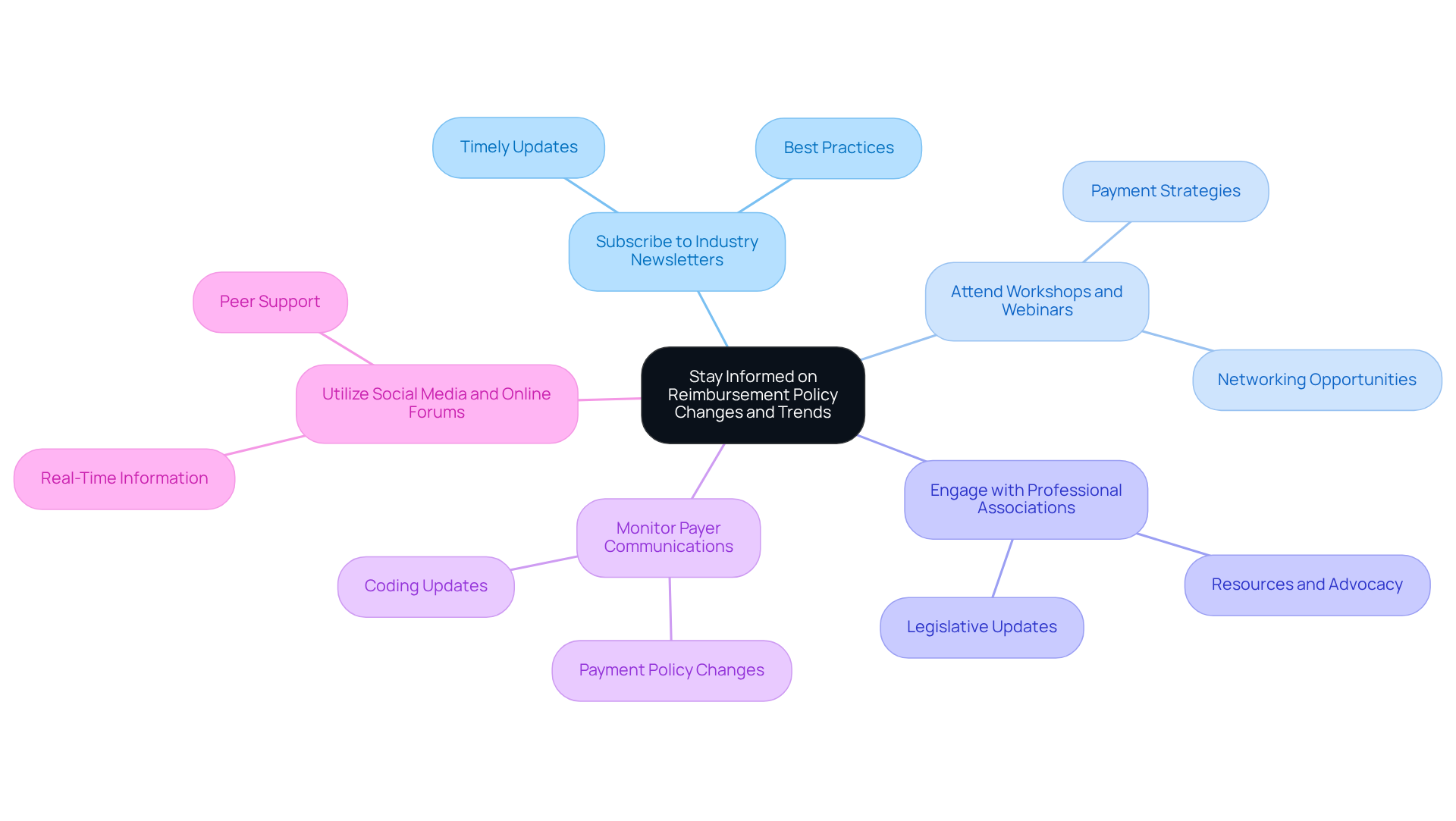
In an ever-changing financial landscape, psychological service providers face the challenge of staying informed about critical policy shifts and industry trends. Here are effective strategies to remain updated:
- Subscribe to Industry Newsletters: Sign up for newsletters from reputable organizations and associations focused on psychological well-being and billing practices. These resources deliver timely updates on policy changes and best practices.
- Attend Workshops and Webinars: Participate in workshops and webinars that cover payment strategies and regulatory updates. These events provide valuable insights and networking opportunities with other professionals in the field.
- Engage with Professional Associations: Join professional associations related to mental health and billing. These organizations offer resources, advocacy, and updates on legislative changes affecting compensation.
- Monitor Payer Communications: Regularly review communications from insurance payers regarding changes in payment policies, coding updates, and other relevant information.
- Utilize Social Media and Online Forums: Engage with online communities and social media groups focused on billing related to psychological well-being. These platforms can serve as excellent sources of real-time information and peer support.
By neglecting to adapt to these changes, providers risk not only their financial stability but also their capacity to deliver quality care to their patients. Implementing systematic tracking and scorecard-driven adjustments tied to claims accuracy and denial rates can further optimize revenue cycle performance, potentially leading to a 20-30% reduction in claim denials and a 15-25% faster reimbursement cycle within 30-90 days.
Conclusion
Navigating the complexities of insurance reimbursement is essential for mental health practices aiming to thrive in a competitive landscape. Mental health providers can enhance their financial outcomes by understanding insurance coverage, implementing effective billing strategies, and staying informed about policy changes. This allows them to focus on what truly matters: their patients’ well-being.
Key strategies discussed include:
- Accurate coding
- Timely submission of claims
- Thorough documentation
All of which contribute to reducing denial rates and improving reimbursement timelines. Additionally, proactive measures such as patient education and leveraging technology can streamline billing processes, ensuring that practitioners can devote more time to delivering quality care. Effective denial management and staying updated on reimbursement policies are crucial for financial health in an ever-evolving landscape.
Empowering healthcare providers by reducing administrative burdens is vital for their success. By adopting these best practices, mental health professionals can not only improve their revenue cycles but also enhance their capacity to provide exceptional care. Engaging with resources like Healthcare Partners Consulting & Billing, LLC (HPC) can further support practices in navigating these challenges, ensuring compliance and fostering a focus on patient-centered care. For more information, reach out to HPC at info@hpcbilling.com or call 888-517-4992 to explore tailored solutions that align with your practice’s needs. Without these strategies, practices risk not only their financial viability but also the quality of care they provide to their patients.
Frequently Asked Questions
What are the main challenges practitioners face regarding insurance reimbursement for mental health services?
Practitioners encounter significant challenges in navigating the complexities of insurance reimbursement, including understanding the unique coverage policies of various insurance plans such as Medicare, Medicaid, and private insurers.
What is the Parity and Addiction Equity Act (MHPAEA)?
The MHPAEA is a law that mandates equal coverage for psychological and physical care services, ensuring compliance and empowering practitioners to advocate for fair compensation for mental health services.
How can understanding CPT codes impact a mental health practice’s revenue?
Comprehending specific CPT codes related to mental health services and their payment rates can significantly impact revenue, as practices that implement scorecard-driven modifications related to claims accuracy can reduce denial rates by 20-30% and achieve quicker payment timelines of 15-25% within 30-90 days.
What recent changes have been made regarding insurance policies and mental health services?
Recent final regulations on MHPAEA, effective from early 2025, require insurance plans to assess their access to psychological benefits, ensuring that no greater limitations are placed on mental health services compared to medical services.
How do these changes benefit practitioners and patients?
The changes aim to enhance access to psychological services, ensuring equitable treatment for patients, which ultimately benefits both practitioners and patients by promoting fair compensation and improved service availability.