
Introduction
Navigating the complexities of the Florida Medicaid fee schedule presents significant challenges for clinics aiming to enhance revenue and ensure compliance. Mastering billing practices and implementing effective strategies enables healthcare providers to reduce administrative burdens and concentrate on patient care. Clinics must ask themselves how they can maximize revenue amidst these frequent updates and complex regulations. This article delves into best practices that empower healthcare providers to optimize their billing processes and secure the financial health of their practices. Without effective billing practices, clinics risk losing revenue and compromising patient care.
Understand the Florida Medicaid Fee Schedule
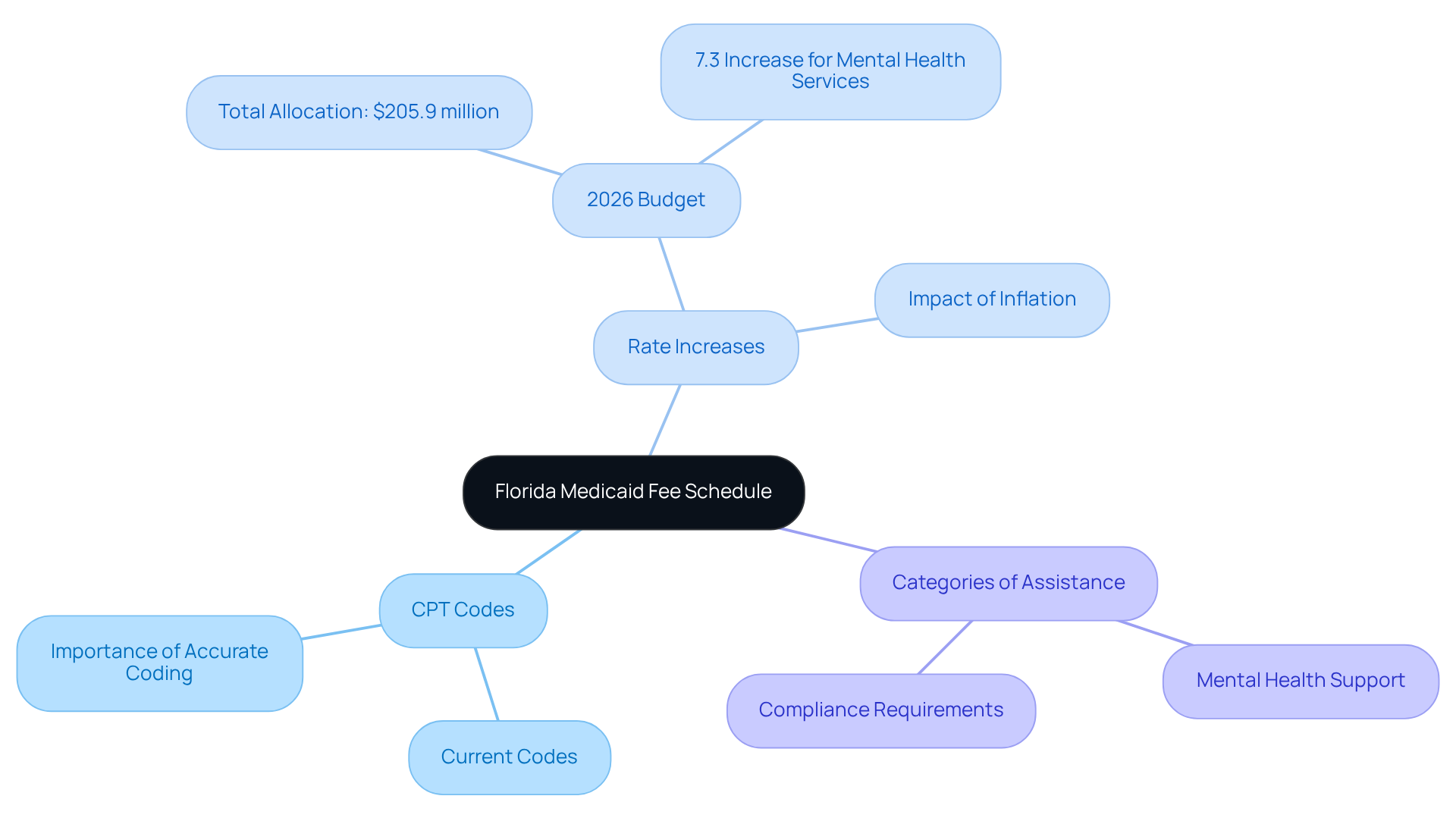
Understanding the Medicaid FL fee schedule is vital for clinics aiming to optimize their billing practices and enhance revenue potential. Key components include:
- CPT Codes: Each service is assigned a Current Procedural Terminology (CPT) code that dictates the reimbursement rate. Clinics should routinely review these codes to ensure they are utilizing the most current and applicable codes for their offerings. Accurate coding is crucial for avoiding revenue loss.
- Rate Increases: The Florida healthcare program periodically revises its fee schedule, incorporating adjustments for inflation and shifts in service demand. For 2026, a total of $205.9 million has been designated for provider rate increases administered through AHCA. Staying informed about these changes allows healthcare facilities to modify their revenue collection practices efficiently, ensuring they secure all accessible income.
- Categories of Assistance: A comprehensive grasp of the various categories of assistance provided under the program, such as mental health support, is crucial for accurate invoicing. Navigating the distinct reimbursement rates and requirements of each category can be challenging for healthcare facilities. They must ensure compliance to maximize compensation.
Mastering the Medicaid FL fee schedule enables healthcare facilities to reduce common invoicing mistakes. It also improves operational efficiency and secures appropriate compensation for their services. This knowledge is crucial, especially with the 2026 updates indicating a 7.3% rise for certain mental health offerings, underscoring the importance of being informed and proactive in billing strategies.
If you’re looking for help navigating these complexities, consider reaching out to Healthcare Partners Consulting for personalized consultations. Arranging a 30-minute call can assist in identifying the optimal solutions tailored to your practice’s needs. For more information or to schedule a meeting, please reach out via email at info@hpcbilling.com or call 888-517-4992. Furthermore, our FAQs can offer additional insights into common payment inquiries and practices, ensuring you have the assistance required to enhance your revenue cycle performance. This proactive approach not only safeguards revenue but also positions healthcare facilities for sustainable growth in an evolving landscape.
Implement Effective Billing Strategies
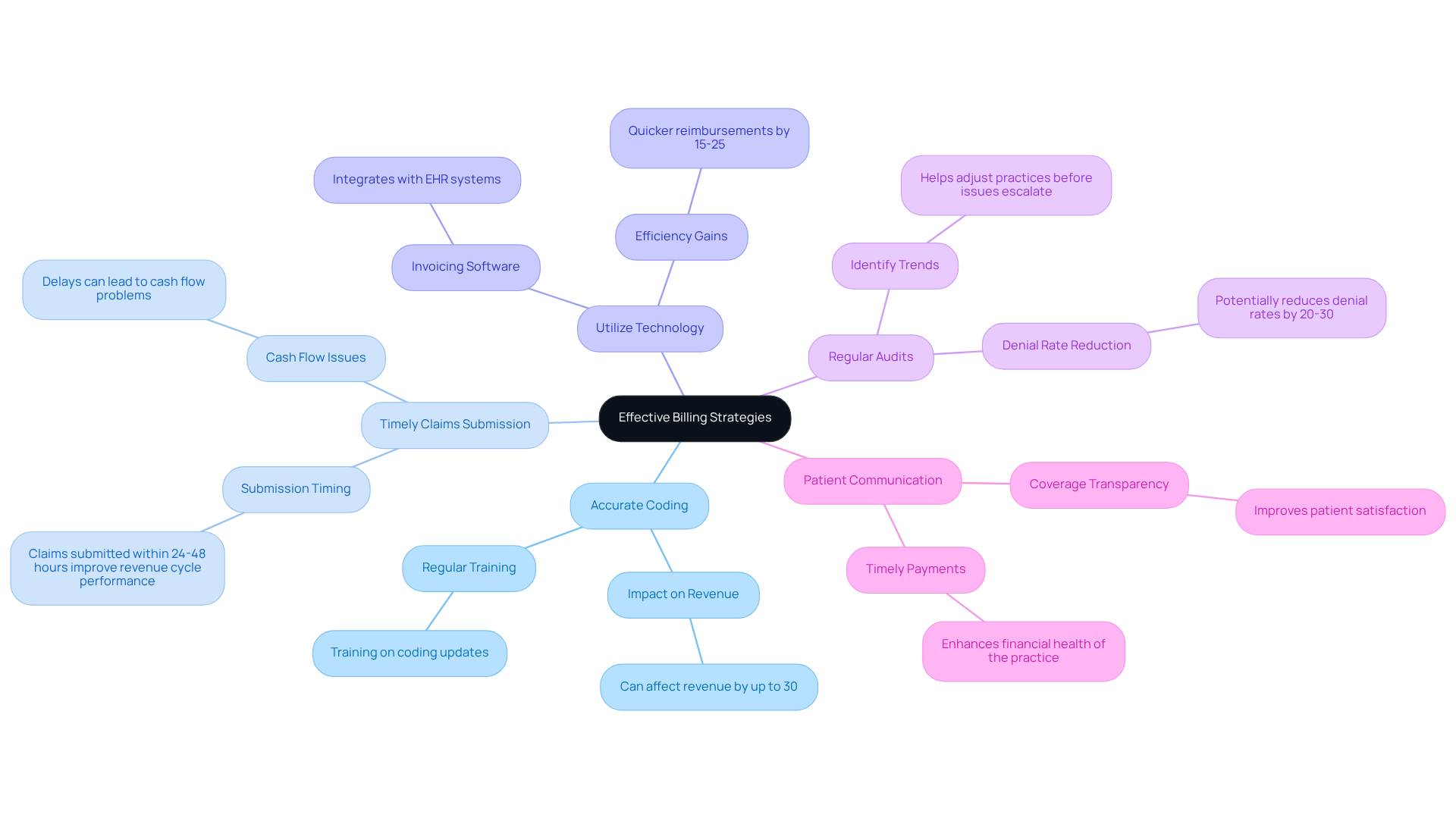
To maximize revenue, clinics must effectively navigate the complexities of the Medicaid FL fee schedule. Here are several effective billing strategies:
- Accurate Coding: Make sure to bill all services with the correct CPT codes. Regular training for billing staff on coding updates and changes in the fee schedule can significantly reduce errors, which is crucial as accurate coding can impact revenue by up to 30%.
- Timely Claims Submission: Submit claims promptly after providing care. Delays in submission can lead to cash flow issues and increase the chances of claim denials. Statistics show that claims submitted within 24-48 hours of service improve revenue cycle performance.
- Utilize Technology: Invest in invoicing software that integrates with electronic health records (EHR) systems. This can streamline the invoicing process, reduce manual entry errors, and enhance overall efficiency, resulting in quicker reimbursements by 15-25% within 30-90 days.
- Regular Audits: Conduct regular audits of billing practices to identify trends in denials and areas for improvement. This proactive approach helps healthcare facilities adjust their practices before issues get out of hand, potentially reducing denial rates by 20-30%.
- Patient Communication: Clearly communicate with patients about their coverage and any potential out-of-pocket costs. This transparency can lead to improved patient satisfaction and timely payments, ultimately enhancing the financial health of the practice.
Ultimately, the implementation of these strategies can transform billing practices, ensuring financial stability and growth for healthcare facilities.
Ensure Compliance with Healthcare Regulations
For clinics participating in the Florida assistance program, adherence to healthcare regulations is not just important; it is essential for operational integrity. Here are key compliance practices to implement:
- Stay Informed: Regularly review updates from the Florida Agency for Health Care Administration (AHCA) regarding Medicaid policies and regulations. This encompasses modifications to the payment requirements, compliance guidelines, and the Medicaid FL fee schedule.
- Documentation Standards: Maintain thorough documentation for all services rendered, including patient records and treatment plans. Proper documentation is crucial for justifying claims and defending against audits.
- Training and Education: Provide ongoing training for staff on compliance issues, including coding practices, documentation requirements, and ethical billing practices. This ensures that all team members are aware of their responsibilities.
- Compliance Audits: Conduct regular internal audits to assess compliance with the Medicaid FL fee schedule regulations. This proactive approach can help identify potential issues before they escalate into significant problems.
- Reporting Mechanisms: Establish clear channels for reporting compliance concerns or potential violations. Encourage staff to speak up about any issues they observe, fostering a culture of transparency and accountability.
Prioritizing compliance safeguards healthcare facilities from legal consequences. It also enhances their reputation as reliable providers. The increased scrutiny of enrollment records and compliance history in 2026 underscores the need for rigorous documentation practices among healthcare facilities. Recent adjustments to the Medicaid FL fee schedule and the community spouse resource allowance highlight the importance of staying informed about regulatory changes. Such changes can significantly impact financial sustainability. Clinics that implement these best practices can expect to see a reduction in claim denials by 20-30% and faster reimbursements within 30-90 days, ultimately improving their revenue cycle performance. Ultimately, the commitment to compliance not only mitigates risks but also enhances the clinic’s operational efficiency and financial health.

Streamline Administrative Processes for Efficiency
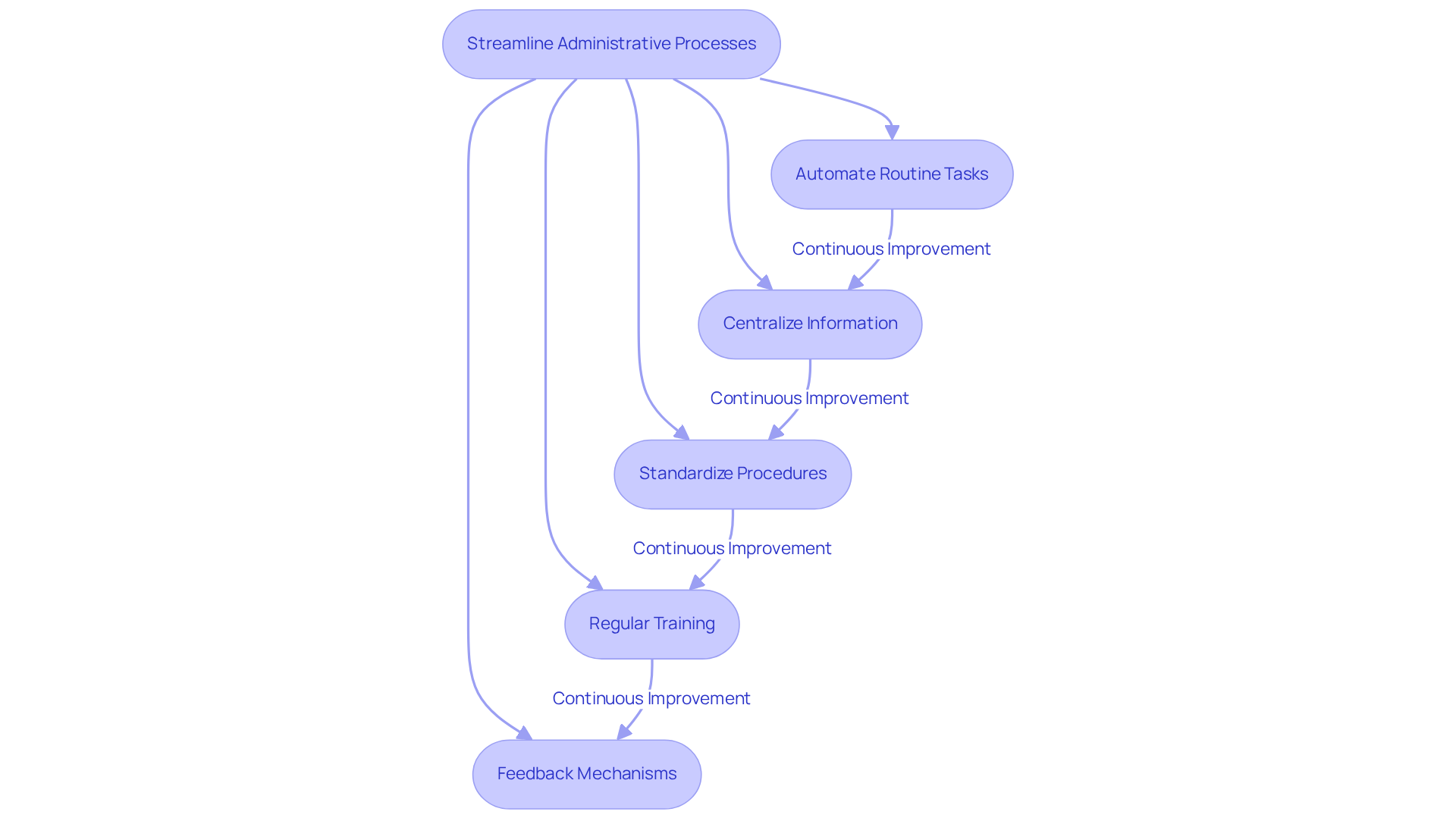
Inefficient administrative processes can significantly hinder patient care in clinics, making it essential to streamline operations. Here are several effective strategies to consider:
- Automate Routine Tasks: Leverage technology to automate scheduling, billing, and patient reminders. Automation can significantly reduce the time staff spend on repetitive tasks, allowing them to concentrate more on patient care. For instance, implementing dedicated prior authorization software can cut the time spent on these tasks by over 50%, freeing up valuable resources.
- Centralize Information: Establish a centralized system for managing patient records, financial information, and scheduling. This approach minimizes the risk of errors and ensures that all staff have access to consistent information, which is crucial for maintaining operational integrity.
- Standardize Procedures: Develop standardized procedures for common administrative tasks, including payment processes, patient intake, and appointment scheduling. Standardization reduces variability and enhances efficiency, leading to smoother operations.
- Regular Training: Provide ongoing training for staff on new technologies and processes. Keeping staff informed and skilled in the latest tools can boost productivity and alleviate frustration, ultimately contributing to a more efficient workplace.
- Feedback Mechanisms: Implement feedback mechanisms that allow staff to share insights on administrative processes. This can foster a culture of continuous improvement and help identify areas where further streamlining is necessary.
Implementing these strategies allows healthcare facilities to alleviate administrative burdens, enabling providers to focus more on delivering high-quality patient care. Healthcare Partners Consulting, a veteran-owned company with 39 years of experience in medical and mental health billing, offers tailored services that include dedicated virtual assistant support and direct access to billing teams. Case studies have shown that clinics implementing such strategies can achieve denial reductions of 20-30% and faster reimbursement cycles of 15-25%, underscoring the financial benefits of operational efficiency. Additionally, tracking key performance indicators (KPIs) related to claims accuracy and denial rates is essential for demonstrating operational rigor and ensuring continuous improvement. Without addressing these administrative challenges, clinics risk compromising the quality of care they provide to patients.
Conclusion
Clinics face significant challenges in maximizing revenue through the Florida Medicaid fee schedule. By understanding the fee schedule, implementing effective billing strategies, ensuring compliance with healthcare regulations, and streamlining administrative processes, healthcare providers can significantly improve their revenue cycle management. This approach safeguards income and lets providers concentrate on delivering high-quality patient care.
Key insights from the article highlight the importance of:
- Accurate coding
- Timely claims submission
- Utilization of technology to optimize billing practices
Regular audits and transparent patient communication further contribute to reducing claim denials and enhancing patient satisfaction. Additionally, prioritizing compliance with Medicaid regulations ensures that clinics maintain operational integrity while adapting to evolving healthcare policies.
Commitment to these best practices fosters a culture of innovation within healthcare facilities. By alleviating administrative burdens, clinics can redirect their efforts toward patient care, ensuring that they not only thrive financially but also enhance their role in community health. Engaging with expert partners like Healthcare Partners Consulting & Billing, LLC can provide the necessary support to navigate these complexities, ensuring sustainable growth and improved patient outcomes.
Frequently Asked Questions
Why is understanding the Florida Medicaid Fee Schedule important for clinics?
Understanding the Florida Medicaid Fee Schedule is vital for clinics to optimize their billing practices and enhance revenue potential.
What are CPT codes and why are they significant?
CPT codes are Current Procedural Terminology codes assigned to each service that dictate the reimbursement rate. Accurate coding is crucial for avoiding revenue loss, so clinics should routinely review these codes to ensure they are using the most current and applicable ones.
How often does the Florida healthcare program revise its fee schedule?
The Florida healthcare program periodically revises its fee schedule, incorporating adjustments for inflation and shifts in service demand.
What financial provisions are made for provider rate increases in 2026?
For 2026, a total of $205.9 million has been designated for provider rate increases administered through the Agency for Health Care Administration (AHCA).
What should healthcare facilities understand about the categories of assistance under the Florida Medicaid program?
Healthcare facilities should have a comprehensive grasp of the various categories of assistance, such as mental health support, to ensure accurate invoicing and compliance with distinct reimbursement rates and requirements.
How can mastering the Medicaid FL fee schedule benefit healthcare facilities?
Mastering the Medicaid FL fee schedule helps reduce common invoicing mistakes, improves operational efficiency, and secures appropriate compensation for services rendered.
What is the significance of the 2026 updates to the fee schedule?
The 2026 updates indicate a 7.3% rise for certain mental health offerings, highlighting the importance of being informed and proactive in billing strategies.
How can clinics get assistance with navigating the complexities of the Florida Medicaid Fee Schedule?
Clinics can reach out to Healthcare Partners Consulting for personalized consultations. They can arrange a 30-minute call for tailored solutions by contacting them via email at info@hpcbilling.com or calling 888-517-4992.