

Introduction
The integration of Electronic Health Records (EHR) systems is fundamentally transforming the operations of mental health clinics, enhancing operational efficiency and patient care through structured workflows and advanced technologies. By leveraging these innovations, clinics can optimize their workflows, streamline billing processes, and foster better collaboration among healthcare providers. However, the transition to these systems presents several challenges; identifying key strategies is essential for ensuring successful implementation in mental health settings. This article delineates ten transformative strategies through which EHR can optimize clinic operations, resulting in improved outcomes for both providers and patients.
Optimize Operations with Healthcare Partners Consulting’s Expert Medical Billing
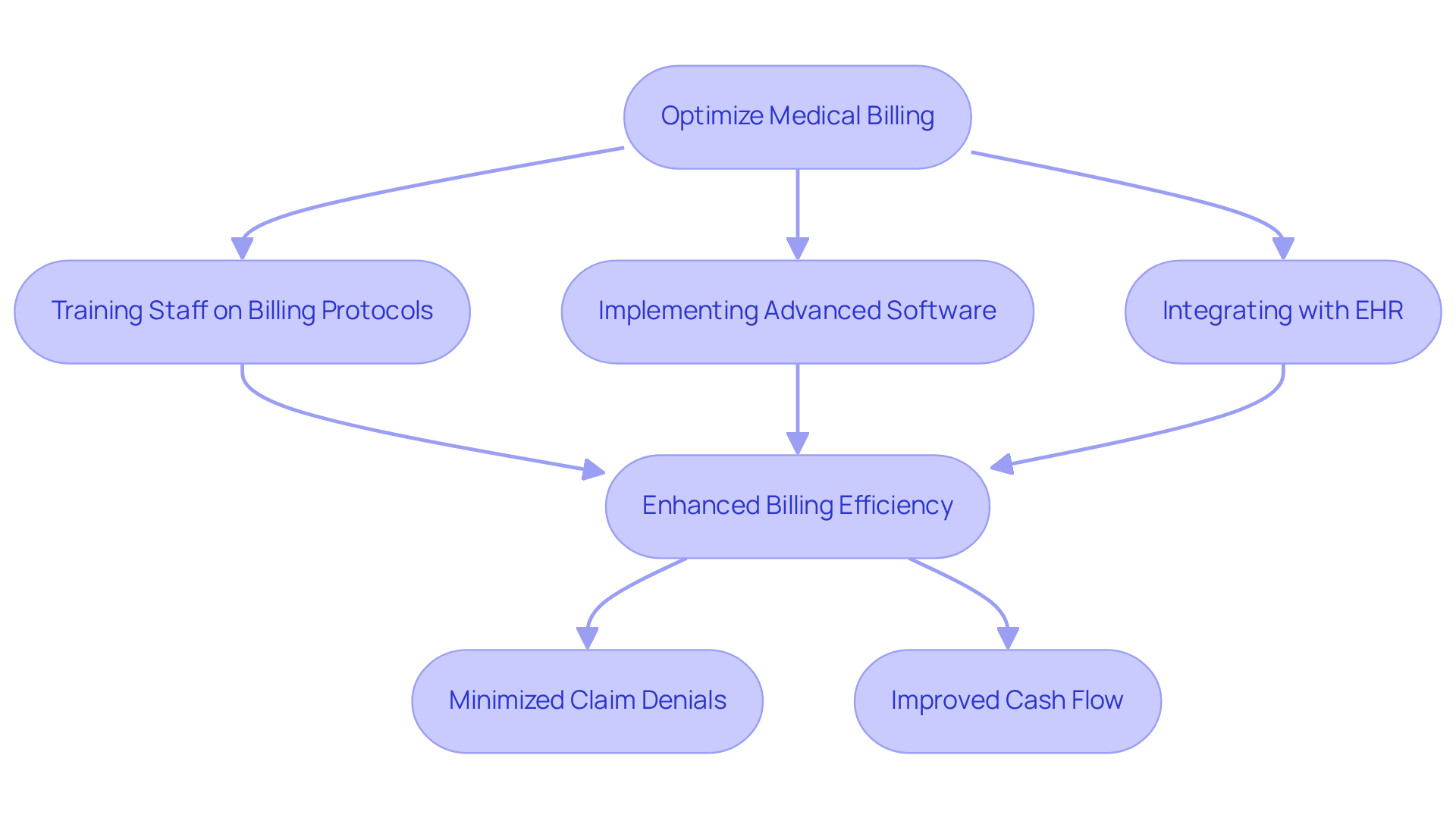
Healthcare Partners Consulting (HPC) specializes in optimizing medical billing for psychological practices, addressing the complexities of the current landscape. Leveraging their expertise, clinics can enhance billing efficiency, minimize claim denials, and secure timely reimbursements. The medical billing landscape for mental wellness is evolving, emphasizing compliance and operational efficiency. HPC provides thorough training for staff on billing protocols and implements advanced software that integrates effectively with 1 ehr. This integration not only boosts operational efficiency but also improves cash flow, allowing providers to allocate more resources to patient care.
Consequently, practices using these expert billing services can expect a reduction in claim denial rates, which currently range from 15% to 25% for behavioral claims nationwide. By tackling the intricacies of psychological billing, HPC enables clinics to thrive in a challenging regulatory environment, ultimately leading to enhanced client outcomes and greater financial stability.
Enhance Collaboration through Cloud-Based EHR Systems
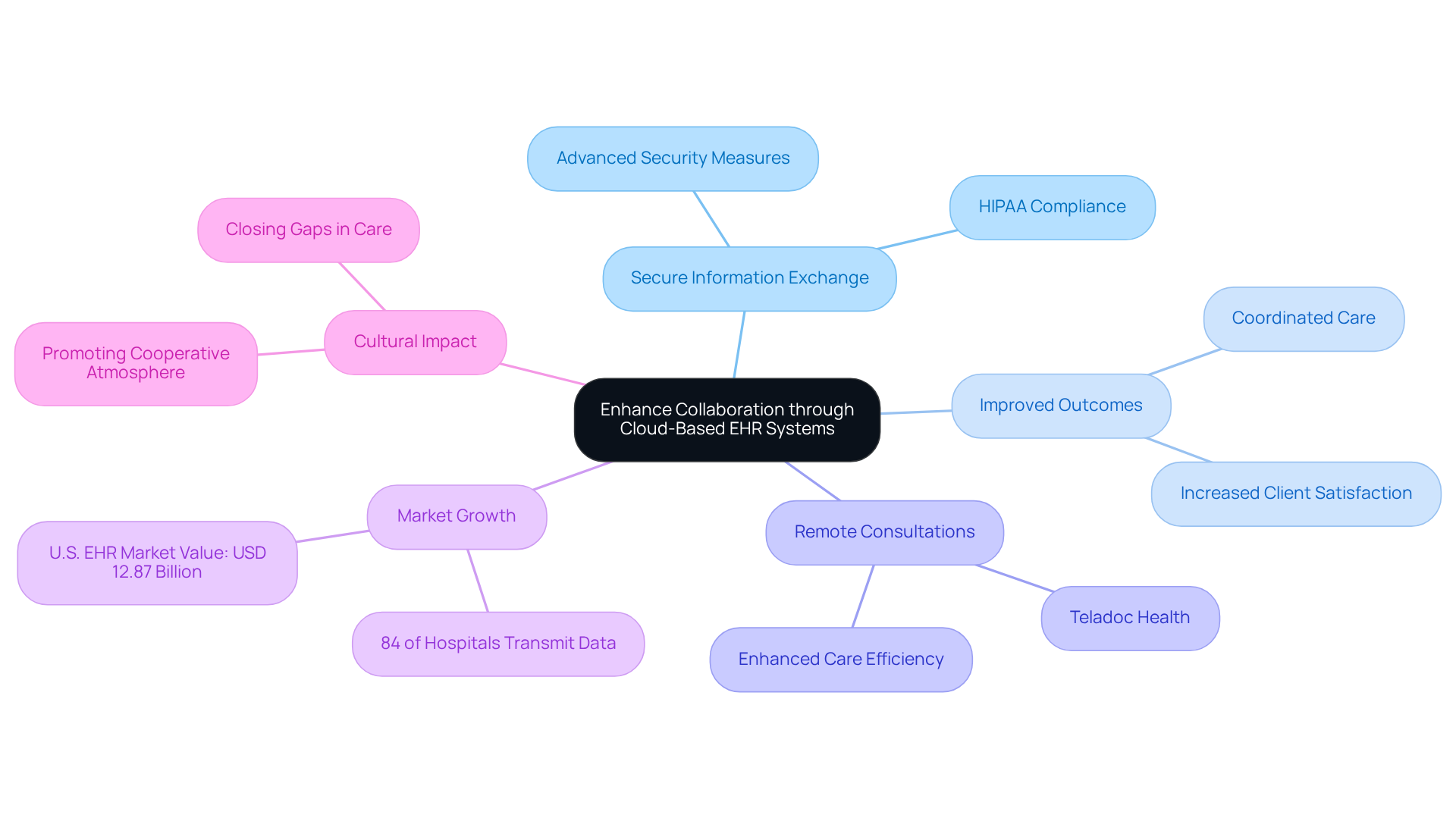
The integration of cloud-based 1 ehr systems effectively addresses significant challenges in collaboration within mental wellness clinics. These systems allow for the secure, real-time exchange of client information with 1 ehr, facilitating easy access to essential records, treatment plans, and progress notes, which are crucial for coordinated care. As a result, all team members stay informed and coordinated, leading to improved outcomes and client satisfaction.
For instance, Teladoc Health leverages cloud technology to provide remote consultations, ensuring that healthcare professionals can collaborate effectively regardless of their location. This seamless communication enhances care efficiency and enables clinicians to make informed decisions swiftly.
According to the U.S. EHR market, valued at USD 12.87 billion in 2024, the adoption of cloud-based systems as part of 1 ehr is increasing, with 84% of hospitals indicating that they frequently transmit medical data.
Ritu Mukherjee, Vice President of Product Management at Zoom, states, ‘Cloud technology has significantly enhanced infrastructure scalability,’ highlighting the transformative impact of cloud technology.
The incorporation of cloud solutions in psychological practices illustrates how technology can close gaps in care, promoting a more cooperative atmosphere that ultimately aids individuals. Ultimately, this technological advancement not only enhances care delivery but also fosters a culture of collaboration that benefits both clinicians and clients.
Improve Patient Care with EHR Data Interoperability
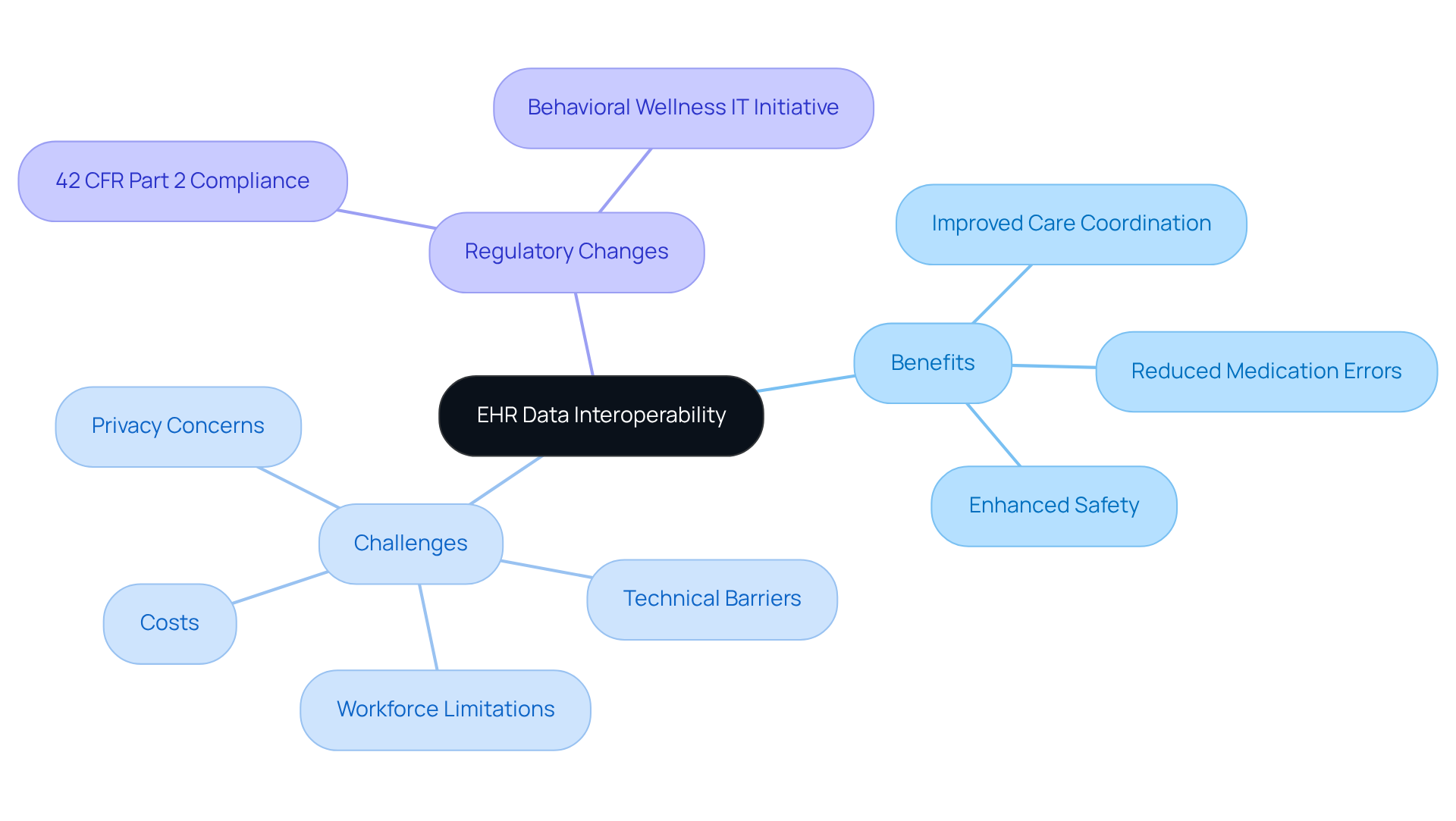
The interoperability of 1 ehr data is essential for mental wellness providers, facilitating access to critical client information across diverse platforms. This capability enables a comprehensive understanding of an individual’s medical history, crucial for informed treatment decisions. By integrating data from various sources, providers can enhance care coordination, significantly reduce the risk of medication errors, and improve overall safety for individuals.
Statistics show that 68% of providers for psychological and substance use disorders solely utilize 1 ehr for managing patient records, underscoring the importance of interoperability in psychological practices. However, challenges create significant obstacles for providers seeking to implement EHR systems effectively, including:
- Technical barriers
- Workforce limitations
- Privacy concerns
- Costs
Moreover, the recent introduction of the 42 CFR Part 2 single-consent compliance, effective February 16, 2026, highlights regulatory changes impacting data sharing in psychological practices. The Behavioral Wellness Information Technology Initiative, which allocated $20 million in 2024 to enhance data exchange among mental wellness providers, further emphasizes the importance of investment in interoperability.
Interoperability not only reduces risks but also assists clinicians in making prompt and precise decisions, ultimately resulting in improved outcomes for individuals. To optimize your practice’s 1 ehr solutions, we invite you to schedule a 30-minute consultation with our team. We’ll map your current workflow and guide you toward the services that will move the needle fastest for your clinic.
Streamline User Experience with Intuitive EHR Interfaces
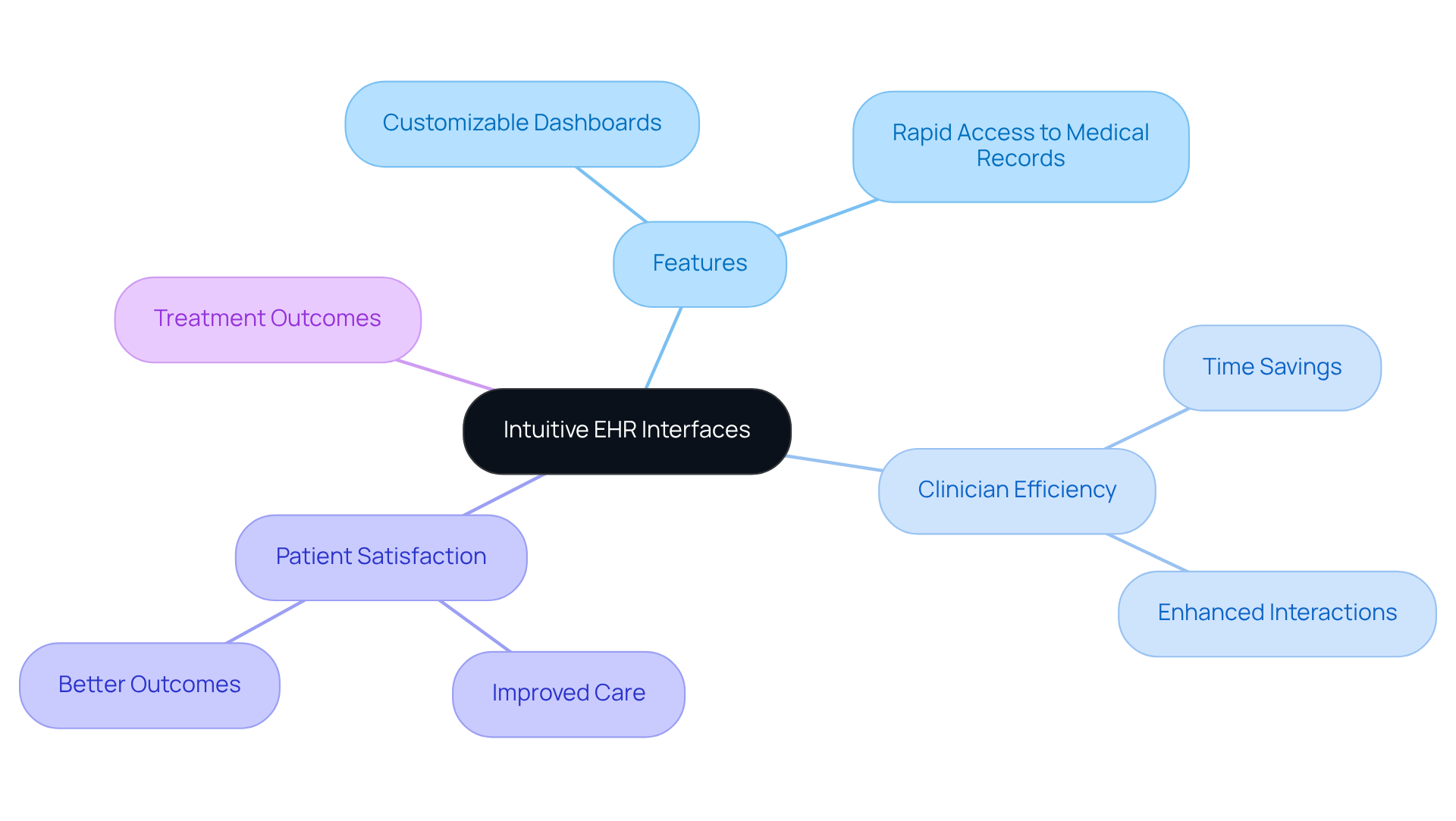
Current EHR systems often lead to clinician frustration due to complex navigation and excessive data entry requirements. Features such as customizable dashboards and rapid access to medical records streamline workflows, significantly enhancing clinician efficiency. Clinics that implement user-friendly EHR systems can anticipate enhanced patient satisfaction and treatment outcomes. Clinicians report that these intuitive systems not only save time but also enhance interactions with individuals, ultimately leading to improved treatment outcomes. As a result, clinics that prioritize EHR solutions will not only streamline operations but also significantly enhance patient care and satisfaction.
Ensure Compliance with EHR-Driven Regulatory Support
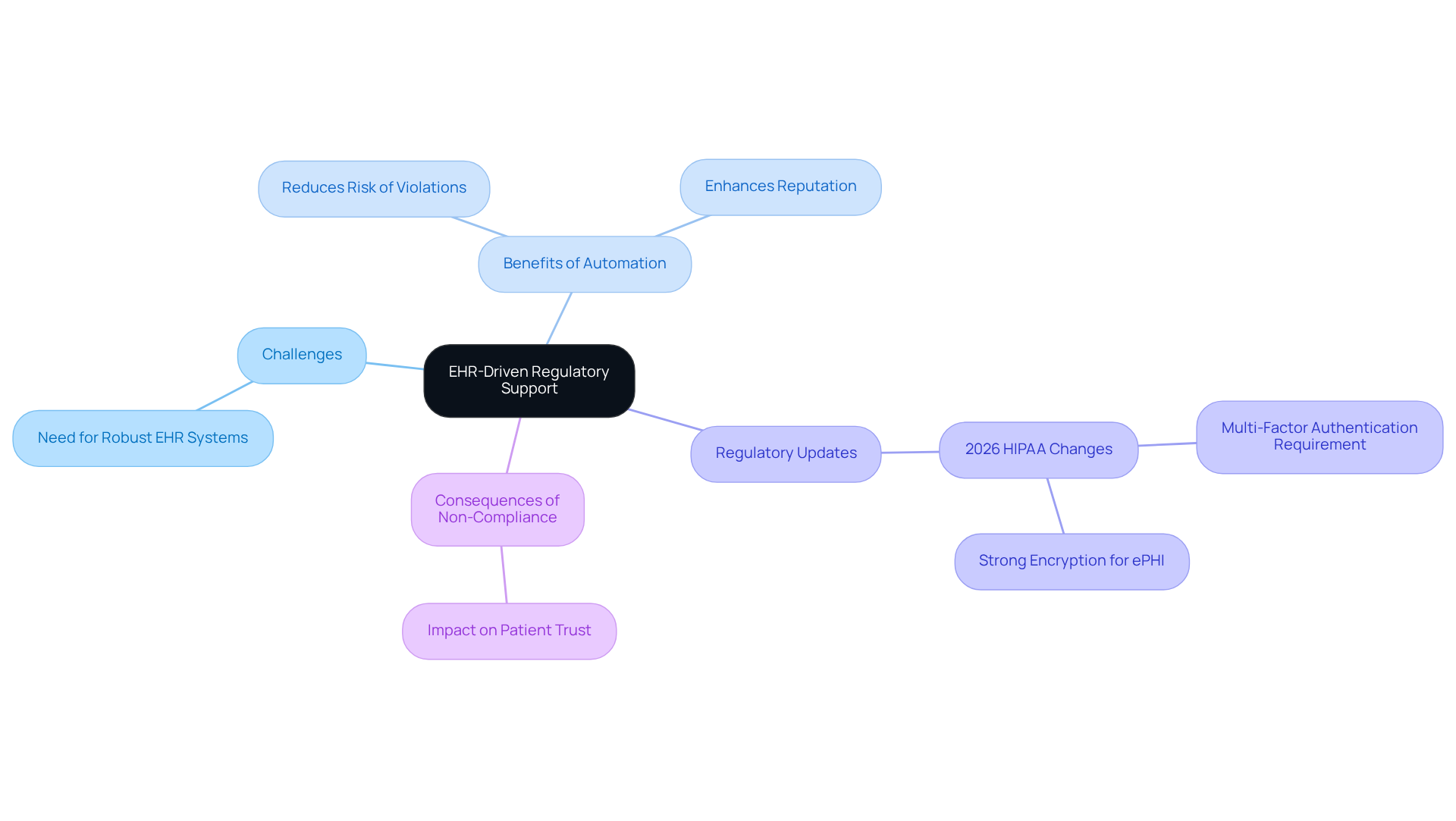
Mental wellness clinics face significant challenges in meeting regulatory compliance without robust EHR systems, which are crucial for adhering to HIPAA and 42 CFR Part 2. These systems offer secure data storage, enforce strict access controls, and maintain thorough audit trails, which are vital for protecting individual information.
- Automating compliance processes allows clinics to reduce the risk of violations and enhances their reputation as trustworthy providers.
- Recent updates to HIPAA regulations, effective in 2026, emphasize the necessity of multi-factor authentication and strong encryption for electronic protected information (ePHI), further underscoring the significance of EHR systems in maintaining compliance.
- Ultimately, the absence of these systems not only jeopardizes compliance but also undermines the trust that patients place in their care providers.
Boost Patient Engagement with EHR Patient Portals
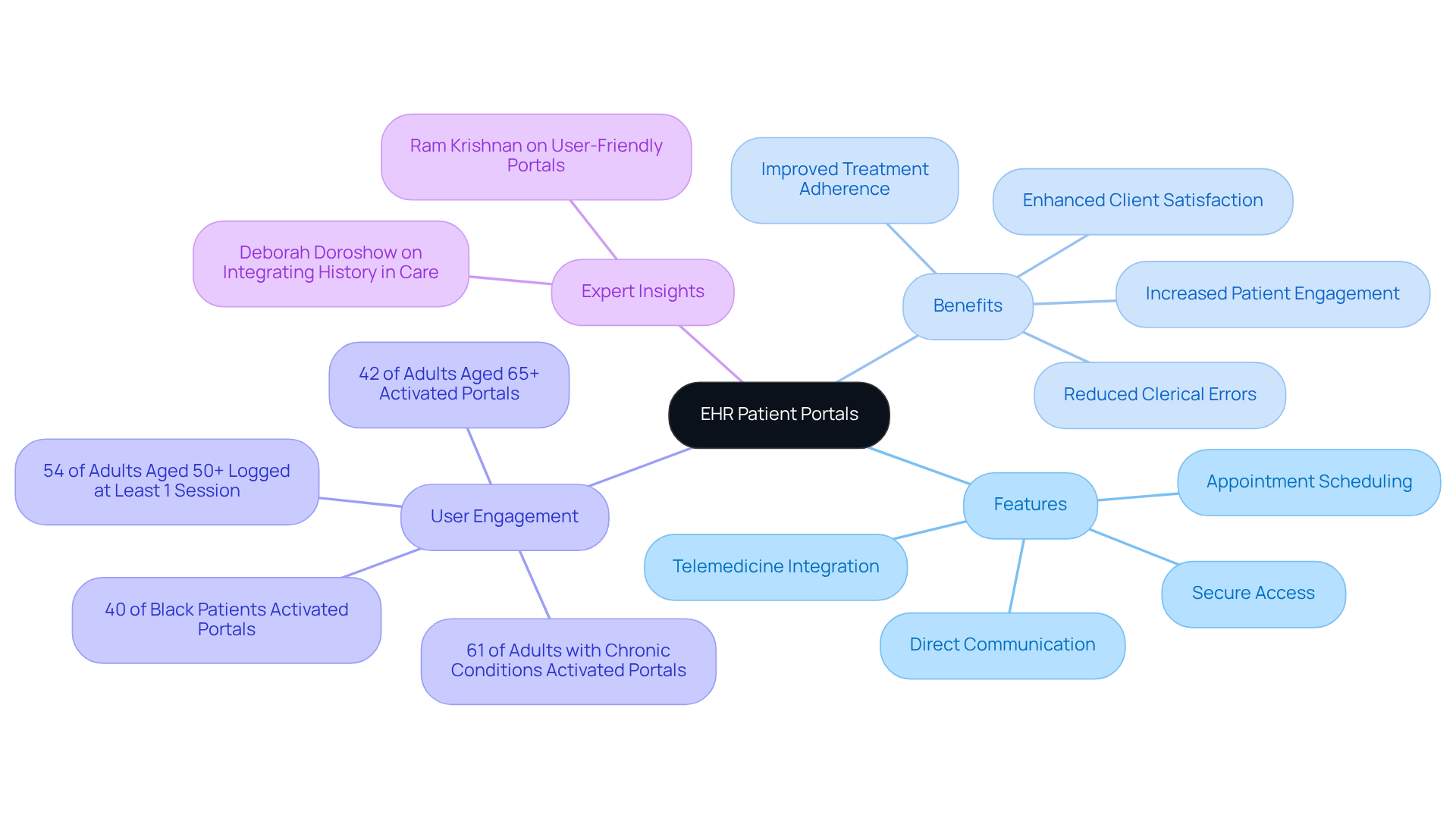
EHR user portals represent a pivotal advancement in empowering individuals with mental wellness conditions. These portals offer secure access to medical information, appointment scheduling, and direct communication with providers. This accessibility allows individuals to engage actively in their treatment plans. They can track their progress, which fosters a sense of ownership over their care. Improved user engagement through these portals has been demonstrated to significantly enhance adherence to treatment protocols, resulting in better wellness outcomes.
For example, research shows that individuals who use accessible portals are more inclined to follow their treatment plans, as they can effortlessly obtain self-care information and interact with their providers between appointments. Despite the potential benefits, a significant portion of older adults remains disengaged from these portals, as evidenced by the fact that only 42% of adults aged 65 years and older have activated them.
Moreover, the incorporation of telemedicine features within these portals enables smooth management of virtual appointments, with some behavioral wellness practices adopting a 100% telemedicine model. The clear benefits of these technologies on treatment adherence and client satisfaction are becoming increasingly evident.
As Ram Krishnan, CEO of Valant, states, “Patient portals should be more than a place to make a payment but should act as a digital extension of the care itself.” As these portals evolve, their role in enhancing patient engagement and treatment outcomes will become increasingly indispensable.
Leverage Analytics for Informed Decision-Making in Mental Health
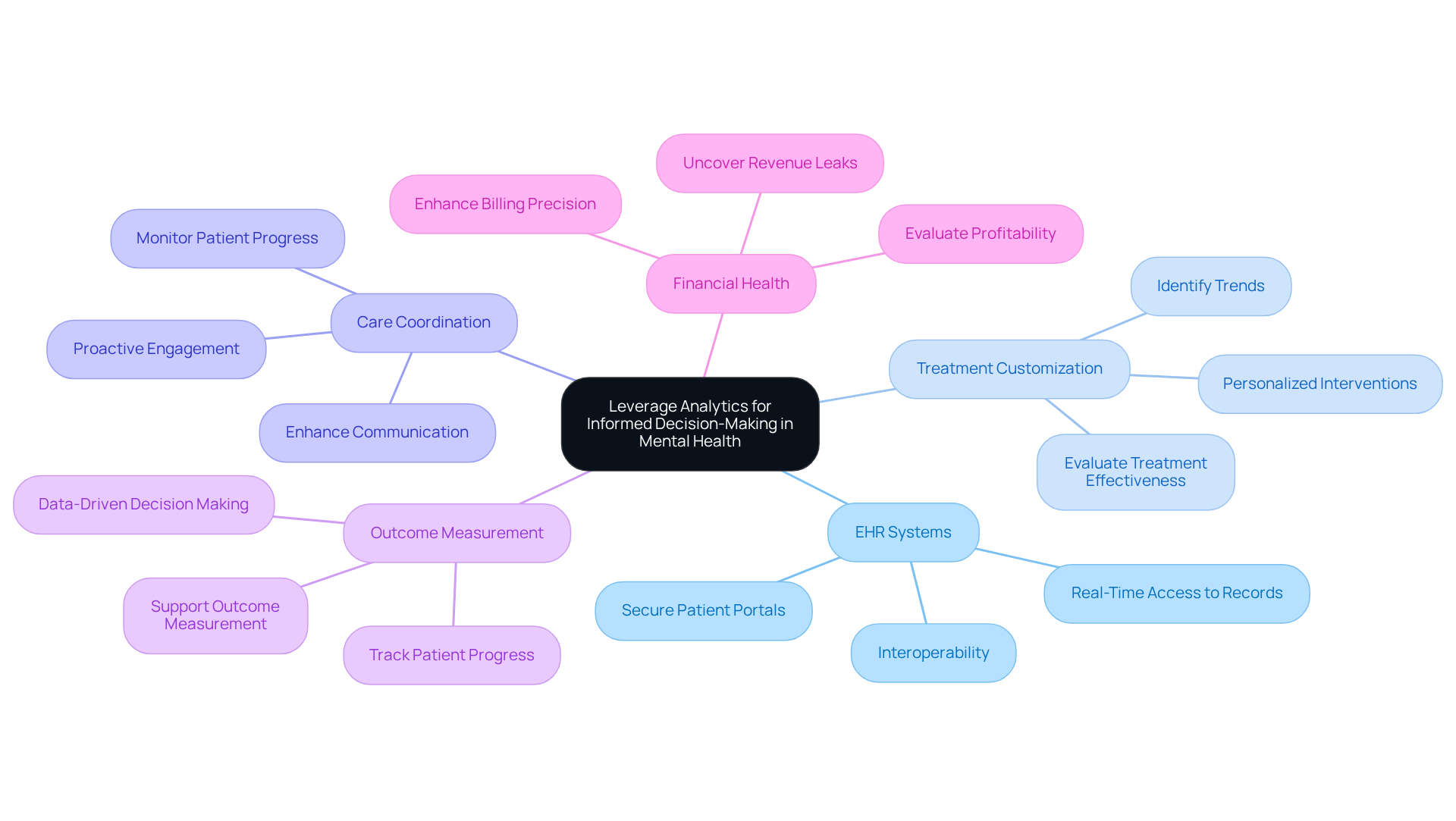
EHR systems powered by 1 ehr and advanced analytics tools are transforming how mental health providers analyze client data. These insights enable clinics to identify trends and evaluate treatment effectiveness more effectively. For example, analytics can reveal patterns in client behavior, allowing providers to customize interventions to enhance treatment outcomes.
Leveraging data analytics enhances care coordination, monitors patient progress, and supports outcome measurement, ultimately leading to more personalized and effective treatment strategies. Furthermore, incorporating a brief quiz to evaluate your practice’s profitability score can assist in uncovering concealed revenue leaks and offering tailored suggestions for enhancing efficiency and billing precision.
This integration not only enhances treatment strategies but also safeguards the financial health of your practice.
Provide Comprehensive Training for Effective EHR Utilization
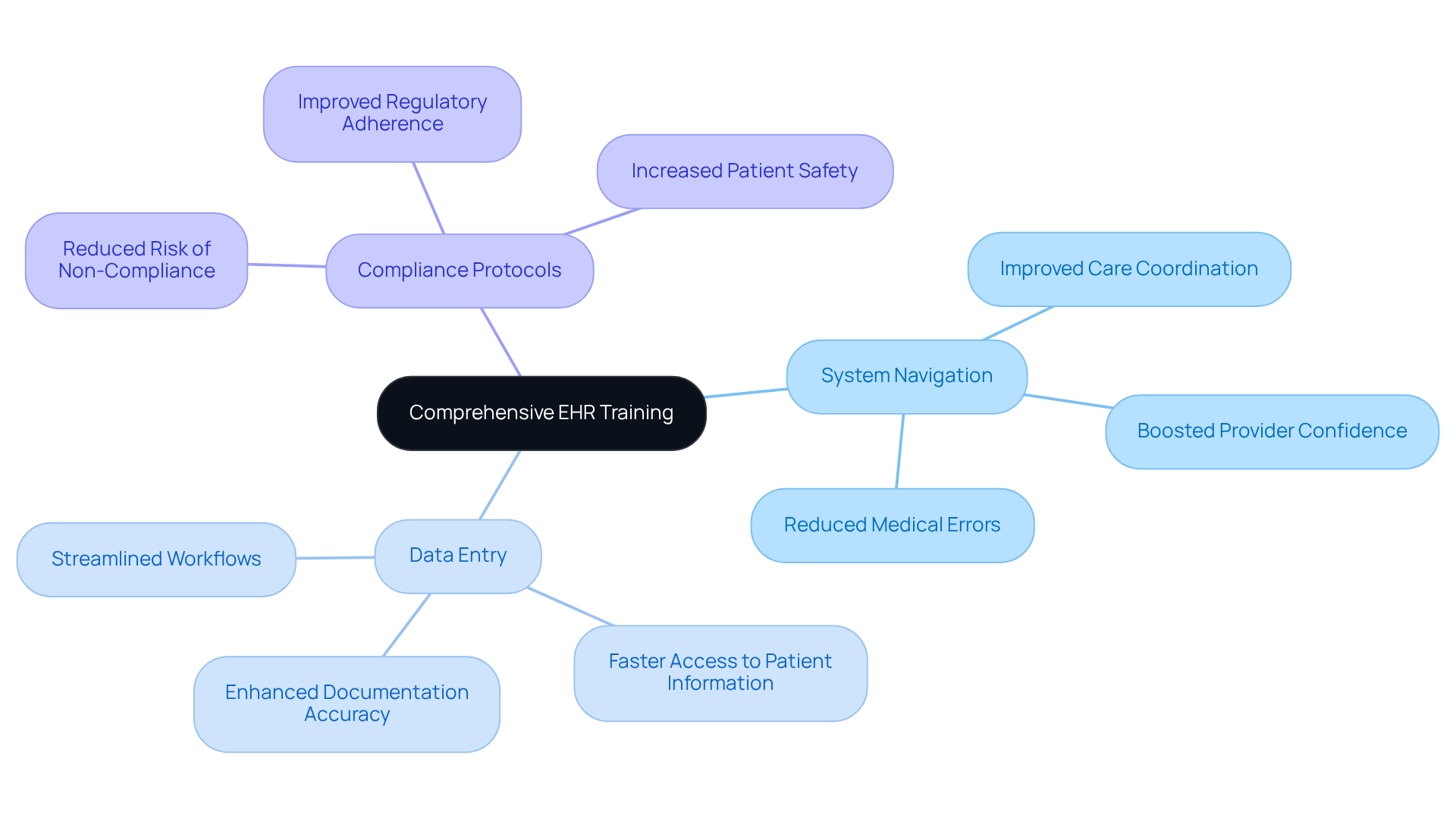
Inadequate training on EHR systems can hinder the operational efficiency of mental health clinics. To fully leverage the advantages of EHR systems, clinics must prioritize comprehensive training programs for their staff. Effective training should encompass:
- System navigation
- Data entry
- Compliance protocols
This ensures that all users are adept at utilizing the software. Regular training sessions help ensure that staff stay informed about new features and best practices, which can significantly improve operational efficiency and the standard of care. Statistics indicate that effective EHR training can reduce medical errors and improve care coordination, making it a crucial investment for clinics aiming to optimize their workflows.
Furthermore, healthcare leaders emphasize that tailored training not only boosts provider confidence but also directly supports operational and financial performance, ultimately leading to better patient outcomes. Promoting a culture of continuous learning equips wellness clinics to navigate EHR complexities, enhancing overall efficiency.
Streamline Billing Processes with EHR Integration
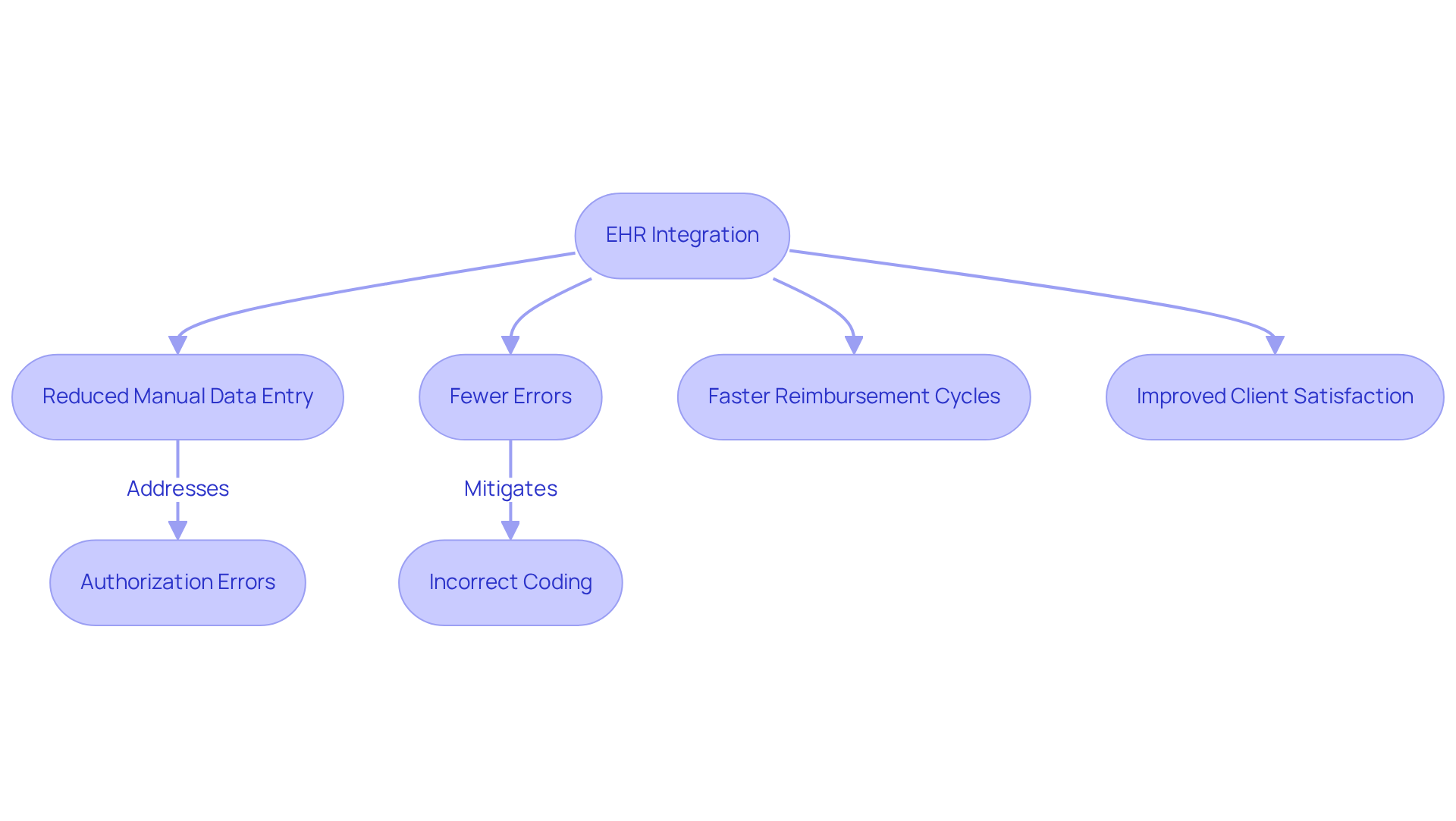
Integrating billing processes with 1 ehr systems effectively addresses the challenges faced by mental health clinics in managing claims and payments. This integration addresses the challenges of manual data entry, reducing errors and accelerating reimbursement cycles. Streamlined billing operations allow clinics to focus more on client care, thereby enhancing financial performance. The adoption of 1 ehr leads to improved billing accuracy and faster processing, resulting in higher client satisfaction. Automated claims submissions also help mitigate common issues such as authorization errors and incorrect coding in psychological service billing.
Furthermore, effective management of patient statements, including addressing underpayments, unprocessed claims, and aging claims, is crucial for maintaining a stable revenue flow. Healthcare Partners Consulting offers personalized administrative support services to help clinics optimize these processes, ensuring they feel supported and structured at every step. This approach enhances billing efficiency and maximizes profitability, as shown in our wellness practice case studies.
Facilitate Telehealth Services through EHR Technology
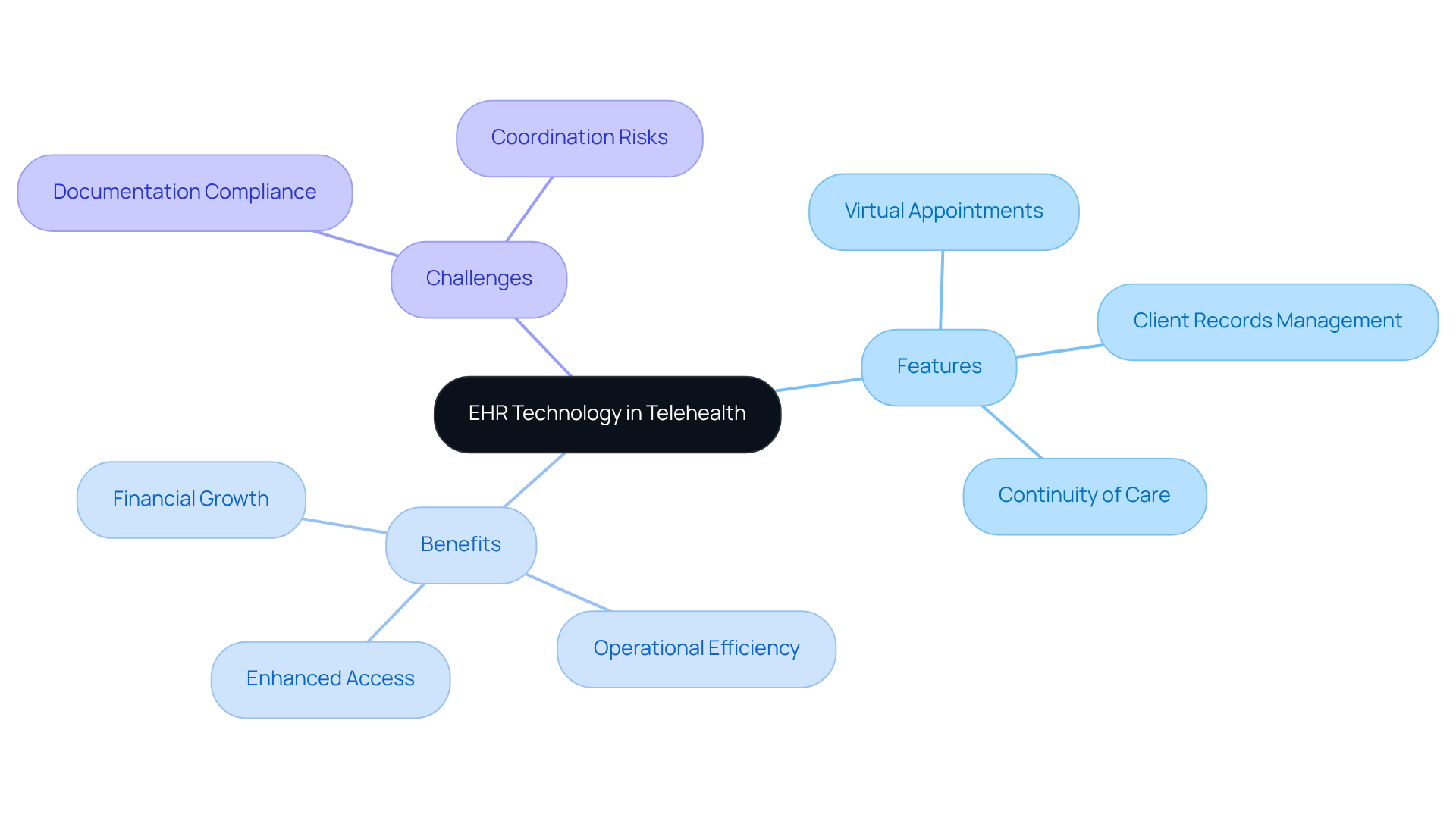
The use of 1 ehr technology is crucial in facilitating telehealth services for wellness clinics. By seamlessly incorporating telehealth features, providers can conduct virtual appointments, manage client records, and ensure continuity of care remotely. This capability enhances access to psychological services, allowing clinics to maintain client engagement during challenging times.
With the rise of telehealth, 1 ehr systems that facilitate these services are now essential for modern psychological practices. The incorporation of telehealth not only boosts operational efficiency but also promotes better outcomes for individuals, with 94% of physicians recognizing that mobile app technology can improve care. Furthermore, practices using mobile EHRs have observed a revenue growth of 15 to 20%, demonstrating the financial benefits of adopting such technology.
1 ehr systems specialized for mental wellness practices ensure precise documentation and compliance, which are essential for effective service delivery in a virtual environment. As Raziya Begum notes, “Mental health clinics mainly depend on seamless patient coordination, accurate documentation, and structured data management.” Without EHR technology, clinics risk falling behind in telehealth integration and compliance with changing policies.
Conclusion
The integration of Electronic Health Records (EHR) represents a critical advancement for mental health clinics facing operational challenges. EHR systems streamline operations, enhance patient care, and foster collaboration among providers, fundamentally changing the delivery of mental health services. Advanced technologies, including cloud-based systems and intuitive interfaces, enable clinics to optimize workflows and prioritize patient outcomes.
Throughout this article, we have discussed key strategies for leveraging EHR systems, such as:
- Optimizing medical billing processes
- Ensuring compliance with regulations
- Utilizing data analytics for informed decision-making
The benefits of EHR extend beyond operational efficiency; they also enhance patient engagement through user-friendly portals and telehealth capabilities, ultimately leading to improved treatment adherence and client satisfaction.
In conclusion, investing in EHR technology is not merely an option; it is a necessity for clinics committed to delivering superior mental health care in an increasingly complex environment. By prioritizing the integration of these systems, clinics can significantly enhance the quality of care provided to patients and secure better outcomes for their practice and the individuals they serve.
Frequently Asked Questions
What services does Healthcare Partners Consulting (HPC) provide for psychological practices?
HPC specializes in optimizing medical billing for psychological practices, enhancing billing efficiency, minimizing claim denials, and securing timely reimbursements.
How does HPC help improve billing efficiency?
HPC provides thorough training for staff on billing protocols and implements advanced software that integrates effectively with EHR systems, boosting operational efficiency and improving cash flow.
What are the current claim denial rates for behavioral claims nationwide?
Claim denial rates for behavioral claims nationwide currently range from 15% to 25%.
How do cloud-based EHR systems enhance collaboration in mental wellness clinics?
Cloud-based EHR systems allow for the secure, real-time exchange of client information, facilitating easy access to essential records and treatment plans, which improves coordination among team members and enhances client satisfaction.
What impact does cloud technology have on healthcare collaboration?
Cloud technology significantly enhances infrastructure scalability and enables effective collaboration among healthcare professionals, allowing for swift decision-making regardless of location.
What statistics highlight the importance of EHR data interoperability in mental wellness?
Statistics show that 68% of providers for psychological and substance use disorders solely utilize EHR for managing patient records, underscoring the critical role of interoperability.
What challenges do providers face in implementing EHR systems?
Providers face challenges such as technical barriers, workforce limitations, privacy concerns, and costs when implementing EHR systems effectively.
What regulatory changes are impacting data sharing in psychological practices?
The introduction of the 42 CFR Part 2 single-consent compliance, effective February 16, 2026, highlights regulatory changes affecting data sharing.
What initiative has been introduced to enhance data exchange among mental wellness providers?
The Behavioral Wellness Information Technology Initiative, which allocated $20 million in 2024, aims to enhance data exchange among mental wellness providers.
How can providers optimize their EHR solutions?
Providers can optimize their EHR solutions by scheduling a consultation with HPC, which will help map their current workflow and guide them toward effective services.