
Introduction
Effective management in neurology practices is essential for delivering high-quality patient care amidst complex healthcare regulations and billing processes. Implementing best practices to streamline operations, enhance billing accuracy, and ensure compliance allows healthcare providers to reduce administrative burdens and prioritize patient care. With rising denial rates and evolving regulatory landscapes, neurology practices must optimize their operations to thrive in this challenging environment.
Establish Core Operational Strategies for Neurology Practices
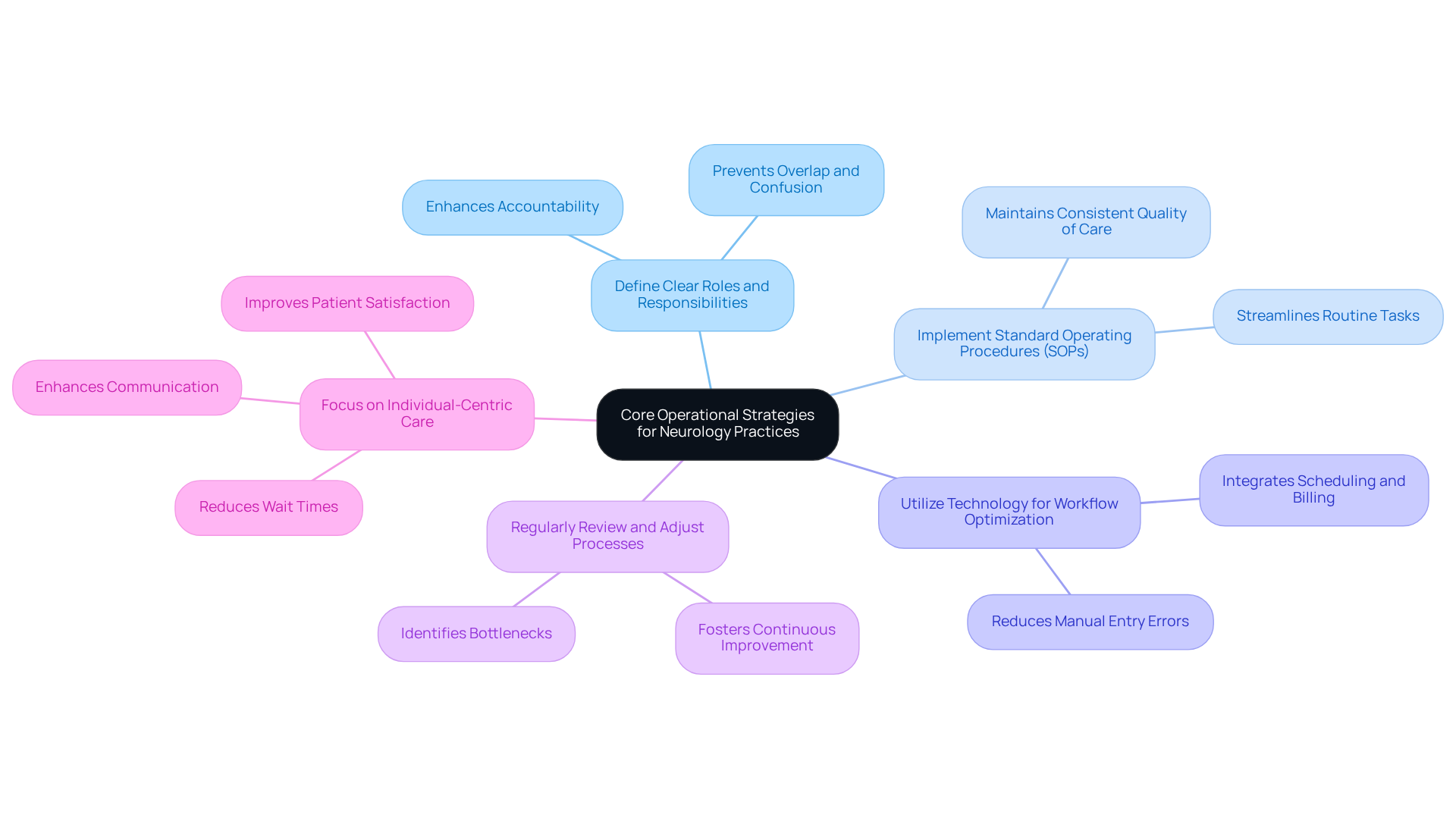
To optimize operational effectiveness, neurology practices must prioritize strategic focus areas:
- Define Clear Roles and Responsibilities: Clearly defining each team member’s role helps prevent overlap and confusion. This ensures that everyone knows their responsibilities, enhancing accountability and efficiency.
- Implement Standard Operating Procedures (SOPs): Create SOPs for routine tasks such as client intake, invoicing, and follow-up care. Standardizing these processes helps maintain consistent quality of care, which is vital for operational success.
- Utilize Technology for Workflow Optimization: Invest in practice management software that integrates scheduling, billing, and client records. This reduces manual entry errors and streamlines operations, allowing staff to focus on higher-value tasks.
- Regularly Review and Adjust Processes: Conduct periodic assessments of operational strategies to identify bottlenecks and areas for improvement. Engaging staff in these reviews can provide valuable insights into operational challenges, fostering a culture of continuous improvement.
- Focus on Individual-Centric Care: Ensure that all operational strategies prioritize the experience of those receiving care. This involves reducing wait times, enhancing communication, and offering thorough follow-up care, which are crucial for improving satisfaction and outcomes.
Implementing these strategies not only enhances operational efficiency but also significantly improves patient satisfaction and outcomes in neurology practice management. For example, approaches that implement streamlined processes and technology-driven solutions have reported a 20-30% decrease in administrative costs and quicker reimbursements within 15-25% in 30-90 days, showcasing the tangible advantages of these optimal methods. The implementation of these strategies can transform operational efficiency, ultimately enhancing patient care and satisfaction.
Implement Effective Billing and Reimbursement Practices
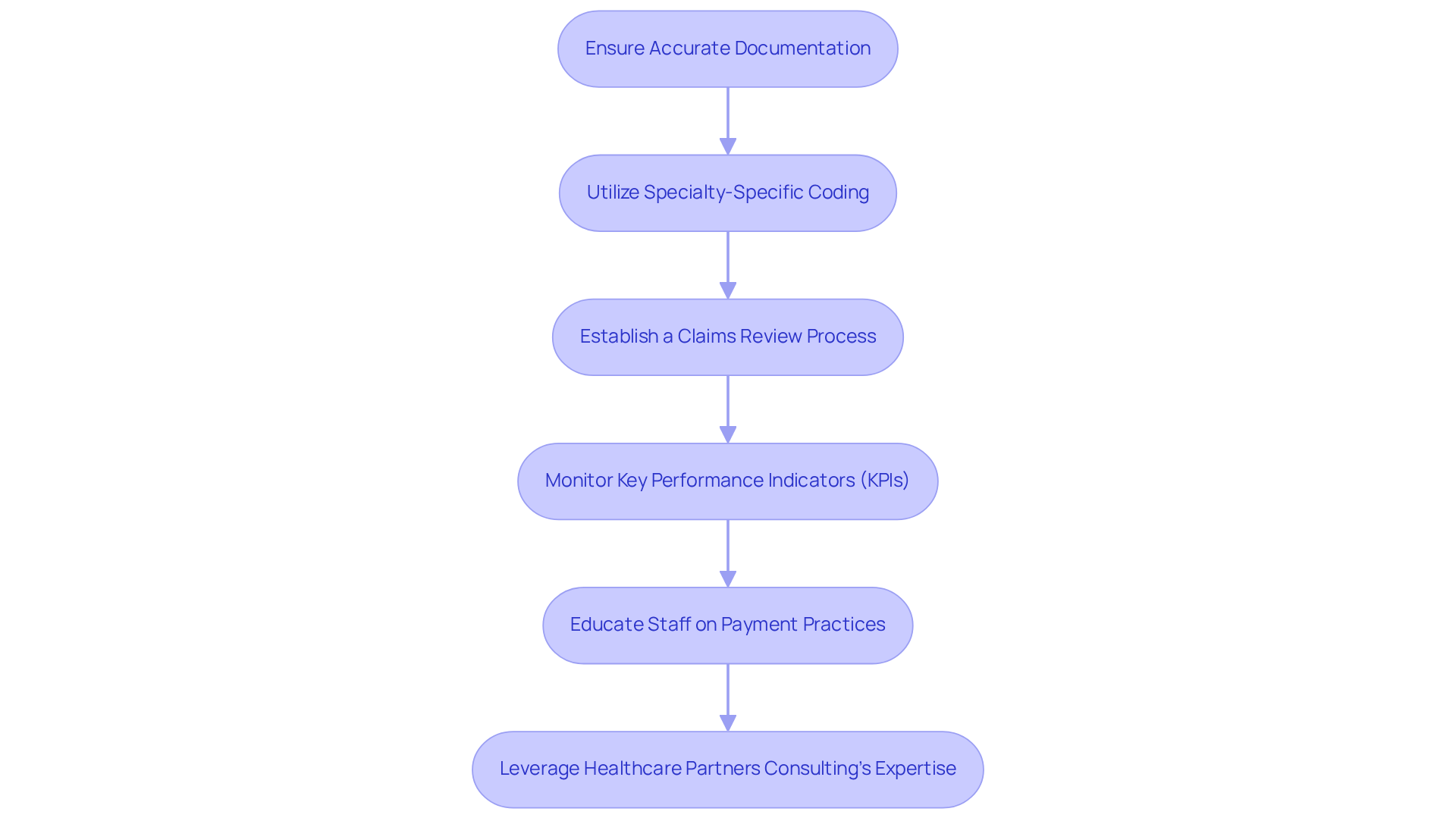
To enhance billing and reimbursement processes, neurology practices must adopt a structured approach that emphasizes accuracy and efficiency:
- Ensure Accurate Documentation: Maintain detailed and precise patient records, including clinical notes and treatment plans. This documentation is essential for justifying claims and minimizing denials. With denial rates for infusion therapies rising significantly, practices face increased pressure to ensure accurate documentation, particularly as these rates have surged by 40-60% in 2026 compared to 2024.
- Utilize Specialty-Specific Coding: Employ coding specialists who are well-versed in neurology-specific codes and reimbursement guidelines. This expertise can significantly reduce errors and enhance claim acceptance rates. Entities that implement updated coding systems in line with the latest CPT revisions often avoid denials and ensure accurate reimbursement.
- Establish a Claims Review Process: Implement a systematic review process for claims prior to submission. This includes checking for completeness and accuracy to ensure that all necessary information is included. Practices that engage in regular revenue health assessments report enhanced accuracy in invoicing. They also experience reduced time spent on prior authorization appeals.
- Monitor Key Performance Indicators (KPIs): Track metrics such as claim denial rates, days in accounts receivable, and collection rates. Regularly reviewing these KPIs can help identify trends and areas needing improvement. For instance, practices that monitor their denial rates can achieve a reduction of 20-30% by addressing systematic documentation issues.
- Educate Staff on Payment Practices: Provide ongoing training for staff on payment procedures, coding updates, and compliance requirements. Keeping the team informed aids in minimizing errors and improves overall efficiency, which is vital considering the complexities of neurology reimbursement, including high-complexity evaluation and management visits.
- Leverage Healthcare Partners Consulting‘s Expertise: We recommend partnering with Healthcare Partners Consulting & Billing, LLC (HPC) for tailored financial solutions. With 39 years of experience and a focus on mental and behavioral health, HPC offers flexible service plans that can be customized to your practice’s needs. Their certified revenue specialists ensure adherence to payer rules, enhancing revenue cycle management and minimizing denials through effective denial management strategies. Furthermore, HPC follows stringent HIPAA regulations and utilizes encrypted systems to protect client information, ensuring a secure invoicing process. Their transparent pricing models encompass percentage-based fees, flat rates for defined scopes, and custom subscription packages, enabling organizations to select the best fit for their financial needs.
By adopting these effective billing and reimbursement methods, neurology practice management can enhance financial outcomes and ensure adherence to healthcare regulations. Ultimately, these strategies empower neurology practice management to prioritize patient care while ensuring financial stability.
Streamline Administrative Processes to Enhance Patient Care
Streamlining administrative processes in neurology practice management is essential for enhancing operational efficiency and patient care. To effectively achieve this, consider implementing the following strategies:
- Automate Routine Tasks: By automating routine tasks, staff can save considerable time. This minimizes the risk of errors and enhances overall efficiency. Leverage technology to automate scheduling, reminders, and follow-up communications.
- Centralize Information: Adopt an electronic health record (EHR) system that consolidates information in one accessible location. This centralization facilitates easy retrieval of medical histories, treatment plans, and billing details, thereby enhancing workflow efficiency and minimizing administrative burdens.
- Enhance Communication Channels: Establish clear communication protocols among staff and with clients. Utilizing secure messaging systems for quick updates can significantly reduce delays in care, ensuring that all team members are aligned and informed.
- Conduct Regular Training Sessions: Invest in ongoing training for staff on new technologies and processes. Ensuring that everyone is skilled with the systems in place can enhance operational efficiency and reduce frustration, ultimately leading to improved care for individuals.
- Solicit Feedback from Individuals: Regularly gather insights from individuals regarding their experiences with administrative processes. This approach can offer valuable insights into areas requiring enhancement and assist in customizing services to better address client needs.
Implementing these strategies in neurology practice management allows organizations to enhance patient care and satisfaction. It also alleviates the administrative burden on healthcare providers. Entities that have embraced automation have reported a 20-30% decrease in claim denials and achieved quicker reimbursements within 15-25% of 30-90 days, highlighting the financial advantages of optimizing administrative tasks. Ultimately, the strategic implementation of these practices can lead to significant improvements in patient outcomes and financial performance.

Ensure Compliance with Healthcare Regulations and Standards
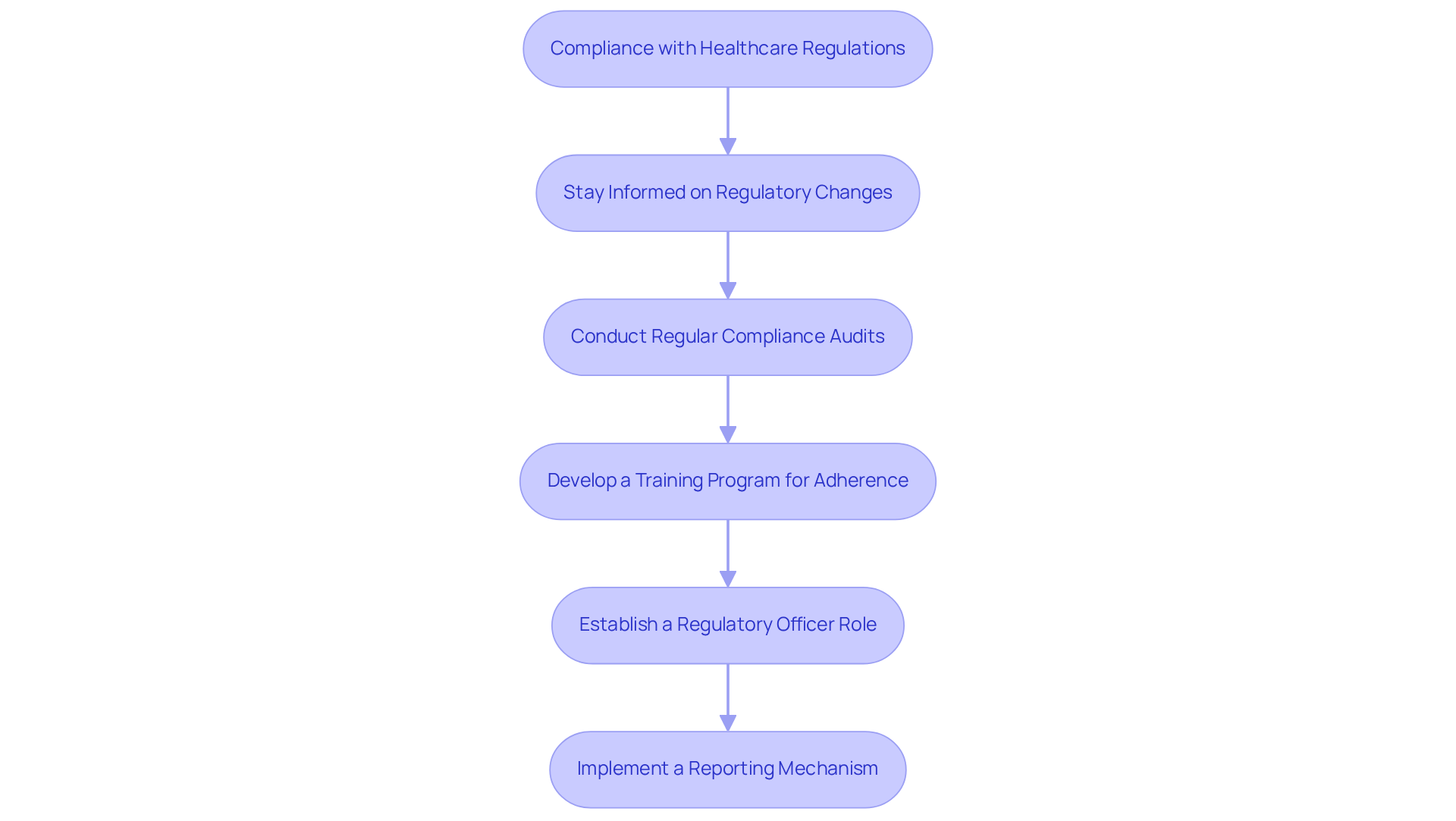
To navigate the complexities of healthcare regulations, neurology practices must adopt a structured approach to compliance:
- Stay Informed on Regulatory Changes: Regularly review updates to healthcare regulations, including HIPAA, Medicare, and Medicaid guidelines. This ensures that the practice remains compliant with current laws, particularly in light of the evolving landscape in 2026.
- Conduct Regular Compliance Audits: Establish a timetable for internal evaluations to examine adherence to invoicing methods, documentation, and privacy regulations regarding individuals. This proactive approach identifies potential issues early, reducing claim denials by 20-30%.
- Develop a Training Program for Adherence: Create a comprehensive training initiative for all staff members on adherence topics, including patient privacy, billing regulations, and ethical standards. Regular training reinforces the significance of adherence in daily operations and prepares staff for the complexities of evolving regulations.
- Establish a Regulatory Officer Role: Designate a regulatory officer responsible for overseeing adherence efforts, addressing concerns, and ensuring that the practice complies with all regulations. This role is essential for upholding accountability and integrating adherence into daily operations.
- Implement a Reporting Mechanism: Create a confidential reporting system for staff to report adherence concerns or violations. This promotes a culture of openness and responsibility within the organization, nurturing an atmosphere where adherence is prioritized.
Ultimately, a robust compliance strategy not only mitigates risks but also enhances the overall quality of care provided to patients. Additionally, partnering with Healthcare Partners Consulting can streamline your billing processes through comprehensive revenue cycle management tailored to behavioral and mental health practices, improve neurology practice management, reduce denials, and maximize revenue, allowing your practice to focus on delivering exceptional patient care. Their personalized consultations can help identify the most effective administrative solutions tailored to your specific needs, potentially improving cash flow by 15-25% within 30-90 days.
Conclusion
Operational inefficiencies in neurology practices can severely impact patient care and overall performance. By focusing on core operational strategies, effective billing practices, and streamlined administrative processes, neurology practices can enhance performance significantly. These strategies reduce administrative burdens and empower providers to focus on delivering high-quality patient care.
Key insights from the article highlight the importance of:
- Defining roles
- Utilizing technology
- Maintaining accurate documentation
to optimize workflows and enhance patient satisfaction. Additionally, adopting a compliance-first approach ensures that practices navigate the complexities of healthcare regulations effectively, minimizing risks and maximizing revenue. The integration of specialized billing expertise, particularly from a veteran-owned entity like Healthcare Partners Consulting & Billing, LLC (HPC), further supports practices in achieving financial stability while adhering to payer rules.
Ultimately, the commitment to operational excellence in neurology practices is not just about improving efficiency; it is about fostering an environment where patient care thrives. By embracing these best practices, neurology practices can enhance their service delivery, ensuring that patients receive the attention and care they deserve. Engaging with HPC not only streamlines operations but also ensures that patient care remains the top priority.
Frequently Asked Questions
What are the core operational strategies for neurology practices?
The core operational strategies include defining clear roles and responsibilities, implementing standard operating procedures (SOPs), utilizing technology for workflow optimization, regularly reviewing and adjusting processes, and focusing on individual-centric care.
Why is it important to define clear roles and responsibilities in a neurology practice?
Clearly defining roles helps prevent overlap and confusion among team members, ensuring that everyone knows their responsibilities, which enhances accountability and efficiency.
What are standard operating procedures (SOPs) and why are they important?
SOPs are documented processes for routine tasks such as client intake, invoicing, and follow-up care. They are important because they help maintain consistent quality of care, which is vital for operational success.
How can technology be utilized to optimize workflow in neurology practices?
Investing in practice management software that integrates scheduling, billing, and client records can reduce manual entry errors and streamline operations, allowing staff to focus on higher-value tasks.
Why should neurology practices regularly review and adjust their operational processes?
Periodic assessments help identify bottlenecks and areas for improvement. Engaging staff in these reviews can provide valuable insights into operational challenges, fostering a culture of continuous improvement.
What does focusing on individual-centric care involve?
It involves prioritizing the experience of patients by reducing wait times, enhancing communication, and offering thorough follow-up care, which are crucial for improving patient satisfaction and outcomes.
What are the benefits of implementing these operational strategies in neurology practices?
Implementing these strategies can enhance operational efficiency, significantly improve patient satisfaction and outcomes, and lead to a reported 20-30% decrease in administrative costs and quicker reimbursements within 15-25% in 30-90 days.