
Introduction
Mental health clinics encounter significant challenges in enhancing revenue amidst complex operational demands. By implementing targeted strategies, these facilities can boost their financial health while allowing providers to concentrate on patient care. Clinics must navigate evolving healthcare regulations and compliance requirements to achieve sustainable growth. This article outlines four essential strategies for mental health practices to optimize revenue and enhance operational efficiency in a competitive environment.
Implement Expert Medical Billing for Increased Revenue
Implementing expert medical invoicing is crucial for psychological care facilities facing challenges in revenue enhancement. This requires specialized expertise in coding and invoicing practices specifically designed for psychological services. Accurate coding and timely submissions are essential for clinics to significantly reduce claim denials and improve cash flow. Here are key strategies to consider:
- Stay Updated on Coding Changes: Regularly review and adapt to changes in billing codes specific to mental health services to avoid errors. In 2026, the complexity of payment requirements is rising, necessitating detailed documentation to support claims and avoid penalties. Stronger documentation standards and the anticipated wider adoption of AI-assisted claims review are critical trends to monitor.
- Utilize Technology: Implement software that automates processes and tracks claims, reducing administrative burdens. AI-assisted claims review and real-time eligibility verification are among the significant trends in 2026, helping to streamline operations and improve accuracy.
- Train Staff: Ensure that the personnel responsible for invoicing are well-prepared in psychological service invoicing practices to reduce errors and improve efficiency. Continuous education is essential, especially as coding accuracy has become a workforce strategy issue due to increasing demands and a shortage of experienced coders. Regular coding audits can help maintain compliance and reduce repeated denials.
- Monitor Denials: Establish a system for tracking and analyzing denied claims to identify patterns and address underlying issues promptly. High denial rates in behavioral services are often associated with documentation gaps and coding mistakes, with industry benchmarks suggesting that Days in A/R should be under 30 days. Proactive monitoring is vital to ensure timely resolutions and improve cash flow.
By implementing these strategies, psychological support facilities can navigate the changing environment of payment practices, ensuring adherence and maximizing revenue opportunities. This approach not only ensures compliance but also positions facilities for sustainable financial growth in a competitive landscape.

Adopt Comprehensive Practice Management Solutions
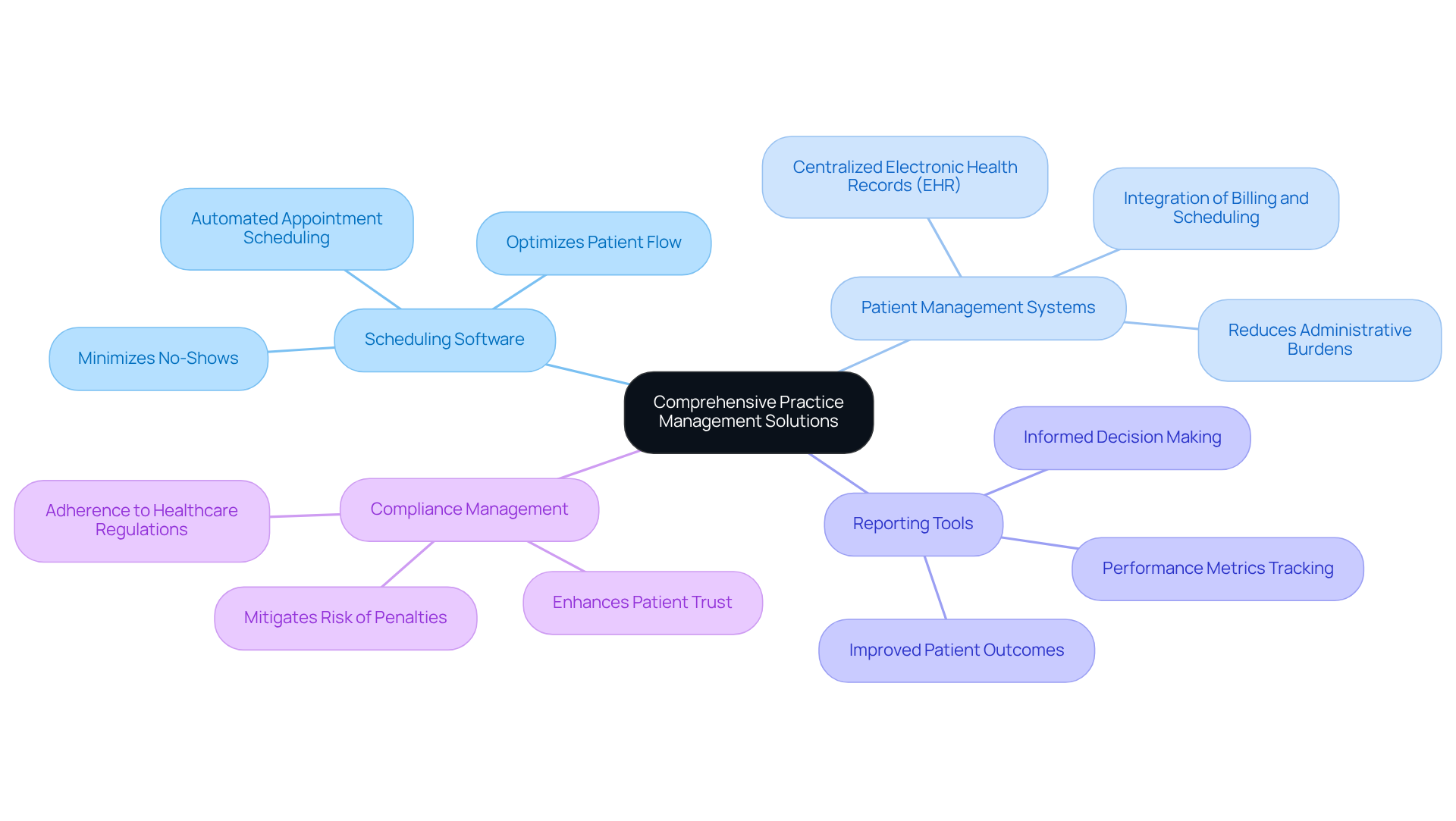
Mental wellness facilities face significant challenges in operational efficiency and patient care without comprehensive practice management solutions. These solutions include various tools that streamline clinic operations, such as:
- Scheduling Software: Automating appointment scheduling minimizes no-shows and optimizes patient flow, which is essential for maintaining a steady revenue stream.
- Patient Management Systems: Utilizing electronic health records (EHR) that integrate billing, scheduling, and clinical documentation ensures that all patient information is centralized, reducing administrative burdens and improving accuracy.
- Reporting Tools: Implementing analytics to track performance metrics enables healthcare facilities to make informed decisions regarding operational enhancements, ultimately resulting in improved patient outcomes and increased profitability.
- Compliance Management: Ensuring adherence to healthcare regulations mitigates the risk of penalties and enhances patient trust, which is vital for long-term success. A compliance-first approach is essential for long-term success. Healthcare Partners Consulting & Billing, LLC (HPC), a veteran-owned company, has 39 years of experience in this field.
In 2026, the effectiveness of these solutions is underscored by a retrospective cohort study that found an 89.1% retention rate in treatment among patients using integrated systems. Furthermore, case studies emphasize the influence of platforms like blueBriX, which enhance workflows and elevate compliance reporting for organizations under CCBHC and Medicaid requirements. By adopting comprehensive practice management solutions, behavioral facilities can not only increase revenue but also improve the quality of care they deliver, ensuring that healthcare providers can concentrate on what truly matters: patient care. By neglecting to implement these solutions, facilities risk compromising both their operational success and the quality of care provided to patients.
Utilize Strategic Growth Consulting for Operational Improvement
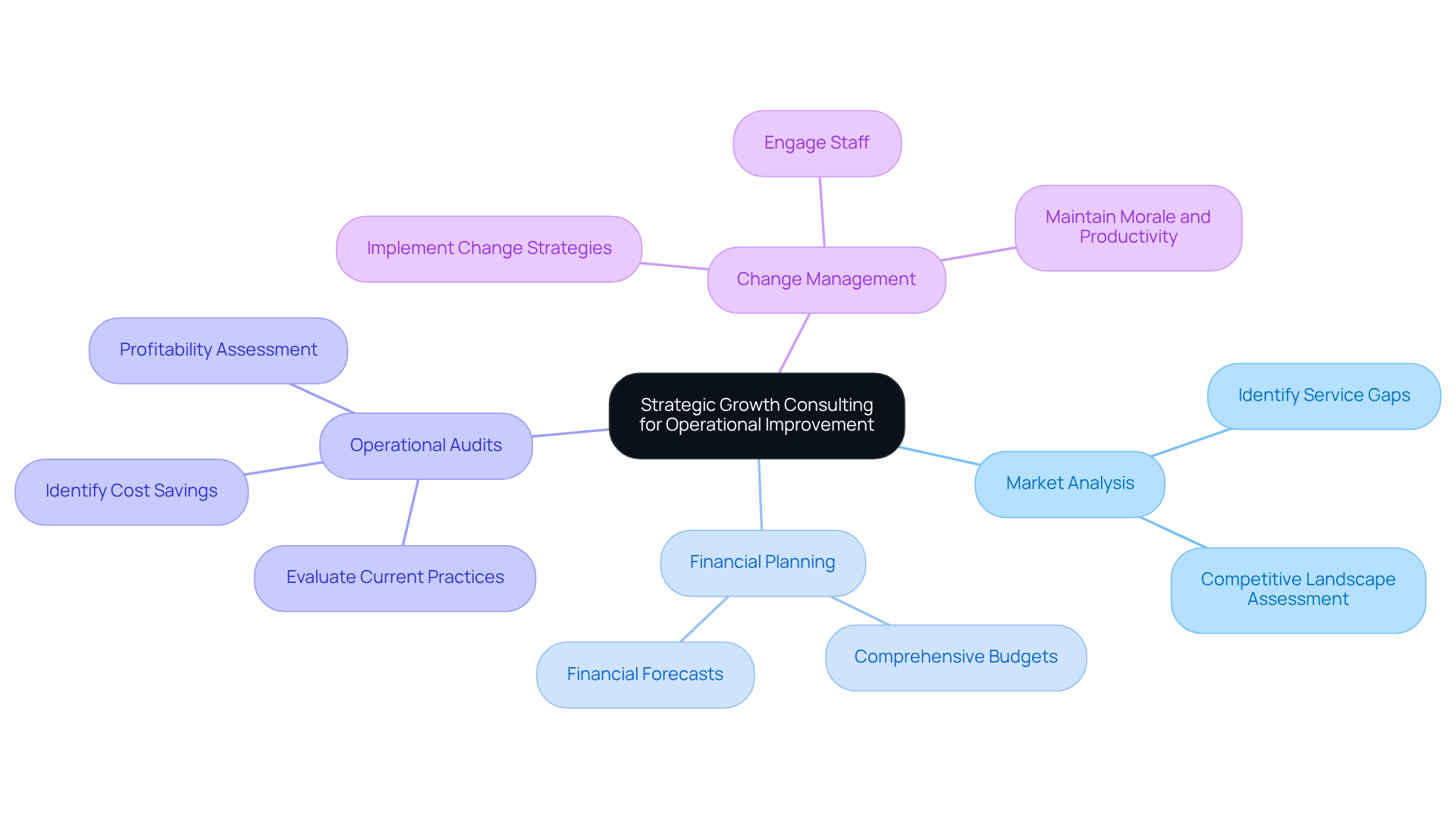
Strategic growth consulting is a pivotal tool for enhancing operational efficiency in mental health practices. This method engages experts from Healthcare Partners Consulting & Billing, LLC (HPC) to identify improvement areas and develop tailored strategies. Key components include:
- Market Analysis: A thorough assessment of the competitive landscape helps identify service gaps that clinics can address, positioning them for growth.
- Financial Planning: Developing comprehensive budgets and financial forecasts is essential for guiding investments in growth initiatives, ensuring that resources are allocated effectively.
- Operational Audits: Conducting detailed evaluations of current practices allows healthcare facilities to uncover inefficiencies that hinder profitability and identify potential cost savings. HPC provides a rapid assessment tool to evaluate profitability, helping to identify hidden revenue leaks and offering tailored recommendations for improved efficiency and billing accuracy.
- Change Management: Implementing effective change management strategies ensures smooth transitions, keeping staff engaged and informed throughout the process, which is crucial for maintaining morale and productivity.
Statistics indicate that healthcare consulting can lead to a revenue increase of up to 30% for practices that effectively implement these strategies. Case studies demonstrate that healthcare facilities leveraging strategic growth consulting from HPC not only improve operational efficiency but also enhance patient care outcomes. As the healthcare landscape evolves, investing in these consulting services will be crucial for practices aiming to excel in a competitive environment.
Enhance Staff Recruitment and Retention Strategies
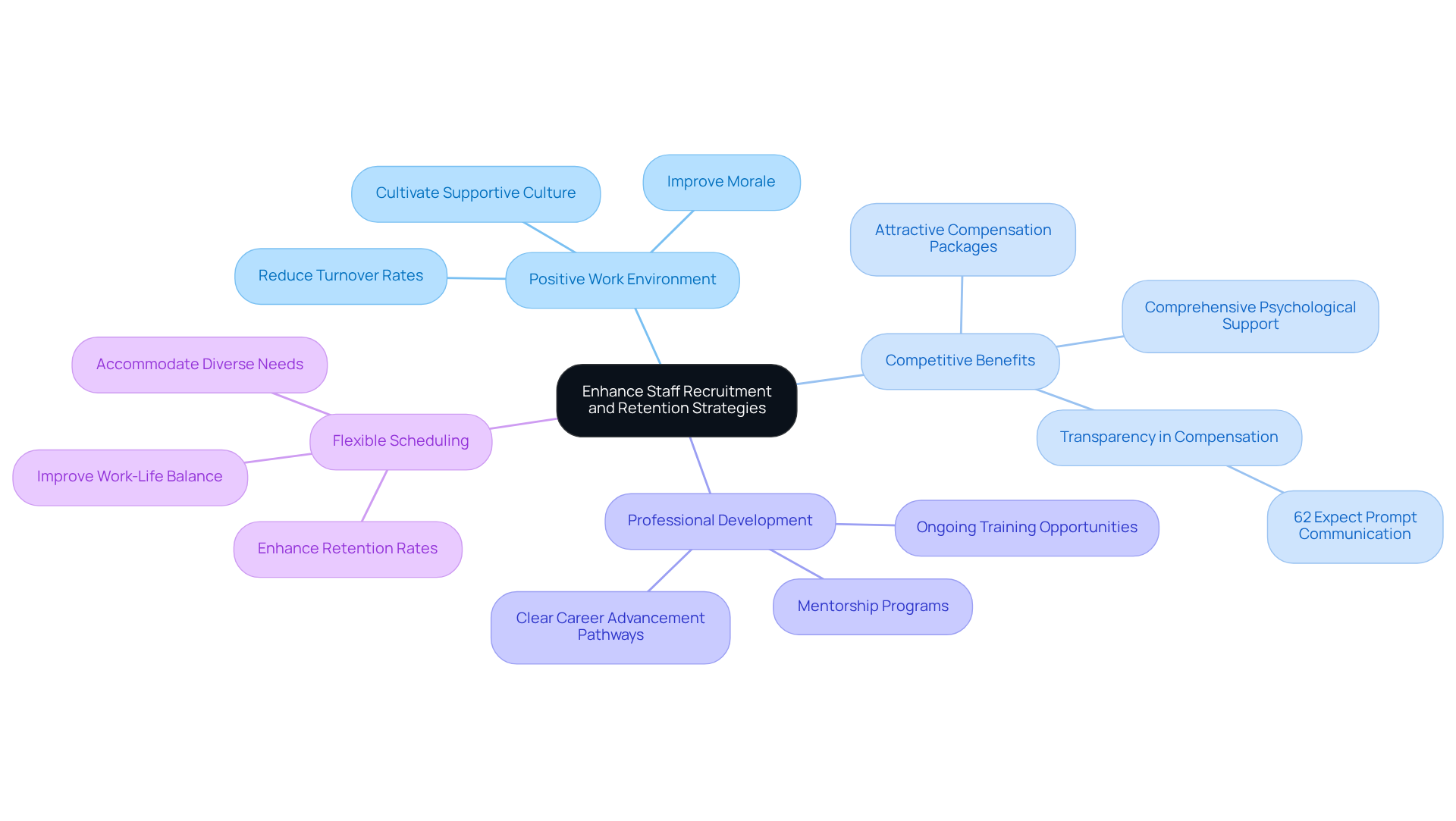
Clinics are grappling with significant workforce shortages, making effective recruitment and retention strategies more critical than ever. Here are key approaches to consider:
- Create a Positive Work Environment: Creating a positive work environment is essential for enhancing job satisfaction among clinic staff. Cultivating a culture of support and collaboration can significantly improve morale and reduce turnover rates.
- Offer Competitive Benefits: Attractive compensation packages, including comprehensive psychological support benefits, are essential for attracting top talent. Research indicates that 62% of healthcare candidates anticipate prompt communication during the hiring process, making transparency in compensation vital for expanding the candidate pool.
- Professional Development: Ongoing training and development opportunities are crucial for staff growth and fostering loyalty within the organization. Clinics that provide mentorship and clear career advancement pathways are better positioned to retain talent in a competitive market.
- Flexible Scheduling: Implementing flexible work arrangements can accommodate the diverse needs of mental health professionals, thereby improving retention rates. As healthcare professionals increasingly prioritize work-life balance, facilities that offer such flexibility are more likely to attract and retain skilled staff.
In 2023, an estimated 169 million individuals in the U.S. lived in Mental Health Professional Shortage Areas, highlighting the urgency for effective recruitment strategies. Furthermore, with a projected shortage of 3.2 million healthcare workers by 2026, the need for innovative approaches is more pressing than ever. Successful healthcare facilities are leveraging strategies such as building academic partnerships to create talent pipelines and utilizing AI tools to streamline hiring processes, reduce unconscious bias, and improve candidate matching. By adopting these innovative strategies, mental health clinics can not only enhance their recruitment efforts but also secure a sustainable workforce capable of meeting the increasing demand for services.
Conclusion
Implementing effective strategies is crucial for mental health clinics aiming to enhance revenue and ensure sustainable growth. Focusing on expert medical billing, comprehensive practice management solutions, strategic growth consulting, and effective recruitment and retention strategies enables clinics to enhance operations and prioritize patient care. These strategies streamline administrative processes and foster an environment conducive to healthcare provider success.
The article highlights four key strategies:
- The importance of expert medical billing to reduce claim denials
- The adoption of comprehensive practice management solutions to improve operational efficiency
- The role of strategic growth consulting in identifying areas for improvement
- The necessity of effective recruitment and retention strategies to combat workforce shortages
Each of these elements plays a crucial role in maximizing revenue and enhancing the quality of care provided to patients.
As the landscape of mental health care continues to evolve, it is imperative for clinics to embrace these strategies. Failure to implement these strategies may lead to decreased revenue and diminished patient satisfaction. Ultimately, embracing these strategies is not just about financial success; it is about fostering an environment where exceptional patient care can flourish. Working with experts such as Healthcare Partners Consulting & Billing, LLC (HPC) offers valuable support and guidance to effectively navigate these challenges. For further assistance, clinics can reach out via email at info@hpcbilling.com or call 888-517-4992 to explore tailored solutions that empower their practice.
Frequently Asked Questions
Why is expert medical billing important for psychological care facilities?
Expert medical billing is crucial for psychological care facilities as it helps enhance revenue by reducing claim denials and improving cash flow through specialized expertise in coding and invoicing practices tailored for psychological services.
What are the key strategies for implementing expert medical billing?
Key strategies include staying updated on coding changes, utilizing technology, training staff, and monitoring denials to improve accuracy and efficiency in the billing process.
How can staying updated on coding changes benefit psychological services?
Staying updated on coding changes helps avoid errors in billing, which is essential as payment requirements are becoming more complex. Accurate documentation is necessary to support claims and avoid penalties.
What role does technology play in medical billing for psychological services?
Technology, such as automated software for tracking claims and AI-assisted claims review, helps streamline operations, reduce administrative burdens, and improve accuracy in the billing process.
Why is staff training important in the context of medical billing?
Staff training is important to ensure that personnel responsible for invoicing are knowledgeable about psychological service billing practices, which reduces errors and enhances efficiency. Continuous education is necessary due to increasing demands and a shortage of experienced coders.
How can monitoring denials improve the billing process?
Monitoring denials allows facilities to track and analyze denied claims, identify patterns, and address underlying issues promptly, which is vital for improving cash flow and ensuring timely resolutions.
What are the industry benchmarks for managing denied claims in behavioral services?
Industry benchmarks suggest that Days in Accounts Receivable (A/R) should be under 30 days to effectively manage denied claims and maintain healthy cash flow.