

Introduction
Selecting the right revenue cycle consultant is crucial for healthcare providers aiming to enhance their operational efficiency and patient care. Many healthcare providers struggle to find consultants who align with their specific operational needs. How can they ensure they select the right consultant who understands their unique challenges? This discussion will provide insights that empower healthcare providers to navigate the critical partnership with revenue cycle consultants effectively.
Understand Revenue Cycle Consulting Essentials
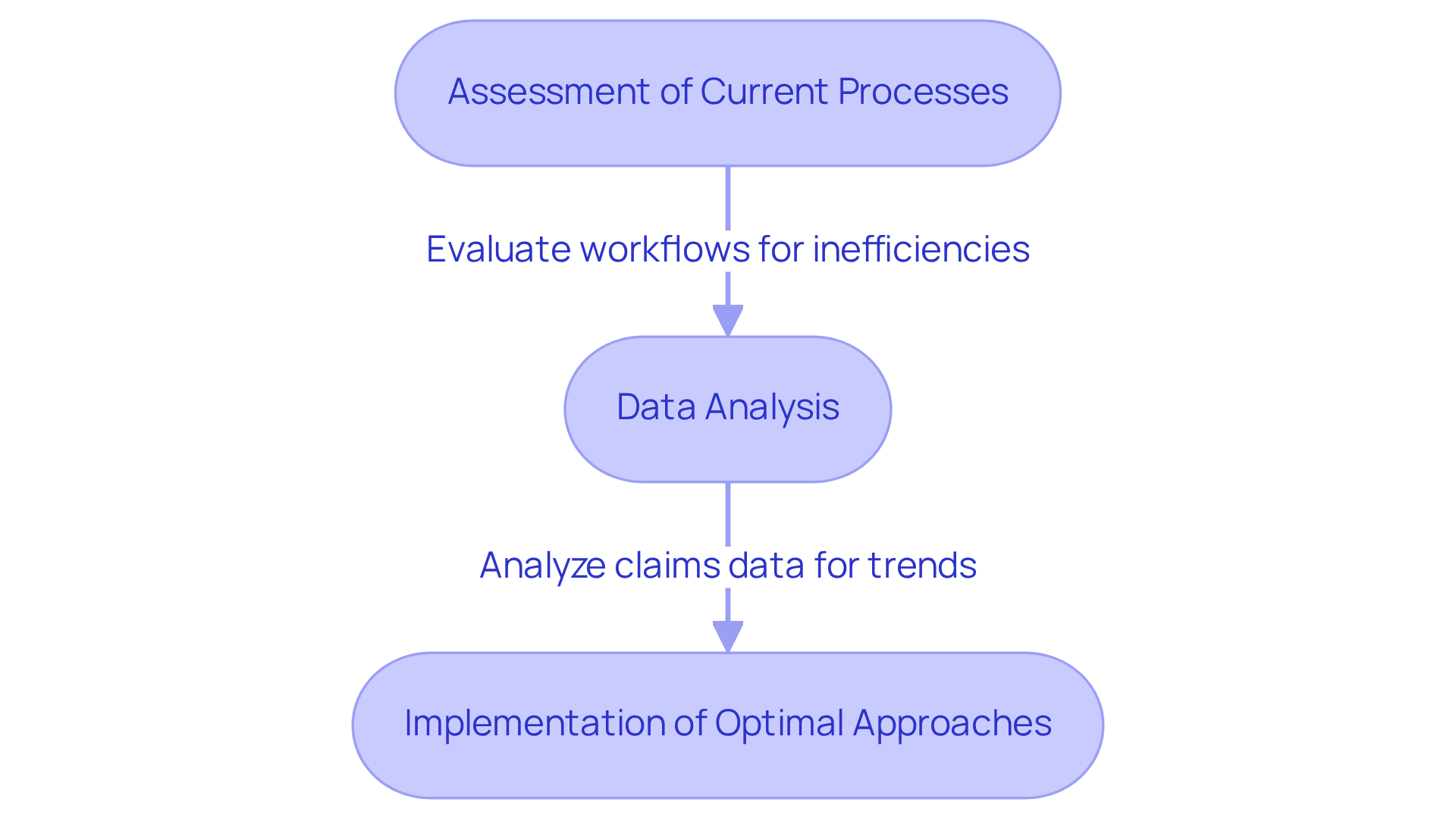
Healthcare organizations, particularly in mental and behavioral health, often struggle with optimizing their financial processes, which can lead to significant revenue losses. Revenue consulting encompasses a comprehensive suite of services designed to enhance these financial processes. This involves a detailed evaluation of existing workflows to identify inefficiencies and implement targeted strategies that enhance financial collection and ensure compliance. Key components of revenue cycle consulting by Healthcare Partners Consulting & Billing, LLC (HPC) include:
- Assessment of Current Processes: Consultants initiate their work by thoroughly evaluating existing workflows, from patient registration to claims submission. This evaluation seeks to identify bottlenecks and areas ready for enhancement, ensuring that every step in the financial cycle is efficient.
- Data Analysis: Leveraging advanced analytics, HPC experts delve into claims and remittance data to uncover trends and identify root causes of revenue loss. This data-driven approach allows organizations to make informed decisions that can significantly enhance their financial health, ultimately leading to faster reimbursements and reduced denial rates.
- Implementation of Optimal Approaches: Following the analysis, HPC professionals recommend and assist in executing industry optimal approaches tailored to the specific needs of the organization. These practices are designed to streamline operations, reduce denial rates by 20-30%-as supported by MDaudit’s findings-and improve overall financial performance, including achieving faster reimbursements within 30-90 days.
Understanding these critical elements enables healthcare providers to recognize the substantial benefits of engaging a revenue cycle consultant, such as Healthcare Partners Consulting, which includes improved operational efficiency, reduced administrative burdens, and a stronger focus on delivering quality patient care. Moreover, incorporating clinical insights into financial clearance procedures is essential for minimizing denials and improving overall efficiency in the billing process, as emphasized by industry specialists. With 39 years of experience and a veteran-owned status, HPC is uniquely positioned to empower mental health clinics by removing administrative burdens and allowing them to focus on patient care. Without expert guidance, healthcare providers risk continued inefficiencies that detract from their primary mission of patient care.
Assess Your Practice’s Unique Needs
Healthcare providers frequently encounter significant challenges that can impede their financial stability and patient care. Before hiring a revenue cycle consultant, they must perform a comprehensive evaluation of their organization’s specific needs. This process includes:
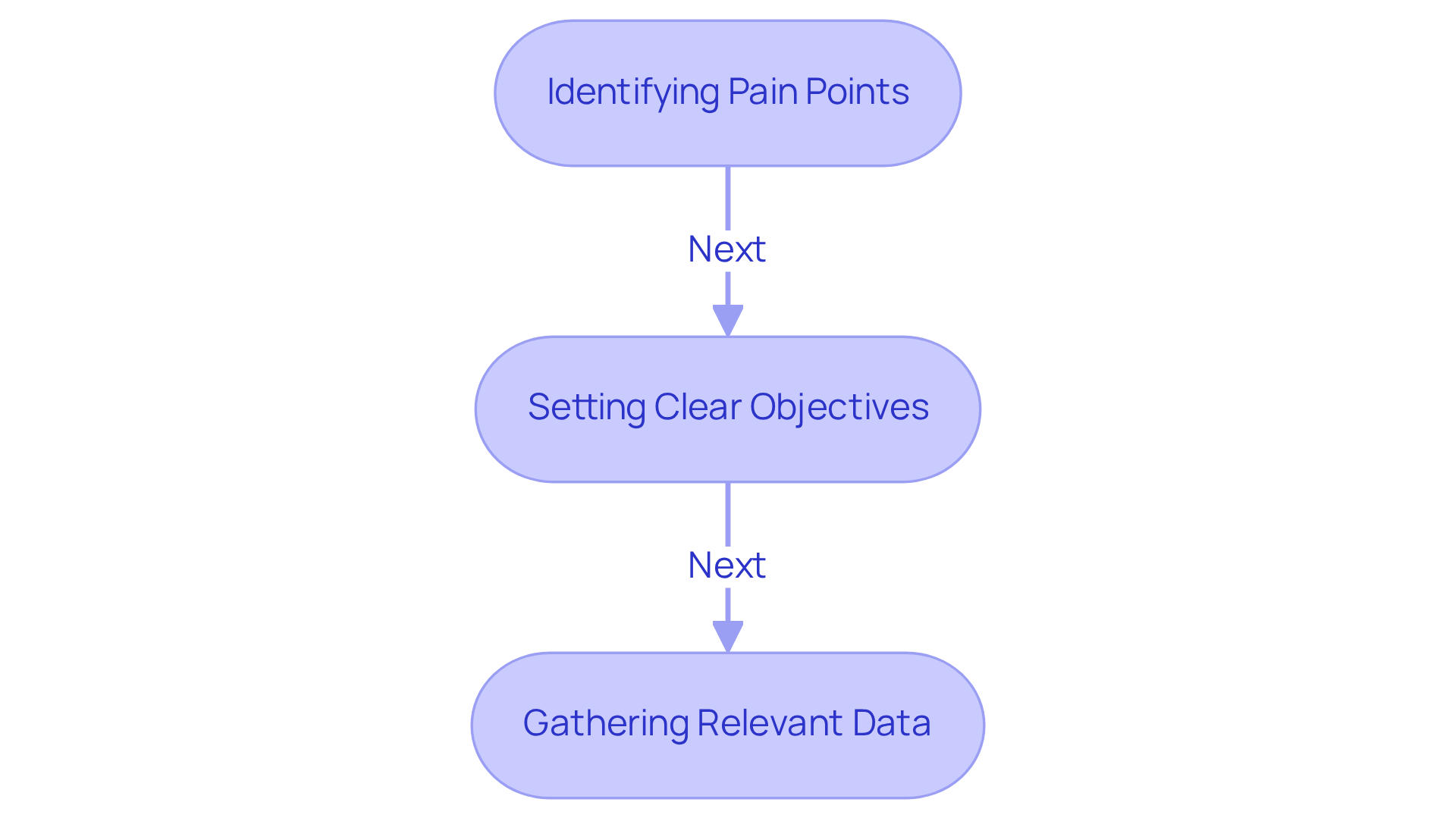
- Identifying Pain Points: Healthcare providers often struggle with inefficient billing processes that directly impact their financial health. Pinpoint specific challenges such as high claim denial rates, which can average around 10% or higher, slow reimbursement cycles, and inefficient billing processes that hinder cash flow. HPC is dedicated to tackling these challenges head-on, especially in mental and behavioral health, ensuring that organizations can overcome obstacles effectively.
- Setting Clear Objectives: Define what the initiative aims to achieve through consulting, whether it’s improving cash flow, enhancing patient satisfaction, or ensuring compliance with evolving regulations. HPC offers personalized consultations to help identify optimal administrative solutions tailored to each practice’s goals, including flexible service plans that align with the size and needs of the practice.
- Gathering Relevant Data: Collect information on current performance metrics of the financial process, including accounts receivable days, denial rates, and collection percentages. This data serves as a baseline for measuring improvement. HPC’s expertise as a revenue cycle consultant allows for a comprehensive analysis of these metrics, leading to targeted strategies that can transform medical billing workflows.
Failure to address these issues can lead to significant financial losses and hinder the ability to provide quality patient care. By partnering with experts like HPC, healthcare providers can not only enhance their financial performance but also ensure a greater focus on delivering quality patient care.
Choose the Right Consultant for Your Goals
Choosing the right financial management advisor can be a daunting task, yet it is essential for achieving optimal results in healthcare settings. Here are key criteria to consider:
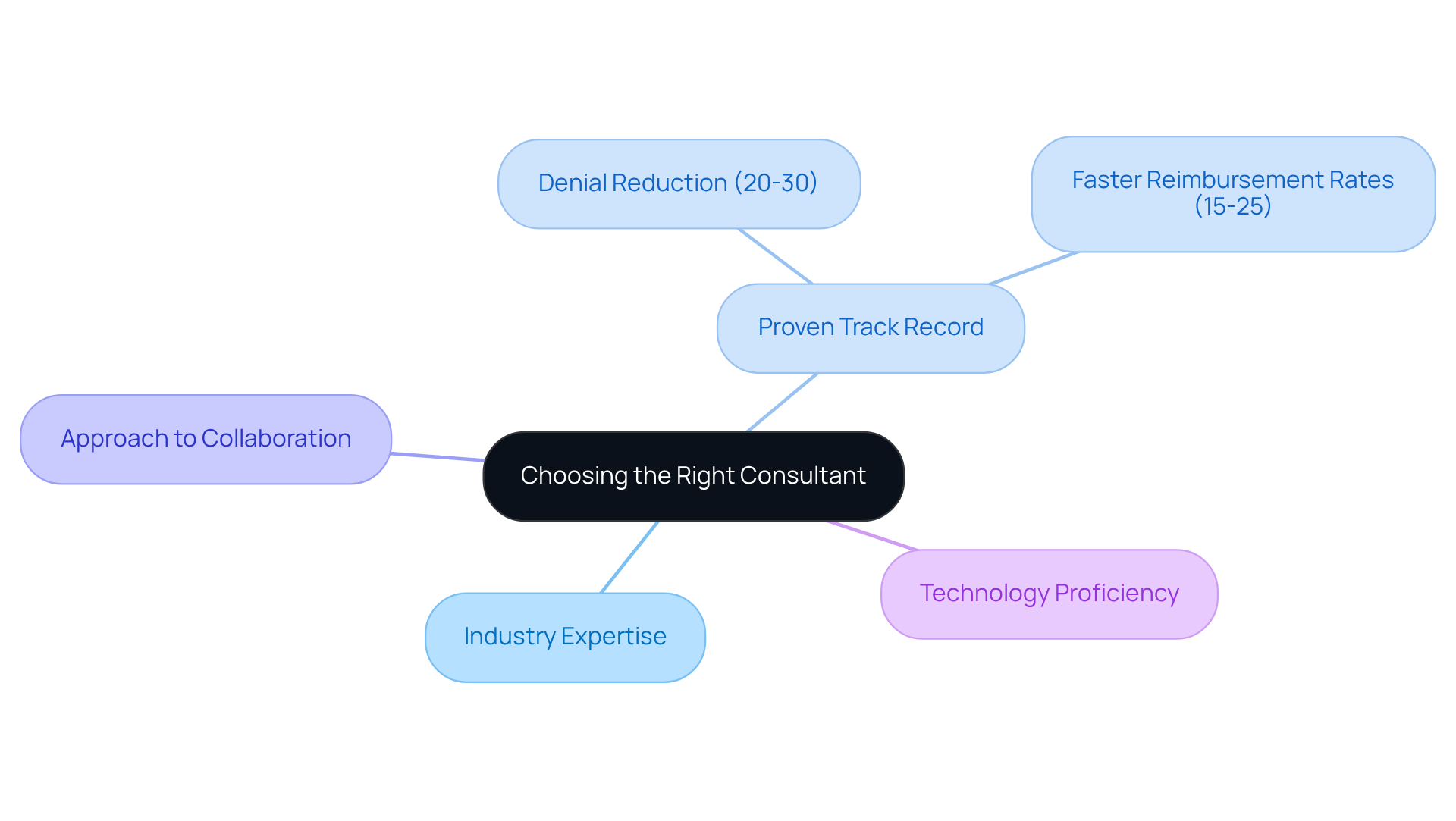
- Industry Expertise: Seek consultants with specialized experience in your practice’s field. Their familiarity with specific challenges and regulations can significantly enhance the effectiveness of their strategies.
- Proven Track Record: Evaluate the expert’s history of success with similar practices, concentrating on measurable enhancements in financial performance. Look for evidence of denial reduction, which can range from 20% to 30%, and faster reimbursement rates, improving by 15% to 25% within 30 to 90 days.
- Approach to Collaboration: Look for an advisor who values collaboration and maintains open lines of communication. This ensures they will work closely with your team to implement necessary changes effectively.
- Technology Proficiency: Verify that the advisor is skilled in the latest financial management technologies. Their ability to leverage data analytics can drive significant improvements in operational efficiency.
By thoroughly assessing these elements, healthcare providers can choose an advisor who aligns with their objectives and effectively tackles their distinct challenges. Ultimately, the right advisor can be the difference between financial stability and ongoing challenges in healthcare management.
Implement Effective Collaboration Strategies
Without effective collaboration, healthcare providers risk failing to realize the full potential of their partnership with a revenue cycle consultant. To maximize the benefits of engaging a revenue cycle consultant, healthcare providers should implement effective collaboration strategies, including:
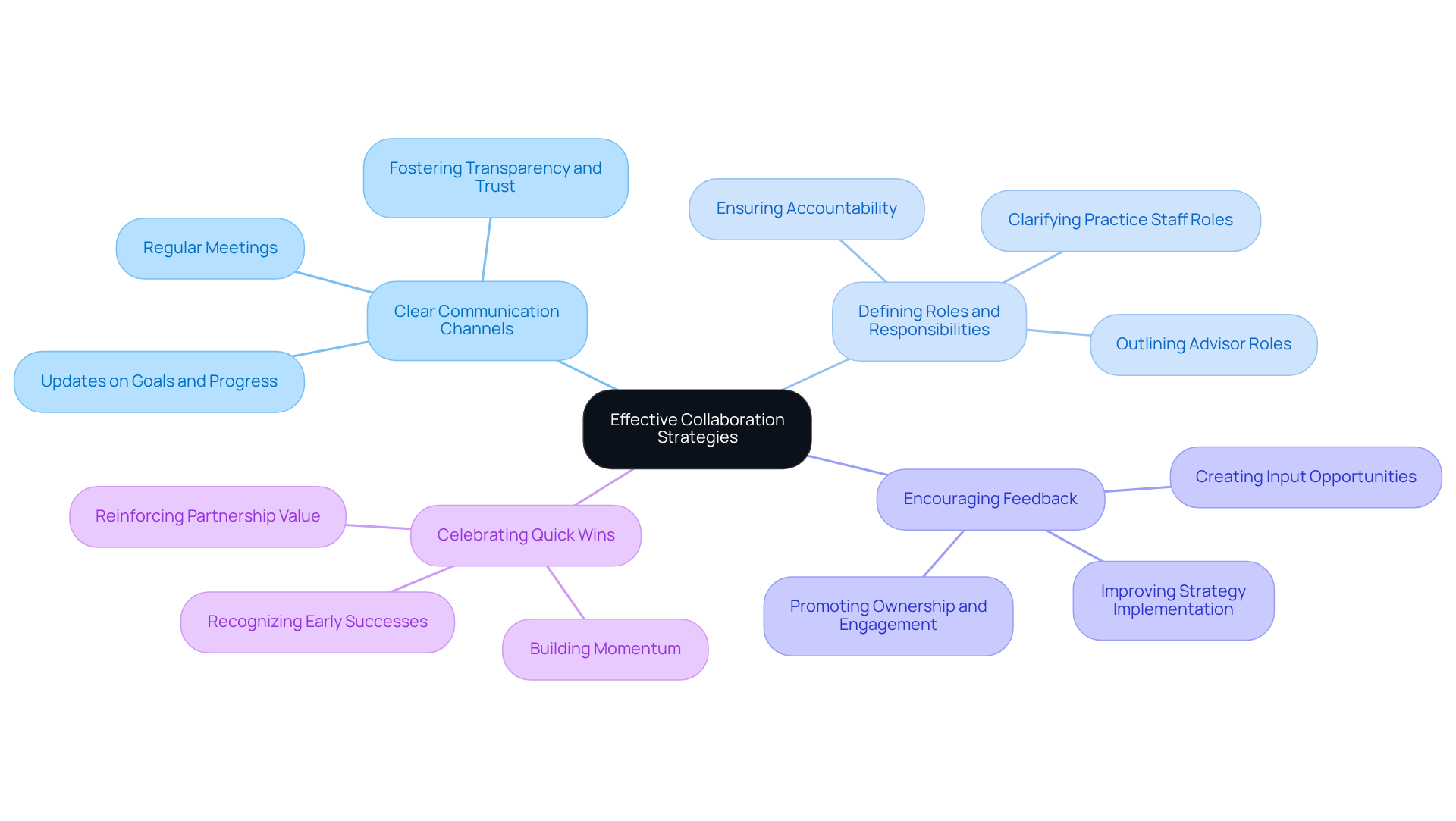
- Establishing Clear Communication Channels: Regular meetings and updates are essential to keep all stakeholders informed and aligned on goals and progress, fostering transparency and trust.
- Defining Roles and Responsibilities: Clearly outlining the roles of both the advisor and practice staff helps avoid confusion and ensures accountability, which is crucial for operational efficiency.
- Encouraging Feedback: Creating an environment where team members can provide input on the advisor’s recommendations promotes a sense of ownership and engagement, leading to better implementation of strategies.
- Celebrating Quick Wins: Recognizing and celebrating early successes builds momentum and encourages continued collaboration, reinforcing the partnership’s value.
This collaboration not only enhances financial performance but also elevates the quality of patient care. Effective collaboration can result in a 20-30% reduction in claim denials and faster reimbursement rates of 15-25% within 30-90 days, significantly benefiting the practice’s bottom line. Ultimately, the success of this partnership hinges on the commitment to collaboration, which can transform financial outcomes and patient experiences.
Conclusion
Engaging a revenue cycle consultant is essential for healthcare providers seeking to enhance financial efficiency and patient care. Partnering with experts such as Healthcare Partners Consulting & Billing, LLC (HPC) enables organizations to streamline operations and reduce administrative burdens, thereby improving financial health. This collaboration empowers healthcare providers to prioritize their core mission of delivering quality patient care while ensuring compliance and efficiency in their revenue cycle management.
The article outlines essential practices for effectively engaging a revenue cycle consultant, emphasizing the importance of understanding unique practice needs, selecting the right consultant, and fostering effective collaboration. Key insights include the necessity of assessing current workflows, setting clear objectives, and leveraging data analytics to drive improvements. By implementing these best practices, healthcare providers can significantly reduce claim denials and enhance reimbursement rates, leading to a more sustainable financial future.
In conclusion, optimizing revenue cycle management presents challenges beyond mere financial gains; it is about empowering healthcare providers to deliver better patient care. Engaging the expertise of seasoned consultants such as HPC allows practices to navigate the complexities of revenue management with confidence. Healthcare organizations must act decisively to evaluate their needs and collaborate with consultants to achieve optimal financial and patient care outcomes. For those ready to transform their financial processes and enhance patient care, reaching out to HPC at info@hpcbilling.com or calling 888-517-4992 can be the first step toward a more efficient and patient-focused practice.
Frequently Asked Questions
What is revenue cycle consulting in healthcare?
Revenue cycle consulting involves a comprehensive suite of services designed to enhance financial processes within healthcare organizations, particularly in mental and behavioral health, by evaluating existing workflows, identifying inefficiencies, and implementing targeted strategies for improved financial collection and compliance.
What are the key components of revenue cycle consulting offered by Healthcare Partners Consulting & Billing, LLC (HPC)?
The key components include assessment of current processes, data analysis, and implementation of optimal approaches tailored to the organization’s needs.
How does the assessment of current processes work in revenue cycle consulting?
Consultants evaluate existing workflows from patient registration to claims submission to identify bottlenecks and areas for enhancement, ensuring efficiency in every step of the financial cycle.
What role does data analysis play in revenue cycle consulting?
Data analysis involves leveraging advanced analytics to examine claims and remittance data, uncovering trends and root causes of revenue loss, which helps organizations make informed decisions to enhance financial health.
What outcomes can healthcare organizations expect from implementing optimal approaches recommended by HPC?
Organizations can expect streamlined operations, a reduction in denial rates by 20-30%, and improved overall financial performance, including faster reimbursements within 30-90 days.
Why is it important for healthcare providers to engage a revenue cycle consultant?
Engaging a revenue cycle consultant can lead to improved operational efficiency, reduced administrative burdens, and a stronger focus on delivering quality patient care, ultimately minimizing denials and enhancing the billing process.
What experience does Healthcare Partners Consulting have in the field?
Healthcare Partners Consulting has 39 years of experience and is veteran-owned, positioning them uniquely to empower mental health clinics by alleviating administrative burdens and allowing a focus on patient care.