
Introduction
As telehealth evolves, clinics face the challenge of adapting to audio-only billing codes, which are crucial for both service enhancement and financial sustainability. These codes facilitate accurate billing for essential voice consultations and expand access to care for patients who may prefer or require audio-only interactions. Clinics must develop strategies to ensure compliance and optimize reimbursement opportunities amidst the complexities of audio-only billing.
Understand Telehealth Audio-Only Codes
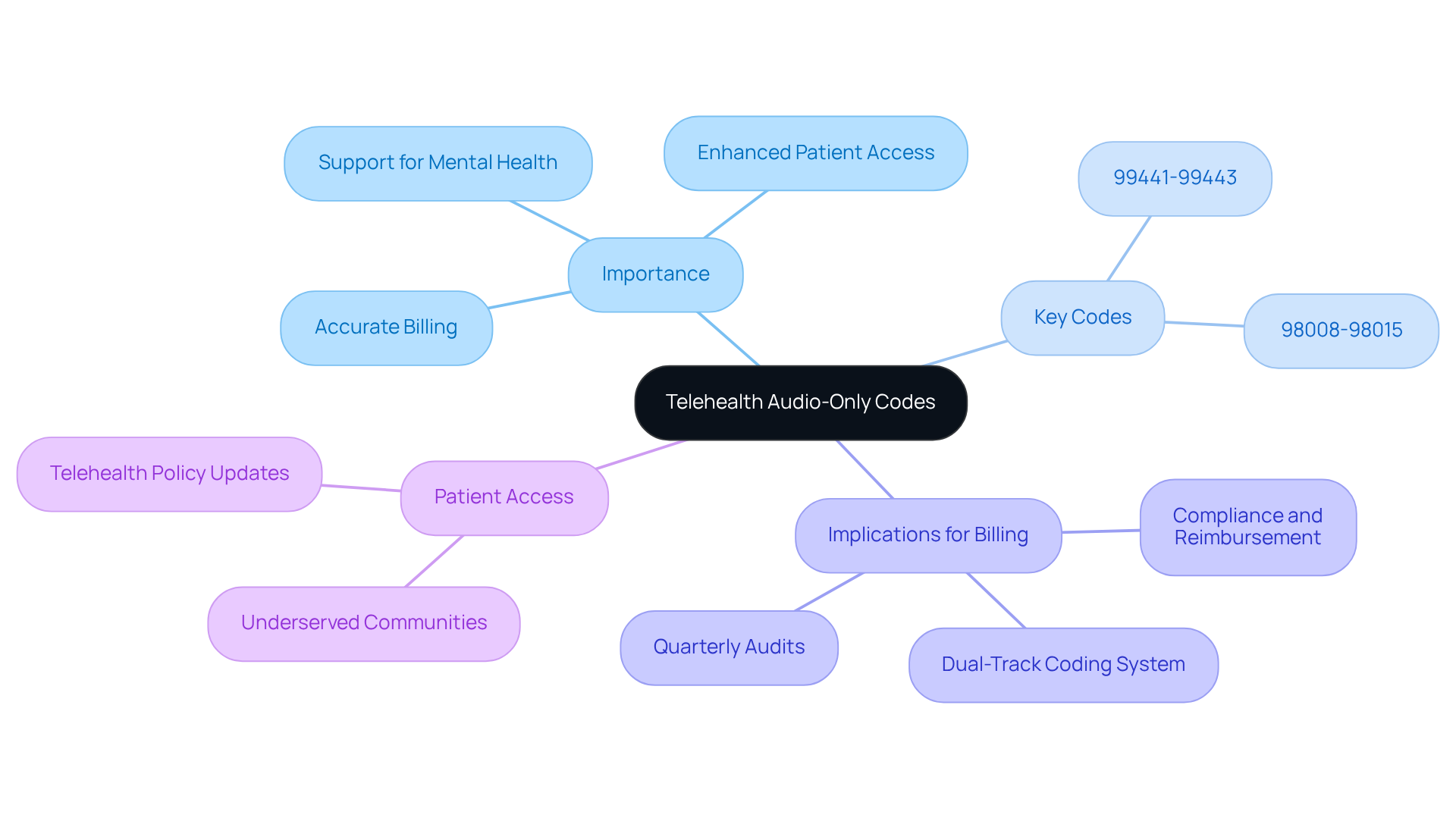
Telehealth codes for voice consultations are critical for ensuring accurate billing and reimbursement in healthcare. These designated Current Procedural Terminology (CPT) codes allow healthcare providers to bill for tasks performed via telephone, without the need for video. They are especially essential for mental health support, as many patients may favor or need sound-only consultations due to obstacles like restricted internet access or privacy issues.
Key codes, including 99441-99443, are crucial for assessment and management (E/M) functions, ensuring compliance and optimizing reimbursement. In 2026, new codes like 98008-98015 have been implemented, broadening the variety of options qualifying for payment under voice-only regulations. Grasping these codes is essential not only for precise invoicing but also for enhancing patient access to required care, particularly in underserved communities.
Knowledge of telehealth audio-only codes is essential for effective billing methods in telehealth audio-only offerings, significantly enhancing the provision of mental health care. For tailored guidance on selecting the most suitable options for your practice, please provide details about your workflow during a consultation.
To schedule a meeting with Healthcare Partners Consulting, email info@hpcbilling.com or call 888-517-4992. We are available nationwide, Monday-Friday. Understanding these codes is not just beneficial; it is essential for maintaining financial viability in your practice.
Follow Billing Guidelines for Audio-Only Services
Navigating the complexities of telehealth billing can be challenging for clinics, especially when it comes to compliance with regulations set by Medicare and other insurers. To efficiently charge for telehealth audio-only codes during consultations without video, clinics must adhere to particular regulations. Key steps include:
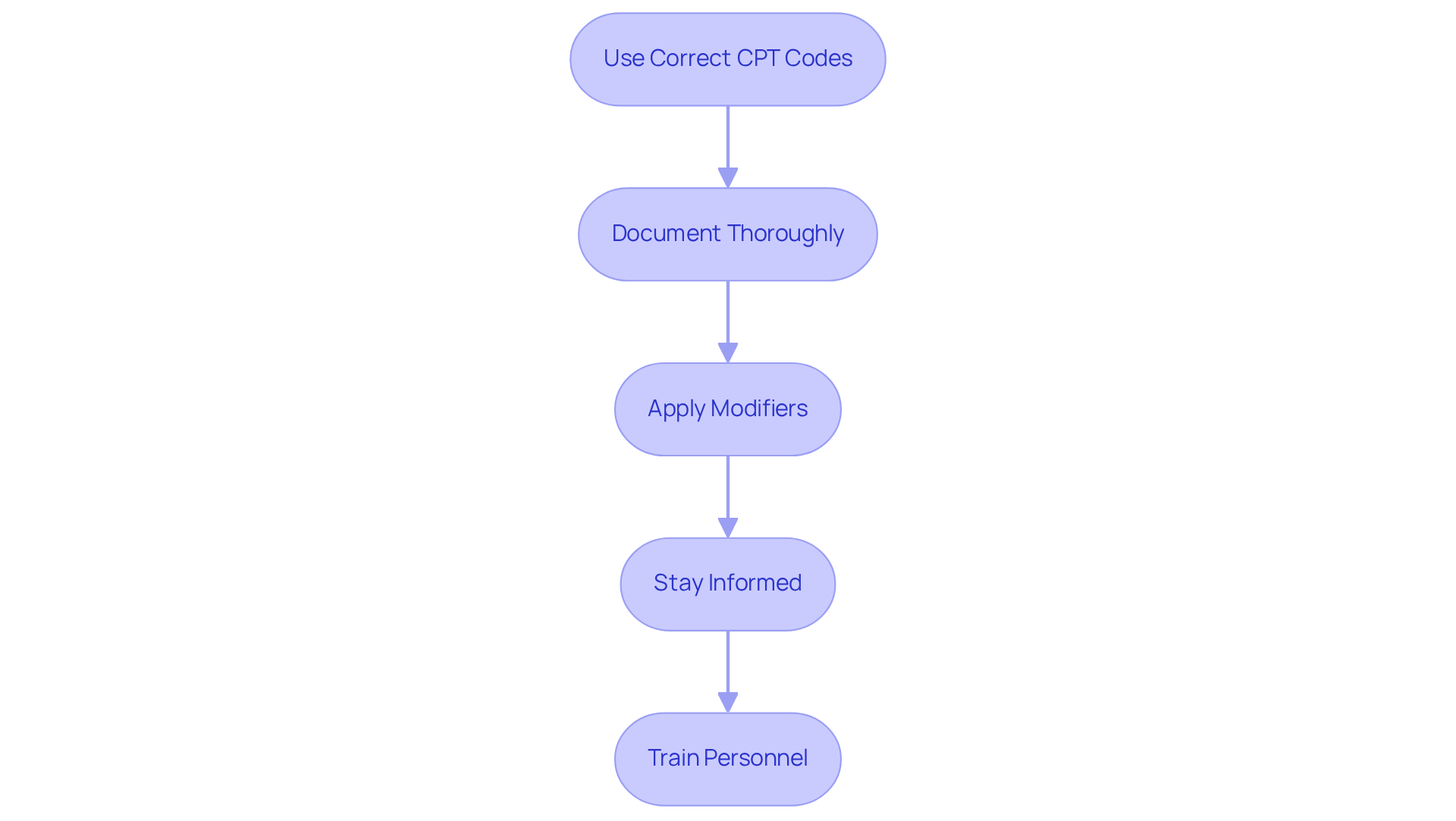
- Use Correct CPT Codes: It is essential to utilize the appropriate telehealth audio-only codes for billing. For example, the codes 99441-99443, known as telehealth audio-only codes, are specifically assigned for evaluation and management (E/M) services conducted via audio.
- Document Thoroughly: Thorough documentation of each audio visit is essential. This should encompass the duration of the call and the assistance provided, as comprehensive records are vital for justifying claims and minimizing the risk of denials.
- Apply Modifiers: Employ the correct modifiers, such as Modifier 93, to indicate that the assistance was delivered via audio-only communication. This clarification is important for payers to understand the nature of the service rendered.
- Stay Informed: Regularly check updates from the Centers for Medicare & Medicaid Services (CMS) and other relevant organizations regarding changes to remote healthcare payment policies to ensure ongoing compliance.
- Train Personnel: Conduct training sessions for the invoicing team on voice-only billing. Ensuring that staff understand the importance of compliance and accuracy in claims submission can significantly reduce errors and denials.
Understanding these steps is essential for clinics to avoid financial pitfalls and ensure successful reimbursement for telehealth services.
Train Staff on Telehealth Coding and Billing
Inadequate training for personnel engaged in remote healthcare coding and invoicing can jeopardize the success of virtual care programs. Here are key components to include in training sessions:
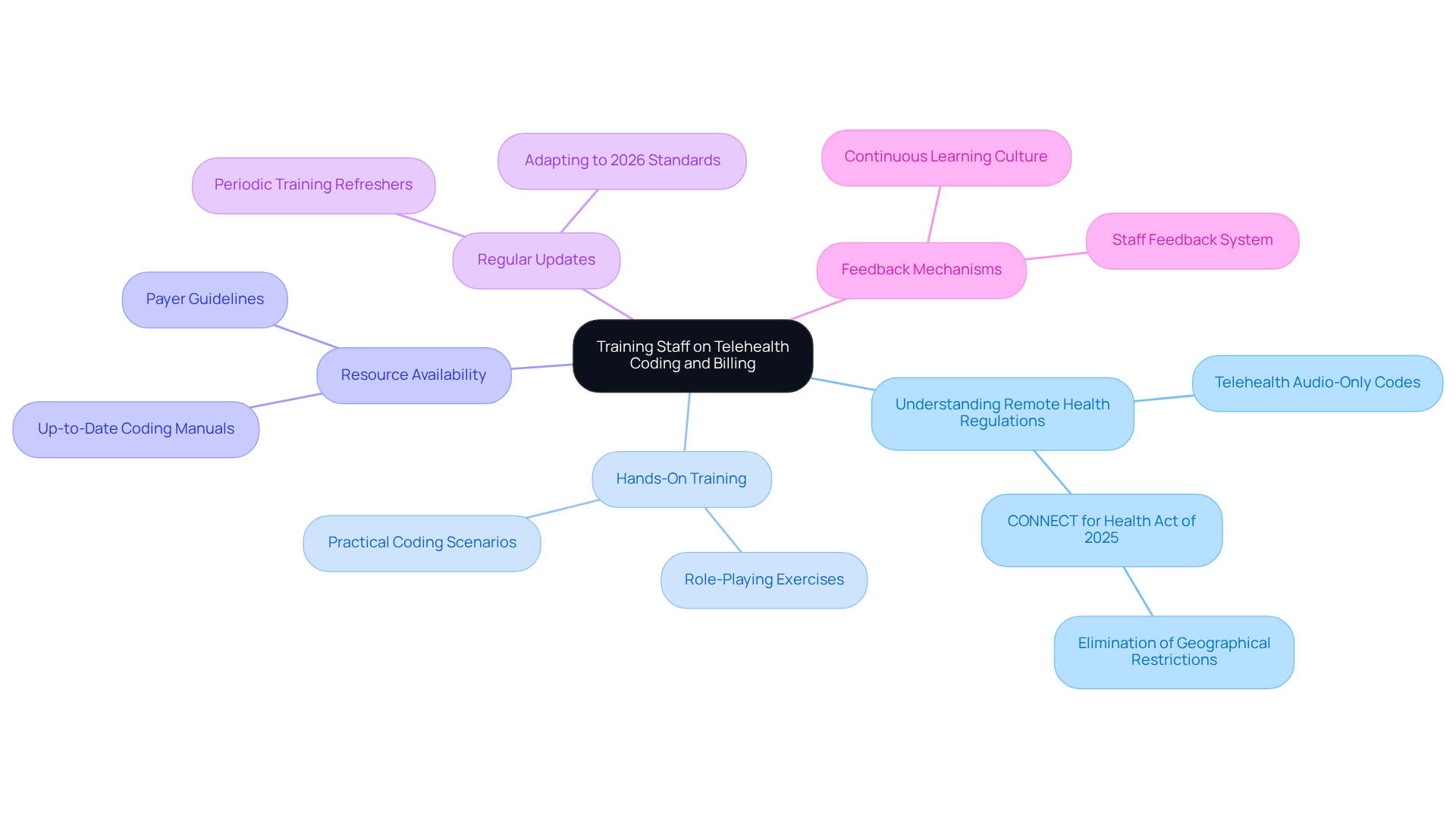
- Understanding Remote Health Regulations: Educate staff on the latest remote health regulations, particularly the requirements for telehealth audio-only codes and the implications of recent legislative changes, such as the CONNECT for Health Act of 2025, which aims to permanently eliminate geographical restrictions for remote health services.
- Hands-On Training: Provide practical, hands-on training sessions that allow staff to engage in coding and invoicing scenarios. Role-playing exercises can mimic real-life remote healthcare interactions, enhancing staff confidence and competence in documentation practices.
- Resource Availability: Ensure that staff have access to up-to-date resources, including coding manuals and payer guidelines, which are essential for accurate coding and billing. Regularly updated materials help staff stay informed about evolving CPT codes and guidelines.
- Regular Updates: Schedule periodic training refreshers to keep staff informed about changes in remote healthcare policies and coding practices. Practices must not assume that documentation methods from 2025 will suffice in 2026 due to elevated standards for remote healthcare. This approach helps prevent errors and ensures compliance, particularly as the 2026 regulations introduce higher standards for documentation and coding accuracy.
- Feedback Mechanisms: Implement a system for staff to provide feedback on the training process and suggest areas for improvement. This feedback loop can help tailor future training sessions to better meet the needs of the team, fostering a culture of continuous learning and adaptation. Without a robust training framework, organizations risk falling behind in compliance and operational efficiency as regulations evolve.
Monitor and Evaluate Implementation Outcomes
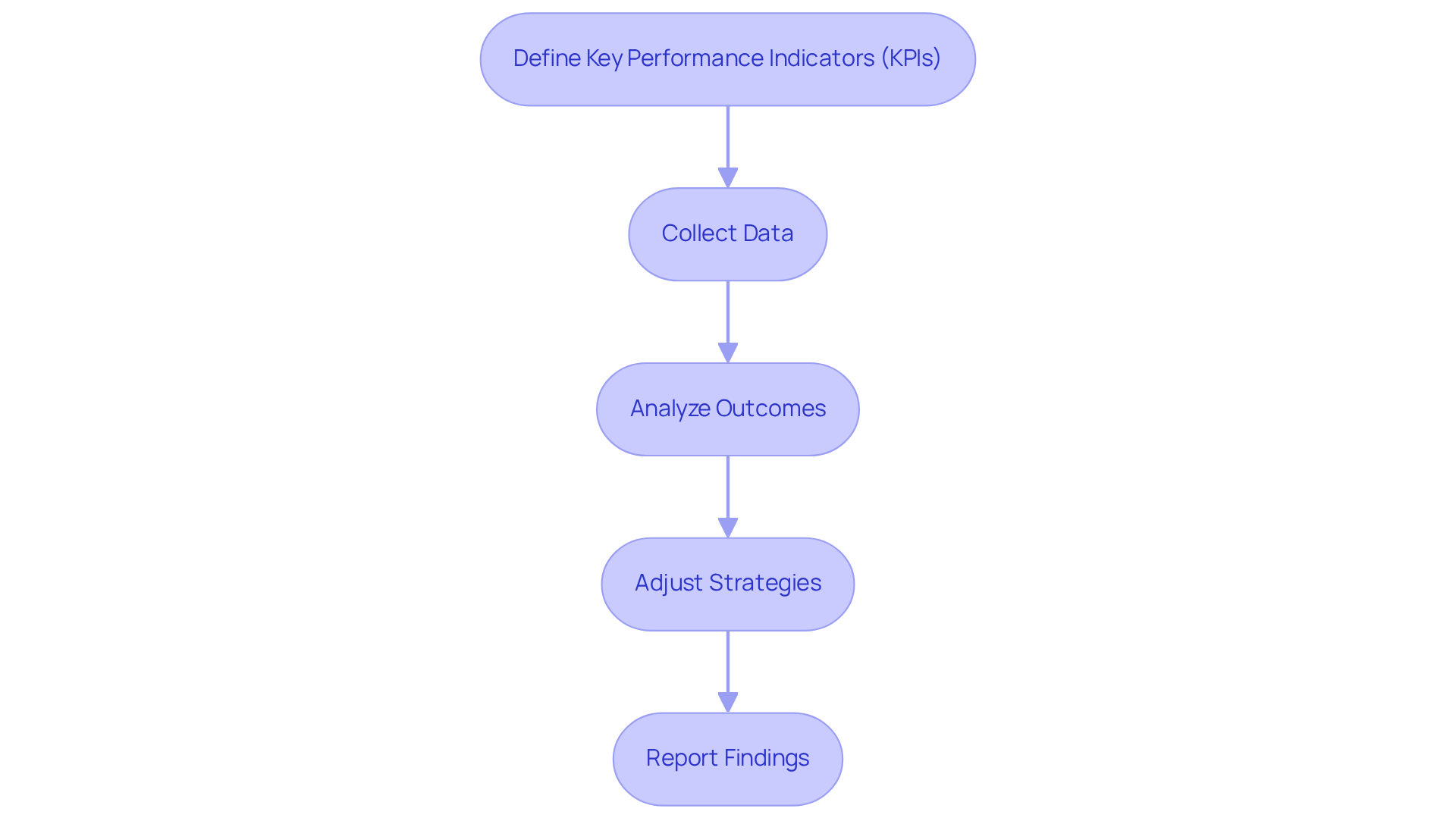
To ensure the effectiveness of remote health communication via audio, clinics must implement a robust monitoring and assessment framework. Key steps include:
- Define Key Performance Indicators (KPIs): Establish clear KPIs to assess the effectiveness of telehealth offerings. These may include patient satisfaction scores, appointment completion rates, and revenue generated from visits using telehealth audio-only codes.
- Collect Data: Regularly gather data related to the defined KPIs. This can involve patient surveys, billing reports, and staff feedback to gain a comprehensive view of service effectiveness.
- Analyze Outcomes: Conduct regular analyses of the collected data to identify trends, successes, and areas needing improvement. This analysis can help inform future remote healthcare strategies and operational adjustments.
- Adjust Strategies: Based on the evaluation outcomes, make necessary changes to remote healthcare practices. This may involve refining training programs, updating billing practices, or enhancing patient engagement strategies.
- Report Findings: Share evaluation findings with the entire team to foster a culture of continuous improvement. This transparency fosters a culture of collaboration, driving improvements in remote healthcare offerings.
In 2026, statistics show that patient satisfaction in audio-only healthcare has attained remarkable levels, with 76% of hospitals in the United States linking doctors and patients remotely, a substantial rise from 35% ten years prior. Moreover, practices utilizing mobile EHRs have noted a revenue increase of 15 to 20%, highlighting the financial advantages of remote health services. To enhance profitability, clinics can utilize tools such as Healthcare Partners Consulting’s quick quiz. This tool assesses mental health practice profitability, identifies hidden revenue leaks, and provides personalized recommendations for improving efficiency and billing accuracy. By focusing on these metrics, clinics can optimize their telehealth offerings, particularly through the use of telehealth audio-only codes, to ensure high-quality patient care. By neglecting these strategies, clinics risk not only their financial health but also the quality of care provided to patients.
Conclusion
Mastering telehealth audio-only codes is crucial for clinics to navigate the complexities of modern healthcare delivery. These codes facilitate accurate billing and reimbursement while enhancing patient access to vital services, particularly in mental health care. Effectively leveraging these codes ensures compliance and enhances both financial viability and patient satisfaction.
The article has outlined the key components necessary for the successful implementation of telehealth audio-only services. Understanding specific CPT codes, adhering to billing guidelines, and providing thorough staff training are essential elements that contribute to the overall success of telehealth initiatives. Additionally, monitoring outcomes and adjusting strategies based on performance metrics can lead to continuous improvement, fostering a culture of excellence within healthcare practices.
As telehealth continues to reshape patient care, embracing these practices is imperative. Clinics must prioritize training, remain updated on regulatory changes, and evaluate their telehealth services actively. By doing so, they can enhance their operational efficiency and improve patient experiences, ultimately ensuring their success in delivering high-quality care through audio-only consultations.
Frequently Asked Questions
What are telehealth audio-only codes?
Telehealth audio-only codes are designated Current Procedural Terminology (CPT) codes that allow healthcare providers to bill for tasks performed via telephone consultations, without the need for video.
Why are telehealth audio-only codes important?
These codes are critical for ensuring accurate billing and reimbursement in healthcare, particularly for mental health support, as they enable providers to accommodate patients who prefer or require sound-only consultations due to issues like restricted internet access or privacy concerns.
Which codes are key for telehealth audio-only consultations?
Key codes for telehealth audio-only consultations include 99441-99443, which are crucial for assessment and management (E/M) functions. Additionally, new codes like 98008-98015 have been implemented in 2026, expanding the options for payment under voice-only regulations.
How do telehealth audio-only codes enhance patient access to care?
Understanding and utilizing these codes is essential for precise invoicing, which helps enhance patient access to necessary care, especially in underserved communities.
How can I get tailored guidance on telehealth audio-only codes for my practice?
For tailored guidance, you can provide details about your workflow during a consultation. To schedule a meeting with Healthcare Partners Consulting, you can email info@hpcbilling.com or call 888-517-4992.
When is Healthcare Partners Consulting available for assistance?
Healthcare Partners Consulting is available nationwide, Monday through Friday, to assist with telehealth audio-only billing and coding inquiries.
Why is it essential to understand telehealth audio-only codes for my practice?
Understanding these codes is crucial for maintaining financial viability in your practice, as they significantly enhance the provision of mental health care through effective billing methods.