

Introduction
Selecting an appropriate medical billing and coding company is crucial for the financial stability of healthcare practices, particularly in specialized areas such as behavioral and mental health. Providers encounter complexities in coding and compliance regulations, making the selection process challenging and potentially overwhelming. This guide provides a structured approach to selecting a billing partner who understands the unique needs of healthcare providers and alleviates administrative burdens, enabling a focus on patient care. Practices must evaluate key factors to ensure they make informed choices that safeguard revenue and enhance operational efficiency.
Understand Medical Billing and Coding Basics
Medical coding and invoicing are critical components of the healthcare revenue cycle, directly impacting financial outcomes for providers. Medical invoicing involves submitting and following up on requests with health insurance firms to secure payment for services rendered. Coding translates healthcare services into standardized codes that accurately reflect diagnoses and procedures performed.
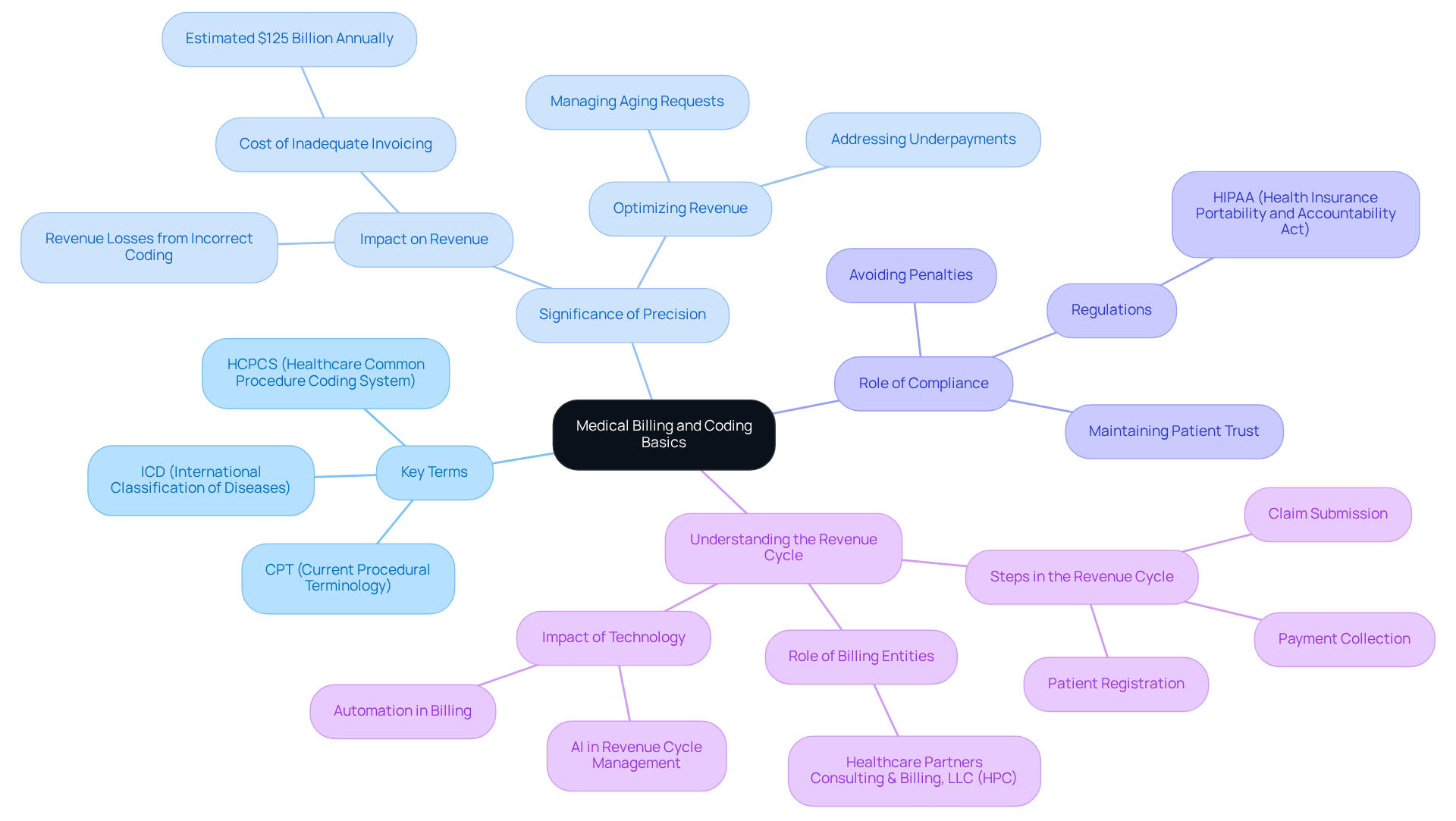
- Familiarize Yourself with Key Terms: Understand essential terms such as CPT (Current Procedural Terminology), ICD (International Classification of Diseases), and HCPCS (Healthcare Common Procedure Coding System). These codes are vital for precise invoicing and compliance.
- Acknowledge the Significance of Precision: Precise coding is crucial for ensuring that submissions are processed accurately, enabling healthcare providers to obtain suitable reimbursement. Incorrect coding can lead to substantial revenue losses, with inadequate invoicing costing physicians around $125 billion each year. Addressing underpayments and managing unprocessed and aging requests is essential for optimizing revenue.
- Understand the Role of Compliance: Familiarize yourself with regulations like HIPAA (Health Insurance Portability and Accountability Act), which govern patient information and payment practices. Compliance is essential to maintain patient trust and avoid penalties.
- Learn About the Revenue Cycle: Grasp the steps involved in the revenue cycle, from patient registration to claim submission and payment collection. Understanding this process helps clarify how billing entities, such as Healthcare Partners Consulting & Billing, LLC (HPC), integrate into the broader healthcare framework. As a veteran-owned organization with 39 years of experience, HPC specializes in comprehensive revenue cycle management tailored to behavioral and mental health settings. Effective management of patient statements is essential for addressing underpayments and ensuring timely follow-up on submissions, which ultimately supports the financial well-being of your organization.
Organizations often struggle to keep pace with evolving coding standards, risking financial stability. In 2026, the introduction of hundreds of new diagnostic codes, particularly for behavioral health and post-COVID syndromes, will necessitate enhanced documentation and accuracy. Practices that prepare early for these changes can expect to reduce claim denials by 20-30% and achieve faster reimbursement rates of 15-25% within 30-90 days. Organizations that proactively embrace these changes will not only safeguard their revenue but also enhance their operational efficiency in an increasingly complex landscape.
Assess Your Practice’s Unique Needs
Before selecting a medical invoicing service, it is crucial to assess the unique requirements of your facility to ensure optimal alignment with your operational needs. Here’s how to do it:
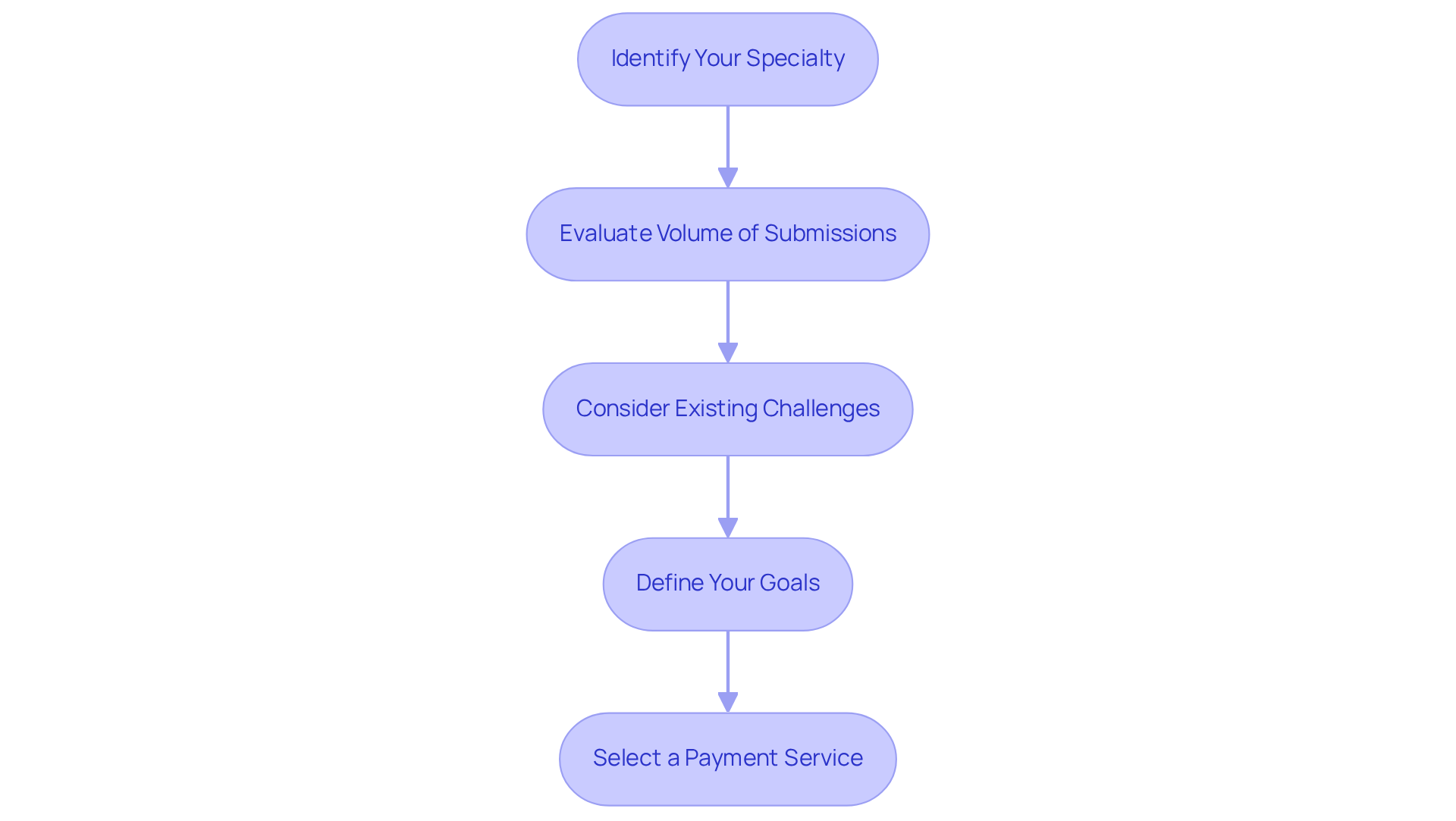
- Identify Your Specialty: Determine if your area has specific invoicing requirements based on the specialty, such as mental health, which often necessitates specialized knowledge from Healthcare Partners Consulting & Billing, LLC (HPC). Mental health reimbursement involves unique complexities, including time-based CPT codes and compliance with mental health parity laws.
- Evaluate Volume of Submissions: Assess the quantity of submissions your practice generates monthly. Understanding your claim volume will assist you in evaluating the capacity and resources you require from a financial partner, ensuring they can effectively manage your specific demands.
- Consider Existing Challenges: Identify any current payment issues, such as high denial rates or slow payment cycles. High denial rates and slow payment cycles can significantly hinder revenue flow, making it crucial to address these issues proactively. For example, mental health approaches frequently encounter denial rates that can be decreased by 20-30% with efficient invoicing methods. Addressing these challenges is essential for improving your revenue cycle performance.
- Define Your Goals: Establish clear objectives for what you want to achieve with a financial partner. Goals may include improved cash flow, reduced administrative burden, or enhanced compliance. By setting these objectives, you can better evaluate potential partners based on their ability to meet your specific needs.
A scorecard-driven approach focused on claims accuracy, denial rates, and days in accounts receivable enhances operational rigor, ensuring that your organization maintains compliance and optimizes financial performance. By carefully assessing these factors, you can select a payment service that not only meets your needs but also supports your growth.
Research and Compare Medical Billing Companies
Navigating the landscape of medical invoicing services requires a strategic approach to ensure alignment with your organization’s needs. After evaluating your organization’s requirements, it’s time to investigate and contrast medical invoicing services. Follow these steps:
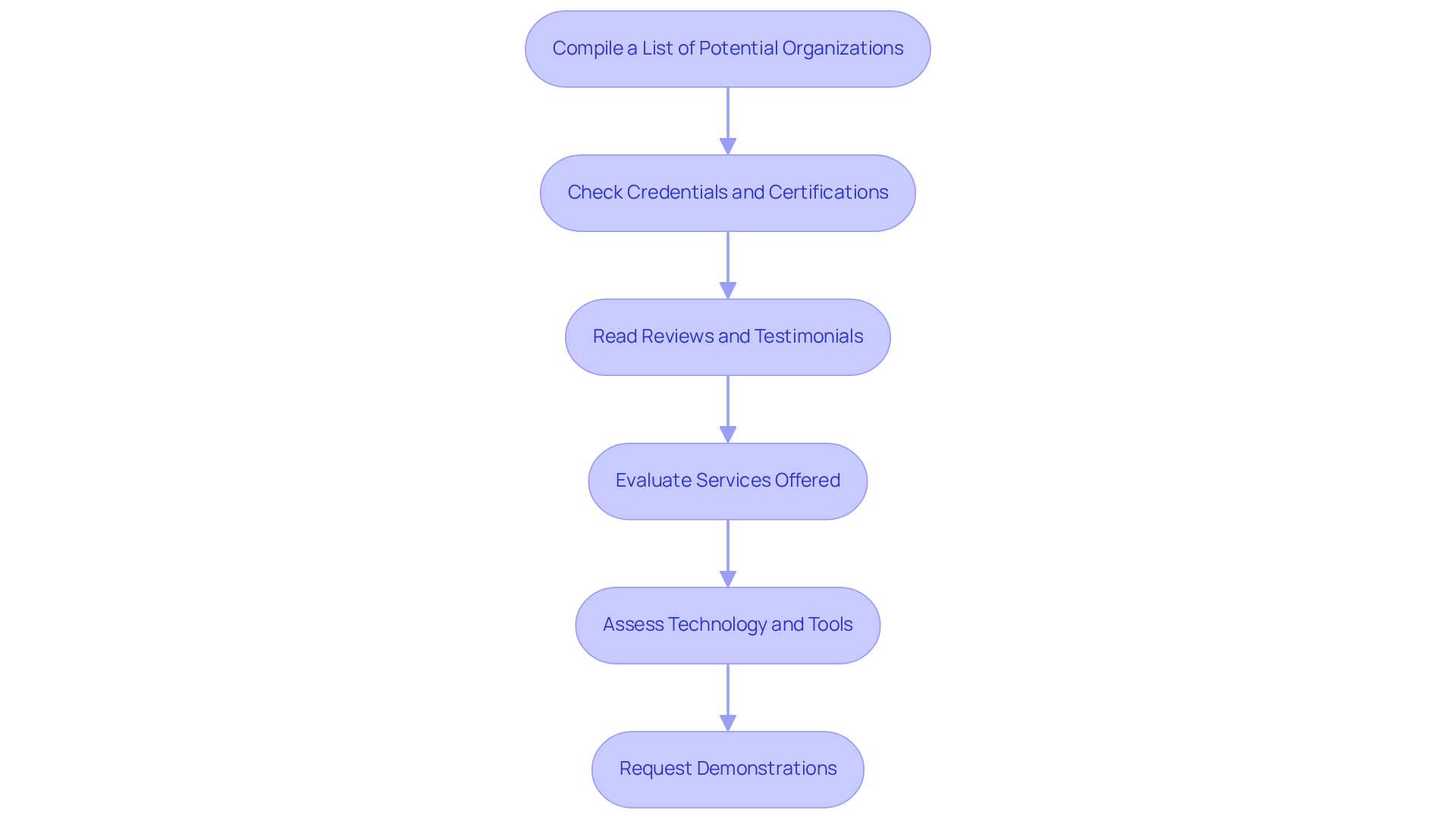
- Compile a List of Potential Organizations: Start by gathering a list of medical invoicing entities that specialize in mental health practices, such as Healthcare Partners Consulting & Billing, LLC (HPC), known for their veteran-owned status and 39 years of experience in the field.
- Check Credentials and Certifications: Ensure that the organizations are certified and compliant with industry standards, such as HIPAA, to safeguard patient information.
- Read Reviews and Testimonials: Look for client testimonials and reviews to gauge the reputation and reliability of each organization, focusing on their experience with mental health billing. HPC has numerous success stories from clients like Dr. Sarah Mitchell and Dr. Michael Rodriguez, highlighting revenue increases and enhanced operational efficiency.
- Evaluate Services Offered: Compare the range of services provided by each organization, including coding, claims management, and denial management, to ensure they meet your specific needs. HPC offers comprehensive revenue cycle management customized for behavioral and mental health organizations.
- Assess Technology and Tools: Investigate the technology platforms utilized by the invoicing companies, as advanced systems can enhance efficiency and accuracy, potentially reducing denial rates by 20-30%. HPC integrates seamlessly with platforms like TherapyNotes and SimplePractice.
- Request Demonstrations: Request demonstrations of their invoicing software to see how it integrates with your management system for a seamless workflow. HPC offers direct access to a dedicated financial team, including a financial manager and accounts receivable supervisor, to assist your operations.
By following these steps, you can identify a financial partner that aligns with your operational goals and enhances your revenue cycle performance, resulting in reimbursements that are typically 15-25% faster, within 30-90 days. Choosing the right invoicing partner is not just a decision; it is a strategic move that can significantly impact your financial health.
Evaluate Costs and Contract Terms
Evaluating the costs and contract terms of medical invoicing services is crucial for informed decision-making. Here’s how to assess:
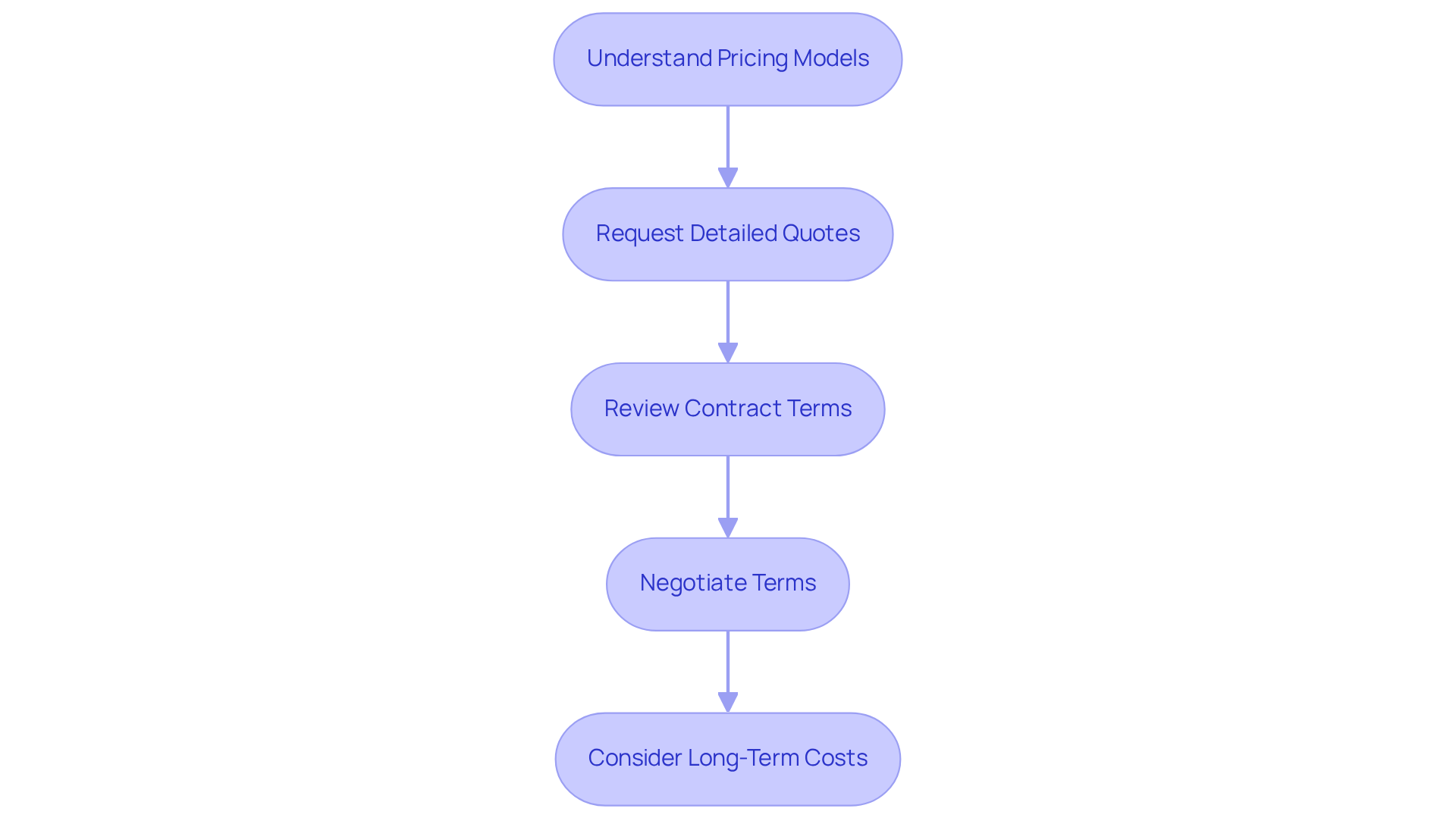
- Understand Pricing Models: Familiarize yourself with various pricing structures, including percentage of collections, flat fees, and per-claim charges. Each model has its benefits; for example, percentage-based pricing aligns the success of the invoicing entity with your revenue, while flat fees can offer predictable budgeting. Most practices pay a typical rate of 5% to 8% for percentage-based payment services, which can help set expectations.
- Request Detailed Quotes: When seeking estimates from potential invoicing companies, ensure they provide a comprehensive breakdown of all costs involved. This should encompass any concealed fees, such as costs for resubmissions or extra services like credentialing, which can greatly influence your total expenses. Understanding these costs can prevent unwelcome financial surprises.
- Review Contract Terms: Carefully examine the contract terms, focusing on the duration of the agreement, termination clauses, and any penalties for early termination. Misunderstanding contract terms can lead to unforeseen expenses. Additionally, evaluate the clean-claim rate, average days in accounts receivable, and denial management scope, as these metrics are critical for assessing the effectiveness of the billing service. Effective management of patient statements, including addressing underpayments, unprocessed claims, and aging claims, is essential for maintaining cash flow and ensuring timely reimbursements.
- Negotiate Terms: Don’t hesitate to negotiate terms that may not be favorable. Clarifying ambiguous points in the contract can lead to better alignment with your practice’s needs and financial strategy. This proactive approach can help secure more favorable conditions.
- Consider Long-Term Costs: Evaluate the long-term financial implications of the contract. For instance, while a lower percentage fee might appear appealing at first, it could result in greater expenses if the claims service has a poor clean-claim rate or slow denial follow-up, potentially costing more in lost revenue than a higher fee with a stronger collection track record. Outsourcing medical invoicing may reduce overhead costs by 30% to 50% relative to in-house operations, presenting a financially advantageous option for numerous clinics.
In 2026, the average medical coding services cost is anticipated to be approximately 5.5% to 7% of monthly collections, depending on specialty and claim complexity. Furthermore, effective invoicing methods can result in denial reductions of 20-30% and quicker reimbursement cycles of 15-25% within 30-90 days, improving overall financial well-being. Ultimately, a thorough understanding of these factors can safeguard your practice’s financial health.
Establish Support and Communication Channels
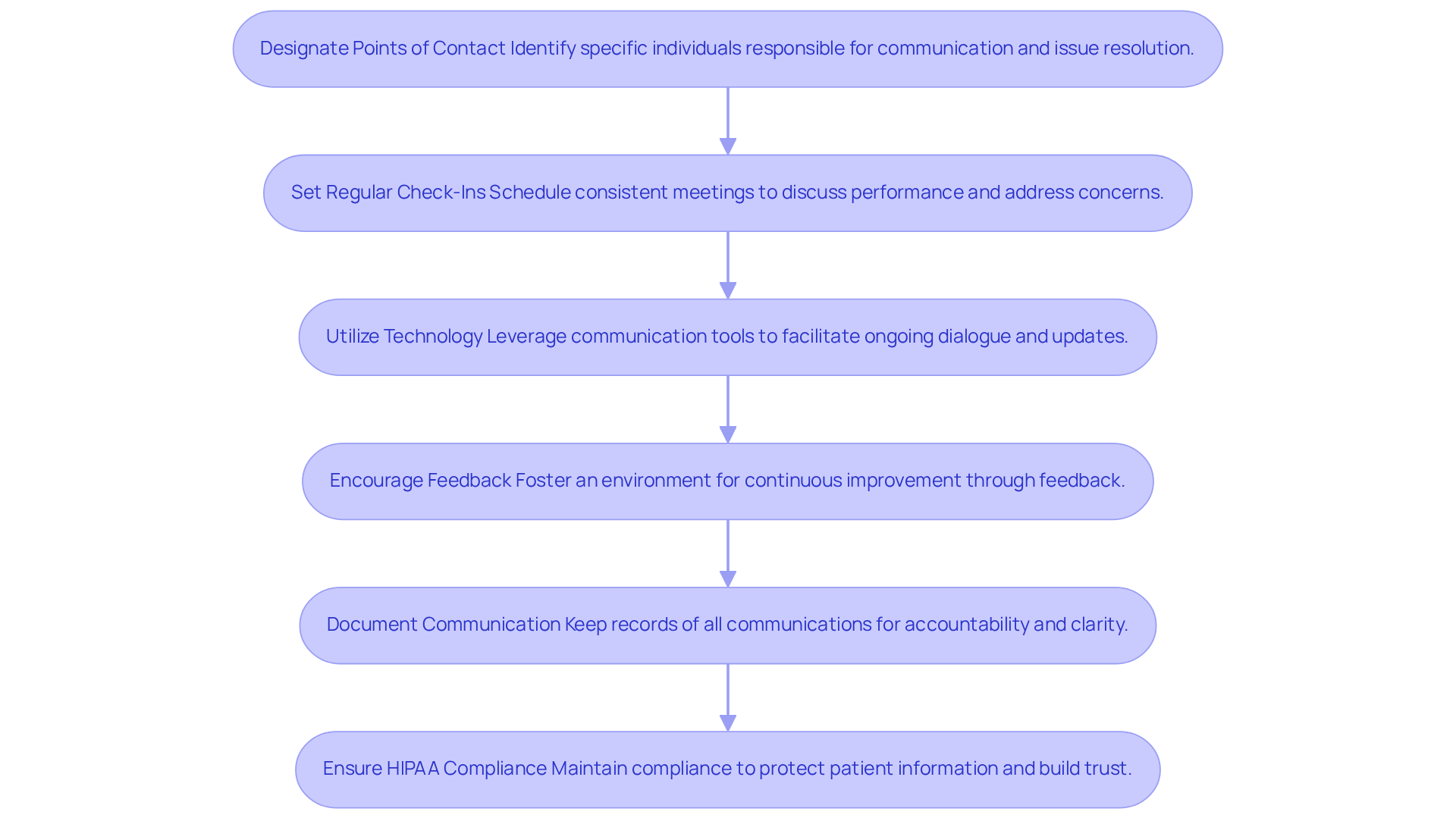
Inadequate communication can jeopardize the success of your partnership with a medical revenue management company, especially when utilizing comprehensive end-to-end medical revenue solutions like those provided by Healthcare Partners Consulting & Billing, LLC (HPC). Here’s how to establish robust support and communication channels:
- Designate Points of Contact: Identify specific individuals in your organization and at HPC responsible for communication and issue resolution. This clarity helps streamline interactions and ensures accountability.
- Set Regular Check-Ins: Schedule consistent meetings to discuss financial performance, address concerns, and review any changes in operational procedures. Regular check-ins can lead to a 20-30% reduction in denial rates by fostering proactive problem-solving, supported by industry data on revenue cycle performance.
- Utilize Technology: Leverage communication tools such as email, messaging apps, or project management software to facilitate ongoing dialogue and updates. Effective use of technology, including integrations with platforms like TherapyNotes and SimplePractice, can enhance operational efficiency and reduce delays in communication.
- Encourage Feedback: Foster an environment where both parties can provide feedback on processes and performance, ensuring continuous improvement. This collaborative approach can lead to quicker reimbursements, with enhancements of 15-25% observed within 30-90 days, according to recent studies on billing methods.
- Document Communication: Keep records of all communications and agreements to ensure accountability and clarity in the partnership. Documentation is crucial for tracking progress and addressing any discrepancies that may arise.
- Ensure HIPAA Compliance: It is vital to maintain HIPAA compliance in all communications to protect patient information and build trust. This includes using secure channels and training staff on privacy regulations.
By prioritizing effective communication, you not only streamline operations but also significantly improve patient care outcomes. As a veteran-owned company with 39 years of experience, HPC is dedicated to empowering healthcare providers by removing administrative burdens and ensuring compliance-first practices.
Conclusion
Selecting an appropriate medical billing and coding partner is crucial for the financial sustainability of healthcare practices. Healthcare providers can enhance operational efficiency and patient care by assessing their unique needs and thoroughly researching potential billing partners.
Key insights from this guide emphasize the importance of:
- Precision in coding
- Compliance with regulations
- Evaluating the specific needs of your practice
The process of selecting a billing partner should involve careful consideration of their expertise, particularly in behavioral and mental health, as well as their ability to provide tailored revenue cycle management solutions. Partnering with a veteran-owned organization like Healthcare Partners Consulting & Billing, LLC (HPC) provides extensive experience and a commitment to integrity.
Ultimately, the goal is to establish a partnership that alleviates administrative burdens while fostering a focus on patient care. By prioritizing effective communication and support channels, practices can ensure a smoother revenue cycle process, leading to improved cash flow and reduced denial rates. Taking these steps will not only safeguard financial stability but also elevate the standard of care they provide.
For further assistance, consider reaching out to HPC at info@hpcbilling.com or call 888-517-4992 to explore how they can support your practice’s unique needs.
Frequently Asked Questions
What are the key components of medical billing and coding?
Medical billing and coding are critical components of the healthcare revenue cycle, involving the submission of requests to health insurance firms for payment and translating healthcare services into standardized codes that reflect diagnoses and procedures.
Why is precision important in medical coding?
Precision in medical coding is crucial for accurate submission processing, which enables healthcare providers to receive appropriate reimbursement. Incorrect coding can lead to significant revenue losses, costing physicians around $125 billion annually.
What regulations should be considered in medical billing?
Compliance with regulations such as HIPAA (Health Insurance Portability and Accountability Act) is essential to maintain patient trust and avoid penalties related to patient information and payment practices.
What is the revenue cycle in healthcare?
The revenue cycle encompasses the steps from patient registration to claim submission and payment collection. Understanding this process helps clarify how billing entities integrate into the broader healthcare framework.
How can organizations prepare for changes in coding standards?
Organizations can prepare for changes, such as the introduction of new diagnostic codes in 2026, by enhancing documentation and accuracy. Early preparation can reduce claim denials by 20-30% and improve reimbursement rates by 15-25% within 30-90 days.
What should practices assess before selecting a medical invoicing service?
Practices should assess their specialty, volume of submissions, existing challenges, and define clear goals to ensure optimal alignment with their operational needs when selecting a medical invoicing service.
How can understanding claim volume assist in selecting a financial partner?
Evaluating the quantity of submissions generated monthly helps determine the capacity and resources required from a financial partner, ensuring they can effectively manage the practice’s specific demands.
What challenges should practices identify when evaluating their billing processes?
Practices should identify current payment issues, such as high denial rates or slow payment cycles, as addressing these challenges is crucial for improving revenue cycle performance.
What is a scorecard-driven approach in medical billing?
A scorecard-driven approach focuses on claims accuracy, denial rates, and days in accounts receivable, enhancing operational rigor and ensuring compliance while optimizing financial performance.