Introduction
The transition from traditional paper records to Electronic Medical Records (EMR) systems presents both opportunities and challenges for healthcare providers. EMR systems provide clinic owners with a critical resource to enhance patient care and streamline operations. By embracing EMR systems, healthcare providers can effectively minimize administrative tasks, allowing them to maintain the primary focus on patient care.
However, clinic owners often encounter numerous obstacles during the transition to EMR systems. Without a clear strategy, the transition can result in disruptions to patient care and operational inefficiencies. Understanding the essential steps and best practices is crucial for clinic owners to navigate this complex transition successfully.
Define EMR Systems and Their Importance in Healthcare
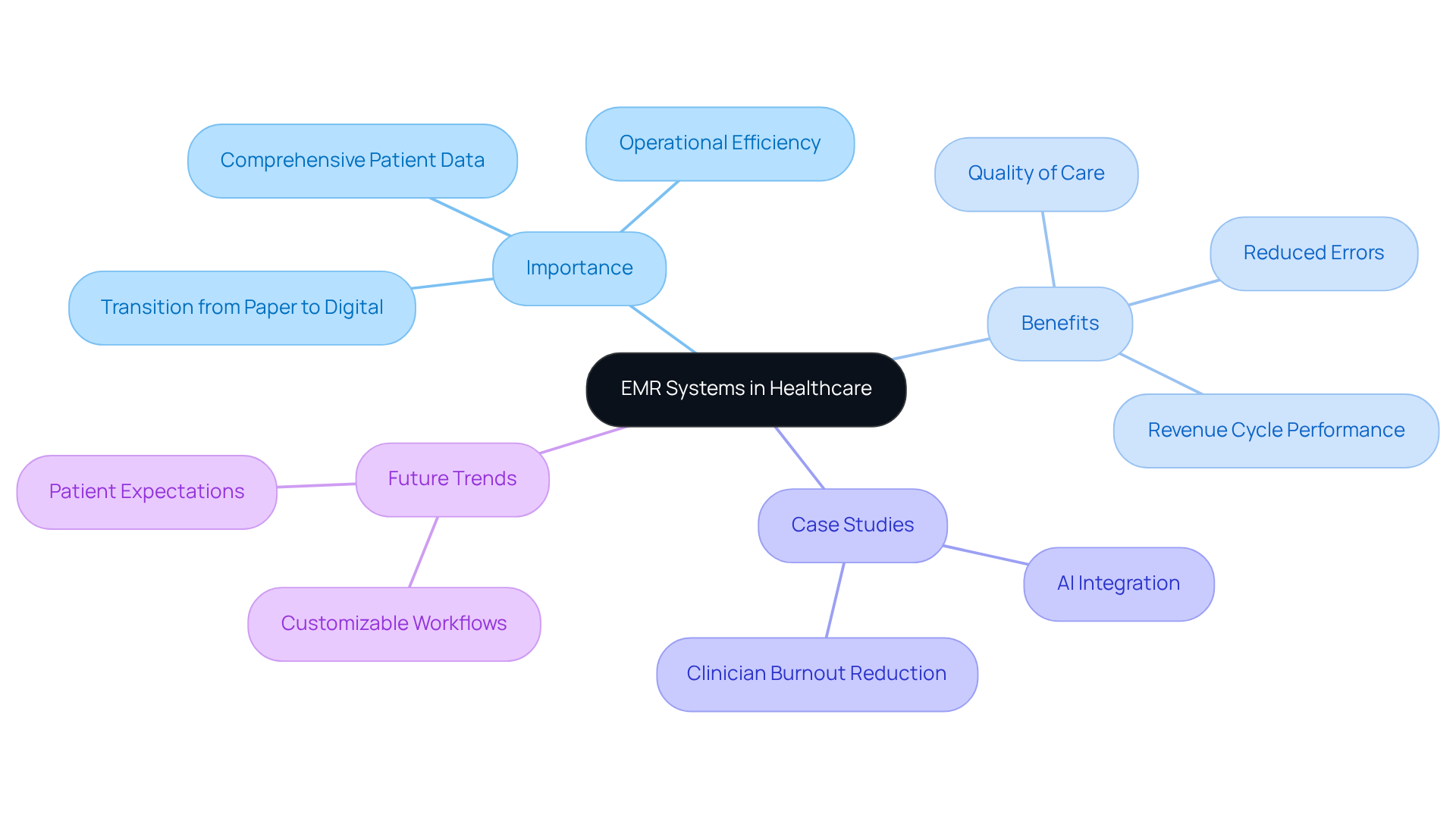
The transition from conventional paper charts to Electronic Medical Records (EMR) solutions represents a pivotal shift in healthcare documentation. These systems encompass comprehensive medical and treatment histories, enabling healthcare providers to efficiently manage and access patient data. The impact of EMR systems on healthcare practices is substantial and far-reaching, particularly as practices in 2026 increasingly prioritize automation and interoperability to enhance operational efficiency.
EMRs enhance the quality of care by providing healthcare providers swift access to individual data, promoting improved communication among providers and optimizing administrative processes. By streamlining paperwork and cutting down on errors, EMRs empower healthcare professionals to focus more on patient care instead of administrative duties. Practices that implement integrated EMR systems often experience a reduction in claim denials by 20-30% and faster reimbursement cycles of 15-25% within 30-90 days, significantly enhancing revenue cycle performance.
Healthcare Partners Consulting (HPC) offers flexible service plans tailored to the unique needs of mental health organizations, ensuring that billing processes are optimized through specialty-focused services. With 39 years of experience, HPC’s certified experts are dedicated to improving revenue and reducing denials, making them a valuable partner in navigating the complexities of medical billing. Their transparent pricing models and personalized service teams further enhance the support provided to healthcare facilities.
A significant case study involves the integration of AI tools with EMR platforms, which has been demonstrated to reduce clinician burnout by automating documentation tasks. This integration not only boosts productivity but also enhances throughput, making it essential for organizations to adopt EMR systems that can evolve with technological advancements.
As patient expectations shift towards instant access to health information, the evolution of EMRs continues to be driven by the need for enhanced usability and functionality. In 2026, practices are expected to favor EMR platforms that offer customizable workflows and specialty-specific templates, moving away from generic solutions that do not meet their unique needs. This trend highlights the significance of choosing EMR solutions that not only adhere to regulatory standards but also accommodate the specific operational needs of healthcare providers.
Ultimately, knowing how to use EMR systems is not merely beneficial; it is essential for practices aiming to thrive in an evolving healthcare landscape.
Identify Key Features to Look for in an EMR System
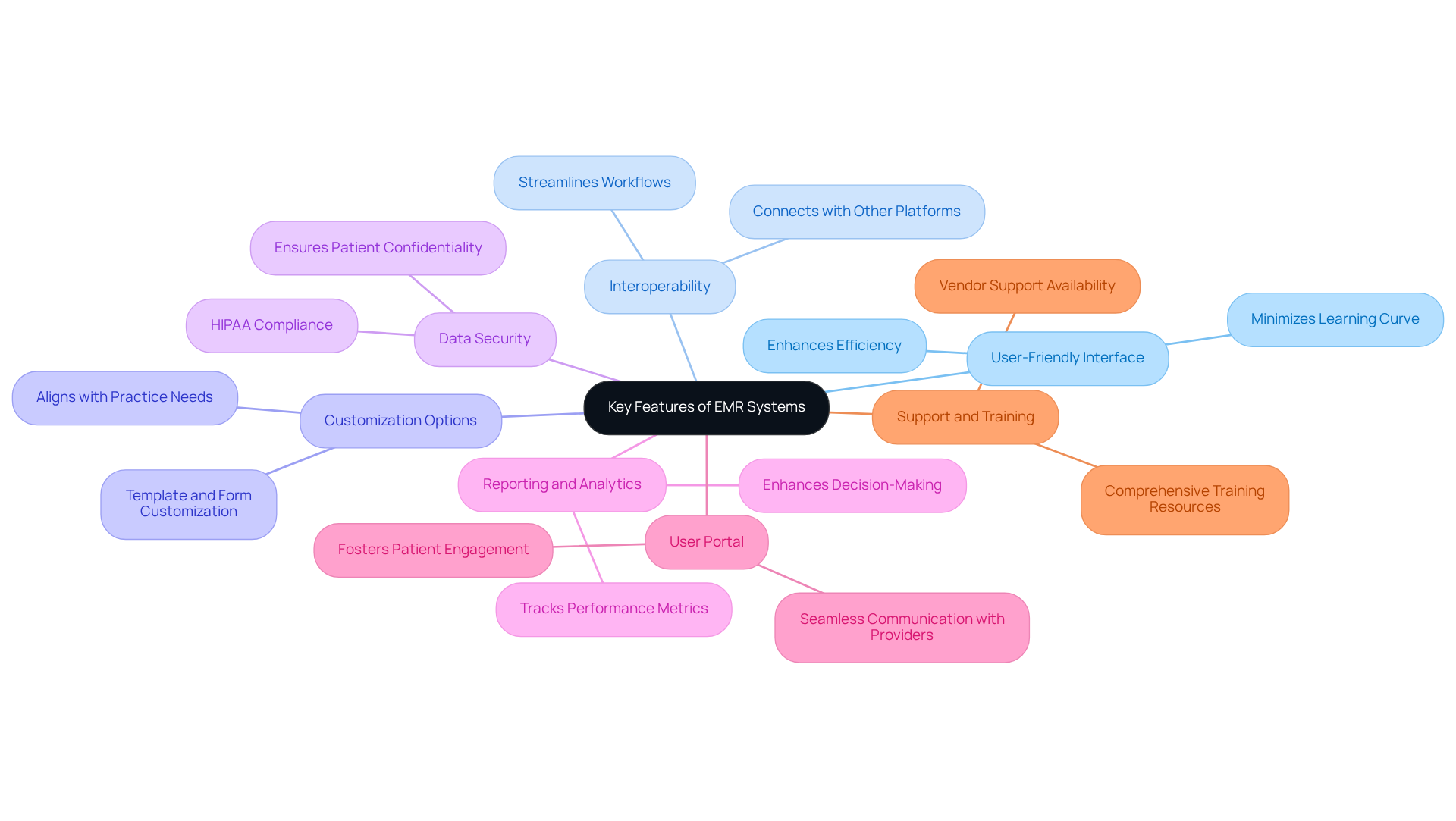
Selecting the right EMR system is crucial for clinic owners, yet many face challenges in identifying the most suitable features for their practice. Here are several key features to consider:
- User-Friendly Interface: An intuitive and easy-to-navigate platform is essential, as it minimizes the learning curve for staff and enhances overall efficiency.
- Interoperability: The ability of the EMR to connect with other platforms, including billing and lab services, is vital for streamlining workflows and improving operational efficiency.
- Customization Options: It is important to select systems that offer customization of templates and forms, ensuring they align with the specific needs of your practice.
- Data Security: Compliance with HIPAA regulations is non-negotiable, as it guarantees that patient data remains secure and confidential.
- Reporting and Analytics: Advanced reporting features are essential for tracking performance metrics, thereby enhancing decision-making processes.
- User Portal: An effective user portal fosters engagement by enabling individuals to access their health information and communicate seamlessly with providers.
- Support and Training: Evaluating the availability of vendor support and comprehensive training resources is crucial for successful implementation and ongoing utilization.
Ultimately, the right EMR system can significantly enhance operational efficiency and patient care, making informed selection essential.
Implement EMR Systems: Step-by-Step Integration Process
Successfully implementing an EMR system requires knowing how to use EMR systems strategically to overcome common challenges and achieve operational efficiency. To implement an EMR system successfully, follow these steps:
- Establish Clear Goals: Define specific objectives for the EMR platform, such as enhancing patient care or streamlining billing processes, which can be greatly enhanced through tailored solutions.
- Assemble an Implementation Team: Create a team that includes key stakeholders from your organization, such as clinicians, administrative staff, and IT personnel, to ensure diverse perspectives.
- Conduct a Needs Assessment: Evaluate current workflows to identify inefficiencies and determine how the EMR can enhance operational effectiveness, particularly in managing claims and addressing underpayments.
- Select the Right EMR Solution: Understanding how to use EMR systems involves choosing an EMR solution that aligns with your practice’s goals and budget, considering factors like customization and integration capabilities with platforms such as TherapyNotes and SimplePractice.
- Plan the Implementation: Develop a detailed plan outlining timelines, responsibilities, and milestones to guide the implementation process.
- Data Migration: Transfer existing patient data into the new EMR platform with precision to ensure accuracy and completeness, thereby avoiding disruptions.
- Training: Provide comprehensive training for all staff members, focusing on role-based sessions to address specific needs and gather user feedback. Studies show that 80% of medical staff in certain departments felt inadequately trained for EHR implementation, underscoring the need for comprehensive training. Healthcare Partners Consulting emphasizes ongoing support to help staff adapt to the new framework and maximize its benefits.
- Go Live: Launch the EMR platform while closely monitoring for any issues that may arise during the initial phase.
- Gather Feedback: After going live, collect feedback from users to identify areas for improvement and enhance user experience. Engaging with peers through platforms like Sermo can provide valuable insights during this phase.
- Continuous Support: Ensure ongoing assistance and training to help staff adapt to the new framework and maximize its benefits. With Healthcare Partners Consulting’s expertise, practices often see measurable improvements in their revenue cycle, including denial reductions of 20-30% and faster reimbursements of 15-25% within 30-90 days.
Implementing an EMR solution can lead to significant improvements in operational efficiency, especially when staff are trained on how to use EMR systems, but be prepared for potential challenges such as resistance to change. By anticipating challenges and leveraging expert support, practices can transform their operations and enhance patient care.

Manage and Optimize EMR Systems for Continuous Improvement
To maintain the effectiveness of your EMR system, it is crucial to implement strategic management and optimization practices:
- Regular Audits: Conduct periodic evaluations of the EMR platform to assess its performance. This approach can reduce denial rates. As a result, it enhances overall revenue cycle performance.
- User Feedback: Continuously gather feedback from staff and patients to understand their experiences and challenges with the platform. Engaging users in learning how to use EMR systems fosters continuous improvement and strengthens operational rigor.
- Stay Updated: Keep the EMR software updated to benefit from new features and security enhancements. Regular updates streamline workflows and improve compliance with healthcare regulations.
- Training Refreshers: Provide ongoing training sessions for staff to reinforce optimal methods and introduce new functionalities. This ensures that all team members are skilled in how to use EMR systems, which leads to quicker reimbursement rates within 30-90 days.
- Customization Review: Regularly review and adjust custom templates and workflows to ensure they align with current practice needs. Customizing the framework to particular operational needs improves efficiency and lessens administrative burdens.
- Data Analytics: Utilize the reporting features of the EMR to analyze performance metrics and make data-driven decisions. Effective use of analytics helps identify trends and areas for improvement in patient care.
- Compliance Checks: Regularly review adherence to healthcare regulations to ensure the EMR platform supports necessary documentation and reporting requirements. Failing to conduct compliance checks may expose your organization to audit risks and operational vulnerabilities.
- Engage with Vendors: Maintain communication with your EMR vendor for support, updates, and best practices to optimize system use. Collaborating with vendors can provide insights into how to use EMR systems for enhancing patient care and operational efficiency.
Neglecting these strategies may result in inefficiencies that compromise patient care and operational success.

Conclusion
Effectively utilizing EMR systems is essential for clinic owners seeking to enhance patient care and streamline operations. Transitioning to electronic medical records modernizes documentation and reduces administrative burdens, enabling healthcare providers to concentrate on patient care. However, the transition to EMR systems can present challenges that require careful planning and execution. As practices evolve, integrating EMR systems is crucial for achieving operational efficiency and enhancing patient outcomes.
Key insights from this guide highlight the importance of selecting the right EMR system, which includes features such as:
- User-friendly interfaces
- Interoperability
- Robust data security
The step-by-step implementation process emphasizes the need for:
- Clear goals
- Thorough training
- Ongoing support
to ensure successful adoption. Additionally, continuous management and optimization of EMR systems are essential for maintaining their effectiveness and adapting to the ever-changing healthcare landscape.
Ultimately, adopting EMR systems offers healthcare providers a chance to significantly enhance their practices. By prioritizing compliance, leveraging expert support from organizations like Healthcare Partners Consulting & Billing, LLC (HPC), and committing to ongoing training and optimization, clinics can not only improve their operational efficiency but also elevate the quality of care they provide. By embracing these strategies, clinics can transform their operational capabilities and significantly improve patient care outcomes. For further assistance, reach out to HPC at info@hpcbilling.com or call 888-517-4992 to explore tailored solutions for your practice.
Frequently Asked Questions
What are EMR systems and why are they important in healthcare?
EMR systems, or Electronic Medical Records, are digital solutions that replace conventional paper charts, allowing healthcare providers to manage and access comprehensive medical and treatment histories efficiently. They are important because they enhance the quality of care, improve communication among providers, and optimize administrative processes.
How do EMR systems improve healthcare practices?
EMR systems improve healthcare practices by providing swift access to patient data, streamlining paperwork, reducing errors, and allowing healthcare professionals to focus more on patient care rather than administrative tasks.
What financial benefits can practices expect from implementing EMR systems?
Practices that implement integrated EMR systems often see a reduction in claim denials by 20-30% and experience faster reimbursement cycles of 15-25% within 30-90 days, significantly enhancing their revenue cycle performance.
How does Healthcare Partners Consulting (HPC) support healthcare organizations with EMR systems?
HPC offers flexible service plans tailored to the unique needs of mental health organizations, optimizing billing processes through specialty-focused services. Their certified experts aim to improve revenue and reduce denials, providing transparent pricing models and personalized service teams.
What role does AI play in the integration of EMR systems?
The integration of AI tools with EMR platforms helps reduce clinician burnout by automating documentation tasks, which boosts productivity and enhances throughput, making it essential for organizations to adopt evolving EMR systems.
What trends are expected in EMR systems by 2026?
By 2026, practices are expected to favor EMR platforms that offer customizable workflows and specialty-specific templates, moving away from generic solutions. This trend emphasizes the need for EMR solutions that meet regulatory standards and the specific operational needs of healthcare providers.
Why is it essential for practices to know how to use EMR systems?
Knowing how to use EMR systems is essential for practices to thrive in an evolving healthcare landscape, as these systems are crucial for improving operational efficiency and meeting patient expectations for instant access to health information.