
Introduction
Mastering telehealth procedure codes is crucial for clinic owners seeking to enhance billing efficiency and patient care. As the landscape of mental health services shifts towards remote delivery, mastering these codes not only streamlines reimbursement but also ensures compliance with evolving regulations. Navigating the complexities of telehealth coding can be daunting for clinic owners. Failure to master these codes could jeopardize both financial stability and the quality of patient care.
Understand Telehealth Procedure Codes and Their Importance in Mental Health
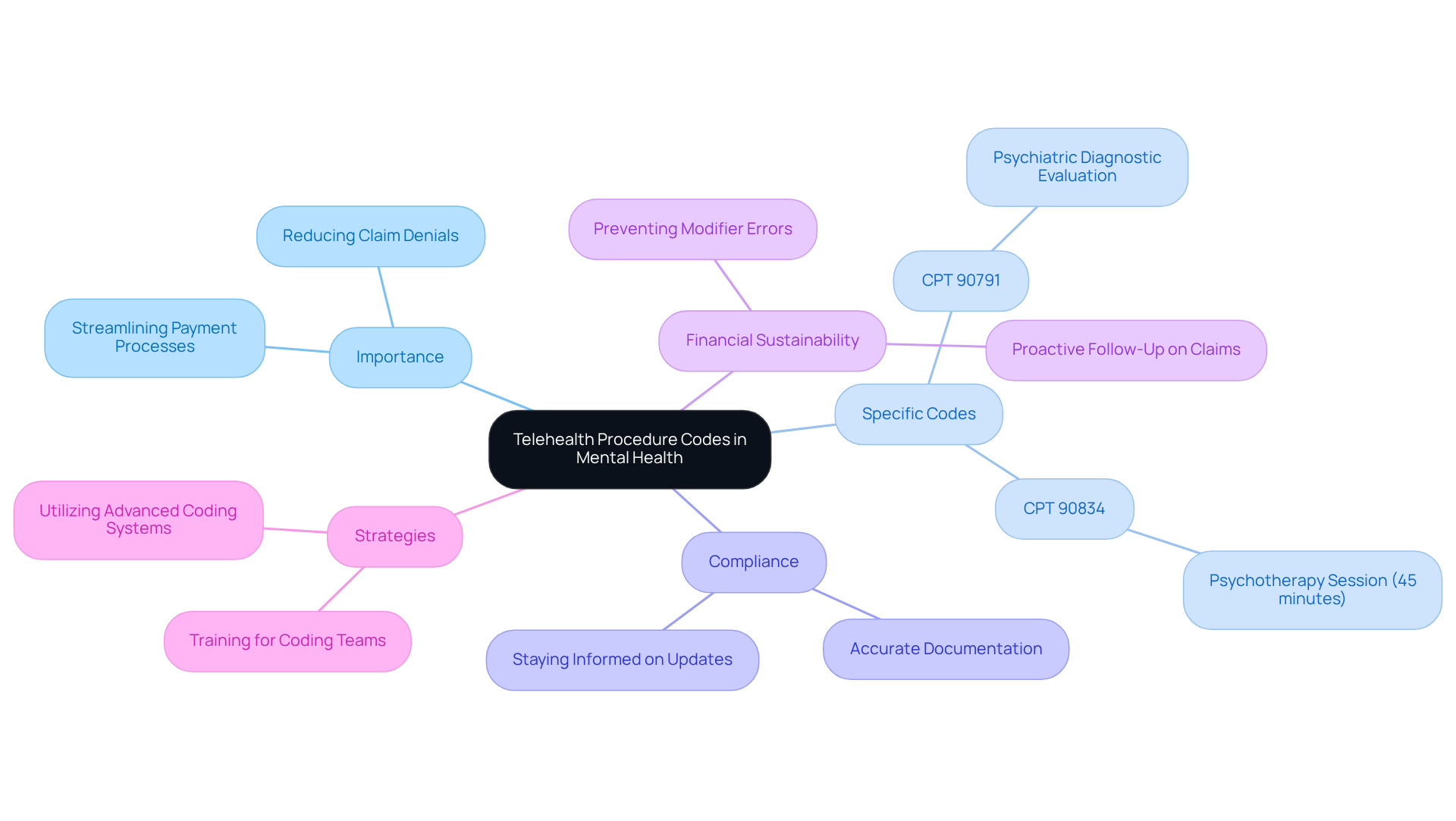
Accurate telehealth procedure codes are critical for effective invoicing and reimbursement in mental health care. These codes, primarily from the Current Procedural Terminology (CPT) and Healthcare Common Procedure Coding System (HCPCS), categorize the services delivered during virtual visits. For instance, CPT code 90791 is designated for psychiatric diagnostic evaluations, while code 90834 covers psychotherapy sessions lasting 45 minutes. Understanding telehealth procedure codes enables clinic owners to streamline payment processes and reduce claim denials.
As telehealth evolves, staying informed about telehealth procedure codes and new guidelines is essential for compliance and revenue optimization. The recent introduction of 17 new telehealth procedure codes in the 2026 CPT updates reflects the ongoing adaptation of billing practices to meet the needs of mental health providers. These updates not only enhance service delivery but also ensure that mental health support is adequately compensated.
Integrating remote healthcare improves patient access, but it demands a solid grasp of the coding landscape. This essential knowledge enables practice owners to navigate the complexities of telehealth invoicing efficiently, ensuring that services provided are appropriately compensated and that practices can thrive in a competitive healthcare environment. Misapplication of telehealth procedure codes can lead to significant financial setbacks, making it crucial for practice owners to remain vigilant and informed.
Healthcare Partners Consulting emphasizes the importance of accurate medical coding as the foundation of timely reimbursement. Their expert medical billing solutions for mental and behavioral health practices ensure compliance, accuracy, and revenue optimization. By proactively following up with payers on unpaid claims and submitting appeals for denied claims, practice owners can enhance their financial sustainability. Additionally, understanding strategies to prevent modifier errors is crucial for reducing denials and improving cash flow. Ultimately, a proactive approach to coding can safeguard against financial pitfalls and enhance practice viability.
Follow Coding Guidelines and Compliance Requirements for Telehealth
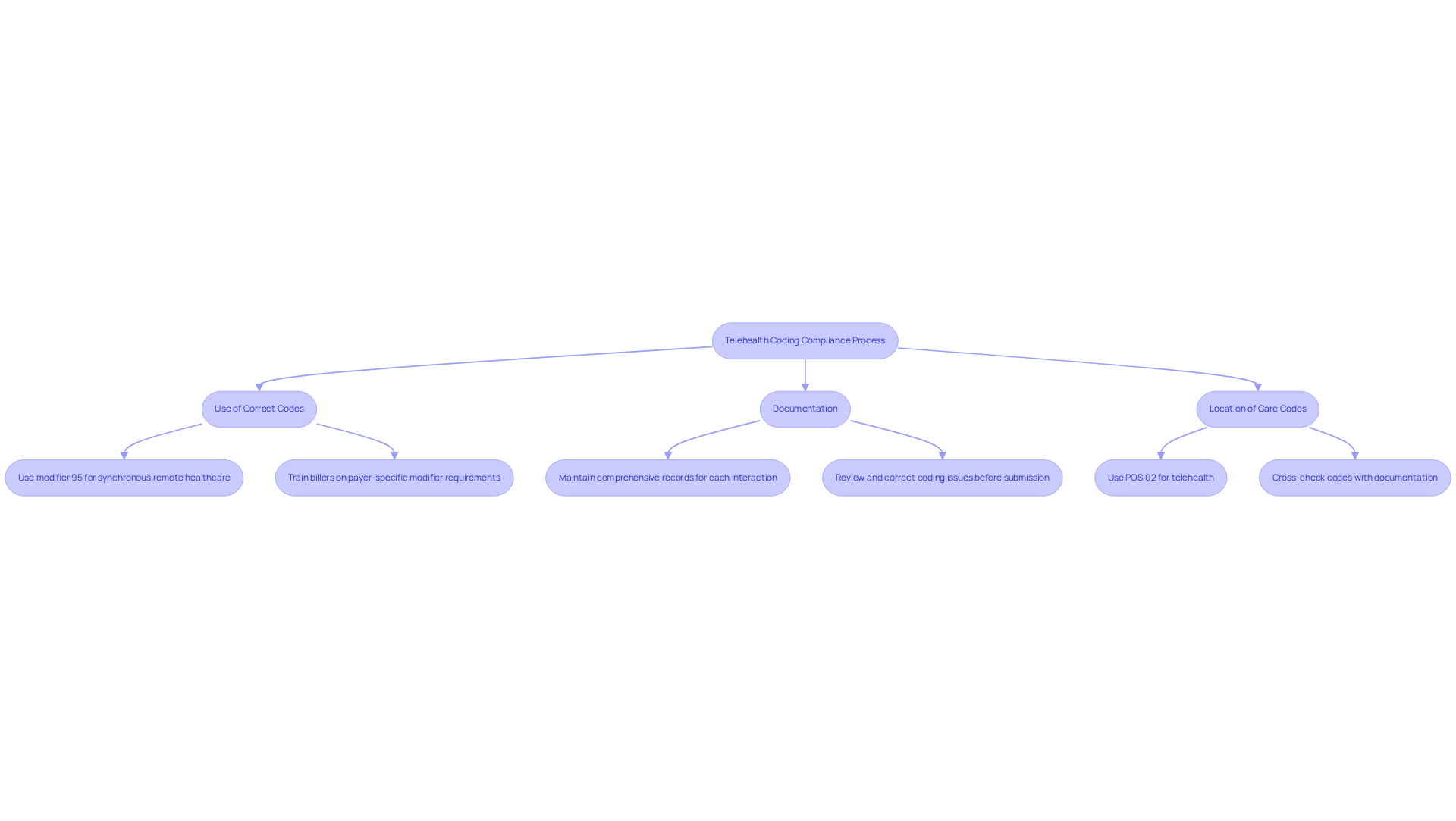
Navigating the complexities of remote healthcare invoicing requires strict adherence to established telehealth procedure codes. To ensure compliance, clinic owners must follow the specific telehealth procedure codes and coding protocols established by the Centers for Medicare & Medicaid Services (CMS) and the American Medical Association (AMA). Key compliance requirements include:
- Use of Correct Codes: Always utilize the most current telehealth procedure codes for remote healthcare. For instance, using the correct telehealth procedure codes, such as modifier 95 for synchronous remote healthcare, is essential for precise billing. Misuse of modifiers can lead to significant claim denials involving telehealth procedure codes, impacting revenue. Healthcare Partners Consulting prevents errors by training billers on payer-specific modifier requirements and ensuring compliance with telehealth procedure codes through internal checklists.
- Documentation: Maintain comprehensive records for each remote healthcare interaction, including patient consent, the nature of the assistance provided, and pertinent clinical notes. This documentation supports submitted claims and is essential for audits. We carefully review and correct coding issues prior to submitting claims, reducing errors from the start.
- Location of Care Codes: Ensure that the correct telehealth procedure codes are utilized for the place of care (POS). For remote healthcare, it is generally necessary to use telehealth procedure codes like POS 02 (Telehealth) to indicate that the assistance was offered from a distance. Each telehealth procedure code is cross-checked with your documentation, and our team is trained in the nuances of behavioral health coding to ensure compliance.
The use of telehealth procedure codes is becoming increasingly common in healthcare. Stay informed by regularly reviewing updates from CMS and other relevant organizations regarding telehealth procedure codes and invoicing practices. This encompasses alterations in reimbursement policies and the introduction of new telehealth procedure codes for emerging options in remote healthcare. Healthcare Partners Consulting stays current on CPT, ICD-10, and HCPCS updates to provide clients with the most accurate billing practices, including those related to telehealth procedure codes.
Adhering to these guidelines helps facility owners minimize the risk of claim denials associated with telehealth procedure codes. This is crucial for maintaining financial health with the use of telehealth procedure codes. Significantly, up to 85% of Medicare virtual health visits may become ineligible unless legislation is approved, underscoring the importance of adherence to telehealth procedure codes. The AMA’s support for permanent remote healthcare coverage further emphasizes the necessity for healthcare facility owners to remain updated on ongoing changes in telehealth procedure codes. Moreover, typical mistakes associated with coding errors, such as improper use of telehealth procedure codes, can result in claim denials, making it crucial for practice owners to be attentive in their invoicing methods. Without diligent attention to telehealth procedure codes, healthcare facilities risk substantial financial setbacks.
Implement Effective Strategies for Integrating Telehealth Codes
Incorporating telehealth procedure codes into your clinic’s invoicing processes presents both challenges and opportunities for improvement. Here are effective strategies to consider:
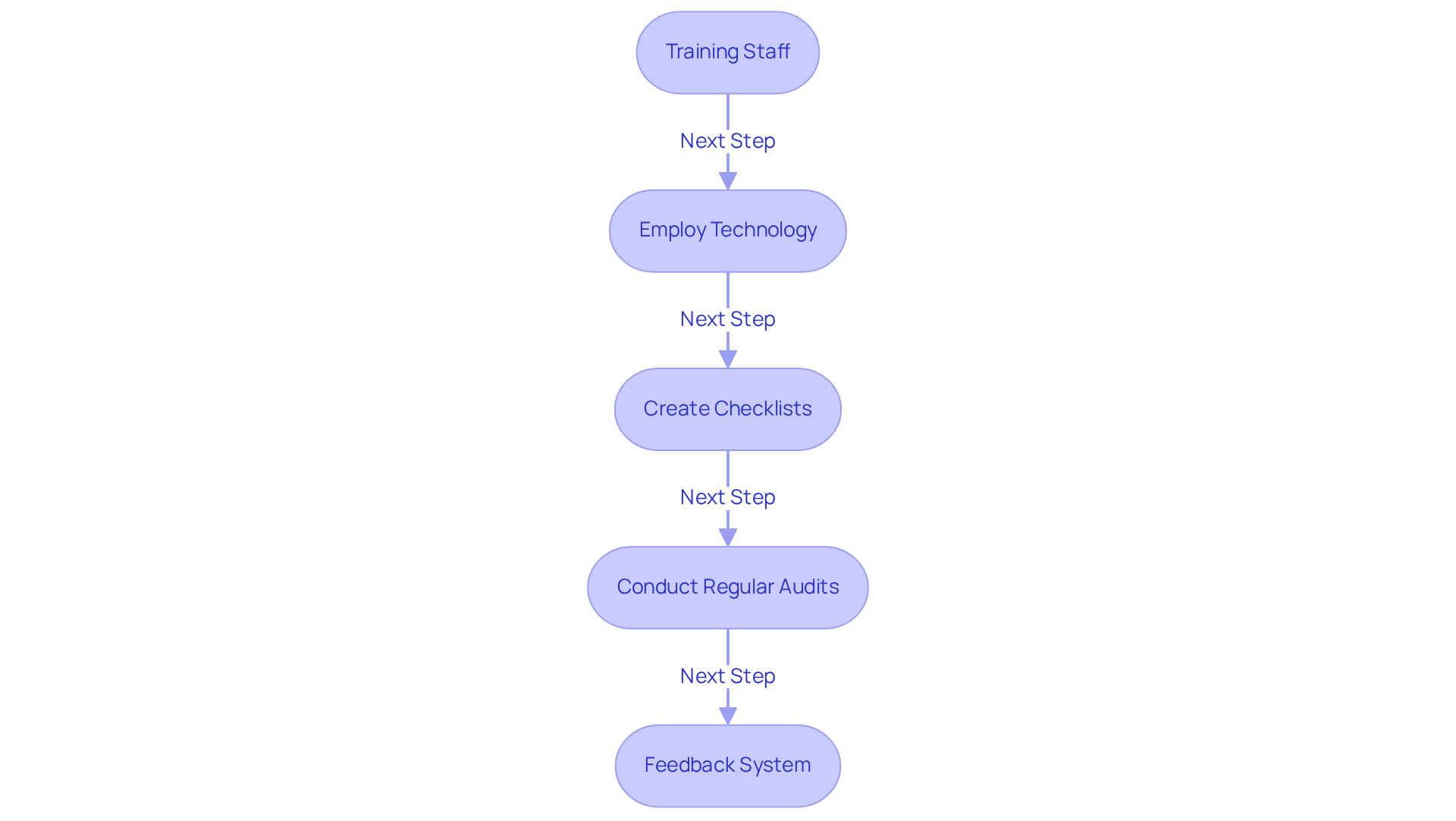
- Training Staff: Ensure that all administrative and invoicing personnel are well-versed in the latest remote healthcare coding practices. Regular training sessions are essential to keep staff updated on changes in telehealth procedure codes and compliance requirements, which can significantly impact billing accuracy. Utilize remote health training webinars and electronic modules for comprehensive coding education. With HPC’s support, clinics can achieve a 20-30% reduction in claim denials, enhancing overall efficiency.
- Employ technology by investing in invoicing software that supports telehealth procedure codes and integrates seamlessly with your electronic health record (EHR) system. This technology can automate coding processes, minimizing errors and streamlining financial workflows, ultimately enhancing operational efficiency. With 71.4% of physicians utilizing remote healthcare services weekly in 2024, having the right technology is essential for keeping up with industry trends. HPC’s solutions ensure accurate charge entry and claims submission, further optimizing revenue activities, including insurance eligibility verification prior to appointments.
- Create checklists customized for coding and payment processes related to telehealth procedure codes. These checklists act as quick references for staff, ensuring that all essential steps are followed during the invoicing process, which can help avoid common errors. HPC’s structured approach helps clinics stay compliant and accurate in their billing.
- Conduct regular audits of telehealth procedure codes and virtual healthcare billing practices to identify areas for improvement. These audits can uncover coding errors and compliance issues, providing opportunities to enhance operational efficiency and ensure adherence to regulations. HPC’s monthly performance reporting with KPI tracking can assist in identifying trends and improvement opportunities, similar to the successful training initiatives seen in programs like the Puerto Rico Geriatric Workforce Enhancement Program.
- Feedback System: Establish a feedback system for staff to report challenges they encounter with remote health coding. This approach helps identify common issues and informs ongoing training and process improvements, fostering a culture of continuous learning and adaptation. As mentioned by the American Medical Association, assisting staff through feedback and training is crucial for successful virtual healthcare integration. HPC’s dedicated AR specialists can provide ongoing support to address these challenges effectively, including coordinating structured payment plans for patients.
By embracing these strategies, clinics can not only enhance their invoicing processes but also position themselves for sustainable financial growth in an evolving healthcare landscape.
Evaluate and Adapt Telehealth Practices for Continuous Improvement
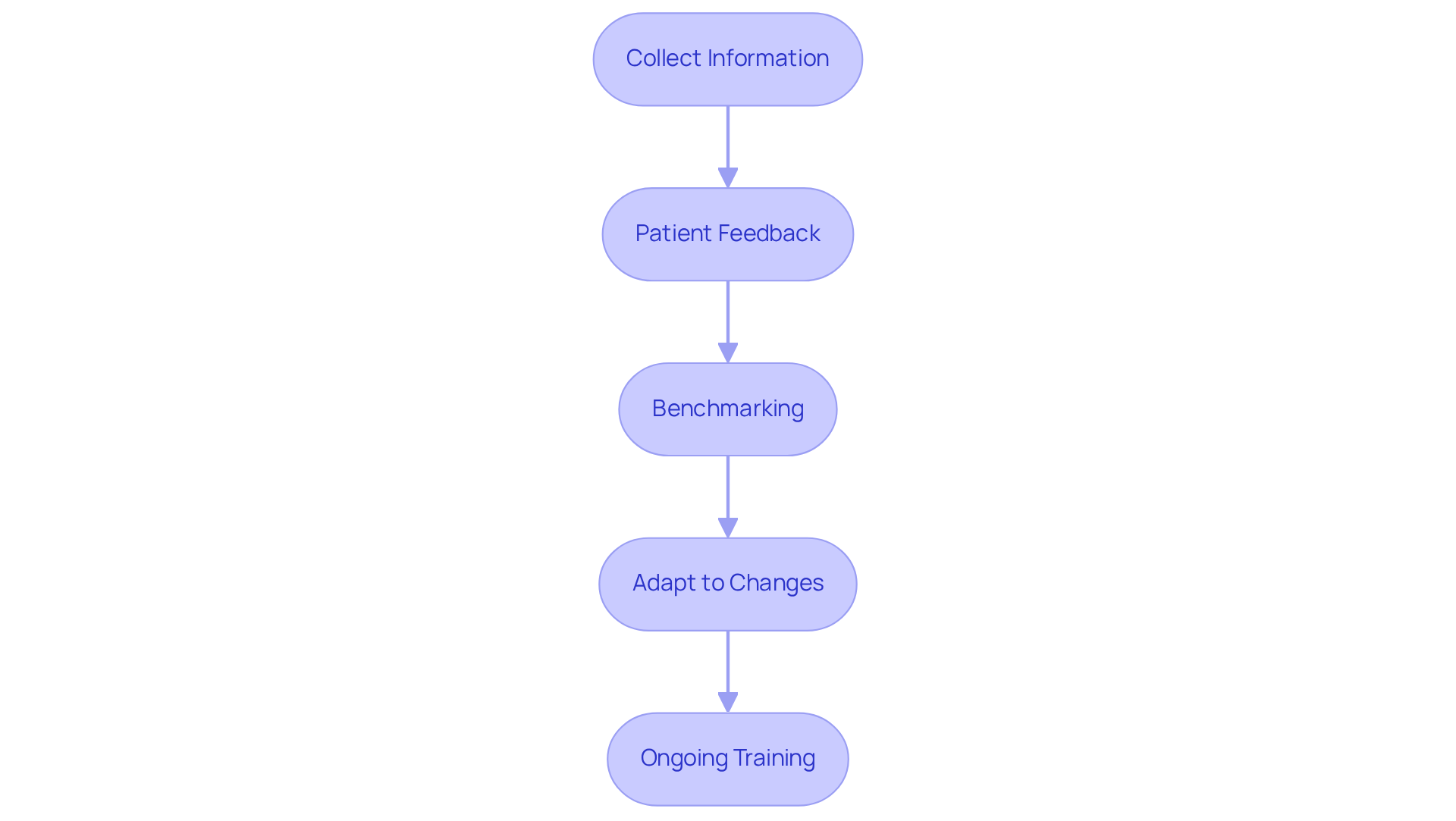
To thrive in the evolving landscape of remote healthcare, clinic owners must continuously evaluate and refine their practices. Here are key steps to consider:
- Collect Information: Gather data on remote healthcare utilization, patient satisfaction, and billing outcomes. In fiscal 2025, over 2.9 million Veterans engaged in more than 14.6 million remote healthcare episodes. This statistic emphasizes the increasing dependence on these services. This data offers valuable insights into the effectiveness of your remote health services, particularly concerning the documentation of patient location during visits for compliance. Addressing the mental health billing crisis underscores the need for accurate billing practices, particularly the implementation of telehealth procedure codes, to ensure financial sustainability.
- Patient Feedback: Solicit feedback from patients regarding their remote healthcare experiences. A notable 91.7% of Veterans expressed satisfaction with remote healthcare services, suggesting that understanding patient viewpoints can assist in pinpointing areas for enhancement and improving service provision. Furthermore, documenting patient consent for audio-only remote health visits is essential for adherence to regulations concerning telehealth procedure codes, which is important in managing the intricacies of mental health billing.
- Benchmarking: Compare your clinic’s virtual care performance against industry benchmarks. This can help identify gaps in service delivery and highlight areas for improvement. For example, remote health consultations for mental health purposes have consistently risen, accounting for 58% of all visits in 2023, highlighting the significance of adjusting to patient requirements and the changing environment of mental health billing.
- Adapt to Changes: Stay informed about modifications in remote healthcare regulations, coding practices, and technology advancements. Recent legislative actions have extended key telehealth procedure codes and remote healthcare flexibilities through the end of 2027, making it crucial to adapt to these changes for maintaining compliance and optimizing service delivery. Healthcare Partners Consulting offers comprehensive administrative support to help clinics navigate these changes effectively.
- Ongoing Training: Encourage a culture of ongoing training for staff to ensure they are equipped with the latest knowledge and skills related to remote healthcare practices. This commitment to training can enhance the quality of care provided and improve patient outcomes, ultimately addressing the challenges posed by the mental health billing crisis.
Regular evaluation not only enhances telehealth services but also positions clinics for long-term success in a competitive environment.
Conclusion
Mastering telehealth procedure codes is crucial for clinic owners to enhance billing efficiency and patient care in mental health services. Accurate coding ensures timely reimbursements and compliance with regulations, supporting the financial health of healthcare practices.
This article emphasizes the importance of staying informed about telehealth procedure codes, compliance requirements, and effective implementation strategies. Key points include:
- The necessity of using the correct codes
- Maintaining thorough documentation
- Investing in staff training and technology
Regular audits and feedback systems are essential for identifying areas for improvement and ensuring adherence to best practices.
As telehealth evolves, clinic owners must proactively embrace these practices. By doing so, they can improve their financial sustainability and enhance the quality of care provided to patients. Effective telehealth coding practices are vital for delivering exceptional mental health services in a changing healthcare environment.
Frequently Asked Questions
What are telehealth procedure codes and why are they important in mental health care?
Telehealth procedure codes categorize the services delivered during virtual visits and are critical for effective invoicing and reimbursement in mental health care.
What are some examples of telehealth procedure codes used in mental health?
Examples include CPT code 90791 for psychiatric diagnostic evaluations and code 90834 for psychotherapy sessions lasting 45 minutes.
How do telehealth procedure codes affect payment processes for mental health services?
Understanding these codes helps clinic owners streamline payment processes and reduce claim denials, ensuring that services provided are adequately compensated.
What recent changes have been made to telehealth procedure codes?
The 2026 CPT updates introduced 17 new telehealth procedure codes, reflecting the ongoing adaptation of billing practices to better meet the needs of mental health providers.
Why is it essential for practice owners to stay informed about telehealth procedure codes?
Staying informed is crucial for compliance and revenue optimization, helping practice owners navigate the complexities of telehealth invoicing effectively.
What risks are associated with the misapplication of telehealth procedure codes?
Misapplication can lead to significant financial setbacks, making it essential for practice owners to remain vigilant and informed about coding practices.
How can Healthcare Partners Consulting assist mental health practices with coding?
They provide expert medical billing solutions that ensure compliance, accuracy, and revenue optimization, including follow-up on unpaid claims and appeals for denied claims.
What strategies can practice owners use to improve cash flow and reduce claim denials?
Understanding strategies to prevent modifier errors and adopting a proactive approach to coding can enhance cash flow and safeguard against financial pitfalls.