

Introduction
The intricacies of Revenue Cycle Management (RCM) often lead to misallocated resources, hindering the primary focus on patient care. Outsourcing RCM allows clinics to relieve administrative burdens while boosting operational efficiency and financial health. Selecting the right partner who understands the unique needs of the mental health sector is essential for success.
What are the essential steps and considerations for successfully implementing an RCM outsourcing strategy that empowers providers and improves patient outcomes?
Choosing the right RCM partner is crucial, as it can significantly enhance operational efficiency and ultimately improve patient outcomes.
Understand Revenue Cycle Management in Mental Health Clinics
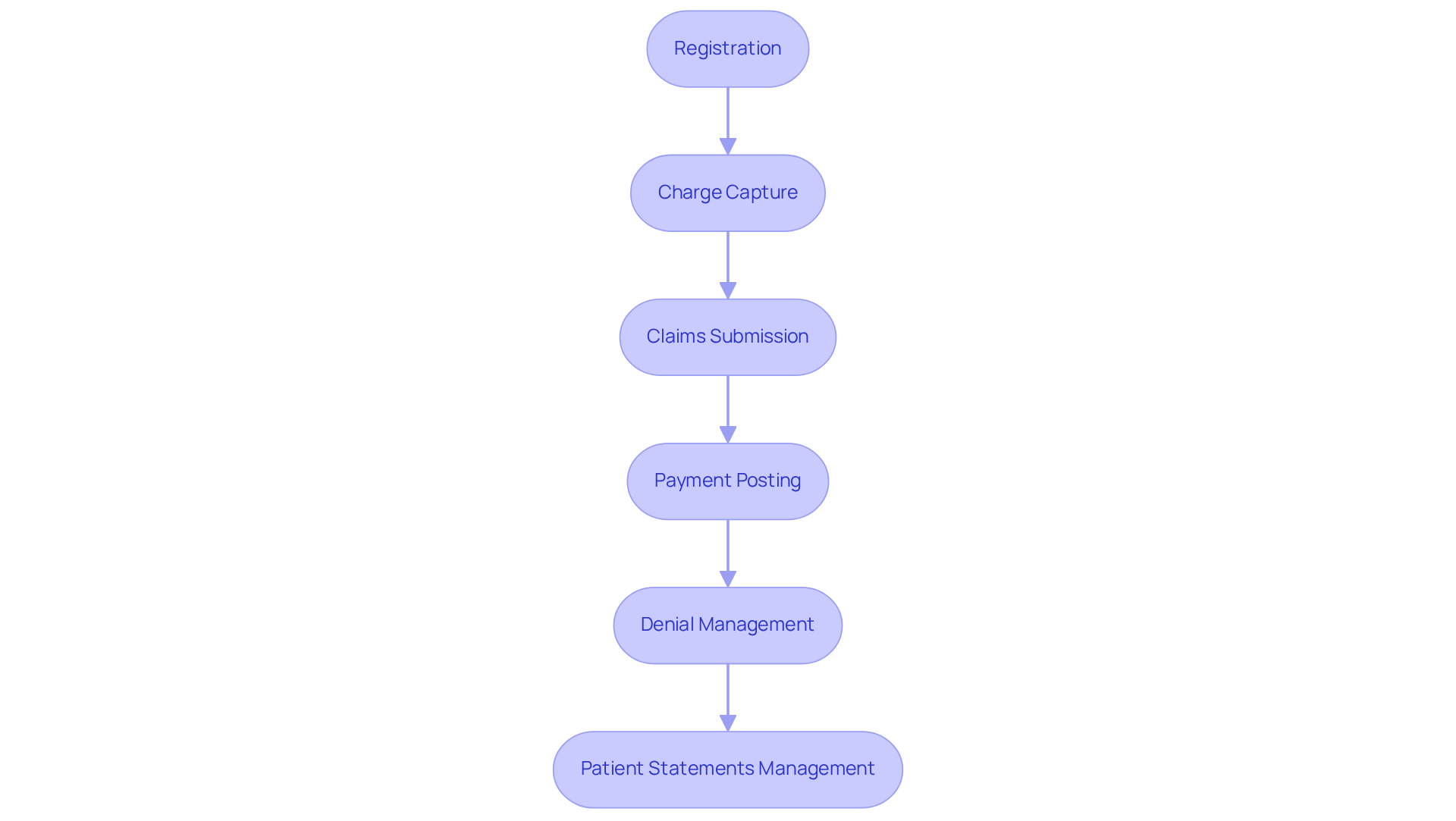
Effective Revenue Cycle Management (RCM) is crucial for the financial sustainability of mental health clinics. RCM encompasses the entire financial process from registration to final payment, allowing practices to focus on patient care while maintaining financial health. Key components of RCM include:
- Registration: Collecting information and verifying insurance eligibility to streamline the billing process.
- Charge Capture: Accurately documenting services provided to ensure proper billing and compliance with payer requirements.
- Claims Submission: Sending claims to insurance companies for reimbursement, which must be done with precision to avoid denials.
- Payment Posting: Recording payments received and reconciling accounts to maintain accurate financial records.
- Denial Management: Addressing and resolving denied claims promptly to recover lost revenue, as many clinics fail to appeal denied claims, resulting in substantial revenue loss.
- Patient Statements Management: Generating clear patient statements and following up on balances, underpayments, unprocessed claims, and aging claims to optimize revenue collection.
In 2026, behavioral wellness organizations are projected to achieve a Net Collection Rate of approximately 91%, while denial rates are expected to hover around 11.8%. Implementing robust RCM practices can lead to a 20-30% reduction in denials and a 15-25% faster reimbursement within 30-90 days, substantially enhancing financial performance.
Furthermore, as behavioral organizations encounter growing scrutiny from payers concerning documentation and medical necessity, grasping these RCM components becomes essential for compliance and operational efficiency. Integrating RCM with platforms like TherapyNotes, SimplePractice, Valant, AdvancedMD, and IntakeQ can further enhance the efficiency of these processes. Ultimately, a well-structured RCM process not only safeguards financial health but also enhances the quality of care provided to patients.
Identify Benefits of Outsourcing RCM for Your Clinic
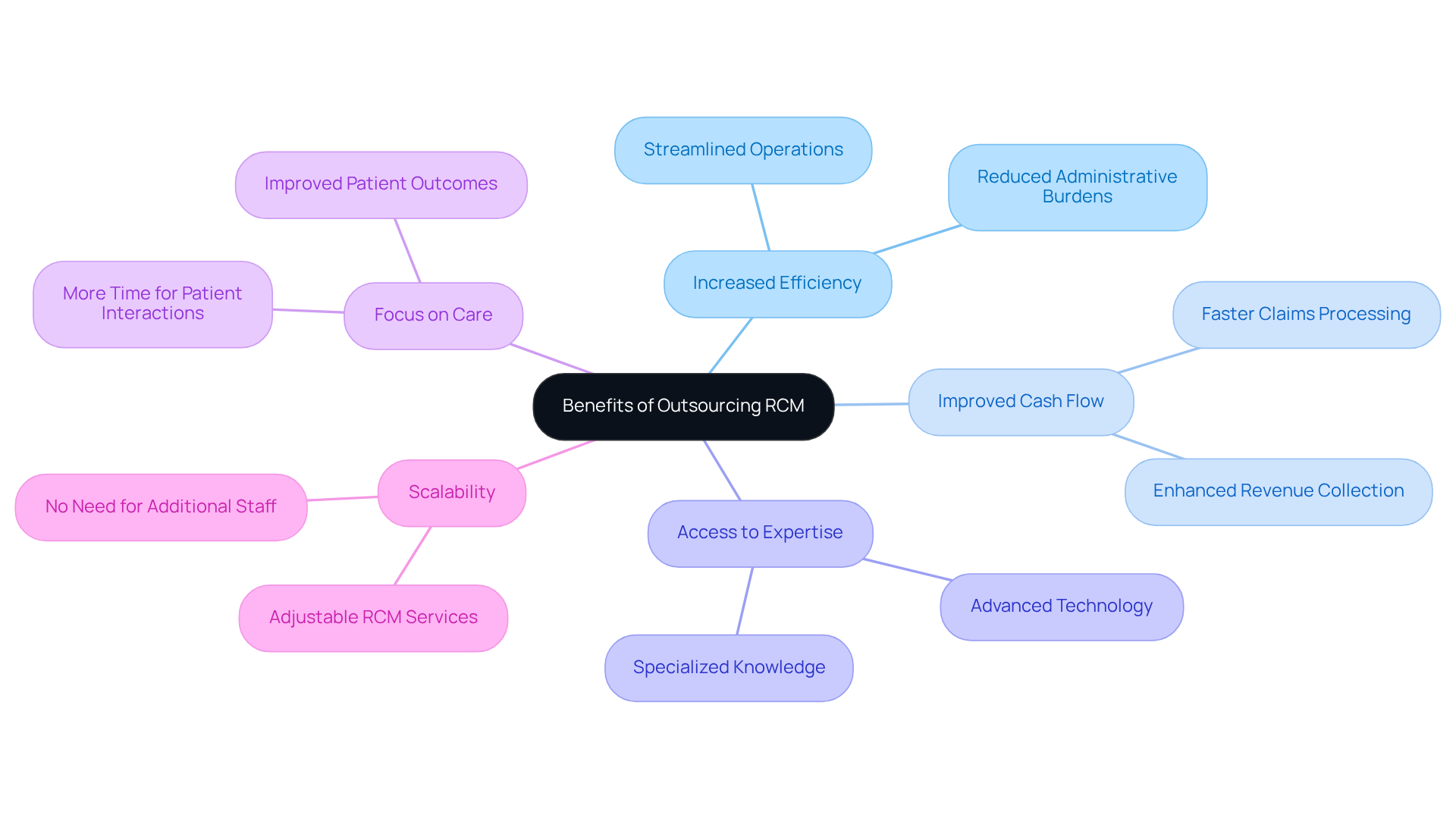
Mental health clinics often grapple with administrative burdens that detract from their core mission of patient care. Outsourcing Revenue Cycle Management (RCM) offers several key benefits that can significantly enhance clinic operations:
- Increased Efficiency: By delegating RCM tasks to specialized providers, clinics can streamline operations and reduce administrative burdens.
- Improved Cash Flow: Outsourcing can lead to faster claims processing and payment collection, thereby enhancing overall revenue.
- Access to Expertise: RCM outsourcing partners typically possess specialized knowledge and technology that can improve billing accuracy and compliance.
- Focus on Care: With administrative tasks managed externally, healthcare providers can dedicate more time to patient interactions and care.
- Scalability: Outsourcing allows clinics to easily adjust their RCM services based on changing needs without the overhead of hiring additional staff.
Ultimately, embracing outsourcing RCM can redefine how clinics operate, allowing them to thrive in a competitive healthcare landscape.
Evaluate Potential RCM Outsourcing Partners
Selecting the right RCM outsourcing partner is critical for mental health clinics facing unique operational challenges.
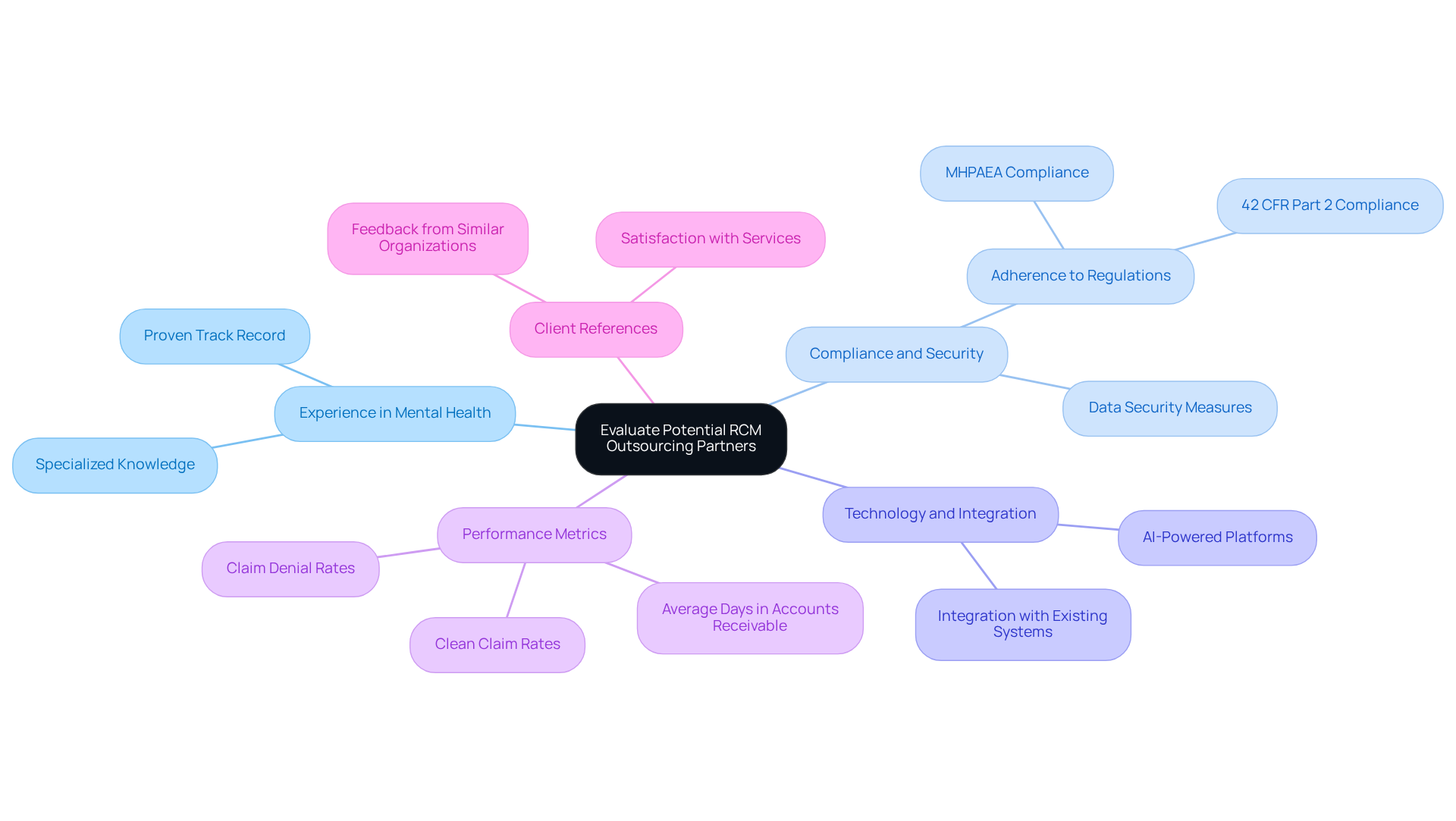
- Experience in Mental Health: It is crucial to select a partner with a proven track record in managing revenue cycle management (RCM) specifically for mental health clinics. This sector presents unique challenges, including complex billing processes and compliance requirements.
- Compliance and Security: Ensure that the partner adheres to healthcare regulations, including the Mental Health Parity and Addiction Equity Act (MHPAEA) and 42 CFR Part 2, which governs the confidentiality of substance use disorder treatment. Robust data security measures are also essential to protect patient information.
- Technology and Integration: Assess the technology utilized by the partner, particularly its ability to integrate seamlessly with your existing systems. AI-powered platforms can automate as much as 80% of routine revenue cycle management tasks. This automation enhances operational efficiency and reduces errors. HPC integrates with leading EHR and management platforms like TherapyNotes, SimplePractice, Valant, AdvancedMD, and IntakeQ, ensuring a smooth transition and operational synergy.
- Performance Metrics: Request detailed information on performance metrics such as claim denial rates and average days in accounts receivable. Top-performing RCM organizations achieve clean claim rates of 94% to 97%, which significantly enhances revenue collection. HPC’s personalized assessment tools, including a quick quiz to evaluate your organization’s profitability, can help identify hidden revenue leaks and provide tailored recommendations for improvement.
- Client References: Request references from similar organizations to gain insights into their experiences and satisfaction with the partner’s services. This feedback can provide valuable context regarding the partner’s effectiveness and reliability.
Thoroughly assessing these factors helps mental wellness clinics to outsource RCM effectively to a partner that aligns with their operational objectives and boosts overall efficiency. Implementing best practices, such as pre-visit financial clearance, can lead to a 20-40% reduction in denial occurrences within 3-6 months, further supporting the decision-making process. Additionally, monitoring key performance indicators (KPIs) like days in accounts receivable and claim denial rates is crucial for understanding billing performance in behavioral health, as approximately 63% of behavioral health denials are recoverable when properly appealed. With HPC’s dedicated administrative support services, clinics can concentrate on care while ensuring their billing processes are optimized for success. Ultimately, the right partner can transform billing processes, allowing clinics to focus on delivering quality care.
Implement Your RCM Outsourcing Strategy
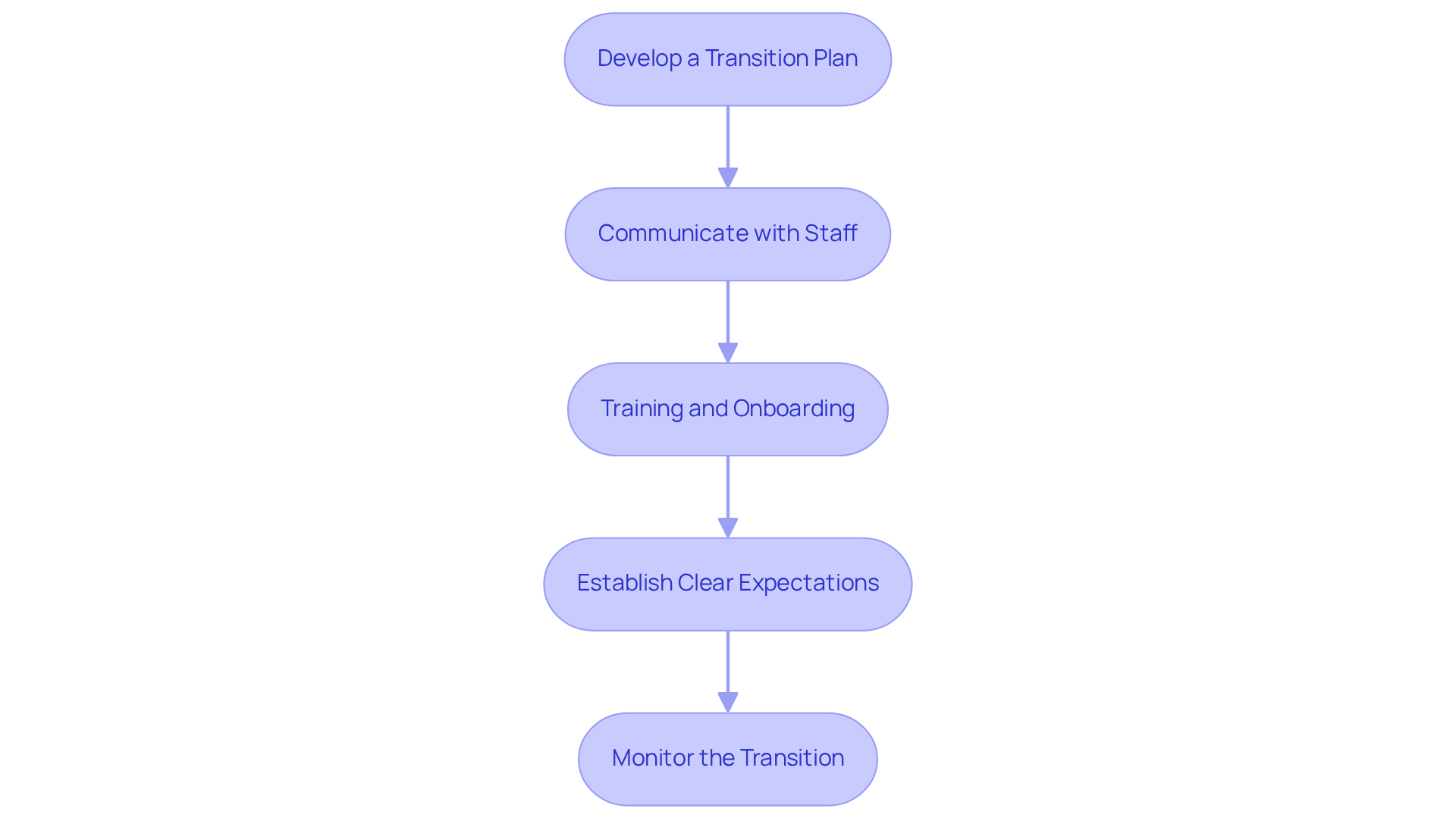
To implement your RCM outsourcing strategy effectively, follow these steps:
- Develop a Transition Plan: Create a detailed timeline that outlines key milestones for transitioning RCM tasks to your outsourcing partner. This plan should include specific dates for each phase of the transition.
- Communicate with Staff: Clearly inform your team about the upcoming changes and how these will affect their roles. Address any concerns they may have to foster a supportive environment during the transition.
- Training and Onboarding: Ensure that your outsourcing partner, Healthcare Partners Consulting & Billing, LLC (HPC), provides comprehensive training for your staff on the new processes and systems. This training will ensure a seamless integration and reduce potential disruptions.
- Establish Clear Expectations: Set explicit performance expectations and communication protocols with HPC. This alignment is crucial for maintaining operational efficiency and ensuring that both parties are on the same page.
- Monitor the Transition: Regularly check in on the progress of the transition. Address any issues that arise promptly to keep the process on track and ensure that the quality of care for individuals remains a priority.
Implementing these steps allows mental wellness clinics to achieve a smooth transition to outsource RCM with HPC. This enables them to concentrate on delivering quality patient care while potentially reducing denial rates by 20-30% and achieving faster reimbursement times of 15-25% within 30-90 days. Furthermore, implementing scorecard-driven adjustments tied to claims accuracy and denial rates can enhance operational rigor and improve overall revenue cycle performance. HPC’s specialty-focused, relationship-driven service is designed to optimize your medical billing workflow, ensuring compliance and security while enhancing your organization’s financial health. Our adaptable service plans and clear pricing models address the distinct requirements of your organization, especially when you choose to outsource RCM for effective management of your revenue cycle. Ultimately, a well-executed transition not only safeguards patient care but also positions your organization for improved financial outcomes in the long term.
Monitor and Measure RCM Outsourcing Success
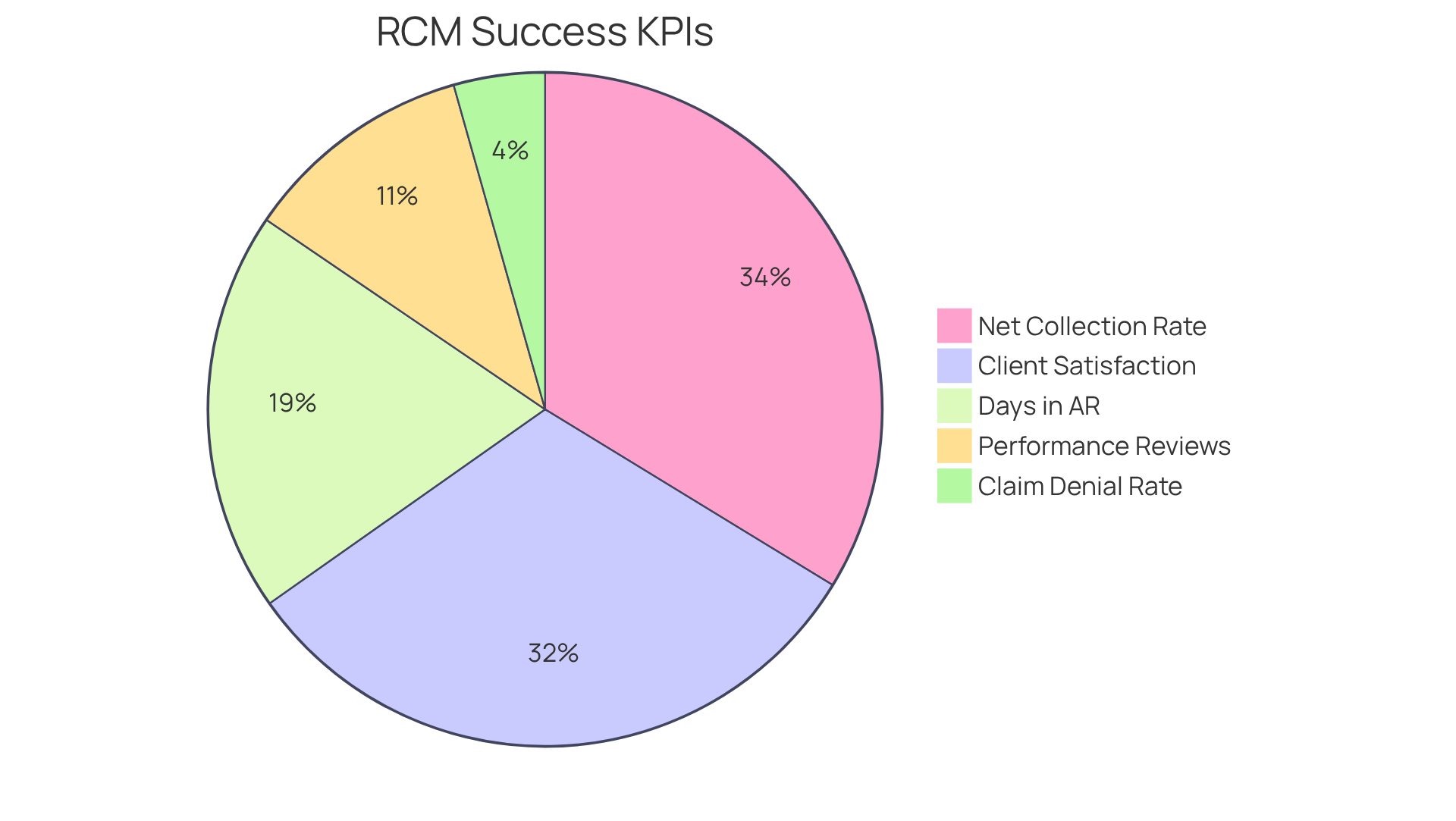
To effectively gauge the success of your RCM outsourcing, focus on critical performance indicators that drive financial health:
- Days in Accounts Receivable (AR): This metric reflects the average time taken to collect payments from insurance companies and patients. A denial rate of 11.8% indicates significant challenges in the claims process. Currently, the average days in accounts receivable for behavioral services is approximately 52 days, which is significantly higher than the 30 to 45 day average for general medical facilities. Aim for a target of 35 days or fewer to enhance cash flow.
- Claim Denial Rate: Keep track of the percentage of claims that are denied. Analyzing the reasons for these denials can help identify process improvements. Reducing this rate by 20-30% can significantly enhance revenue flow.
- Net Collection Rate (NCR): This KPI measures the percentage of total potential revenue that is actually collected. The average NCR for behavioral health practices is approximately 91%, but top-performing practices achieve rates of 95% to 97%. Enhancing this rate can result in significant revenue recovery from current volumes of individuals receiving care.
- Satisfaction of Clients: Gather feedback from individuals regarding their billing experience. Ensuring that outsourcing does not negatively impact care quality is crucial for maintaining trust and satisfaction.
- Regular Performance Reviews: Schedule consistent meetings with your outsourcing partner to review performance metrics. Monthly KPI reviews can help identify systemic problems before they escalate, leading to improved reimbursement times of 15-25% within 30-90 days.
Monitoring these KPIs allows mental health clinics to ensure their strategy to outsource RCM is effective. This approach supports operational goals and enhances both financial performance and patient care. This proactive approach not only safeguards financial performance but also enhances the overall patient experience.
Conclusion
Outsourcing Revenue Cycle Management (RCM) allows mental health clinics to focus on patient care while experts handle administrative tasks. By partnering with specialists like Healthcare Partners Consulting & Billing, LLC (HPC), clinics can streamline their financial processes, ensure compliance, and enhance operational efficiency-all while prioritizing high-quality care.
This article details essential steps for outsourcing RCM:
- Understanding its components
- Identifying benefits
- Evaluating partners
- Implementing a strategic transition
- Monitoring success through key performance indicators
Each step empowers mental health providers to navigate the complexities of billing and compliance with confidence. Selecting a partner with specialized knowledge in behavioral health is crucial for optimizing the revenue cycle while adhering to industry regulations.
Ultimately, outsourcing RCM enhances financial outcomes and fosters an environment where healthcare providers can thrive. By embracing this approach, mental health clinics can improve operational efficiency, reduce denial rates, and enhance cash flow, all while prioritizing patient care. Engaging with a dedicated partner like HPC can lead to significant improvements in both financial health and patient satisfaction, paving the way for a more sustainable future in mental health services. For further assistance, reach out to HPC at info@hpcbilling.com or call 888-517-4992 to explore how outsourcing RCM can benefit your practice.
Frequently Asked Questions
What is Revenue Cycle Management (RCM) in mental health clinics?
Revenue Cycle Management (RCM) in mental health clinics refers to the entire financial process from patient registration to final payment, ensuring that clinics maintain financial health while focusing on patient care.
What are the key components of RCM?
The key components of RCM include registration, charge capture, claims submission, payment posting, denial management, and patient statements management.
Why is registration important in RCM?
Registration is important because it involves collecting patient information and verifying insurance eligibility, which streamlines the billing process.
What is charge capture in the context of RCM?
Charge capture involves accurately documenting the services provided to ensure proper billing and compliance with payer requirements.
How does claims submission work in RCM?
Claims submission involves sending claims to insurance companies for reimbursement, which must be done precisely to avoid denials.
What is the significance of payment posting in RCM?
Payment posting is significant as it involves recording payments received and reconciling accounts to maintain accurate financial records.
What is denial management and why is it important?
Denial management is the process of addressing and resolving denied claims promptly to recover lost revenue, which is crucial since many clinics fail to appeal denied claims, leading to substantial revenue loss.
How can patient statements management optimize revenue collection?
Patient statements management generates clear statements and follows up on balances, underpayments, unprocessed claims, and aging claims to enhance revenue collection.
What are the projected financial outcomes for behavioral wellness organizations by 2026?
By 2026, behavioral wellness organizations are projected to achieve a Net Collection Rate of approximately 91%, with denial rates expected around 11.8%.
What benefits can robust RCM practices provide?
Implementing robust RCM practices can lead to a 20-30% reduction in denials and a 15-25% faster reimbursement within 30-90 days, significantly improving financial performance.
What advantages does outsourcing RCM offer to mental health clinics?
Outsourcing RCM offers increased efficiency, improved cash flow, access to expertise, the ability to focus on patient care, and scalability to adjust services based on changing needs.
How does outsourcing RCM enhance clinic operations?
By delegating RCM tasks to specialized providers, clinics can streamline operations, reduce administrative burdens, and enhance overall revenue through faster claims processing and payment collection.