

Introduction
Healthcare providers face significant challenges when selecting a revenue cycle management vendor due to the overwhelming number of options available. The stakes are high; the right partnership can enhance operational efficiency and financial health, particularly in specialized fields such as behavioral and mental health. To navigate this complex landscape, providers must adopt a systematic approach to vendor selection. This article outlines key best practices that will enable healthcare providers to make informed decisions in vendor selection. By adhering to these best practices, providers can safeguard their operational efficiency and financial stability.
Identify Key Selection Criteria for RCM Vendors
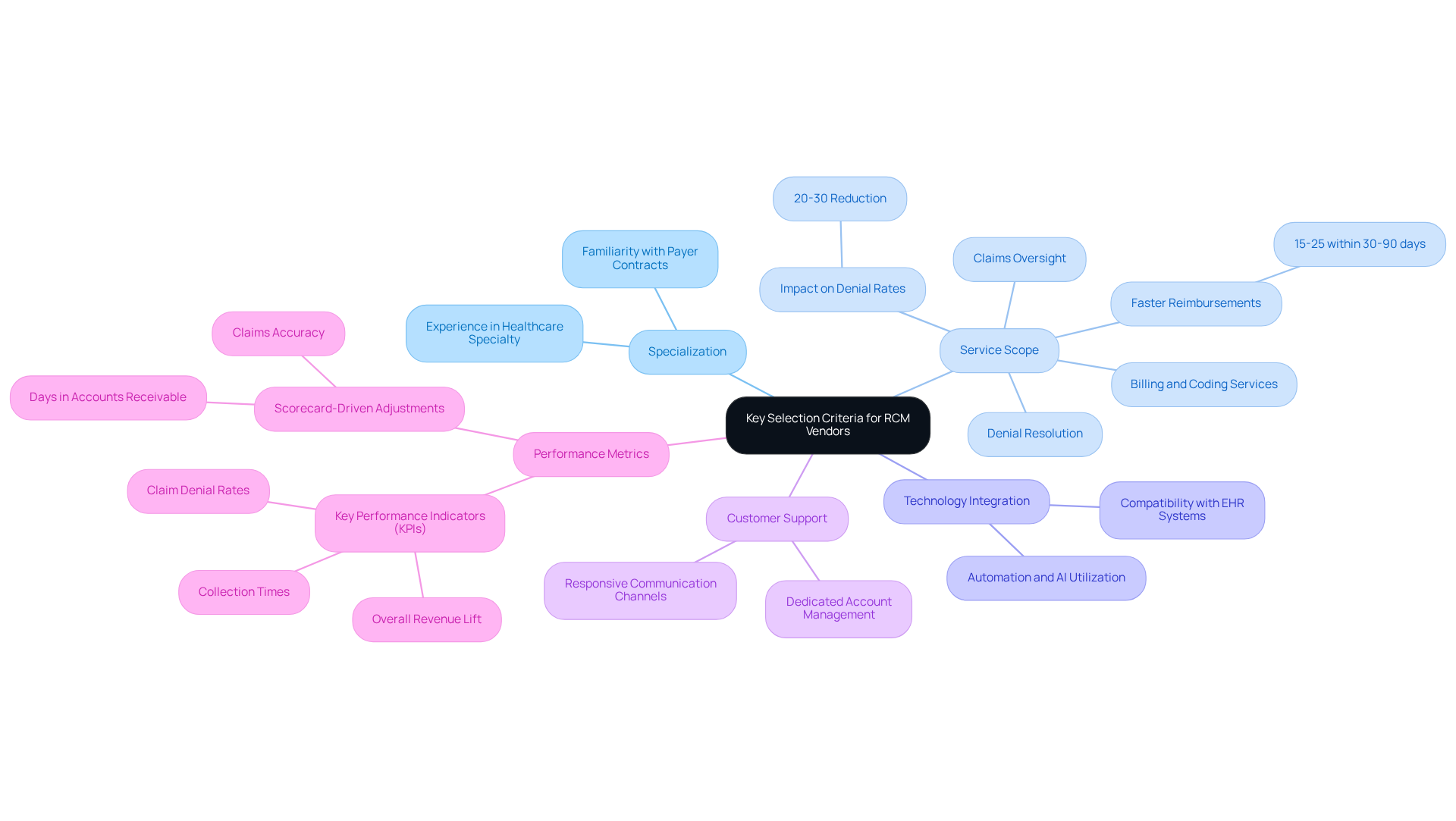
With numerous revenue cycle management vendors available, healthcare providers may find it daunting to select the right partner. When choosing a Revenue Cycle Management (RCM) partner, it is essential to identify key selection criteria that correspond with your organization’s specific needs. Here are some essential factors to consider:
- Specialization: Ensure the vendor has experience in your specific healthcare specialty, particularly in mental health, including familiarity with relevant payer contracts and regulations.
- Service Scope: Assess the variety of services available, such as billing, coding, claims oversight, and denial resolution, to ensure they fulfill your organization’s needs. Effective RCM approaches can lead to a 20-30% decrease in denial rates and quicker reimbursements of 15-25% within 30-90 days.
- Technology Integration: Evaluate whether the supplier’s technology can seamlessly connect with your current systems, such as Electronic Health Records (EHR) and practice software, to prevent operational inefficiencies.
- Customer Support: Look for suppliers that offer robust customer support, including dedicated account management and responsive communication channels, which are vital for maintaining transparency and accountability.
- Performance Metrics: Consider how the service provider measures success, including key performance indicators (KPIs) like claim denial rates, collection times, and overall revenue lift. Utilizing scorecard-driven adjustments tied to claims accuracy and days in accounts receivable can demonstrate operational rigor and enhance performance.
Ultimately, partnering with the right revenue cycle management vendors can significantly impact your organization’s financial health and operational efficiency.
Assess Technological Capabilities and Integration Options
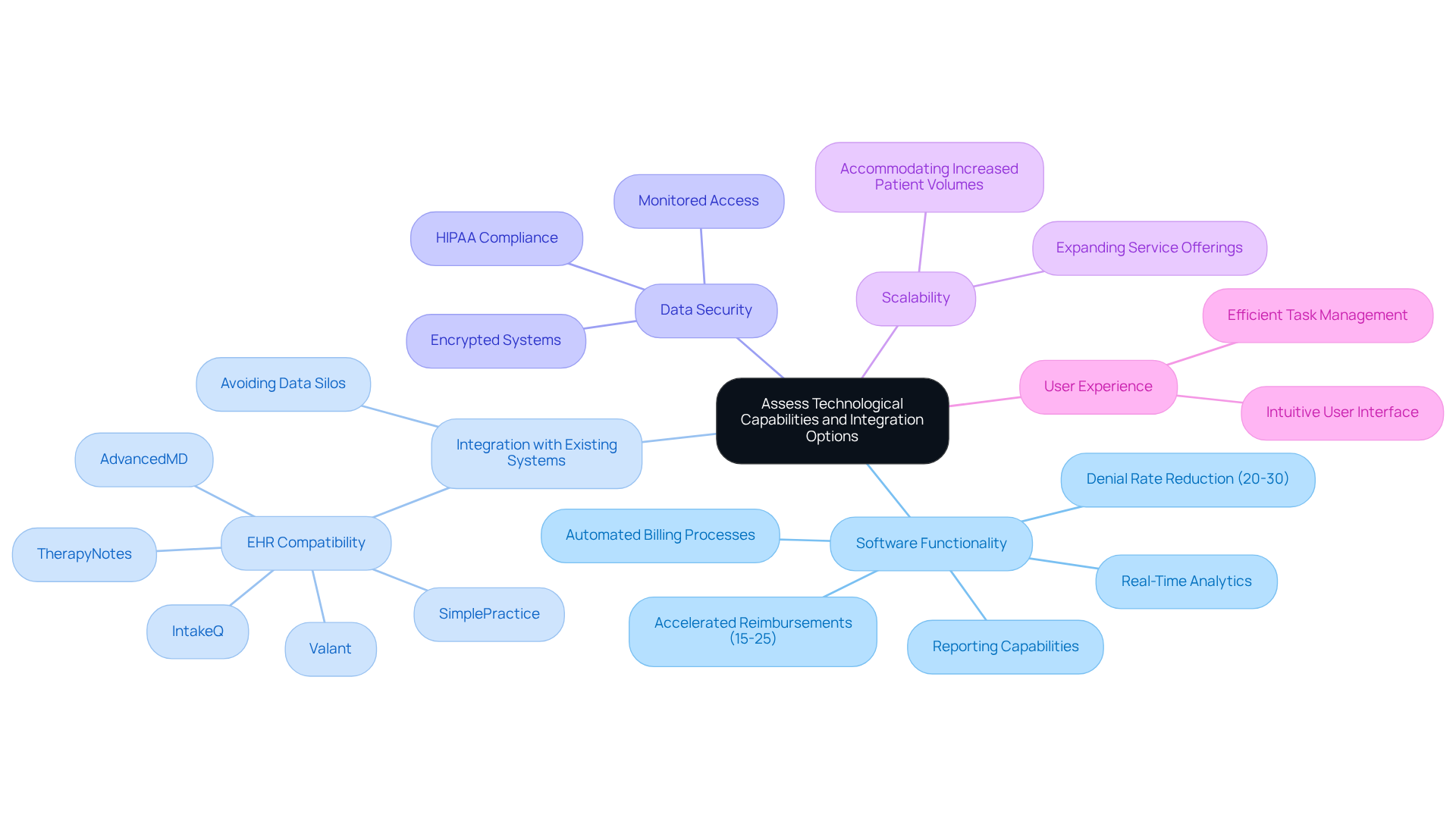
Selecting the right revenue cycle management vendors is critical for healthcare providers aiming to optimize their revenue cycle management and enhance operational efficiency. When evaluating RCM suppliers, it is essential to thoroughly assess their technological capabilities and integration options. Consider the following key aspects:
- Software Functionality: Examine the features of the software from the supplier, including automated billing processes, real-time analytics, and reporting capabilities that enhance visibility into the revenue cycle. Effective software can reduce denial rates by 20-30%. Additionally, it can accelerate reimbursements by 15-25% within 30-90 days. Healthcare Partners Consulting & Billing, LLC (HPC) offers comprehensive revenue cycle solutions tailored primarily to behavioral and mental health settings, ensuring that your clinic can efficiently handle its billing processes.
- Integration with Existing Systems: Ensure that the technology from the supplier can seamlessly integrate with your current EHR and practice management systems, such as TherapyNotes, SimplePractice, Valant, AdvancedMD, and IntakeQ. This integration is crucial to avoid disruptions and data silos, which can hinder operational efficiency. HPC’s solutions are designed to facilitate seamless integration, allowing for a more streamlined workflow.
- Data Security: Confirm that the supplier adheres to stringent data security protocols to protect sensitive patient information and comply with regulations such as HIPAA. A robust security framework is vital in today’s healthcare landscape, where cyber threats are prevalent. HPC prioritizes data security with strict adherence to HIPAA guidelines, utilizing encrypted systems and monitored access to safeguard patient data.
- Scalability: Evaluate if the technology can expand alongside your organization as it develops. This includes accommodating increased patient volumes and expanding service offerings without compromising performance. HPC’s flexible service plans are tailored to the size of your practice and can adapt as your needs evolve.
- User Experience: Assess the user interface and overall user experience of the software from the supplier. An intuitive and easy-to-navigate system is essential for ensuring that your staff can efficiently manage their tasks without unnecessary complications. HPC emphasizes user-friendly solutions that empower medical providers by removing administrative burdens, allowing them to focus on patient care.
Selecting the right revenue cycle management vendors, like Healthcare Partners Consulting & Billing, LLC (HPC), based on these technological capabilities is essential for enhancing operational efficiency and ensuring compliance. Failing to prioritize these technological capabilities may result in operational inefficiencies that could jeopardize patient care and financial stability.
Evaluate Vendor Reputation and Client Success Stories
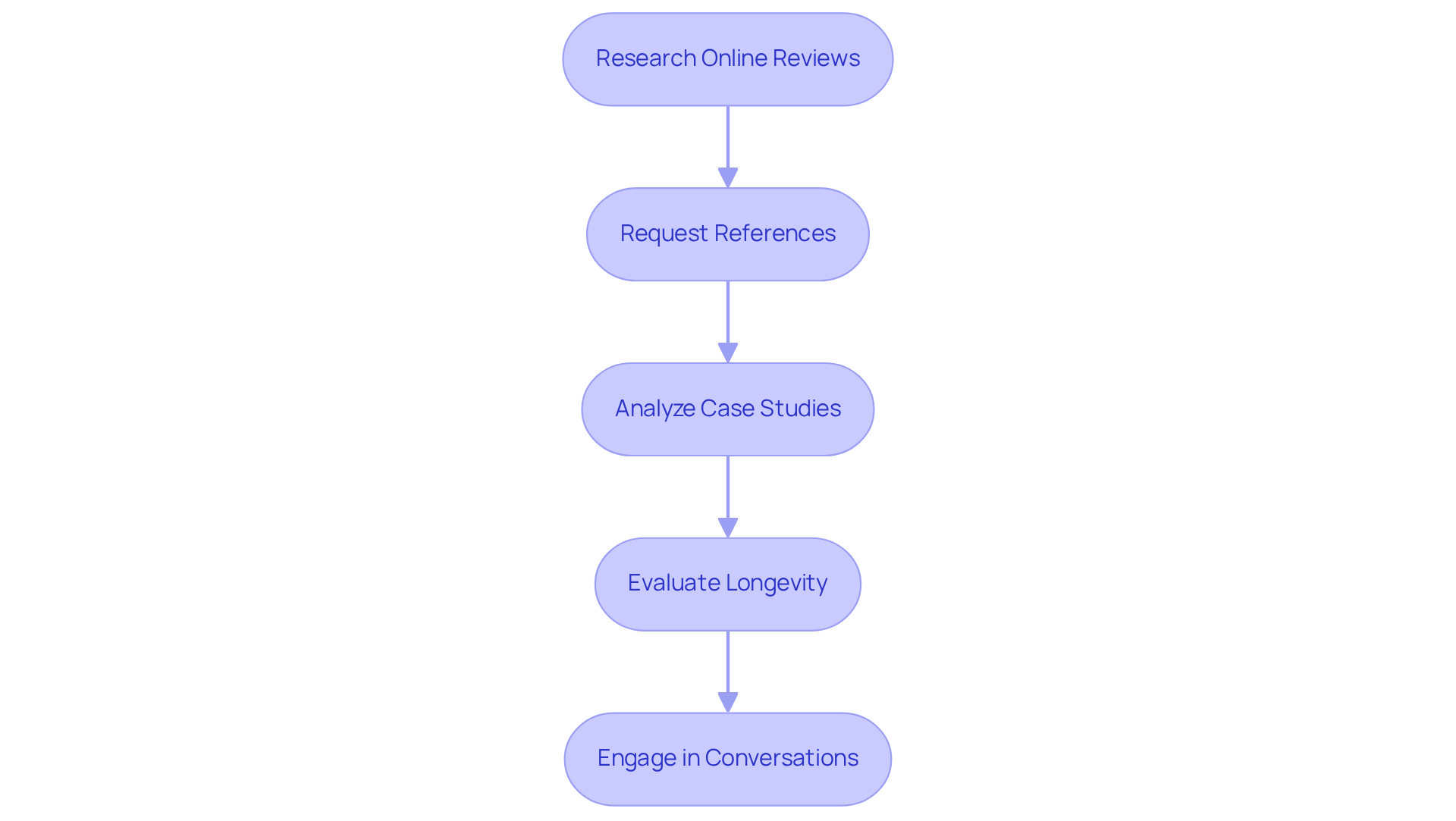
When selecting a revenue cycle management (RCM) partner, it is essential to evaluate their reputation and client success stories. Here are key steps to guide this evaluation:
- Research Online Reviews: Check reputable platforms for reviews and ratings to assess the supplier’s standing in the industry.
- Request References: Inquire with potential suppliers for references from current or former clients, particularly those in similar medical specialties, to gain insights into their experiences.
- Analyze Case Studies: Review case studies that demonstrate Healthcare Partners Consulting & Billing, LLC’s ability to enhance revenue cycle performance, focusing on metrics such as increased collections and reduced denial rates. Successful partnerships have shown denial reductions of 20-30% and faster reimbursement timelines of 15-25% within 30-90 days.
- Evaluate Longevity: Consider how long the supplier has been operating and their experience in the medical sector, as established entities are often more dependable.
- Engage in Conversations: Speak directly with current clients to understand their satisfaction levels and any challenges they faced while working with the service provider.
By thoroughly assessing partner reputation and client success stories, providers can select revenue cycle management vendors that have a proven track record of delivering results and fostering positive relationships. Failure to choose wisely can lead to operational inefficiencies and financial instability, particularly in mental health clinics where operational efficiency directly impacts patient care.
Ensure Compliance with Healthcare Regulations and Standards
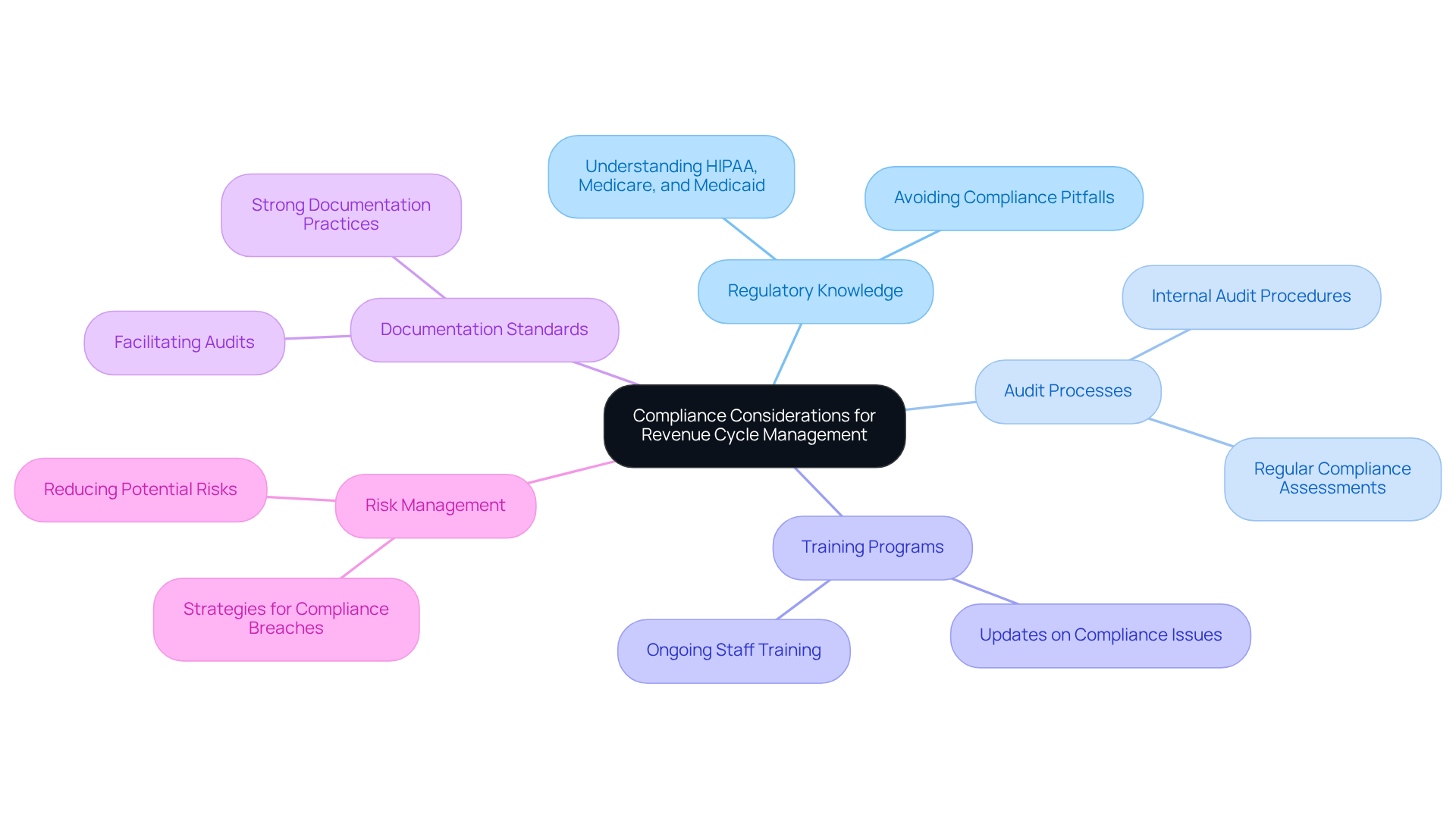
Choosing the right revenue cycle management vendors without a focus on compliance can expose healthcare providers to significant risks. When selecting revenue cycle management vendors, adhering to healthcare regulations and standards is crucial. Here are key considerations to ensure a compliant partnership:
- Regulatory Knowledge: Confirm that the supplier possesses a thorough understanding of relevant regulations, including HIPAA, Medicare, and Medicaid requirements, to avoid compliance pitfalls that could jeopardize your operations.
- Audit Processes: Inquire about the supplier’s internal audit procedures to ensure they regularly assess their methods for compliance and accuracy, which is essential for maintaining operational integrity.
- Training Programs: Evaluate whether the supplier provides ongoing training for their staff on compliance issues, coding updates, and regulatory changes, ensuring they remain informed and maintain high standards.
- Documentation Standards: Confirm that the supplier has strong documentation standards established to support compliance and facilitate audits when necessary, which can assist in reducing risks linked to regulatory scrutiny.
- Risk Management: Assess the supplier’s approach to risk management, including their strategies for addressing compliance breaches and reducing potential risks, to protect your organization against regulatory challenges.
Ultimately, a commitment to compliance can transform potential vulnerabilities into opportunities for operational excellence and financial stability.
Conclusion
Navigating the complexities of vendor selection can be daunting for healthcare providers, especially in the behavioral and mental health sectors. Selecting a revenue cycle management vendor requires thorough analysis and strategic foresight. The core message emphasizes the importance of choosing a partner that not only understands the unique challenges of the healthcare landscape but also prioritizes compliance, technology integration, and a commitment to empowering providers. By focusing on these aspects, healthcare organizations can enhance their operational efficiency and ultimately improve patient care.
Throughout the article, key criteria for selecting RCM vendors have been outlined, including:
- Specialization in the healthcare sector
- The scope of services offered
- Technological capabilities
- Customer support
- Performance metrics
Additionally, the significance of evaluating vendor reputation through client success stories and ensuring compliance with healthcare regulations has been highlighted. These factors collectively contribute to a more informed decision-making process, enabling providers to select a vendor that aligns with their operational goals and enhances their financial health.
In conclusion, choosing the right partner can significantly impact both operational efficiency and the quality of patient care delivered. By prioritizing vendors such as Healthcare Partners Consulting & Billing, LLC (HPC), known for their integrity, transparency, and innovative solutions, healthcare providers can alleviate administrative burdens and concentrate on what truly matters – delivering exceptional patient care. Engaging with a dedicated billing team and ensuring compliance with healthcare standards not only safeguards financial stability but also fosters a culture of excellence within healthcare practices. For further assistance, reach out to HPC at info@hpcbilling.com or call 888-517-4992 to explore tailored solutions that meet your specific needs.
Frequently Asked Questions
What is the importance of selecting the right Revenue Cycle Management (RCM) vendor?
Selecting the right RCM vendor is crucial for healthcare providers as it can significantly impact the organization’s financial health and operational efficiency.
What key selection criteria should be considered when choosing an RCM vendor?
Key selection criteria include specialization in the specific healthcare specialty, service scope, technology integration, customer support, and performance metrics.
Why is specialization important when selecting an RCM vendor?
Specialization is important because the vendor should have experience in your specific healthcare specialty, particularly in mental health, and be familiar with relevant payer contracts and regulations.
What services should an RCM vendor provide?
An RCM vendor should provide a variety of services, including billing, coding, claims oversight, and denial resolution, to meet the organization’s needs.
How can effective RCM approaches benefit an organization?
Effective RCM approaches can lead to a 20-30% decrease in denial rates and quicker reimbursements of 15-25% within 30-90 days.
What should be evaluated regarding technology integration with an RCM vendor?
It is essential to evaluate whether the vendor’s technology can seamlessly connect with your current systems, such as Electronic Health Records (EHR) and practice software, to prevent operational inefficiencies.
What role does customer support play in selecting an RCM vendor?
Robust customer support, including dedicated account management and responsive communication channels, is vital for maintaining transparency and accountability.
What performance metrics should be considered when assessing an RCM vendor?
Consider how the service provider measures success through key performance indicators (KPIs) like claim denial rates, collection times, and overall revenue lift, as well as scorecard-driven adjustments tied to claims accuracy and days in accounts receivable.