

Introduction
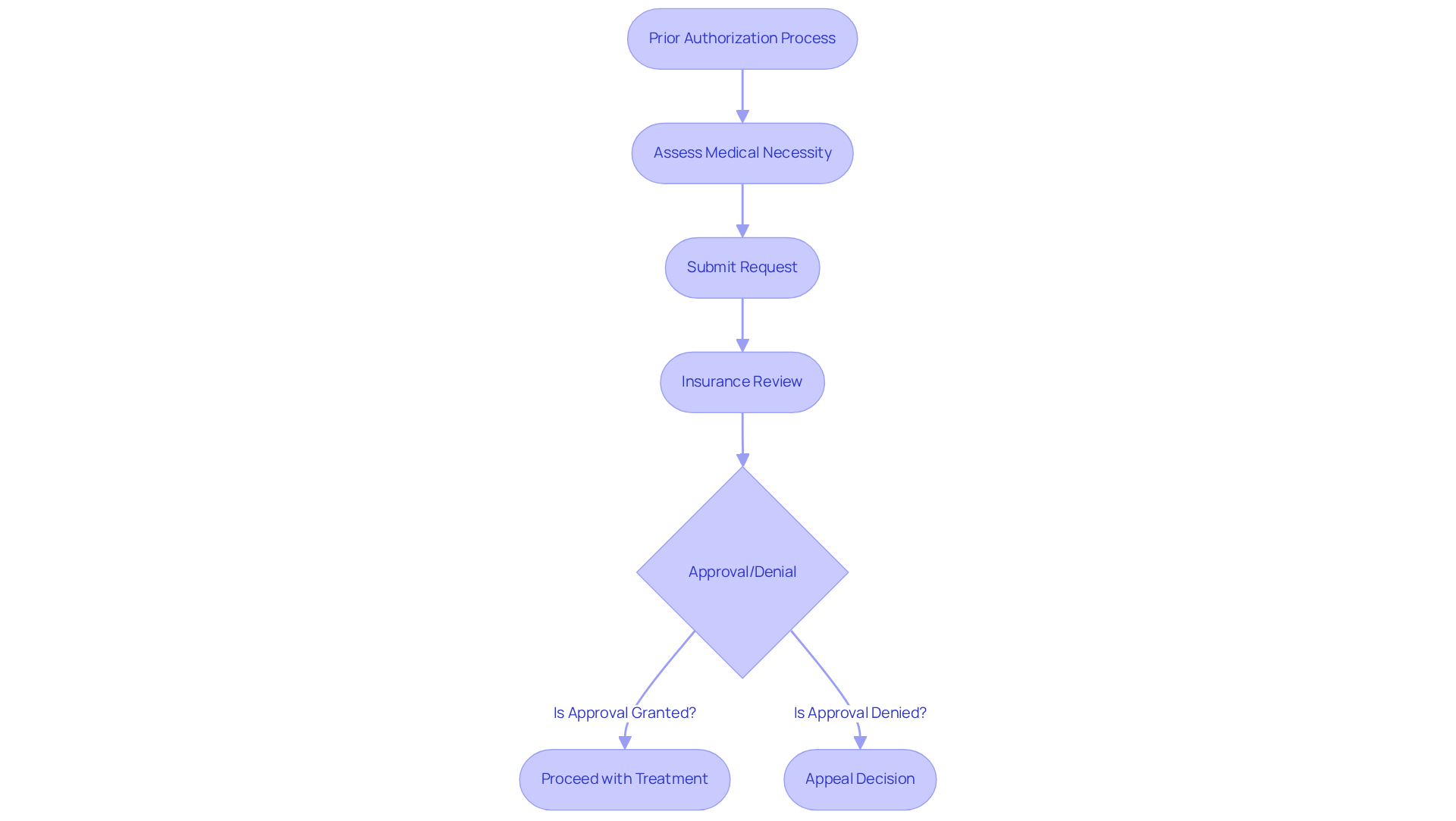
The prior authorization process presents significant challenges that can impede timely patient access to necessary medications. This process assesses the medical necessity of treatments and is vital for patient care and satisfaction. These complexities often result in delays that can jeopardize patient health.
To mitigate these delays, healthcare providers must adopt strategies that streamline the prior authorization process. Addressing these challenges is crucial for improving patient care and ensuring timely access to essential treatments.
Understand Prior Authorization: Definition and Importance
Prior approval is a critical procedure that health coverage providers use to assess the medical necessity of prescribed medications, impacting patient care significantly. Delays in obtaining essential treatments can lead to adverse health outcomes for patients. Healthcare professionals, particularly in mental health, must understand how to do a prior authorization for medication to navigate insurance complexities and ensure timely patient care.
This process serves as a cost-control mechanism for insurers, preventing unnecessary treatments and ensuring adherence to evidence-based guidelines. In mental health, timely access to medication is crucial. Understanding the complexities of prior approvals is vital for maintaining client trust and ensuring continuity of care.
Healthcare Partners Consulting provides extensive administrative and billing solutions that can help mental health practices learn how to do a prior authorization for medication more effectively. By streamlining these administrative tasks, providers can focus more on client interactions rather than navigating bureaucratic challenges, thereby enhancing care quality.
Recent initiatives, such as UnitedHealthcare’s decision to reduce prior authorization requirements by 30%, highlight a growing recognition of the need to streamline these processes. This reduction aims to enhance efficiency and accessibility, allowing healthcare providers to improve access to necessary medications. Improved access to necessary medications can lead to enhanced patient satisfaction and better overall health outcomes. Moreover, this initiative is part of a wider strategy to streamline submission requirements among various insurers, which is anticipated to lessen administrative burdens and improve overall care. As these initiatives evolve, they promise to reshape the landscape of healthcare delivery, ensuring that patients receive timely and necessary treatments.
Initiate the Prior Authorization Request: Step-by-Step Process
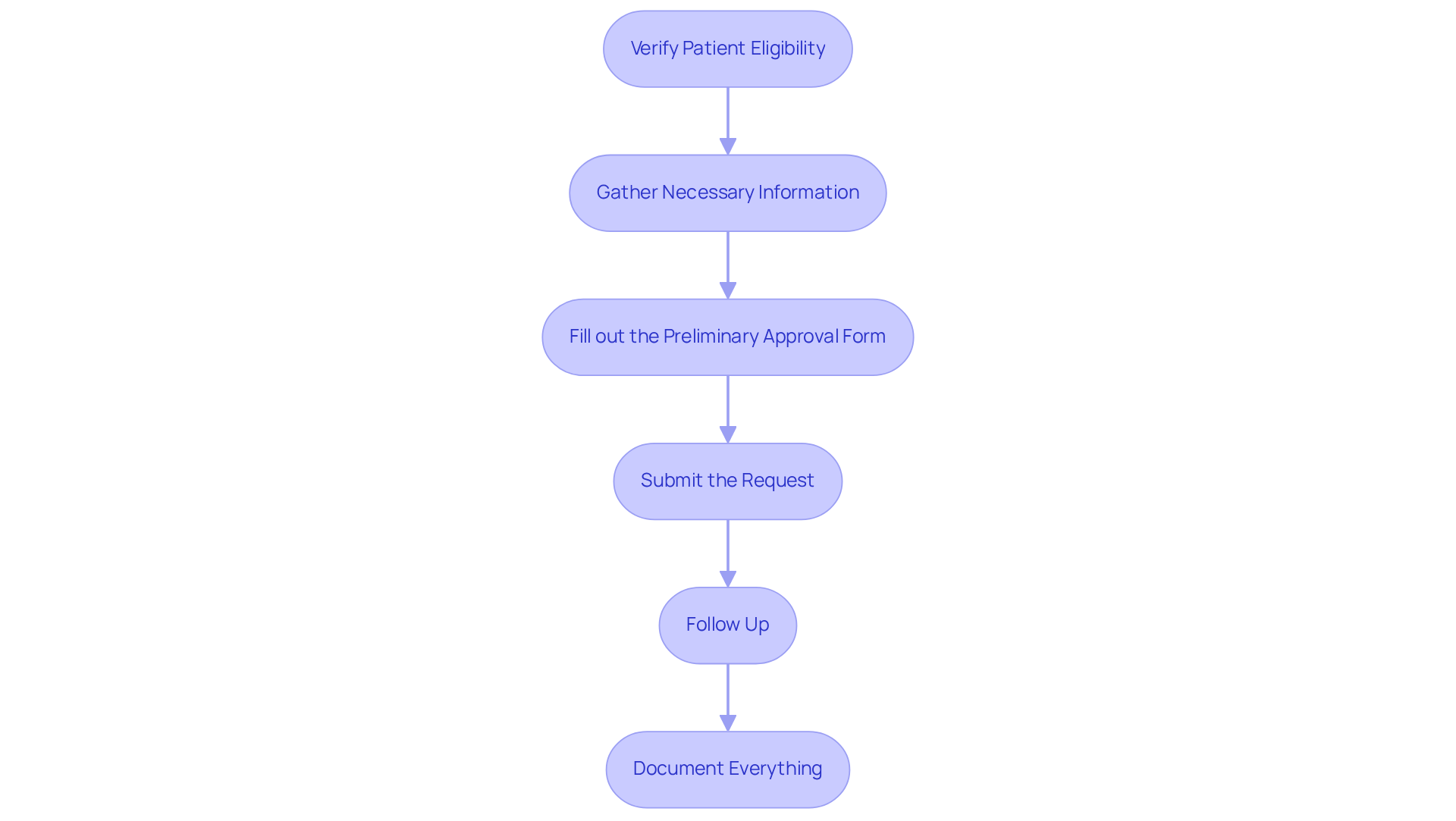
- Verify Patient Eligibility: Prior authorization requests can be complex, requiring careful attention to detail and adherence to specific protocols. Before learning how to do a prior authorization for medication, ensure that the patient’s health plan requires prior approval for the prescribed medication. This can typically be verified through the provider’s website or by contacting their customer support directly. Understanding the coverage criteria can be complex and may lead to delays if not addressed properly.
- Gather Necessary Information: Collect all relevant patient details, including their coverage information, medical history, and the specific medication prescribed. This information is essential for understanding how to do a prior authorization for medication accurately.
- Fill out the Preliminary Approval Form: Access the appropriate preliminary approval form, which is frequently available on the provider’s website. Fill out the form with the gathered information, ensuring that all required fields are completed to avoid delays.
- Submit the Request: Send the completed prior approval form to the provider. Requests for how to do a prior authorization for medication may be submitted electronically, via fax, or by mail, contingent upon the insurer’s specific requirements.
- Follow Up: After submission, follow up with the insurance company to confirm receipt of the request and inquire about the expected timeline for a decision. Most medication approval requests are handled within 24 hours, making timely monitoring of this process crucial to ensure prompt patient care.
- Document Everything: Keep a record of all communications and submissions related to the prior approval request. This documentation can be invaluable in case of disputes or delays. In uncommon situations, individuals may need to submit a request for approval themselves, so it’s essential to keep them updated. Furthermore, be mindful that prior approvals have expiration dates established by providers, which is crucial for managing ongoing care and treatment plans. Neglecting to document communications can lead to significant delays and complications in patient care.
Navigate Challenges: Troubleshooting Common Issues in Prior Authorization
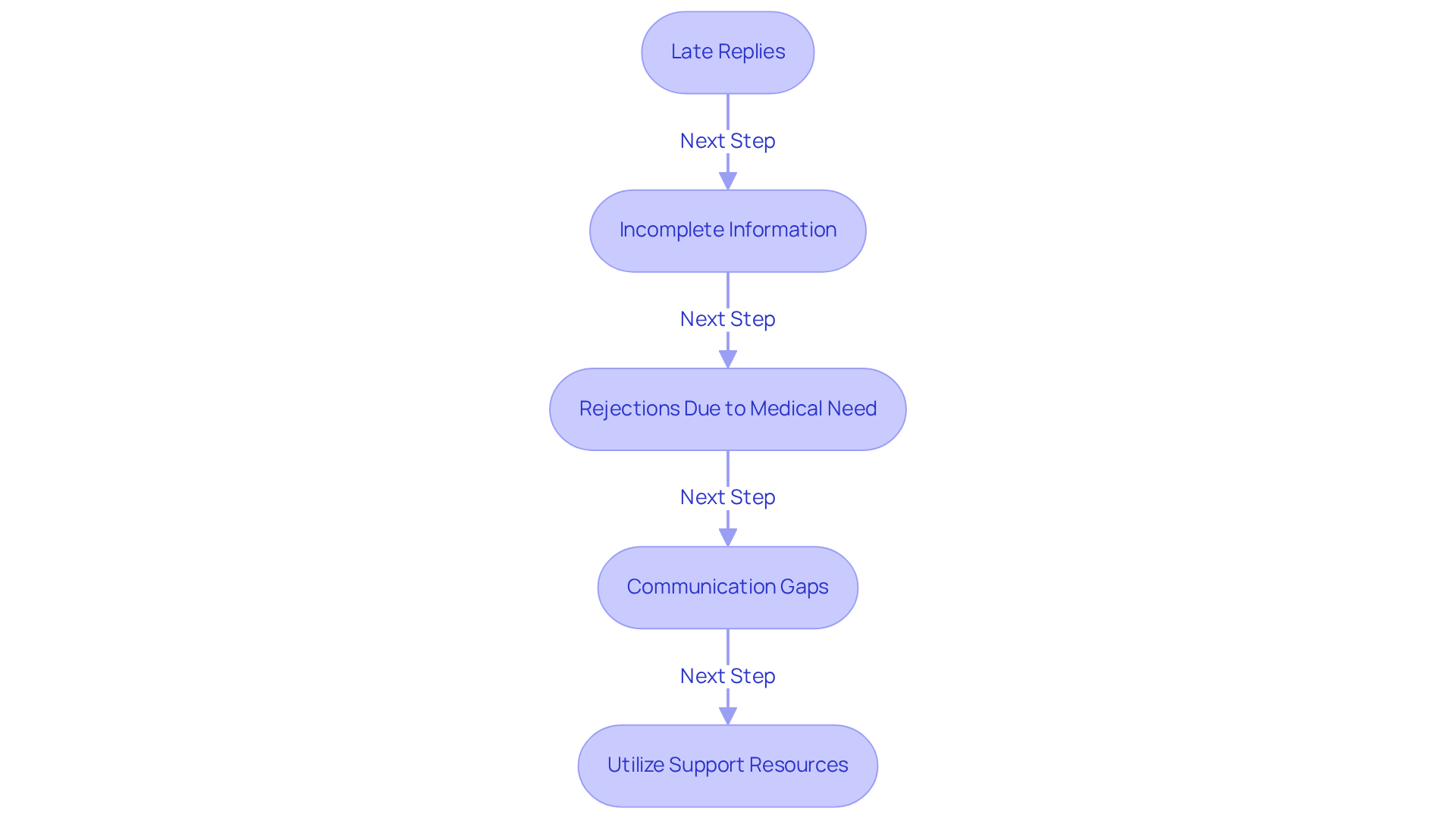
- Late Replies: Timely communication with coverage providers is crucial to ensure the status of approval requests is accurately tracked. Record the date and time of your inquiry to facilitate future reference and expedite the process.
- Incomplete Information: A common reason for denial is the submission of incomplete information. Thoroughly examine the denial notice to pinpoint any missing documentation. Ensuring that all required materials are included in future requests can significantly reduce the likelihood of similar issues arising.
- Rejections Due to Medical Need: If a previous approval is refused due to medical necessity, it is important to collect further supporting documentation from the individual’s medical records. This should include notes from prior consultations or treatment plans that substantiate the medical necessity for the prescribed medication.
- Communication Gaps: Maintaining open channels of dialogue with both the client and the coverage provider is essential. Regularly update the patient on their approval status to manage expectations and minimize frustration, thereby enhancing the patient-provider relationship.
- Utilize Support Resources: Numerous insurance providers present resources or specialized support teams to aid with advance approval requests. Seek assistance promptly if you encounter persistent issues, as these resources provide critical guidance in navigating the approval process.
Leverage Technology: Utilizing Electronic Prior Authorization Tools
Understanding how to do a prior authorization for medication can be a significant challenge for healthcare practices, often leading to delays and increased administrative burdens.
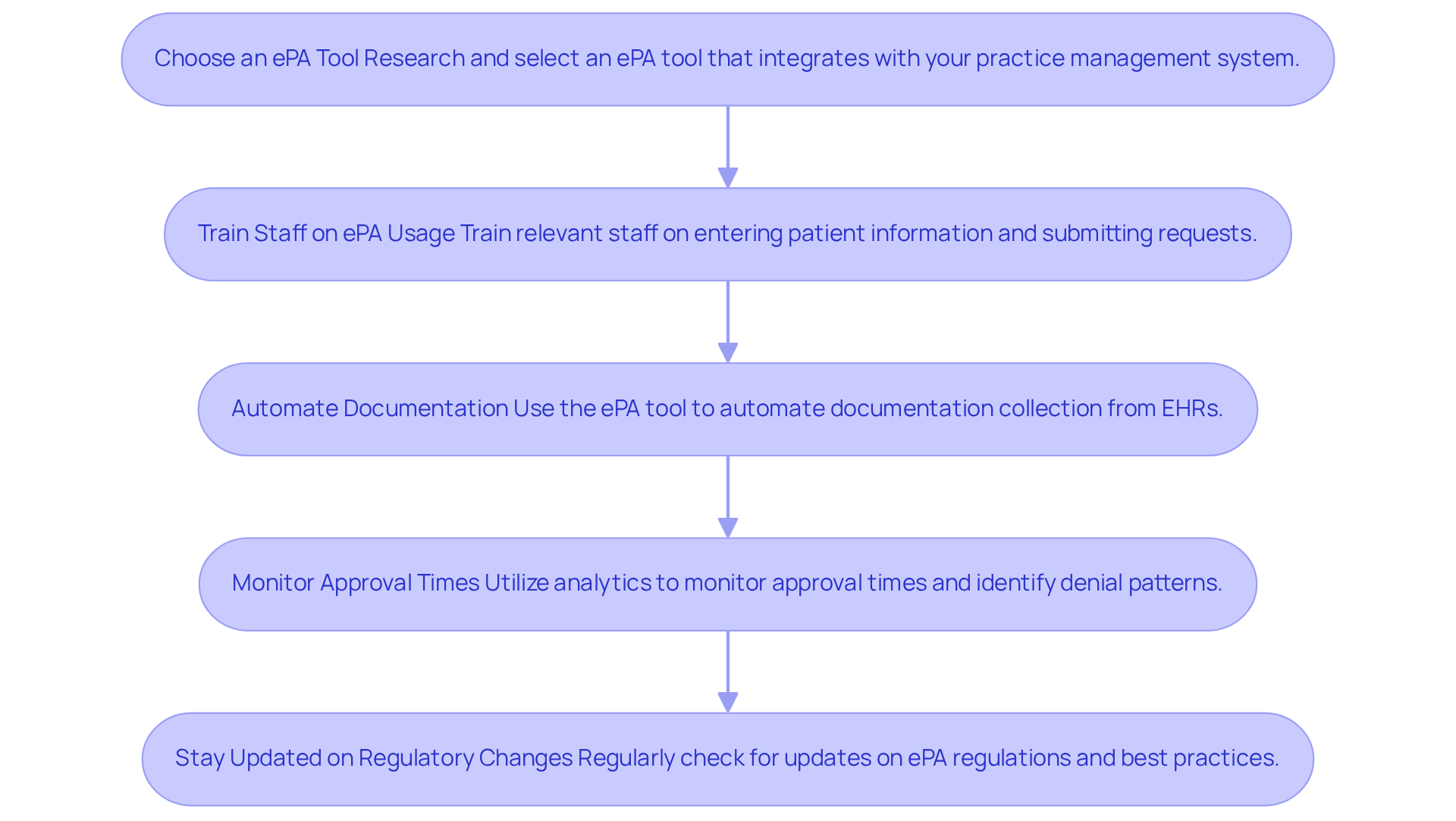
- Choose an Electronic Prior Authorization (ePA) Tool: Begin by researching and selecting an ePA tool that seamlessly integrates with your practice management system. Tools like CoverMyMeds and Surescripts are popular choices, known for streamlining the submission process and enhancing efficiency. Automated solutions can reduce processing times to just 2-3 minutes per request, significantly improving workflow.
- Train Staff on ePA Usage: Training all relevant staff is essential. This training should cover how to do a prior authorization for medication, including entering patient information, submitting requests, and effectively monitoring the status of previous approvals. Involving all stakeholders aligns with ePA goals and responsibilities.
- Automate Documentation: Leverage the ePA tool to automate the collection of necessary documentation. Many ePA systems can directly pull data from electronic health records (EHRs), significantly reducing the time spent on manual data entry and minimizing human error. The AMA advocates for the use of ePA systems to alleviate administrative burdens, making this automation essential.
- Monitor Approval Times: Utilize the analytics features of your ePA tool to monitor approval times and identify patterns in denials. This information is essential for modifying your procedures, ultimately enhancing the effectiveness of earlier request approvals. Practices that implement automated solutions have reported a decrease in administrative costs by 40-60%. Additionally, predictive analytics can help providers adjust submission strategies based on historical data, enhancing decision-making.
- Stay Updated on Regulatory Changes: Regularly check for updates regarding ePA regulations and best practices. Keeping up-to-date will assist your practice in staying compliant and utilizing new features that can improve the previous approval process. Engaging with resources from organizations like the AMA, including their 3-part ePA video series and prior authorization tip guide, can provide valuable insights into the latest trends and tools available in the market.
By embracing ePA tools and staying informed on regulatory changes, practices can not only streamline their workflows but also enhance patient care.
Conclusion
Navigating the prior authorization process is crucial for healthcare providers to ensure timely and effective patient care. This guide outlines the significance of prior authorization, emphasizing its role in ensuring that prescribed treatments are medically necessary while also managing costs for insurers. Mastering the steps involved is essential to prevent delays that can critically impact patient outcomes.
Key insights discussed include:
- The importance of verifying patient eligibility
- Gathering necessary information
- Effectively communicating with insurance providers
The step-by-step process detailed in the guide equips practitioners with the tools needed to submit requests accurately and follow up diligently. Additionally, addressing common challenges such as incomplete submissions and communication gaps can significantly enhance the efficiency of the prior authorization process.
Ultimately, embracing technology, particularly through electronic prior authorization tools, can streamline workflows and reduce administrative burdens. Integrating these tools and staying updated on regulatory changes can enhance operational efficiency and ensure timely access to necessary medications for patients. Transforming prior authorization into a streamlined process can significantly enhance patient care and operational efficiency.
Frequently Asked Questions
What is prior authorization in healthcare?
Prior authorization is a procedure used by health coverage providers to assess the medical necessity of prescribed medications before they are approved for coverage.
Why is prior authorization important?
It is important because it impacts patient care significantly; delays in obtaining essential treatments can lead to adverse health outcomes for patients.
How does prior authorization function as a cost-control mechanism?
It serves as a cost-control mechanism for insurers by preventing unnecessary treatments and ensuring adherence to evidence-based guidelines.
Why is understanding prior authorization particularly crucial in mental health?
Timely access to medication is crucial in mental health, and understanding the complexities of prior approvals helps maintain client trust and ensures continuity of care.
How can Healthcare Partners Consulting assist mental health practices with prior authorization?
Healthcare Partners Consulting provides administrative and billing solutions that help mental health practices learn how to do prior authorization for medication more effectively, allowing providers to focus on client interactions.
What recent initiative has been taken to reduce prior authorization requirements?
UnitedHealthcare has decided to reduce prior authorization requirements by 30% to enhance efficiency and accessibility for healthcare providers.
What are the expected outcomes of reducing prior authorization requirements?
Improved access to necessary medications can lead to enhanced patient satisfaction and better overall health outcomes, while also reducing administrative burdens for providers.
How might these initiatives reshape healthcare delivery?
As these initiatives evolve, they promise to streamline submission requirements among various insurers, ensuring that patients receive timely and necessary treatments.