

Introduction
Healthcare providers face significant challenges in managing surgical pathology billing, particularly regarding CPT Code 88305. This code plays a crucial role in ensuring accurate reimbursement for moderate complexity biopsies and serves as a foundation for compliance and financial stability within medical practices. As the landscape of coding continues to evolve, implementing best practices is essential to mitigate errors and enhance billing efficiency.
Understand CPT Code 88305: Definition and Importance
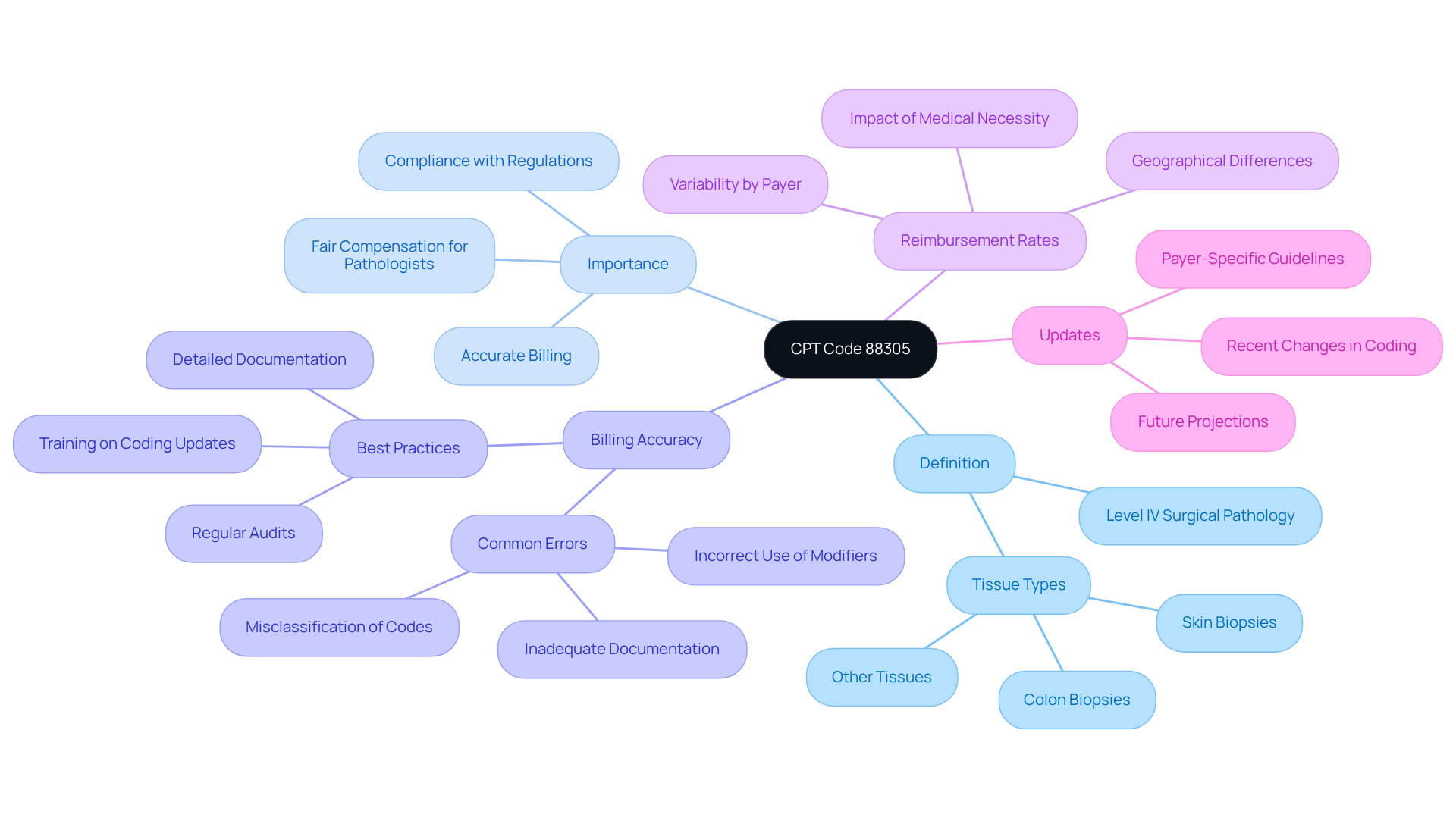
The surgical pathology procedure cpt code 88305 is essential in Level IV surgical pathology, as it includes both gross and microscopic analysis of tissue samples. This code is primarily utilized for biopsies that necessitate moderate complexity, such as those from skin, colon, or other tissues. Understanding the surgical pathology procedure cpt code is crucial for healthcare providers, as it directly affects billing accuracy and reimbursement rates.
The precise use of the surgical pathology procedure CPT code ensures that pathologists are fairly compensated for their services, which reflects the complex expertise required in assessing tissue samples. Moreover, accurate coding not only ensures compliance with healthcare regulations but also significantly reduces the risk of audits and claim rejections from payers.
Recent updates indicate that reimbursement rates for CPT may vary based on geographical location and payer policies, underscoring the importance of staying informed about coding changes and payer-specific guidelines to optimize financial outcomes.
Implement CPT Code 88305: Procedures and Best Practices
To implement CPT Code 88305 effectively, it is essential to adhere to best practices that ensure accuracy and compliance:
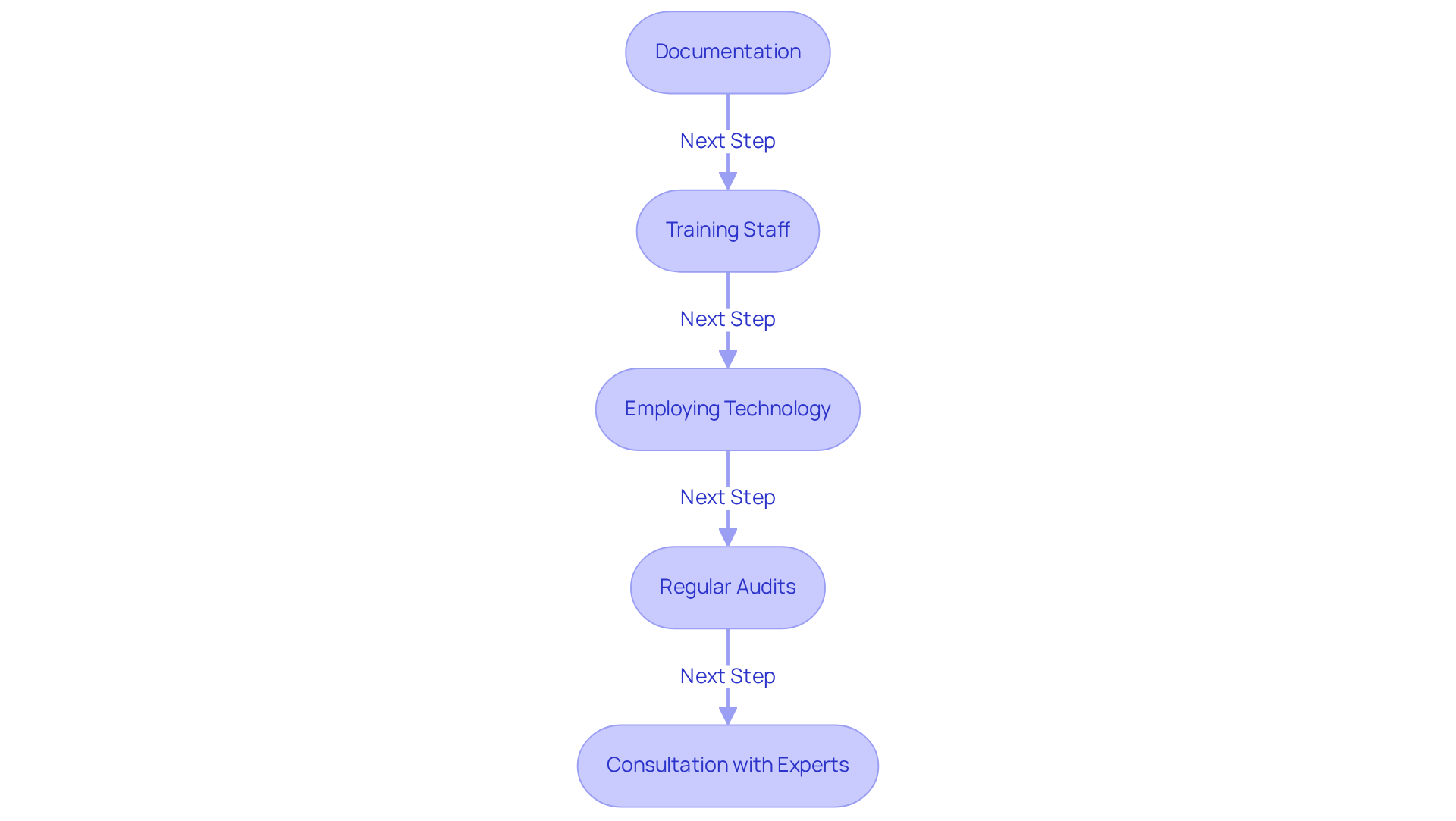
- Documentation: Ensure that all tissue specimens are thoroughly documented, including the type of biopsy, the clinical indication, and the pathologist’s findings. Precise documentation is crucial for validating the application of CPT during audits and can greatly decrease claim rejections. Accurate claims are crucial for successful audits and reducing rejections.
- Training Staff: Provide regular training for the financial staff on the specifics of CPT 88305, including when to use it and how to avoid common errors. Regular training improves accuracy and reduces errors. This leads to better financial outcomes for practices. Using AI-driven medical classification tools can really boost training efforts and assist in avoiding denials, in line with Healthcare Partners Consulting’s dedication to transforming medical payment processes.
- Employing Technology: Utilize invoicing software that features support for CPT codes. This technology can assist in minimizing mistakes and optimizing the invoicing process, ensuring adherence to the latest classification standards. Automated solutions enhance efficiency in claim generation, a key focus of Healthcare Partners Consulting’s practice management services.
- Regular Audits: Conduct regular audits of billing practices to ensure adherence to CPT classification guidelines. These audits help identify areas for improvement and reduce the risk of claim denials, ultimately enhancing revenue cycle management. Without regular audits, practices risk non-compliance and potential revenue loss, which is a service provided by Healthcare Partners Consulting to enhance practice management.
- Consultation with Experts: Engage with programming specialists or consultants who can provide insights into the latest programming practices and reimbursement strategies related to CPT 88305. Collaborating with experts offers valuable guidance in navigating complex coding requirements and addressing specific challenges faced by mental health clinics, such as variations in payer policies and geographic factors affecting reimbursement. Healthcare Partners Consulting can assist in this area, providing comprehensive medical billing solutions to streamline operations for exceptional patient care.
By following these best practices, practices can enhance their financial outcomes and ensure compliance with CPT guidelines.
Avoid Common Pitfalls: Errors and Solutions in Using CPT Code 88305
Common pitfalls when using CPT Code 88305 include:
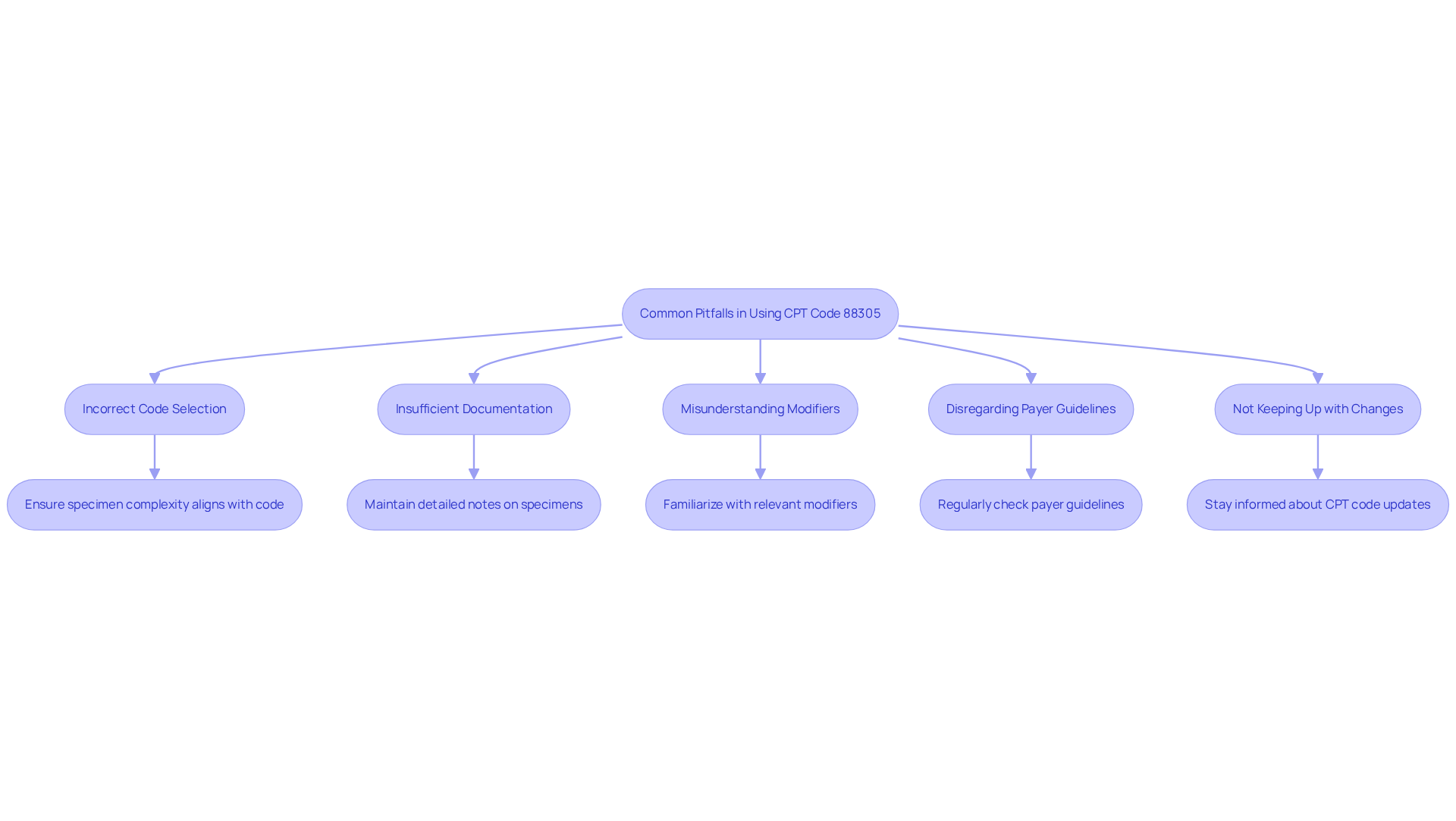
- Incorrect Code Selection: A frequent error involves selecting the CPT code for specimens that do not meet Level IV complexity requirements. It is essential to ensure that the complexity of the specimen aligns with the code used to avoid claim denials, which can significantly impact revenue and operational efficiency.
- Insufficient Documentation: Inadequate documentation is a leading cause of claim denials. Detailed notes on specimen type, clinical indications, and pathologist interpretations are essential for effective claim support.
- Misunderstanding Modifiers: Incorrect use of modifiers can lead to payment delays or denials. Familiarize yourself with relevant modifiers for CPT code, such as modifier 91 for repeat tests, to ensure precise invoicing.
- Disregarding Payer Guidelines: Each insurer may have specific criteria for charging CPT code. Regularly check the latest guidelines from each payer to ensure compliance and avoid unnecessary denials, as failure to comply can lead to financial losses and operational setbacks.
- Not Keeping Up with Changes: CPT codes are frequently updated. Remaining informed about modifications to CPT codes and associated classifications is essential for preventing invoicing mistakes. Consistently review materials like updates from the American Medical Association (AMA) and coding newsletters to uphold precision in financial practices.
Navigating the complexities of the surgical pathology procedure CPT code 88305 requires meticulous attention to detail to avoid common pitfalls that can lead to significant financial repercussions. Ultimately, staying informed and diligent in coding practices is crucial for safeguarding against costly errors.
Stay Informed: Updates and Changes in Surgical Pathology CPT Codes
Healthcare providers face significant challenges in keeping up with the evolving landscape of surgical pathology procedure CPT code, particularly CPT 8830X. Key updates for 2026 include:
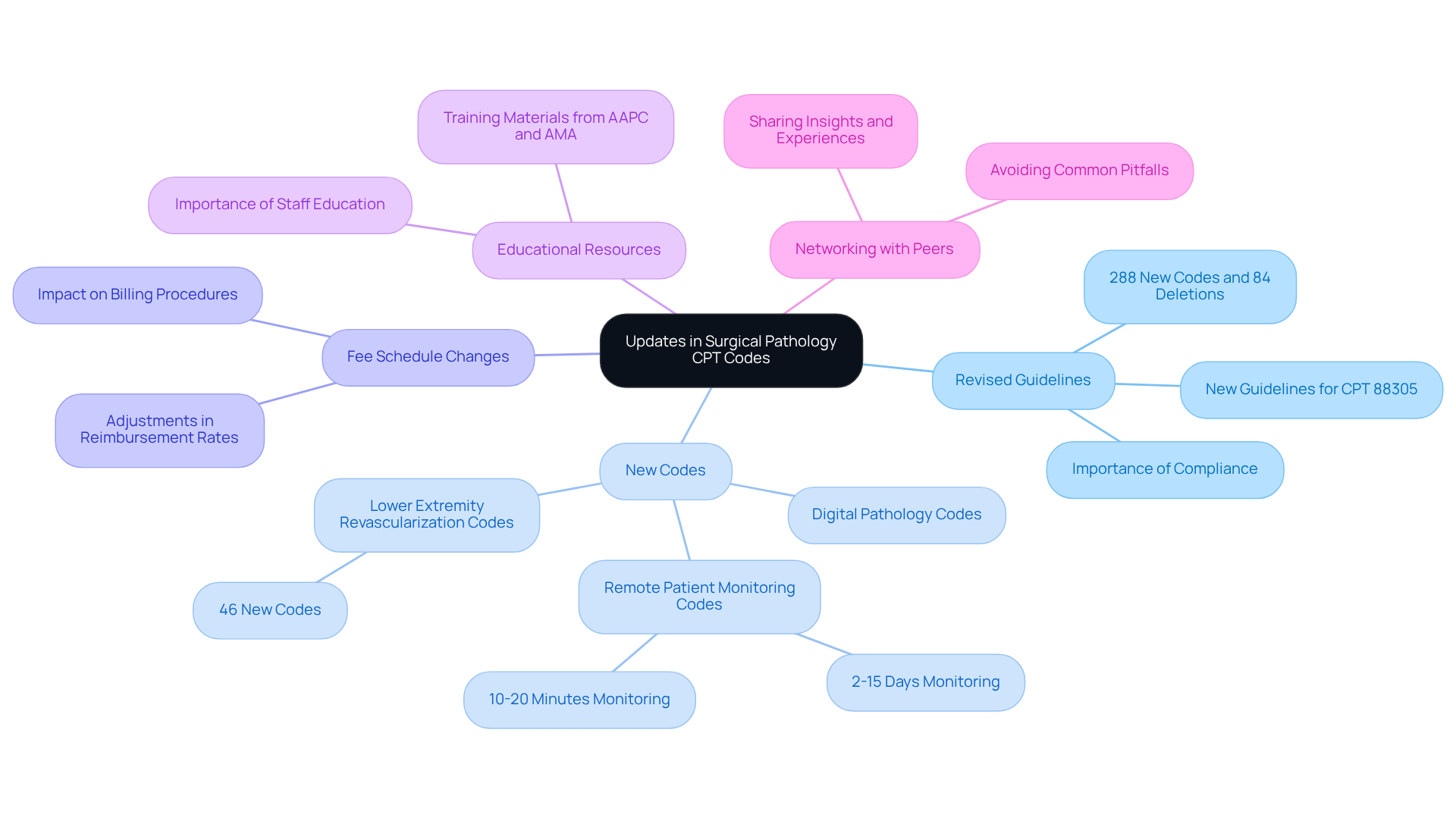
- Revised Guidelines: The American Medical Association (AMA) has introduced new guidelines that significantly affect the charging of CPT 88305. Consistently examining these guidelines is crucial for ensuring compliance and enhancing charging practices. The AMA 2026 update includes 288 new codes and 84 deletions, highlighting the extensive changes in the classification landscape.
- Familiarize yourself with newly introduced surgical pathology procedure CPT codes related to surgical pathology, such as those for digital pathology, which may alter billing procedures and service categorization. These changes reflect the evolving nature of pathology services and the need for accurate coding.
- Fee Schedule Changes: Stay informed about adjustments in reimbursement rates associated with CPT 88305. Practices may struggle to adapt to these changes without a clear understanding of the new guidelines. The AMA stresses that these updates are intended to enhance procedural distinction and specificity in classification.
- Educational Resources: Utilize materials from professional organizations such as the AAPC and AMA to obtain training resources and updates on billing practices. These resources can provide valuable insights into navigating the changing landscape of surgical pathology finance, specifically regarding the surgical pathology procedure CPT code.
- Networking with Peers: Connect with fellow healthcare providers and financial professionals to share insights and experiences regarding coding updates and best practices. Engaging in discussions can improve the implementation of the latest guidelines. Additionally, be cautious of common pitfalls in applying the new guidelines, as misapplication can lead to billing errors and compliance issues. Failure to stay informed may jeopardize financial stability and compliance within healthcare practices.
Conclusion
Mastering CPT code 88305 is essential for healthcare providers seeking to optimize their billing practices and ensure compliance. This code helps ensure accurate reimbursement for complex tissue analyses and is vital for compliance with healthcare regulations. Understanding and effectively implementing this code is crucial for safeguarding financial health and optimizing operational efficiency.
Key insights from this article highlight the importance of meticulous documentation, staff training, and the use of technology in navigating the complexities of CPT 88305. Additionally, navigating the complexities of CPT 88305 can lead to significant challenges if common pitfalls are not addressed, such as incorrect code selection and insufficient documentation. Regular audits and consultations with experts further bolster the accuracy and effectiveness of billing practices, ensuring that providers remain compliant and financially stable. Without proper adherence to these practices, providers risk not only financial losses but also jeopardizing their compliance status.
In a rapidly changing landscape, staying informed about updates and changes to surgical pathology CPT codes is imperative. Engaging with professional resources and peer networks can provide invaluable support in adapting to new guidelines and enhancing billing accuracy. Ultimately, the commitment to these best practices can significantly enhance both financial outcomes and the integrity of the healthcare system.
Frequently Asked Questions
What is CPT code 88305?
CPT code 88305 refers to a surgical pathology procedure that includes both gross and microscopic analysis of tissue samples, primarily used for biopsies of moderate complexity from various tissues such as skin or colon.
Why is understanding CPT code 88305 important for healthcare providers?
Understanding CPT code 88305 is crucial for healthcare providers because it directly impacts billing accuracy and reimbursement rates, ensuring that pathologists are fairly compensated for their services.
How does accurate coding affect compliance and audits?
Accurate coding ensures compliance with healthcare regulations and significantly reduces the risk of audits and claim rejections from payers.
Do reimbursement rates for CPT code 88305 vary?
Yes, reimbursement rates for CPT code 88305 may vary based on geographical location and payer policies, highlighting the importance of staying informed about coding changes and payer-specific guidelines.