
Introduction
Accurate coding for well-child visits is essential for delivering high-quality pediatric care. As healthcare providers navigate the complexities of Well Child CPT codes 2026, the opportunity to enhance revenue cycle management while ensuring comprehensive patient care becomes paramount. Frequent updates and the risk of claim denials complicate the coding process, making it essential for clinics to master these practices to enhance operational efficiency and ensure better patient care.
Understand Well Child CPT Codes and Their Importance
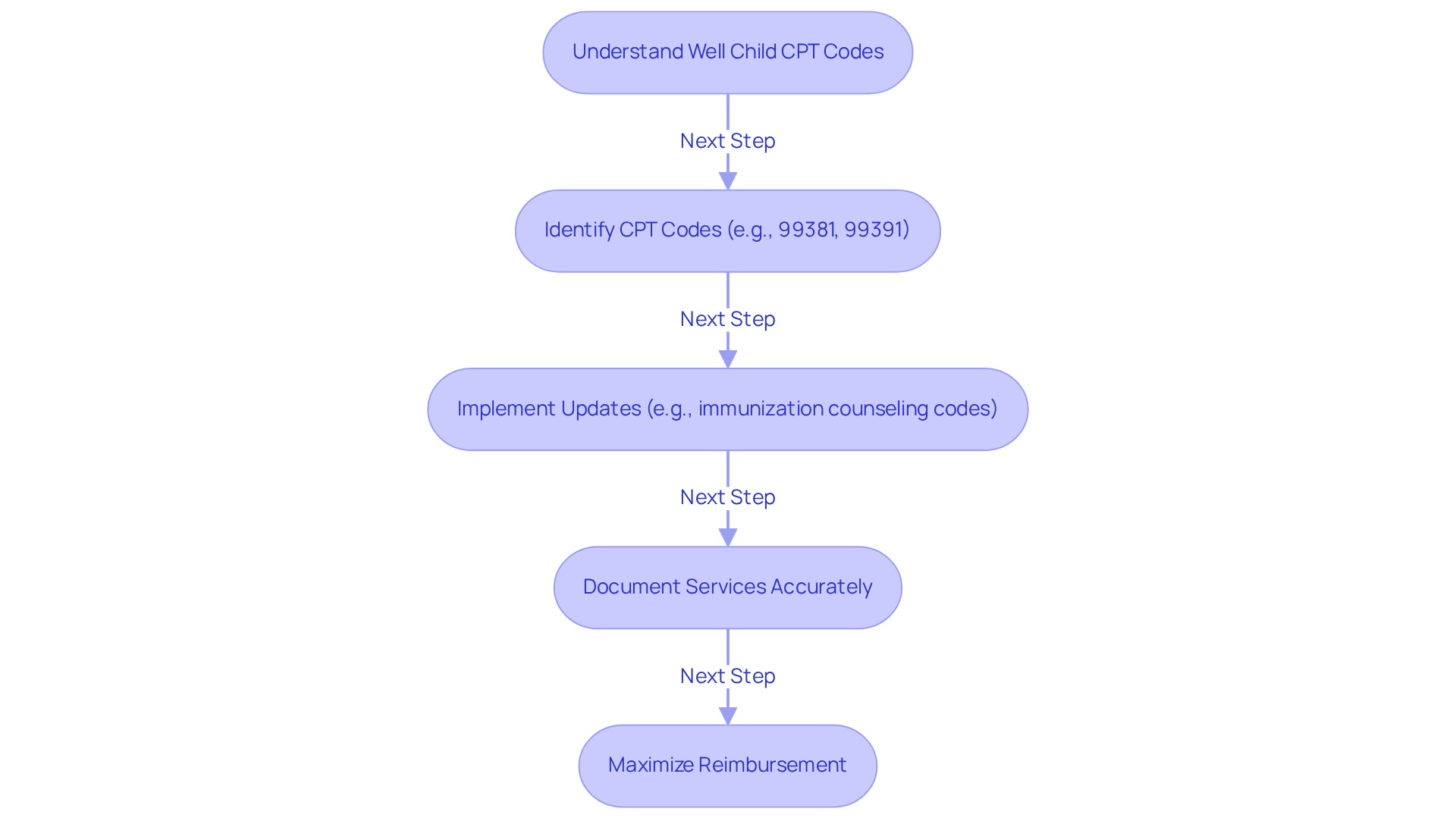
Accurate billing for preventive care services in pediatrics hinges on the effective use of well child CPT codes 2026. These identifiers, such as 99381 for new patients and 99391 for established patients, are essential for reporting well-child visits, which track a child’s growth and development. Understanding these guidelines allows healthcare providers to document and bill services effectively, maximizing reimbursement and ensuring compliance with regulations.
In 2026, the importance of well child CPT codes 2026 is highlighted by new updates, including additional immunization counseling codes (90482-90484) that enhance billing accuracy. Precise documentation not only facilitates proper reimbursement but also improves the quality of care by ensuring that all necessary preventive services are provided and recorded. For example, pediatric facilities that adopt optimal coding methods can decrease claim denials by 20-30% and achieve quicker reimbursement times of 15-25% within 30-90 days.
To improve the use of Well Child CPT classifications, healthcare facilities can benefit from tailored consultations. A focused discussion on your organization’s needs can help identify the most effective services for your workflow. Case studies demonstrate the importance of Well Child CPT classifications in healthcare. For instance, a pediatric office that accurately implements age-based preventive measures can avoid automatic claim denials, thus improving revenue cycle performance. Furthermore, approaches that employ comprehensive documentation templates for well-child visits can greatly minimize billing errors, resulting in enhanced compliance and financial outcomes. Ultimately, the strategic application of well child CPT codes 2026 can significantly influence the financial health of pediatric practices.
Implement Accurate Coding Strategies for Well Child Visits
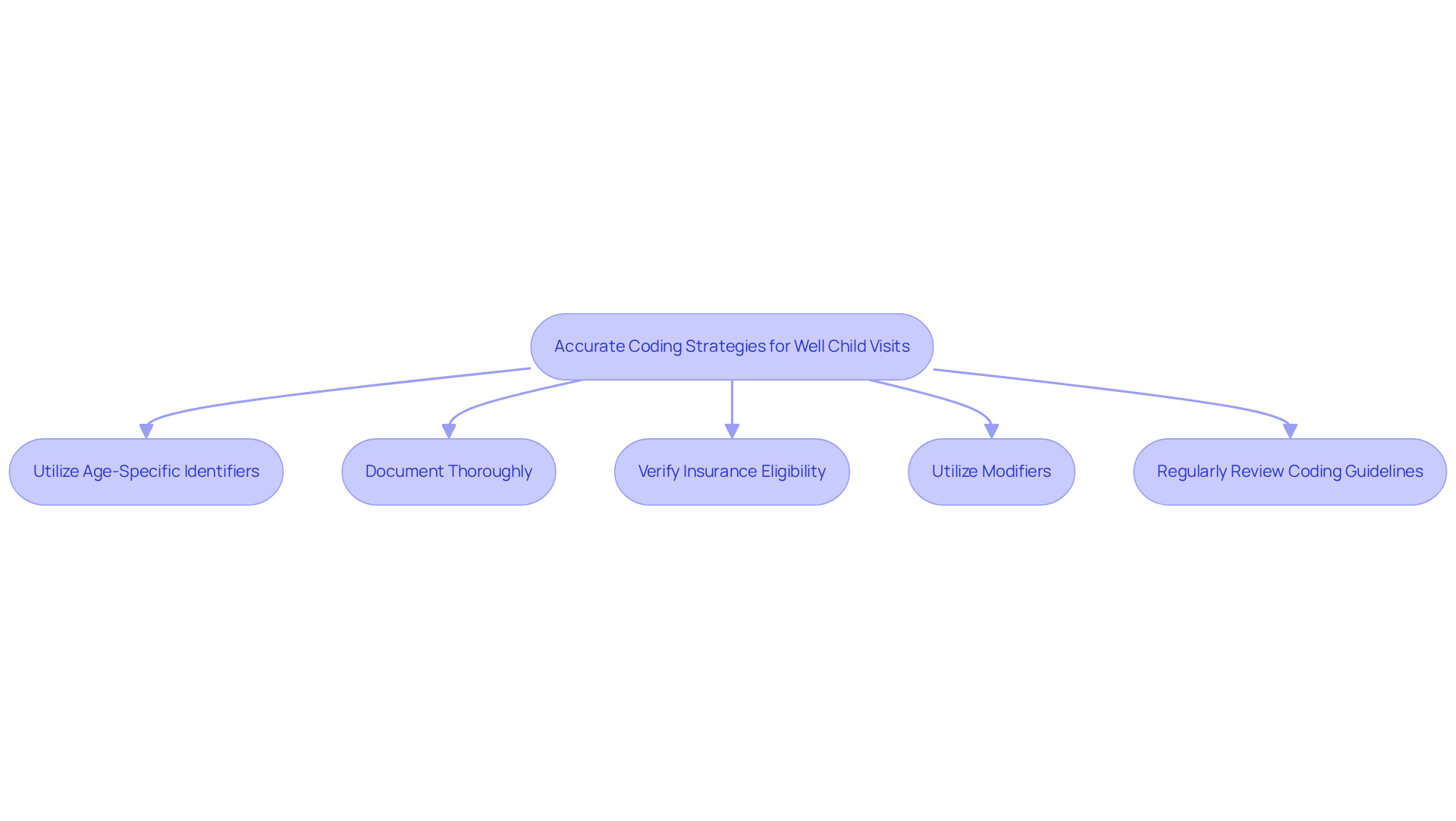
To enhance the accuracy of coding strategies for well-child visits, clinics must implement specific best practices:
- Utilize Age-Specific Identifiers: Ensure that the appropriate CPT identifiers are applied based on the child’s age. For instance, CPT 99381 is designated for infants under one year, while 99382 applies to children aged 1-4 years. This specificity is essential for compliance and maximizing reimbursement.
- Document Thoroughly: Maintain comprehensive documentation that includes health history, physical exams, and any necessary screenings. Comprehensive documentation supports the chosen CPT codes. It can significantly decrease the likelihood of denials, which can be minimized by 20-30% through effective practices. Focusing on detail supports compliance and improves overall revenue cycle performance. This is particularly important for managing underpayments and aging invoices. Furthermore, ensuring that patient statements are generated accurately and followed up on can further reduce issues related to unprocessed requests.
- Verify Insurance Eligibility: Verify the patient’s insurance eligibility before each visit to prevent unnecessary rejections. Outdated demographics and lapsed coverage can lead to claim denials, making this step crucial for financial sustainability.
- Utilize Modifiers: When applicable, use modifiers such as the 25 modifier to indicate that a significant, separately identifiable service was provided on the same day as a well-child visit. This approach can improve reimbursement for additional services provided during the visit.
- Regularly Review Coding Guidelines: Stay updated with the latest coding guidelines and changes to CPT codes. Regular training sessions keep staff informed about updates that may impact billing practices. This can lead to reimbursement improvements of 15-25% within 30-90 days. Training personnel on documentation requirements is crucial for minimizing denial of requests and ensuring compliance, especially in effectively addressing underpayments and unprocessed submissions. Incorporating case studies or examples of successful programming strategies can further illustrate their impact on claims management.
Implementing these strategies not only ensures compliance but also enhances the clinic’s financial health and operational efficiency.
Prioritize Staff Training and Education on CPT Coding Updates
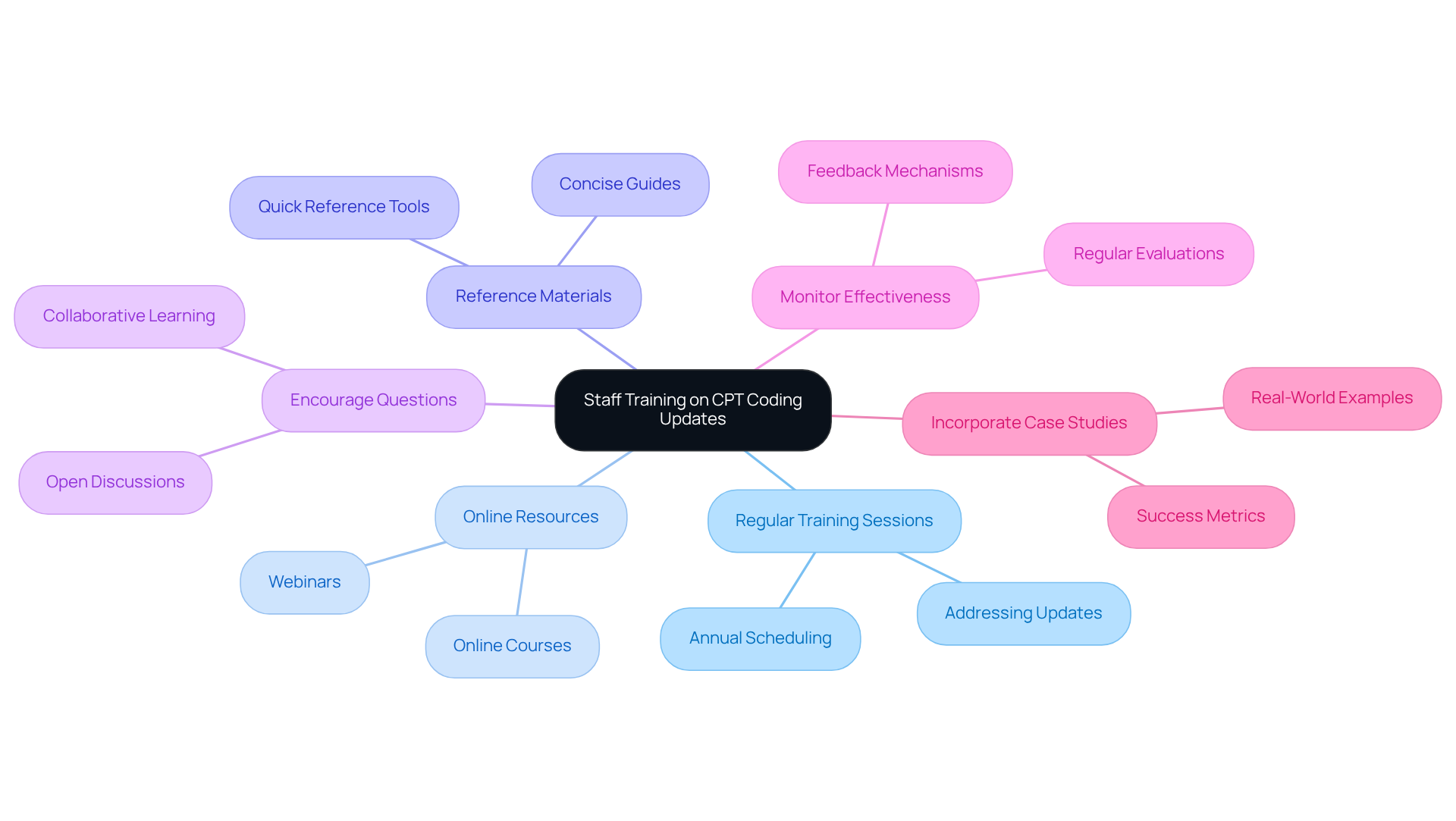
To achieve precise documentation and billing, clinics must prioritize staff training on CPT updates. Here are some best practices:
- Conduct Regular Training Sessions: Schedule training sessions at least annually to address updates in CPT codes and billing methods. This ensures that all staff members are aware of the latest changes and can apply them effectively.
- Utilize Online Resources: Leverage online courses and webinars that focus on pediatric billing. These resources can provide staff with valuable insights and practical knowledge that can be applied in their daily tasks.
- Create Reference Materials: Develop concise reference guides that summarize key updates and best practices. Distributing these materials can serve as a quick reference for staff during documentation and billing processes.
- Encourage Questions and Discussions: Encourage staff to ask questions and discuss challenges openly. This collaborative method can result in enhanced comprehension and application of programming techniques.
- Monitor Training Effectiveness: Implement feedback mechanisms to assess the effectiveness of training sessions. Regular evaluations can help identify areas for improvement and ensure that staff are retaining critical information.
- Incorporate Case Studies: A case study from Medwave shows that comprehensive training improved billing accuracy and reduced denial rates by 20-30%, while reimbursement times increased by 15-25% within 30-90 days. Emphasizing these experiences can inspire staff and offer practical insights into the advantages of effective programming practices.
Investing in comprehensive training enhances documentation accuracy, reduces denial rates, and improves reimbursement times. This leads to better financial health and patient care. Additionally, implementing effective denial management strategies, such as timely appeal processing and remittance reconciliation, can further support revenue recovery, ensuring that clinics receive the funds they have earned for their services. Healthcare Partners Consulting offers tailored denial management services to assist clinics in navigating these challenges effectively. Ultimately, effective training and denial management can significantly impact a clinic’s financial sustainability and patient outcomes.
Leverage Technology for Efficient Coding and Billing Processes
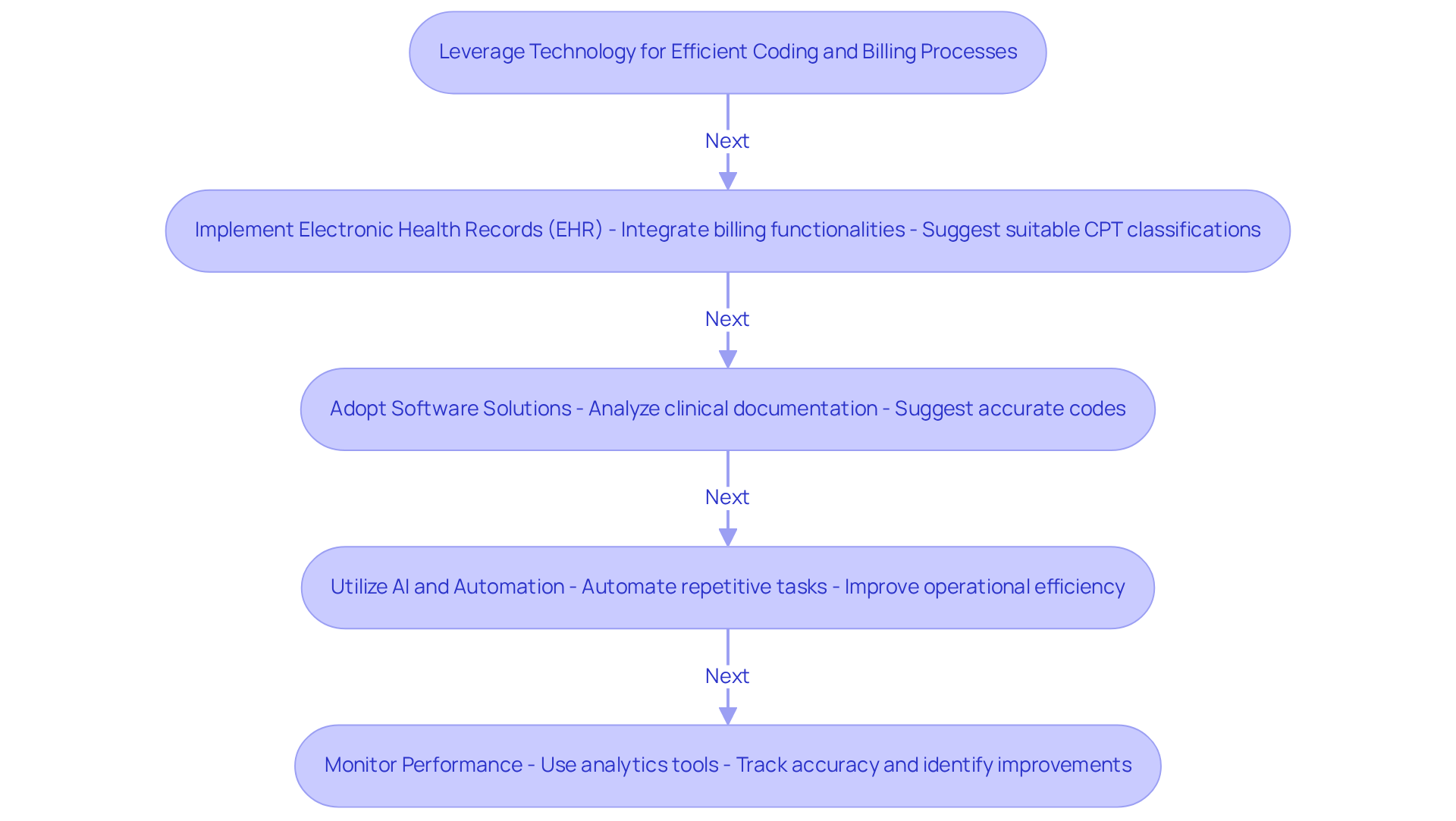
Integrating technology into programming and billing processes presents a critical opportunity for enhancing efficiency and accuracy. Here are some best practices for leveraging technology, supported by the expertise of Healthcare Partners Consulting:
- Implement Electronic Health Records (EHR): Utilize EHR systems that incorporate billing functionalities. These systems can automatically suggest suitable CPT classifications based on the documentation entered, reducing the risk of human error and enhancing accuracy in the process. Healthcare Partners Consulting specializes in integrating EHR systems with platforms such as TherapyNotes and SimplePractice. This integration ensures seamless workflows for behavioral and mental health practices.
- Adopt Software Solutions: Invest in specialized software that analyzes clinical documentation and suggests accurate codes. This technology simplifies the programming process, resulting in clearer submissions and improved financial results. Reports suggest that methods utilizing advanced software can decrease denial rates by 20-30% and secure quicker reimbursements by 15-25% within 30-90 days. Healthcare Partners Consulting’s tailored solutions help clinics optimize their revenue cycle management.
- Utilize AI and Automation: Explore AI-driven solutions that automate repetitive programming tasks, such as data entry and claim submissions. Administrative tasks often overwhelm staff, detracting from their ability to focus on complex programming challenges. Automation reduces these burdens, enabling staff to concentrate on intricate programming challenges that necessitate human expertise, thereby improving overall operational efficiency. For instance, AI platforms have demonstrated success in improving documentation quality and streamlining billing cycles, which in turn supports better decision-making.
- Monitor Performance: Use analytics tools to track accuracy and identify areas for improvement. Regularly reviewing coding performance through scorecard-driven adjustments can help clinics refine their processes, enhance compliance, and maintain operational rigor in claims accuracy, denial rates, and days in accounts receivable. This approach not only promotes ongoing enhancement but also aligns with optimal methods in revenue cycle management, ensuring that clinics stay competitive in a swiftly changing healthcare environment.
Healthcare Partners Consulting, with 39 years of experience, is committed to empowering healthcare providers. By alleviating administrative burdens, we enable them to concentrate on what truly matters: patient care. Client testimonials from practitioners like Dr. Sarah Mitchell and Dr. Michael Rodriguez highlight significant revenue increases and improvements in practice efficiency, showcasing the effectiveness of our tailored solutions. By embracing these technological advancements, healthcare providers can not only streamline operations but also significantly enhance patient care outcomes.
Conclusion
Mastering Well Child CPT codes 2026 is crucial for pediatric practices navigating the complexities of billing accuracy and operational efficiency. Understanding and implementing these codes allows healthcare providers to ensure compliance and maximize reimbursements. This focus enables them to prioritize quality patient care. The strategic application of these codes supports financial health and emphasizes the importance of preventive care in pediatrics.
Key strategies discussed include:
- The utilization of age-specific identifiers
- Thorough documentation
- Regular staff training on coding updates
Each of these elements plays a crucial role in minimizing claim denials and improving reimbursement timelines. Additionally, leveraging technology such as Electronic Health Records (EHR) and AI-driven solutions can significantly streamline coding and billing processes, allowing healthcare providers to reduce administrative burdens and concentrate on patient care.
In conclusion, the integration of best practices for Well Child CPT codes 2026 is not just about compliance; it empowers healthcare providers to thrive in a complex billing landscape. By prioritizing accurate coding, investing in staff education, and embracing technological advancements, clinics can enhance their financial sustainability and improve patient outcomes. This commitment enhances integrity and innovation, ensuring pediatric care prioritizes the health and well-being of children.
Frequently Asked Questions
What are well child CPT codes and why are they important?
Well child CPT codes are identifiers used for billing preventive care services in pediatrics, essential for reporting well-child visits that track a child’s growth and development. They ensure accurate documentation and billing, maximizing reimbursement and compliance with regulations.
What specific CPT codes are used for well-child visits?
The specific CPT codes for well-child visits include 99381 for new patients and 99391 for established patients.
What updates are expected for well child CPT codes in 2026?
In 2026, updates will include additional immunization counseling codes (90482-90484) that enhance billing accuracy for preventive care services.
How can accurate documentation of well child CPT codes impact reimbursement?
Accurate documentation can decrease claim denials by 20-30% and lead to quicker reimbursement times of 15-25% within 30-90 days.
What strategies can healthcare facilities use to improve the use of well child CPT classifications?
Healthcare facilities can benefit from tailored consultations to identify effective services for their workflow and implement comprehensive documentation templates for well-child visits to minimize billing errors.
How do well child CPT classifications influence the financial health of pediatric practices?
The strategic application of well child CPT codes can significantly improve revenue cycle performance by avoiding claim denials and enhancing compliance, ultimately benefiting the financial health of pediatric practices.