
Introduction
The landscape of revenue cycle management is undergoing significant transformation due to technological advancements and evolving regulatory requirements. Clinics are presented with a unique opportunity to enhance their operational efficiency and financial health by embracing these changes. Healthcare providers must implement effective strategies to ensure compliance while positioning themselves for sustainable growth. This article examines ten key trends influencing the revenue cycle management industry, providing insights that enable healthcare providers to prioritize patient care while efficiently managing their financial processes.
Emphasize Front-End Processes in Revenue Cycle Management
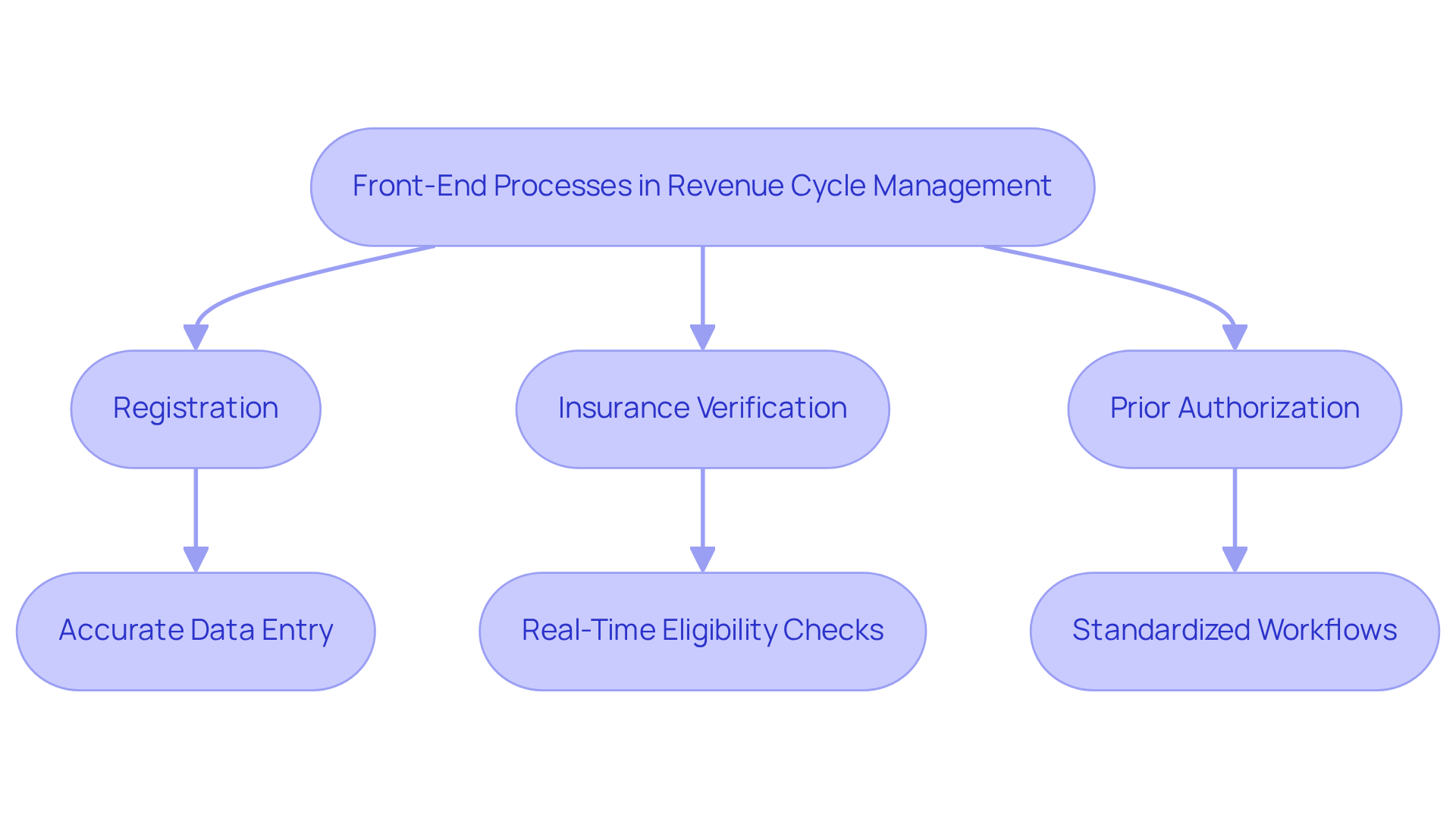
Effective revenue cycle management hinges on robust front-end processes, including registration, insurance verification, and prior authorization. Statistics show that 23.9% of claim denials arise from errors in these initial processes. This highlights the critical need for meticulous attention to detail.
Implementing robust front-end processes can lead to a notable decrease in claim denials, which is essential for maintaining cash flow and operational efficiency. For instance, practices that prioritize accurate patient registration experience smoother check-ins and fewer billing issues, ultimately enhancing patient satisfaction. Training staff to effectively manage these tasks and utilizing technology for real-time eligibility checks can further streamline operations.
Recent revenue cycle management industry trends indicate that healthcare organizations are increasingly adopting automation in their front-end processes. This shift not only reduces administrative burdens but also improves accuracy, with some organizations reporting up to a 30% reduction in administrative costs. Case studies reveal that practices implementing standardized workflows and digital intake tools have seen significant improvements in registration accuracy, leading to fewer denials and faster payments.
With 39 years of experience in medical and mental health billing, we at Healthcare Partners Consulting & Billing, LLC (HPC) believe that investing in accurate registration processes – from staff training to digital solutions – yields significant benefits for the organization. By prioritizing these processes, mental health clinics can navigate the complexities of the evolving healthcare landscape more effectively.
Integrate Advanced Technologies for Enhanced Efficiency
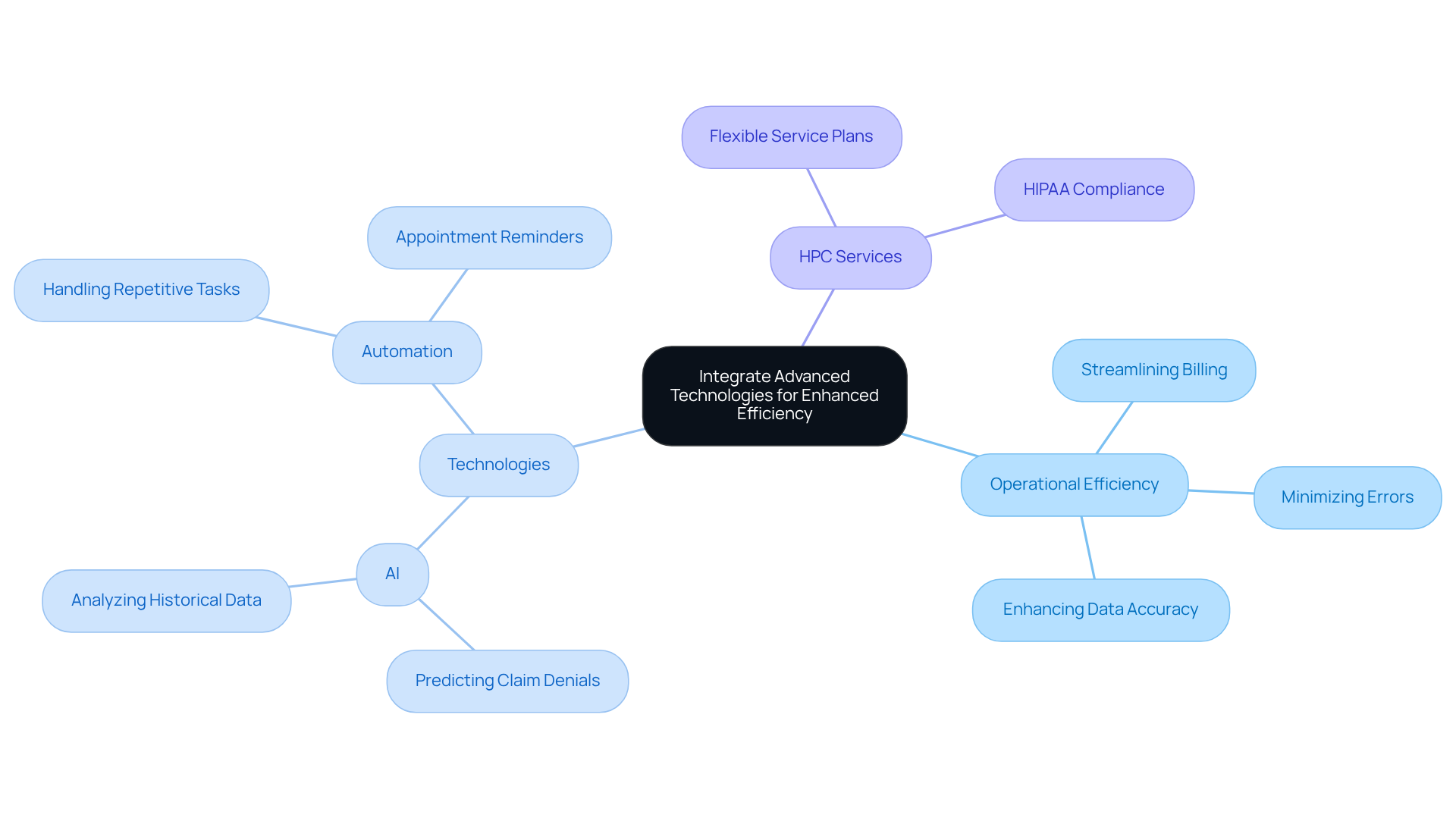
Integrating advanced technologies like AI and automation into the revenue cycle management industry trends presents a pivotal opportunity for enhancing operational efficiency in mental and behavioral health practices.
Healthcare Partners Consulting & Billing, LLC (HPC), a veteran-owned company with 39 years of experience, offers flexible service plans tailored to the size of your practice, claim volume, and desired level of support, whether through full-cycle billing or targeted accounts receivable assistance.
By streamlining billing processes, minimizing manual errors, and enhancing data accuracy, these technologies significantly contribute to operational efficiency. For instance, AI can analyze historical data to predict claim denials and suggest corrective actions, while automation can handle repetitive tasks such as appointment reminders and billing inquiries, freeing up staff to focus on more complex issues.
HPC maintains HIPAA compliance via encrypted systems and controlled access to medical data.
Ultimately, leveraging these technologies positions healthcare providers to prioritize quality care while optimizing their financial performance according to revenue cycle management industry trends.
Outsource Revenue Cycle Functions to Streamline Operations
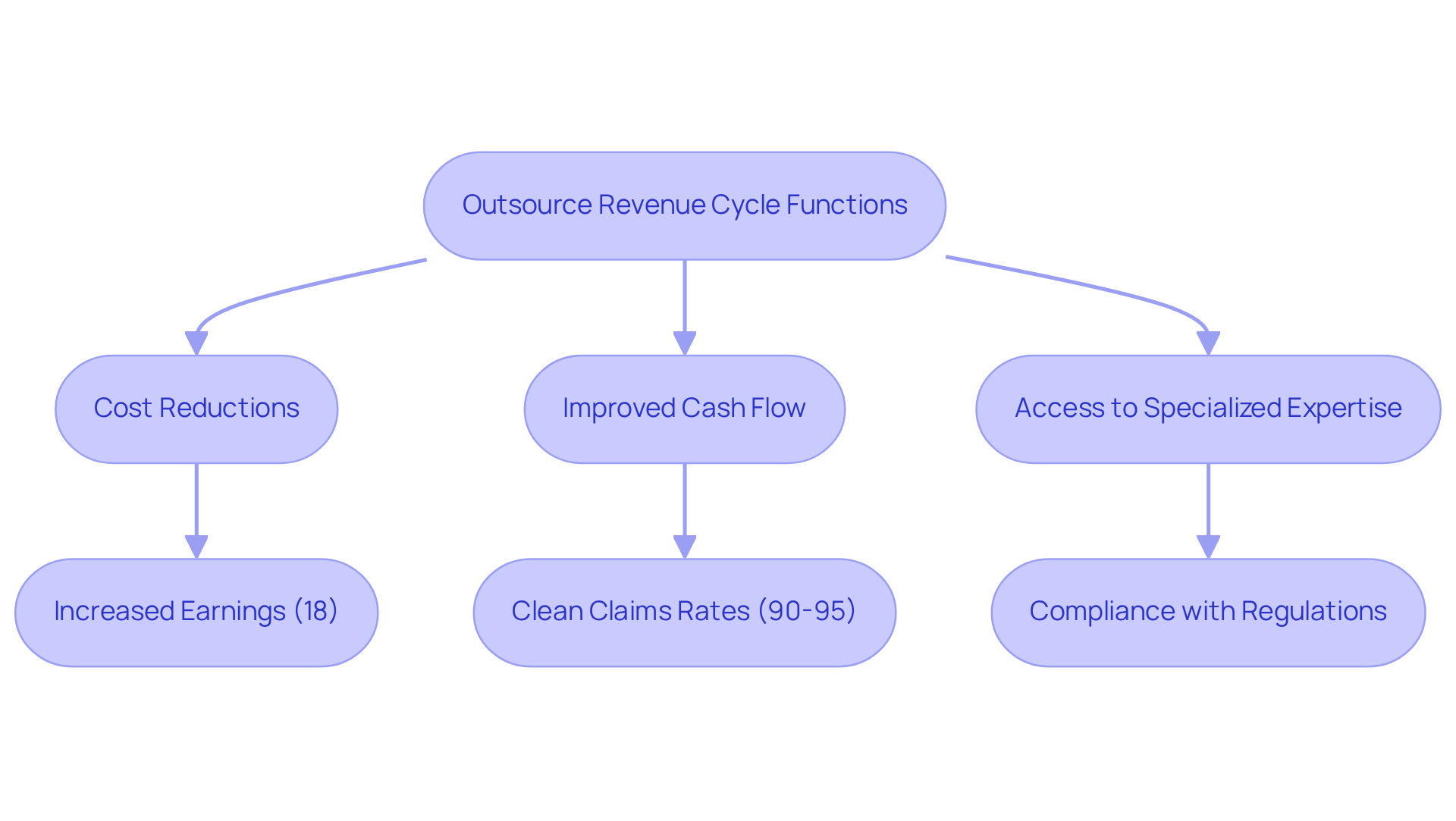
Healthcare facilities face increasing pressure to manage administrative tasks while delivering high-quality patient care. The significant benefits of outsourcing revenue cycle functions, including considerable cost reductions, improved cash flow, and access to specialized expertise, reflect the current revenue cycle management industry trends.
Partnering with Healthcare Partners Consulting & Billing, LLC (HPC) – a veteran-owned organization with 39 years of experience – allows healthcare facilities to delegate administrative tasks like billing, coding, and collections. This delegation enables in-house staff to focus on patient care and clinical responsibilities. As a result, service delivery improves.
Furthermore, HPC’s compliance-first approach assists healthcare facilities in maintaining adherence to evolving regulations, as their specialized team is skilled at staying informed about industry standards and best practices. This strategic approach streamlines operations and promotes a more efficient financial cycle, reflecting the revenue cycle management industry trends that enhance the practice’s financial health.
For instance, clinics that have adopted outsourcing have reported an average increase of 18% in their earnings, demonstrating the tangible benefits of this model. Additionally, outsourcing can greatly decrease claim denials, with practices achieving clean claims rates of 90-95%, thus improving overall management of finances. Embracing outsourcing not only enhances operational efficiency but also safeguards the financial future of healthcare practices.
Optimize Mid-Revenue Cycle Processes for Better Financial Outcomes
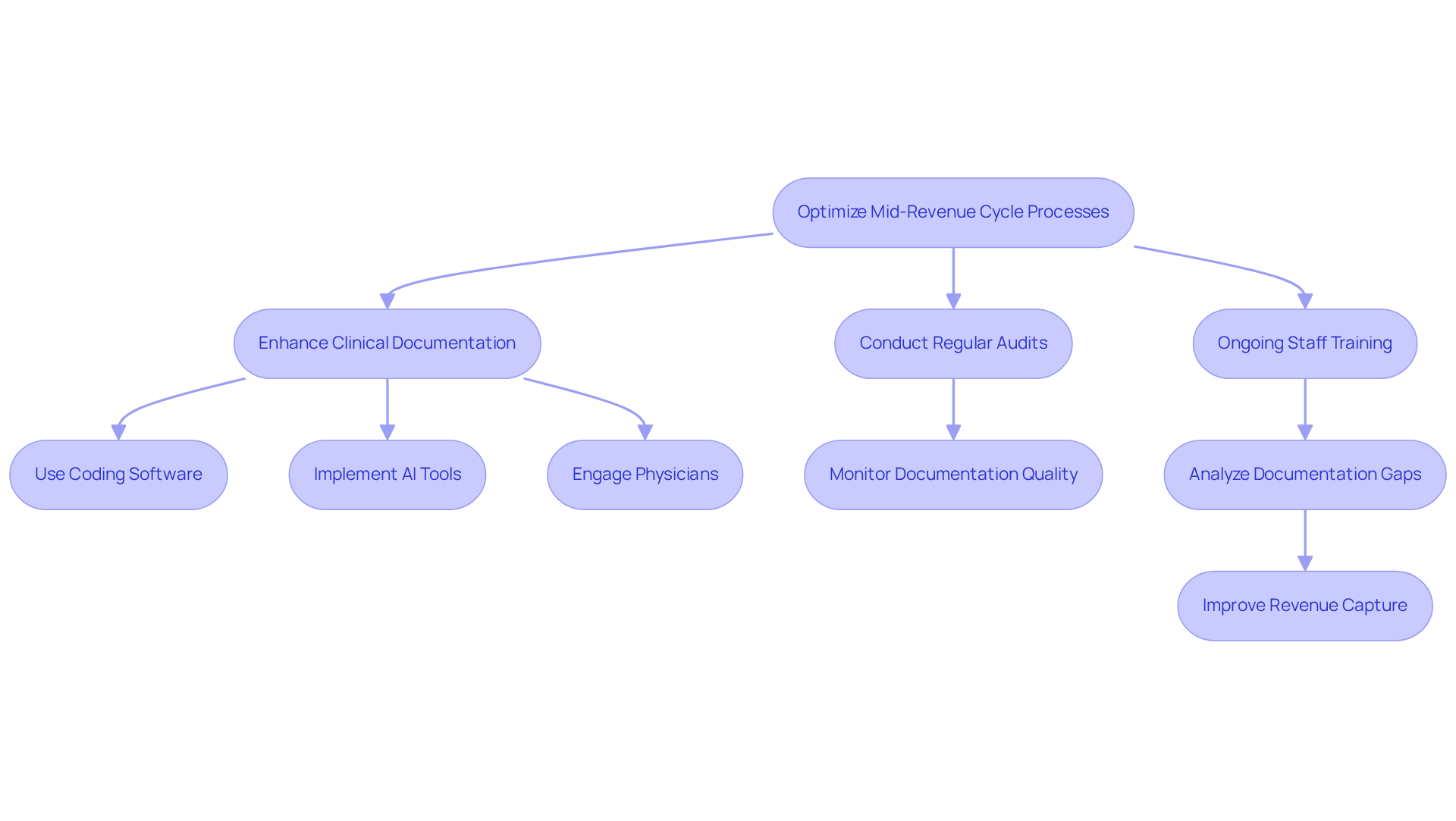
Effective financial capture in healthcare practices hinges on enhancing mid-cycle processes, particularly through clinical documentation improvement (CDI) and precise coding. Regular audits and ongoing staff training are essential best practices that enhance documentation quality and ensure compliance with coding guidelines. For instance, facilities utilizing coding software integrated with electronic health records (EHR) can streamline their operations, promote precise coding, and reduce the likelihood of claim denials.
Organizations focusing on CDI initiatives have reported significant advantages; over 90% have saved more than $2.1 million in income. Furthermore, a targeted approach to documentation can lead to a 50% relative improvement in appropriate coding and a 10.8% increase in DRG group capture, as evidenced by successful case studies in leading healthcare institutions. Implementing CDI initiatives not only mitigates risks but also enhances revenue generation, aligning with revenue cycle management industry trends. By adopting these strategies, healthcare facilities can not only improve their financial outcomes but also secure their operational sustainability in a competitive landscape.
Address Workforce Challenges to Enhance Operational Efficiency
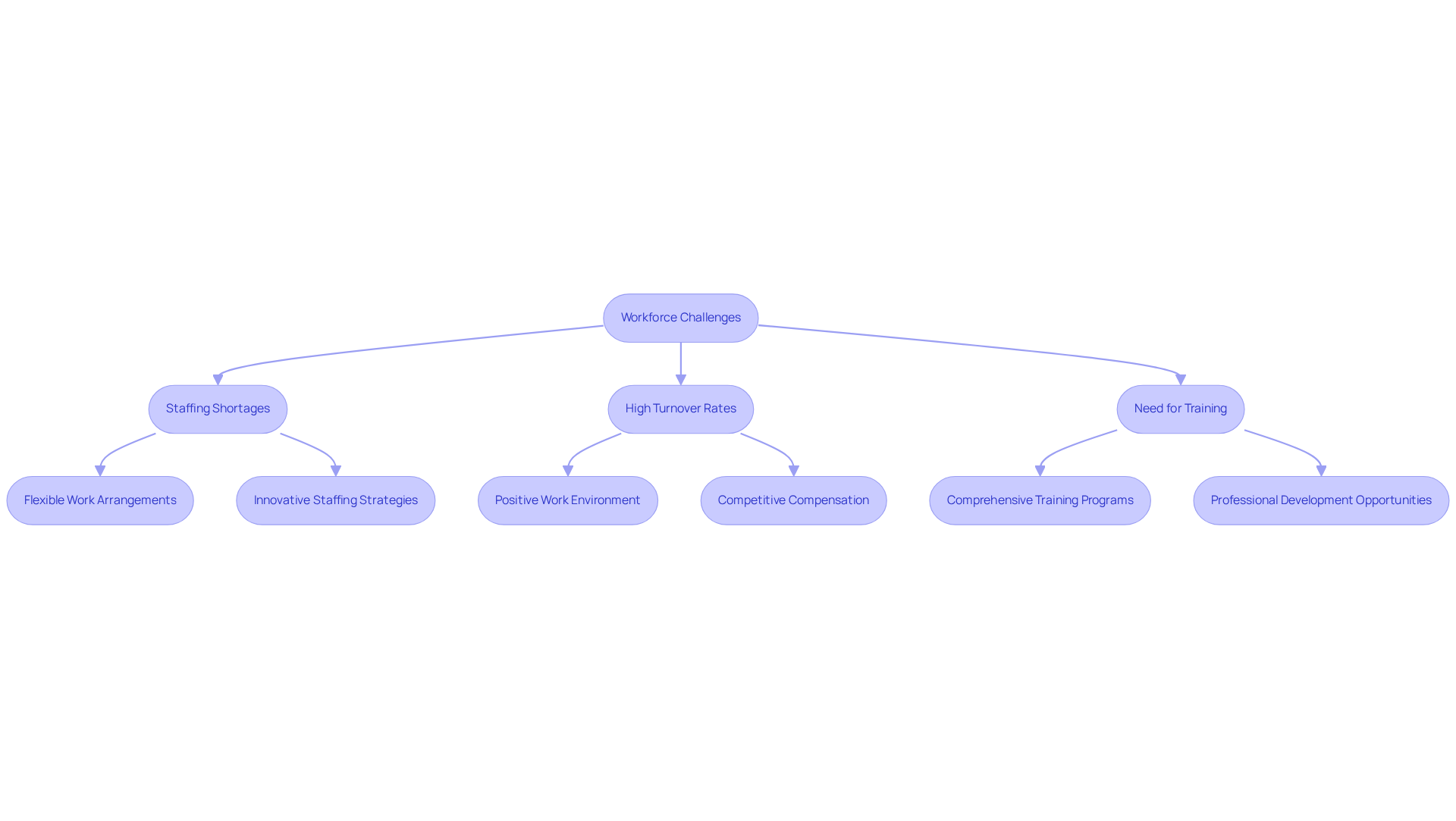
Staffing shortages and high turnover rates present critical challenges to the efficiency of revenue cycle management in healthcare. In 2026, it is anticipated that 47 states will face a shortage of primary care physicians, worsening the pressure on healthcare facilities. To address these challenges, healthcare facilities should prioritize investment in comprehensive training programs that equip staff with essential skills in billing and coding. Investing in comprehensive training programs enhances operational efficiency, reduces denial rates, and improves cash flow.
Fostering a positive work environment is crucial for employee retention. Clinics that implement flexible work arrangements and offer competitive compensation packages are more likely to attract and retain top talent. For instance, innovative staffing strategies, such as cross-training employees and utilizing part-time personnel during peak hours, have proven effective in maintaining operations despite hiring challenges.
Providing opportunities for professional development significantly enhances staff engagement and satisfaction. Regular updates and continuous education in billing practices ensure that employees stay informed about the latest regulations and payer policies, which is essential for minimizing financial loss due to outdated practices. By addressing these workforce challenges, healthcare facilities can align with revenue cycle management industry trends to establish a more effective revenue cycle, ultimately resulting in enhanced care and satisfaction for individuals. Addressing these workforce challenges is essential for healthcare facilities to enhance operational efficiency and improve patient care outcomes. Furthermore, collaborating with Healthcare Partners Consulting & Billing, LLC (HPC) can offer clinics customized solutions that prioritize a compliance-first strategy, ensuring that staff are well-prepared to navigate the complexities of billing and coding while upholding high standards of care.
Enhance Patient Financial Engagement for Improved Satisfaction
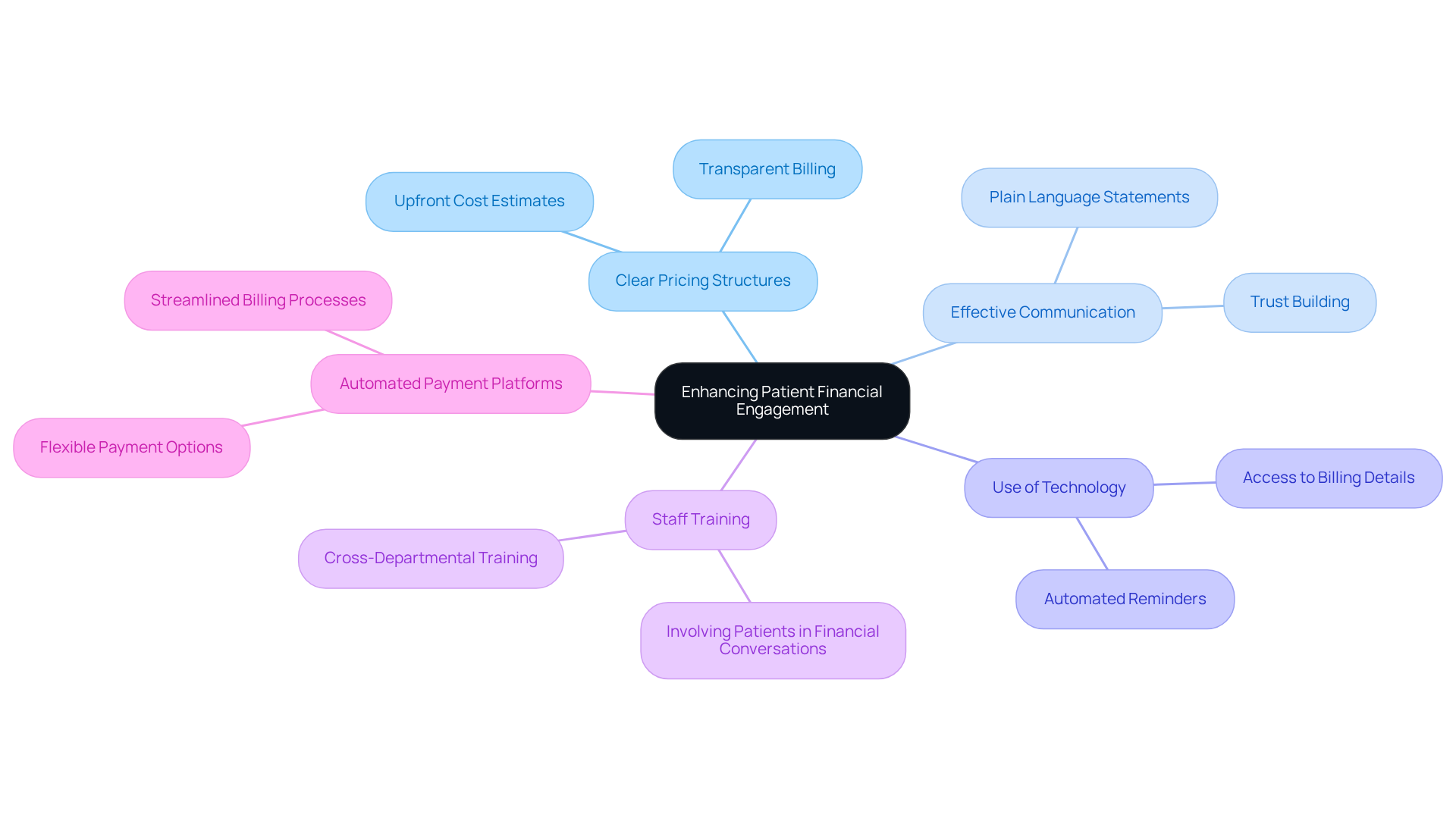
Enhancing engagement around costs is vital for improving patient satisfaction and ensuring timely payments in healthcare settings. Clinics can achieve this by adopting clear pricing structures, which help individuals understand their monetary obligations upfront. Clear communication regarding costs and payment options fosters trust and reduces confusion, resulting in a more satisfying and streamlined experience for patients.
Portals and mobile applications significantly improve access to billing details. This enables individuals to manage their financial obligations more effectively. A 2024 analysis revealed that organizations with clearer pricing experience greater engagement and satisfaction among individuals, emphasizing the significance of transparency in monetary interactions. However, many healthcare facilities face challenges with underpayments and unprocessed claims, complicating their financial management.
Training staff to involve individuals in monetary conversations is another essential strategy. This strategy not only fosters trust but also improves the overall experience for patients. Research indicates that individuals who feel informed about their monetary situation are more likely to pursue recommended care and complete treatment plans, further highlighting the necessity for proactive engagement with financial matters.
By prioritizing these strategies, healthcare facilities can minimize payment delays and enhance satisfaction among individuals, ultimately leading to improved economic outcomes and stronger relationships with those they serve. Investing in automated payment platforms can also streamline billing processes, making it easier for individuals to fulfill their financial obligations. Healthcare Partners Consulting & Billing, LLC (HPC) prioritizes a compliance-first strategy, allowing healthcare facilities to concentrate on care while efficiently overseeing their financial processes.
Navigate Regulatory Changes to Ensure Compliance
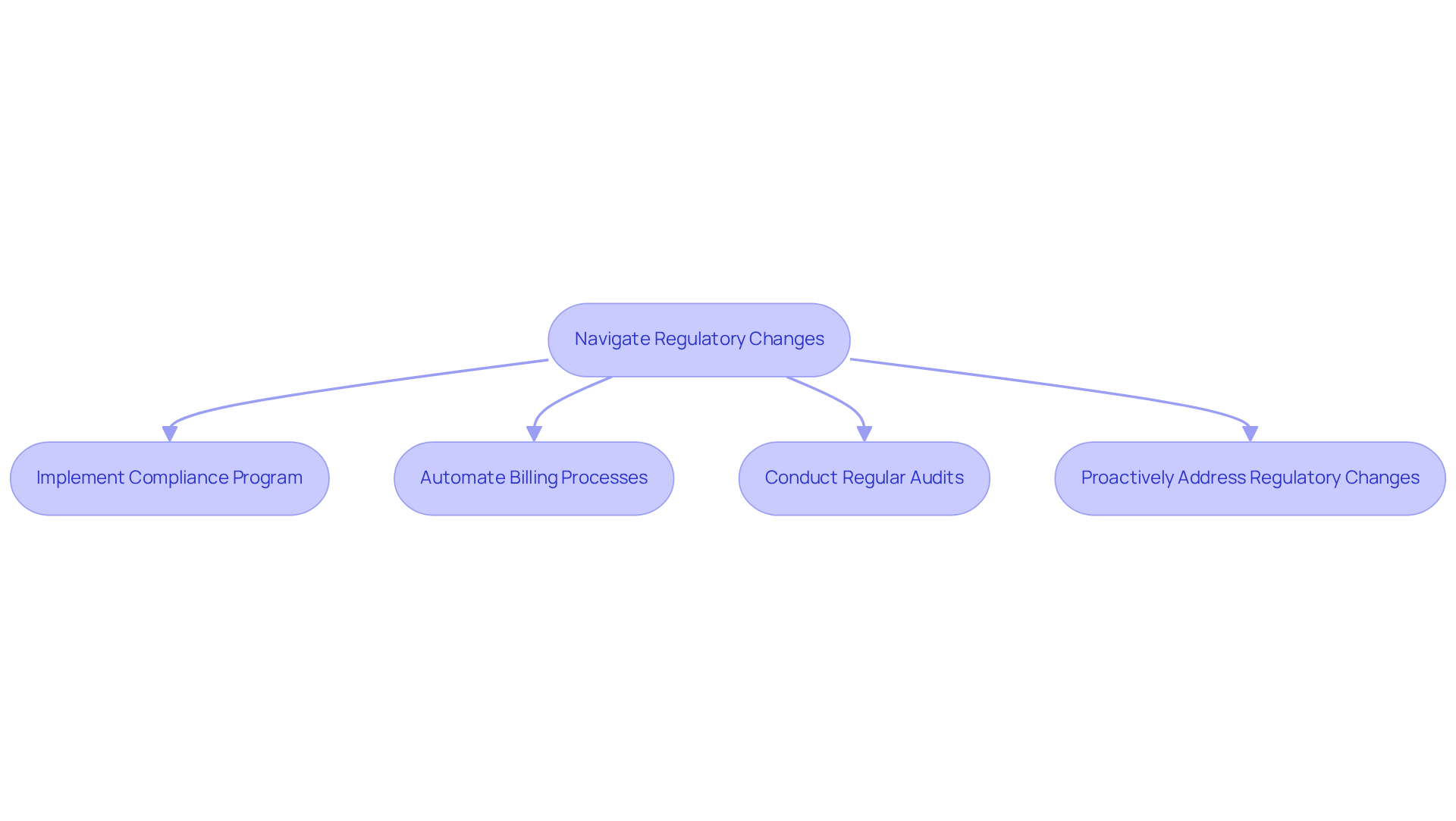
Healthcare facilities face significant challenges in navigating regulatory changes, particularly in the context of revenue cycle management industry trends for mental health practices. In 2026, it is crucial for these facilities to stay informed about evolving regulations related to billing, coding, and privacy. Implementing a robust compliance program that includes regular training and audits is vital for adherence to these regulations. Healthcare organizations that proactively review their fraud, waste, and abuse policies are better positioned during investigations, as recent case studies illustrate.
To effectively manage claims and enhance clarity in statements for individuals, healthcare facilities should implement automated systems to streamline the billing process. This approach utilizes technology to create clear and concise statements that reduce confusion and improve understanding of financial responsibilities. Additionally, regular audits of aging claims can help identify and address underpayments promptly.
Automating compliance checks with technology can help reduce errors and streamline processes, making it easier for healthcare facilities to stay compliant. With 34% of payers intending to automate manual processes using AI, healthcare facilities can enhance operational efficiency while focusing on patient care. By proactively addressing regulatory changes and optimizing billing statements, organizations can mitigate compliance risks and avoid costly penalties. This strategy not only safeguards against potential legal issues but also fosters a culture of accountability and transparency within the organization.
Diversify Revenue Streams to Mitigate Financial Risks
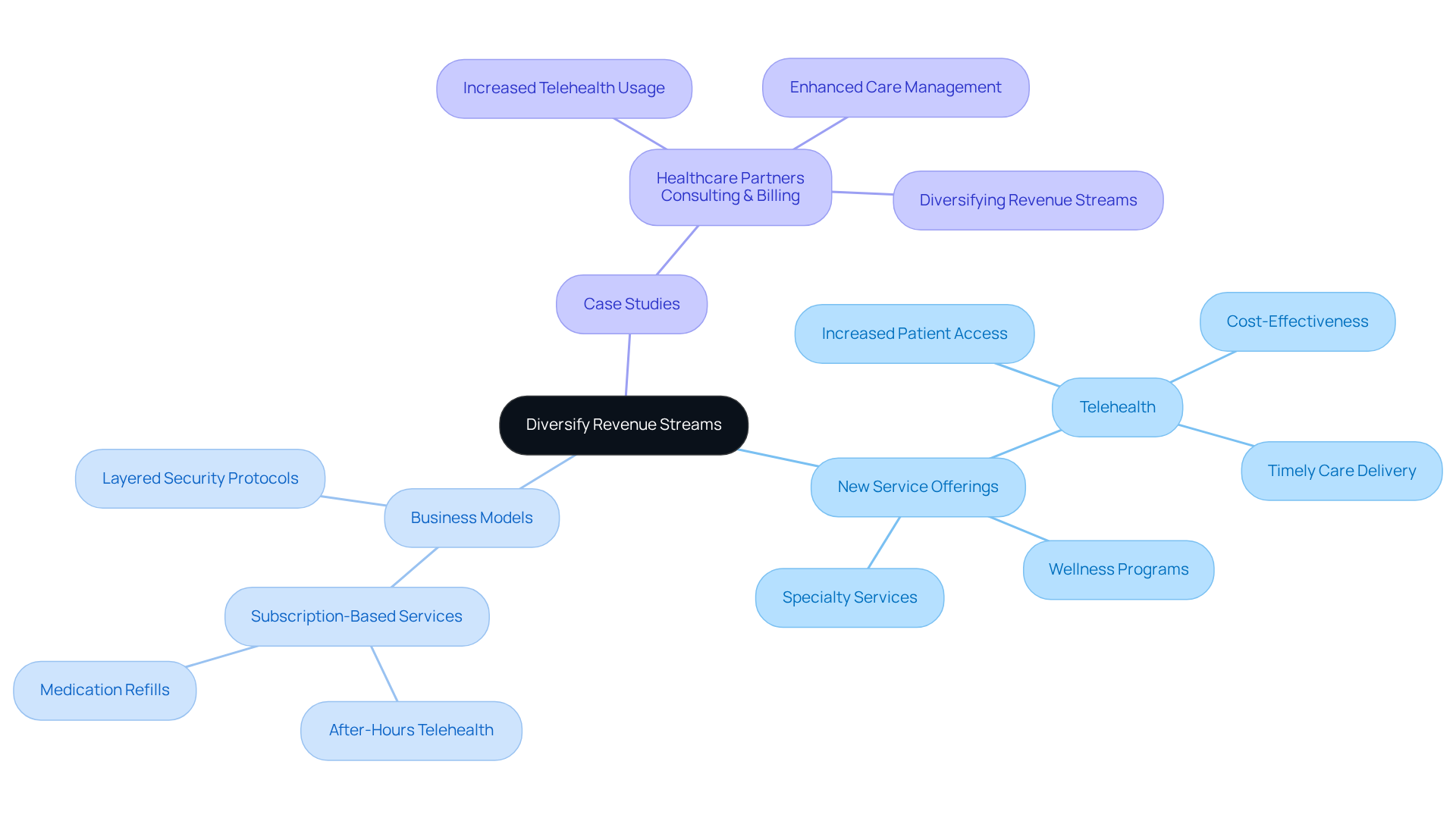
For healthcare facilities, relying solely on traditional revenue streams poses significant financial risks. Expanding income sources is an essential approach for healthcare facilities seeking to reduce financial risks and improve stability. By exploring new service offerings such as telehealth, wellness programs, and specialty services, clinics can engage existing patients while attracting new ones. Telehealth has proven to be a sustainable model that ensures continuity of care and financial stability, particularly during challenging times, as evidenced by the significant virtual visit numbers from major healthcare providers.
Implementing various business models, including subscription-based services for after-hours telehealth or medication refills, can generate ongoing income streams. This method not only decreases dependence on conventional fee-for-service visits but also stabilizes income during variations in client volume. Statistics suggest that practices diversifying their income sources can enhance cash flow and support long-term sustainability, especially amid economic uncertainties.
Moreover, case studies from Healthcare Partners Consulting & Billing, LLC (HPC) highlight the effectiveness of these strategies. Clinics that have embraced telehealth services reported enhanced patient access and increased income, showing that innovative service delivery enhances clinic performance. HPC, a veteran-owned company with 39 years of experience, emphasizes a compliance-first approach in its services. Furthermore, HPC provides a swift quiz to evaluate your mental health practice’s profitability, assisting in uncovering concealed income leaks and offering tailored suggestions to enhance efficiency and billing precision. Ultimately, the proactive adoption of diverse income strategies can redefine the financial landscape for healthcare providers, especially considering revenue cycle management industry trends. To start applying these strategies, owners of healthcare facilities might consider testing a telehealth service to assess interest from individuals and operational viability.
Strengthen Data Analytics Capabilities for Informed Decision-Making
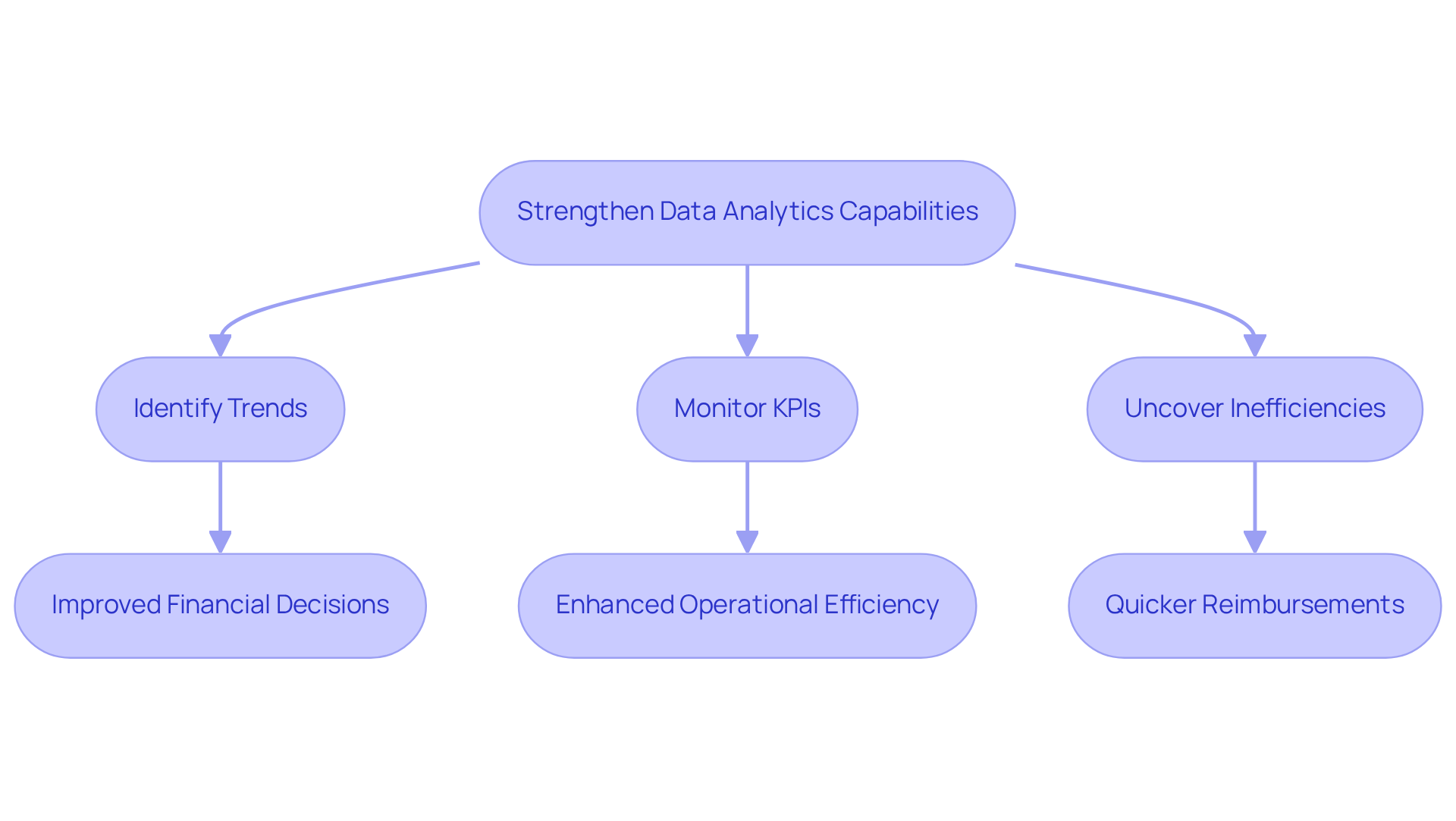
Without effective data analytics, clinics struggle to make informed financial decisions, leading to inefficiencies in their operations. Clinics should harness data analytics to:
- Identify trends
- Monitor key performance indicators (KPIs)
- Uncover inefficiencies in their processes
Implementing analytics tools can yield insights into billing patterns, claim denials, and payment behaviors, enabling healthcare facilities to make data-driven decisions that enhance operational efficiency. Healthcare organizations that leverage data analytics have seen claim denials decrease by as much as 50%, thereby improving their financial capture.
Utilizing data analytics allows healthcare facilities to streamline their financial processes, making billing simpler and enhancing patient care in the process. Case studies show that organizations concentrating on cleaner claims experience quicker reimbursements, which is essential for sustaining economic health. As the reliance on data analytics grows, healthcare facilities must adapt to remain competitive and financially viable.
Prioritize Compliance and Risk Management in Revenue Cycle Operations
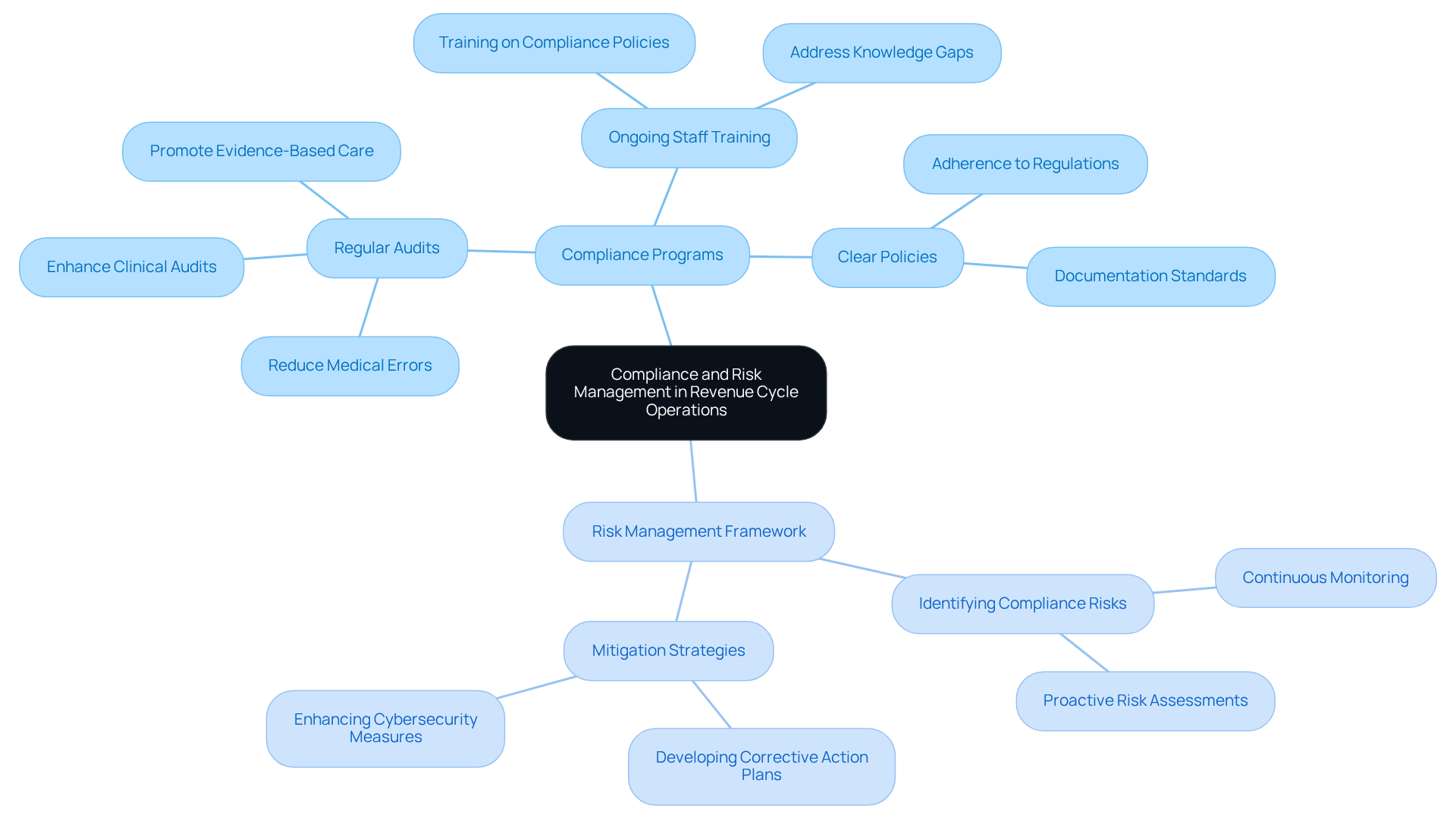
Maintaining integrity in revenue cycle operations requires a steadfast commitment to compliance and risk management. Clinics should implement robust compliance programs that include:
According to the 2025 Compliance Benchmark Survey, non-compliance with cybersecurity regulations can result in severe penalties and reputational damage, underscoring the need for vigilance. Additionally, establishing a risk management framework can help identify potential compliance risks and develop effective mitigation strategies.
Compliance Officers express concerns about the rapid changes in healthcare regulations, and healthcare facilities must adjust to these developments to prevent penalties or loss of payer reimbursements. Focusing on compliance and risk management allows clinics to minimize financial losses and adhere to regulations. This focus ultimately enables healthcare providers to prioritize quality care.
Regular audits are essential; they help reduce medical errors, enhance clinical audits, and promote evidence-based care, ultimately leading to improved patient outcomes.
Conclusion
Effective revenue cycle management is not just beneficial; it is crucial for the sustainability of healthcare facilities, especially in the behavioral and mental health sectors. Clinics can significantly improve their financial health and operational efficiency by enhancing front-end processes, integrating advanced technologies, and optimizing mid-revenue cycle operations. The insights shared throughout this article highlight the necessity of a compliance-first approach, which not only safeguards against regulatory pitfalls but also empowers healthcare providers to concentrate on delivering quality patient care.
The article outlines several critical strategies, including:
- The benefits of outsourcing revenue cycle functions
- Addressing workforce challenges
- Enhancing patient financial engagement
Each of these elements plays a vital role in streamlining operations and ensuring that healthcare practices can thrive in an increasingly complex environment. Furthermore, the emphasis on diversifying revenue streams and strengthening data analytics capabilities illustrates how clinics can adapt to changing market dynamics and improve their financial outcomes.
In conclusion, the evolving landscape of revenue cycle management presents both challenges and opportunities for healthcare providers. By embracing these trends and implementing best practices, clinics can not only enhance their operational efficiency but also secure their financial future. Working with experts at Healthcare Partners Consulting & Billing, LLC (HPC) can help healthcare providers find tailored solutions that keep compliance in focus while allowing them to prioritize patient care. For further assistance, reach out to HPC at info@hpcbilling.com or call 888-517-4992 to explore how these strategies can be effectively applied to your practice.
Frequently Asked Questions
What are the key front-end processes in revenue cycle management?
The key front-end processes include registration, insurance verification, and prior authorization. These processes are crucial as 23.9% of claim denials arise from errors in these initial steps.
How can robust front-end processes impact claim denials?
Implementing robust front-end processes can lead to a notable decrease in claim denials, which is essential for maintaining cash flow and operational efficiency. Accurate patient registration results in smoother check-ins and fewer billing issues.
What role does staff training play in revenue cycle management?
Training staff to effectively manage front-end processes, such as patient registration and insurance verification, is vital for reducing errors and improving overall operational efficiency.
How is technology being utilized in front-end processes?
Technology, particularly automation and real-time eligibility checks, is increasingly being adopted to streamline front-end processes, reduce administrative burdens, and improve accuracy, with some organizations reporting up to a 30% reduction in administrative costs.
What are the benefits of integrating advanced technologies in revenue cycle management?
Integrating advanced technologies like AI and automation enhances operational efficiency by minimizing manual errors, improving data accuracy, and allowing staff to focus on more complex issues.
How does outsourcing revenue cycle functions benefit healthcare facilities?
Outsourcing revenue cycle functions can lead to significant cost reductions, improved cash flow, and access to specialized expertise, allowing in-house staff to concentrate on patient care and clinical responsibilities.
What compliance measures does Healthcare Partners Consulting & Billing, LLC (HPC) implement?
HPC maintains HIPAA compliance through encrypted systems and controlled access to medical data, ensuring that healthcare facilities adhere to evolving regulations.
What financial improvements can clinics expect from outsourcing revenue cycle functions?
Clinics that adopt outsourcing have reported an average increase of 18% in earnings and can achieve clean claims rates of 90-95%, which improves overall financial management.