
Introduction
Healthcare providers face significant challenges in managing revenue cycles, impacting their ability to deliver quality patient care. Medical billing organizations play a pivotal role in transforming how these providers manage their revenue cycles. By alleviating administrative burdens, these organizations empower healthcare practitioners to focus on what truly matters: patient care.
This article examines ten innovative medical billing organizations, detailing how they streamline operations and enhance patient experiences. This shift allows healthcare practitioners to dedicate more time and resources to improving patient outcomes. As the demand for compliance and efficiency grows, these organizations must continuously innovate to address the complexities of the healthcare landscape.
Healthcare Partners Consulting: Streamlining Medical Billing for Enhanced Patient Care
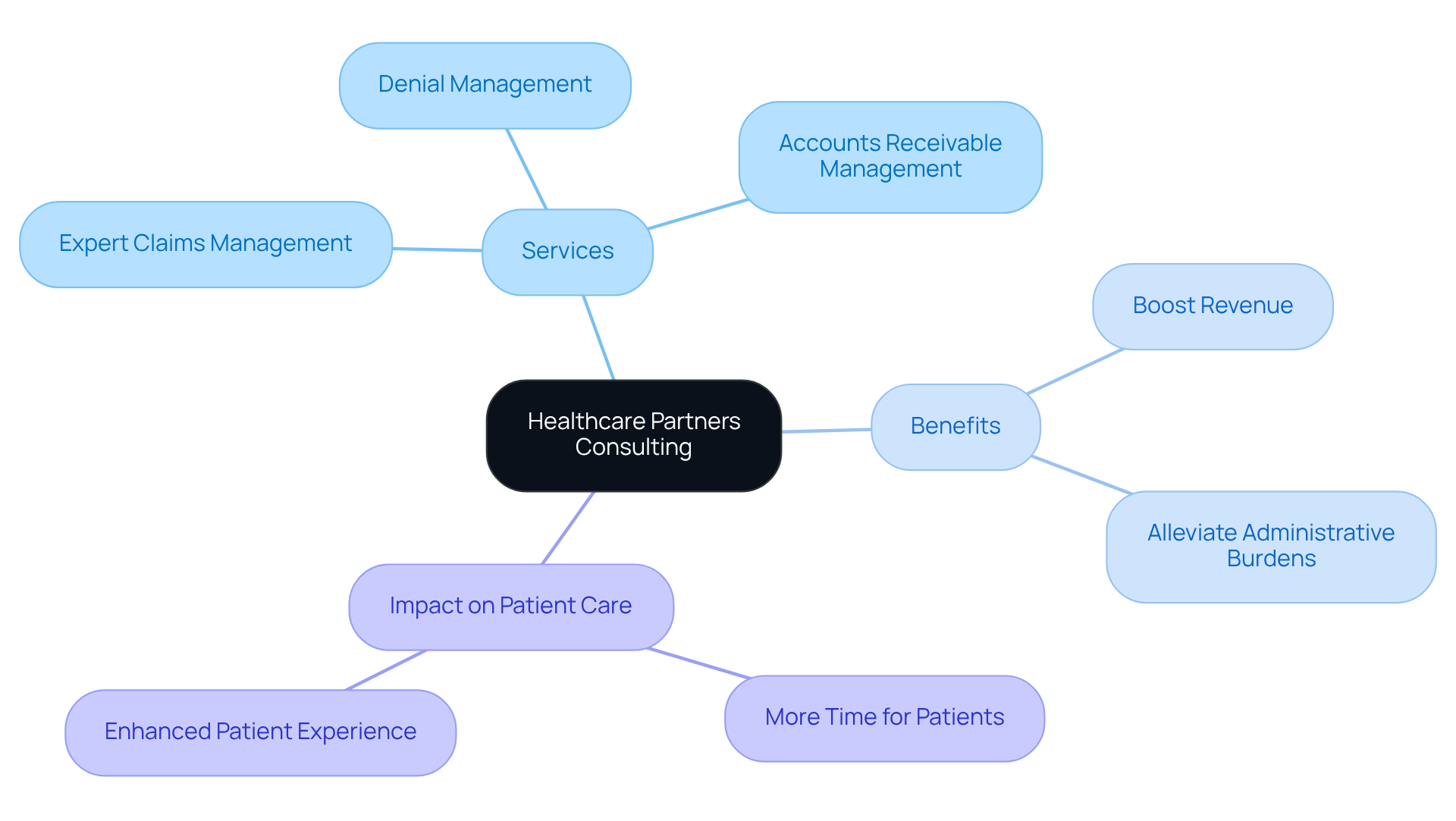
Healthcare Partners Consulting & Billing, LLC (HPC) addresses the pressing challenges faced by healthcare providers in managing their revenue cycles efficiently. With 39 years of expertise, this veteran-owned firm excels in providing comprehensive medical revenue cycle services that significantly enhance operational efficiency for healthcare providers. HPC simplifies the complexities of invoicing, allowing practitioners to concentrate on their core mission of patient care. Their offerings include:
All meticulously designed to boost revenue while alleviating administrative burdens. This approach streamlines operations and enhances the patient experience. As a result, providers can dedicate more time to their patients.
Healthcare organizations are increasingly turning to medical billing organizations like HPC for outsourced invoicing services, recognizing the benefits of such partnerships. Outsourcing financial operations allows small entities to maintain economic stability without the overhead expenses associated with large internal departments. Moreover, medical billing organizations that adapt to regulatory updates and technological advancements are better positioned to manage financial pressures and sustain growth in the evolving medical billing landscape.
Case studies demonstrate that approaches utilizing HPC’s services have seen significant enhancements in efficiency and care for individuals. For example, organizations have reported reductions in documentation workload by up to 80%, enabling clinicians to save 1-2 hours daily, which can be redirected towards patient interactions. This transformation highlights the essential role of medical billing organizations in improving overall patient care delivery.
As medical organizations increasingly prioritize compliance and operational efficiency, HPC stands out by providing tailored support that aligns with the unique needs of each facility. Their commitment to empowering medical providers through streamlined processes and dedicated virtual assistant services ensures that practices can thrive in a competitive environment, ultimately leading to better patient outcomes. Evaluating your invoicing processes could reveal significant opportunities for improvement and ultimately enhance patient care delivery.
AnnexMed: Enhancing Revenue Integrity Through Coding Audits
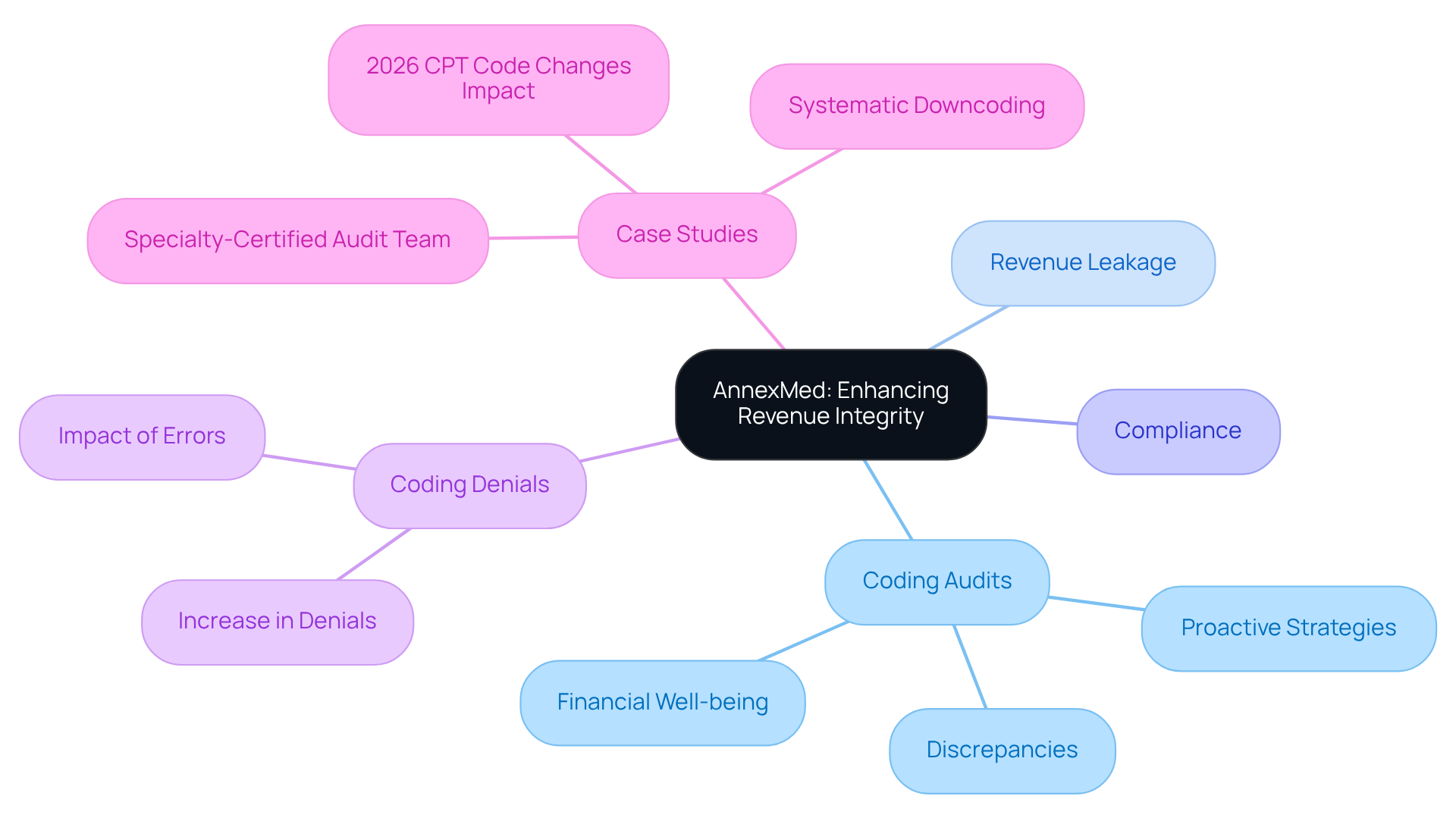
AnnexMed is at the forefront of enhancing revenue integrity through its comprehensive coding audits, addressing critical discrepancies that can lead to revenue loss. Their meticulous approach focuses on identifying discrepancies in documentation and coding that can result in significant revenue leakage. Through regular audits, AnnexMed ensures compliance with evolving regulations while maximizing revenue potential for medical providers. This proactive strategy reduces risks linked to billing errors and enhances the overall financial well-being of medical facilities.
In 2026, the landscape of healthcare coding audits is marked by a notable increase in coding-related denials, which surged by 26% in outpatient settings. As coding-related denials rise, organizations face mounting pressure to implement effective auditing methods. AnnexMed’s audits are designed to identify areas of non-compliance and inefficiency, enabling organizations to resolve issues before they develop into costly denials.
Industry leaders stress the critical importance of maintaining coding integrity. MDaudit emphasizes that coding and Health Information Management (HIM) professionals are now leading in revenue protection and generation, responsible for ensuring that coding methods align with both integrity and accuracy. This change shows a growing acknowledgment of how precise coding protects revenue streams.
Case studies illustrate the tangible benefits of AnnexMed’s auditing services. For example, a recent audit uncovered systemic problems in a facility’s invoicing processes, resulting in the recovery of $210,000 in lost revenue within six months. Such outcomes demonstrate the value of proactive auditing in identifying and correcting discrepancies that could otherwise lead to financial losses.
Overall, AnnexMed’s dedication to improving revenue integrity through coding audits establishes them as an essential ally for healthcare providers seeking to navigate the complexities of compliance and enhance their financial performance. In an environment where compliance is paramount, AnnexMed’s expertise in coding audits is not just beneficial; it is essential for financial sustainability.
Allzone Management Services: Pioneering Digital Transformation in Medical Billing
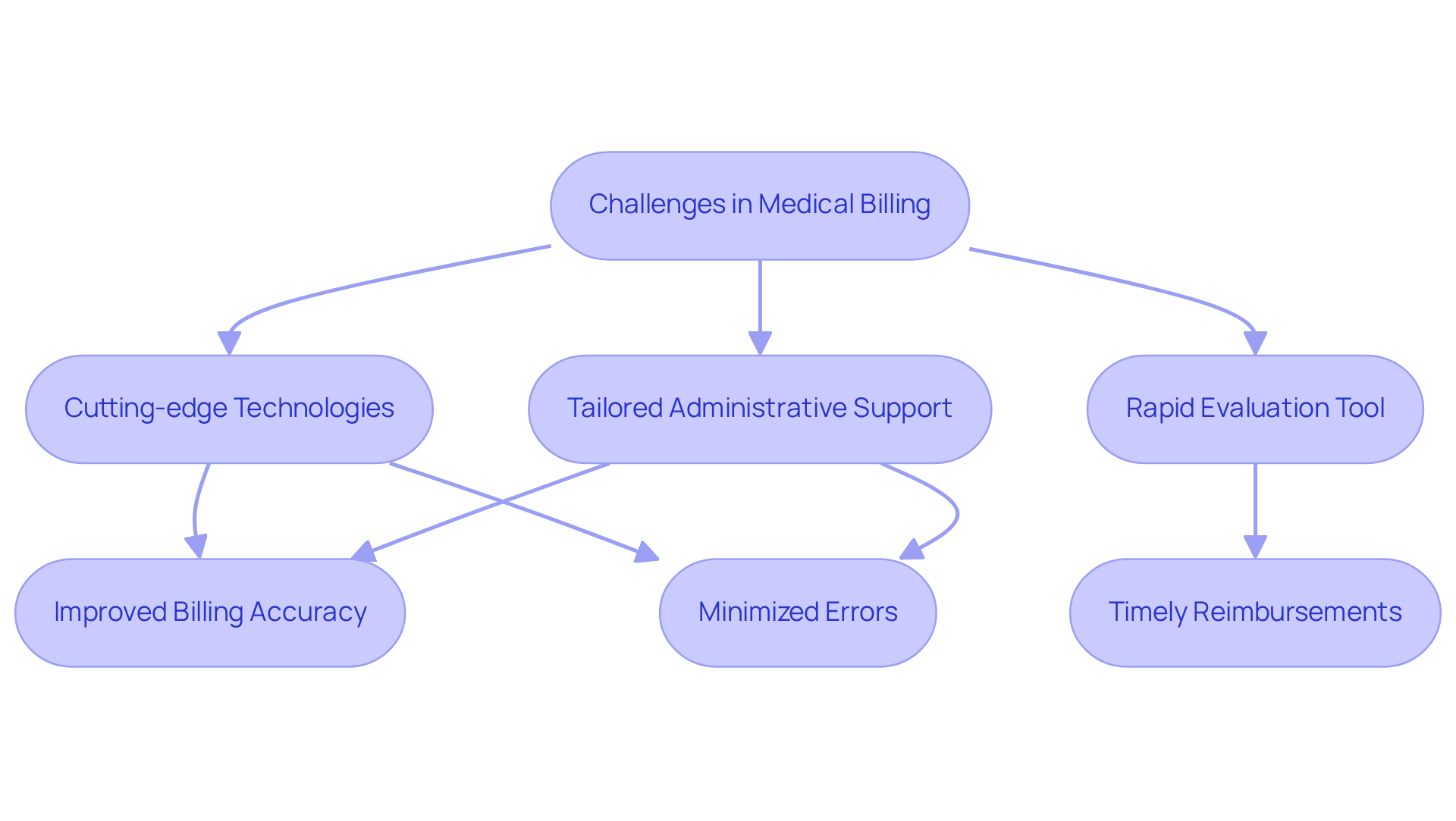
Healthcare providers often face significant challenges in managing administrative tasks and billing processes, which can detract from patient care, particularly when relying on medical billing organizations. Healthcare Partners Consulting & Billing, LLC (HPC) addresses these issues by employing cutting-edge technologies and tailored administrative support to improve billing accuracy and efficiency. Their innovative solutions minimize errors and expedite claim submissions, which is crucial for ensuring timely reimbursements. This focus on efficiency allows organizations to prioritize patient care while enjoying improved operational performance and financial outcomes.
HPC also provides a rapid evaluation tool that assists mental health organizations in identifying their profitability score, uncovering hidden revenue leaks, and obtaining tailored suggestions to enhance efficiency and accuracy in financial processes. As a veteran-owned organization with 39 years of expertise in medical and mental health financial processes, HPC is dedicated to empowering healthcare providers by alleviating administrative challenges. As a result, healthcare providers can redirect their focus towards patient care, improving overall service delivery.
Medical billing organizations provide comprehensive revenue cycle management services that are tailored specifically for behavioral and mental health practices, ensuring compliance and maximizing profitability. Ultimately, HPC’s specialized services not only enhance operational efficiency but also empower healthcare providers to achieve sustainable financial health.
PHCSS: Comprehensive Insights into the U.S. Medical Billing Process
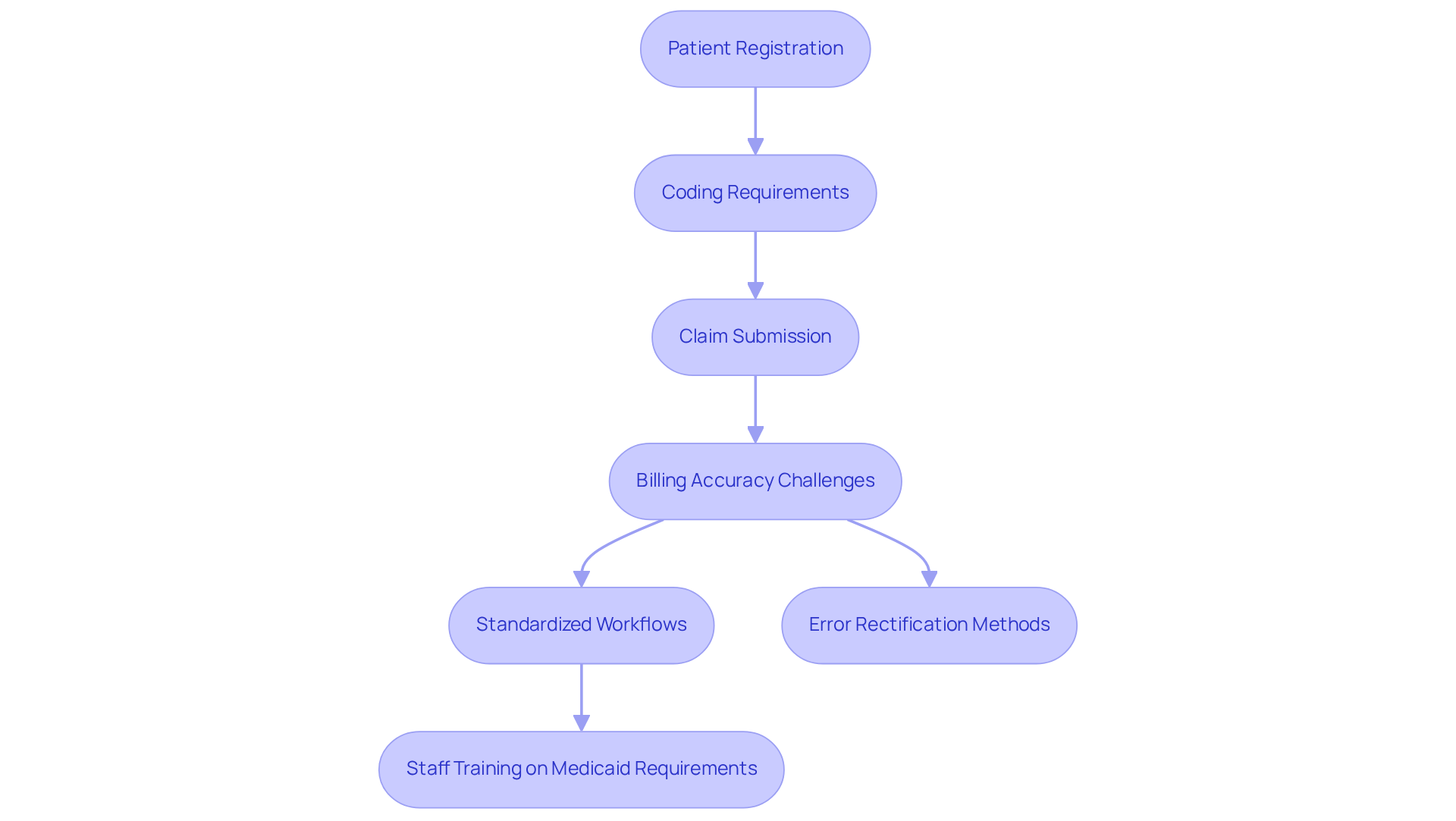
Healthcare Partners Consulting (HPC) leverages 39 years of experience to illuminate the complexities of the U.S. medical reimbursement process, from patient registration to claim submission. Their expertise assists healthcare providers in understanding the intricacies of financial processes, including coding requirements and payer policies. By educating organizations on invoicing, HPC helps them navigate challenges, ensuring compliance and maximizing revenue. This knowledge is vital for providers aiming to enhance operational efficiency and patient care.
With the U.S. medical outsourcing market anticipated to reach USD 19.7 billion by 2034, up from $6.3 billion in 2024, and a CAGR of around 12.1%, understanding these processes is increasingly essential for medical billing organizations and healthcare organizations. Furthermore, many healthcare organizations face challenges with billing accuracy due to the high rate of errors associated with medical billing organizations.
It is crucial for organizations to establish standardized workflows and inform staff about state-specific Medicaid requirements as work requirements are implemented. As Lisa A. Eramo observes, methods that clarify charges and swiftly rectify errors will better foster patient trust and minimize billing disputes.
HPC’s end-to-end services, including disciplined accounts receivable follow-up and data-driven guidance, ensure that healthcare providers can focus on delivering patient-centric care while optimizing their revenue cycle. Understanding these processes is not just beneficial; it is essential for thriving in an increasingly competitive healthcare landscape.
ITU Online: Educational Resources for Mastering Medical Billing and Coding
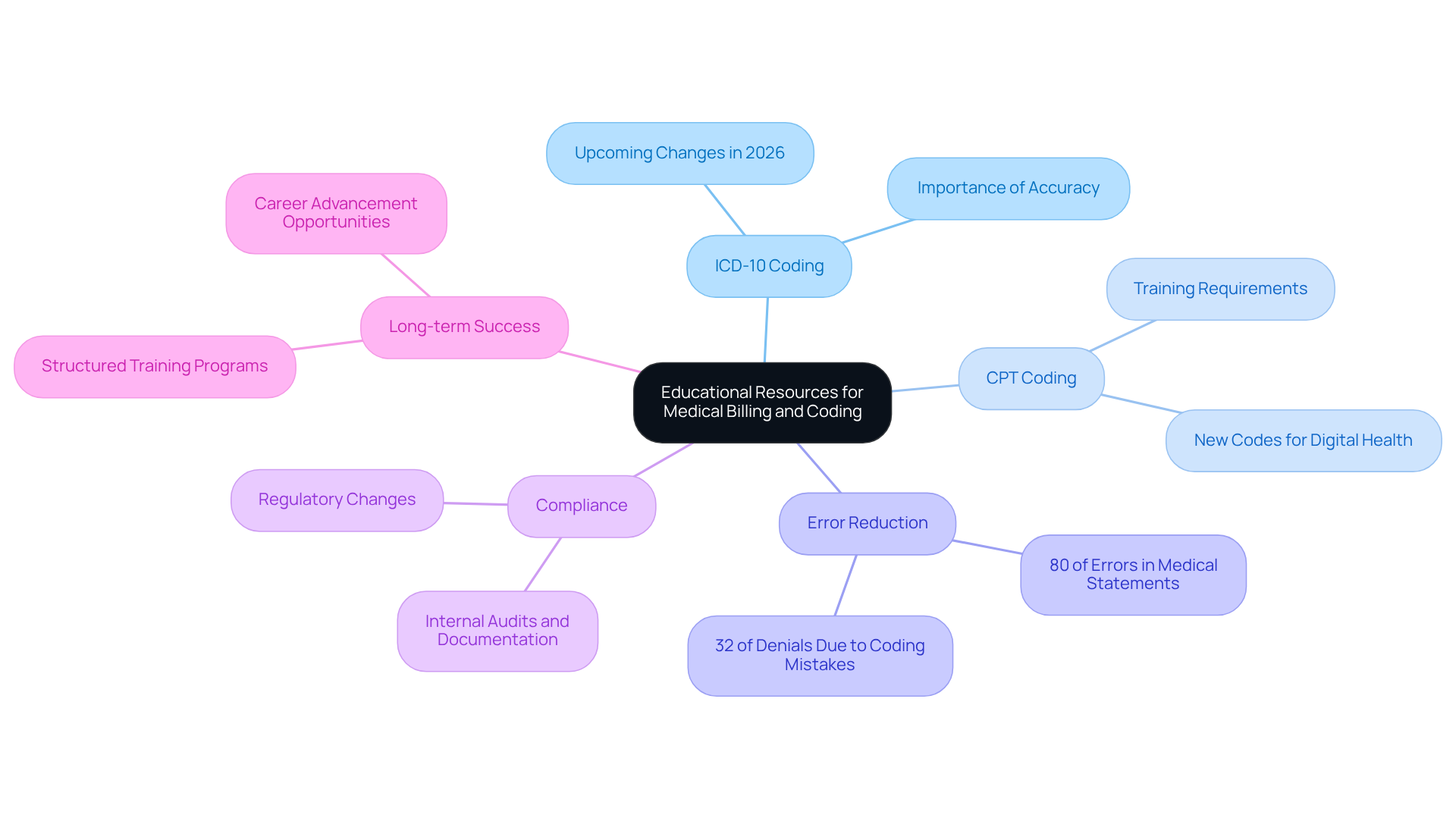
ITU Online offers a comprehensive range of educational resources designed to master medical coding, focusing on critical areas such as ICD-10 and CPT coding. These courses equip medical professionals with the skills necessary for accurate invoicing, addressing the significant issue of errors in approximately 80% of medical statements. Investing in education allows providers to enhance invoicing practices, decrease coding errors – which account for about 32% of first-submission denials – and improve compliance with changing healthcare regulations. This dedication to ongoing education is essential for sustaining operational efficiency and ensuring high-quality care for individuals.
Case studies illustrate that educational materials can lead to improved accuracy in financial processes and reduced economic strain on individuals. For instance, practices that have adopted structured training programs report a reduction in invoicing errors, fostering trust and satisfaction among patients. With the medical sector adapting to new coding standards and the rise of telehealth, skilled professionals in medical coding are essential. ITU Online’s resources not only prepare individuals for immediate challenges but also position them for long-term success in a rapidly evolving field. Ultimately, the commitment to education in medical coding is not just about compliance; it is a strategic investment in the future of healthcare delivery.
Leveraging Data Analytics: Transforming Medical Billing Operations
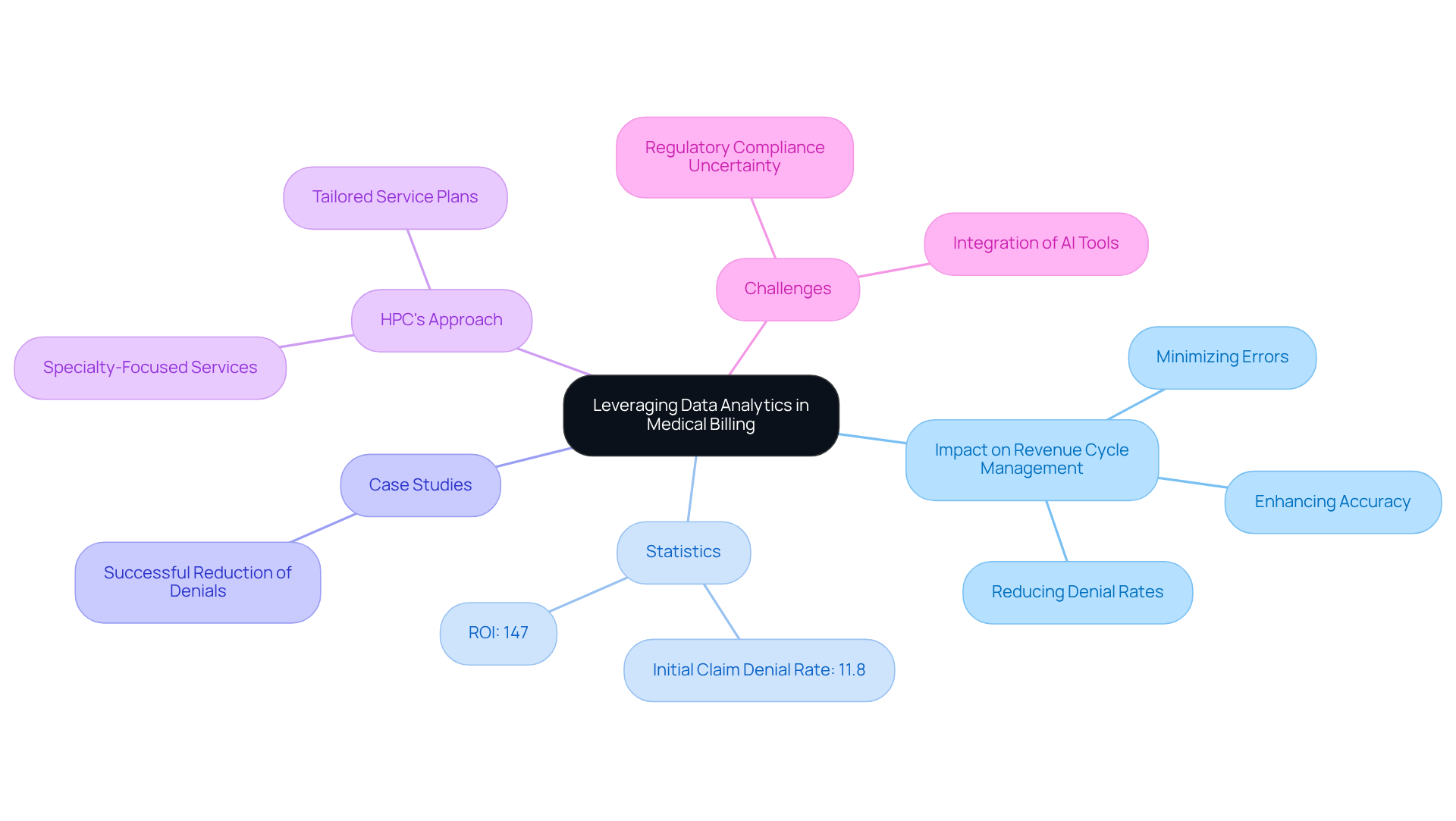
Data analytics is revolutionizing medical financial operations by providing insights that enhance accuracy and efficiency. Providers can enhance their revenue cycle management by analyzing billing data to identify trends and minimize errors. For instance, analytics implementations can reduce denial rates by up to 40%, demonstrating the potential for enhanced financial outcomes. In 2024, the initial claim denial rate in healthcare reached 11.8%, highlighting the urgent need for effective data strategies to combat this challenge.
Healthcare Partners Consulting & Billing, LLC (HPC) exemplifies this transformation with its specialty-focused, relationship-driven service tailored to mental and behavioral health. HPC provides tailored service plans that cater to the specific needs of various practices, ensuring clients receive the necessary support. Organizations that integrate advanced analytics, like HPC, report an average ROI of 147% within three years, underscoring the financial benefits of adopting such technologies. A notable case study involves HPC’s clients, who utilized data analytics to analyze claims data and successfully reduce denials, leading to enhanced revenue capture.
As a veteran-owned organization with 39 years of experience, HPC is dedicated to delivering compliant, high-quality invoicing services. As the medical landscape changes, utilizing analytics not only simplifies invoicing processes but also enables providers to focus on delivering quality care. With 92% of healthcare leaders believing that generative AI will significantly enhance operational efficiency, the integration of data analytics into medical billing is not merely a trend but a necessity for organizations aiming to thrive in a competitive environment. This data-driven approach enables organizations to make informed decisions, ultimately leading to better patient care and financial sustainability. Furthermore, as 40% of organizations mention regulatory or compliance uncertainty as an obstacle to AI adoption, navigating these challenges while effectively implementing data analytics is essential for organizations aiming to maintain competitiveness and improve patient care.
Patient-Centric Billing: Enhancing Transparency and Trust in Healthcare Payments
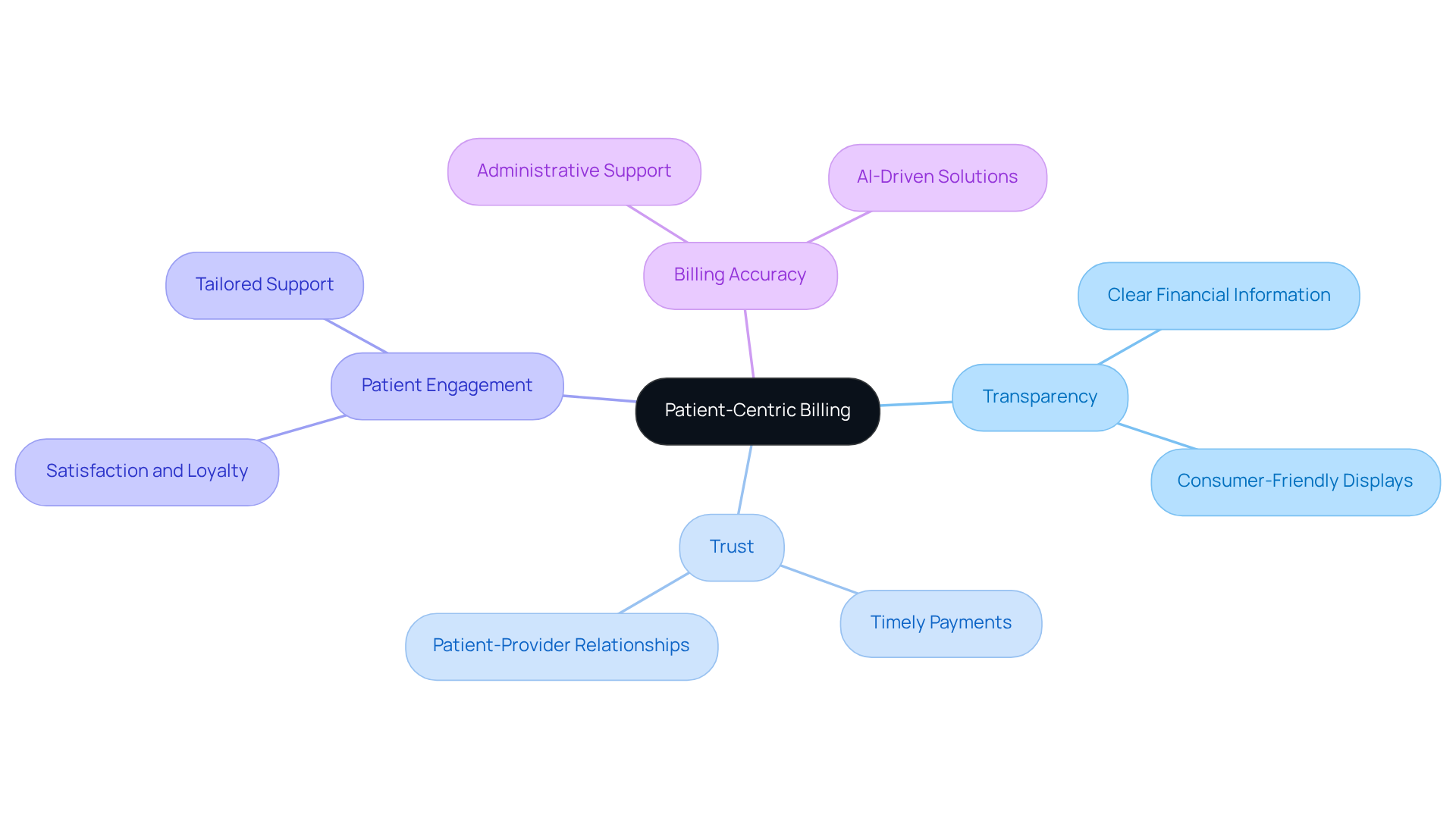
Navigating financial responsibilities in healthcare can be challenging for many individuals. Patient-focused payment practices are crucial for promoting clarity and confidence in medical transactions. By providing clear and accessible financial information, HPC enables individuals to understand their monetary obligations. This transparency fosters trust and encourages timely payments, benefiting both patients and providers.
Implementing solutions focused on individuals has been shown to improve satisfaction and loyalty, which are essential for the long-term success of medical services. Such approaches significantly enhance patient engagement and retention, underscoring the significance of these methods in today’s changing medical environment.
Healthcare Partners Consulting & Billing, LLC (HPC), a veteran-owned organization with 39 years of experience, highlights the importance of medical billing organizations in providing tailored administrative support to improve billing accuracy and efficiency, ensuring that healthcare providers can concentrate on patient care.
Keith Lage, a recognized expert in the field, states, ‘In this new world, it’s not just a good idea, it’s an essential survival strategy.’
To evaluate your practice’s profitability and receive tailored recommendations, consider taking our quick quiz or scheduling a meeting with HPC today.
Interoperability in Medical Billing: Ensuring Seamless Data Exchange
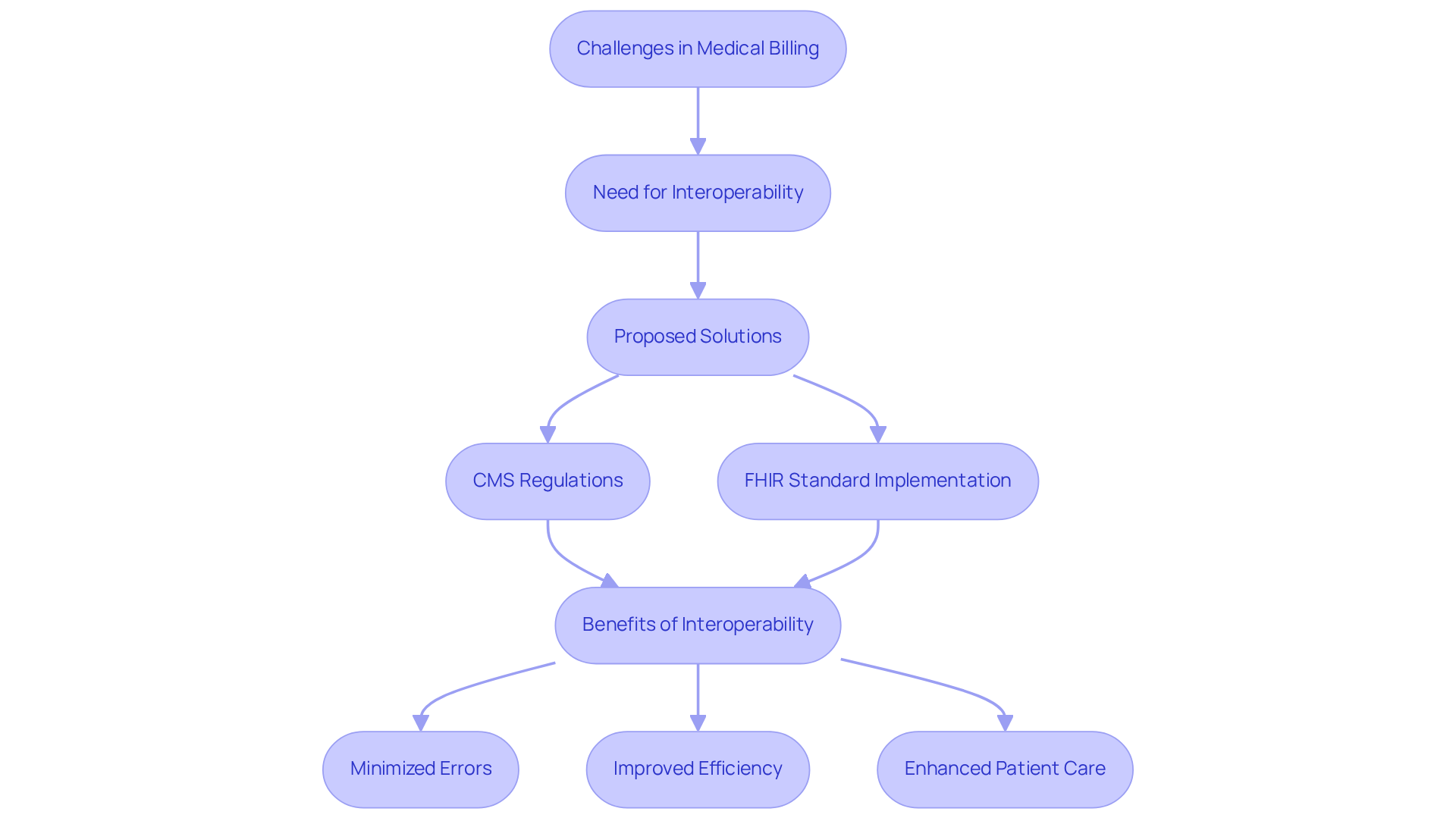
Interoperability in medical invoicing is crucial for ensuring efficient data exchange among health systems, yet many face significant challenges without it. By enabling diverse platforms to communicate effectively, interoperability minimizes errors and boosts the efficiency of billing processes. This capability allows healthcare providers to quickly access accurate information about patients, crucial for timely claims and payments. The focus on interoperability not only streamlines operations but also improves care by ensuring that providers have immediate access to necessary information.
For example, the Centers for Medicare & Medicaid Services (CMS) has proposed regulations to enhance prior authorization processes, requiring electronic prior authorization for medications, which is anticipated to improve transparency and efficiency in financial transactions. Furthermore, the implementation of the FHIR standard for prior authorization transactions seeks to minimize administrative inefficiencies, benefiting both providers and those receiving care.
Healthcare Partners Consulting, a veteran-owned firm with 39 years of expertise in medical billing organizations and practice management, specializes in optimizing statements and claims management, ensuring compliance and efficiency in billing processes. By prioritizing interoperability, healthcare providers can not only enhance their operational efficiency but also significantly improve patient care outcomes.
To remain informed about regulatory changes and implement interoperability solutions effectively, providers should engage with industry resources and consider adopting new technologies that facilitate data exchange.
Telehealth’s Impact on Medical Billing: Adapting to New Challenges
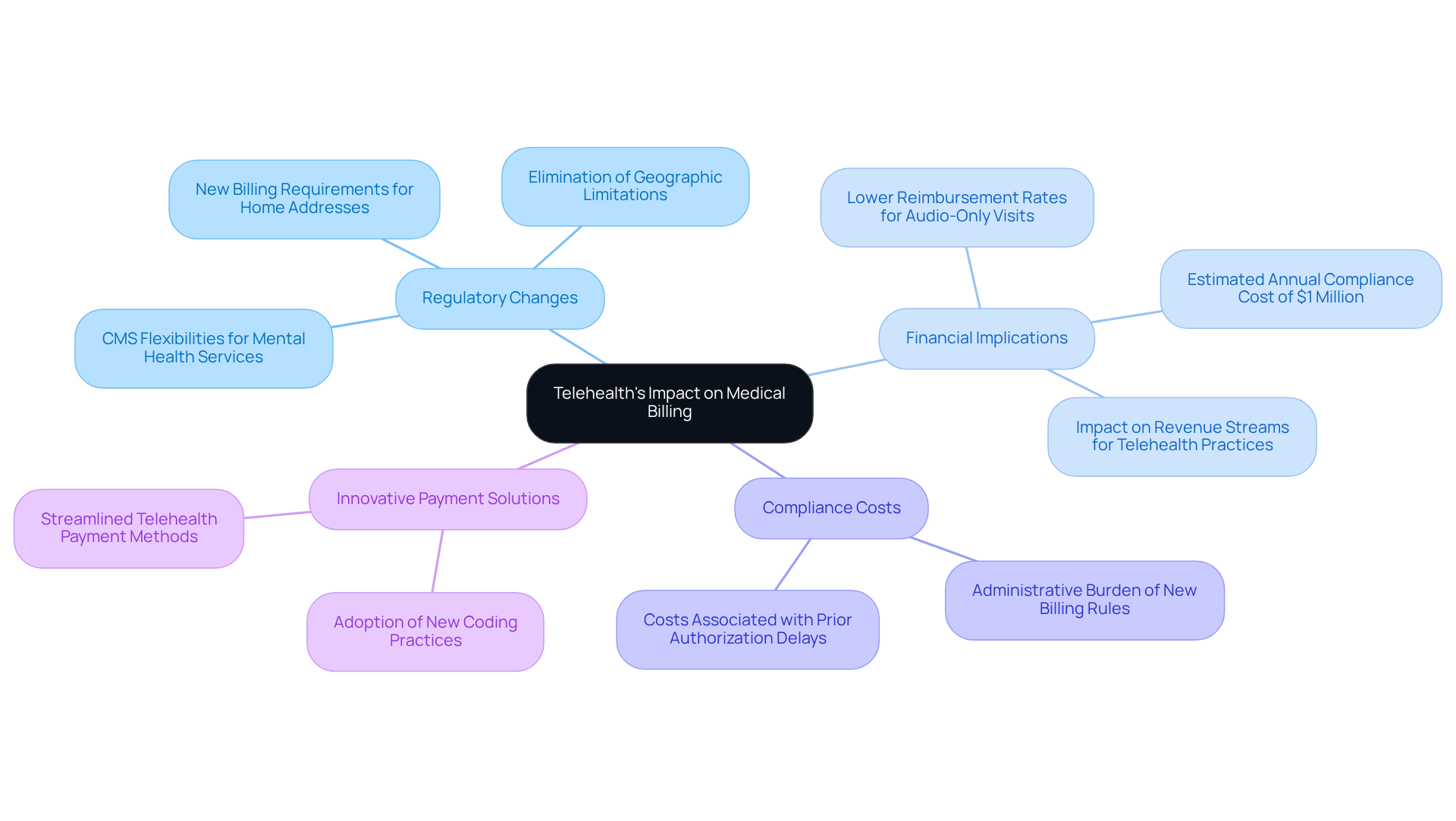
The rise of telehealth has introduced complex challenges and opportunities in medical invoicing that healthcare providers must navigate carefully. As telehealth services gain traction, billing methods must adapt to align with evolving coding requirements and reimbursement policies, presenting challenges for healthcare providers. In 2026, significant adjustments will be made, including the introduction of lower reimbursement rates for audio-only visits compared to audio-visual ones, which could significantly affect the revenue streams of practices that depend heavily on telehealth services.
It is crucial for providers to remain informed about telehealth regulations to ensure compliance and enhance their revenue cycle. For example, the Centers for Medicare & Medicaid Services (CMS) is making permanent many flexibilities for mental health and behavioral health services via telehealth, which can enhance operational efficiency while maintaining quality care.
A recent case analysis emphasized that a large health system encountered an estimated annual compliance cost of $1 million due to new telehealth reimbursement requirements. This underscores the financial implications of adapting to the evolving landscape. Furthermore, an AMA survey indicated that numerous physicians are exasperated with prior authorization procedures, which can postpone patient care and complicate financial processes.
Adopting innovative telehealth payment solutions is essential for healthcare providers to streamline operations and maintain high-quality care in a remote setting. The ongoing modifications in telehealth regulations, including the elimination of geographic limitations for originating sites, further highlight the necessity for providers to adjust their invoicing methods to succeed in this new landscape. Without strategic adaptation, providers risk jeopardizing their financial stability in an increasingly competitive telehealth environment.
Sustainability in Medical Billing: Balancing Efficiency with Environmental Responsibility
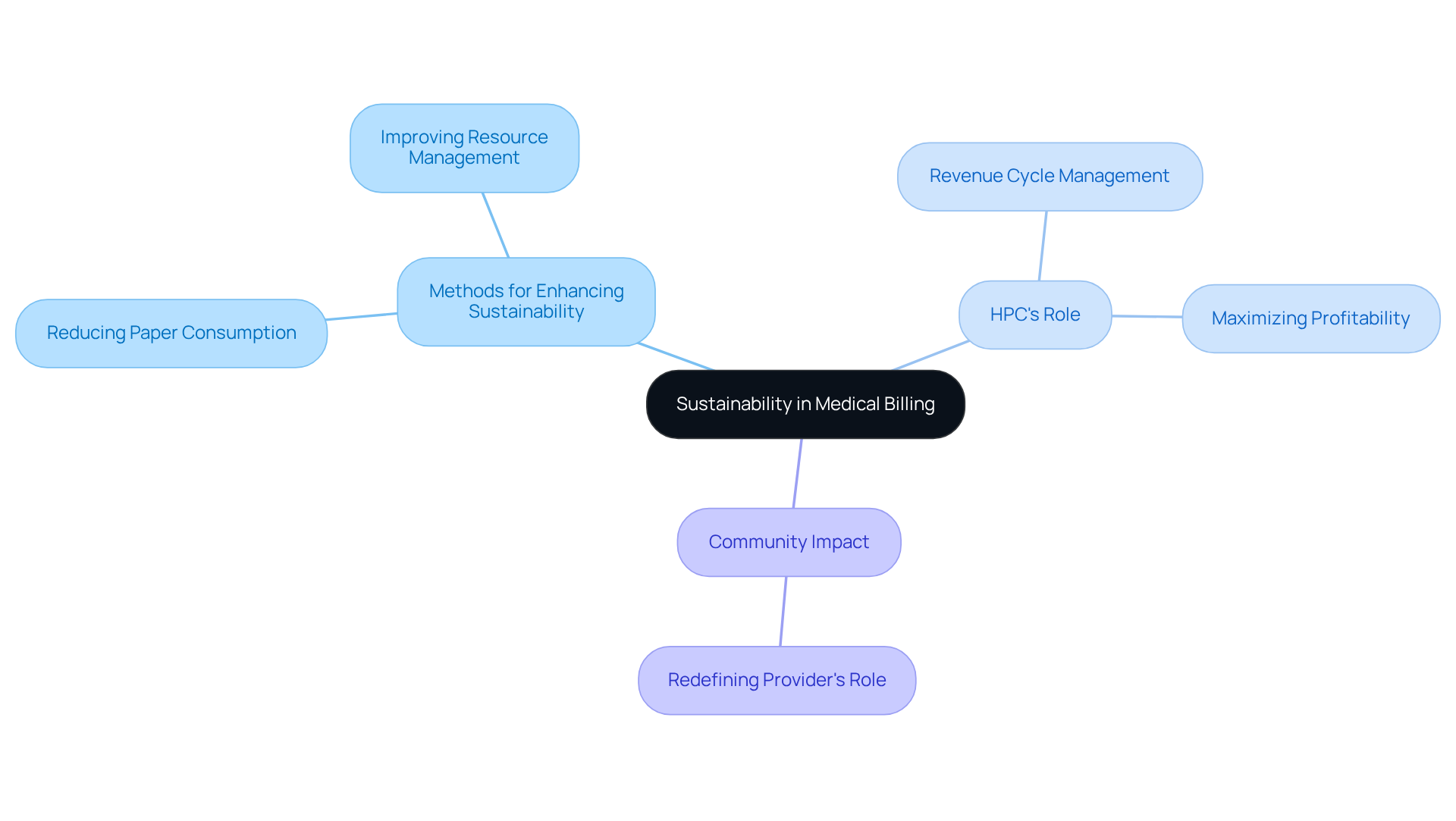
Healthcare providers face increasing pressure to integrate sustainability into their operational frameworks. Organizations can enhance sustainability by adopting environmentally friendly methods, including reducing paper consumption and improving resource management.
Healthcare Partners Consulting & Billing, LLC (HPC) exemplifies this dedication through its extensive revenue cycle management services, which not only enhance accuracy in invoicing but also assist providers in maximizing profitability. This commitment to sustainability aligns with the values of patients who prioritize responsible healthcare practices.
Ultimately, prioritizing sustainability in medical invoicing can redefine a provider’s role in the community.
Conclusion
Healthcare providers face increasing challenges in managing administrative tasks while delivering quality care. Healthcare Partners Consulting & Billing, LLC (HPC) alleviates these burdens, allowing them to focus on delivering exceptional patient care. Streamlining processes improves operational efficiency and fosters a patient-centric approach.
Throughout the article, key insights highlight the importance of specialized services in medical billing, particularly for behavioral and mental health practices. From expert claims management to comprehensive revenue cycle solutions, organizations like HPC demonstrate how tailored support can lead to significant improvements in financial performance and patient satisfaction. The emphasis on compliance and the integration of innovative technologies further underscores the necessity of partnering with organizations that prioritize integrity and transparency.
As the healthcare landscape continues to evolve, the role of medical billing organizations becomes increasingly vital. Providers are encouraged to evaluate their current billing processes and consider the benefits of collaboration with experienced partners like HPC. By doing so, they can enhance their operational efficiency and ensure that they remain focused on delivering high-quality care to their patients. Providers who adapt to these changes will not only improve their operational efficiency but also secure their position in a competitive healthcare landscape.
Frequently Asked Questions
What services does Healthcare Partners Consulting & Billing, LLC (HPC) provide?
HPC offers expert claims management, denial management, and accounts receivable management, all designed to enhance operational efficiency and boost revenue for healthcare providers.
How does HPC help healthcare providers focus on patient care?
By simplifying the complexities of invoicing and alleviating administrative burdens, HPC allows practitioners to dedicate more time to their core mission of patient care.
Why are healthcare organizations outsourcing their billing services to companies like HPC?
Outsourcing financial operations helps small entities maintain economic stability without the overhead costs associated with large internal departments, while also adapting to regulatory updates and technological advancements.
What impact have HPC’s services had on healthcare organizations?
Organizations using HPC’s services have reported significant reductions in documentation workload, enabling clinicians to save 1-2 hours daily, which can be redirected towards patient interactions.
How does AnnexMed enhance revenue integrity for healthcare providers?
AnnexMed conducts comprehensive coding audits to identify discrepancies in documentation and coding, ensuring compliance with regulations and maximizing revenue potential.
What challenges are healthcare organizations facing regarding coding audits in 2026?
There has been a notable increase in coding-related denials, which surged by 26% in outpatient settings, putting pressure on organizations to implement effective auditing methods.
What are the benefits of AnnexMed’s auditing services?
Their audits help identify areas of non-compliance and inefficiency, allowing organizations to resolve issues before they lead to costly denials, ultimately recovering lost revenue.
How does HPC utilize technology to improve billing processes?
HPC employs cutting-edge technologies and tailored administrative support to enhance billing accuracy and efficiency, minimizing errors and expediting claim submissions.
What specialized services does HPC provide for behavioral and mental health practices?
HPC offers comprehensive revenue cycle management services tailored specifically for behavioral and mental health practices, ensuring compliance and maximizing profitability.
What is the overall goal of HPC’s services for healthcare providers?
HPC aims to empower healthcare providers by alleviating administrative challenges, allowing them to focus on patient care and improve overall service delivery.