Introduction
In the intricate realm of mental health care, achieving operational efficiency is essential for enhancing patient outcomes. Implementing best practices in practice management enables mental health providers to alleviate administrative burdens, thereby prioritizing patient care. The challenge lies in effectively streamlining operations while ensuring compliance and maximizing revenue. This article explores key strategies that enable mental health organizations to thrive, emphasizing tailored solutions and a compliance-first approach to navigate billing and operational management complexities.
Streamline Operations for Enhanced Efficiency
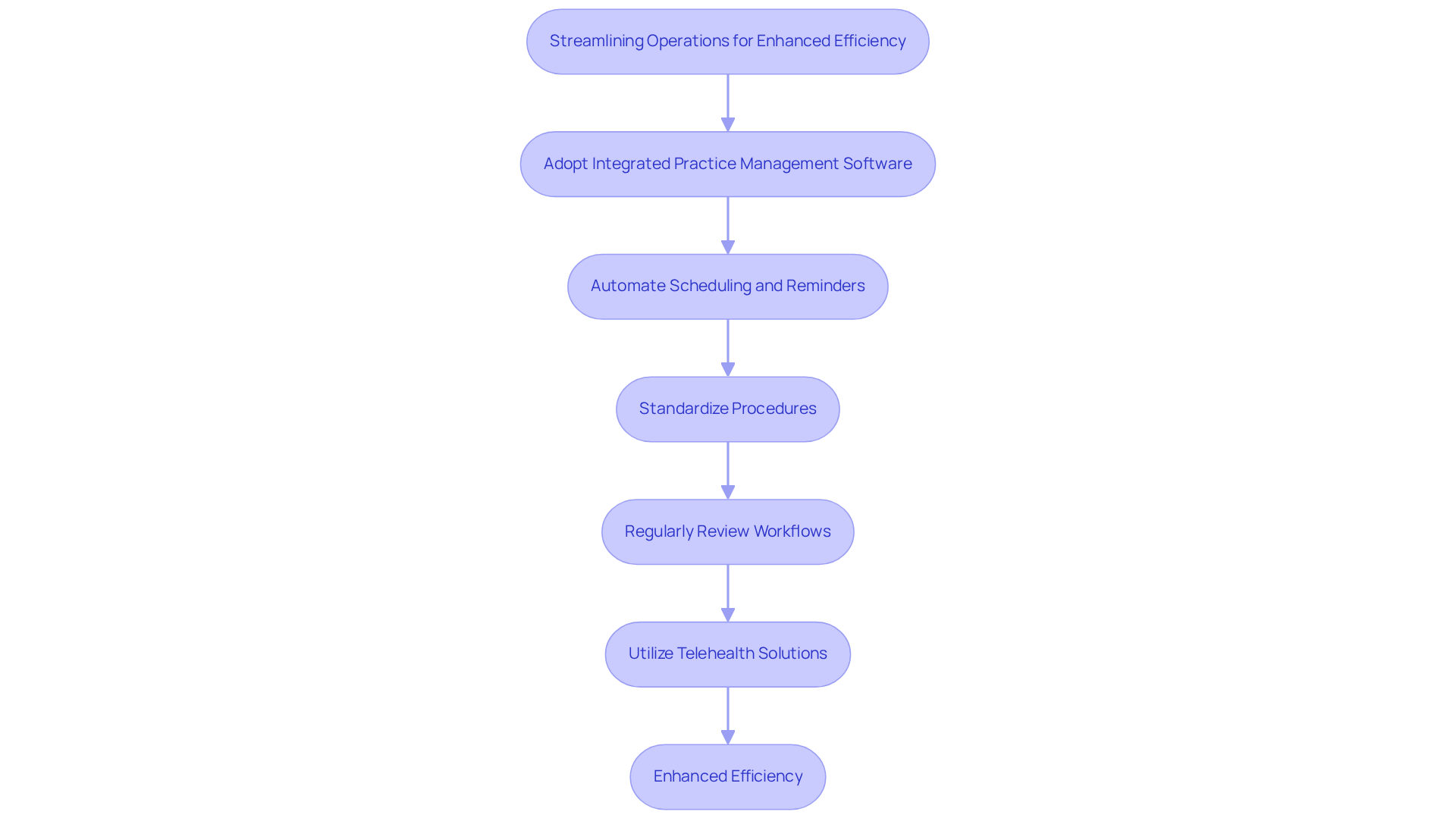
To enhance operational efficiency in mental health practices, it is essential to implement strategic solutions that address common challenges:
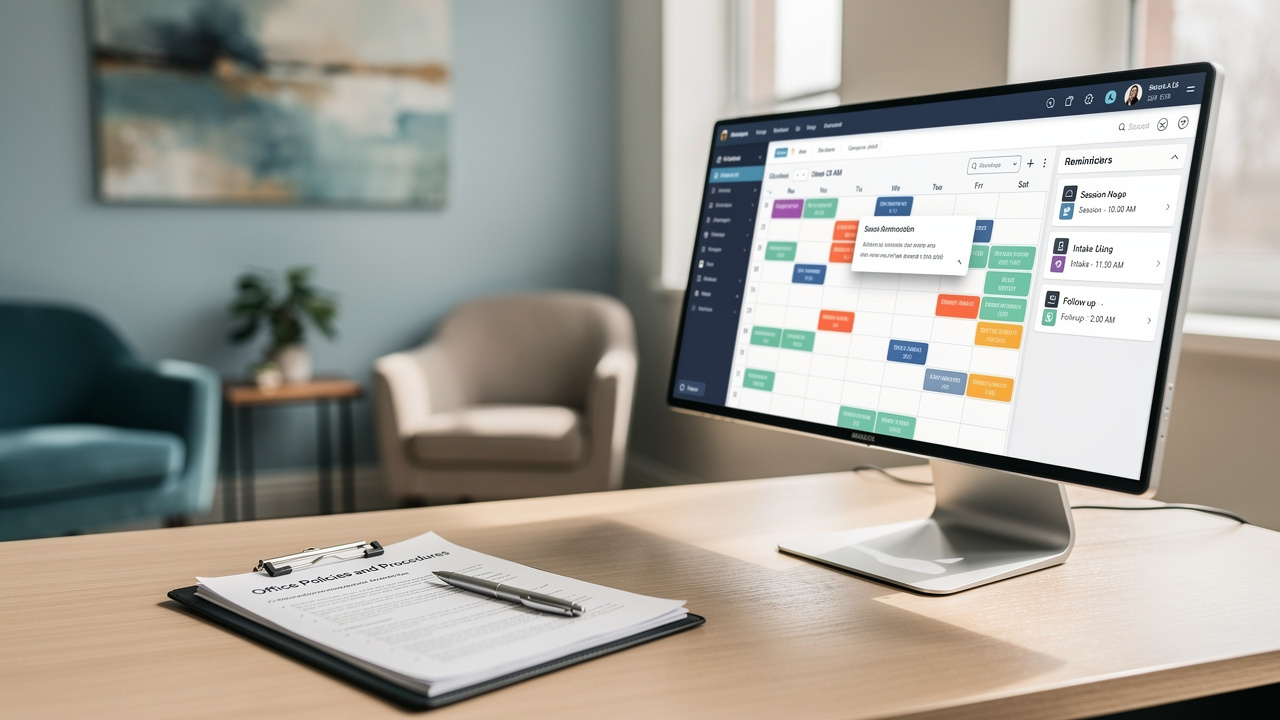
- Adopt Integrated Practice Management Software: Utilize software that combines scheduling, billing, and client management. This integration saves time and enhances data accuracy. As a result, practices can expect a 20-30% reduction in claim denials and faster reimbursements, typically within 30-90 days, particularly when utilizing platforms such as TherapyNotes, SimplePractice, and Valant.
- Automate Scheduling and Reminders: Use automated systems for appointment scheduling and reminders to minimize no-shows and optimize therapist time. Healthcare Partners Consulting (HPC) offers specialized virtual assistant services that can handle these tasks, significantly enhancing patient flow and reducing administrative workload. This allows providers to focus more on patient care.
- Standardize Procedures: Develop standardized protocols for common tasks such as intake, documentation, and billing. This consistency improves efficiency and ensures compliance with regulations, ultimately enhancing operational rigor, which aligns with HPC’s compliance-first approach.
- Regularly Review Workflows: Conduct periodic assessments of operational workflows to identify bottlenecks and areas for improvement. Involving staff in these evaluations can yield valuable insights and promote a culture of ongoing enhancement, ensuring that methods remain agile and responsive to evolving needs.
- Utilize Telehealth Solutions: Implement telehealth options to expand access to care and reduce the burden of in-person visits. This adaptability can improve client satisfaction and operational efficiency, especially as the demand for mental wellness services continues to grow.
Ultimately, these strategies not only streamline operations but also improve mental health practice management, empowering providers to deliver higher-quality care to their clients.
Optimize Billing and Reimbursement Processes
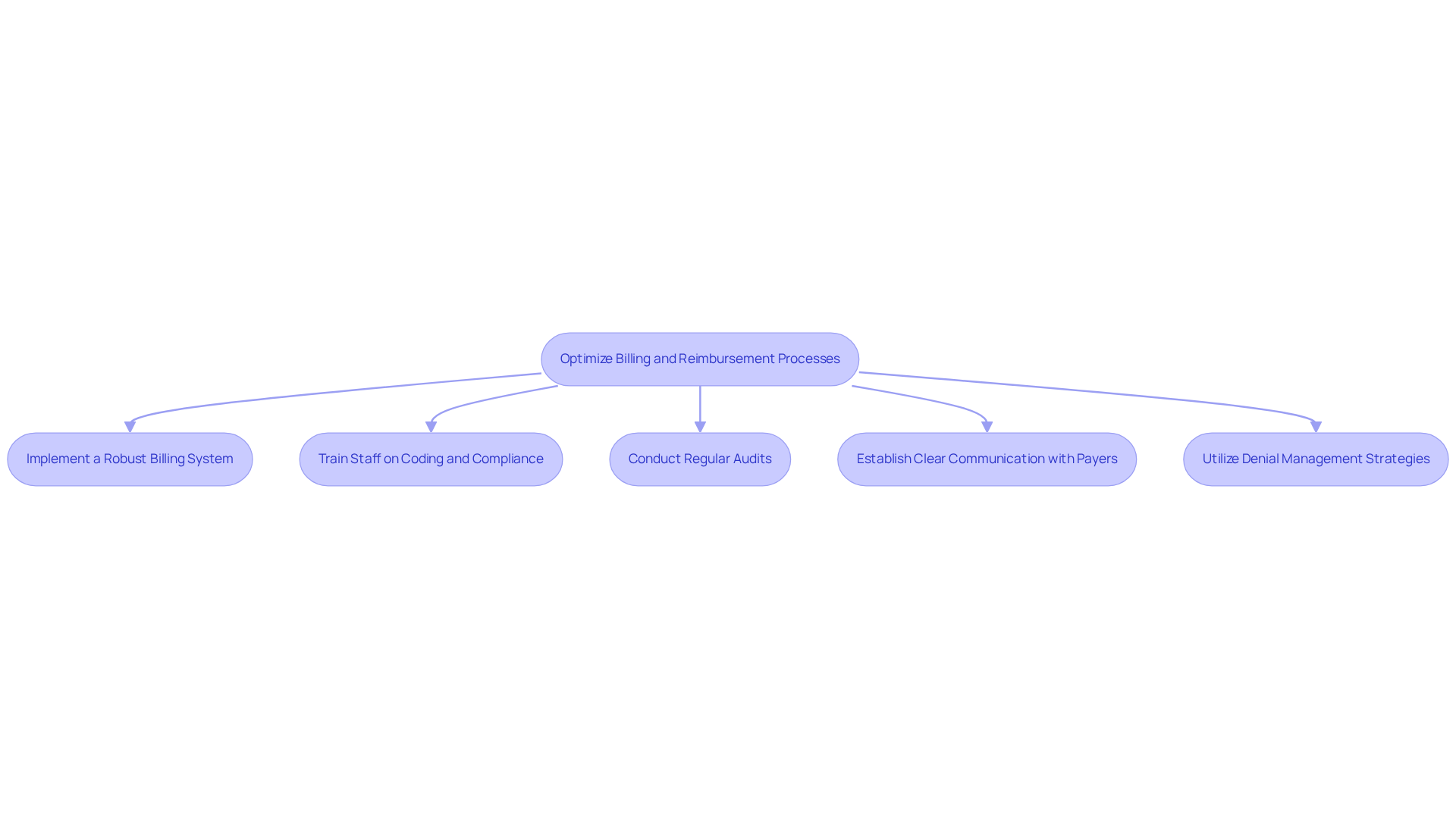
Inadequate billing practices can severely hinder the financial health of mental health organizations, making effective mental health practice management strategies crucial to adopt. To enhance billing and reimbursement processes in mental health practices, consider the following best practices:
- Implement a Robust Billing System: Select a billing system specifically designed for mental health services, ensuring it accommodates unique coding and documentation requirements. Integrating platforms such as TherapyNotes, SimplePractice, or Valant can reduce claim denials by 20-30%. Additionally, it can expedite reimbursements by 15-25% within 30-90 days.
- Train Staff on Coding and Compliance: It’s essential to regularly train staff on the latest coding techniques and compliance regulations. This helps minimize errors and ensures that claims are submitted correctly the first time, reducing the likelihood of denials.
- Conduct Regular Audits: Perform routine evaluations of billing methods to identify discrepancies and areas for improvement. Without regular audits, practices risk facing significant financial setbacks due to unnoticed billing errors. This proactive approach can help catch issues before they lead to denials or delays in payment, ultimately enhancing revenue cycle performance.
- Establish Clear Communication with Payers: Build strong relationships with insurance companies to facilitate smoother claims processing. Understanding payer requirements can help avoid common pitfalls that lead to claim denials, ensuring a more efficient billing process.
- Utilize Denial Management Strategies: Develop a systematic approach to managing denials, including tracking reasons for denials and implementing corrective actions. Healthcare Partners Consulting & Billing, LLC (HPC) offers data-driven guidance to appeal the right denials quickly, significantly improving the overall revenue cycle. Personalized consultations with HPC can help identify the optimal administrative solutions tailored to your organization’s needs.
Ultimately, effective mental health practice management can empower mental health organizations to thrive, ensuring they remain focused on their core mission of patient care.
Ensure Compliance with Healthcare Regulations
To maintain compliance with healthcare regulations in mental health practices, implement the following strategies:
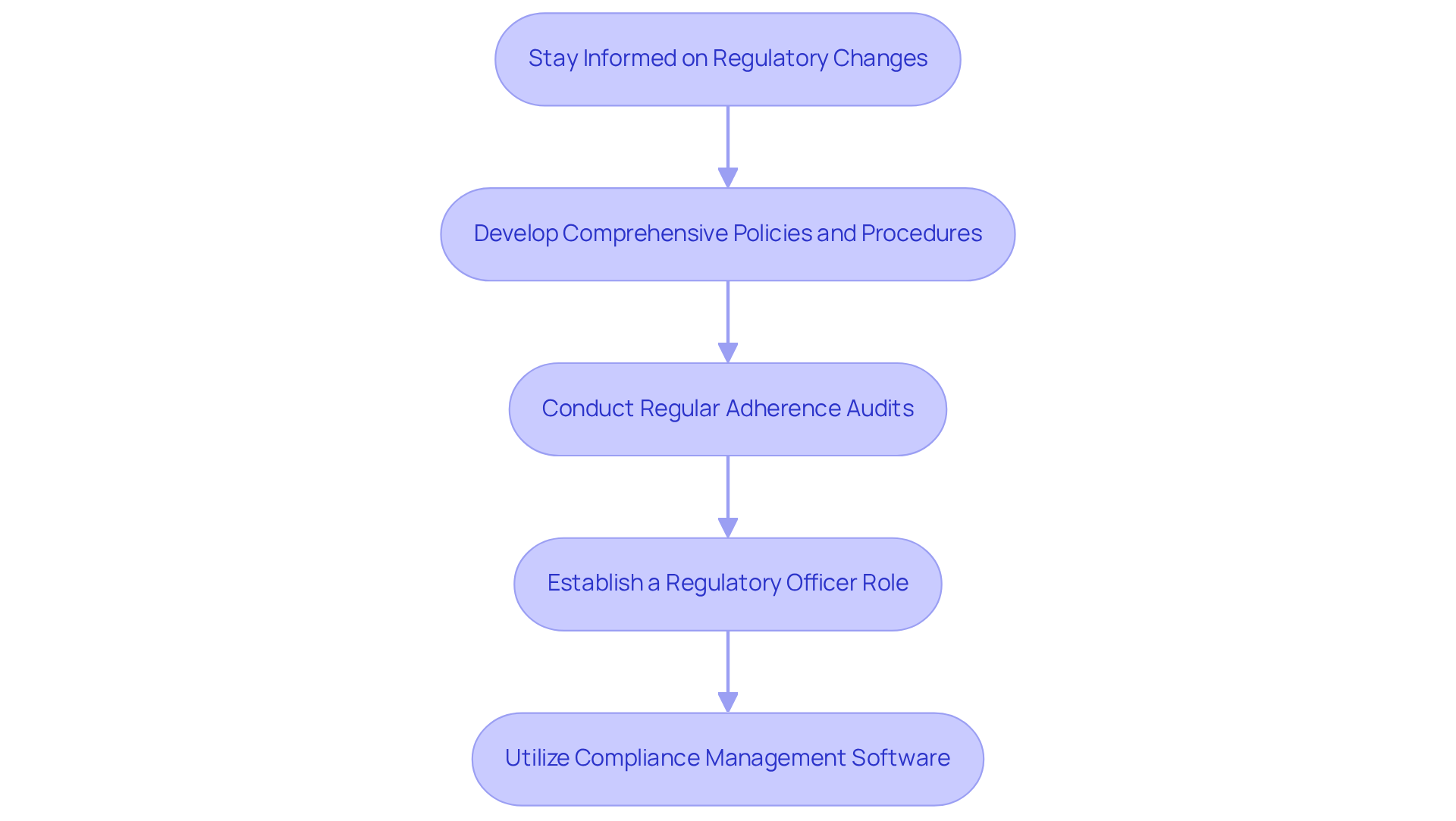
- Stay Informed on Regulatory Changes: Regularly review updates to federal and state regulations impacting mental health services. Subscribing to relevant newsletters and attending workshops can help keep your team informed about the latest regulatory requirements.
- Develop Comprehensive Policies and Procedures: Create clear policies that outline adherence protocols for areas such as patient privacy, billing practices, and clinical documentation. Ensure all staff are trained on these policies to promote a culture of adherence.
- Conduct Regular Adherence Audits: Schedule periodic evaluations to assess conformity to standards. This proactive strategy helps spot potential issues before they grow, ensuring that practices remain aligned with regulatory expectations.
- Establish a Regulatory Officer Role: Appoint a regulatory officer accountable for supervising adherence to regulations and managing training for staff. This role can help ensure accountability and concentrate on regulatory efforts, which is crucial in a rapidly changing landscape.
- Utilize Compliance Management Software: Invest in software that helps track compliance-related tasks and documentation. This can streamline processes and ensure that all necessary records are maintained accurately, reducing the risk of non-compliance.
By prioritizing regulations, organizations involved in mental health practice management can safeguard their operations and enhance their reputation. This, in turn, leads to improved patient care. Recent studies suggest that effective compliance strategies can result in a 20-30% decrease in claim denials and quicker reimbursements within 30-90 days, further enhancing the financial stability of organizations. Healthcare Partners Consulting & Billing, LLC (HPC) emphasizes comprehensive revenue cycle management tailored to behavioral wellness practices, ensuring clean claims and swift follow-up. Their expertise in managing patient statements directly addresses underpayments and aging claims, which are critical for maintaining cash flow. Furthermore, as highlighted by the American Psychological Association, implementing comprehensive compliance measures not only improves operational efficiency but also guarantees fair access to mental wellness services. Ultimately, neglecting compliance can jeopardize both patient trust and organizational viability.
Implement Effective Staff Recruitment and Retention Strategies
Attracting and retaining top talent in mental health practice management presents significant challenges that require strategic approaches. To achieve this, consider the following best practices:
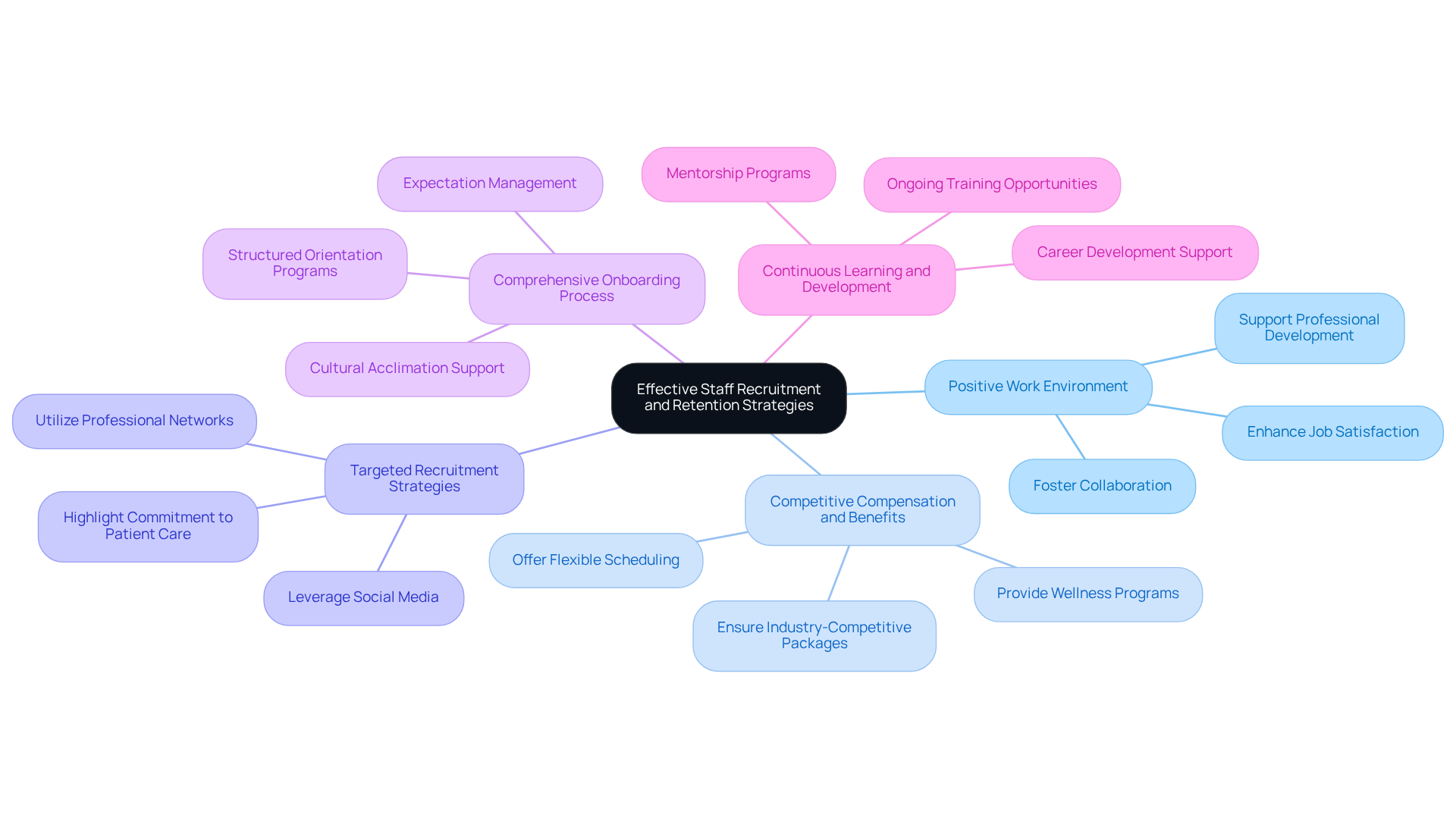
- Create a Positive Work Environment: Foster a culture that values collaboration, support, and professional development. A positive work environment enhances job satisfaction and reduces turnover.
- Offer Competitive Compensation and Benefits: Ensure that your compensation packages are competitive within the industry. Offer benefits including flexible scheduling, professional development opportunities, and wellness programs.
- Utilize Targeted Recruitment Strategies: Leverage social media, professional networks, and job boards to reach potential candidates. Emphasize your organization’s commitment to patient care and employee well-being in job postings.
- Implement a Comprehensive Onboarding Process: Develop a structured onboarding program that assists new hires in acclimating to the organization’s culture and expectations. This improves retention rates and employee satisfaction.
- Encourage Continuous Learning and Development: Provide opportunities for ongoing training and professional development. Supporting staff in their career development improves job satisfaction and loyalty to the organization.
By focusing on effective recruitment and retention strategies, mental health practice management can build a strong, dedicated workforce that enhances patient care and operational success. Without these strategies, mental health practices risk losing valuable talent, ultimately impacting patient care and operational effectiveness.
Conclusion
Implementing best practices in mental health practice management is essential for enhancing patient care and operational efficiency. Streamlining operations, optimizing billing processes, ensuring compliance, and enhancing staff recruitment and retention significantly improve operational efficiency and financial health for mental health organizations. These strategies alleviate administrative burdens and create conditions that enable providers to focus on delivering high-quality care.
Key insights from the article highlight the importance of:
- Adopting integrated practice management software
- Automating scheduling
- Standardizing procedures to enhance workflow efficiency
Additionally, a robust billing system and ongoing staff training on compliance and coding are essential for minimizing claim denials and ensuring timely reimbursements. Regular audits and clear communication with payers further strengthen the financial stability of mental health practices, while a commitment to compliance safeguards both patient trust and organizational viability.
Ultimately, the success of mental health practices hinges on a proactive approach to management that prioritizes empowerment, integrity, and innovation. By embracing these best practices, organizations can transform their operational landscape and enhance patient care. Working with experts like Healthcare Partners Consulting & Billing, LLC (HPC) offers tailored solutions for the unique needs of behavioral and mental health providers.
Frequently Asked Questions
What are some strategies to enhance operational efficiency in mental health practices?
Strategies include adopting integrated practice management software, automating scheduling and reminders, standardizing procedures, regularly reviewing workflows, and utilizing telehealth solutions.
How does integrated practice management software benefit mental health practices?
It combines scheduling, billing, and client management, saving time and enhancing data accuracy, leading to a 20-30% reduction in claim denials and faster reimbursements within 30-90 days.
What role does automation play in scheduling and reminders?
Automated systems minimize no-shows and optimize therapist time, allowing providers to focus more on patient care and enhancing patient flow.
Why is standardizing procedures important in mental health practices?
Standardization improves efficiency, ensures compliance with regulations, and enhances operational rigor.
How can regular workflow reviews improve a mental health practice?
Periodic assessments help identify bottlenecks and areas for improvement, promoting a culture of ongoing enhancement and ensuring methods remain agile and responsive.
What are the benefits of utilizing telehealth solutions in mental health practices?
Telehealth expands access to care, reduces the burden of in-person visits, and can improve client satisfaction and operational efficiency.