

Introduction
Navigating the complexities of intra-articular injection knee CPT codes presents significant challenges for healthcare providers. Understanding these intricacies is crucial for enhancing compliance and optimizing reimbursement. With the right knowledge, professionals can effectively navigate the complexities of coding, significantly reducing denial risks and expediting revenue cycles. This complexity can lead to errors if not managed properly. Practices must master these codes to meet payer requirements and enhance patient care.
Understand Intra-Articular Injection Knee CPT Codes
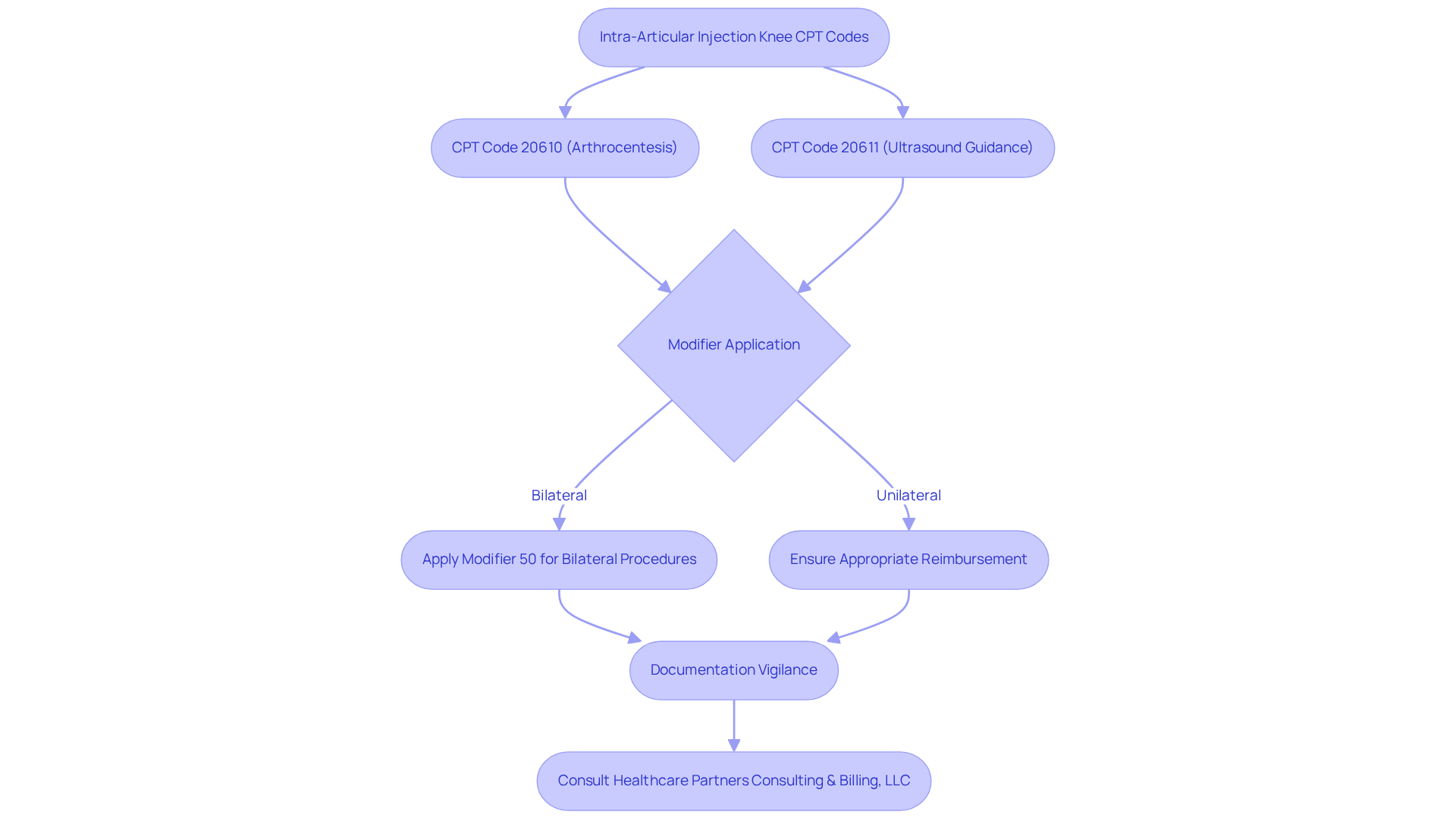
Intra-articular procedures for the knee necessitate the use of the intra articular injection knee cpt code to ensure compliance and optimize reimbursement. CPT codes 20610 and 20611 are primarily used for these procedures. CPT code 20610 pertains to arthrocentesis, aspiration, and/or administration into a major joint or bursa, while CPT code 20611 is designated for procedures involving ultrasound guidance. Accurate understanding and application of the intra articular injection knee cpt code are essential for compliance with payer requirements and for optimizing billing efficiency.
- Modifier Application: When performing injections on both knees, it is vital to apply the correct modifier, such as modifier 50 for bilateral procedures, to ensure appropriate reimbursement. Billing errors can lead to reimbursement denials, but accurate coding can reduce these denials by 20-30%.
- Expedited Reimbursement: Furthermore, accurate coding can expedite reimbursement by 15-25% within 30-90 days, enhancing overall revenue cycle performance.
- Documentation Vigilance: It’s crucial for healthcare providers to document the specifics of each procedure carefully, including the joint treated and the materials used, to support medical necessity and compliance. This careful documentation reduces denial risks and supports high-quality patient care.
Moreover, tailored consultations with Healthcare Partners Consulting & Billing, LLC (HPC) can assist in identifying optimal administrative solutions customized to your operations, effectively addressing underpayments and unprocessed requests. By mapping your current workflow, HPC empowers you to focus on patient care while enhancing your billing processes. This includes generating and following up on patient statements to ensure a balanced approach to claims management. By refining your billing processes, you not only enhance revenue but also uphold the standards of patient care.
Implement Accurate Coding Practices for Billing
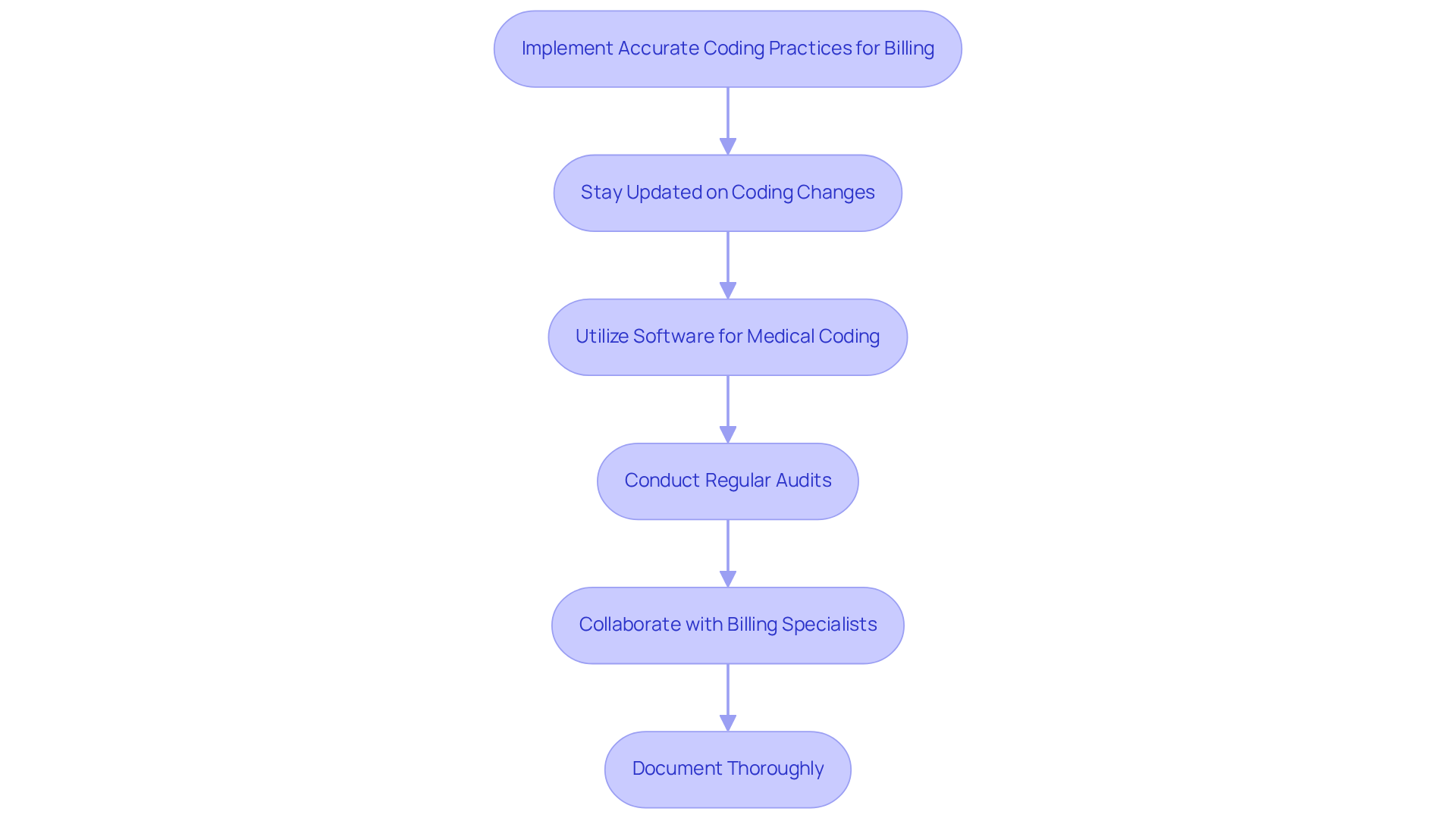
To ensure accurate coding practices for intra-articular knee injections, healthcare providers must implement strategic approaches that enhance efficiency and compliance:
- Stay updated on coding changes by regularly reviewing updates from the American Medical Association (AMA) to remain informed about the intra articular injection knee cpt code and related guidelines, particularly those affecting knee injections. In 2026, providers will need to include greater detail in documentation, such as severity, laterality, comorbidities, or social context.
- Utilize Software for Medical Coding: Invest in dependable medical software that aids in identifying the correct codes and modifiers based on the services rendered. This technology significantly enhances accuracy in programming. It can also reduce claim denials by 20-30%. Denial reduction can improve revenue cycle performance by 20-30%, and organizations can anticipate a 15-25% quicker reimbursement within 30-90 days with improved documentation and billing processes.
- Conduct Regular Audits: Perform periodic evaluations of programming methods to identify and rectify discrepancies or errors in billing. This proactive approach can lead to a 15-25% faster reimbursement within 30-90 days, improving overall revenue cycle performance.
- Collaborate with Billing Specialists: Work closely with billing specialists from Healthcare Partners Consulting & Billing, LLC (HPC), who are knowledgeable in coding methods to ensure that all submissions are made accurately and in compliance with payer requirements, minimizing the risk of denials. As noted by experts, submitting accurate, well-documented claims reduces denial risk and accelerates reimbursement. With 39 years of experience and a veteran-owned status, HPC provides tailored support to enhance your practice’s billing efficiency.
- Document Thoroughly: Ensure comprehensive documentation of all procedures, including the rationale for the administration, patient consent, and any imaging guidance used. Comprehensive documentation supports the medical necessity of the procedure and assists in justifying requests during audits. Furthermore, providers should recognize that claims for specific HCPCS codes associated with knee procedures will not be reimbursed by Nebraska Medicaid, highlighting the significance of precise coding and documentation.
Ultimately, precise coding and thorough documentation are essential for maximizing reimbursement and minimizing financial risk in healthcare practices.
Document Procedures Effectively for Compliance
Effective documentation for intra-articular knee injections is often overlooked, yet it is critical for ensuring proper patient care and reimbursement.
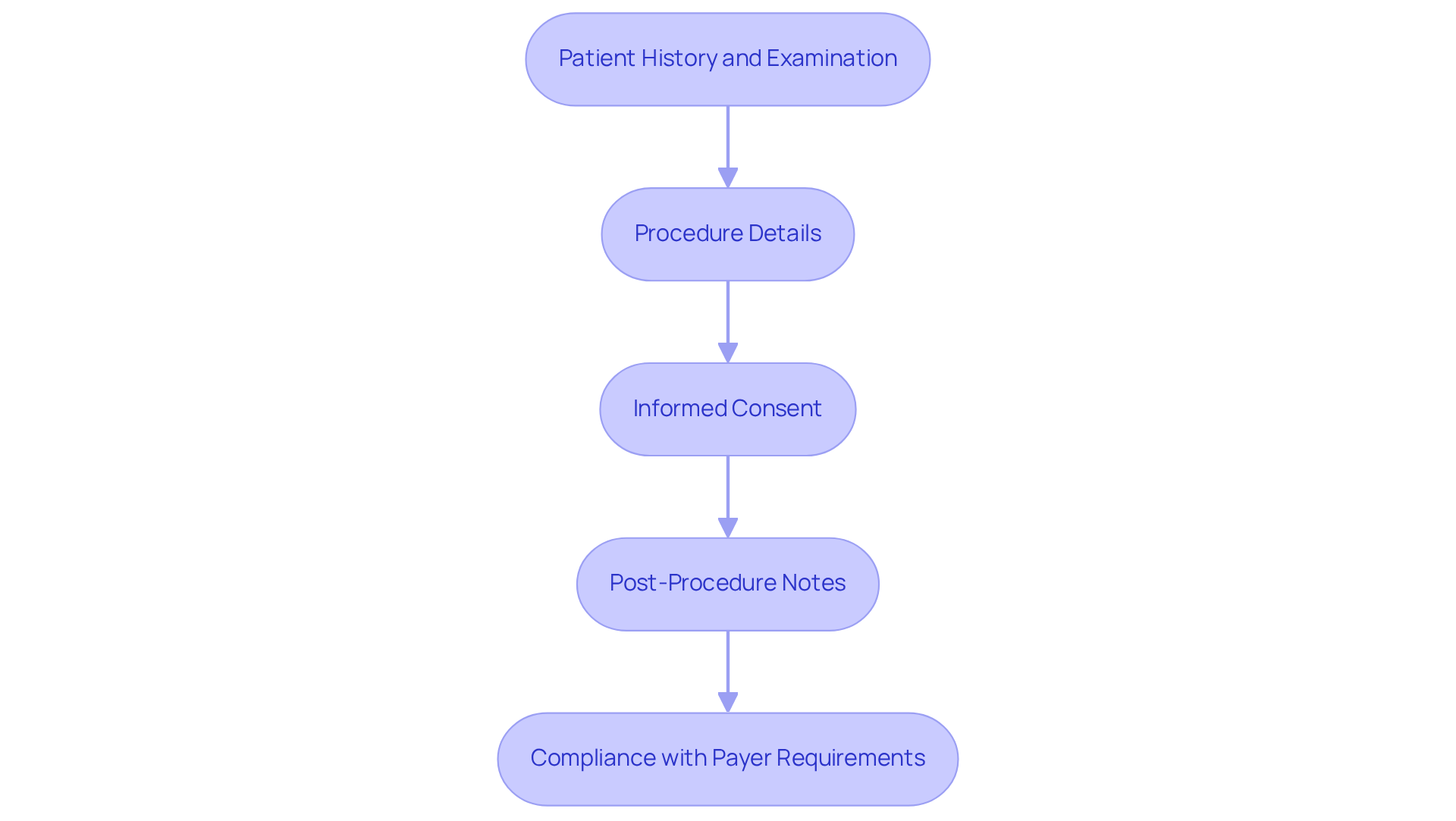
- Patient History and Examination: It is essential to document the patient’s medical history, including any previous treatments and the current condition necessitating the procedure. This thoroughness aids in understanding the patient’s background and informs clinical decisions.
- Procedure Details: Clearly outline the procedure performed, specifying the intra articular injection knee cpt code, the joint injected, and any imaging guidance employed. This level of detail is necessary for accurate billing and compliance with medical standards.
- Informed Consent: Ensure that informed consent is obtained from the patient and documented in the medical record. This documentation should detail the risks, benefits, and alternatives to the procedure, reinforcing the ethical obligation to inform patients adequately.
- Post-Procedure Notes: Include notes on the patient’s response to the treatment and any follow-up care instructions provided. This information plays a vital role in ensuring continuity of care and justifying the medical necessity of the procedure.
- Compliance with Payer Requirements: Familiarize yourself with specific documentation requirements set forth by payers to ensure that all necessary information is included in the medical record. This diligence reduces the risk of claim denials and supports the financial viability of the practice.
Neglecting these documentation elements can lead to significant challenges in patient care and reimbursement processes.
Enhance Staff Training on Coding Updates
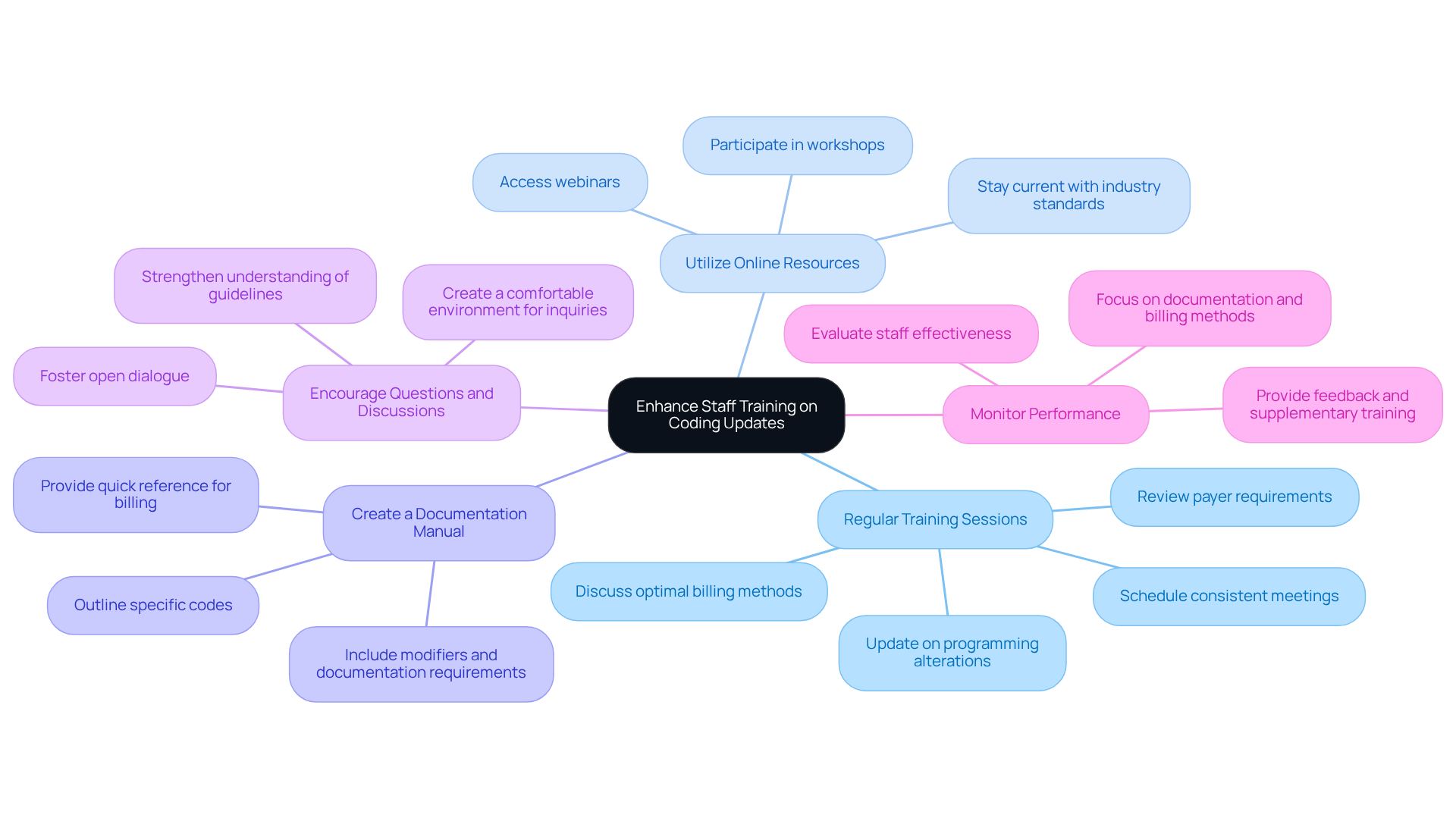
Effective denial management hinges on robust staff training in coding updates for the intra articular injection knee cpt code. To enhance this training, consider implementing the following best practices:
- Regular Training Sessions: Schedule consistent training meetings to keep staff updated about the latest programming alterations, payer requirements, and optimal billing methods. This proactive strategy enables timely appeals of denials, ensuring your organization recovers its rightful revenue.
- Utilize Online Resources: Encourage staff to access online resources, such as webinars and workshops, to further their knowledge and stay current with industry standards. These resources offer precise, data-driven insights that enhance operational effectiveness in your practice.
- Create a Documentation Manual: Develop a comprehensive manual that outlines specific codes, modifiers, and documentation requirements for the intra articular injection knee cpt code. This resource serves as a quick reference for staff during the billing process, ensuring accuracy and compliance, which is crucial for optimizing claims processing and facilitating fast reimbursements.
- Encourage Questions and Discussions: Foster an environment where staff feel comfortable asking questions and discussing technical challenges. Encouraging open dialogue fosters deeper understanding and compliance with guidelines, thereby strengthening your organization’s revenue cycle management.
- Monitor Performance: Regularly evaluate staff effectiveness in documentation and billing methods, offering feedback and supplementary training as necessary. By focusing on these areas, your practice can effectively manage denials and optimize billing processes, allowing you to concentrate on patient care.
By prioritizing these training strategies, mental health clinics can significantly enhance their coding accuracy and operational efficiency, ultimately leading to better patient care and financial sustainability. By adopting these strategies, clinics can not only improve coding accuracy but also enhance their overall operational efficiency, ultimately benefiting patient care and financial health.
Conclusion
Mastering the nuances of intra-articular injection coding is essential for healthcare providers seeking to enhance compliance and revenue. Understanding the specifics of CPT codes 20610 and 20611, along with the application of appropriate modifiers and thorough documentation, is crucial for ensuring accurate billing practices. Prioritizing these elements helps providers reduce reimbursement denials and enhance financial health.
Staying updated with coding changes is crucial for providers. Utilizing reliable software, conducting regular audits, and fostering collaboration with billing specialists like those at Healthcare Partners Consulting & Billing, LLC (HPC) are key strategies. Additionally, effective documentation practices, including comprehensive patient histories and informed consent, are vital not only for compliance but also for delivering high-quality patient care. These strategies collectively contribute to a more efficient revenue cycle management process, empowering practices to focus on what truly matters – their patients.
In conclusion, the commitment to accurate coding and documentation is a cornerstone of successful practice management in the evolving healthcare environment. As healthcare providers navigate the complexities of billing for intra-articular knee injections, embracing best practices will enhance compliance and support the financial sustainability of their practices. By investing in staff training and leveraging expert resources, such as those offered by HPC, providers can streamline their operations, reduce administrative burdens, and ultimately improve patient outcomes. Working with billing specialists can really help providers navigate coding complexities.
Frequently Asked Questions
What are the primary CPT codes for intra-articular injections in the knee?
The primary CPT codes for intra-articular injections in the knee are 20610 and 20611. CPT code 20610 is used for arthrocentesis, aspiration, and/or administration into a major joint or bursa, while CPT code 20611 is for procedures involving ultrasound guidance.
Why is accurate coding important for intra-articular knee injections?
Accurate coding is essential for compliance with payer requirements and optimizing billing efficiency. It helps reduce reimbursement denials by 20-30% and can expedite reimbursement by 15-25% within 30-90 days.
What modifier should be applied when performing injections on both knees?
When performing injections on both knees, it is important to apply modifier 50 for bilateral procedures to ensure appropriate reimbursement.
How can documentation impact the billing process for knee injections?
Careful documentation of each procedure, including the joint treated and materials used, is crucial to support medical necessity and compliance. This vigilance reduces the risk of denials and supports high-quality patient care.
How can healthcare providers enhance their billing processes?
Healthcare providers can enhance their billing processes by consulting with specialized billing services that help identify optimal administrative solutions, address underpayments, and improve claims management while maintaining a focus on patient care.