

Introduction
Navigating the complexities of medical billing is essential for clinics aiming to enhance financial performance and patient care. Understanding the intricacies of medical billing is crucial for clinics striving to optimize their financial health and enhance patient care. By delving into the key factors influencing medical billing costs and exploring effective strategies, healthcare providers can empower themselves to navigate the complexities of revenue cycle management. Clinics must adopt informed decision-making strategies to truly benefit their practice. This tutorial will clarify the intricacies of medical billing, equipping clinics with the knowledge to minimize administrative burdens and prioritize exceptional patient care.
Explore Key Factors Influencing Medical Billing Costs
Understanding the financial dynamics of medical practices is essential for optimizing operational efficiency and profitability.
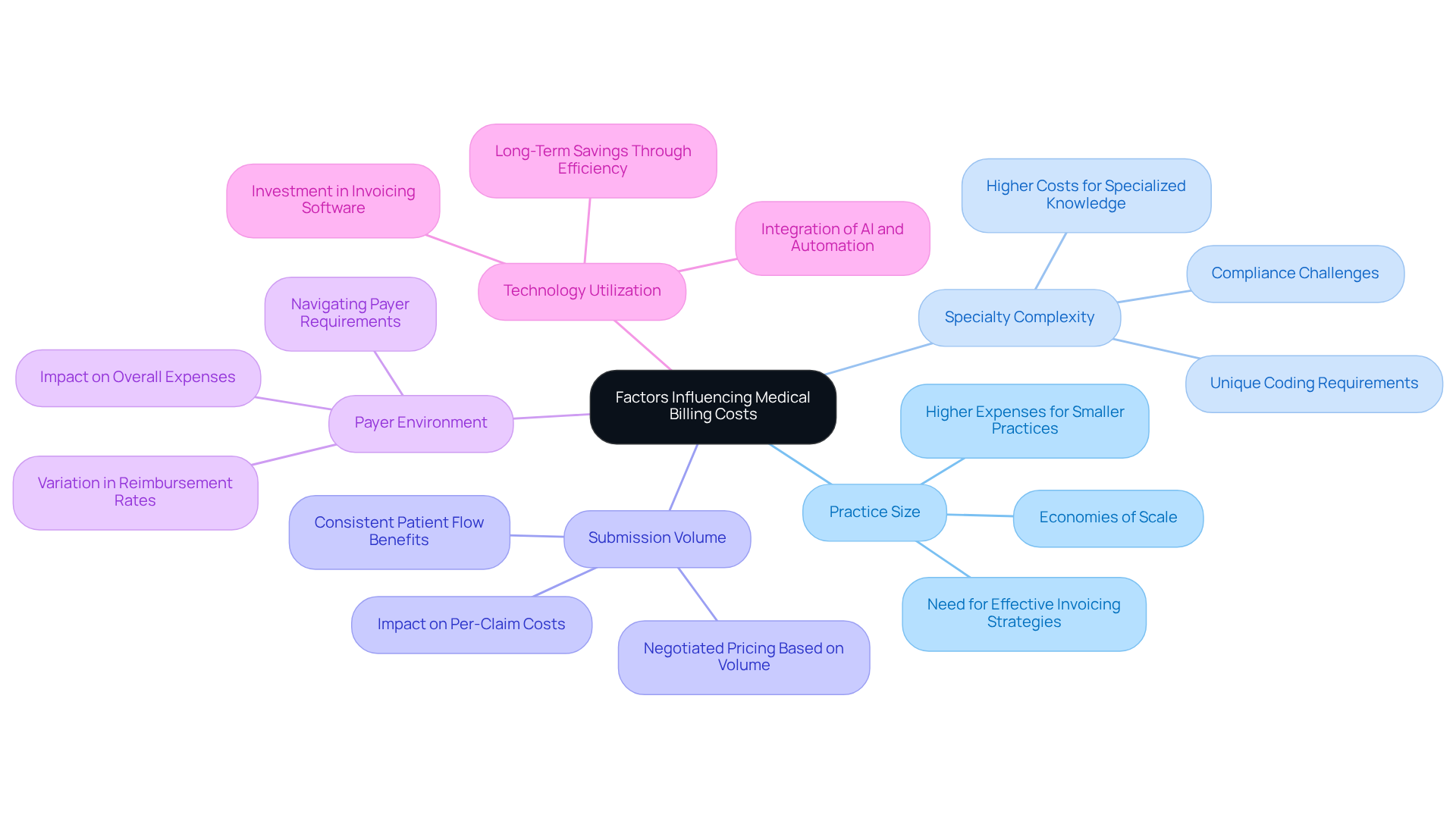
- Practice Size: Larger practices often benefit from economies of scale, which can lead to reduced per-claim expenses. Smaller practices often struggle with higher expenses because of their limited claim volumes, highlighting the need for effective invoicing strategies.
- Specialty Complexity: When it comes to mental health invoicing, the unique coding and compliance requirements can drive up costs, making specialized knowledge essential.
- Submission Volume: The number of submissions made each month plays a crucial role in determining expenses. Increased claim volumes can lead to reduced rates per claim, as administrative services frequently negotiate pricing based on the quantity of claims processed, benefiting practices that sustain a consistent patient flow.
- Payer Environment: The combination of private and public payers affects reimbursement rates and payment practices, which subsequently influences overall expenses. Practices must navigate varying payer requirements and reimbursement structures to optimize their financial outcomes.
- Technology Utilization: Clinics that invest in advanced invoicing software may face higher initial costs; however, these investments can lead to long-term savings through enhanced efficiency and reduced errors. The integration of technology in invoicing processes is increasingly vital as practices aim to streamline operations and enhance revenue cycle performance.
By strategically managing these factors, practices can significantly reduce denials and improve cash flow. In 2026, practices that effectively manage these factors can anticipate denial reductions of 20-30% and quicker reimbursements of 15-25% within 30-90 days, highlighting the significance of strategic partnerships and operational rigor. Ultimately, the ability to navigate these complexities will determine a practice’s financial resilience and growth potential.
Understand Medical Billing Pricing Models
Understanding the various billing models, including medical billing price, is crucial for clinics aiming to optimize their revenue cycle management.
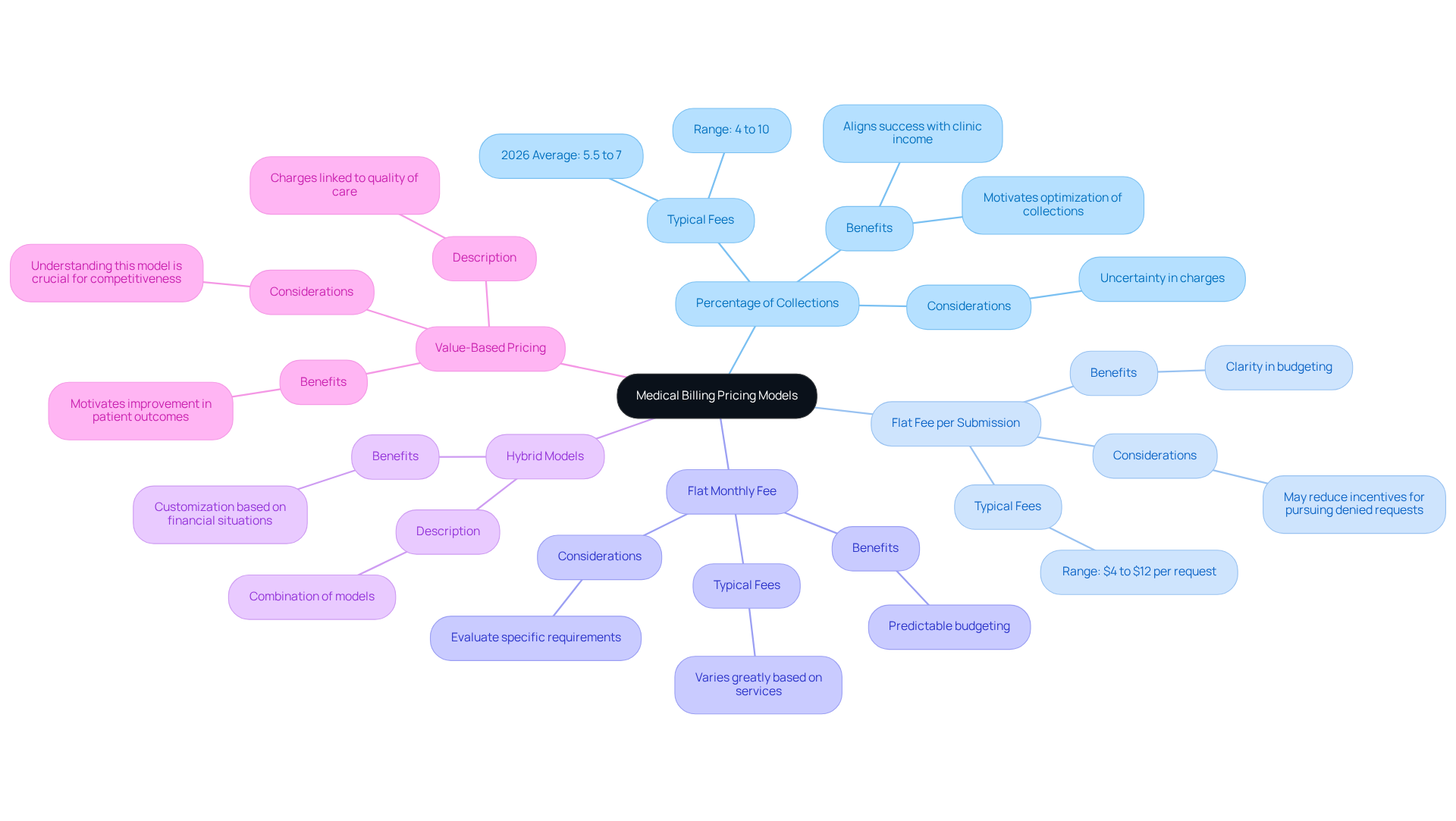
- Percentage of Collections: This prevalent model charges clinics a percentage of total collections, typically ranging from 4% to 10%. Clinics often face uncertainty regarding the percentage they will be charged for collections. This framework aligns revenue management success with the clinic’s income, motivating both parties to optimize collections. In 2026, the medical billing price for services will typically range between 5.5% and 7%, depending on the specialty and complexity of submissions.
- Flat Fee per Submission: Clinics may choose a fixed fee for each submission made, which can be beneficial for practices with predictable submission volumes. Fees typically vary from $4 to $12 per request. This model offers clarity in budgeting but may diminish incentives for billing companies to pursue denied requests vigorously.
- Flat Monthly Fee: This model charges a fixed monthly fee, regardless of the number of claims processed, which helps clinics budget more predictably. Monthly fees can fluctuate greatly depending on the offerings included, making it crucial for clinics to evaluate their specific requirements when contemplating this choice.
- Hybrid Models: Some invoicing services offer a combination of the above models, allowing clinics to customize their financial arrangements based on unique financial situations and operational needs. This flexibility can assist clinics in optimizing their invoicing processes and enhancing overall financial performance.
- Value-Based Pricing: Emerging in the industry, this model connects charges to the quality of care delivered, motivating clinics to improve patient outcomes while managing expenses. As the shift to value-based payment models accelerates, understanding this pricing structure becomes increasingly important for clinics aiming to thrive in a competitive landscape.
By adopting these models, clinics can expect to see significant improvements in their medical billing price and overall financial health. In 2026, practices that effectively implement these models can expect to see denial reductions of 20-30% and faster reimbursement timelines improving by 15-25% within 30-90 days, significantly enhancing their revenue cycle performance. Clinics that adapt to these evolving models will not only improve their financial performance but also enhance patient care outcomes.
Evaluate Total Costs and Hidden Fees in Medical Billing
Understanding the full spectrum of expenses related to medical billing price is essential for mental health clinics aiming to maintain financial health. Here are the key components to consider:
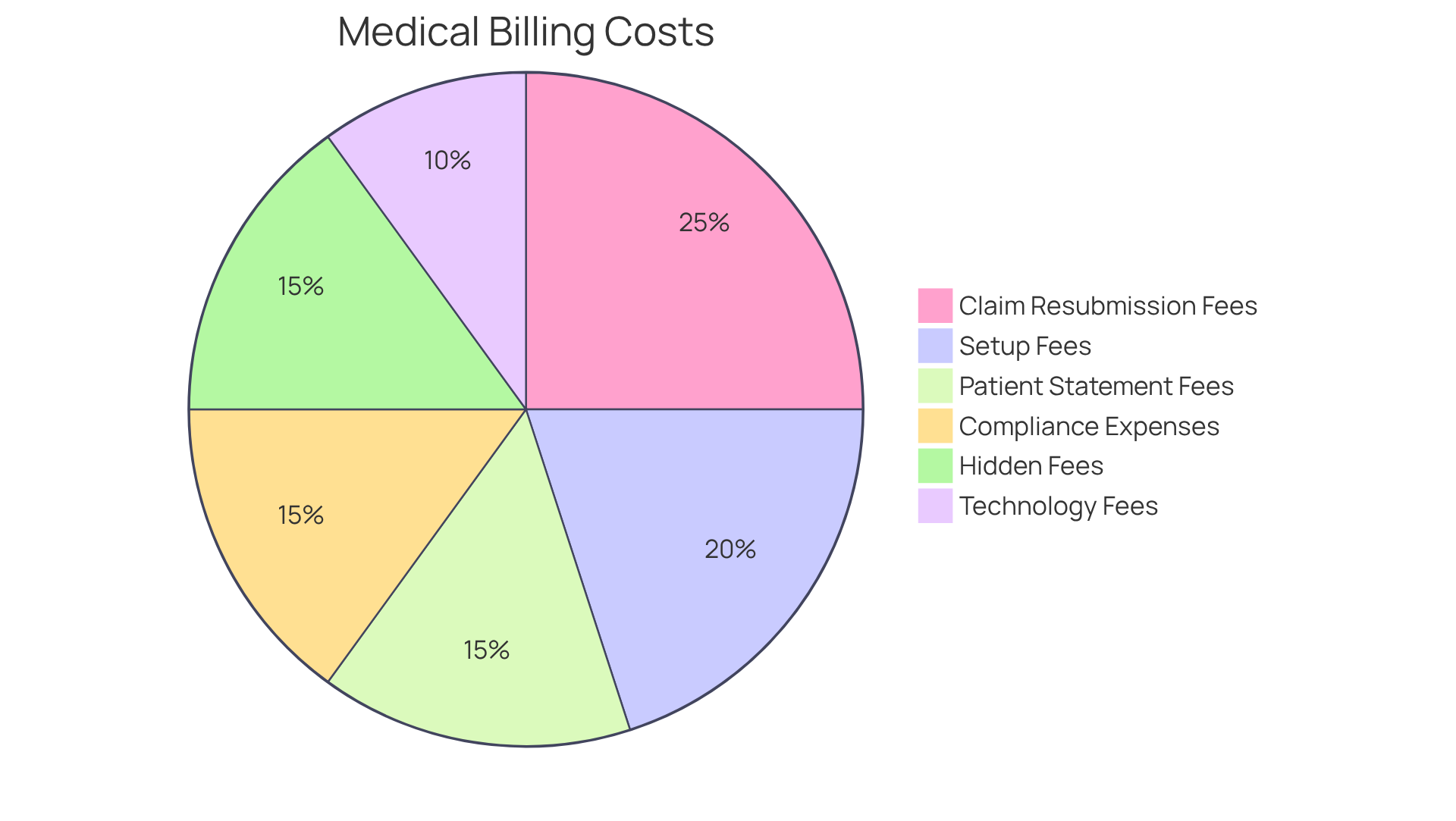
- Setup Fees: Setup Fees represent a significant initial investment, typically ranging from $500 to $5,000 for medical billing services. Understanding these upfront costs is crucial for effective budgeting, as they are often not included in initial quotes.
- Claim Resubmission Fees: Claim Resubmission Fees can accumulate rapidly, particularly for clinics facing high denial rates, leading to unexpected financial burdens if not accounted for in the overall billing strategy.
- Patient Statement Fees: Patient Statement Fees contribute significantly to overall expenses, impacting budgeting for busy practices. These fees can vary from $250 to $1,000 per month, depending on the volume of statements produced and whether this option is included in the base fee.
- Technology Fees: Technology Fees arise when specific software or technology is required, leading to additional licensing or integration costs. These fees can range from $200 to $800 per month, depending on the complexity of the systems involved.
- Compliance Expenses: Compliance Expenses are critical for maintaining operational integrity and should be factored into overall financial considerations. These expenditures relate to training, audits, and updates to invoicing practices.
- Hidden Fees: Hidden Fees, including termination penalties and additional charges for excluded services, can significantly inflate annual costs if not addressed. Practices should clarify all fees related to medical billing prices before signing contracts, as these can increase annual charges by 15% to 30% above quoted rates.
In a case study involving a multi-specialty clinic, awareness of hidden costs allowed the practice to negotiate better terms, ultimately improving their financial outcomes. By implementing scorecard-driven adjustments linked to claims accuracy and denial rates, they achieved a 20-30% reduction in denial rates and quicker reimbursements within 30-90 days, demonstrating the significance of a comprehensive evaluation of financial processes. Neglecting to account for these hidden costs can jeopardize a clinic’s financial stability and operational success.
Negotiate Rates and Choose the Right Billing Service
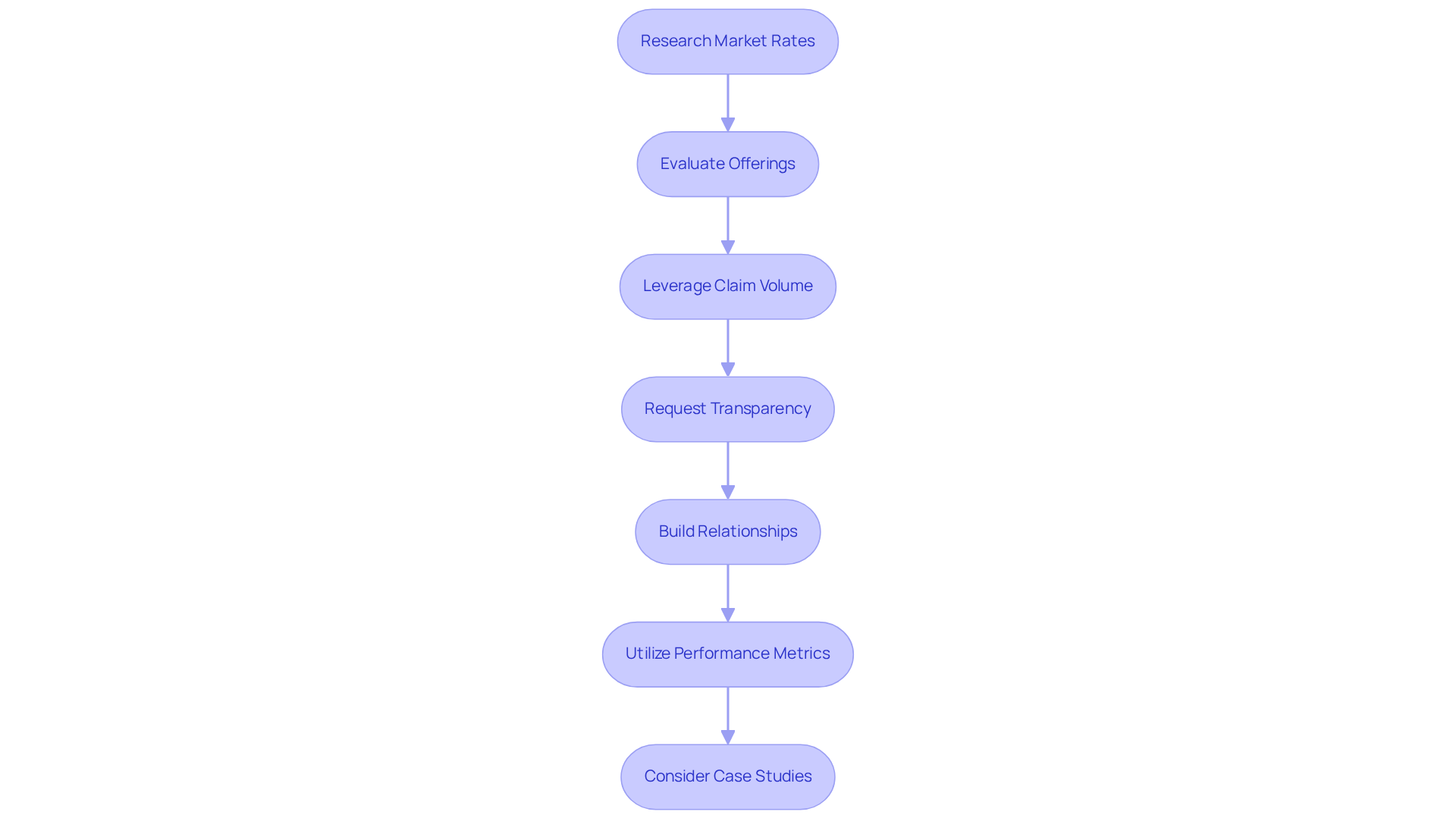
- Research Market Rates: Clinics should begin by exploring the current rates for medical invoicing options in Atlanta. Understanding the typical medical billing price range, which generally falls between 4% to 10% of net collections, establishes a solid foundation for negotiations.
- Evaluate Offerings: It is crucial to assess the specific options included in the pricing model. Comprehensive support must encompass submission of requests, management of denials, payment posting, and compliance assistance, ensuring that the financial processes align with the clinic’s operational needs.
- Leverage Claim Volume: Clinics with higher claim volumes can negotiate more favorable rates. By showcasing their ability to generate increased revenue for the invoicing process, they can secure lower fees, benefiting from economies of scale that larger practices often enjoy.
- Request Transparency: Clinics should insist on a detailed breakdown of costs from potential financial partners. This includes identifying any hidden fees that may not be immediately apparent in the medical billing price, such as charges for credentialing or advanced analytics, to avoid unexpected expenses.
- Build Relationships: Building a solid relationship with financial representatives can really improve your negotiation results. A collaborative relationship fosters ongoing support and can lead to better terms, ultimately benefiting both parties.
- Utilize Performance Metrics: Clinics should inquire about the billing service’s performance indicators, such as clean submission rates and average days in accounts receivable. Services that employ scorecard-driven adjustments linked to accuracy of submissions and denial rates can showcase operational rigor and a commitment to enhancing revenue cycle performance.
- Consider Case Studies: For instance, practices that have successfully negotiated rates based on their claim volume have often seen a reduction in denials by 20-30% and faster reimbursement timelines of 15-25% within 30-90 days. These metrics highlight the potential benefits of effective negotiation strategies.
To successfully navigate the complexities of medical billing negotiations, clinics should follow these strategic steps, ensuring they choose a partner that not only meets their financial needs but also enhances their overall operational efficiency. Ultimately, the ability to negotiate effectively can mean the difference between financial stability and operational strain for clinics.
Conclusion
Navigating the complexities of medical billing is essential for clinics striving to enhance both financial health and patient care. Focusing on factors like practice size, specialty complexity, and submission volume allows healthcare providers to manage their billing processes more effectively. This approach not only reduces administrative burdens but also empowers practitioners to concentrate on delivering quality care.
The article delves into various medical billing pricing models, highlighting the importance of selecting the right structure to align with a clinic’s operational needs. From percentage-based collections to flat fees and hybrid models, each option presents unique advantages and challenges. Additionally, recognizing total costs and potential hidden fees is essential for maintaining financial stability. By being proactive in evaluating these aspects, clinics can significantly improve their revenue cycle management and overall efficiency.
Ultimately, prioritizing these strategies can lead to a significant transformation in both financial outcomes and patient satisfaction. Partnering with Healthcare Partners Consulting & Billing, LLC (HPC) can significantly enhance billing efficiency, ensuring that practitioners can focus on what truly matters – providing exceptional patient care. For more information or to discuss tailored solutions, reach out to HPC at info@hpcbilling.com or call 888-517-4992.
Frequently Asked Questions
What are the key factors influencing medical billing costs?
The key factors influencing medical billing costs include practice size, specialty complexity, submission volume, payer environment, and technology utilization.
How does practice size affect medical billing costs?
Larger practices often benefit from economies of scale, leading to reduced per-claim expenses, while smaller practices may face higher expenses due to limited claim volumes.
Why is specialty complexity important in medical billing?
Specialty complexity, particularly in areas like mental health, involves unique coding and compliance requirements that can drive up costs, making specialized knowledge essential for accurate billing.
How does submission volume impact billing expenses?
The number of submissions made each month affects expenses, as increased claim volumes can lead to reduced rates per claim due to negotiated pricing based on the quantity of claims processed.
What role does the payer environment play in medical billing costs?
The combination of private and public payers influences reimbursement rates and payment practices, which affects overall expenses. Practices must navigate varying payer requirements to optimize financial outcomes.
How can technology utilization affect medical billing costs?
Investing in advanced invoicing software may incur higher initial costs, but it can lead to long-term savings through enhanced efficiency and reduced errors, making technology integration vital for streamlining operations.
What are the potential benefits of managing these factors effectively?
By strategically managing these factors, practices can significantly reduce denials and improve cash flow, potentially achieving denial reductions of 20-30% and quicker reimbursements of 15-25% within 30-90 days by 2026.