Introduction
Accurate ICD-10 coding is crucial for clinics aiming to enhance their lipid panel screening processes, as it directly impacts reimbursement rates and compliance. Mastering the intricacies of coding enables healthcare providers to enhance billing accuracy. This, in turn, reduces claim denials and improves financial health. Yet, this complexity prompts an important consideration: how can clinics effectively implement these coding best practices to ensure both compliance and efficiency in their revenue cycle management?
Understand ICD-10 Coding Fundamentals for Lipid Panels
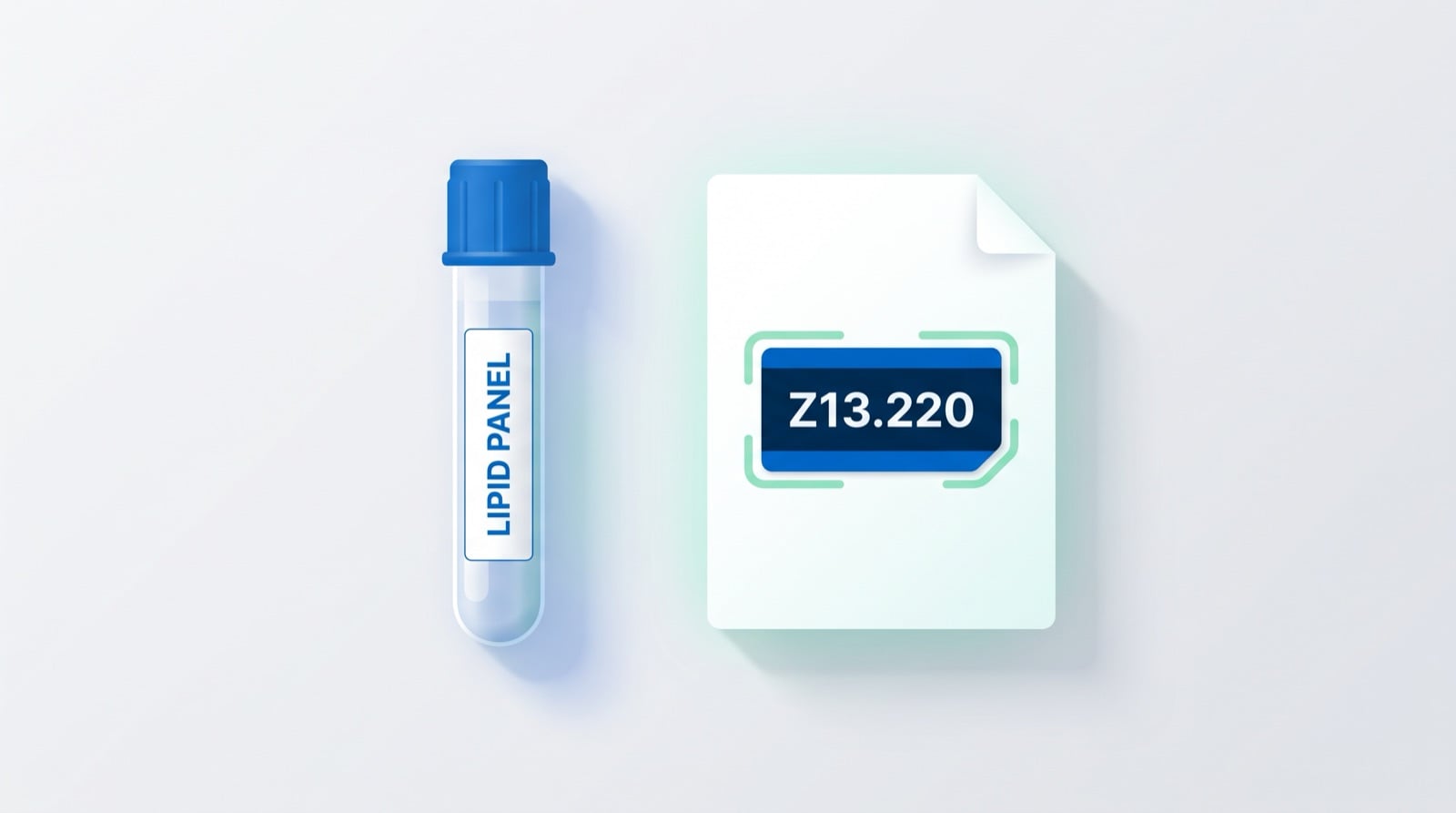
ICD-10 coding serves as a critical framework for the accurate categorization of diagnoses and procedures, significantly impacting healthcare reimbursement. For cholesterol panels, understanding the ICD-10 code for lipid panel screening is essential for accurate invoicing and compliance. The ICD-10 code for lipid panel screening is Z13.220, which is designated for asymptomatic patients undergoing evaluation for fat disorders. Understanding this code, along with others associated with fat metabolism irregularities, is crucial for healthcare providers to ensure accurate documentation and claims.
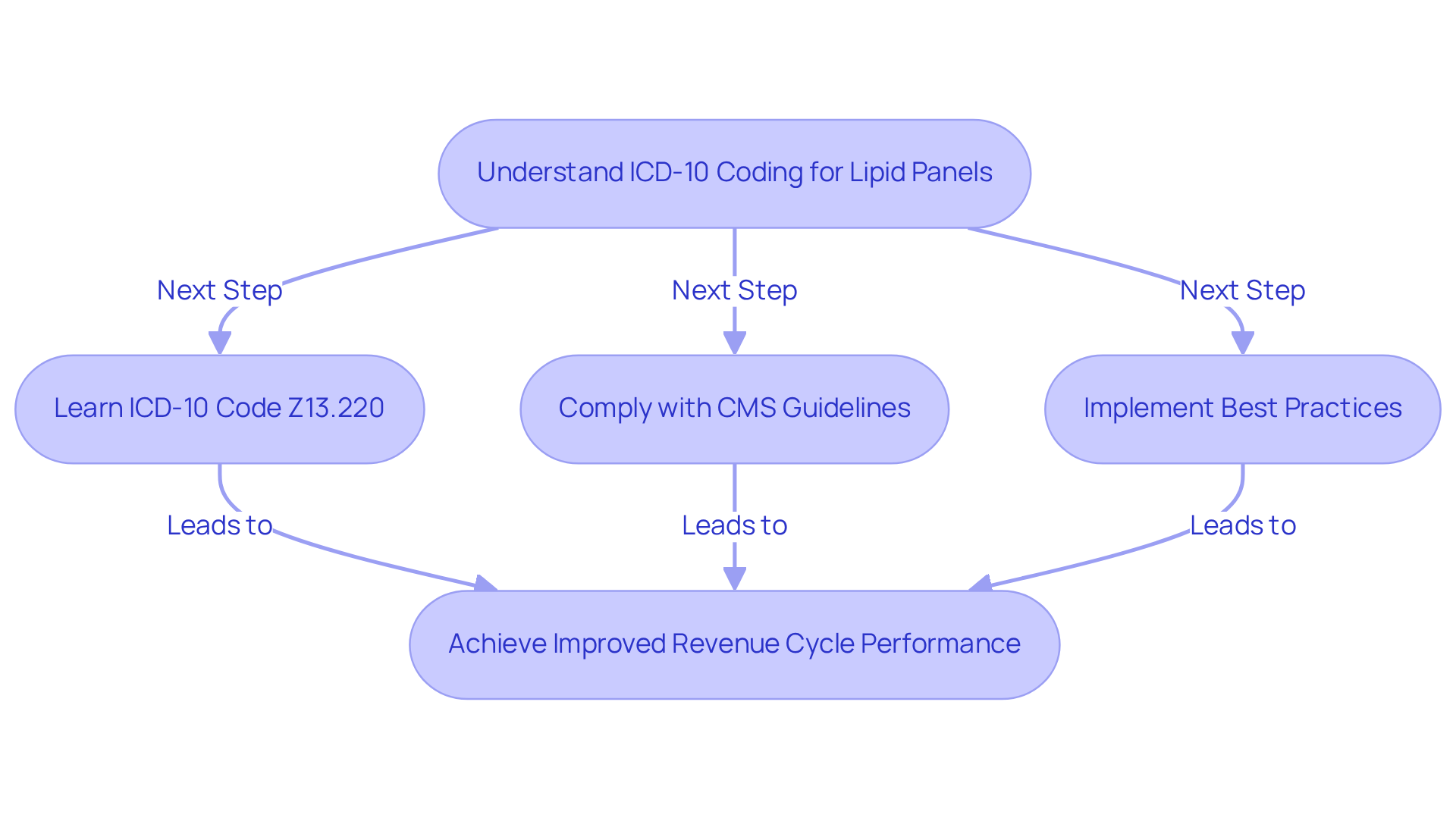
Furthermore, healthcare facilities must comply with guidelines established by the Centers for Medicare & Medicaid Services (CMS) regarding the frequency and necessity of lipid testing, as these elements can greatly influence reimbursement rates. Accurate ICD-10 classification enhances billing precision and reduces claim denials, which can be decreased by 20-30% through effective training and communication.
By significantly improving their coding accuracy and compliance, healthcare facilities can enhance their revenue cycle performance, achieving quicker reimbursement within 15-25% in 30-90 days. Implementing best practices, such as regular training sessions and utilizing automated auditing tools, can further streamline the development process and ensure compliance with evolving regulations. Ultimately, effective coding practices can transform the financial landscape of healthcare facilities, ensuring sustainability and growth.
Identify Key ICD-10 Codes for Lipid Panel Billing
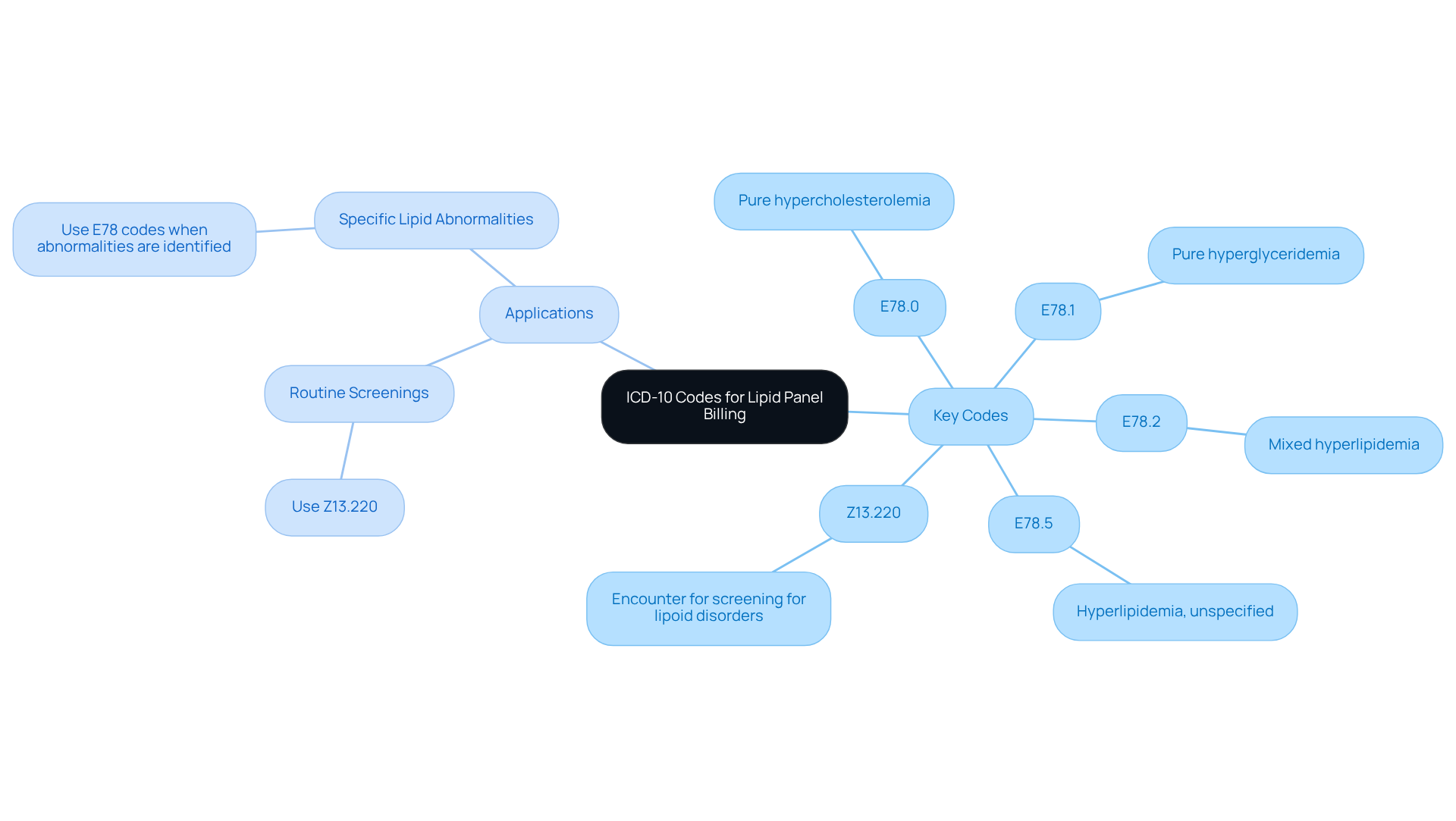
Accurate ICD-10 documentation is essential for clinics to secure timely reimbursement for cholesterol tests, as it guarantees adherence to regulations and optimizes reimbursement. Key codes to be familiar with include:
- Z13.220: Encounter for screening for lipoid disorders.
- E78.0: Pure hypercholesterolemia.
- E78.1: Pure hyperglyceridemia.
- E78.2: Mixed hyperlipidemia.
- E78.5: Hyperlipidemia, unspecified.
For routine screenings, clinics should apply Z13.220, whereas the E78 codes are relevant when specific lipid abnormalities are identified. Proper coding not only facilitates accurate billing but also enhances clinical documentation and compliance with payer requirements. For instance, facilities that apply these codes efficiently can realize a decrease in claim denials by 20-30% and enjoy quicker reimbursements of 15-25% within 30-90 days.
Case studies demonstrate that clinics maximizing reimbursement through the correct ICD-10 code for lipid panel screening see significant improvements in their revenue cycle management. By prioritizing accurate coding practices, healthcare providers can ensure they are well-positioned to navigate the complexities of reimbursement and enhance their financial viability. Our team at Healthcare Partners Consulting & Billing, LLC (HPC) is dedicated to providing clients with the knowledge and tools they need to navigate the complexities of medical invoicing through a compliance-first approach. Our dedicated teams, including billing managers and accounts receivable specialists, collaborate closely with healthcare entities to enhance patient statements and effectively tackle underpayments and aging claims. We provide adaptable service plans customized to the distinct needs of each practice, ensuring clarity in pricing without any concealed charges. Ultimately, effective programming practices can transform a clinic’s financial landscape, ensuring sustainability and growth in a competitive healthcare environment.
Ensure Proper Documentation and Compliance for Claims
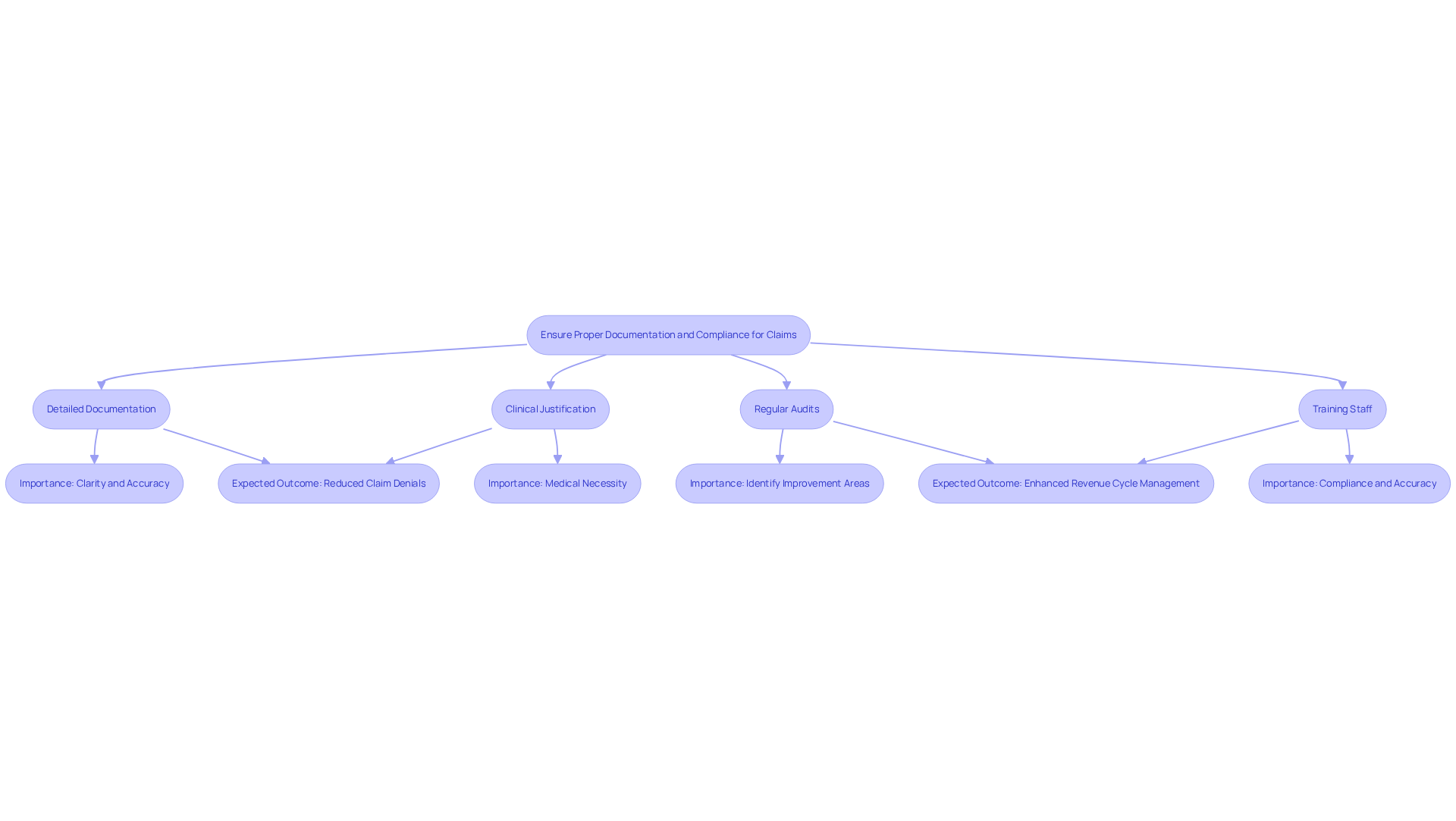
Effective billing and compliance hinge on meticulous documentation, particularly concerning the icd-10 code for lipid panel screening. Clinics should adopt the following best practices:
- Detailed Documentation: Clearly specify all tests performed in the cholesterol panel, avoiding vague terms like ‘run labs.’ To ensure clarity and accuracy, document specific fat levels measured, such as total cholesterol, LDL, HDL, and triglycerides, along with the icd-10 code for lipid panel screening. This level of detail is crucial for effective denial management, as it supports the claims process and reduces the likelihood of denials.
- Clinical Justification: Document the medical necessity for the lipid panel in the patient’s medical record. This includes noting any risk factors or symptoms that warrant the screening, which is crucial for compliance and reimbursement related to the icd-10 code for lipid panel screening. As noted, “Documentation standards are equally important” in maintaining compliance and enhancing revenue recovery through effective denial management.
- Regular Audits: Conduct routine audits of documentation practices to identify areas for improvement and ensure adherence to payer requirements. Regular reviews can reduce claim denials by 20-30%. This improvement stems from addressing documentation issues early, enhancing overall compliance and supporting sustainable growth for your organization.
- Training Staff: Provide ongoing training for administrative staff on documentation standards and coding updates. This ensures that every team member is ready to maintain compliance and accuracy in billing processes. As Saq Adams emphasizes, “Ongoing education addresses questions that arise during real-world implementation.” This approach alleviates administrative challenges and enables your organization to concentrate on patient care.
By implementing these practices, healthcare facilities can significantly enhance their documentation quality, reduce claim denials, and improve overall revenue cycle management, achieving faster reimbursements of 15-25% within 30-90 days. Additionally, Healthcare Partners Consulting offers personalized consultations to help identify optimal administrative solutions tailored to your practice’s needs. Their adaptable service plans and specialty-focused approach guarantee that you receive the necessary support to navigate the complexities of medical invoicing effectively. With 39 years of experience and a veteran-owned status, Healthcare Partners Consulting is committed to empowering healthcare providers by removing administrative burdens, allowing them to focus on patient care. This strategic approach not only streamlines operations but also positions healthcare providers for sustainable financial success.
Optimize Billing Processes for Lipid Panels
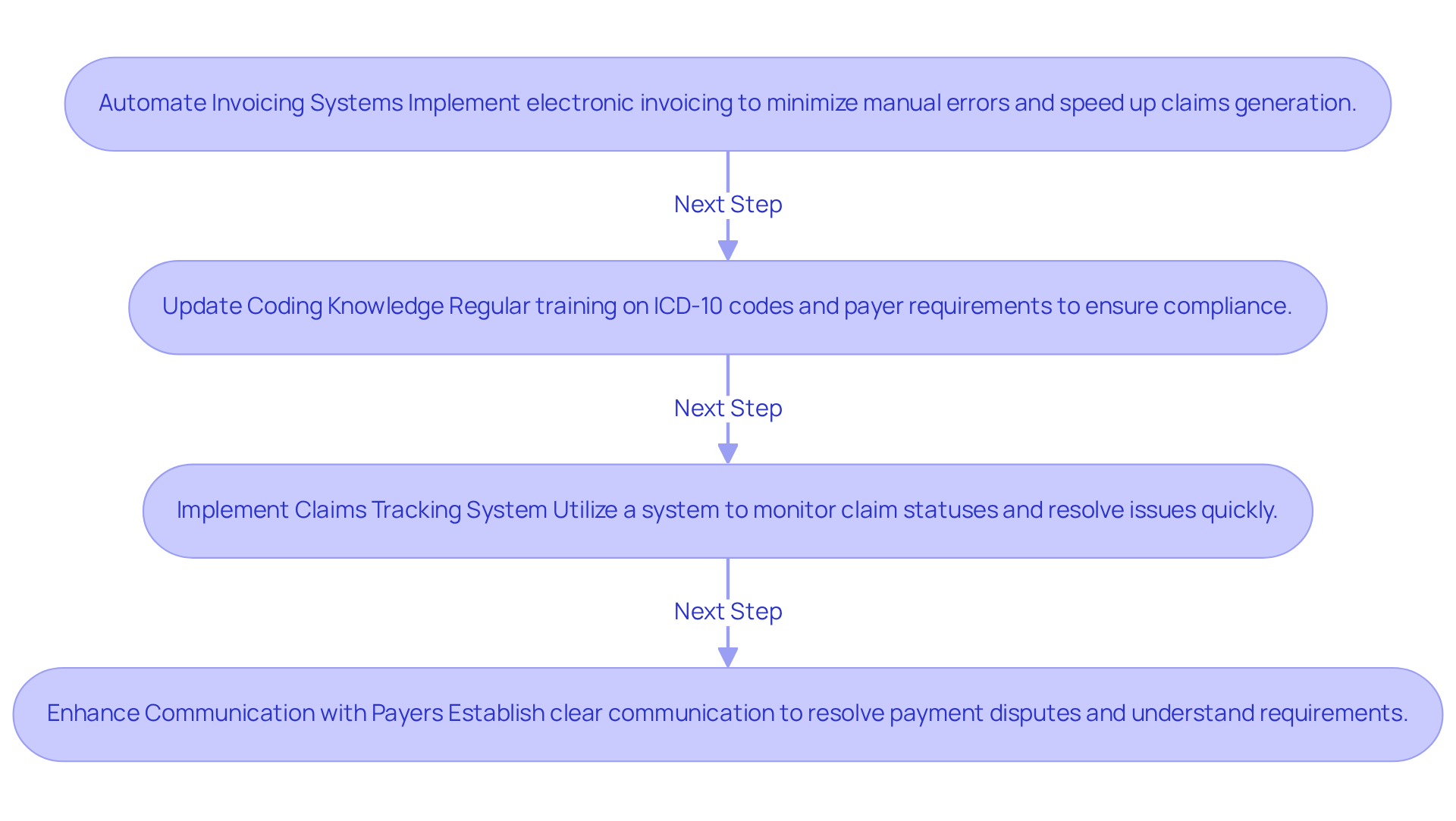
To enhance the efficiency of billing processes for lipid panels, clinics must adopt strategic measures that address common challenges:
- Automate Invoicing Systems: Implement electronic invoicing systems that can automatically generate claims based on the documentation provided and the ICD-10 code for lipid panel screening. This minimizes manual entry mistakes and accelerates the invoicing process, aligning with Healthcare Partners Consulting & Billing, LLC’s (HPC) commitment to streamlining operations for exceptional patient care. Clinics can expect measurable improvements in denial rates and reimbursement times by leveraging data-driven guidance.
- Regularly update coding knowledge by staying informed about the ICD-10 code for lipid panel screening and payer requirements to ensure compliance and accuracy in billing. Regular training sessions can help staff remain knowledgeable about coding updates, which is essential for effective denial management and revenue recovery. Taking this proactive approach is essential for keeping claim acceptance rates high.
- Implement a Claims Tracking System: Utilize a claims tracking system to monitor the status of submitted claims. This enables healthcare facilities to recognize and resolve any issues swiftly, decreasing the time spent on follow-ups and improving cash flow, a significant advantage of HPC’s comprehensive revenue cycle management services. Clinics can see improvements within 30-90 days, leading to better financial health.
- Enhance Communication with Payers: Establish clear lines of communication with insurance payers to resolve any payment disputes quickly. Understanding payer requirements can assist healthcare facilities in avoiding common pitfalls that lead to claim denials, ensuring a compliance-first approach that HPC advocates. This strategy not only simplifies the invoicing process but also fosters stronger relationships with payers.
Implementing these strategies allows clinics to streamline billing processes and reduce administrative burdens. This ultimately enhances their focus on patient care, supported by HPC’s flexible service plans tailored to the unique needs of mental health practices. Ultimately, these strategies empower clinics to prioritize patient care while ensuring financial stability.
Conclusion
Mastering ICD-10 coding is essential for clinics seeking to improve their financial health and operational efficiency. Understanding and implementing the correct ICD-10 codes allows healthcare providers to improve billing accuracy, reduce claim denials, and ensure timely reimbursements while focusing on patient care.
Throughout the article, key practices have been highlighted, including:
- The importance of accurate documentation
- Understanding specific ICD-10 codes like Z13.220 and E78 series
- The necessity of regular training and audits
These strategies streamline billing processes and empower clinics to navigate the complexities of reimbursement effectively. By leveraging tools and resources, such as those offered by Healthcare Partners Consulting & Billing, LLC (HPC), clinics can transform their revenue cycle management and position themselves for sustainable growth.
The significance of mastering ICD-10 coding extends beyond immediate financial benefits; it embodies a commitment to compliance and excellence in patient care. As healthcare providers focus on refining their coding practices, they enhance their operational capabilities and contribute to a more robust healthcare system. Clinics that prioritize ICD-10 coding excellence will navigate the complexities of healthcare reimbursement more effectively and thrive in a competitive environment.
Frequently Asked Questions
What is the importance of ICD-10 coding in healthcare?
ICD-10 coding is essential for categorizing diagnoses, symptoms, and procedures, significantly influencing healthcare reimbursement.
What is the primary ICD-10 code for lipid panel screening?
The primary ICD-10 code for lipid panel screening is Z13.220, which is designated for asymptomatic patients undergoing assessment for disorders related to lipids.
Why is understanding ICD-10 codes for lipid panels important for healthcare providers?
Understanding ICD-10 codes for lipid panels is crucial for accurate documentation and financial processes, ensuring proper invoicing and adherence to regulations.
What guidelines must clinics follow regarding lipid testing?
Clinics must adhere to guidelines set by the Centers for Medicare & Medicaid Services (CMS) regarding the frequency and necessity of lipid testing, as these factors can impact reimbursement rates.
How does accurate ICD-10 coding affect claim processing?
Accurate ICD-10 coding enhances claim accuracy and reduces the risk of denials, contributing to improved financial stability for clinics.
What support is available for navigating ICD-10 coding and reimbursement?
A 30-minute consultation with Healthcare Partners Consulting is recommended to outline workflow, identify tailored services, and provide personalized support for navigating ICD-10 coding and reimbursement complexities.